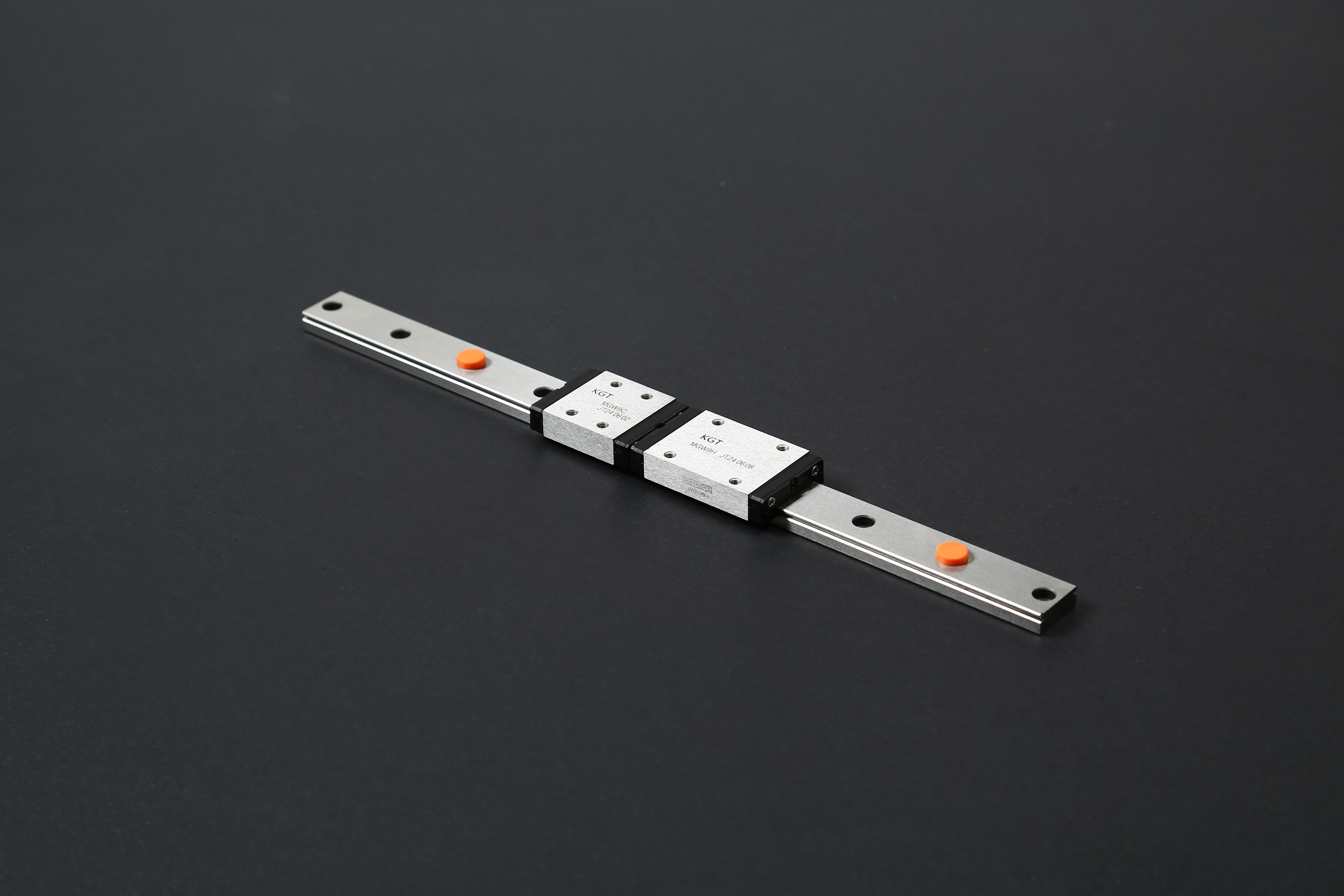
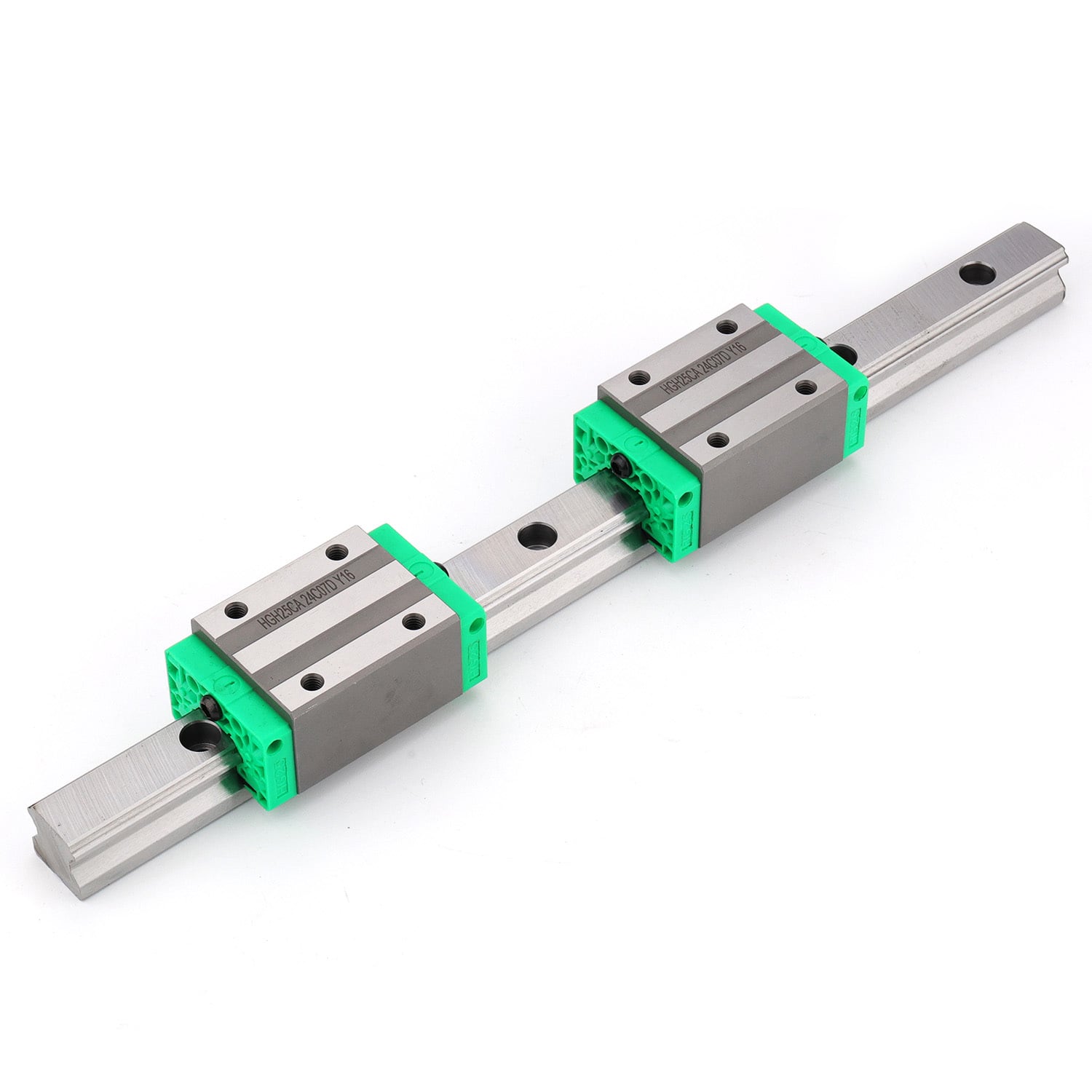
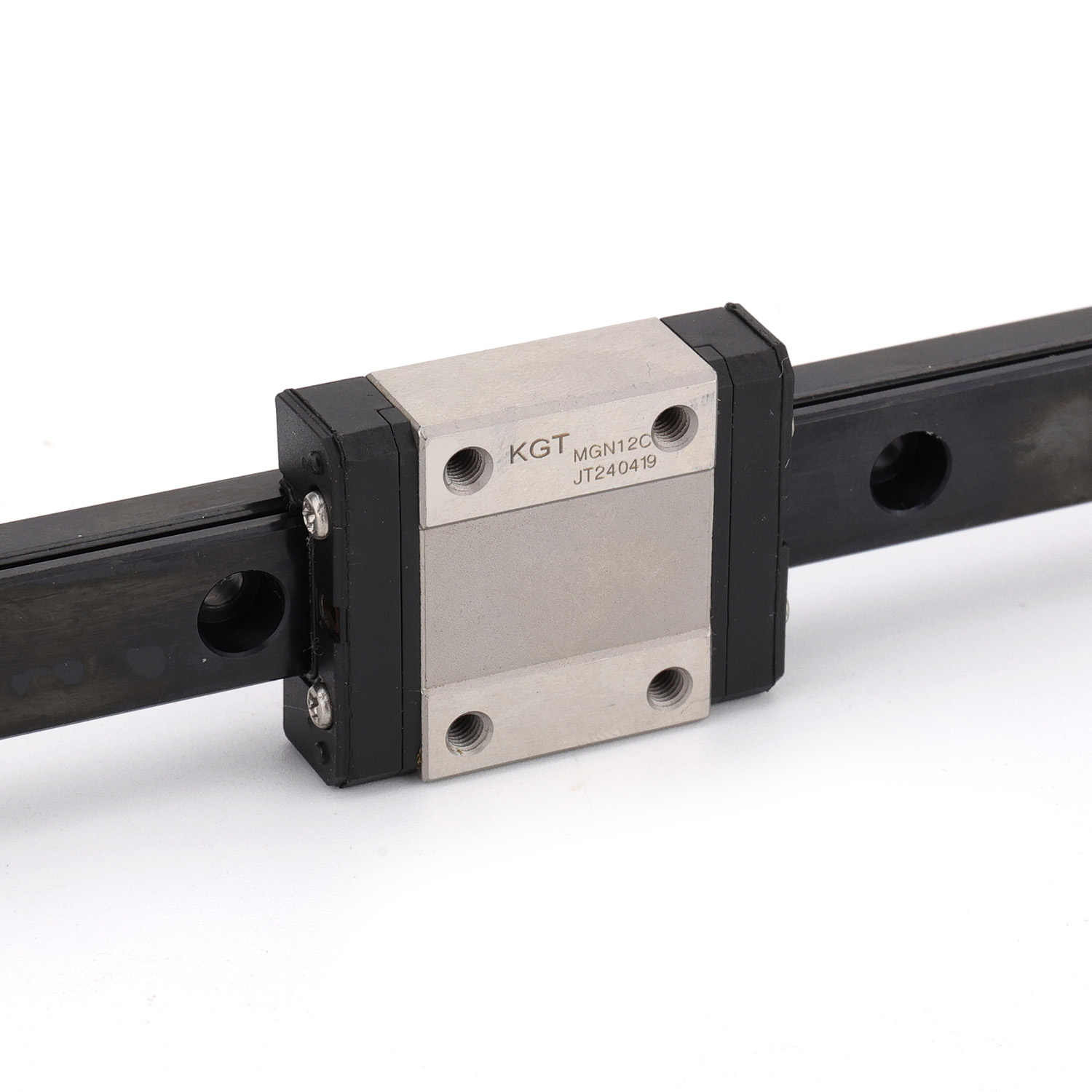
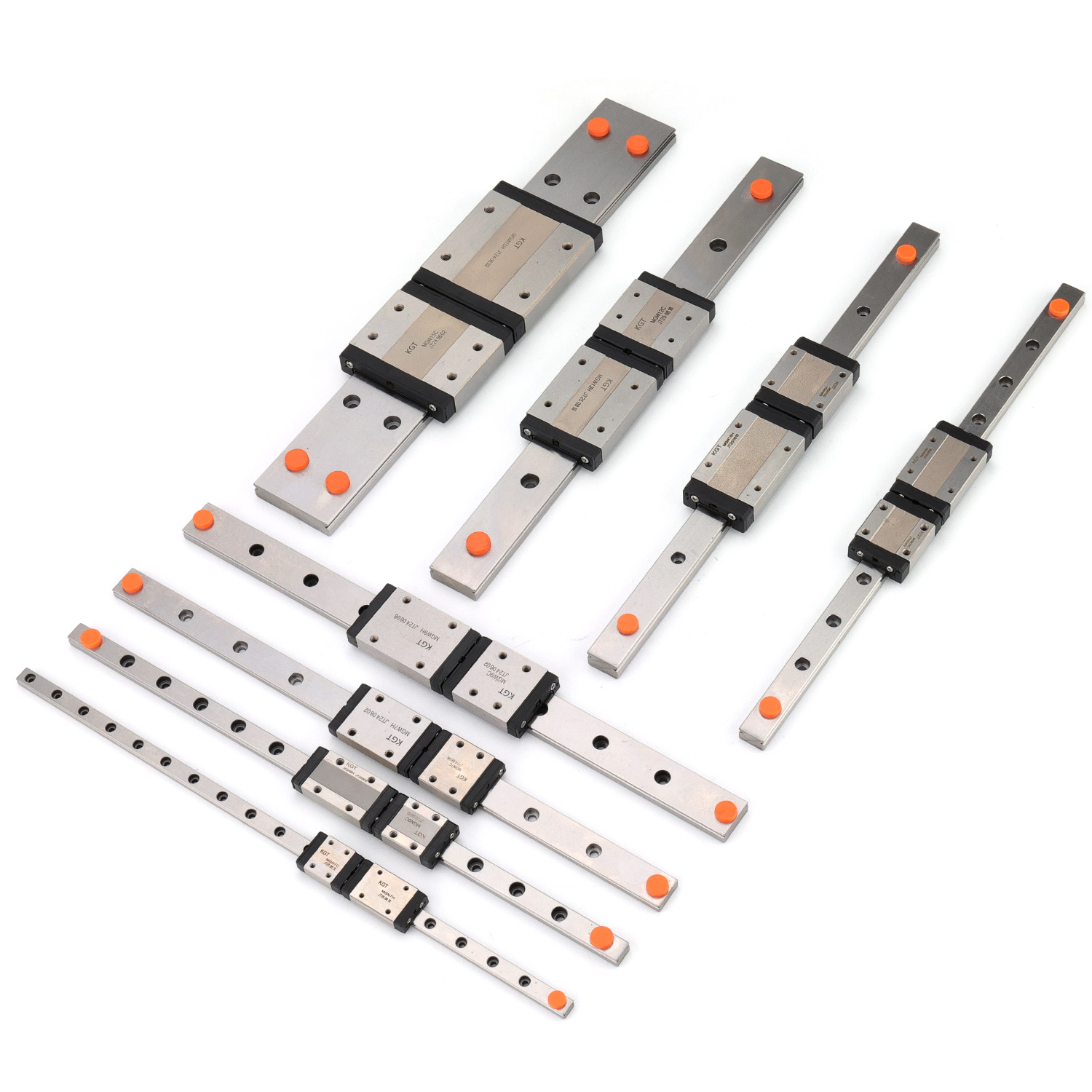
quality rail linear
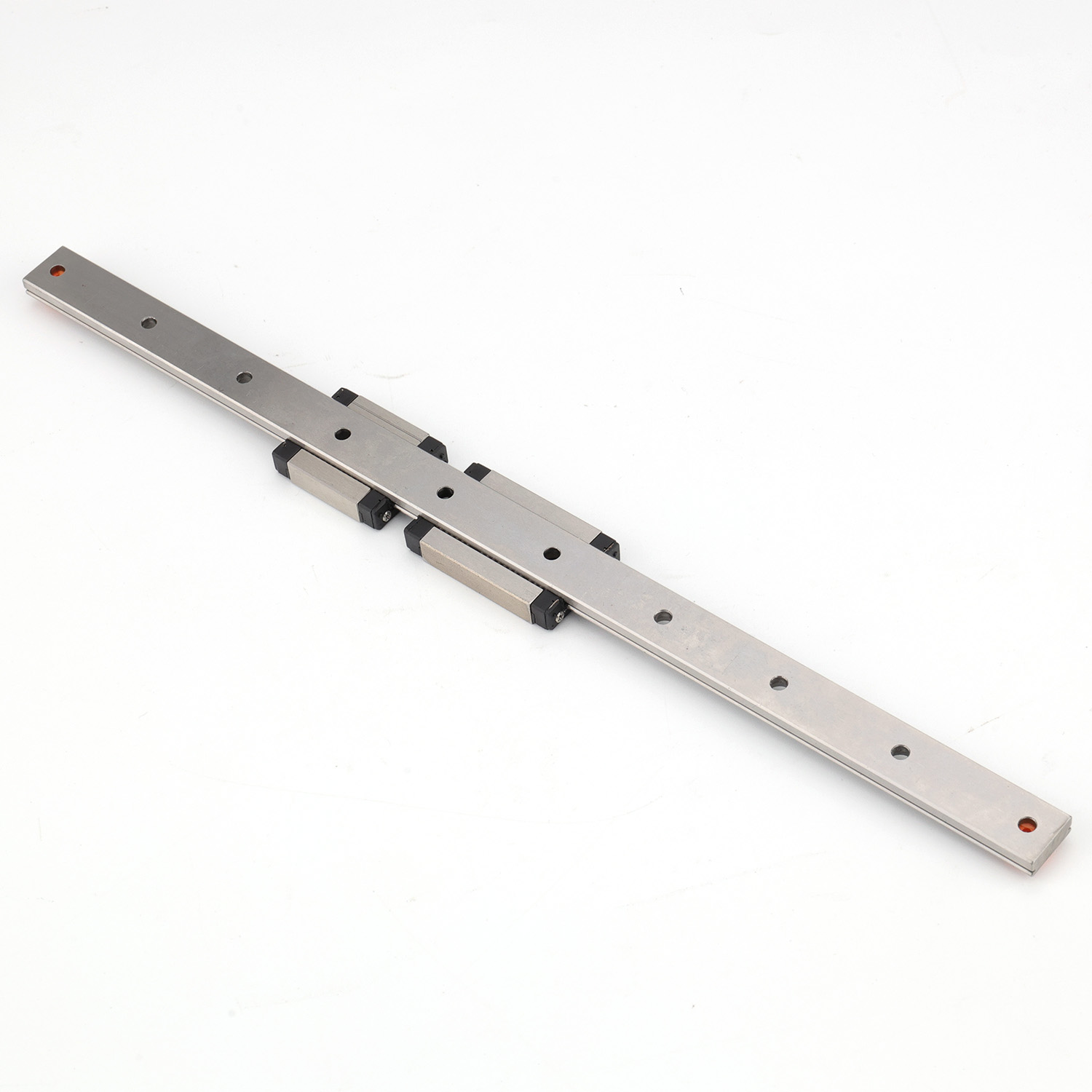
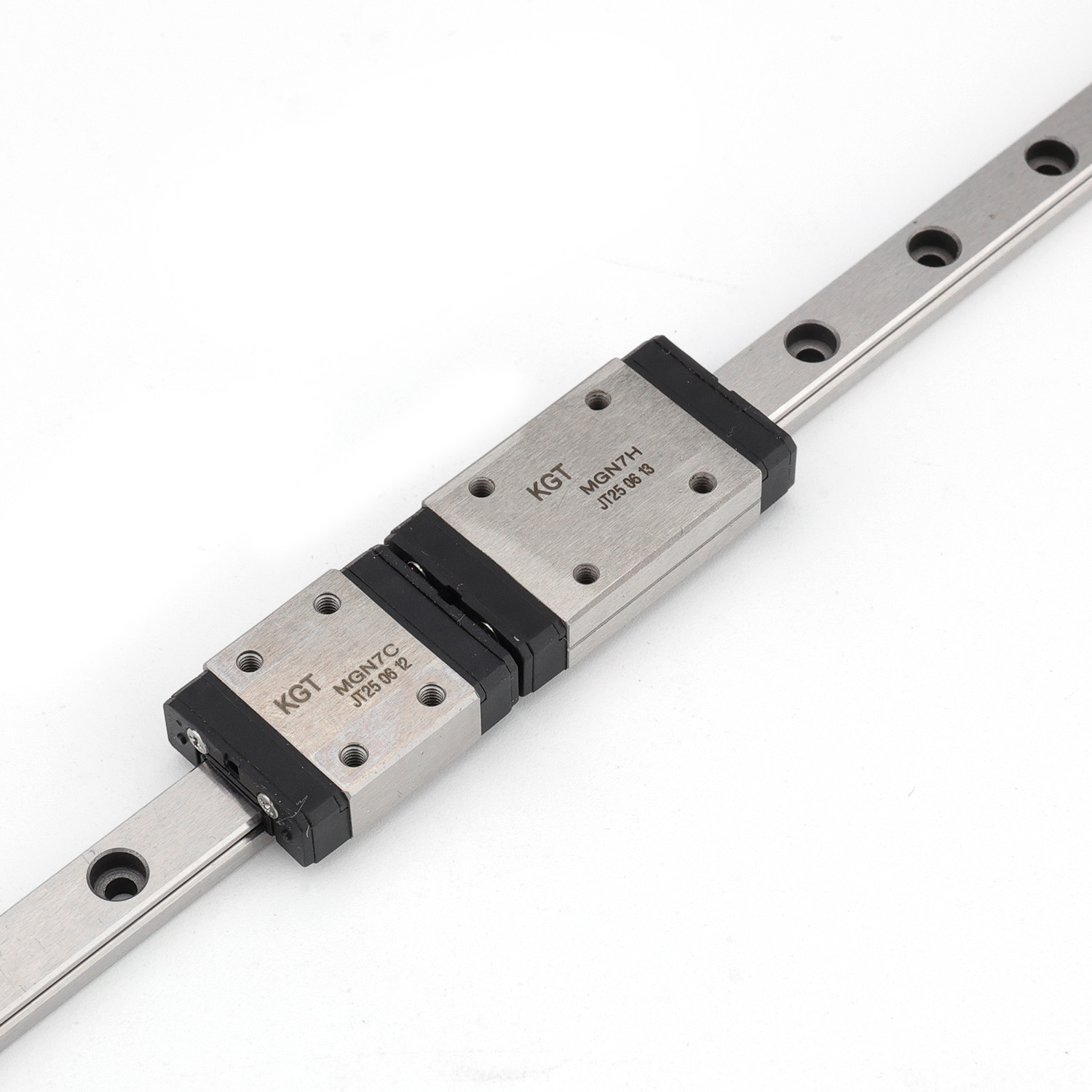
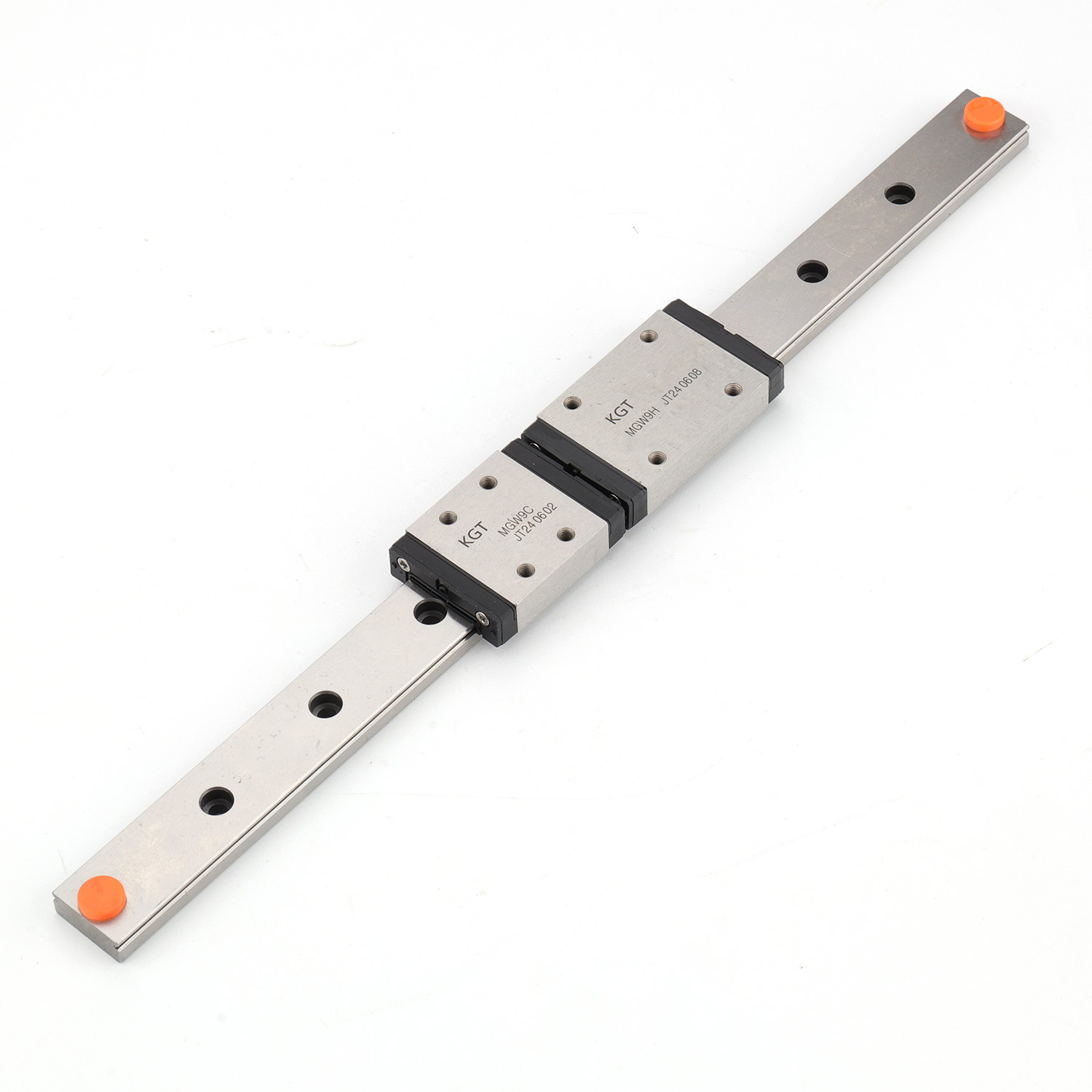
A quality rail linear system represents a sophisticated solution for precision motion control in modern industrial applications. This advanced guidance system combines engineered expertise with cutting-edge technology to deliver reliable performance across diverse operational environments. Quality rail linear systems function as mechanical guides that enable smooth, accurate linear movement along a predetermined path, making them indispensable in manufacturing, automation, and specialized equipment design.
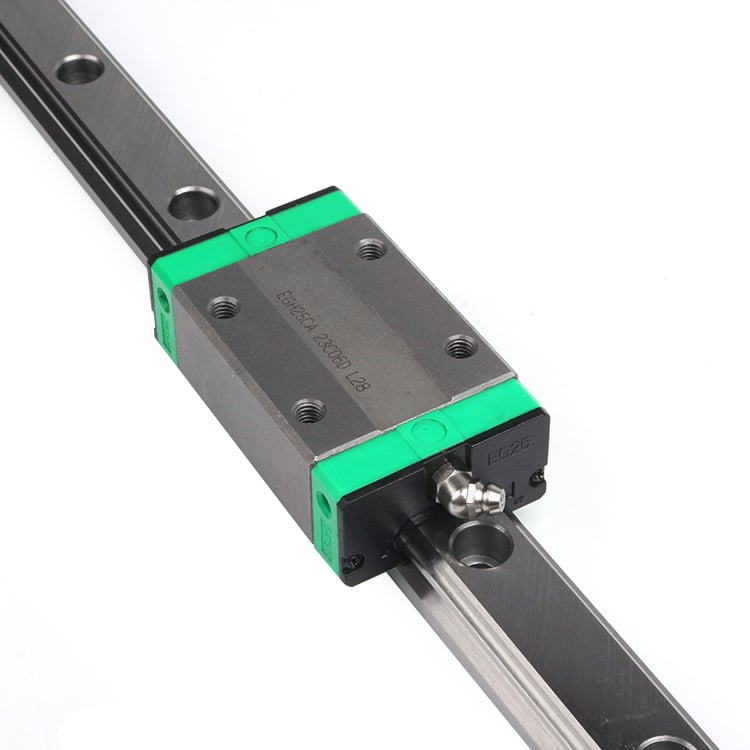
The primary function of a quality rail linear system involves guiding moving components with exceptional precision while maintaining consistent performance under varying load conditions. These systems utilize ball-bearing technology integrated within the rail structure, allowing for seamless motion with minimal friction and wear. The quality rail linear design incorporates hardened steel construction, ensuring durability and extended operational lifespan even in demanding industrial settings.
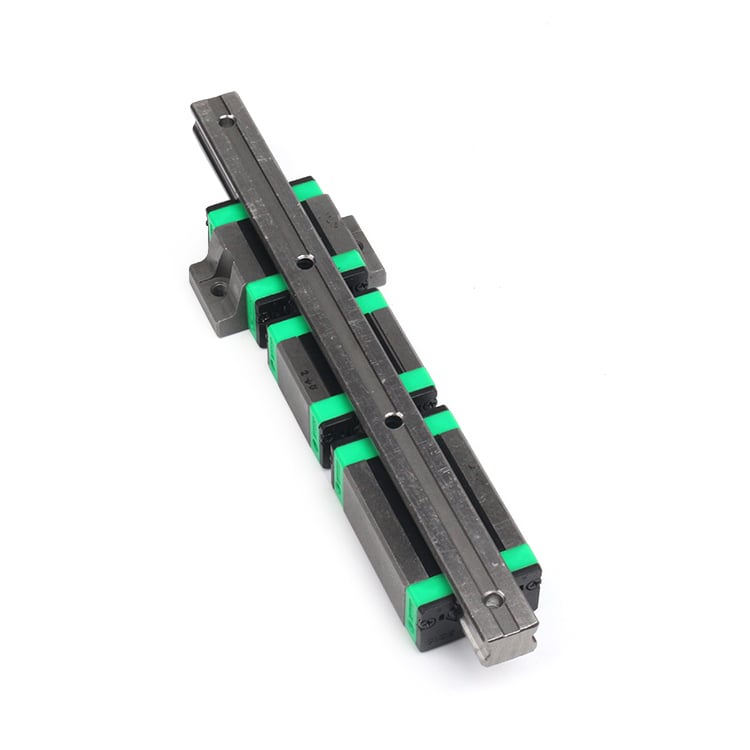
Technologically, modern quality rail linear systems feature preloaded bearing blocks that eliminate backlash and maintain rigidity during operation. Advanced manufacturing processes ensure tight tolerances, enabling repeatable positioning accuracy that meets stringent industrial standards. The modular nature of quality rail linear solutions allows for customization based on specific application requirements, accommodating various load capacities and travel distances.
Applications for quality rail linear systems span multiple industries, including semiconductor manufacturing, textile machinery, medical device production, and robotic automation. These systems excel in environments requiring high-speed operation, frequent directional changes, or demanding precision specifications. Whether supporting heavy machinery or facilitating delicate micro-movements, quality rail linear technology adapts to meet diverse operational challenges while maintaining consistent performance and reliability throughout extended service cycles.

 EN