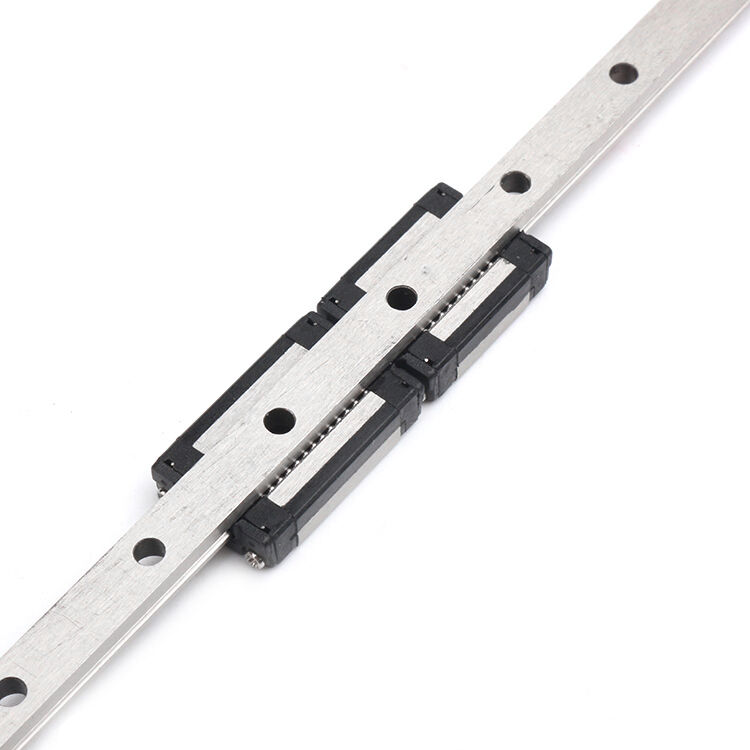
Exceptional Durability and Low Maintenance Requirements
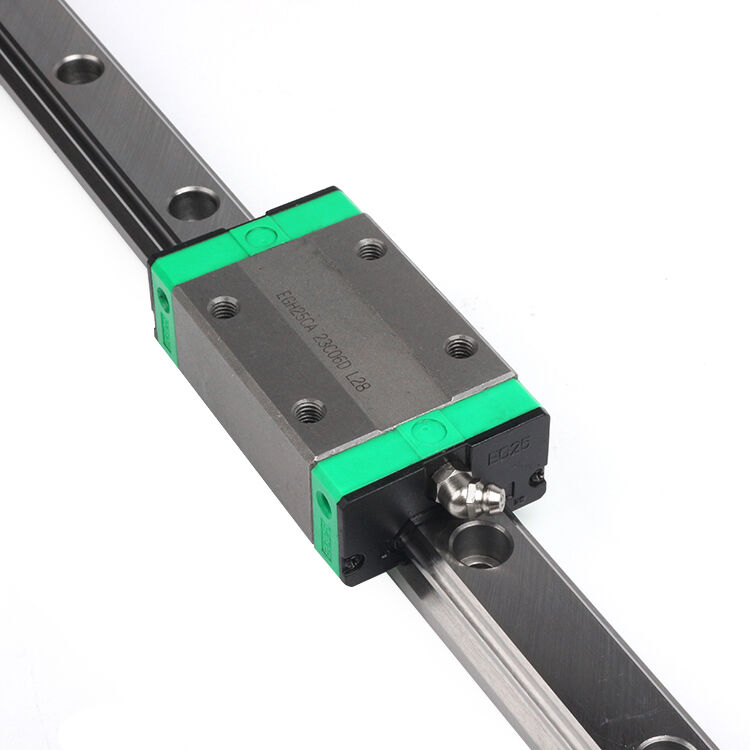
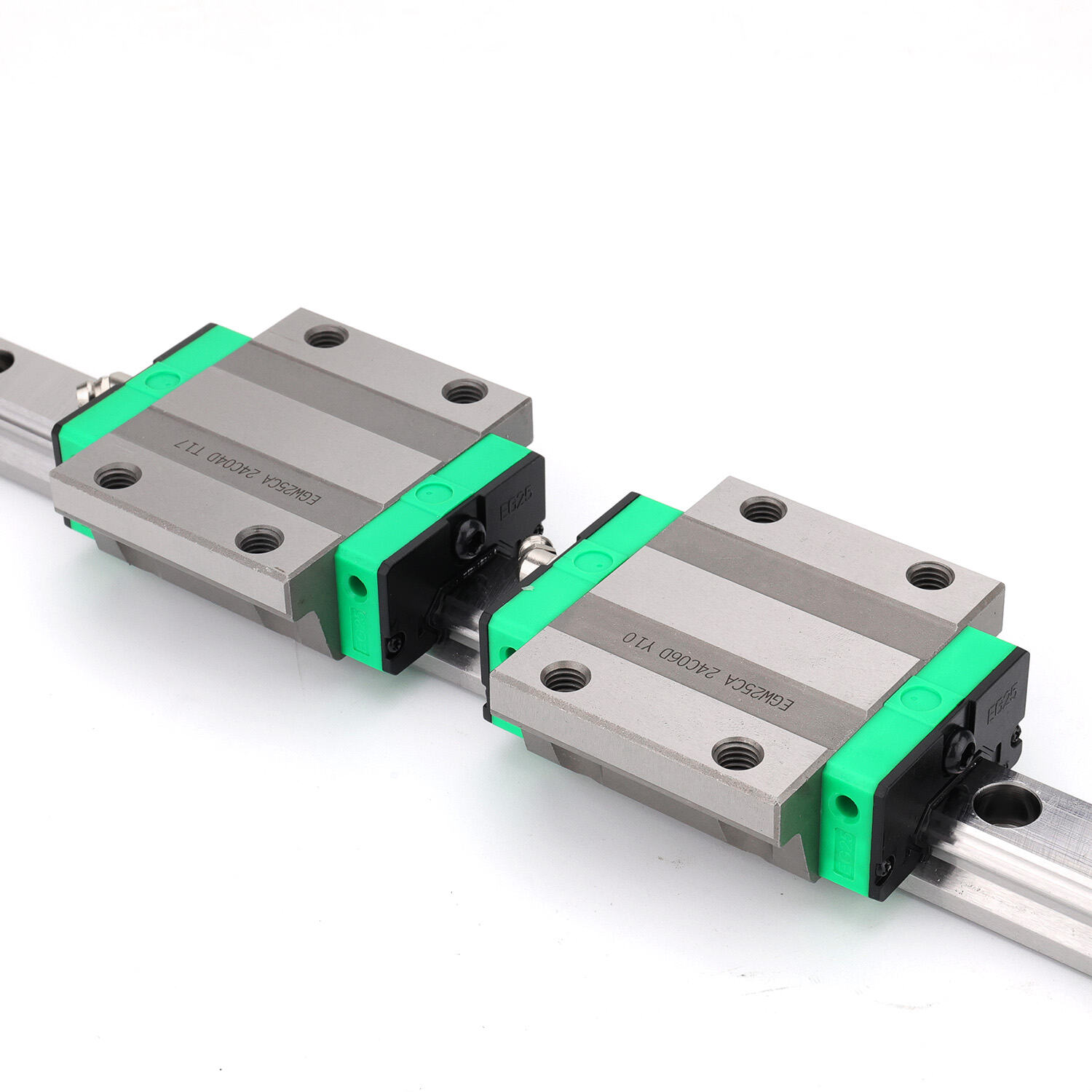
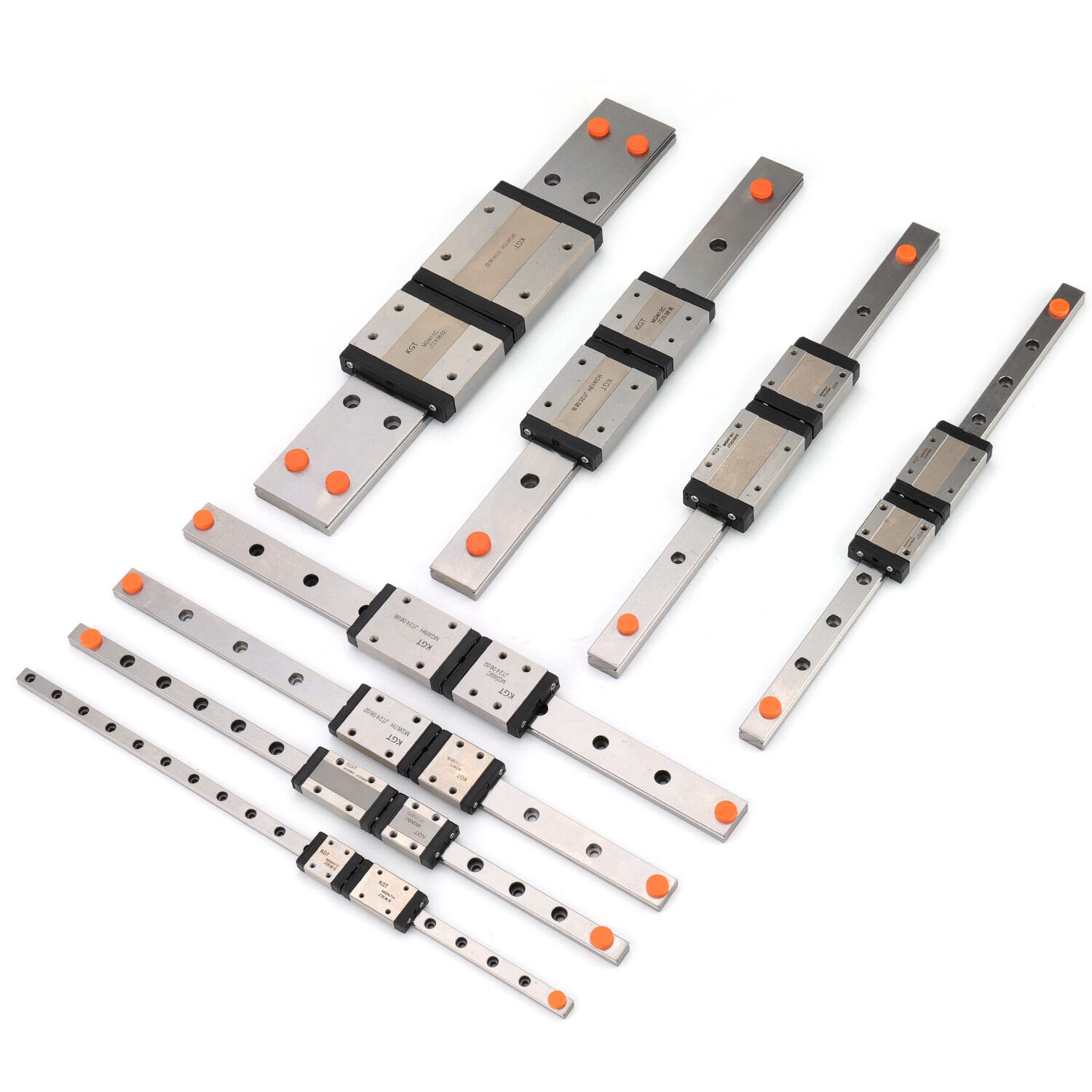
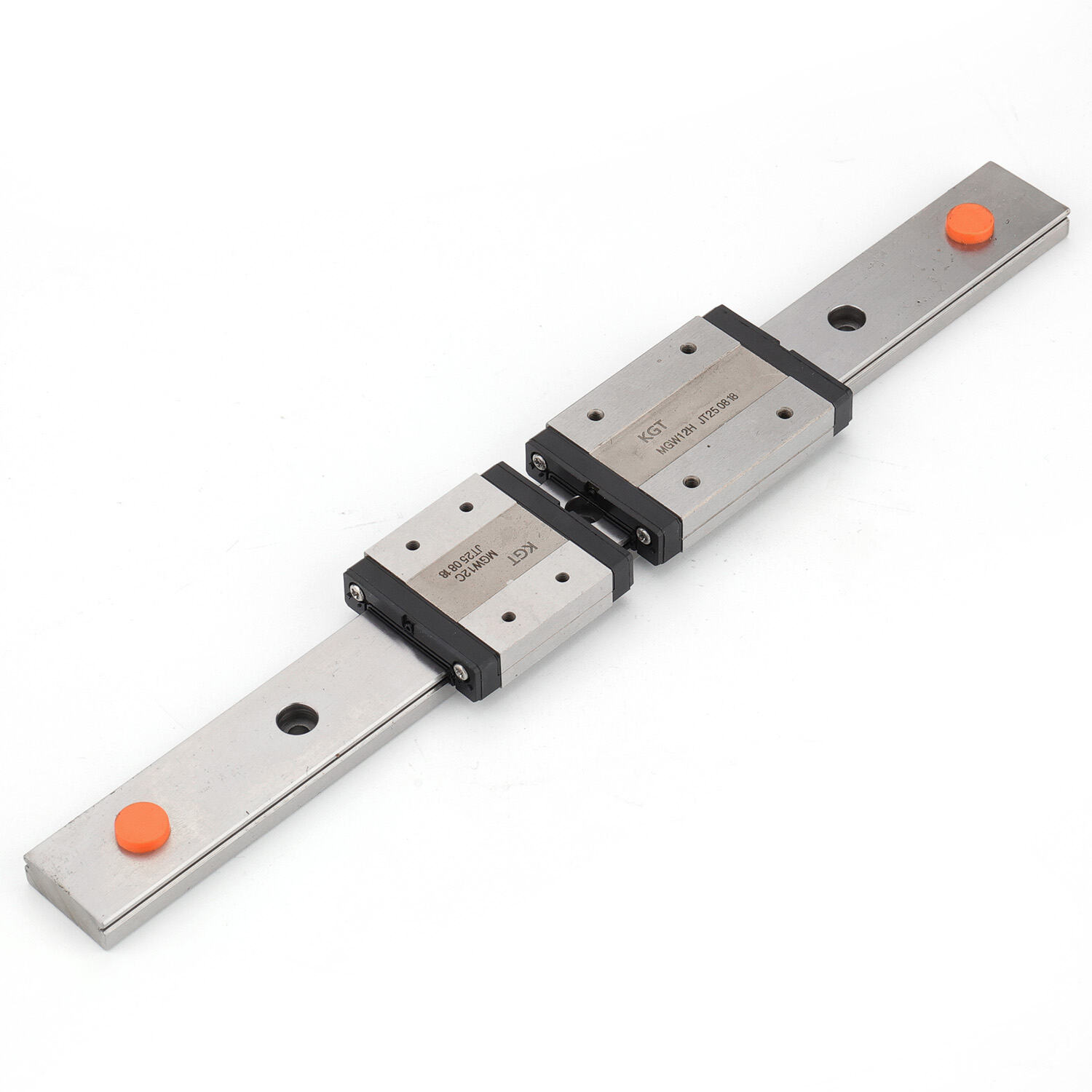
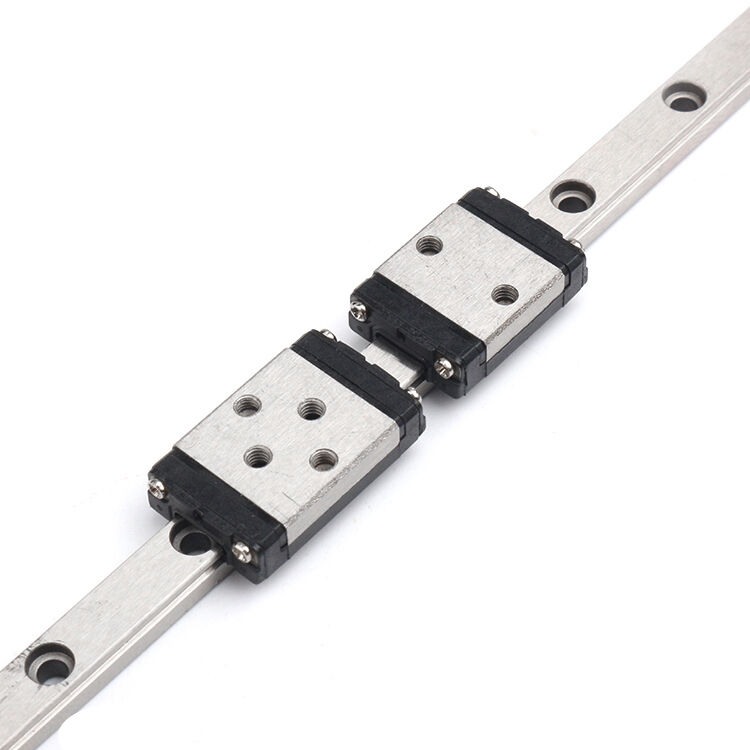
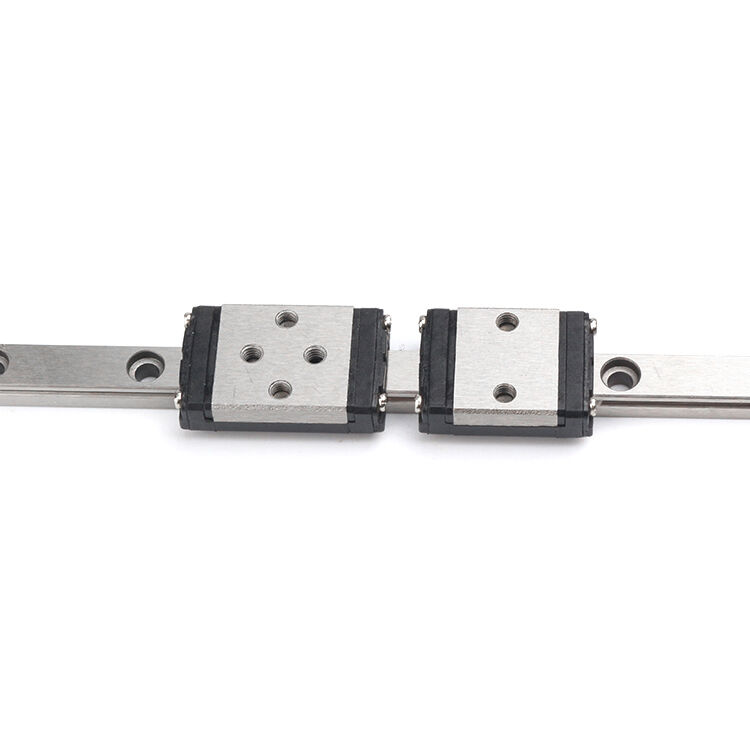
The exceptional durability and low maintenance requirements of small linear guide systems represent a significant advancement in linear motion technology, providing users with reliable long-term performance that minimizes operational disruptions and reduces total cost of ownership. This durability stems from advanced materials engineering, including high-grade steel components, specialized bearing materials, and protective coatings that resist wear, corrosion, and environmental degradation over extended operating periods. The engineering approach behind this durability involves comprehensive fatigue testing, accelerated aging studies, and real-world application validation to ensure that small linear guide systems can withstand the demanding conditions encountered in industrial environments. Small linear guide systems incorporate advanced lubrication technologies, including sealed bearing systems and long-life lubricants that maintain optimal performance characteristics for thousands of operating hours without requiring intervention. The sealed bearing design protects critical components from contamination, moisture, and other environmental factors that typically cause premature failure in linear motion systems. This protection extends the operational lifespan significantly while reducing the frequency and cost of maintenance activities. Manufacturing quality control processes ensure that each small linear guide system meets rigorous durability standards before leaving the factory, including comprehensive testing protocols that simulate years of operation in compressed timeframes. The materials selection process for these systems prioritizes components that maintain their properties under stress, temperature variations, and repeated loading cycles, ensuring consistent performance throughout the operational lifespan. Preventive maintenance requirements for small linear guide systems typically involve simple inspection procedures and occasional lubrication, tasks that can often be performed by operators without specialized training or expensive diagnostic equipment. The design philosophy emphasizes accessibility for maintenance activities, with key inspection points and lubrication fittings positioned for easy access even in confined installation spaces. Component standardization in small linear guide design facilitates maintenance activities by ensuring that replacement parts are readily available and installation procedures are straightforward and well-documented. The economic benefits of this durability and low maintenance approach include reduced downtime, lower maintenance labor costs, extended equipment lifespan, and improved operational predictability that supports better production planning and resource allocation.

 EN
EN