Exceptional Durability and Cost-Effectiveness
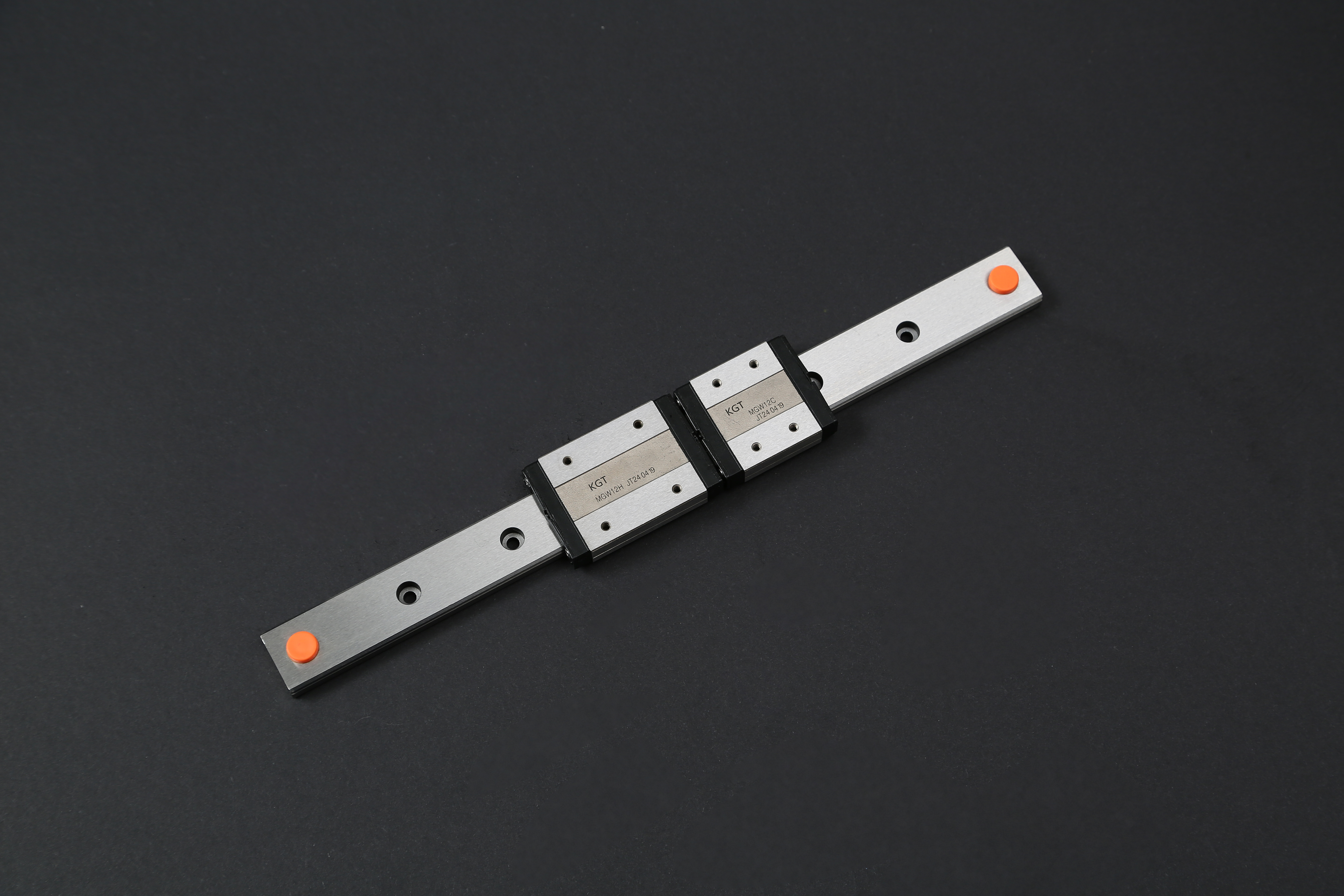
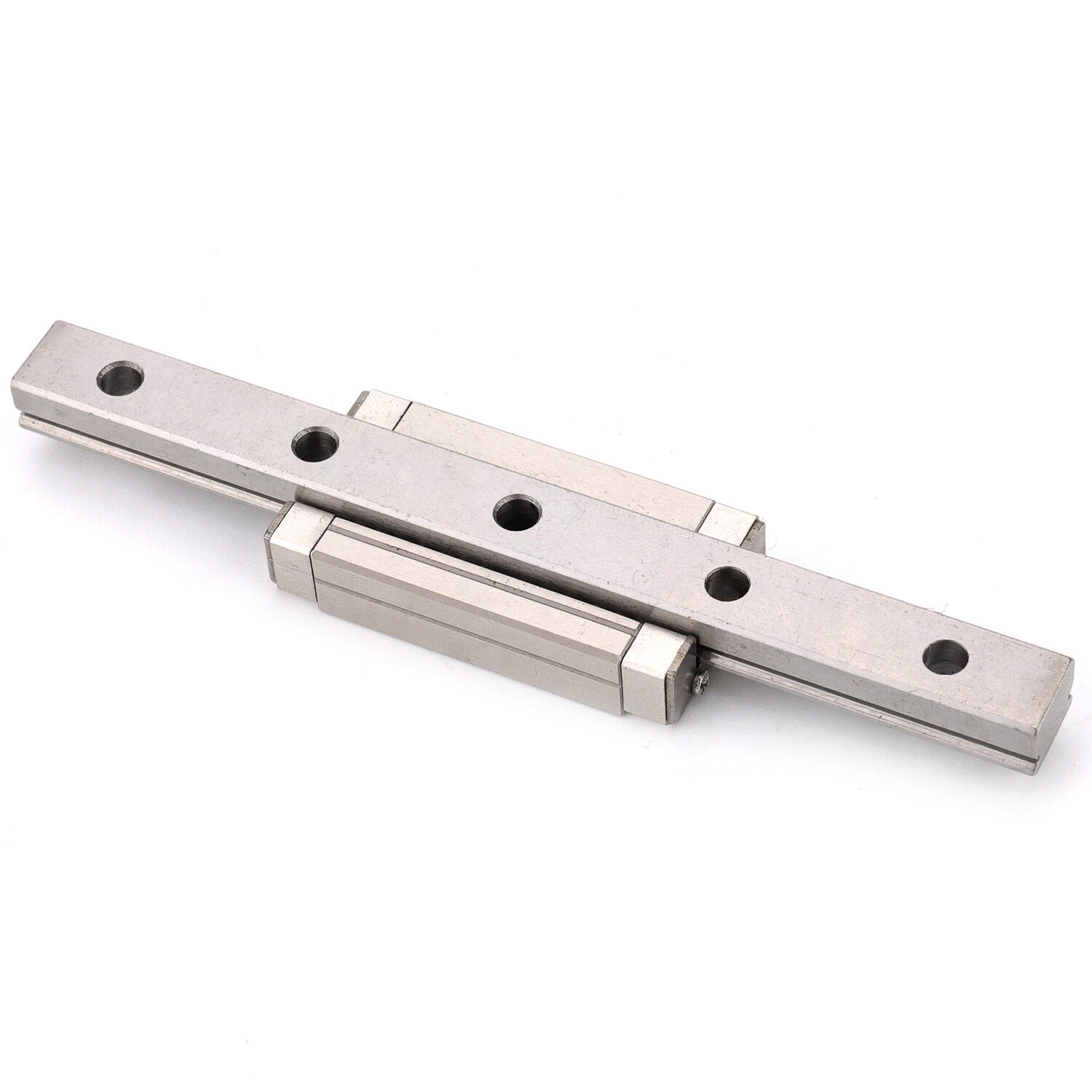
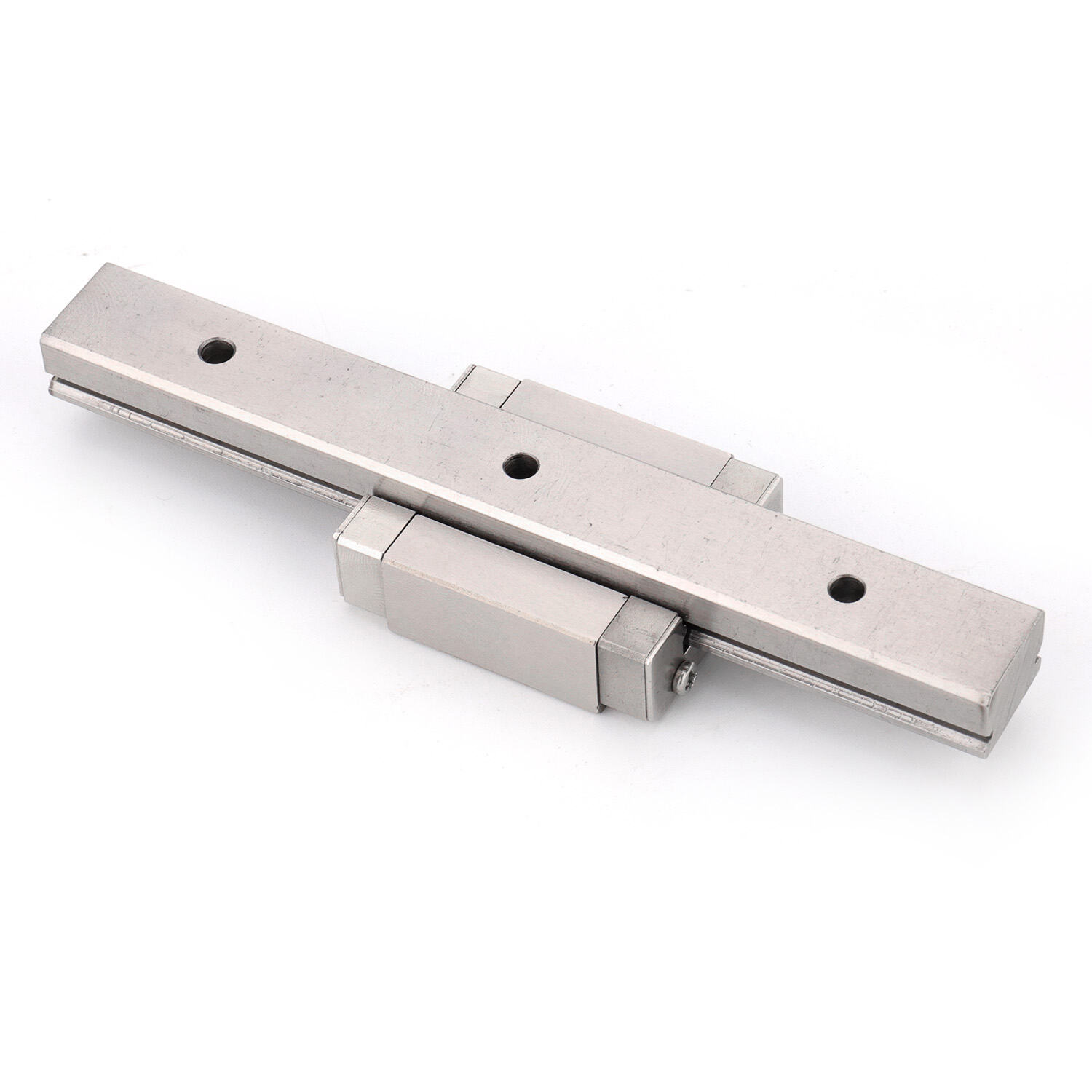
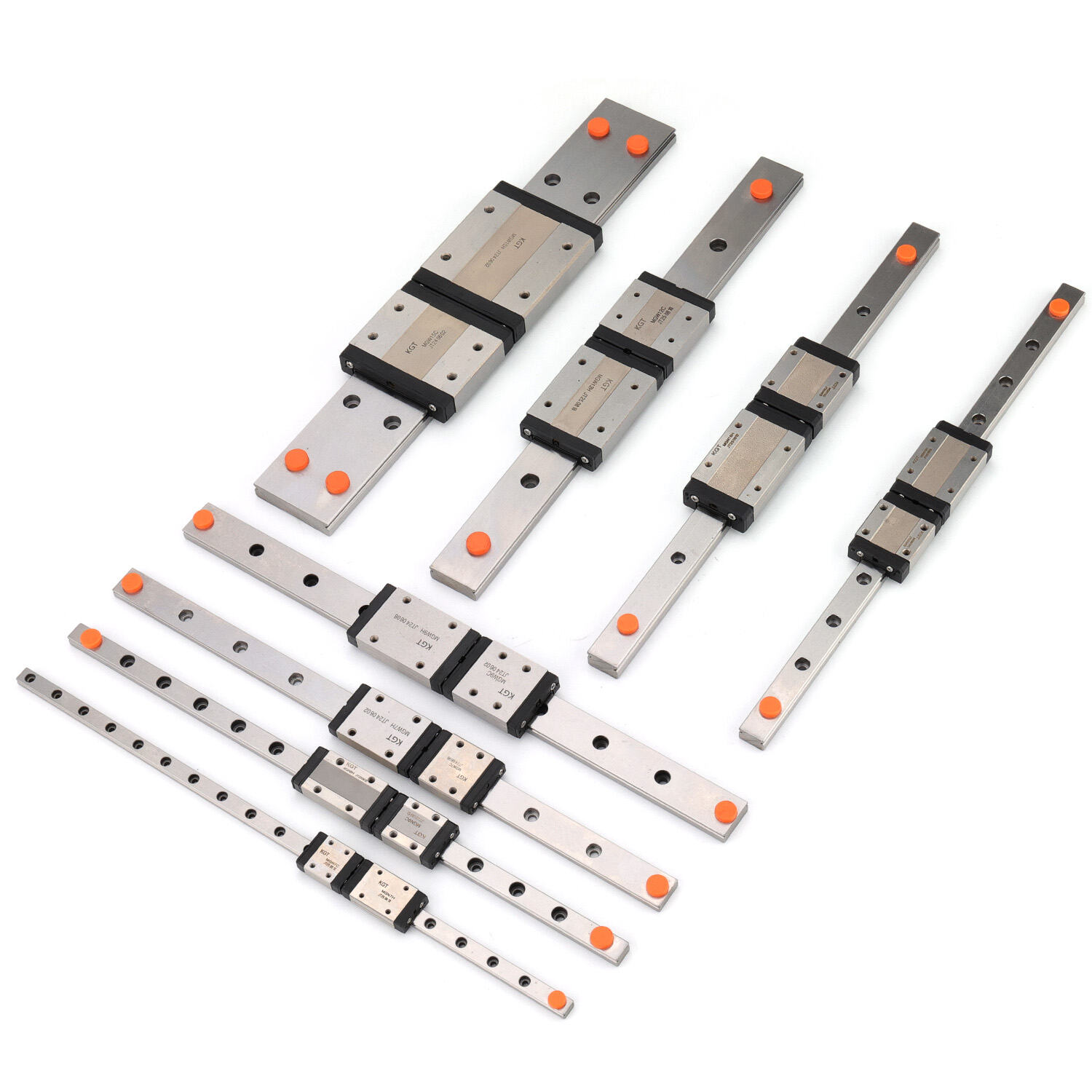
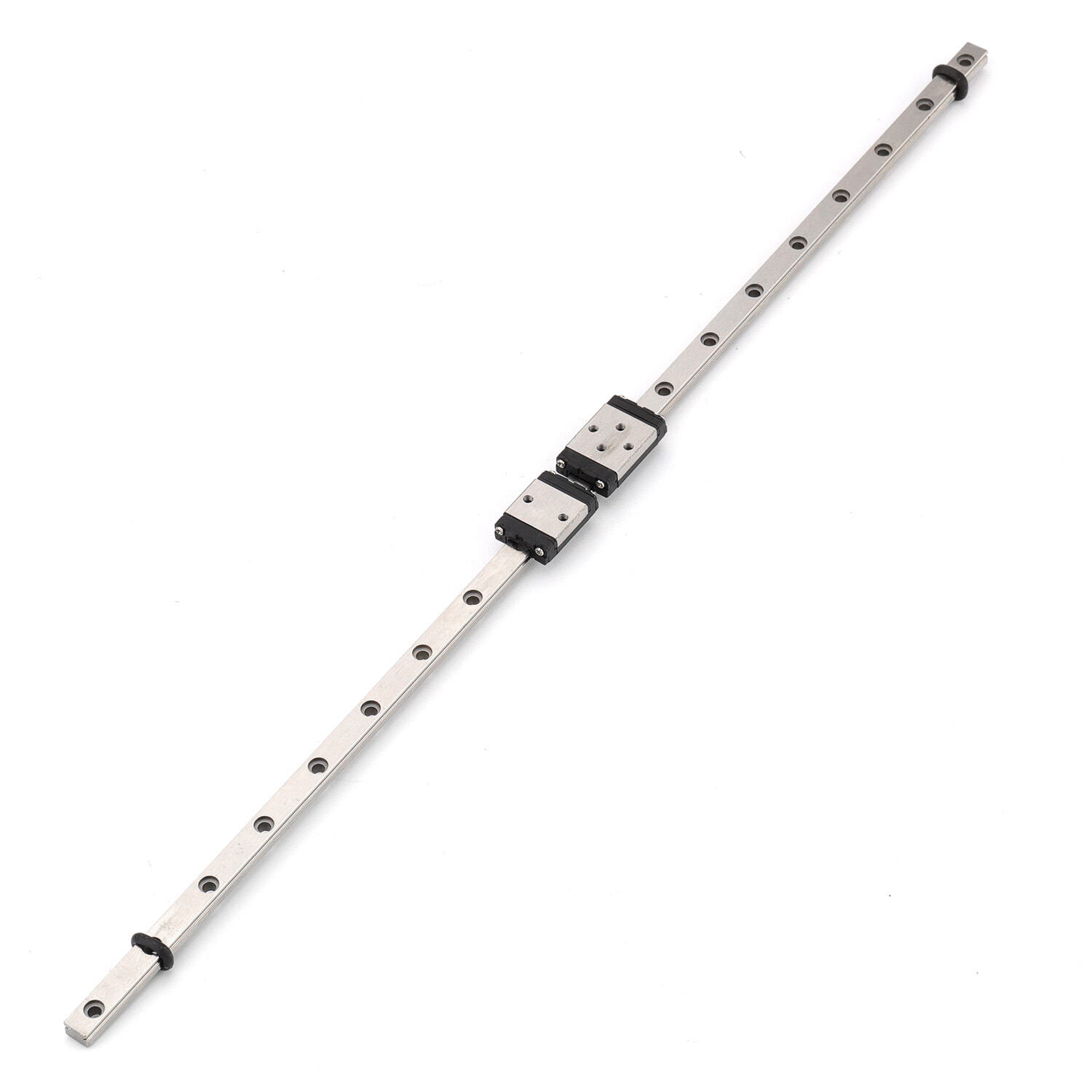
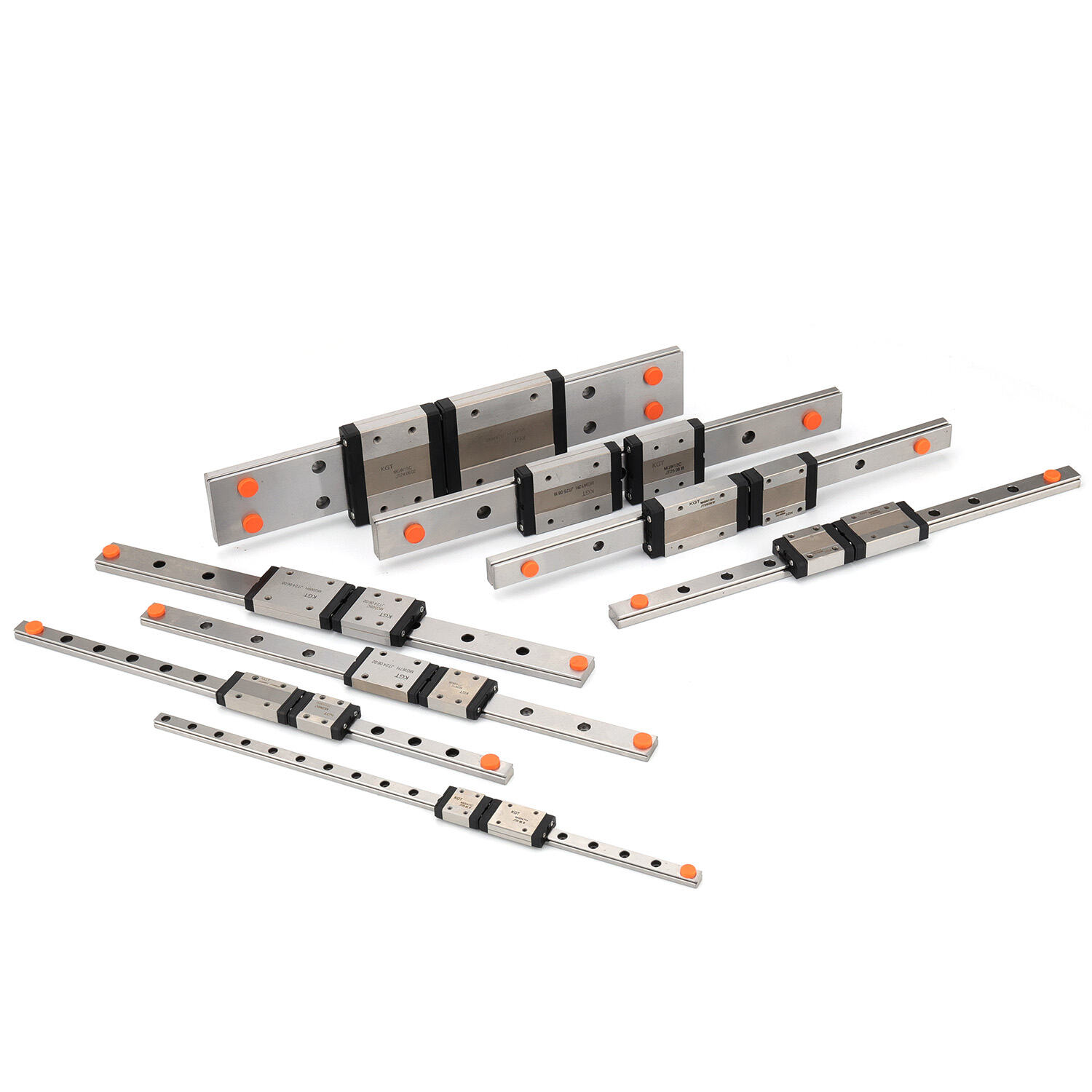
The long-term economic benefits of cnc linear guide systems stem from their exceptional durability and minimal maintenance requirements, making them highly cost-effective solutions for demanding industrial applications. These systems utilize premium materials and advanced manufacturing processes that ensure extended operational life even under challenging conditions. The hardened steel rails and bearing elements resist wear, corrosion, and deformation, maintaining consistent performance characteristics throughout millions of operational cycles. Surface treatments such as specialized coatings and heat treatments enhance durability while providing resistance to environmental factors like moisture, temperature extremes, and chemical exposure. The sealed bearing arrangements within cnc linear guide systems protect critical components from contamination while retaining lubrication for extended periods. This protection significantly extends bearing life and reduces the frequency of maintenance interventions. Many systems incorporate self-lubricating features or centralized lubrication systems that automatically maintain optimal lubrication levels without manual intervention. The modular design of cnc linear guide systems enables selective component replacement when maintenance becomes necessary, avoiding complete system replacement and minimizing downtime costs. Standardized components ensure ready availability of replacement parts, reducing inventory requirements and emergency procurement costs. The robust construction withstands shock loads and overload conditions that might damage less sophisticated systems, providing operational security in demanding production environments. Quality cnc linear guide systems typically include comprehensive warranty coverage that protects the initial investment while demonstrating manufacturer confidence in product durability. The consistent performance characteristics over time ensure that production quality remains stable, avoiding the gradual degradation in accuracy that necessitates frequent machine recalibration or part rejection due to dimensional drift. Energy efficiency represents another cost benefit, as the low-friction operation reduces electrical consumption compared to alternative motion systems. The extended service intervals possible with quality cnc linear guide systems reduce labor costs associated with routine maintenance while minimizing production interruptions. Furthermore, the superior performance capabilities often enable increased production rates or improved product quality that generates additional revenue, providing positive return on investment that justifies the initial system cost.

 EN
EN