Compact Design Enabling Space-Constrained Innovations
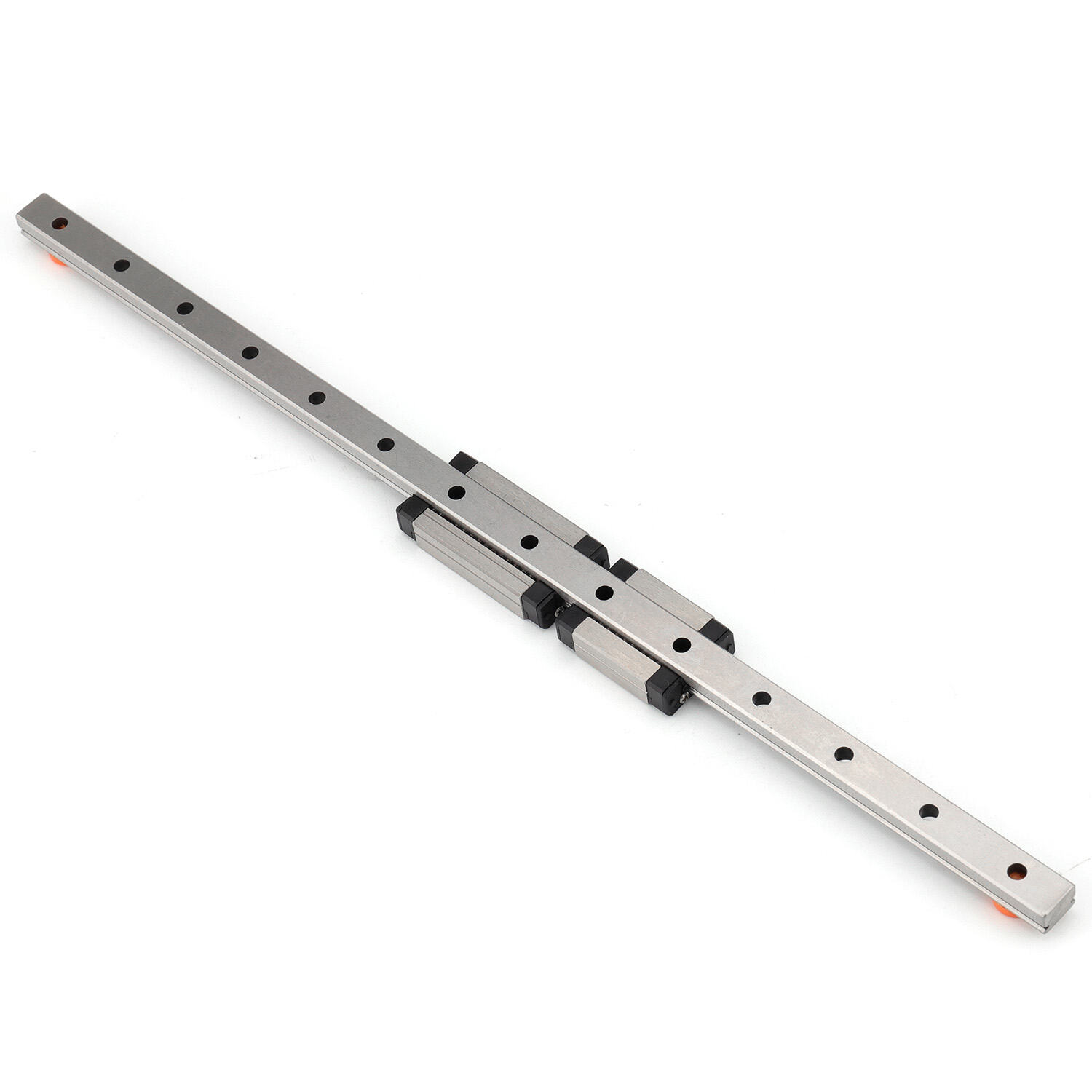
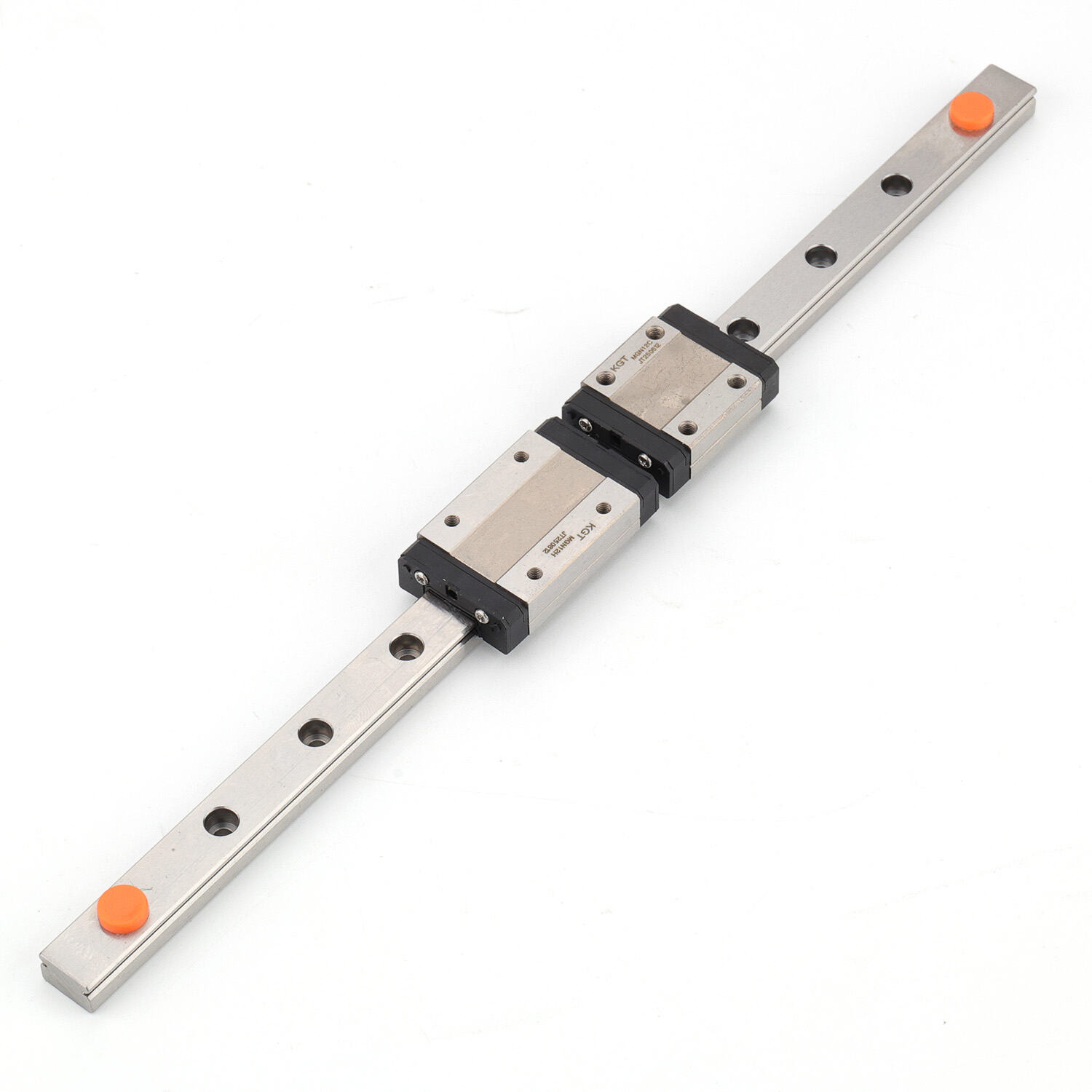
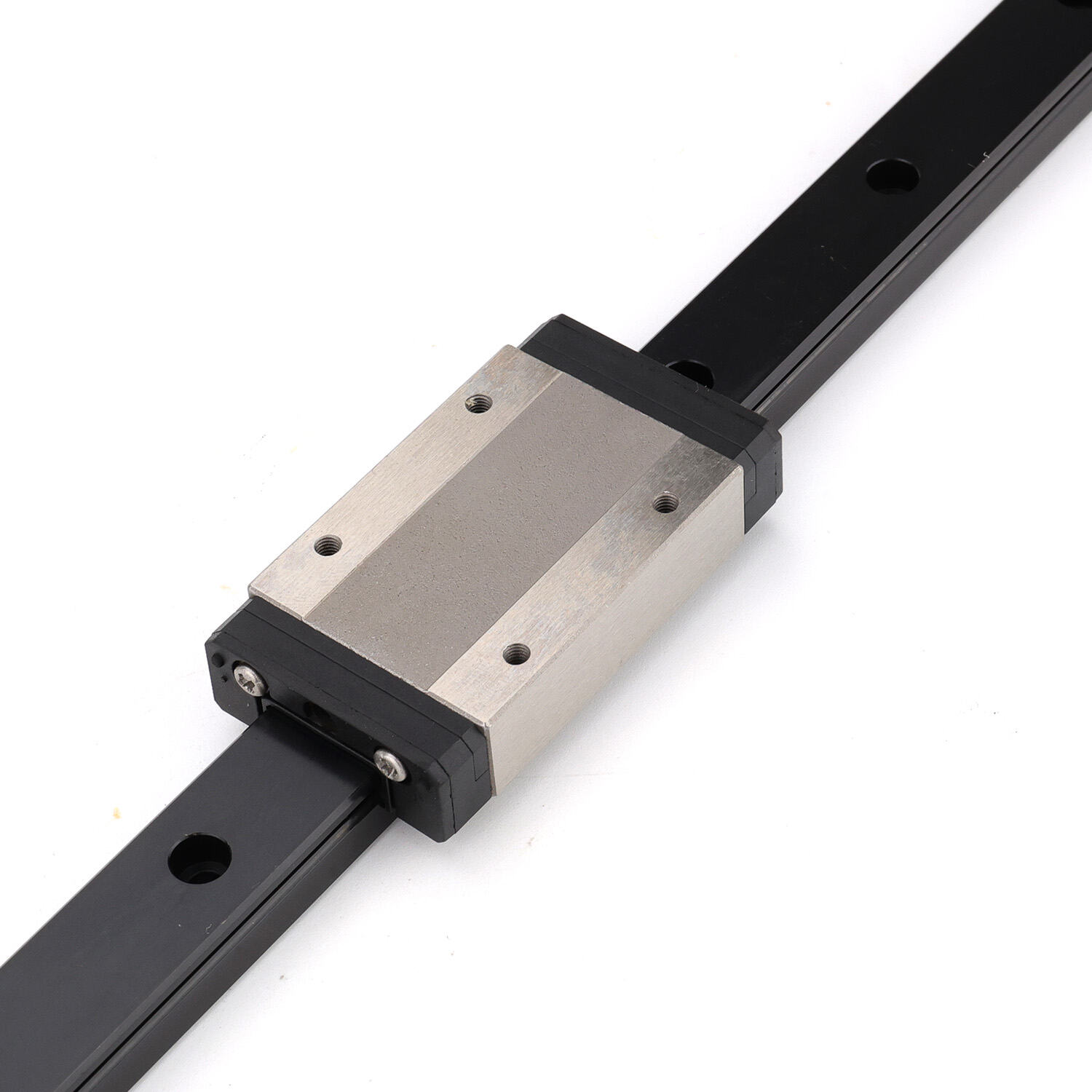
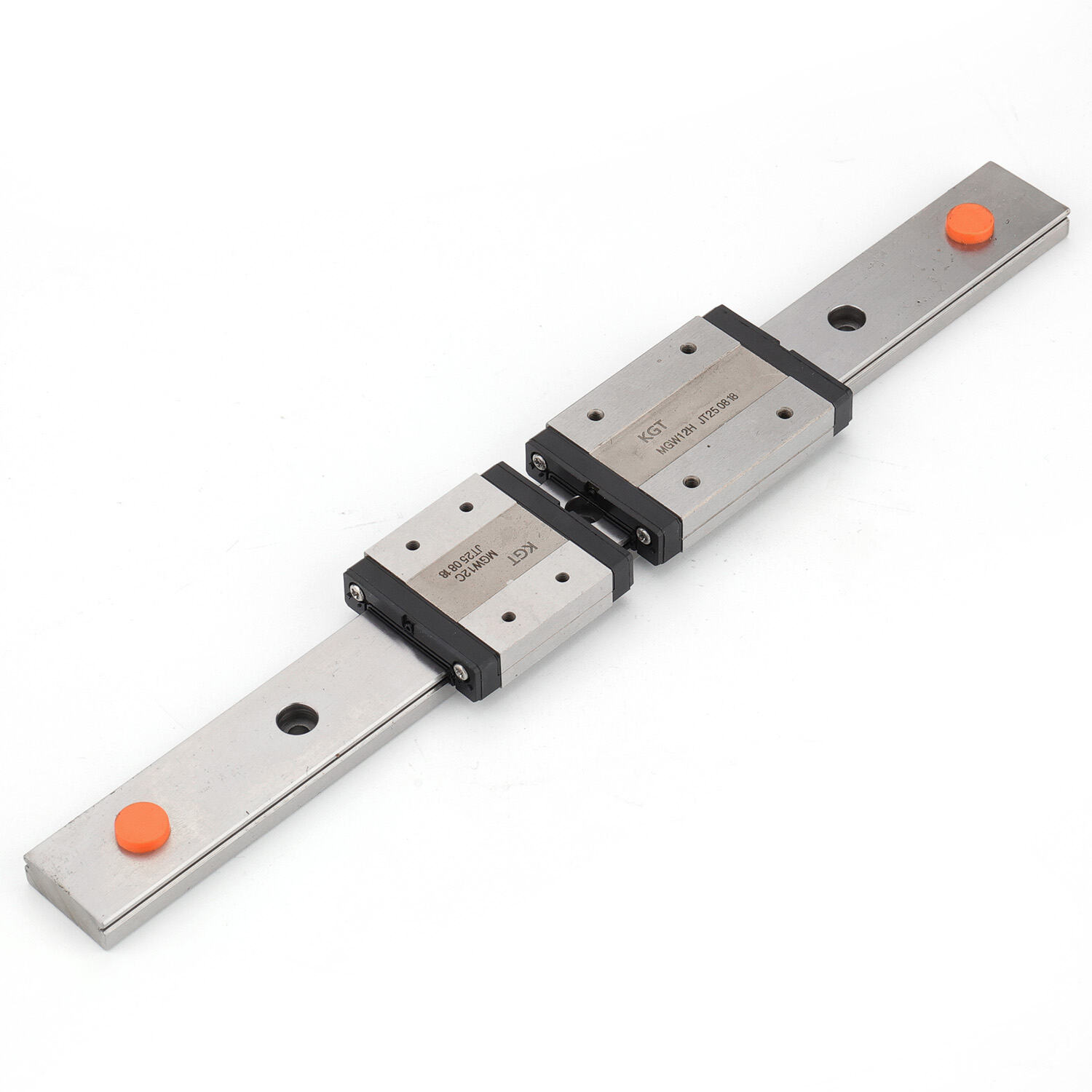
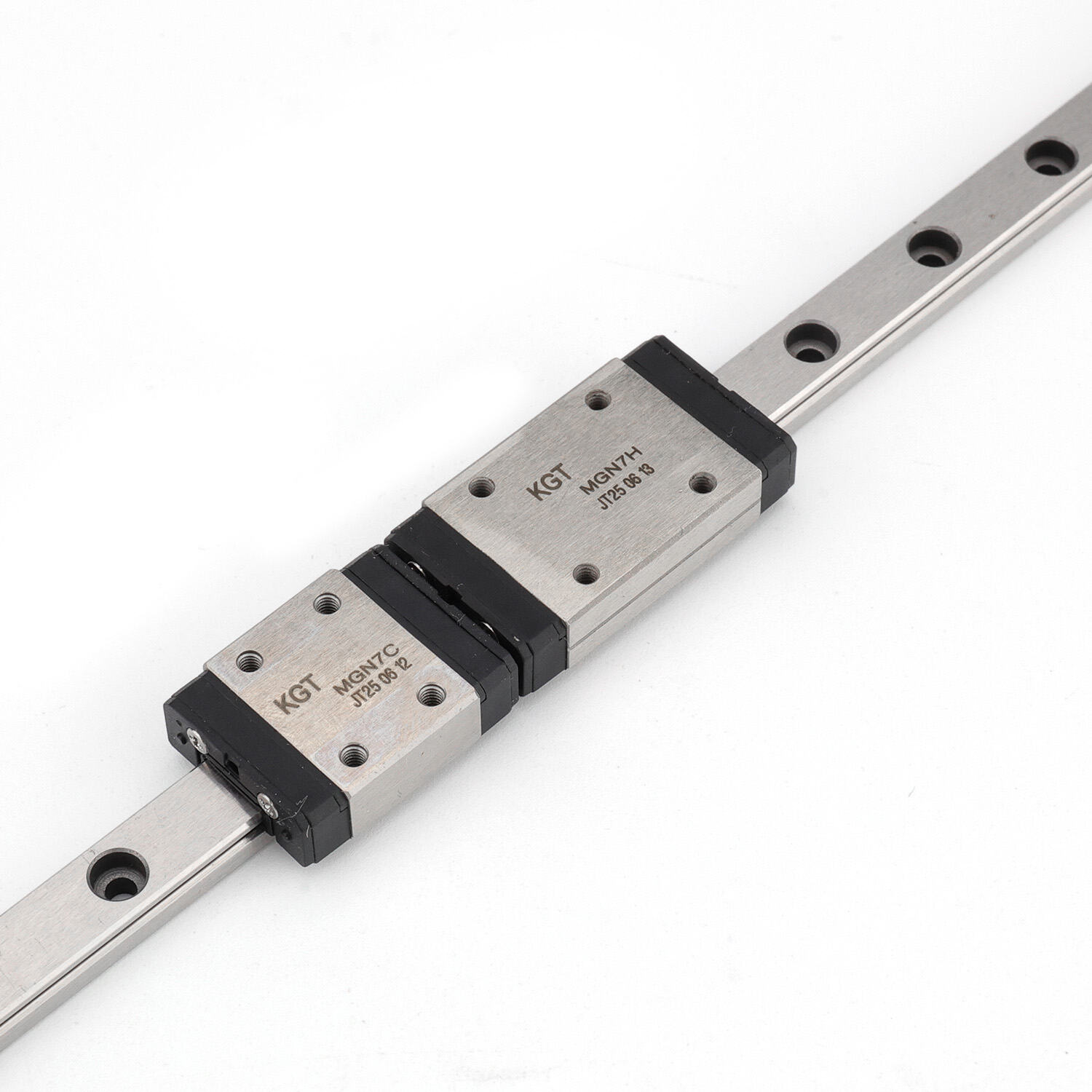
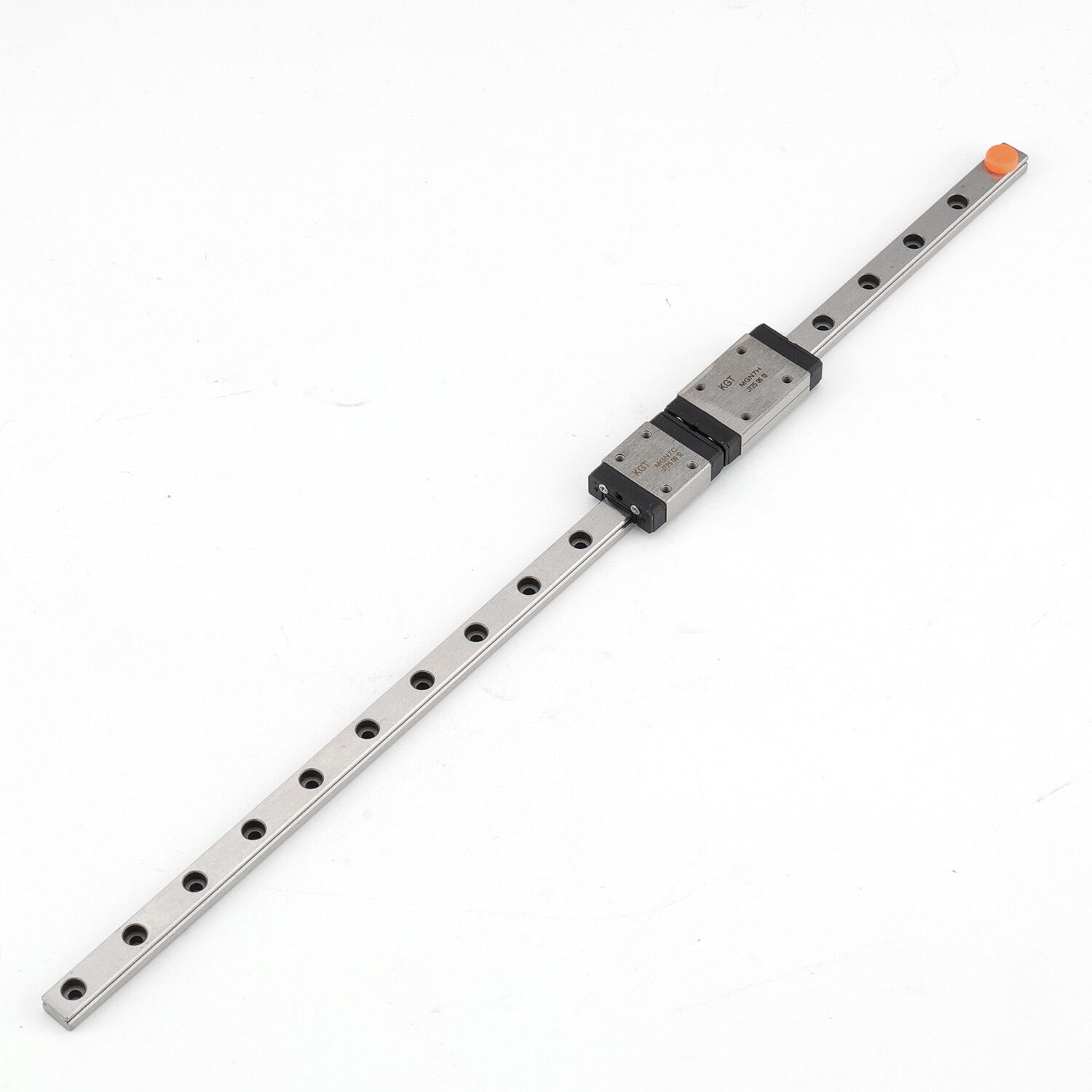
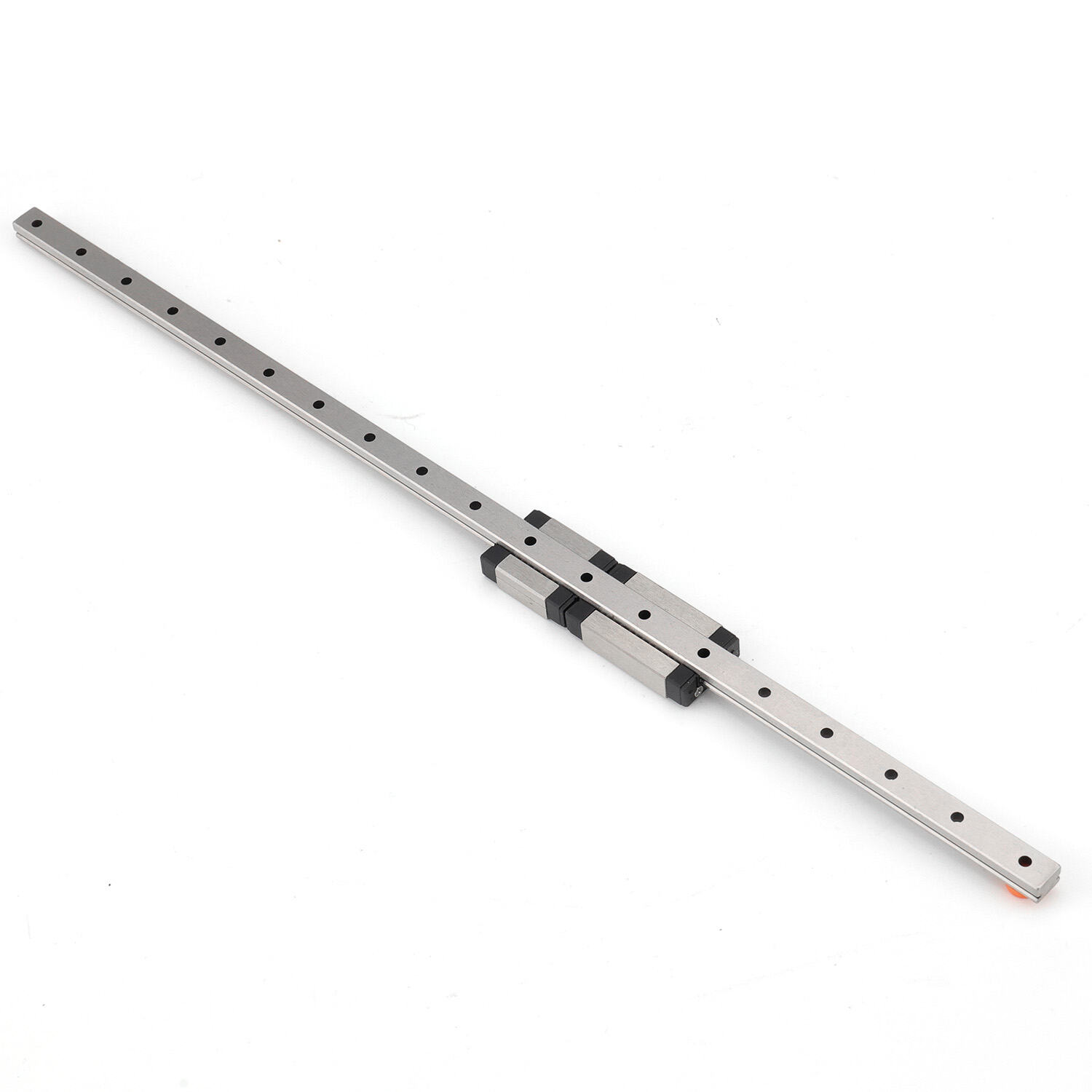
The compact design philosophy of miniature linear guide systems revolutionizes how engineers approach space-constrained applications, enabling innovative product designs that were previously impossible with traditional linear motion solutions. This space efficiency advantage extends far beyond simple size reduction, encompassing weight savings, improved aesthetics, and enhanced functionality within limited envelope constraints. The miniaturization achievement results from careful engineering that optimizes every component dimension while maintaining structural integrity and performance capabilities required for demanding applications. In portable medical devices, this compact design enables the creation of handheld diagnostic instruments and mobile surgical tools that maintain professional-grade precision while remaining lightweight and ergonomic for extended use periods. The space savings translate into smaller, more portable products that can reach previously inaccessible markets and applications. Laboratory equipment benefits significantly from this compactness, allowing multiple analytical instruments to fit within standard laboratory bench spaces while maintaining full functionality and precision capabilities. The reduced footprint enables laboratories to maximize their equipment density and analytical capabilities within existing facility constraints. Consumer electronics applications leverage this compact design to integrate precise positioning mechanisms into smartphones, cameras, and other portable devices where space represents the primary design constraint. The miniature linear guide technology enables features such as optical image stabilization, precision focusing systems, and mechanical zoom mechanisms that enhance product functionality without compromising portability. Industrial automation applications benefit from the ability to integrate precision motion control into confined spaces within manufacturing equipment, enabling more sophisticated automation capabilities without requiring larger machine footprints. This compactness also facilitates easier integration into existing production lines where space modifications would be costly or impractical. The weight reduction associated with miniature linear guide systems provides additional benefits in applications where mass affects performance, such as scanning systems, robotics, and aerospace applications where every gram impacts overall system efficiency and performance characteristics.

 EN
EN