linear guide rail bearing
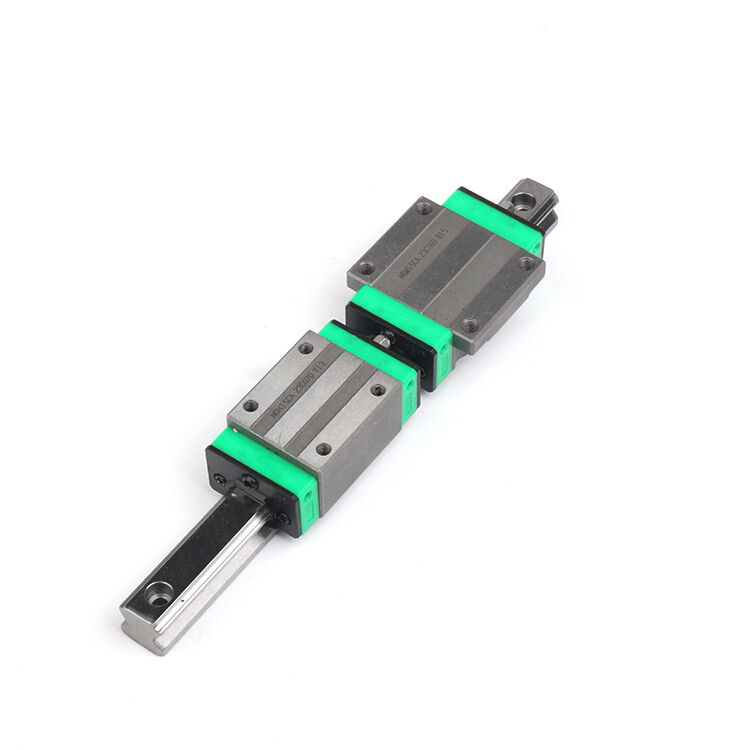
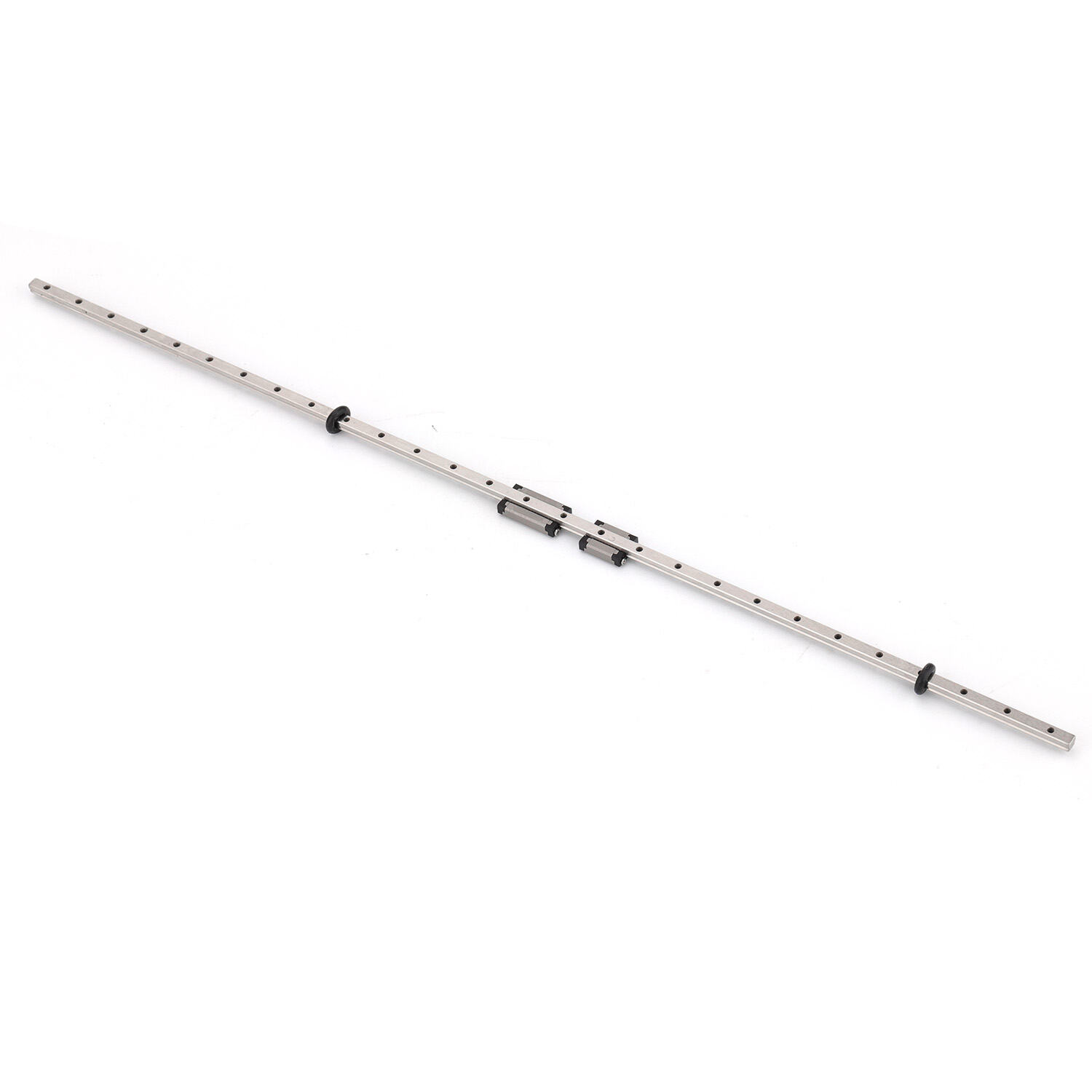
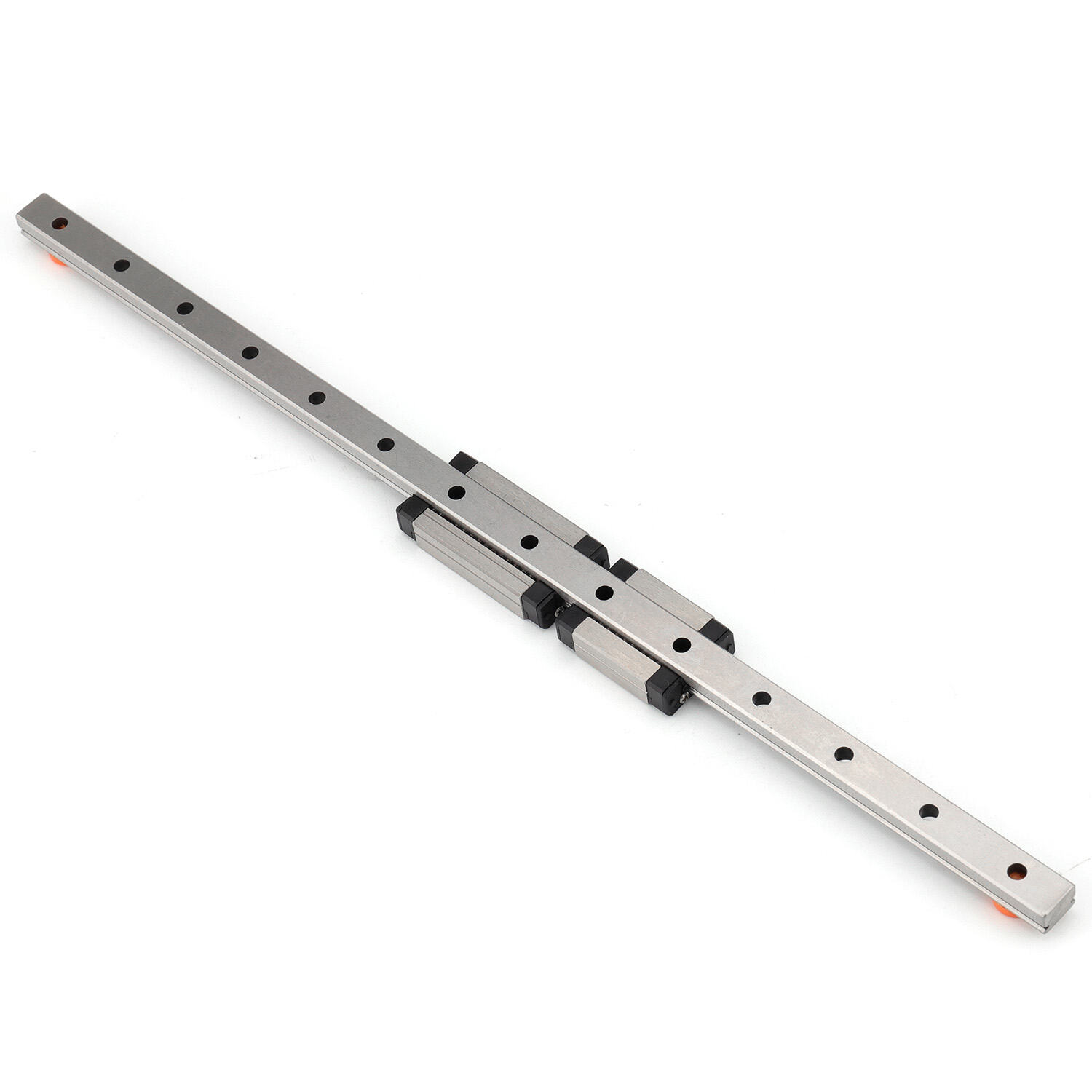
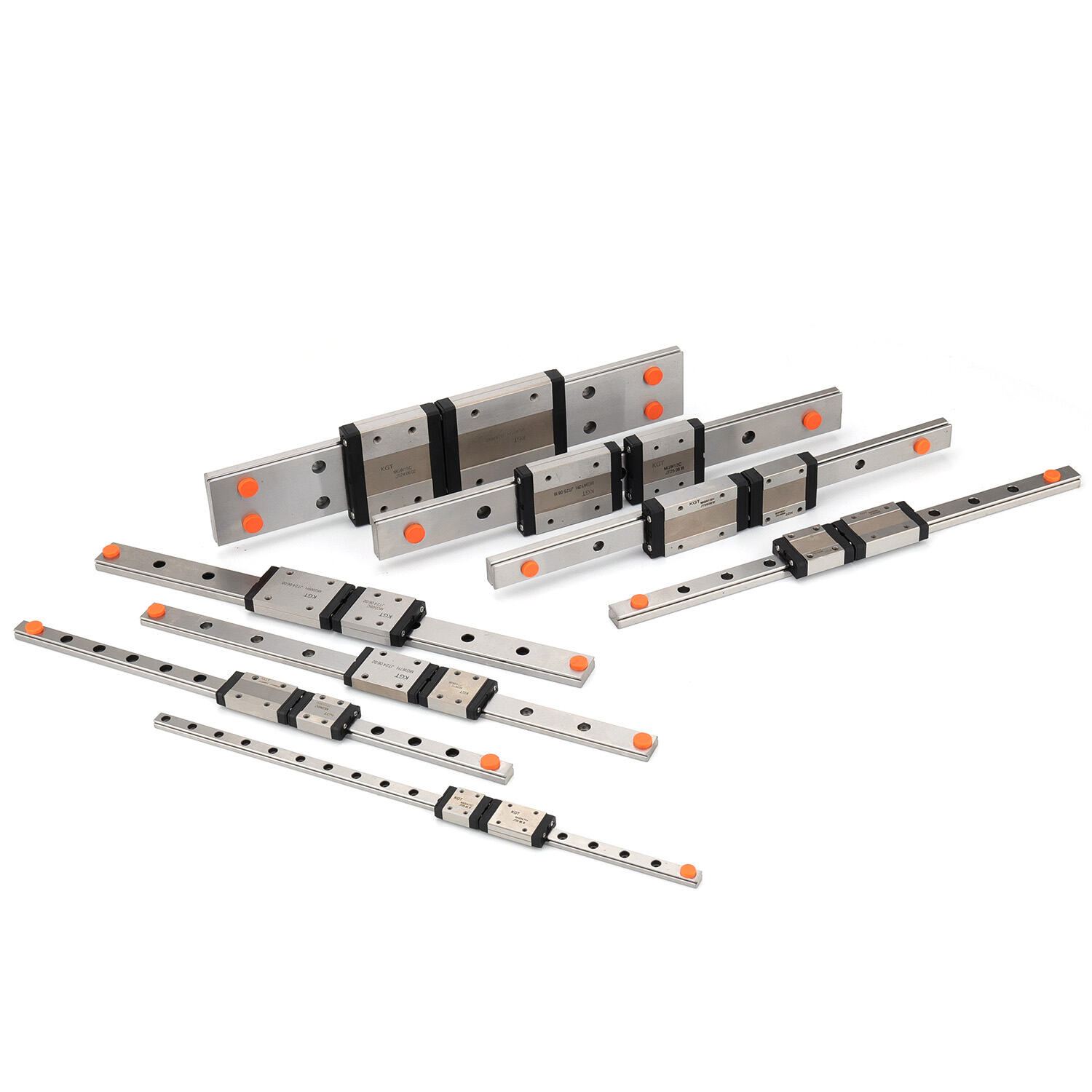
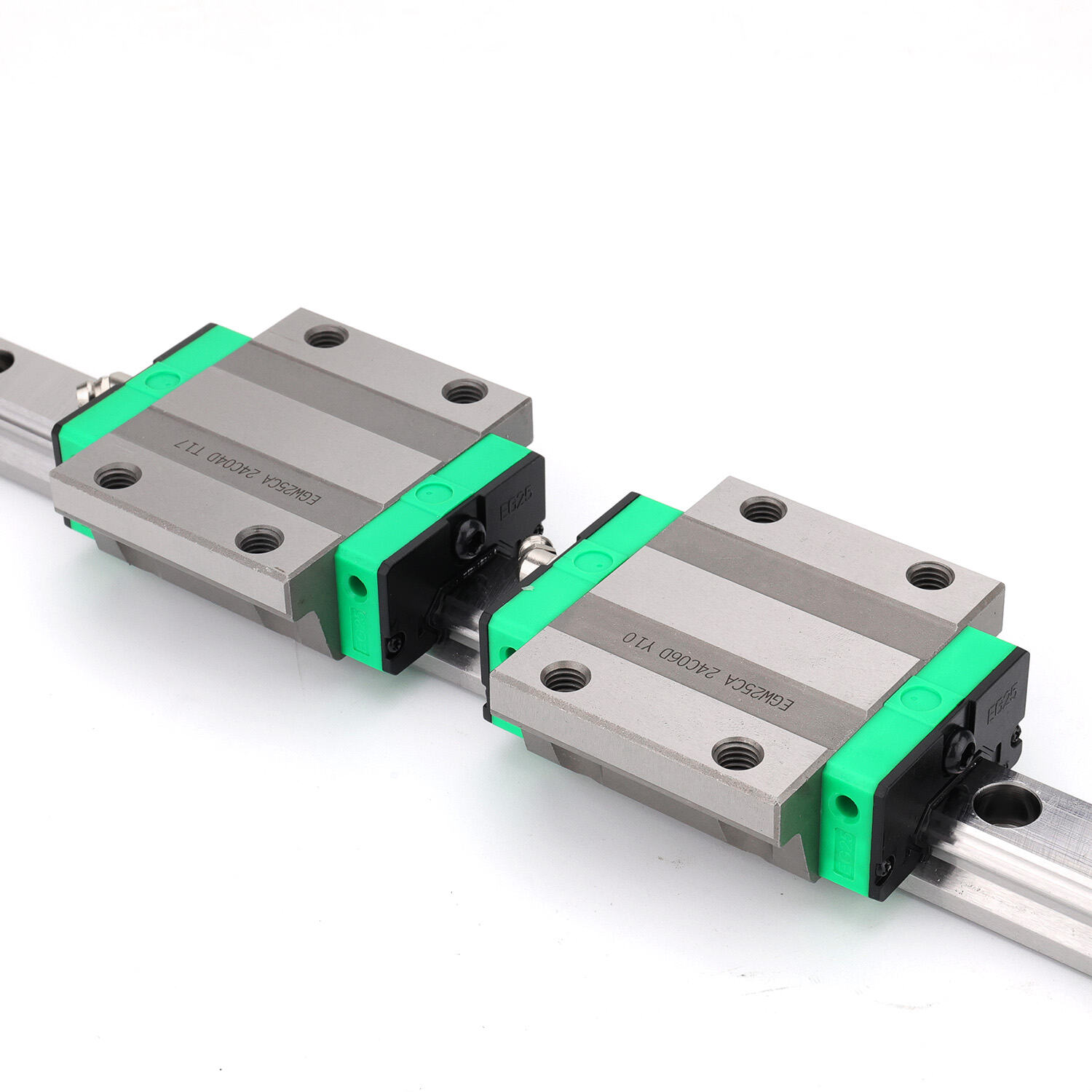
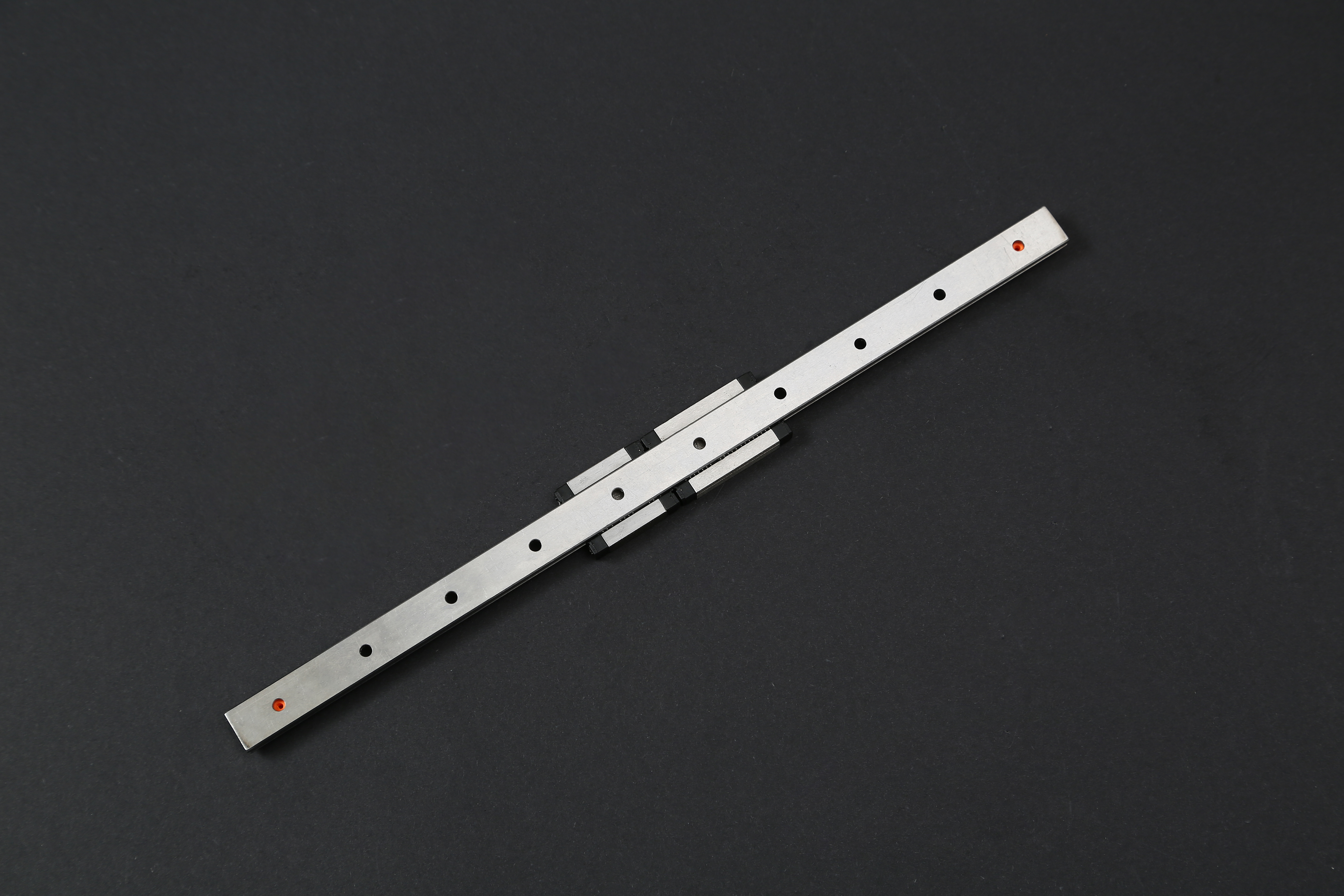
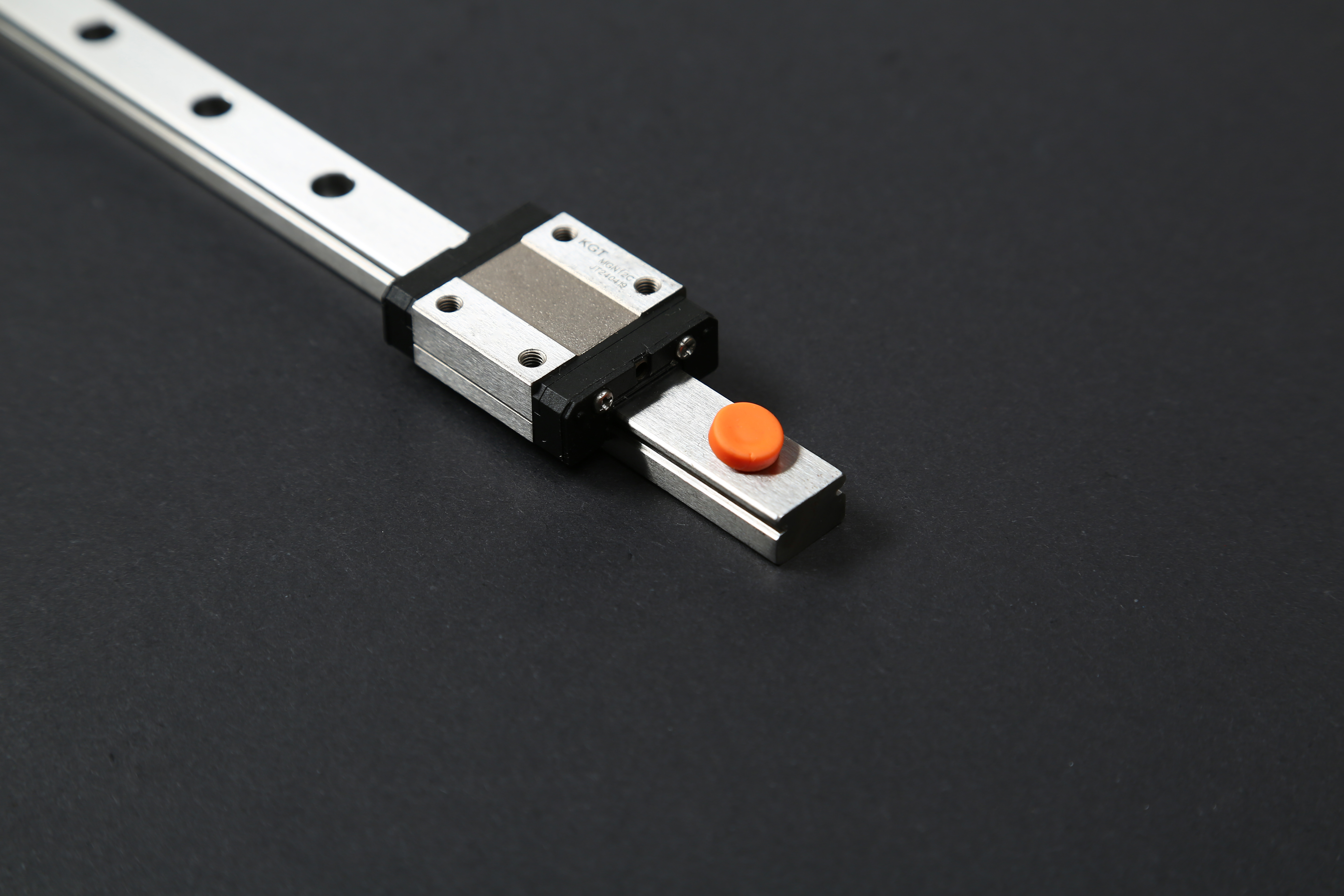
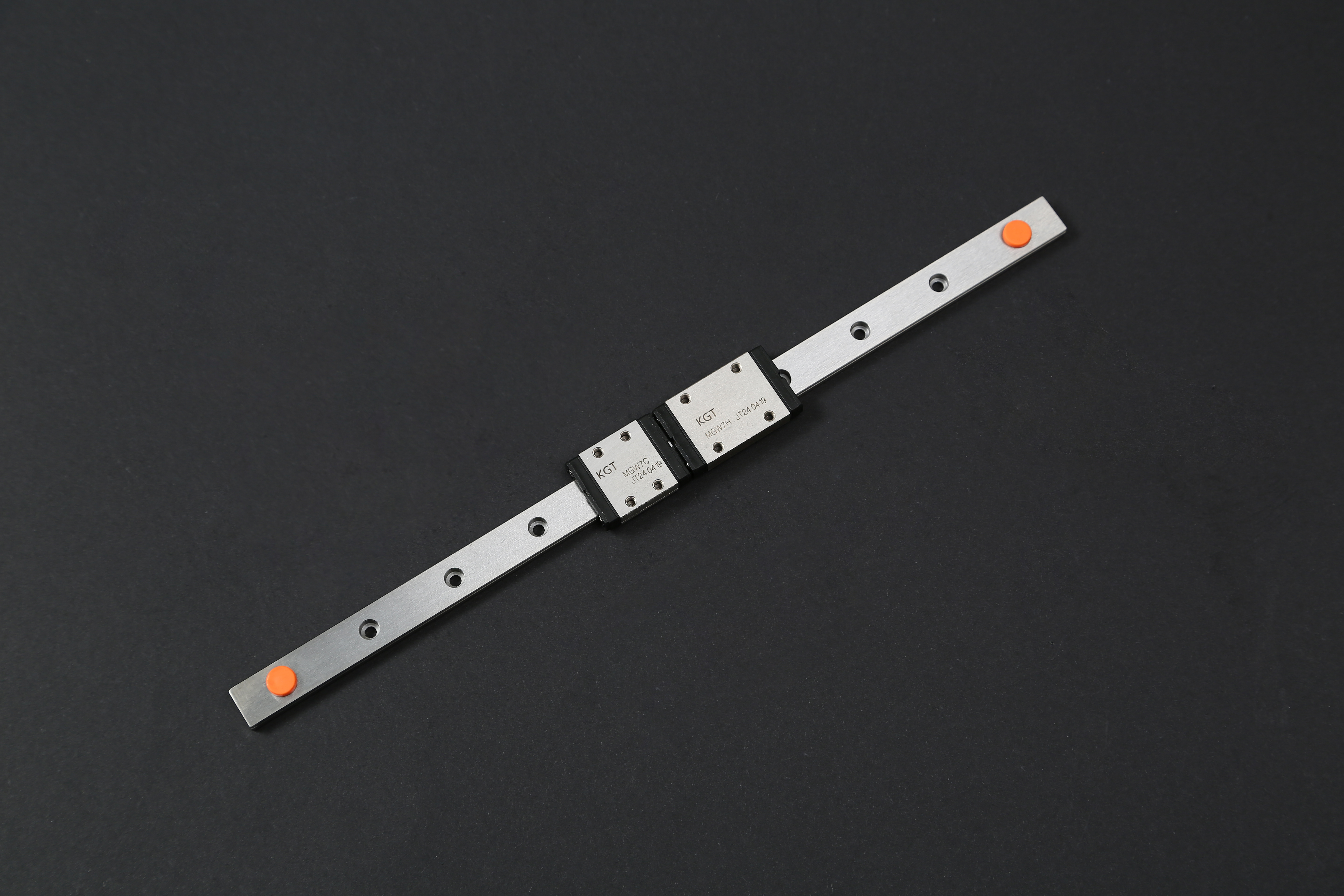
Linear guide rail bearings represent a fundamental component in modern precision machinery, serving as the backbone for countless industrial applications requiring smooth, accurate linear motion. These sophisticated mechanical devices consist of a rail track and a carriage or block that moves along the rail with exceptional precision and minimal friction. The linear guide rail bearing system utilizes ball bearings or roller bearings housed within the carriage to facilitate seamless movement along the hardened steel rail surface. The primary function of linear guide rail bearings centers on converting rotational motion into linear motion while maintaining exceptional accuracy and load-bearing capacity. These systems excel at supporting radial loads, thrust loads, and moment loads simultaneously, making them indispensable for applications demanding multi-directional force resistance. The technological foundation of linear guide rail bearings relies on precision-ground steel rails and bearing blocks manufactured to extremely tight tolerances, often within micrometers. Advanced surface treatments and specialized coatings enhance durability and reduce wear, ensuring consistent performance over millions of cycles. The bearing elements within the system, whether balls or rollers, circulate through precisely engineered raceways that distribute loads evenly across the contact surfaces. This design philosophy minimizes stress concentrations and extends operational life significantly. Modern linear guide rail bearing systems incorporate various sealing solutions to protect internal components from contamination while retaining lubrication. These seals range from simple contact seals for basic protection to advanced labyrinth seals for harsh environments. The versatility of linear guide rail bearings makes them suitable for numerous industries, including manufacturing automation, robotics, medical equipment, semiconductor production, and transportation systems. In CNC machining centers, these bearings enable precise tool positioning and smooth feed movements. Robotic systems rely on linear guide rail bearings for accurate joint movements and payload positioning. The medical industry utilizes these components in imaging equipment, surgical robots, and diagnostic machinery where precision and reliability are paramount.

 EN
EN