linear guide rail types
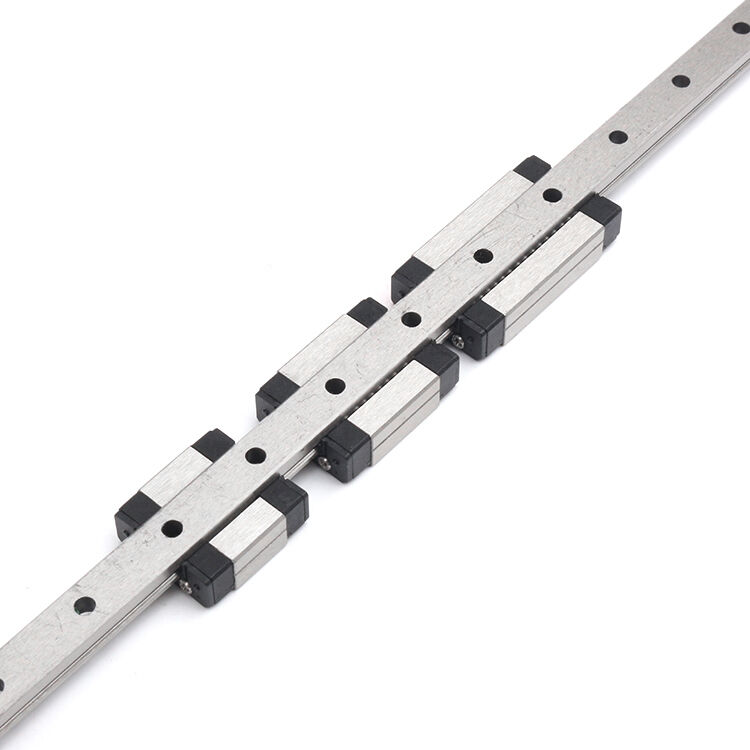
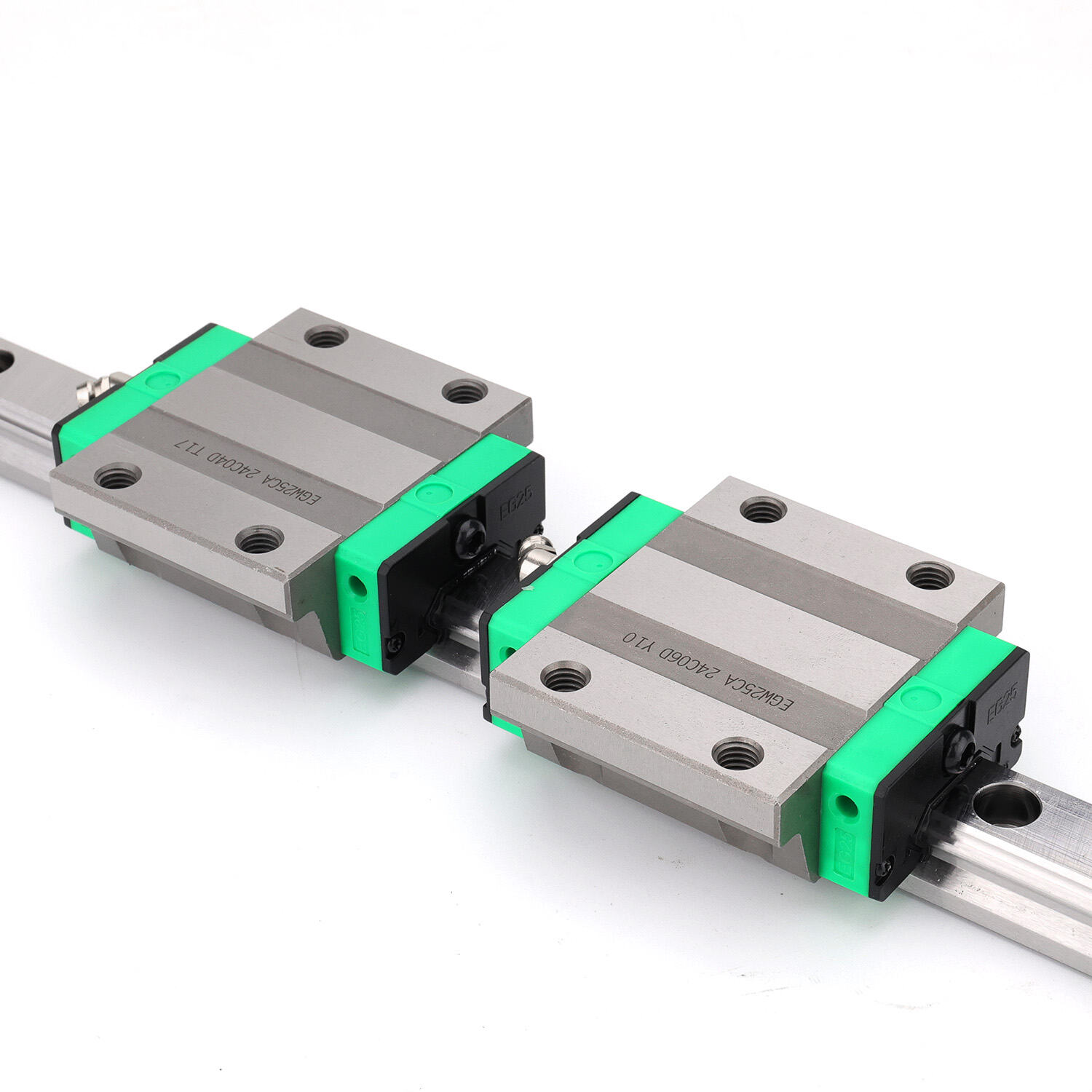
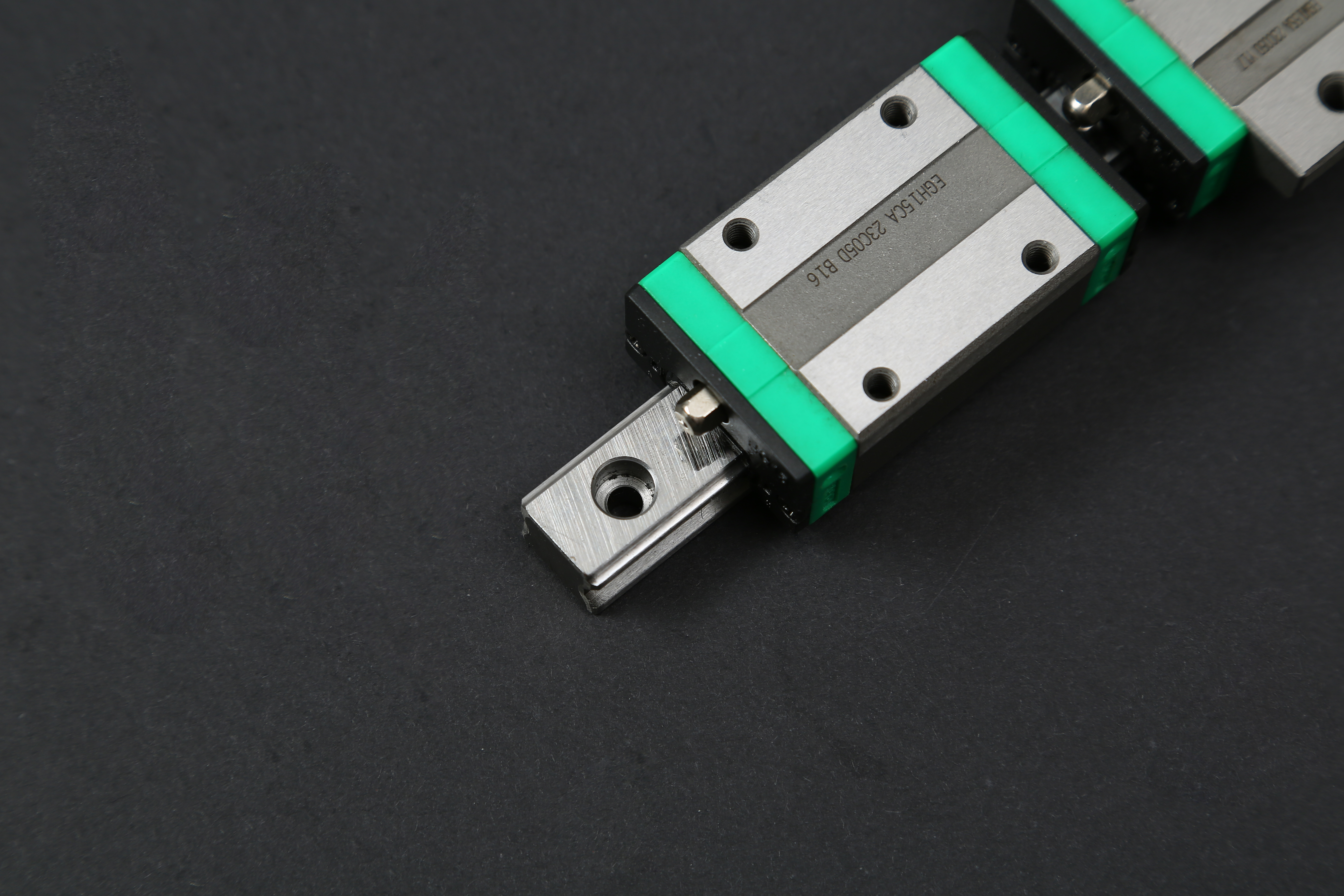
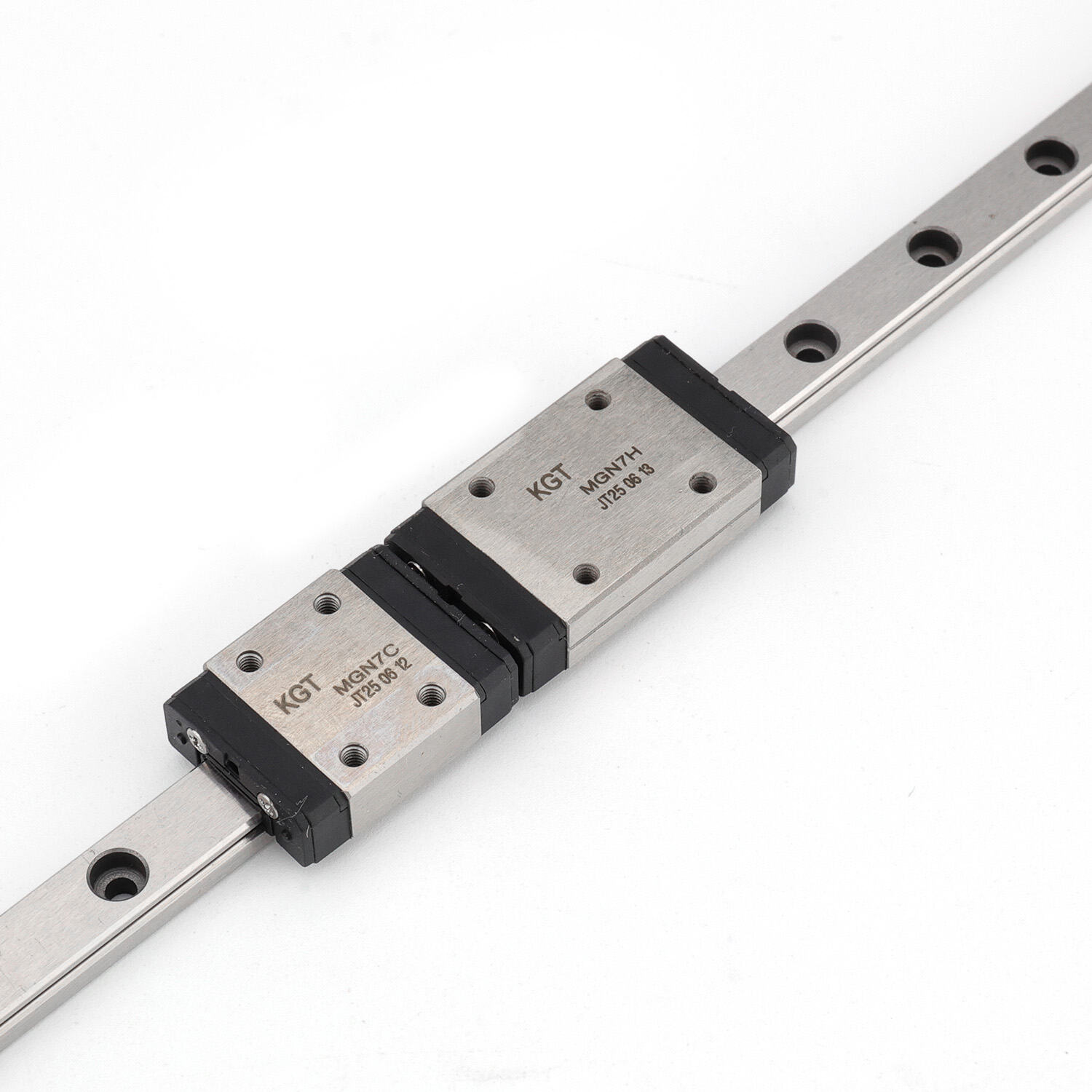
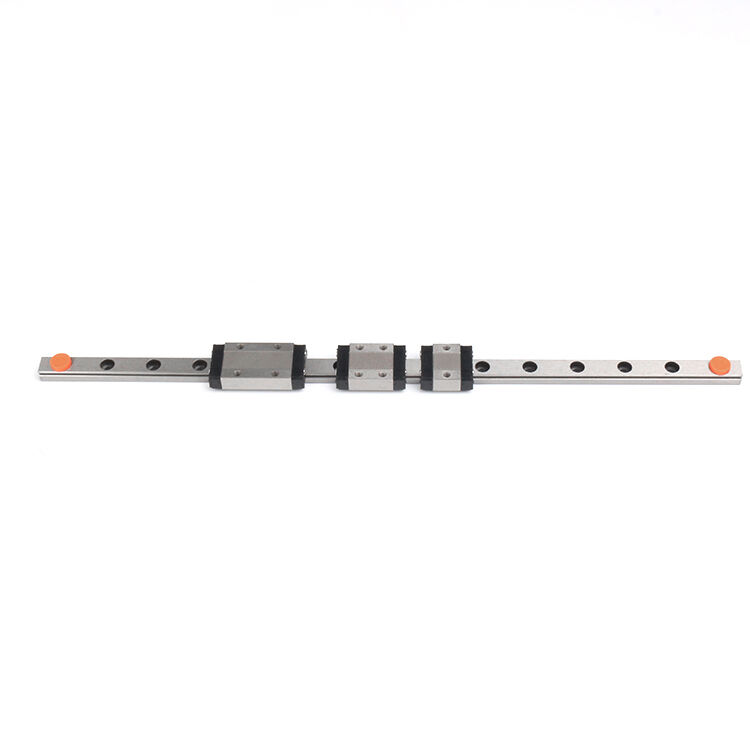
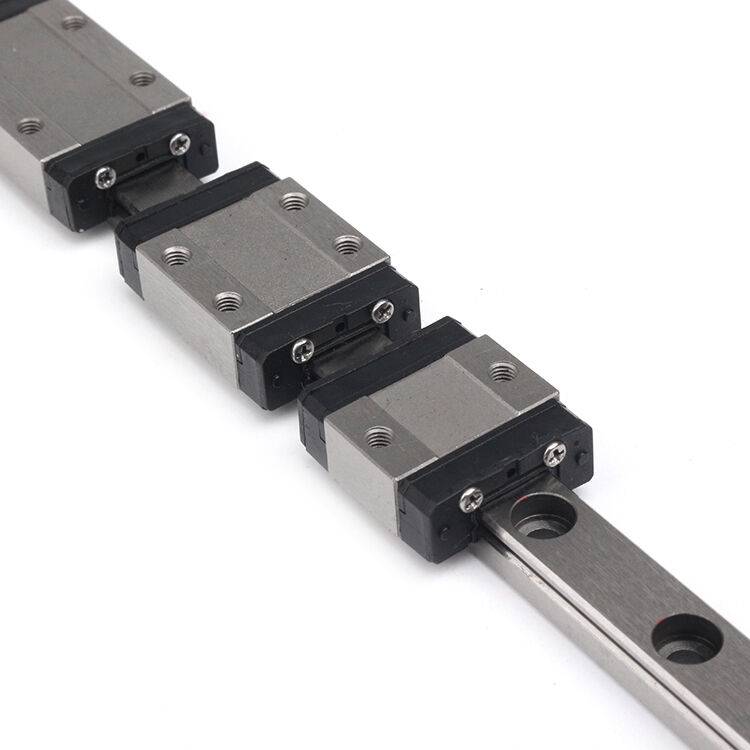
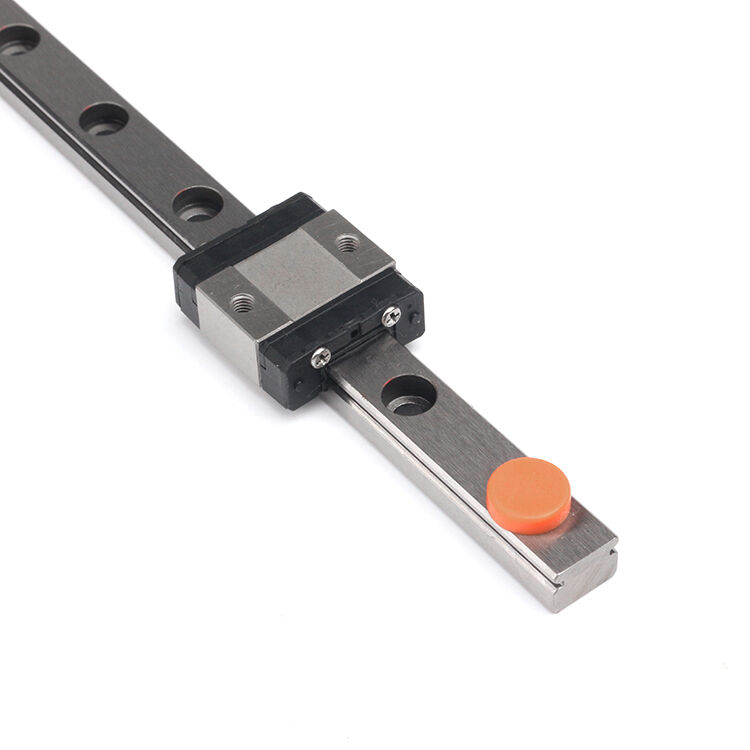
Linear guide rail types represent sophisticated mechanical systems designed to provide precise linear motion control across various industrial applications. These essential components serve as the backbone of modern automation equipment, offering smooth and accurate movement along predetermined paths. The primary function of linear guide rail types involves supporting and guiding moving components while maintaining exceptional precision and reliability throughout operation. These systems consist of rails, carriages, and rolling elements that work together to create frictionless movement patterns essential for high-performance machinery. Technological features of linear guide rail types include advanced bearing technologies, precision-machined surfaces, and specialized lubrication systems that ensure consistent performance under demanding conditions. The rails themselves are manufactured using high-grade steel or aluminum materials, treated with advanced surface hardening processes to resist wear and maintain dimensional accuracy over extended periods. Ball bearing linear guide rail types utilize steel balls as rolling elements, providing excellent load capacity and smooth operation for medium to heavy-duty applications. Roller bearing variants employ cylindrical rollers that distribute loads more effectively, making them ideal for applications requiring superior rigidity and higher load-bearing capabilities. Needle bearing linear guide rail types feature compact designs with exceptional precision, perfect for space-constrained applications where accuracy remains paramount. Applications for linear guide rail types span numerous industries including manufacturing automation, packaging machinery, medical equipment, semiconductor production, and precision machining centers. These systems enable accurate positioning in CNC machines, smooth operation in automated assembly lines, and reliable movement in robotic systems. The versatility of linear guide rail types makes them indispensable components in modern industrial equipment where precision, durability, and consistent performance determine operational success and production quality standards.

 EN
EN