linear guide systems
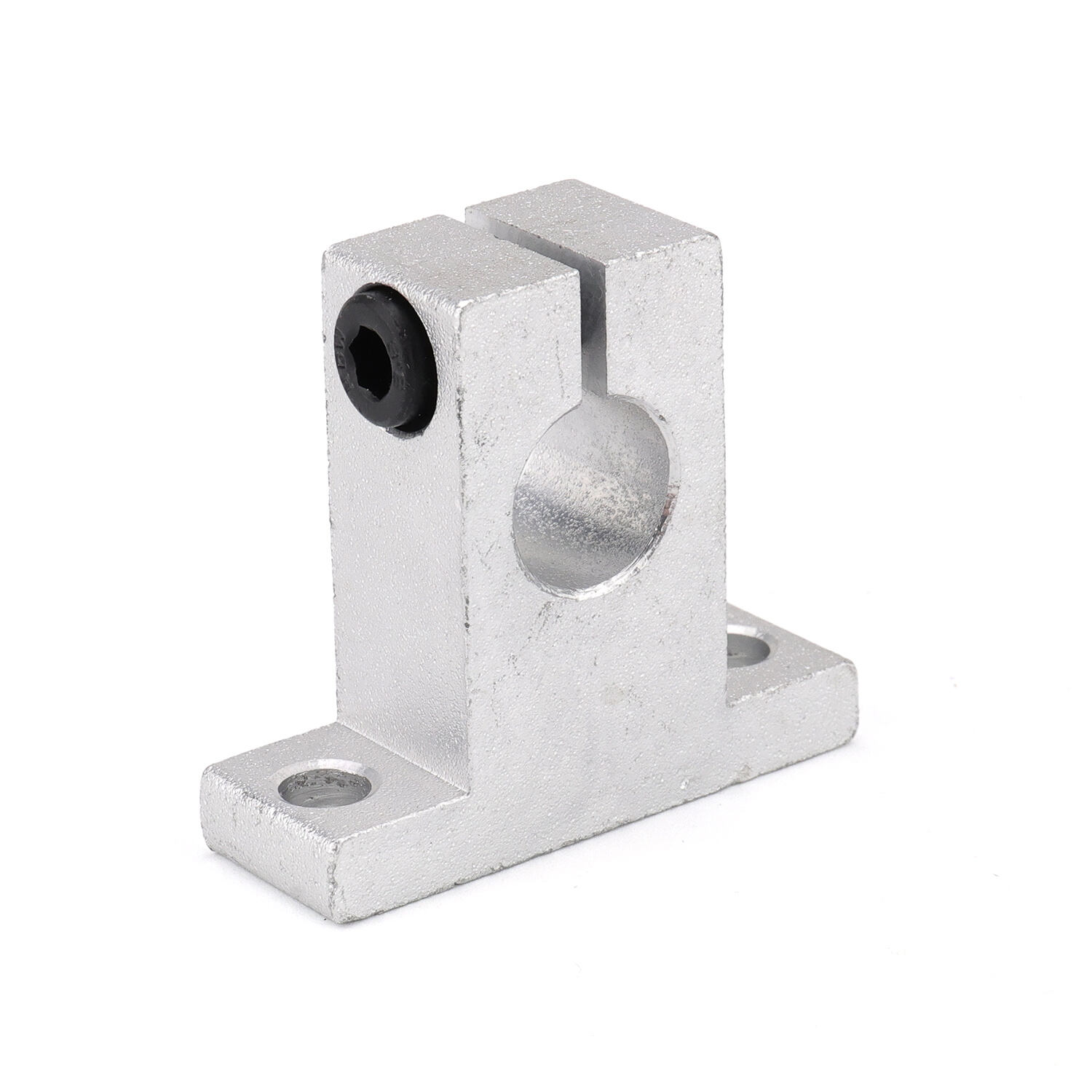
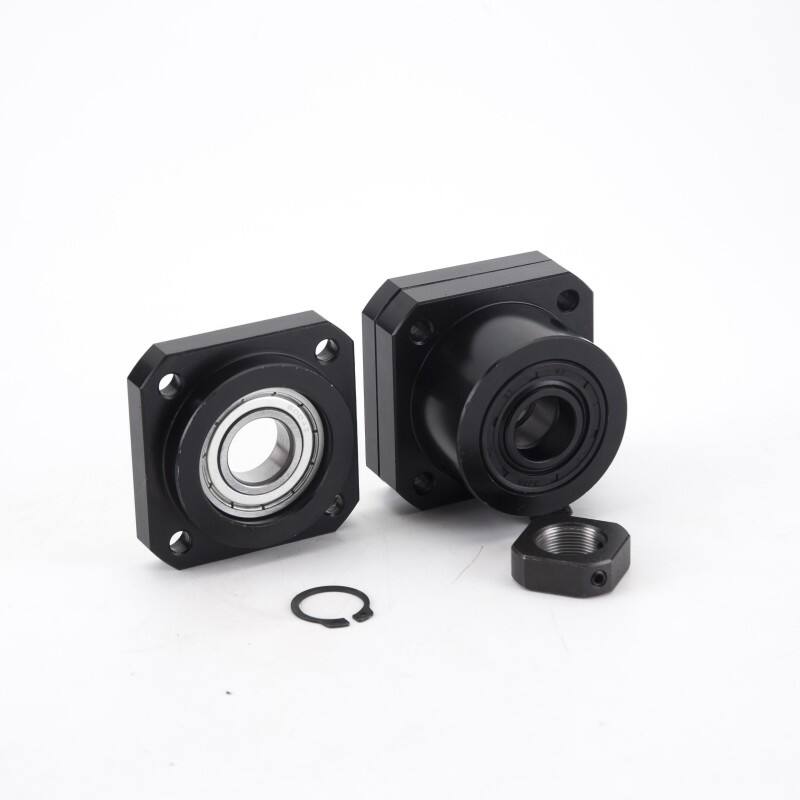
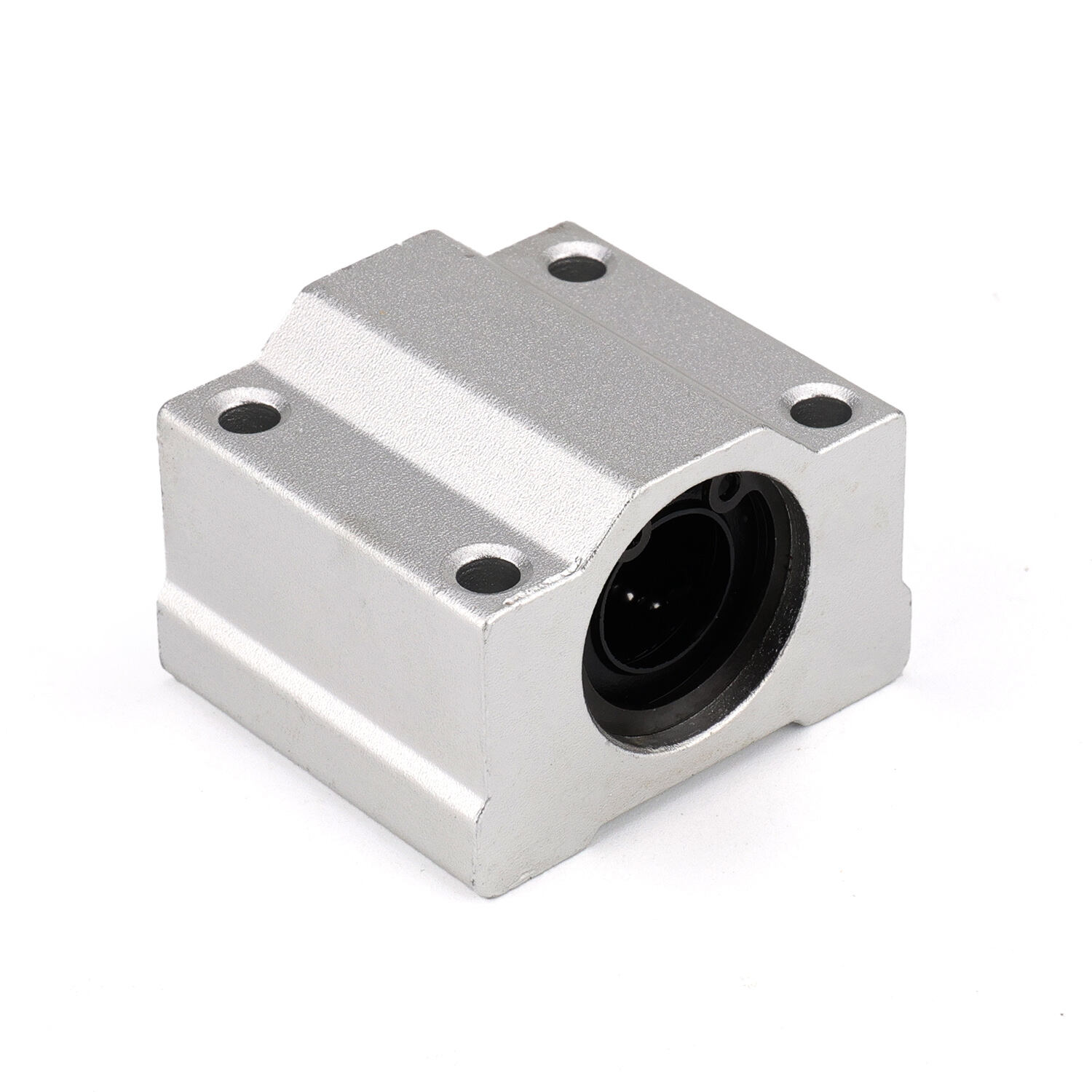
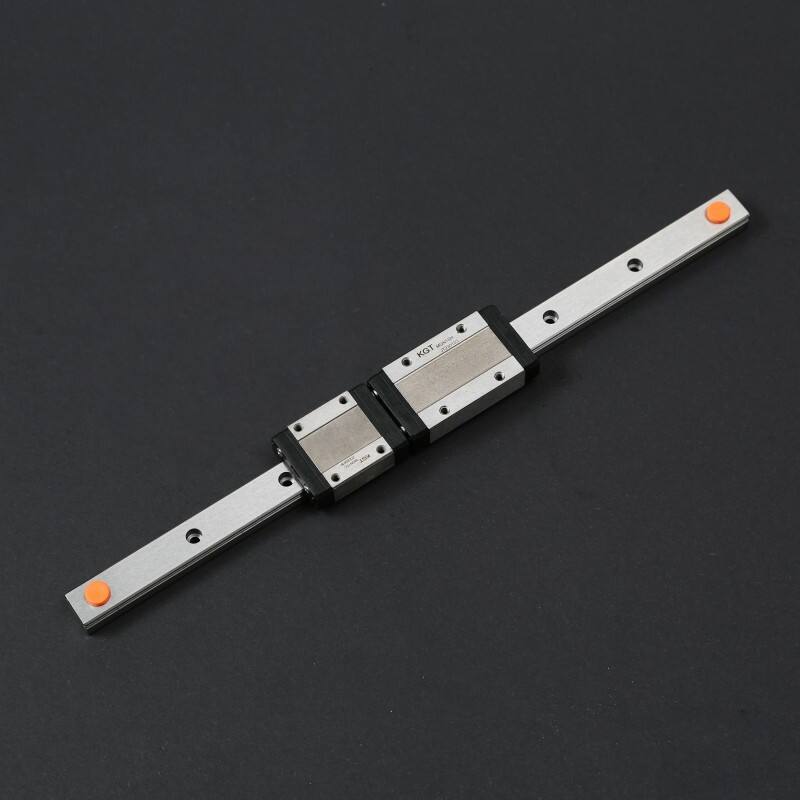
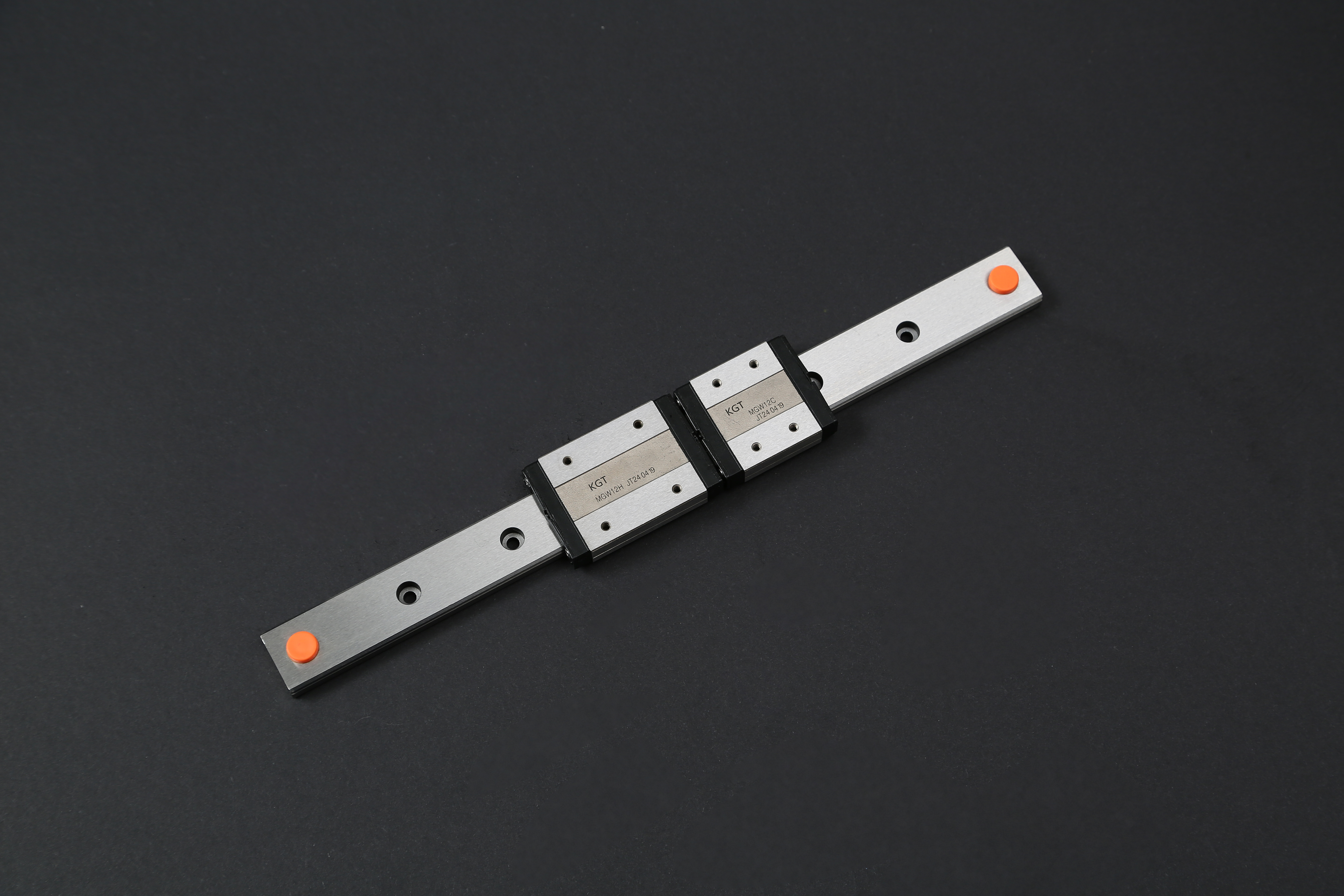
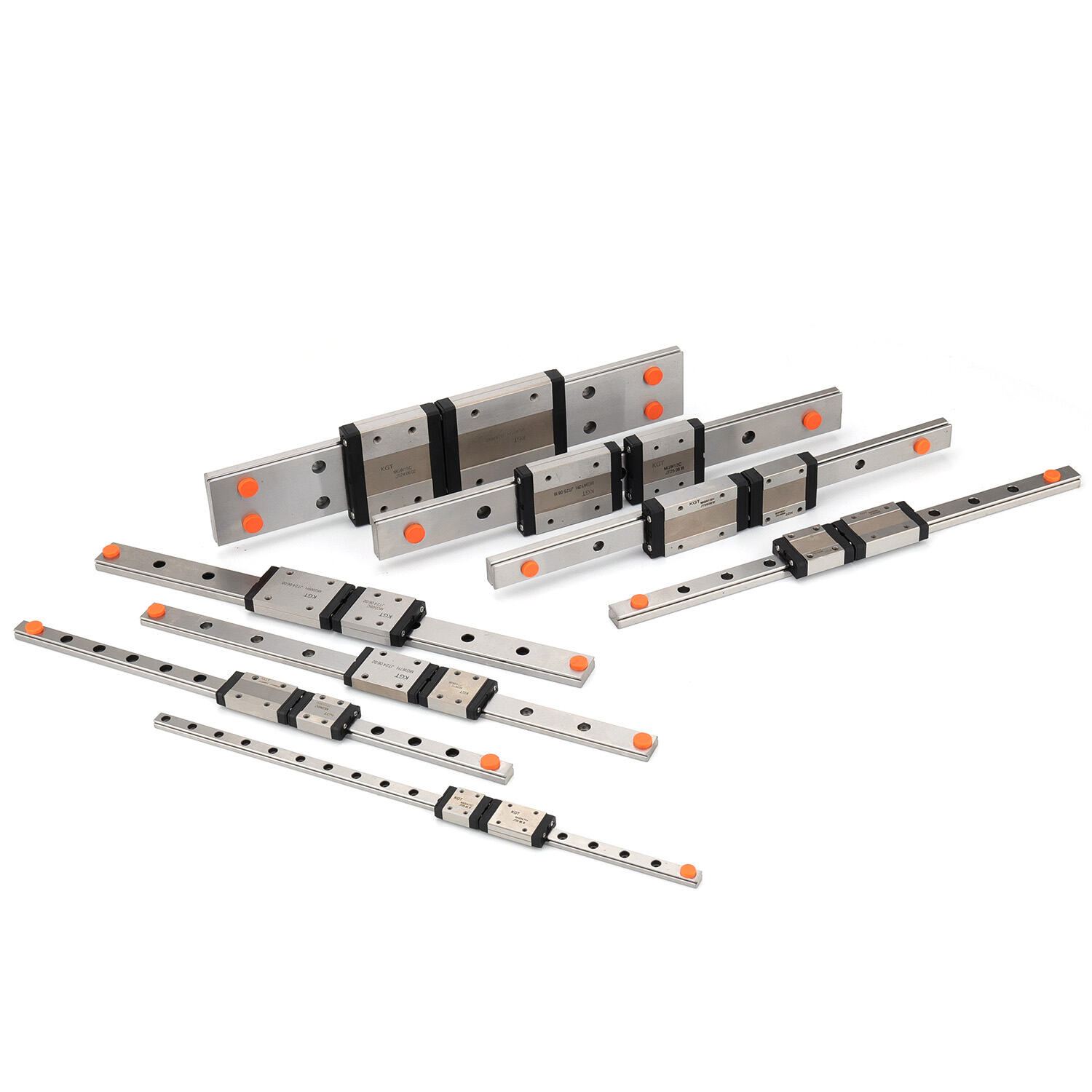
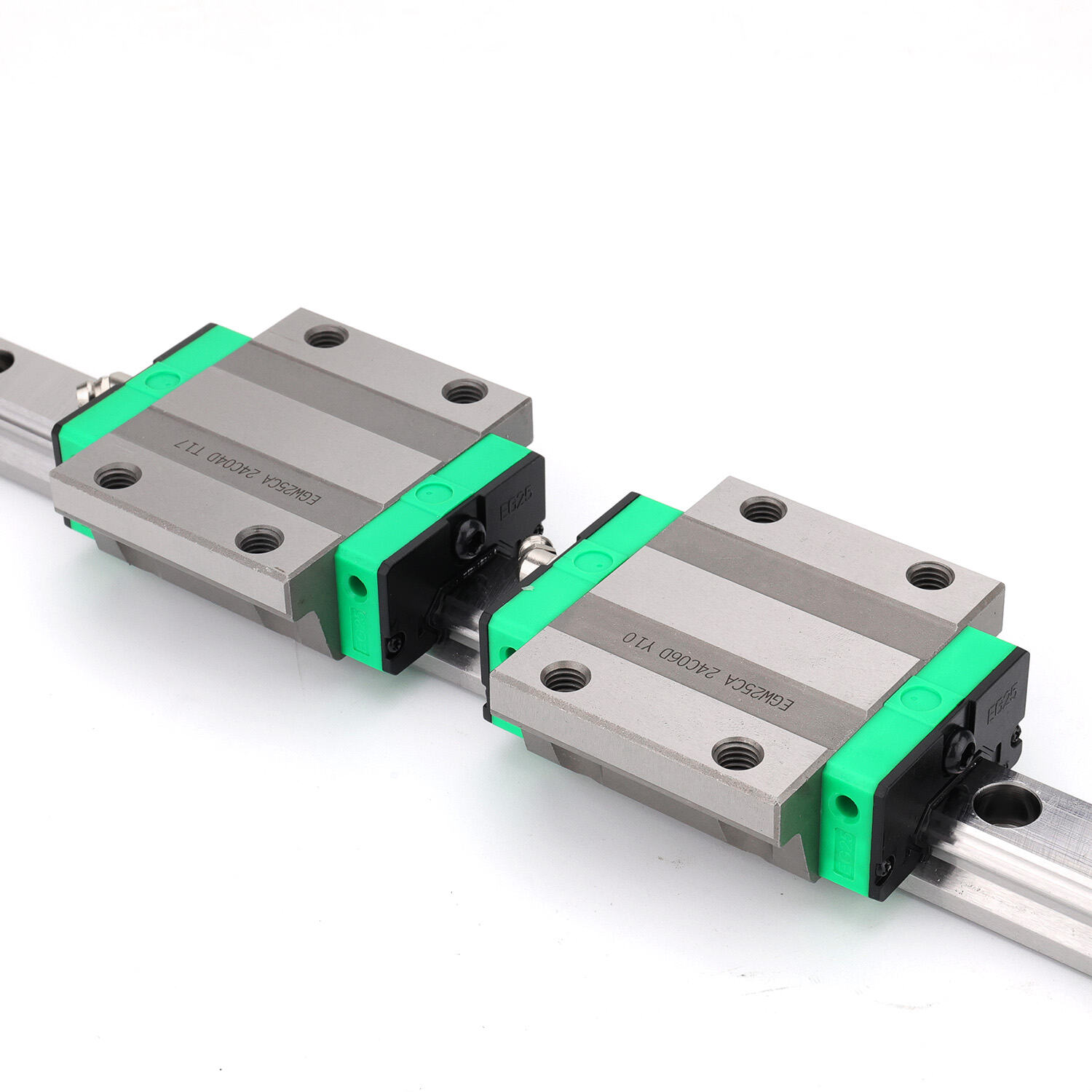
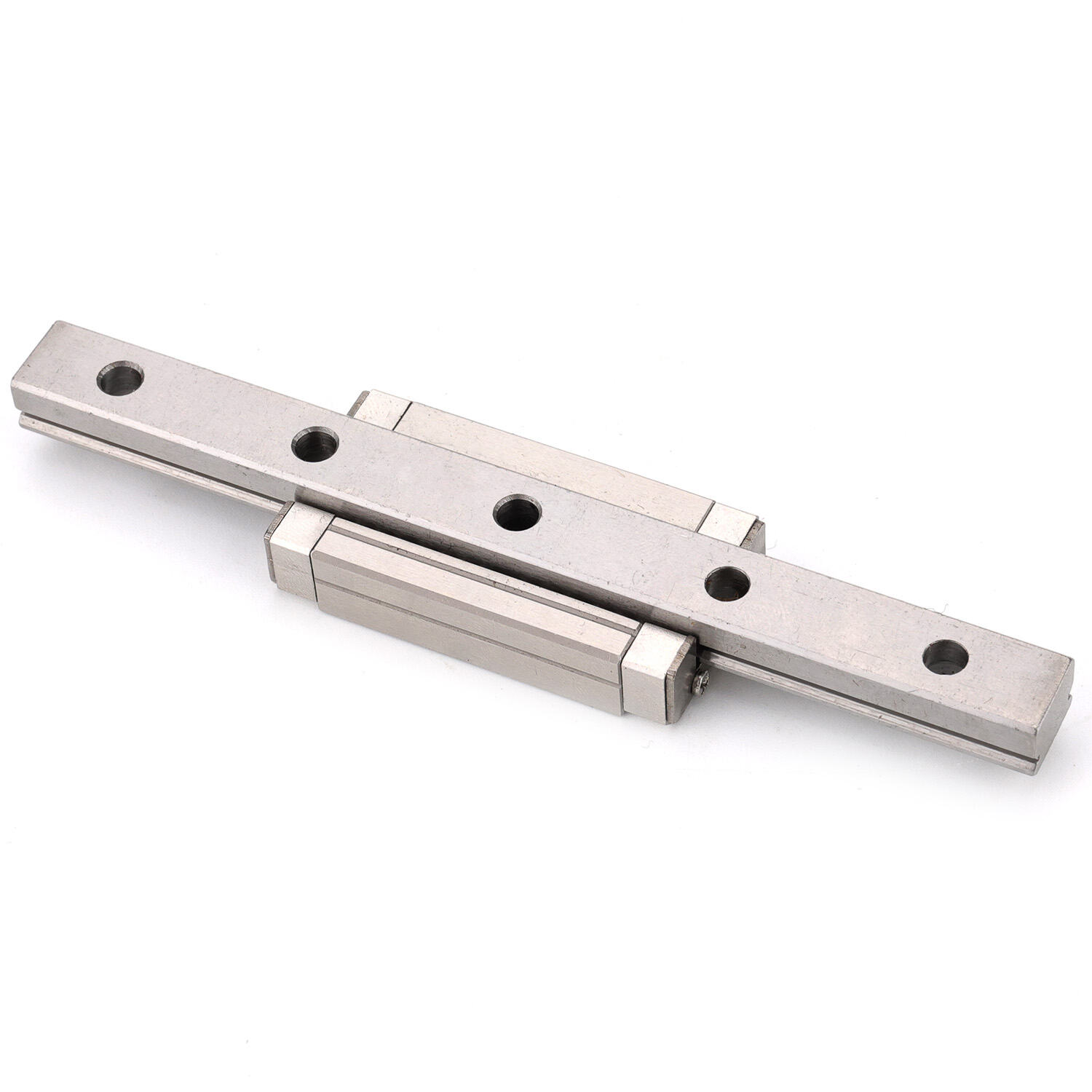
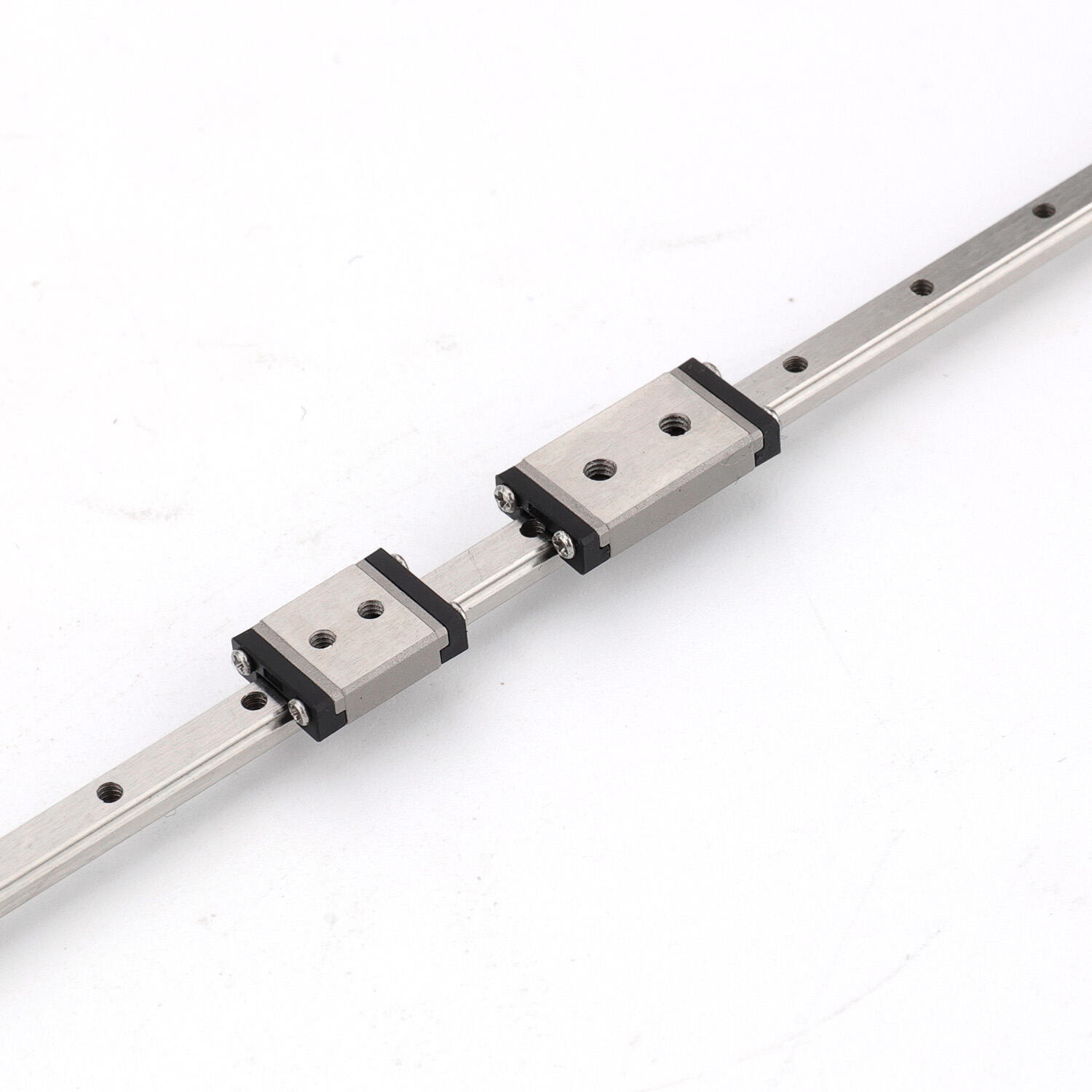
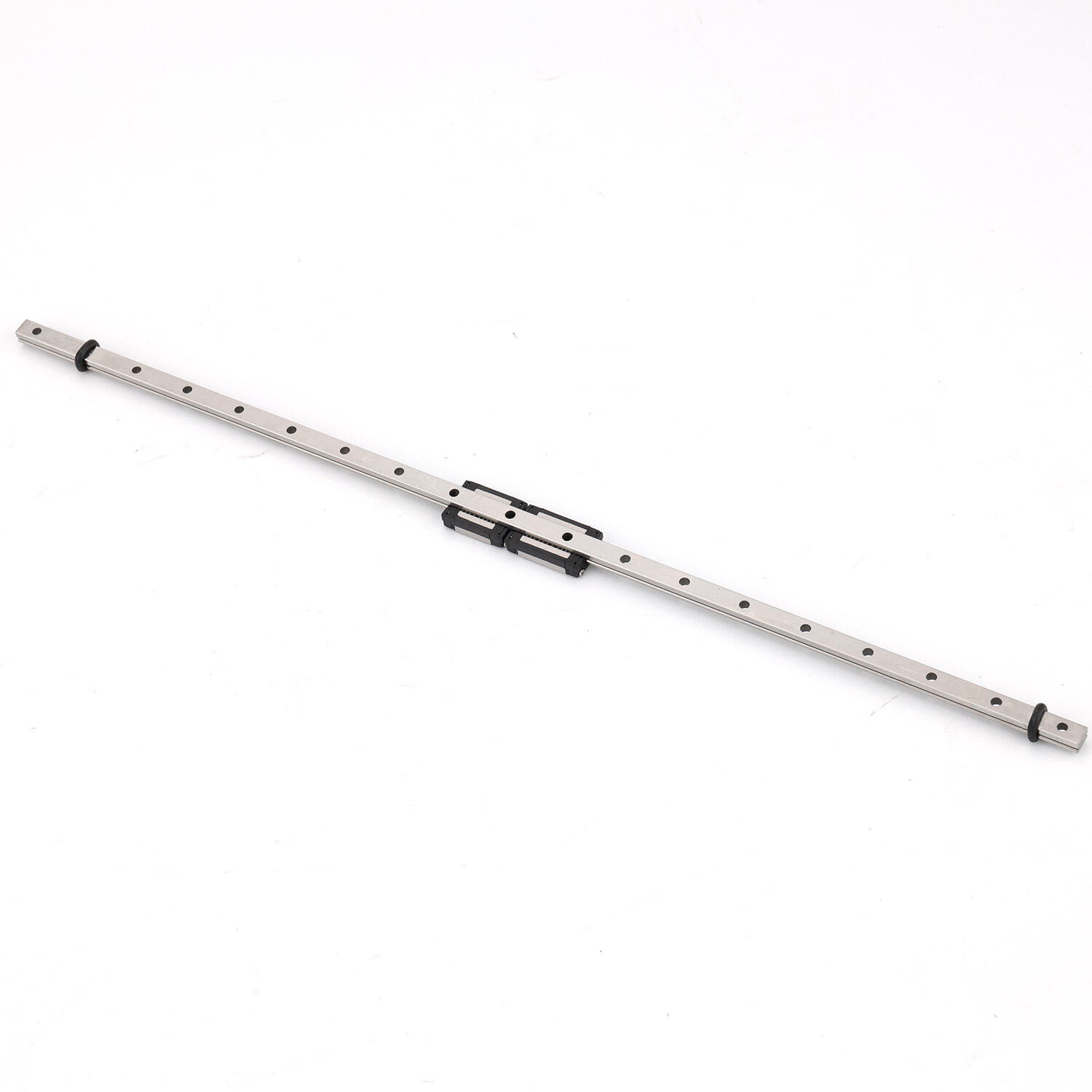
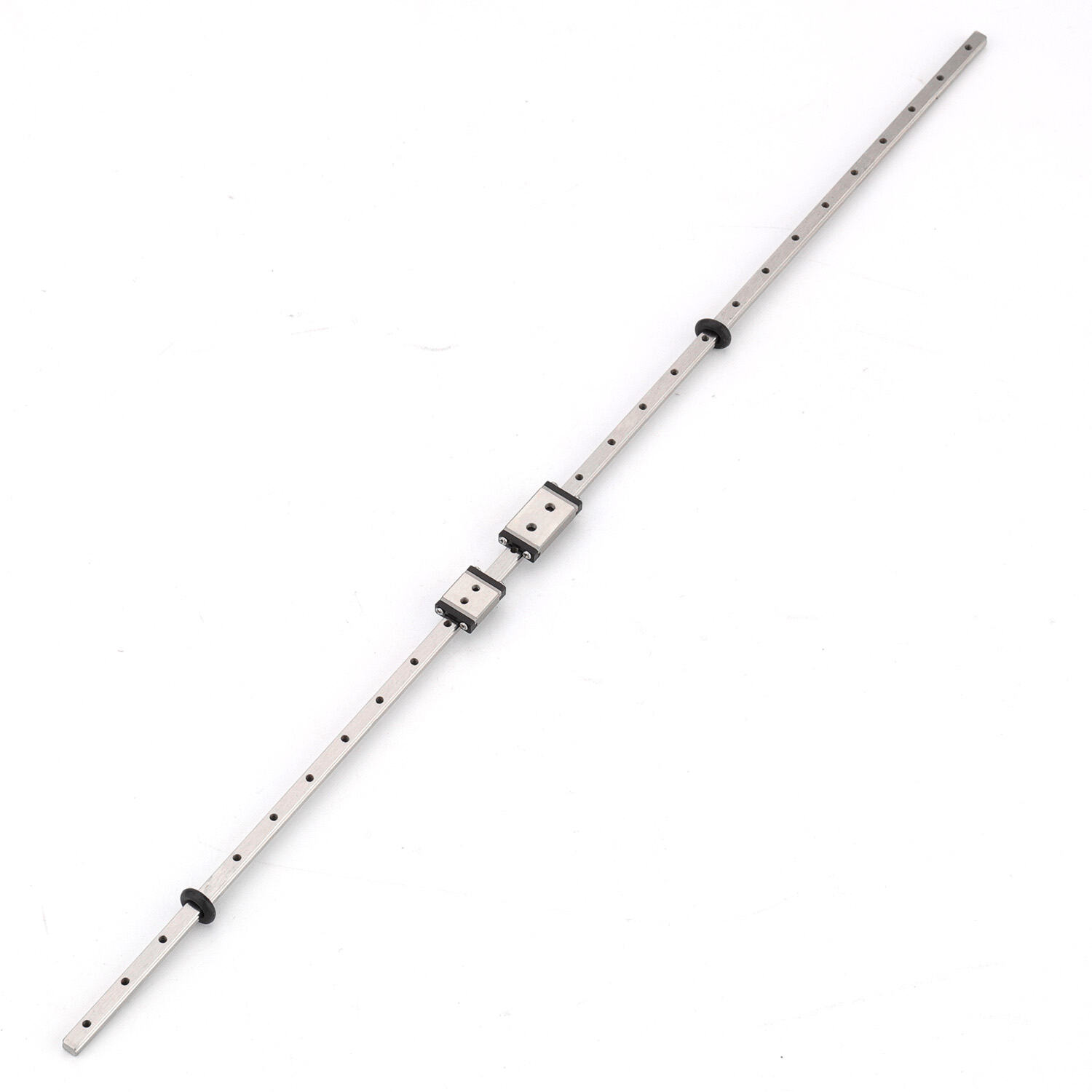
Linear guide systems represent a fundamental component in modern machinery and automation equipment, serving as precision motion control solutions that enable smooth, accurate movement along predetermined paths. These sophisticated mechanical assemblies consist of rails, carriages, and bearing elements that work together to facilitate linear motion while maintaining exceptional positional accuracy and load-bearing capacity. The primary function of linear guide systems revolves around converting rotational motion into linear displacement, providing a stable platform for various industrial applications requiring precise positioning and movement control. The technological foundation of these systems relies on advanced bearing technology, typically incorporating ball bearings or roller bearings that minimize friction and ensure smooth operation across extended service life cycles. Modern linear guide systems feature robust construction materials, including hardened steel rails and aluminum or steel carriages, designed to withstand demanding operational conditions while maintaining dimensional stability. The precision manufacturing processes employed in producing these components ensure tight tolerances and consistent performance characteristics. Key technological features include self-lubricating capabilities, corrosion-resistant coatings, and modular designs that facilitate easy installation and maintenance procedures. The versatility of linear guide systems makes them indispensable across numerous industrial sectors, including manufacturing automation, packaging machinery, medical equipment, semiconductor production, aerospace applications, and robotics. In manufacturing environments, these systems enable precise positioning of cutting tools, assembly components, and inspection equipment, contributing to improved product quality and production efficiency. The automotive industry extensively utilizes linear guide systems in assembly lines, painting booths, and quality control stations, where consistent movement patterns and reliability are paramount. Medical device manufacturers depend on these systems for surgical equipment, diagnostic machinery, and laboratory automation, where precision and sterility requirements demand exceptional performance standards. The semiconductor industry relies on linear guide systems for wafer handling, lithography equipment, and cleanroom applications, where sub-micron positioning accuracy is essential for successful manufacturing processes.

 EN
EN