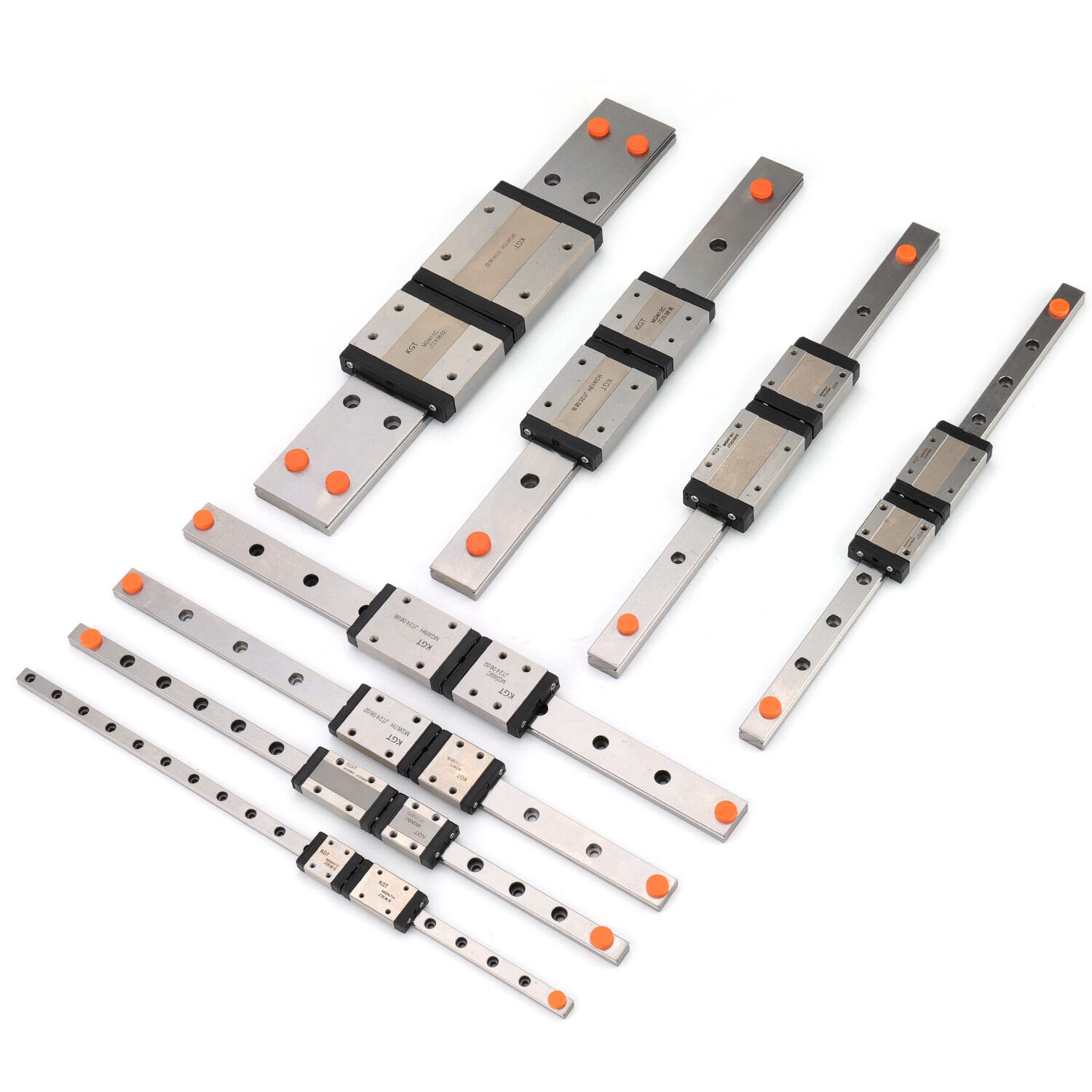
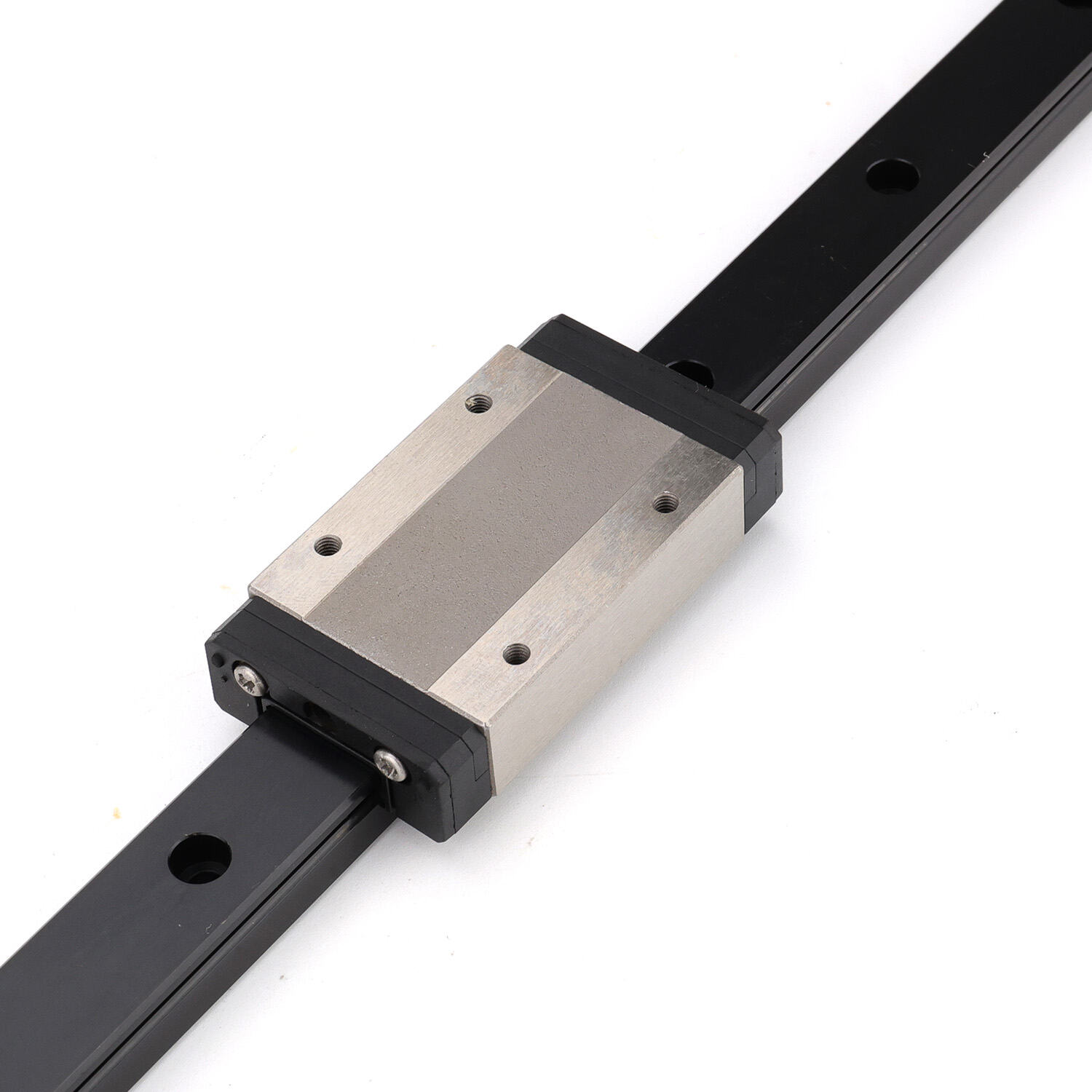
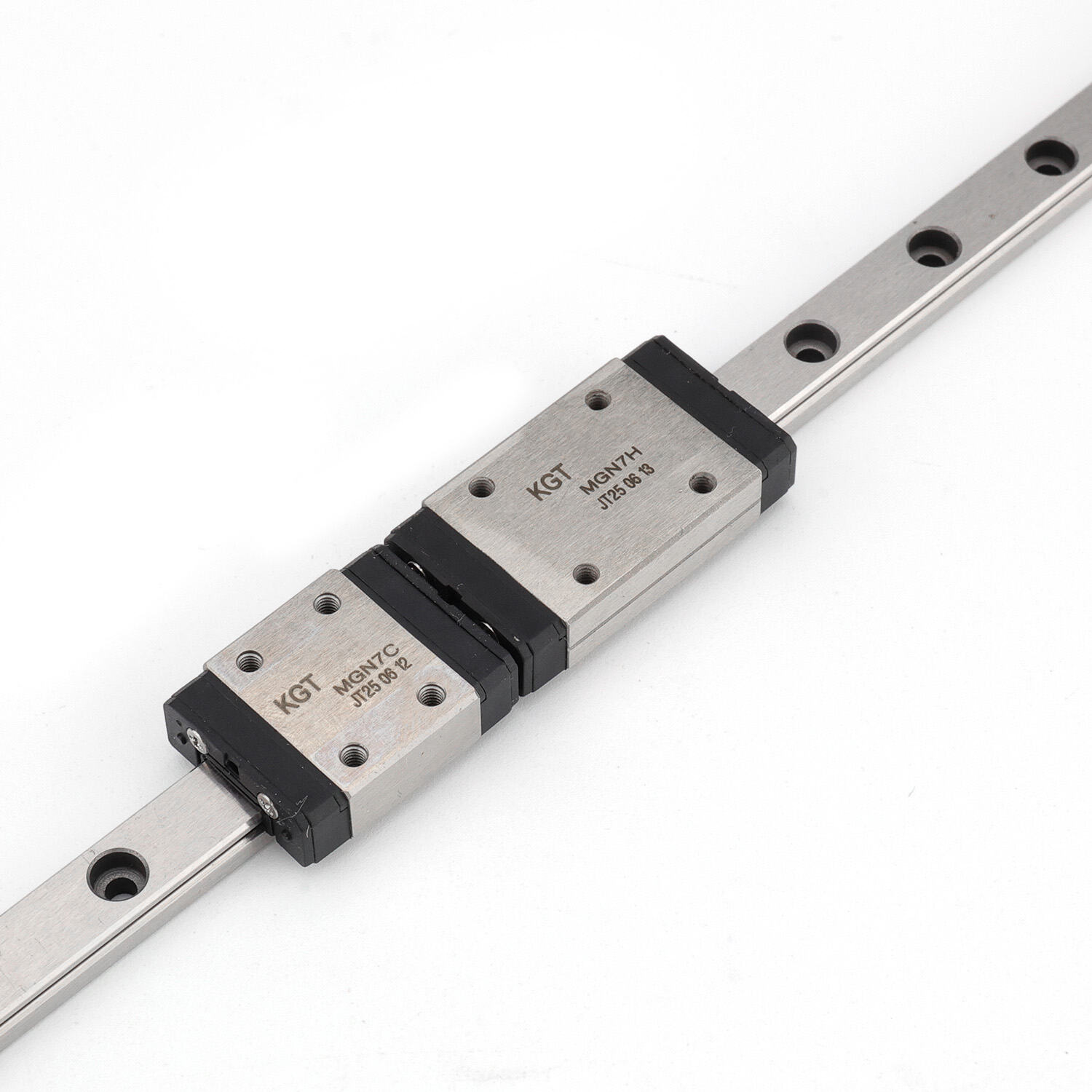
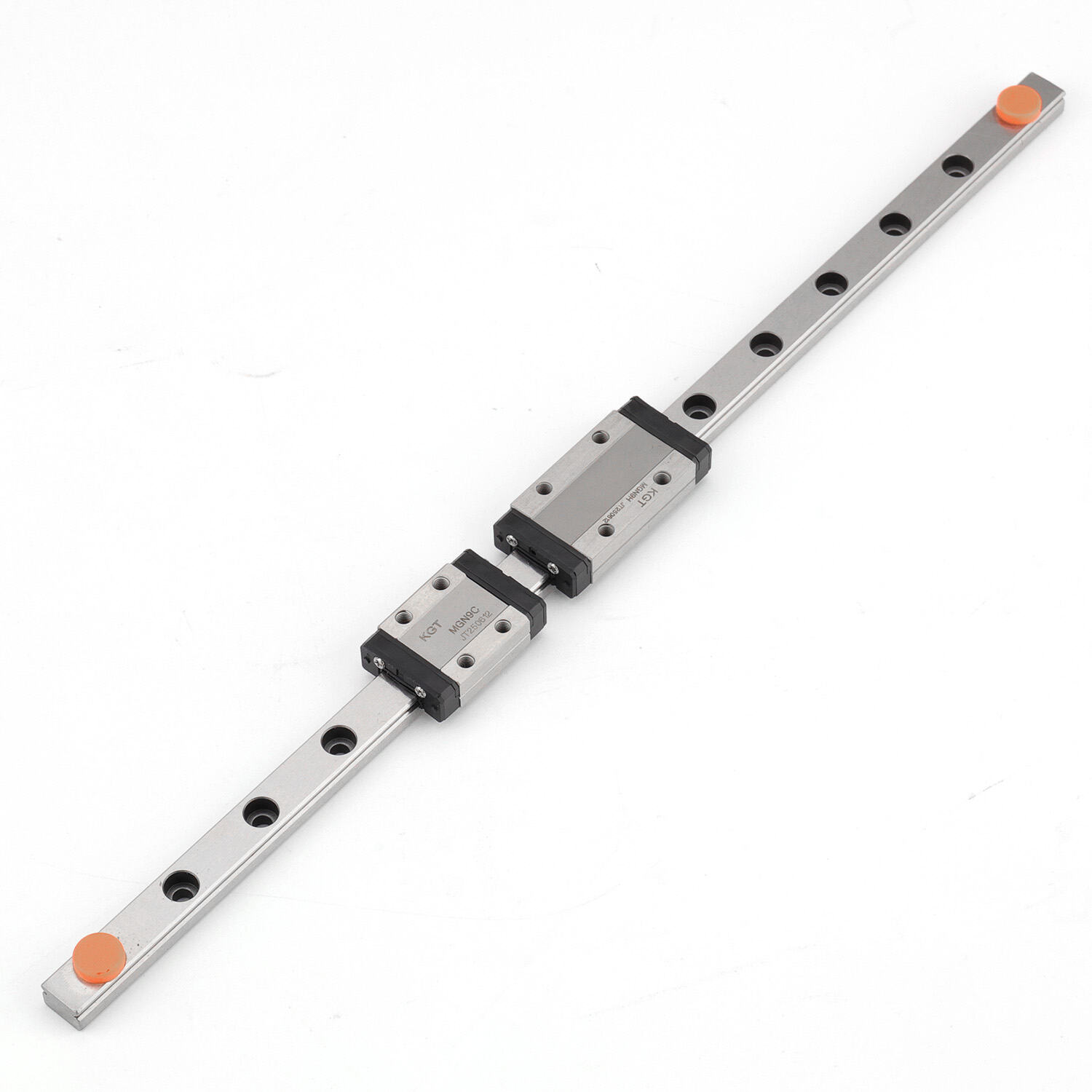
Maintenance-Free Operation and Extended Service Life
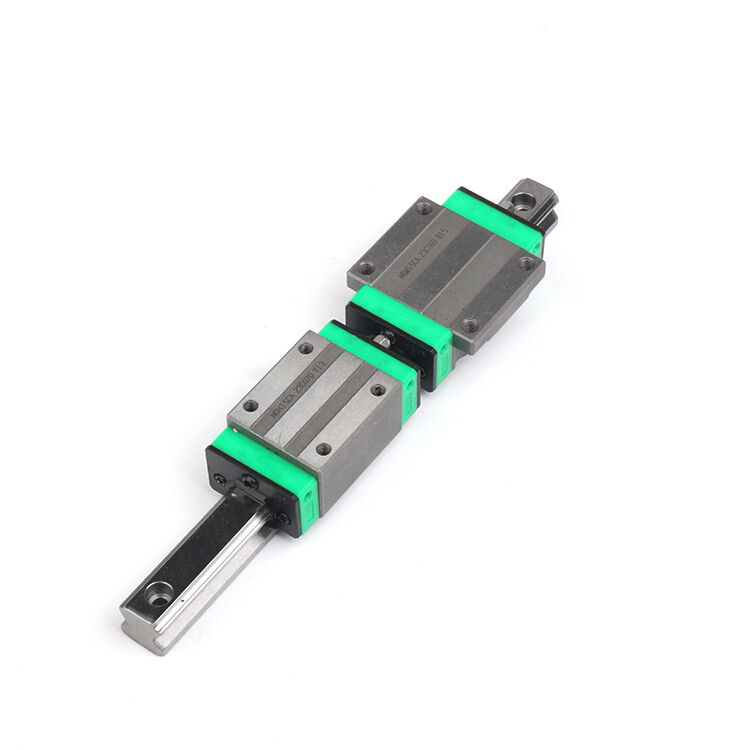
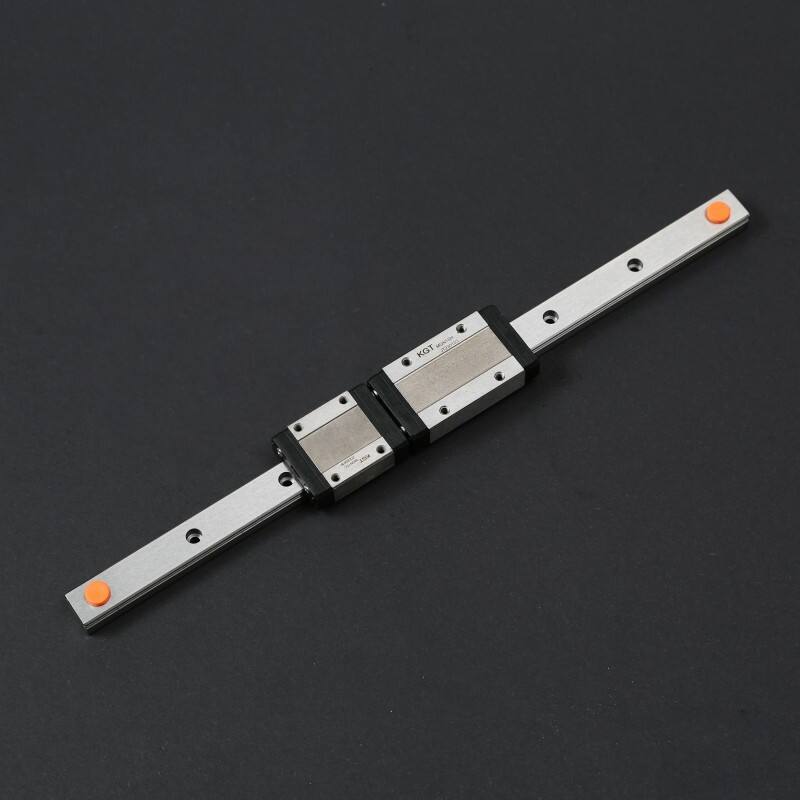
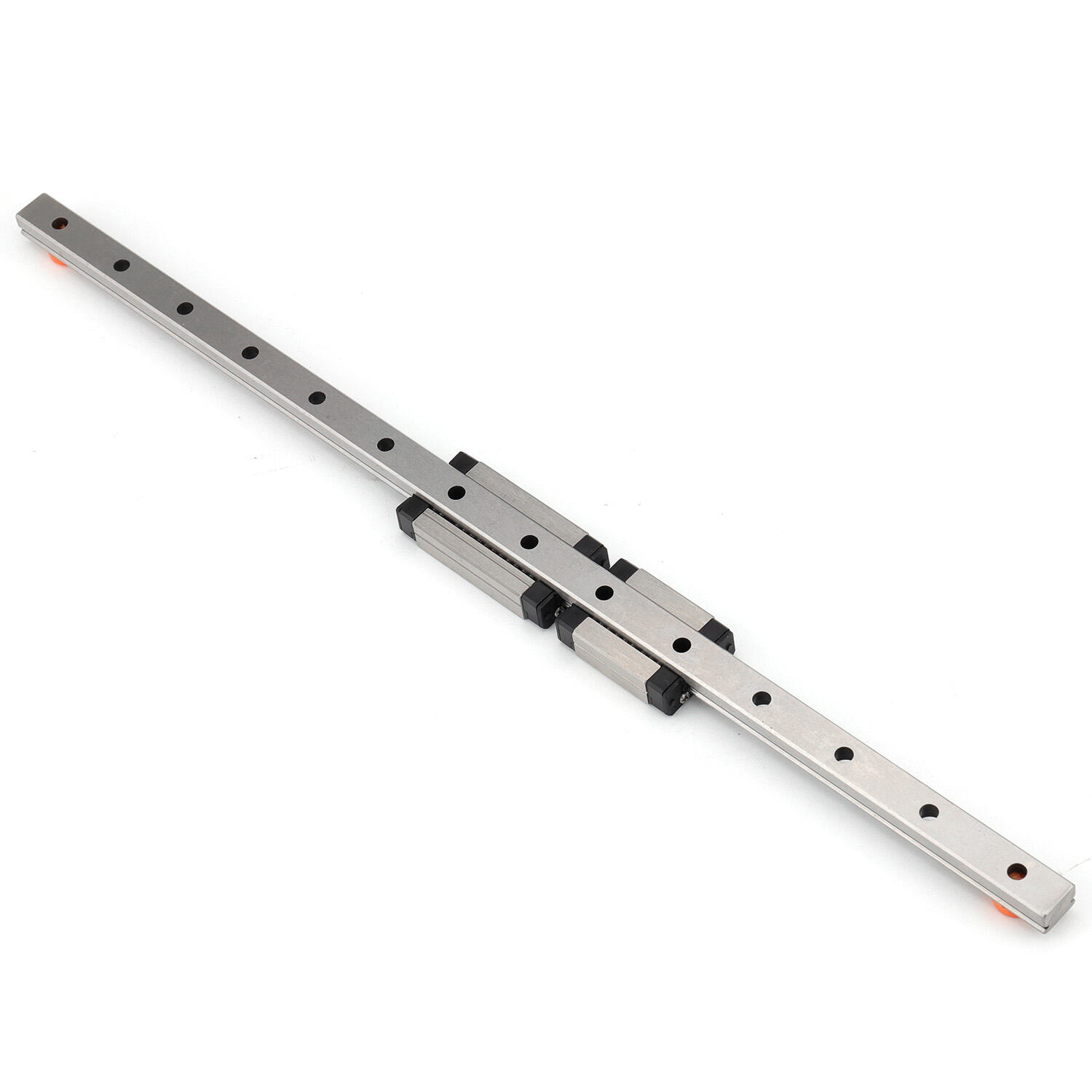
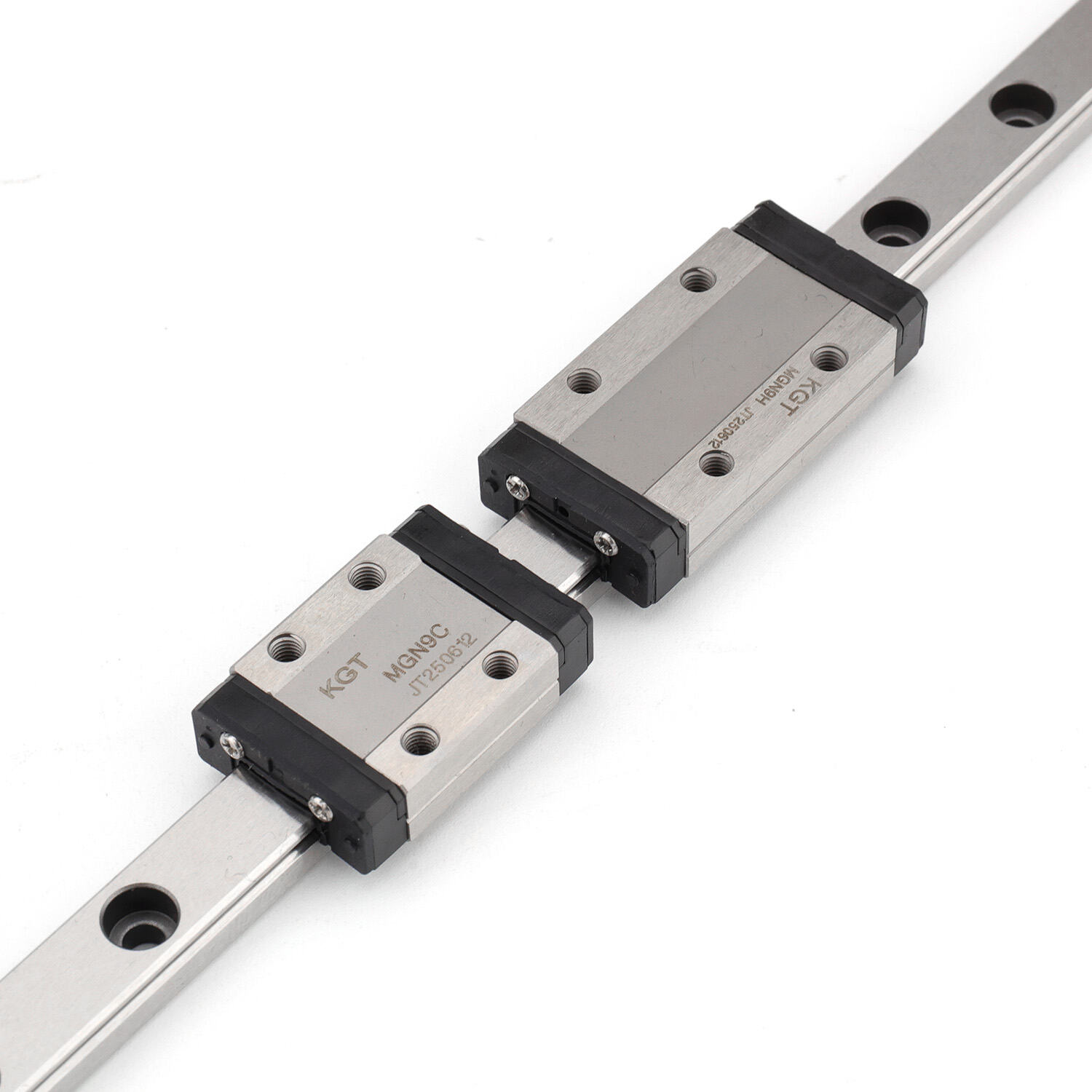
The maintenance-free operation and exceptional service life characteristics of precision linear guide systems provide manufacturers with significant operational advantages through reduced downtime, lower maintenance costs, and improved production reliability. These benefits result from advanced lubrication systems, superior sealing technologies, and premium materials that withstand millions of operational cycles while maintaining performance specifications. The precision linear guide incorporates self-lubricating bearing arrangements that eliminate the need for frequent relubrication procedures, reducing both maintenance labor and lubricant costs while ensuring consistent performance throughout the service interval. Advanced grease formulations specifically developed for precision linear guide applications provide long-term lubrication under various operating conditions, including temperature extremes and contaminated environments. The sealed bearing design protects critical surfaces from external contamination while retaining lubricants, extending service life far beyond conventional linear motion systems. Typical precision linear guide systems operate for 50,000 to 100,000 kilometers of travel distance before requiring maintenance, depending on operating conditions and load factors. This extended service capability translates directly into reduced production interruptions and lower total cost of ownership for manufacturing equipment. The precision linear guide achieves this longevity through carefully selected bearing materials that resist wear, corrosion, and fatigue under continuous operation. Heat treatment processes and surface coatings enhance material properties, ensuring consistent performance throughout the extended service life. Contamination protection represents a critical factor in precision linear guide reliability, with advanced sealing systems preventing ingress of particles, moisture, and chemical contaminants that could compromise bearing performance. Multi-lip seal designs and labyrinth seals provide redundant protection while maintaining low friction characteristics essential for smooth operation. The precision linear guide incorporates design features that accommodate thermal expansion and contraction without affecting accuracy or increasing wear rates, ensuring consistent performance across varying operating temperatures. Predictive maintenance capabilities built into modern precision linear guide systems enable condition monitoring through vibration analysis, temperature measurement, and lubricant condition assessment, allowing maintenance teams to schedule service activities during planned downtime rather than responding to unexpected failures. The robust construction and conservative design margins typical of precision linear guide systems provide substantial safety factors that accommodate occasional overload conditions without permanent damage, contributing to overall system reliability and reducing the risk of catastrophic failures that could result in extensive production losses.

 EN
EN