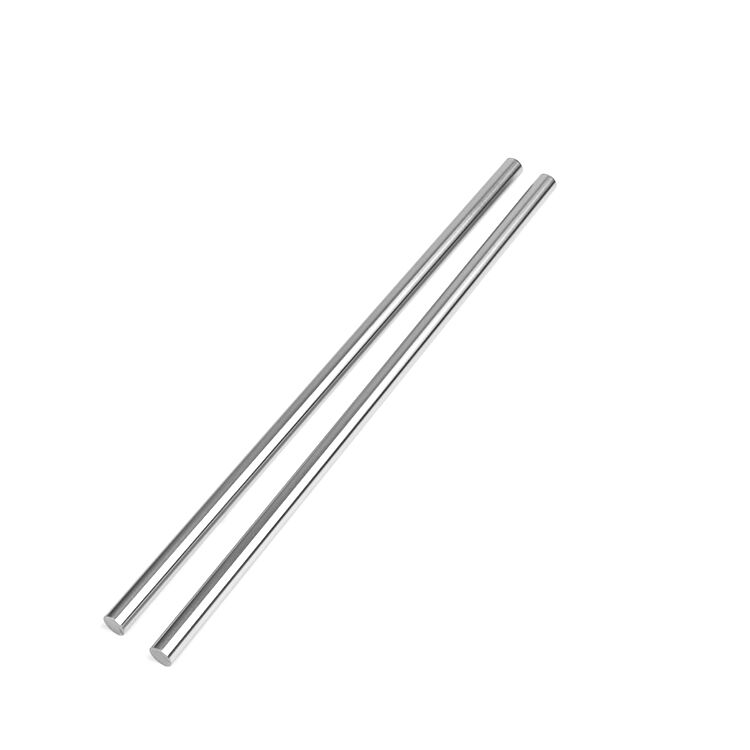
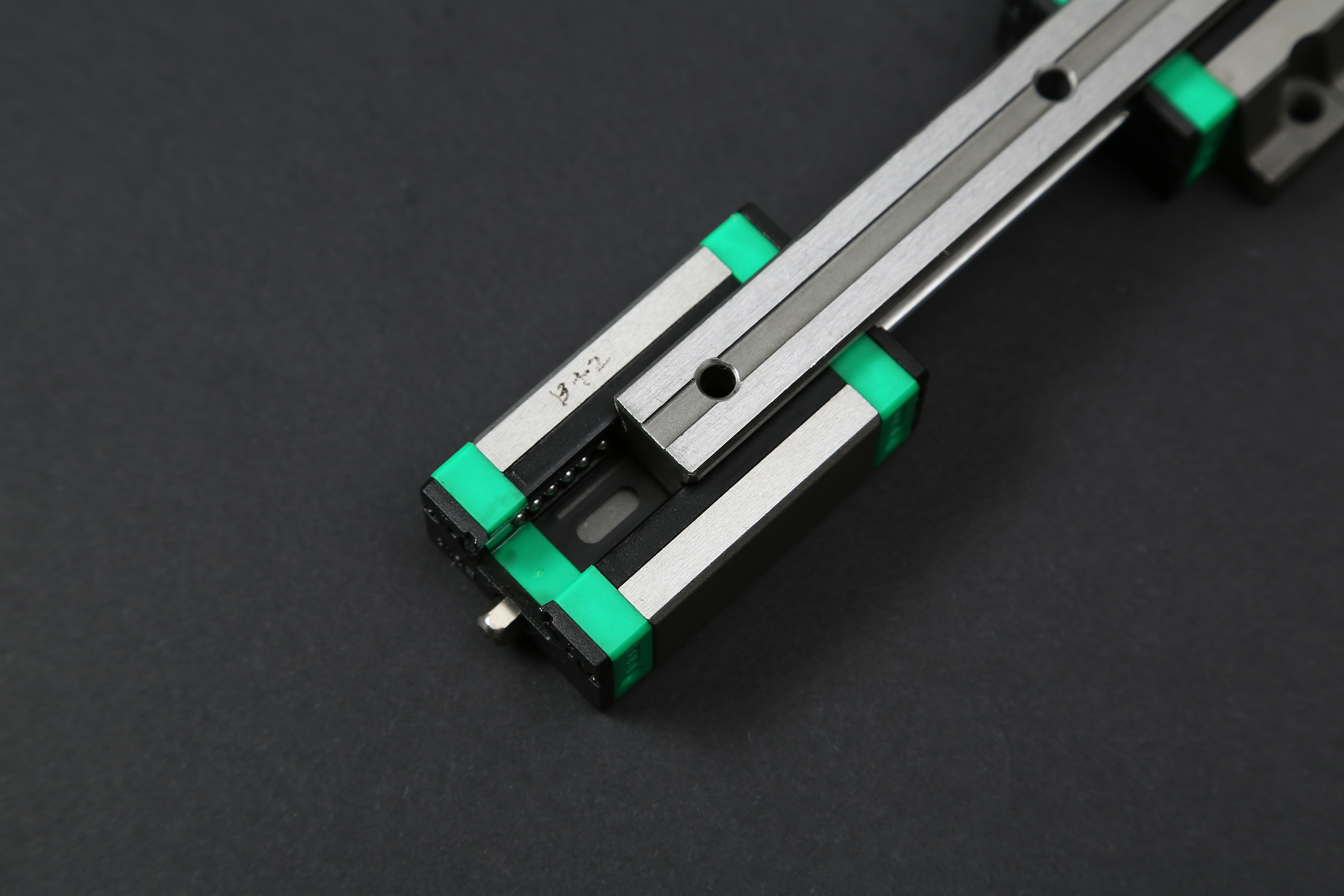
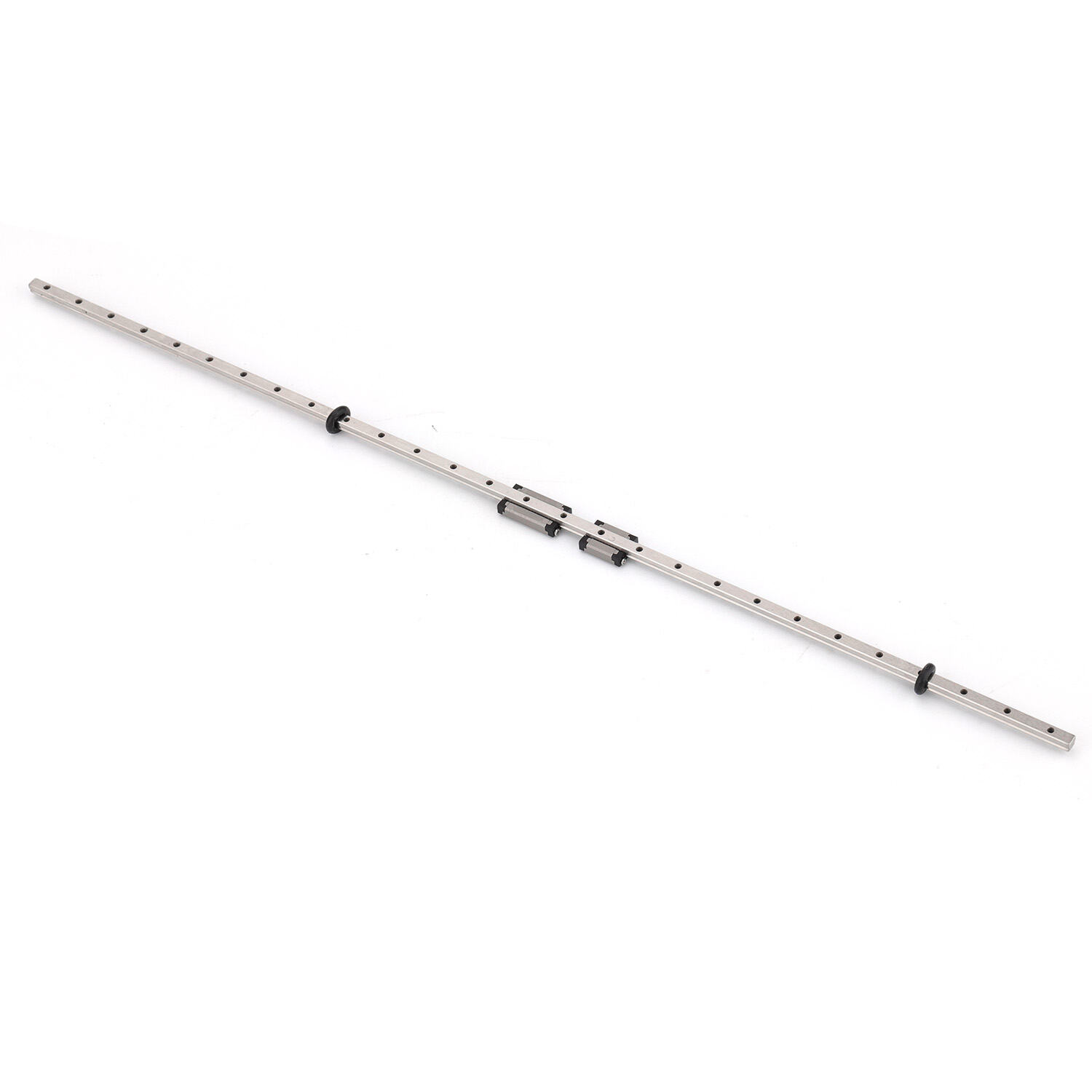
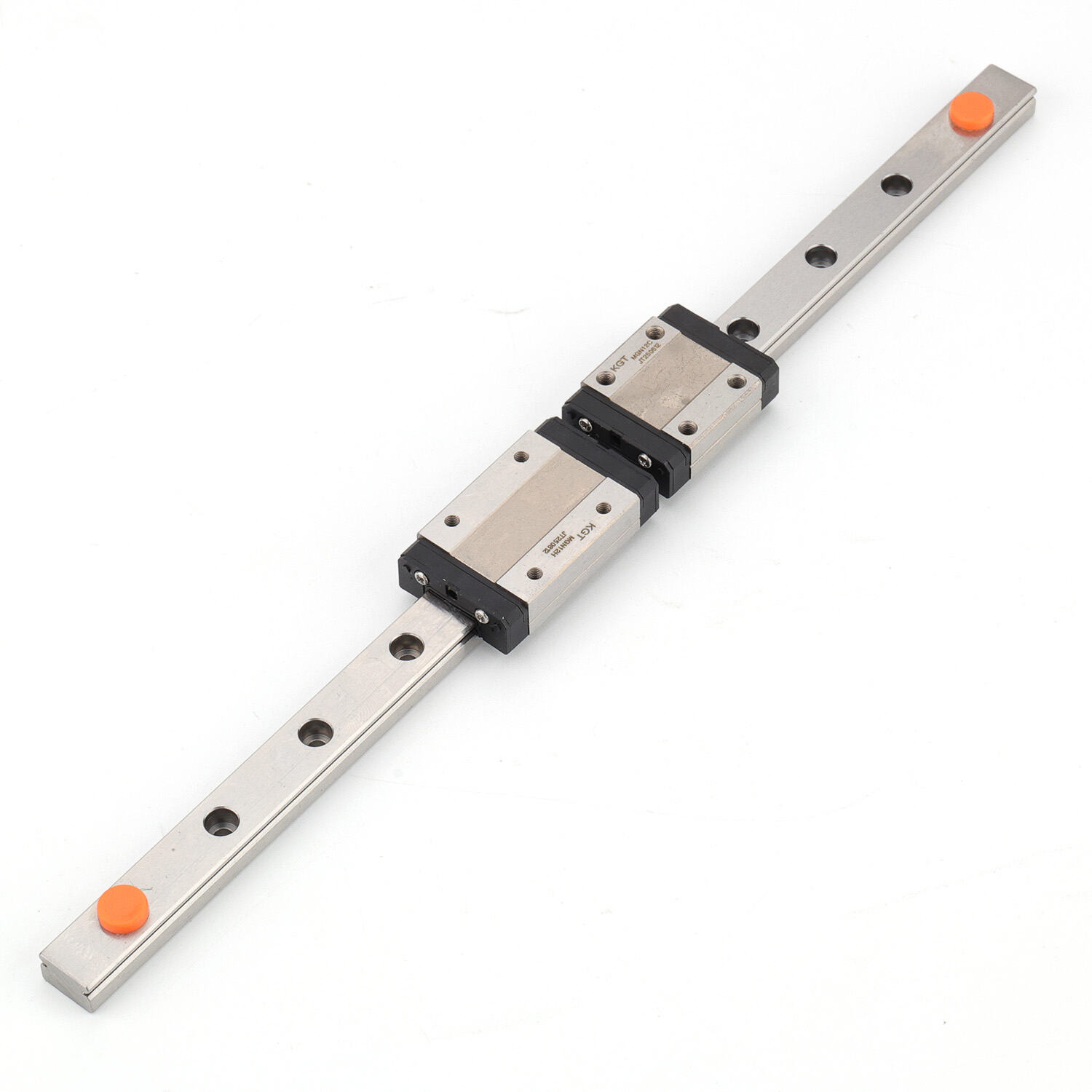
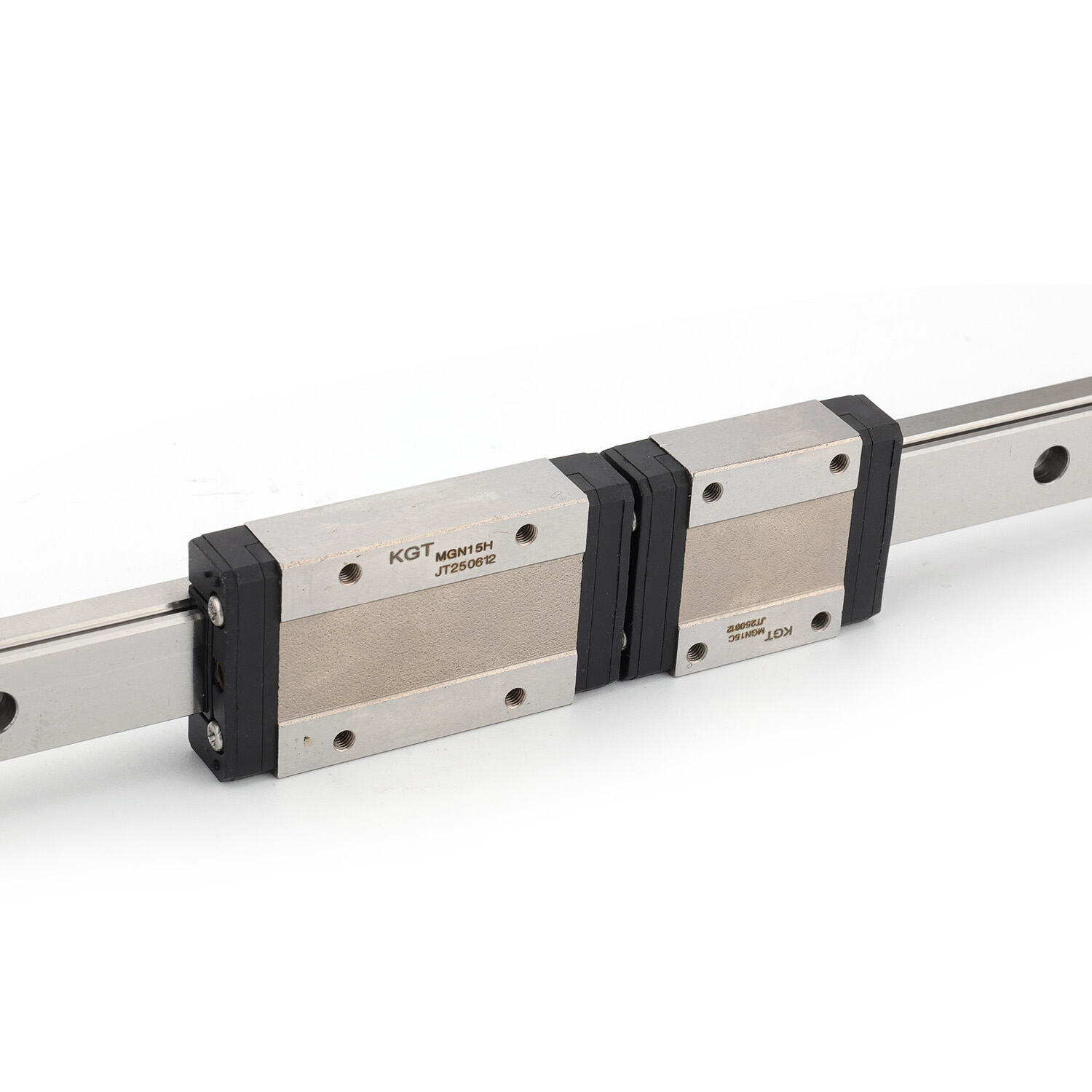
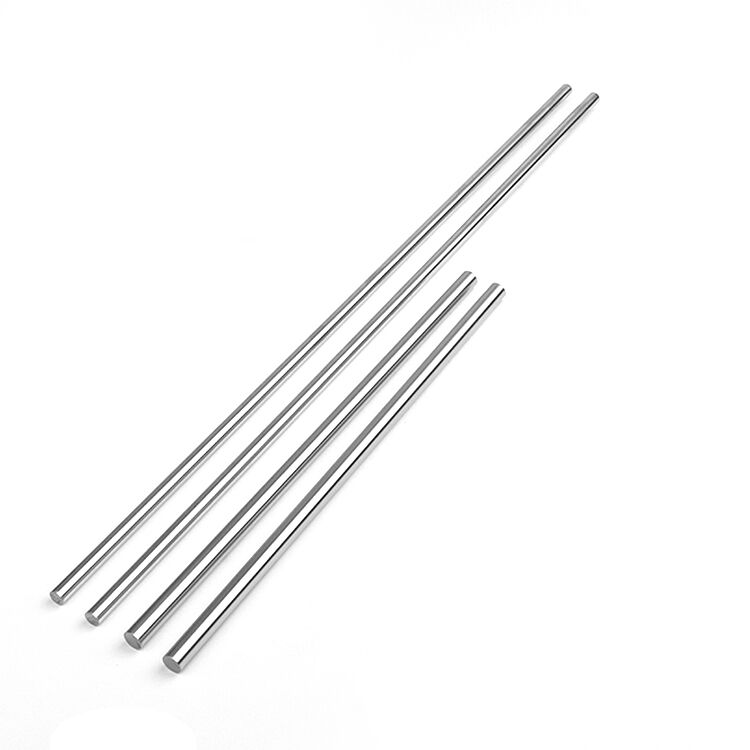
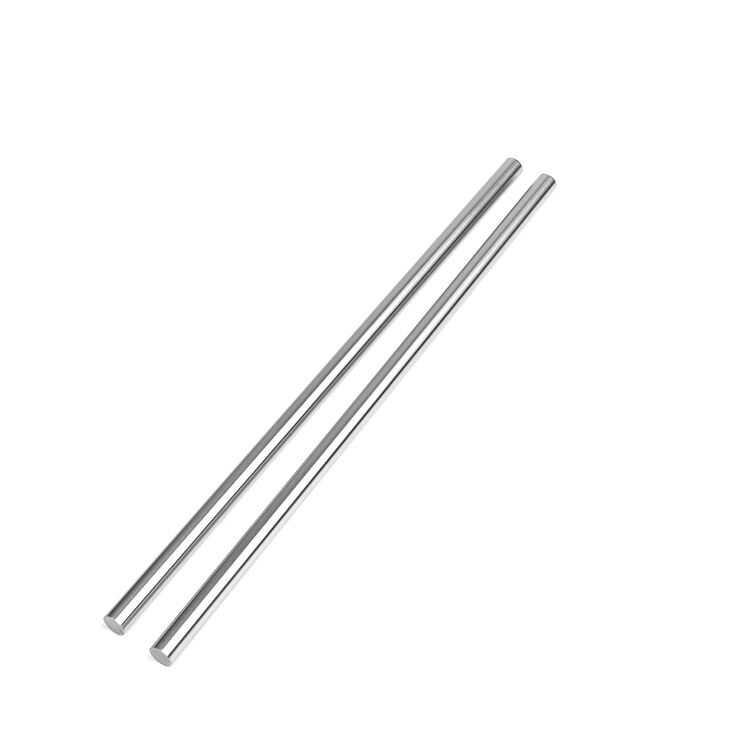
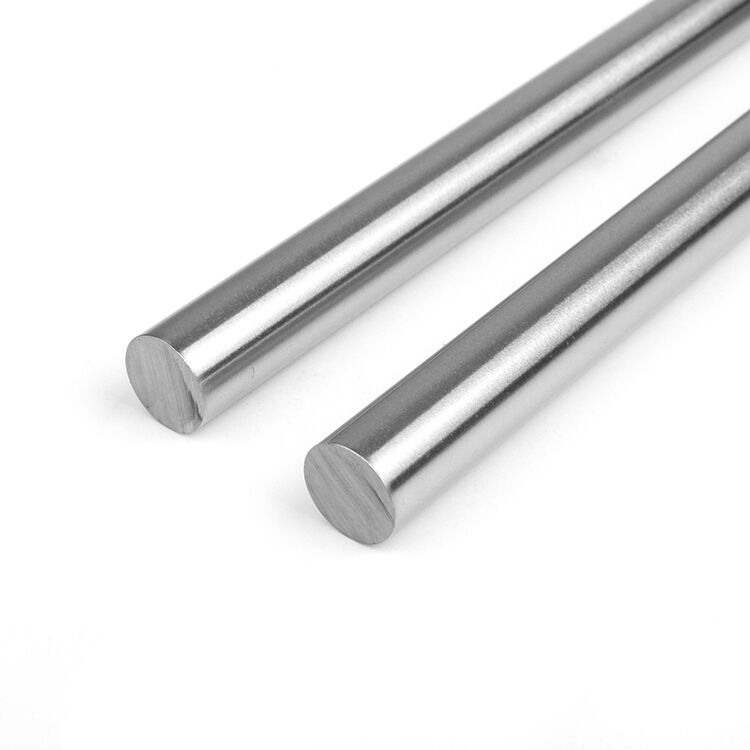
linear guide shaft
The linear guide shaft represents a fundamental component in precision motion control systems, serving as the backbone for smooth and accurate linear movement across countless industrial applications. This cylindrical steel rod, manufactured to exacting tolerances, provides the guiding surface for linear bearings, bushings, and carriages to travel along a predetermined path with exceptional accuracy and minimal friction. Linear guide shafts are engineered from high-grade carbon steel or stainless steel materials, featuring hardened and ground surfaces that ensure consistent performance over extended operational periods. The primary function of a linear guide shaft centers on supporting and directing linear motion while maintaining precise alignment throughout the entire stroke length. These shafts work in conjunction with linear bearings to create complete motion systems that can handle both radial and axial loads effectively. The technological features of modern linear guide shafts include superior surface finishes typically ranging from 0.2 to 0.8 micrometers Ra, ensuring optimal contact with mating components. Heat treatment processes enhance the shaft's durability and wear resistance, while precision grinding operations achieve dimensional accuracies within tight tolerances. The geometric precision of linear guide shafts enables smooth operation with minimal vibration and noise generation. Applications for linear guide shafts span numerous industries including automation equipment, packaging machinery, medical devices, semiconductor manufacturing, and robotics. In manufacturing environments, these shafts facilitate precise positioning of cutting tools, measurement instruments, and assembly components. The aerospace industry relies on linear guide shafts for actuator systems and control mechanisms where reliability is paramount. Laboratory equipment and analytical instruments utilize these components to achieve the micro-level positioning accuracy required for scientific research and quality control processes.

 EN
EN