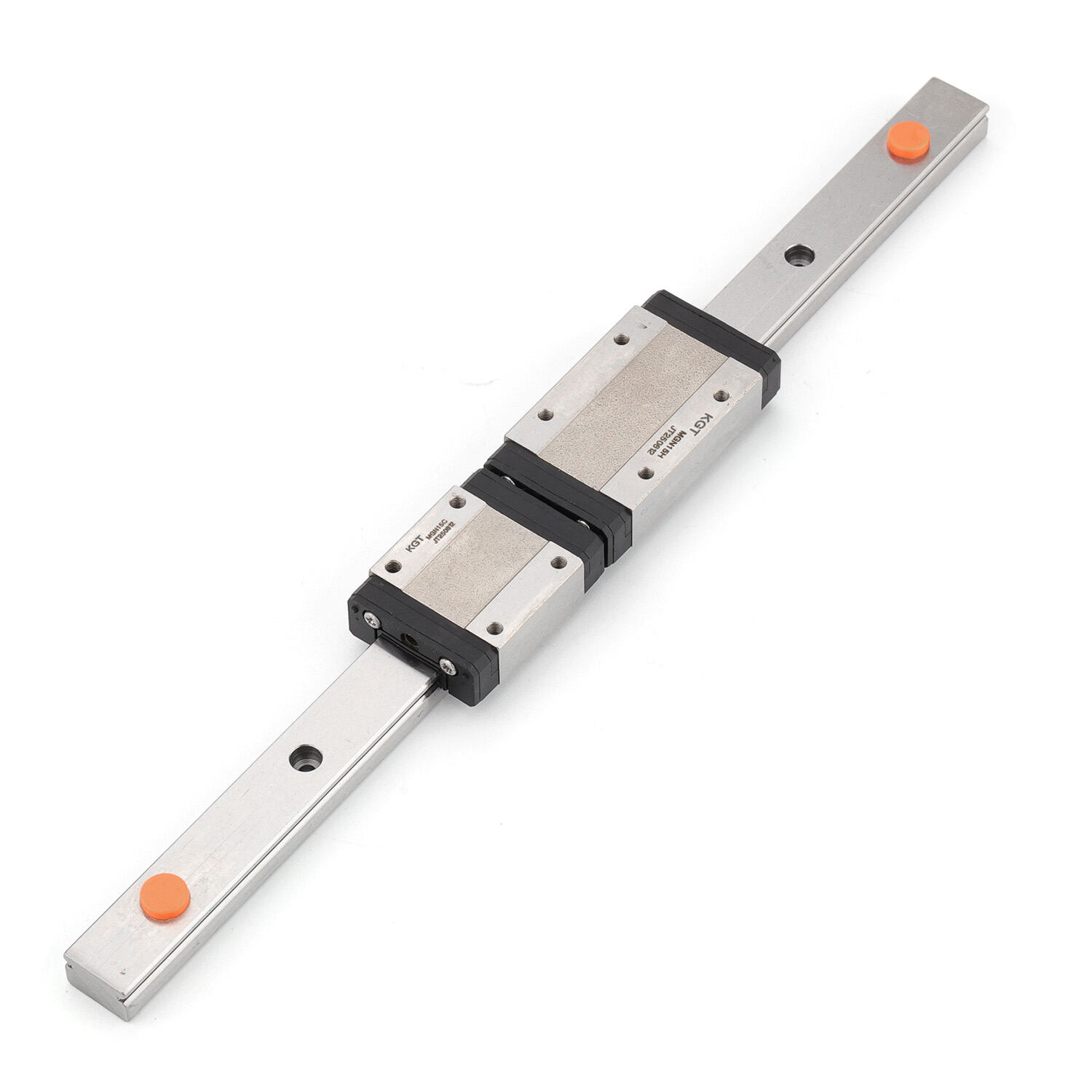
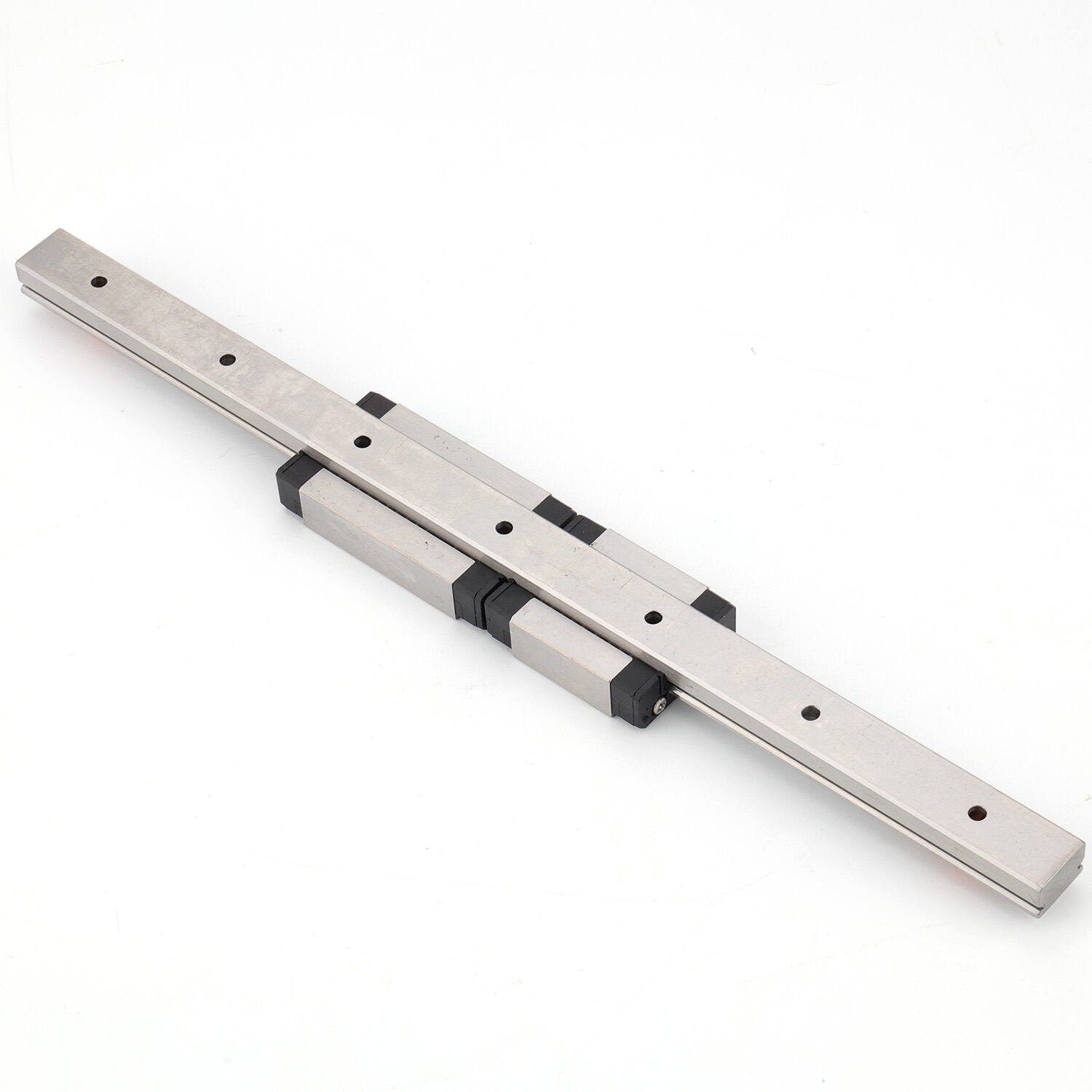
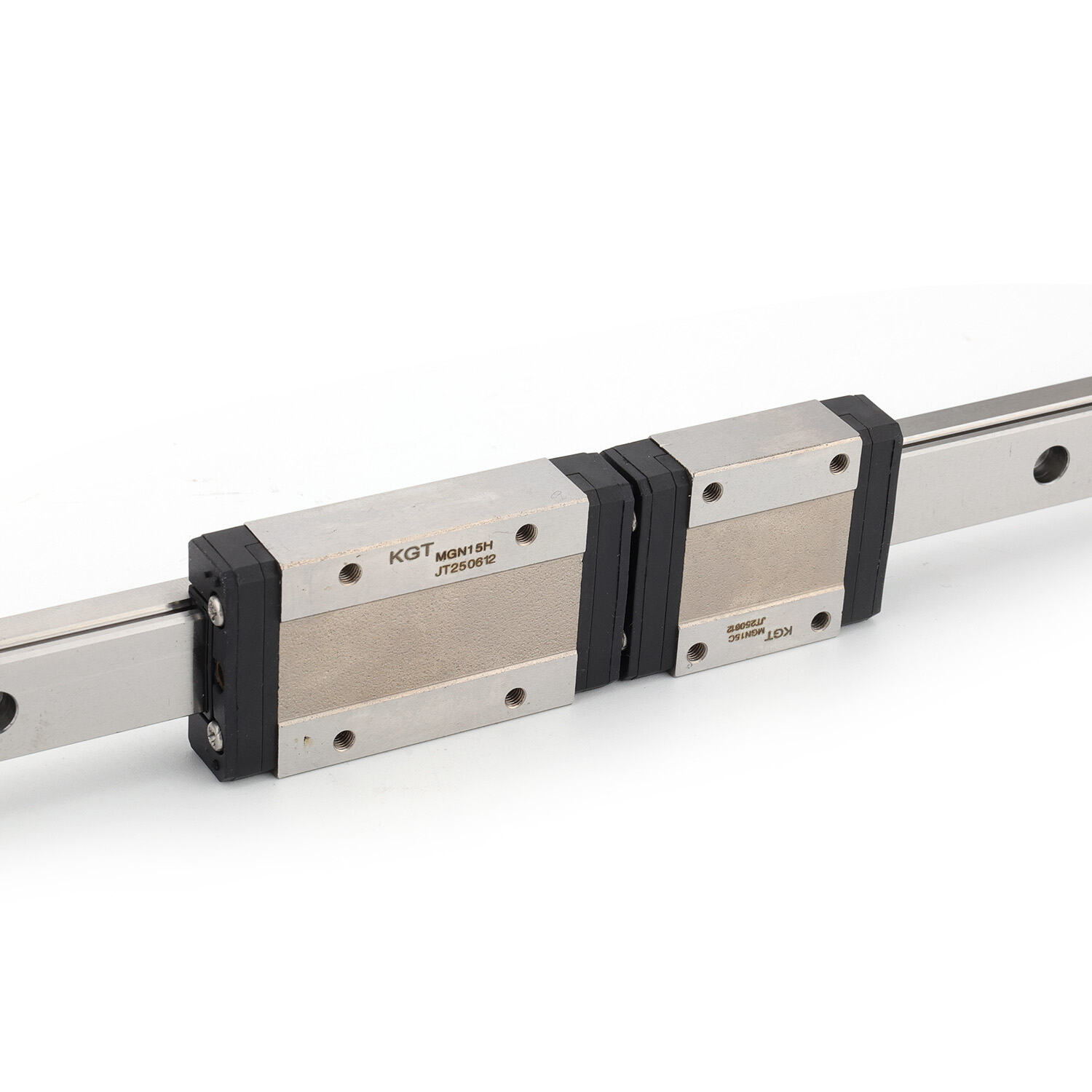
Exceptional Environmental Durability and Protection
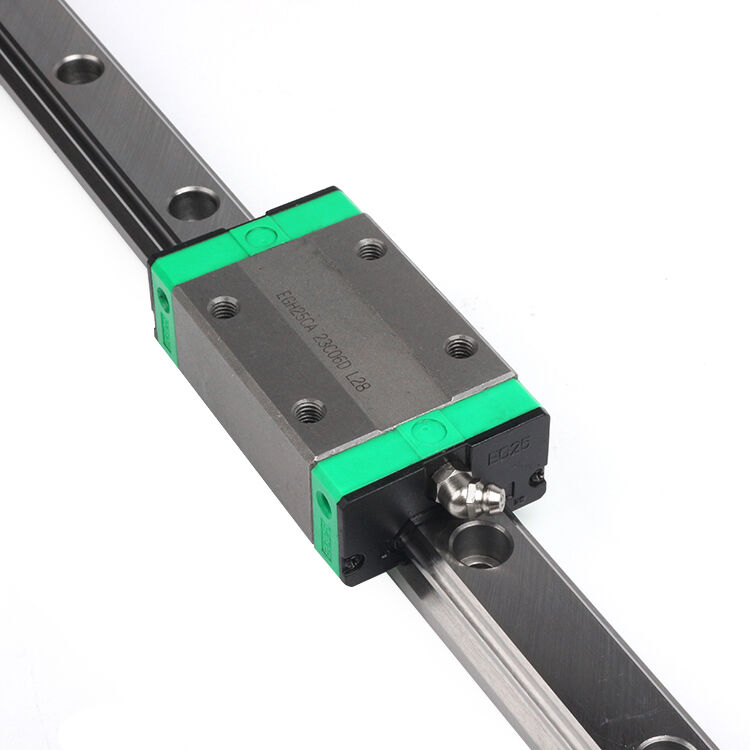
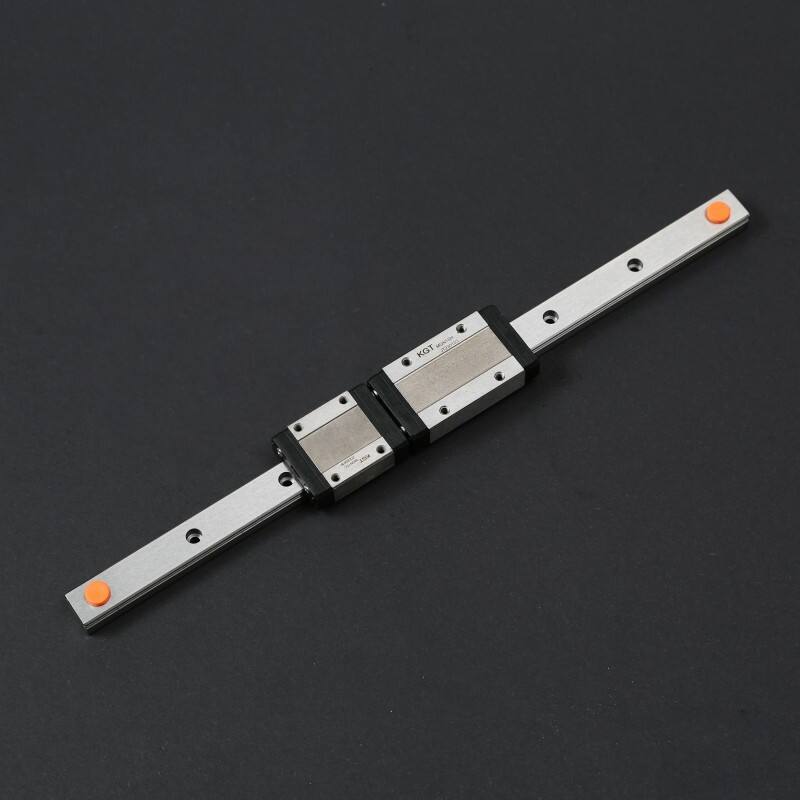
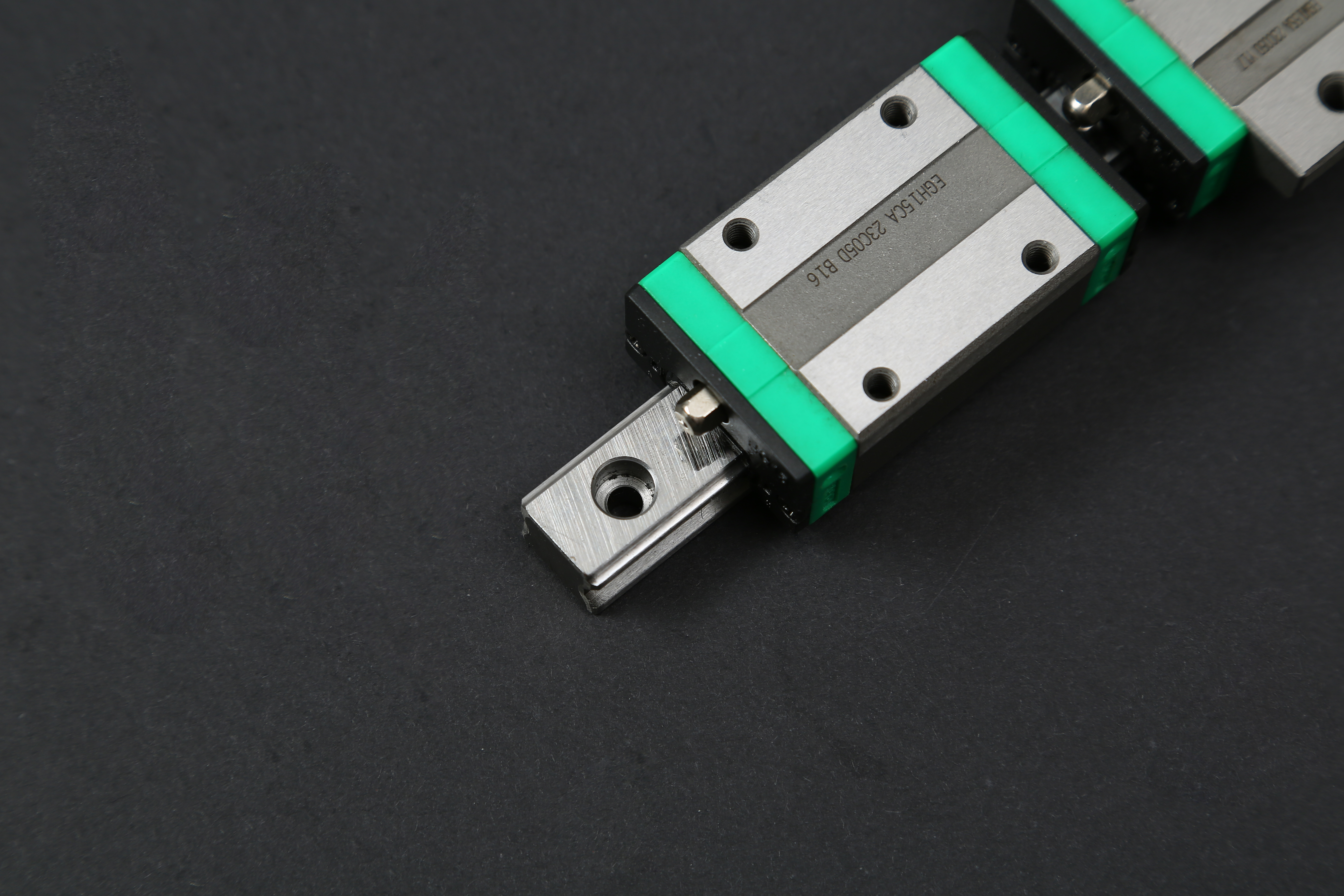
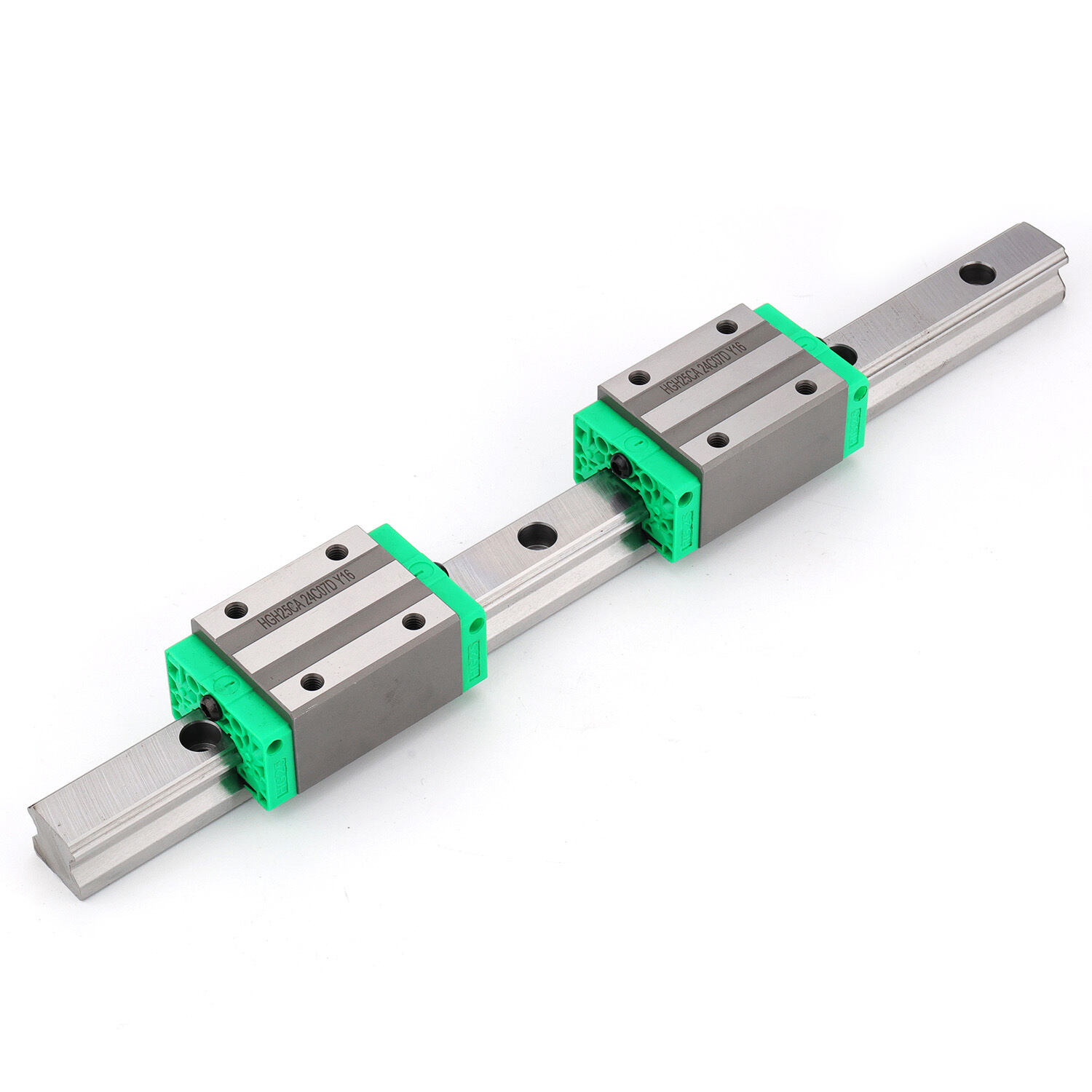
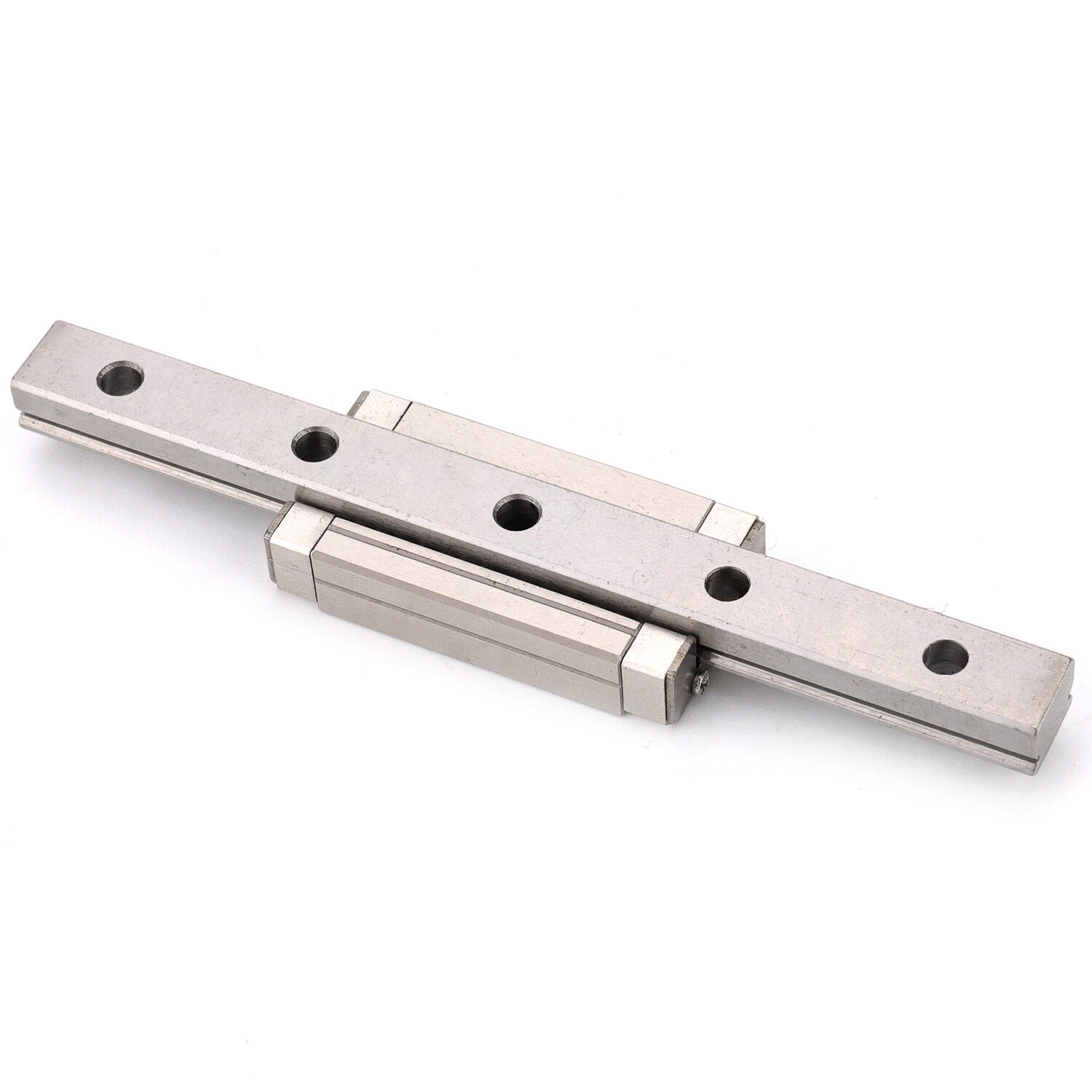
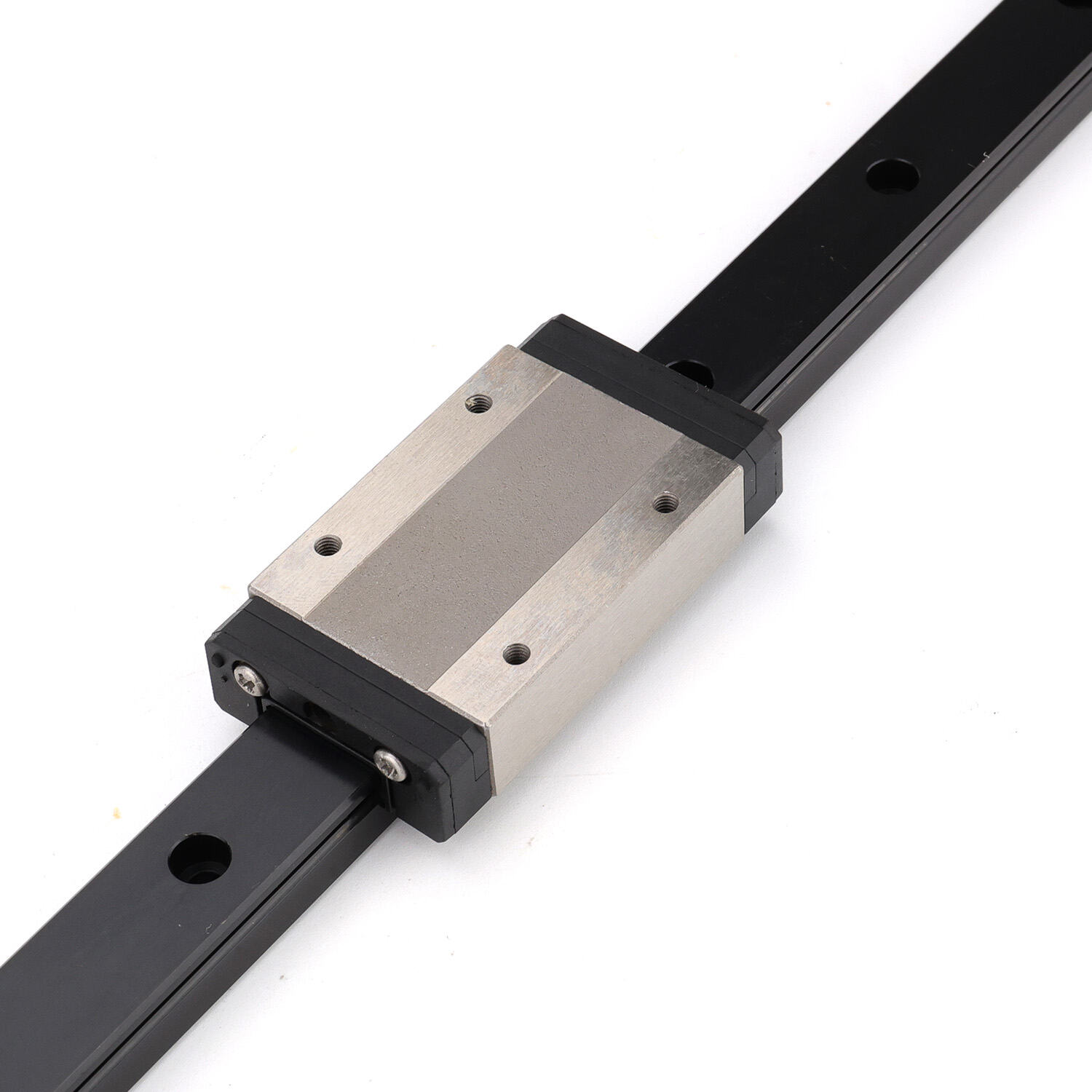
Environmental protection capabilities distinguish precision linear guide rails from conventional motion systems, with advanced sealing technologies and material selections enabling reliable operation in challenging conditions that would quickly destroy alternative solutions. Comprehensive sealing systems protect critical internal components from dust, moisture, chemicals, and other contaminants that typically cause premature failure in mechanical systems. Clean room applications benefit from specialized seals that prevent particle generation while maintaining the sterile environments essential for semiconductor manufacturing, pharmaceutical production, and medical device assembly. Corrosion-resistant materials and coatings enable operation in harsh chemical environments, marine applications, and outdoor installations where conventional steel components would quickly deteriorate. Temperature stability extends operational ranges significantly, with many precision linear guide rails maintaining full performance specifications across temperature ranges from sub-zero conditions to elevated process temperatures. Food processing applications particularly value the stainless steel construction and FDA-approved lubricants that enable direct contact with food products while maintaining sanitary conditions. The sealed bearing chambers retain specialized lubricants that continue providing protection and smooth operation for extended periods without maintenance, reducing operational costs and system downtime. Shock and vibration resistance enables installation in mobile equipment, construction machinery, and high-speed production lines where dynamic forces would quickly damage less robust alternatives. Humidity protection prevents moisture ingress that causes bearing corrosion and lubricant degradation, ensuring reliable operation in tropical climates and steam-rich industrial environments. Chemical compatibility extends to specialized applications involving aggressive solvents, acids, and cleaning agents that require frequent equipment sanitization. UV resistance enables outdoor applications without degradation from solar exposure, expanding usage possibilities to include agricultural equipment, solar tracking systems, and construction applications. The modular sealing approach allows customization for specific environmental challenges, providing exactly the protection level required without over-engineering solutions that increase costs unnecessarily. Maintenance intervals extend significantly compared to unsealed alternatives, with many precision linear guide rails operating for years without requiring lubrication or seal replacement, dramatically reducing total cost of ownership while improving system availability for critical production processes.

 EN
EN