All Categories

Get a Free Quote

Our representative will contact you soon.
Email
Name
Company Name
Message
0/1000
scs series linear shaft bearing-0

SCS Series

Home >  Products >  Linear Shaft Bearing >  SCS Series

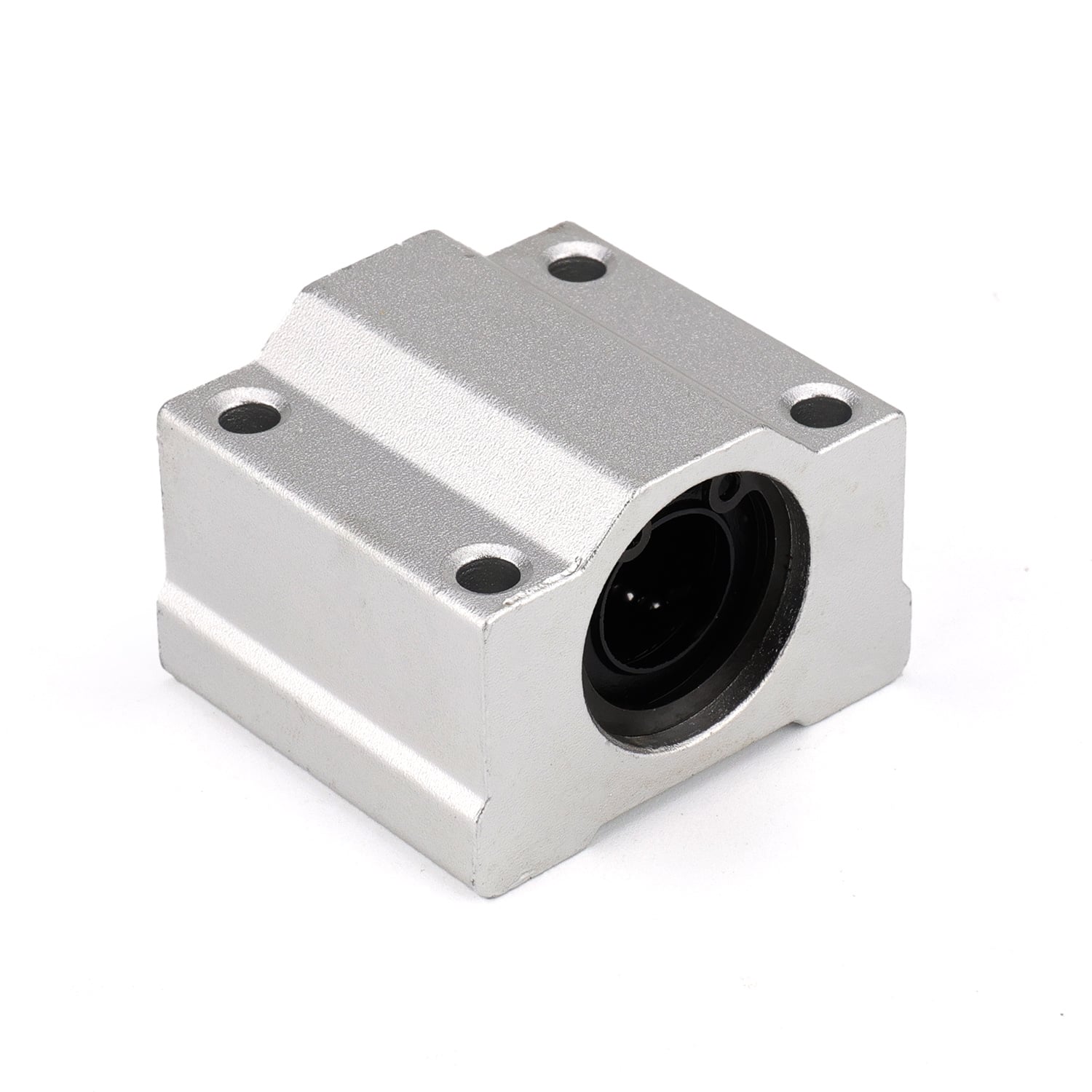
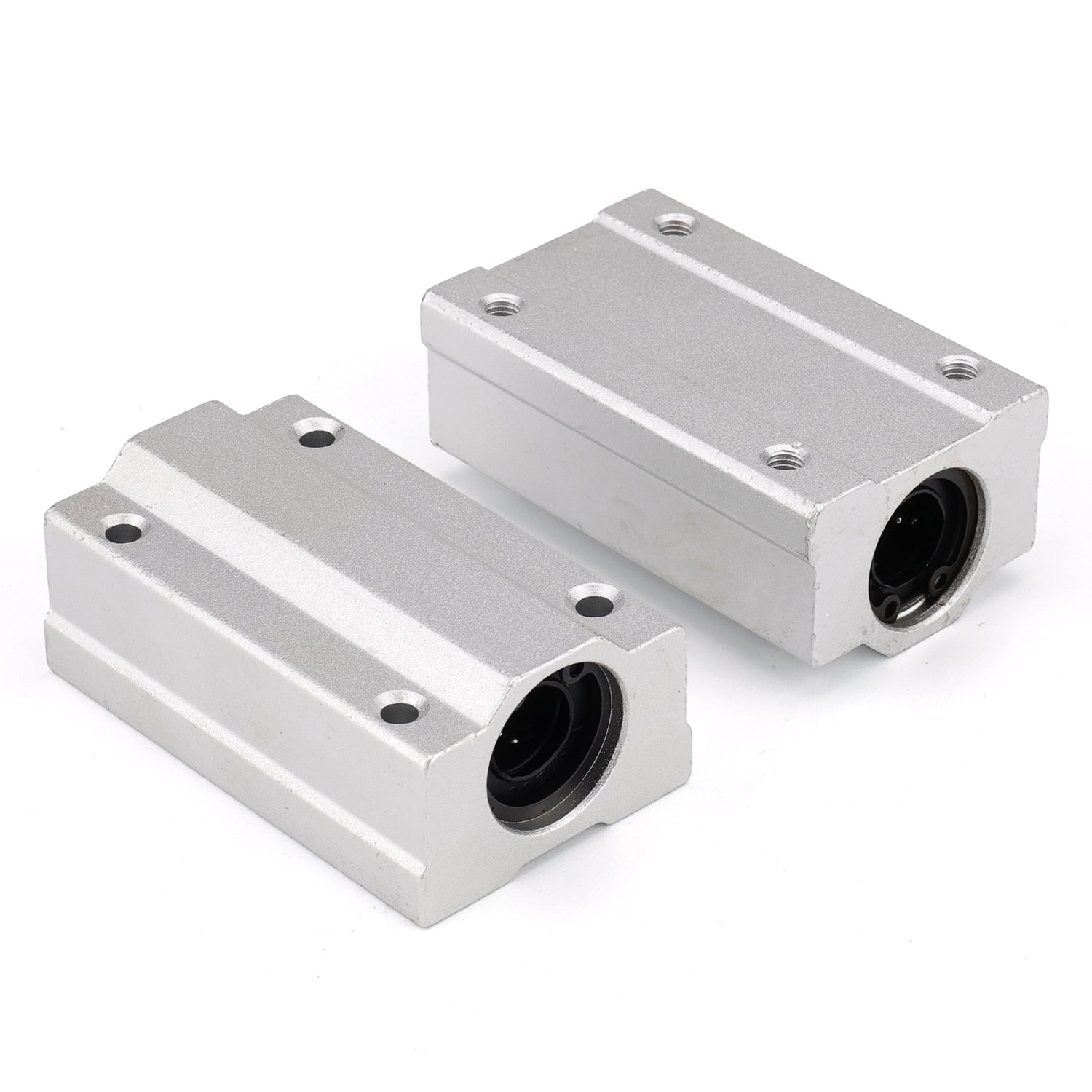
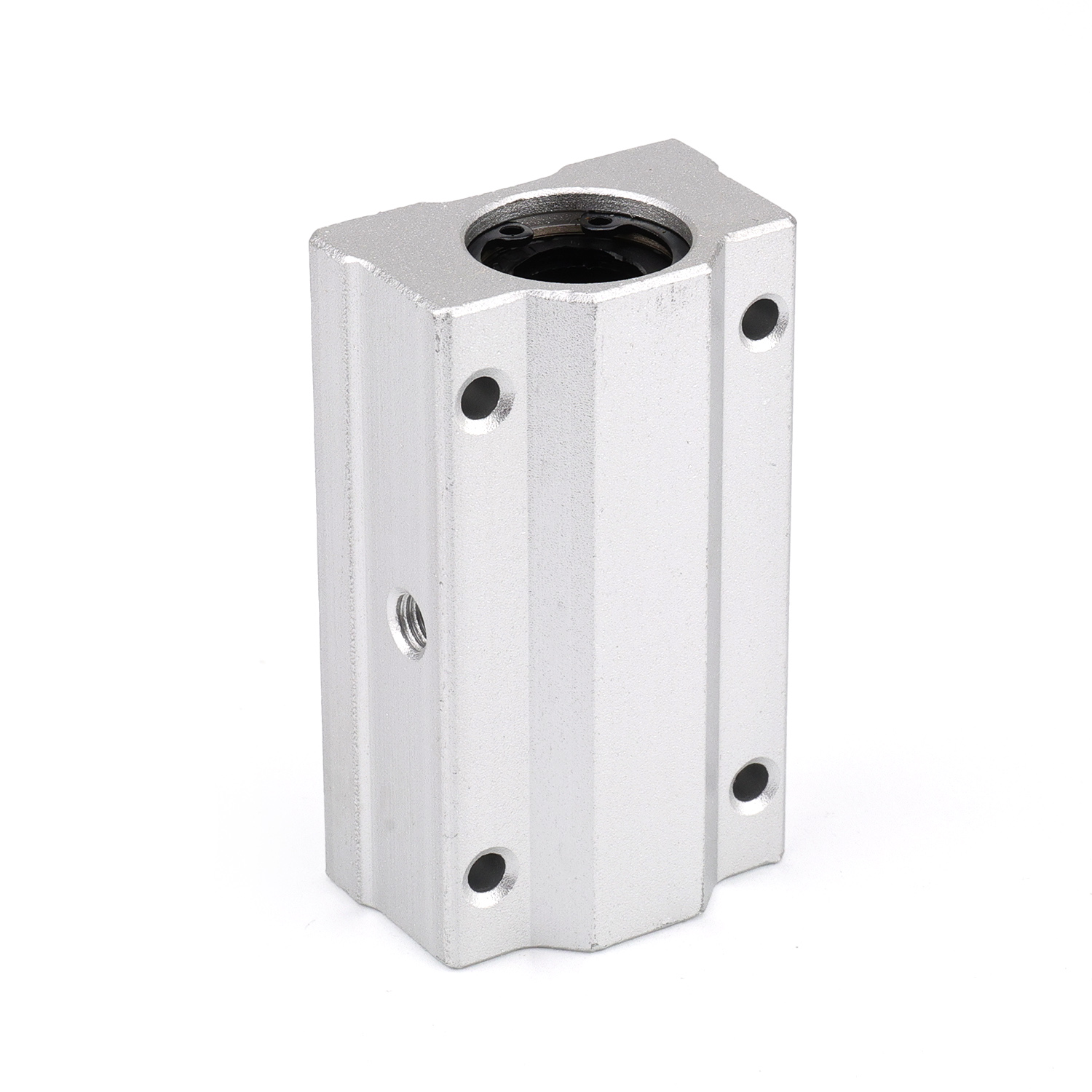
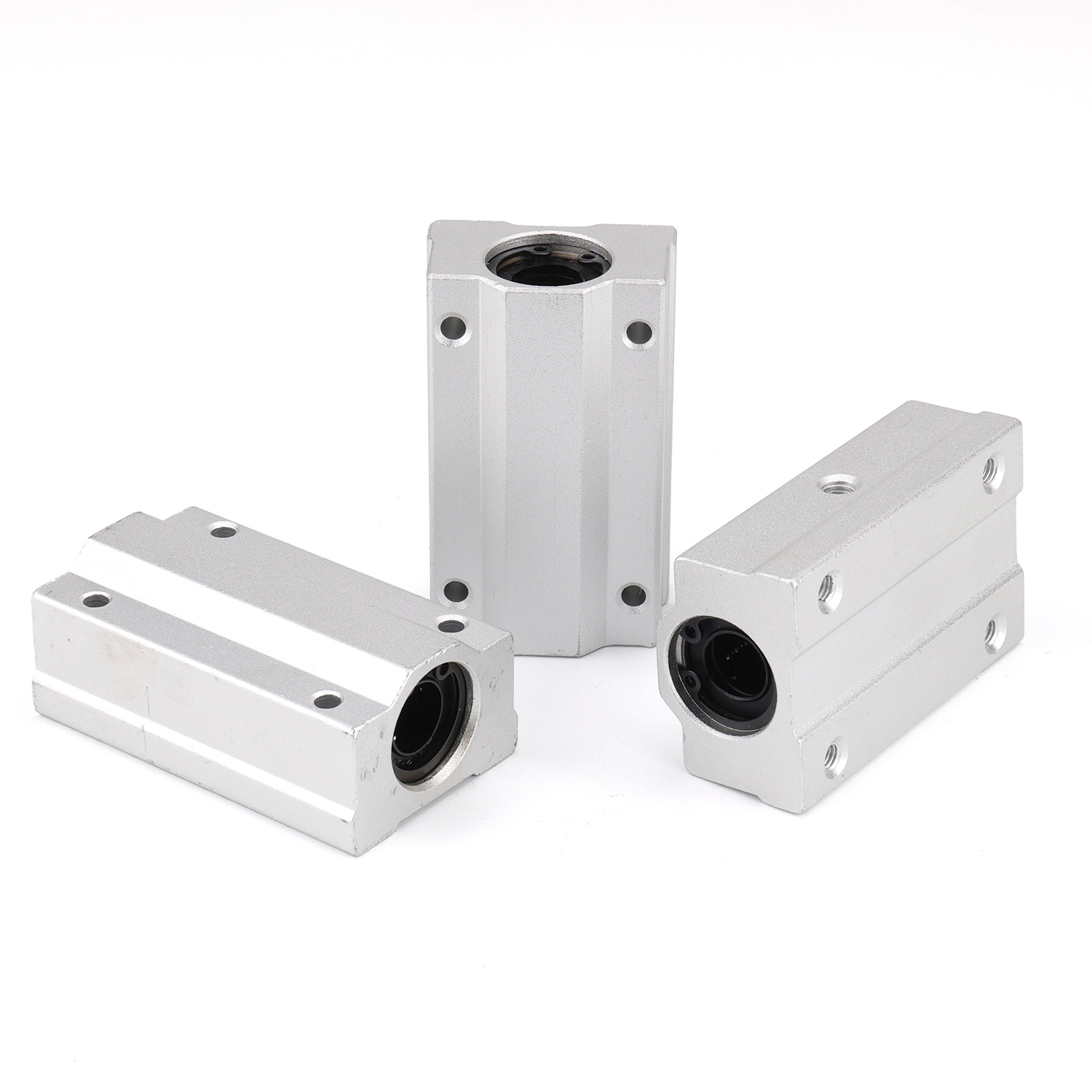
SCS series linear shaft bearing

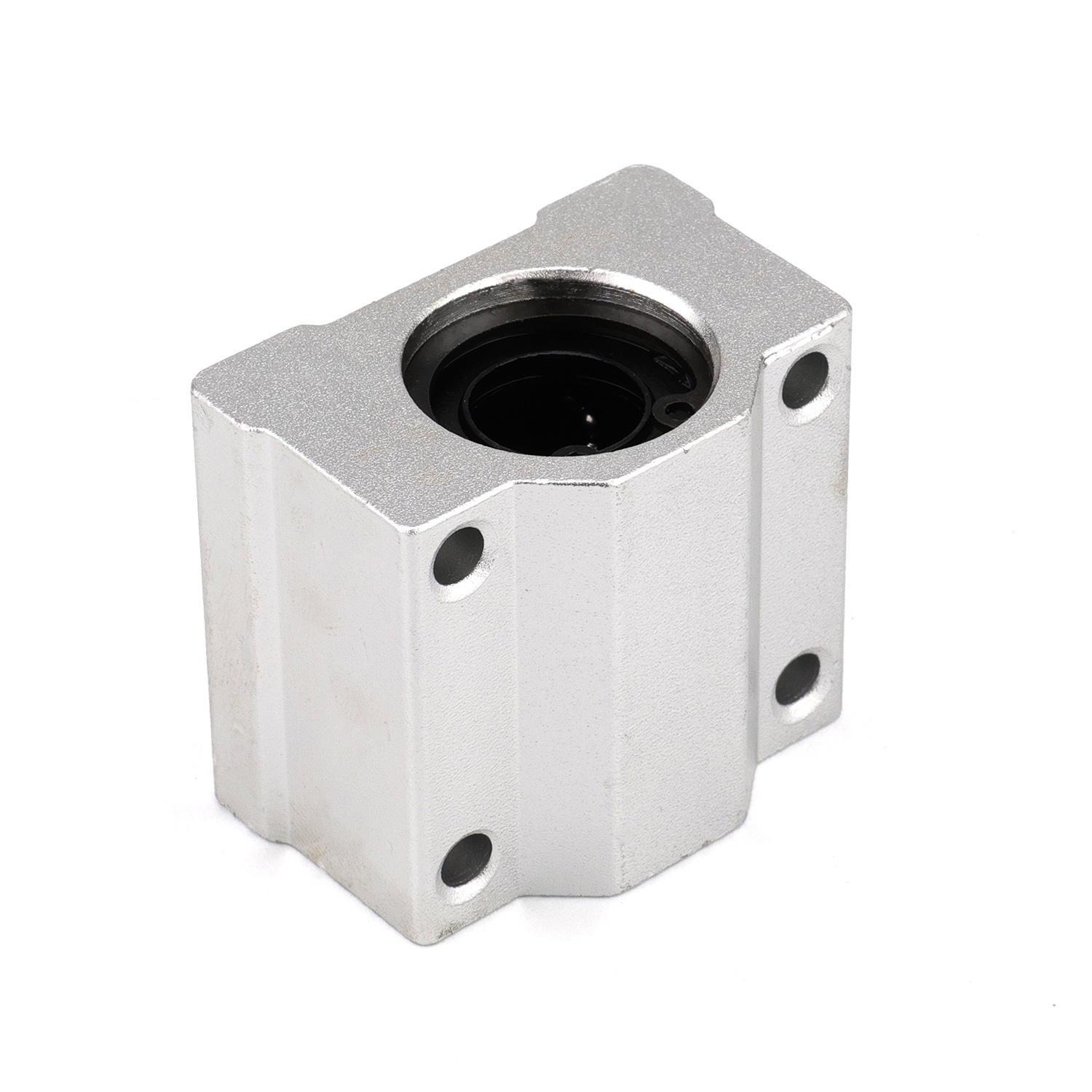
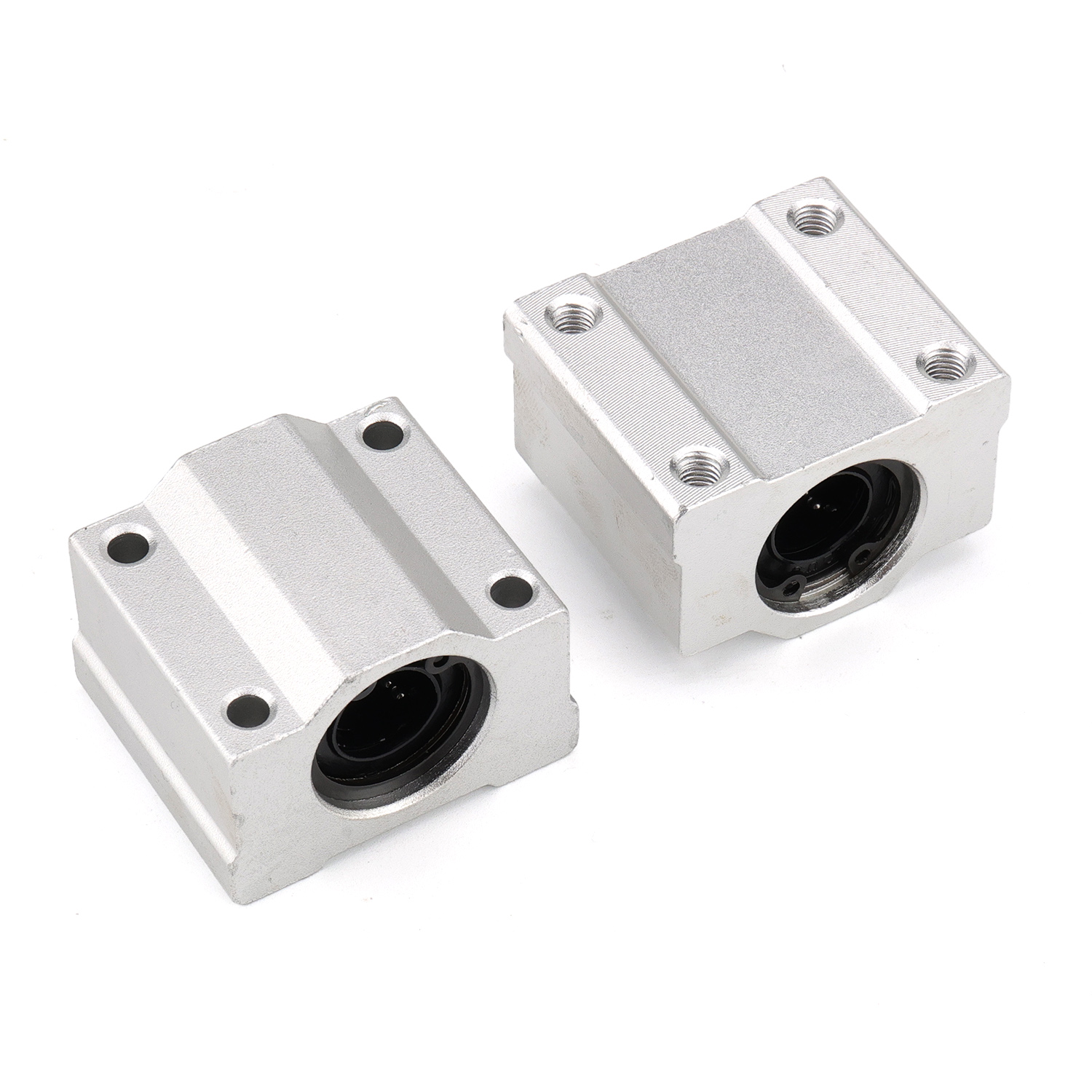
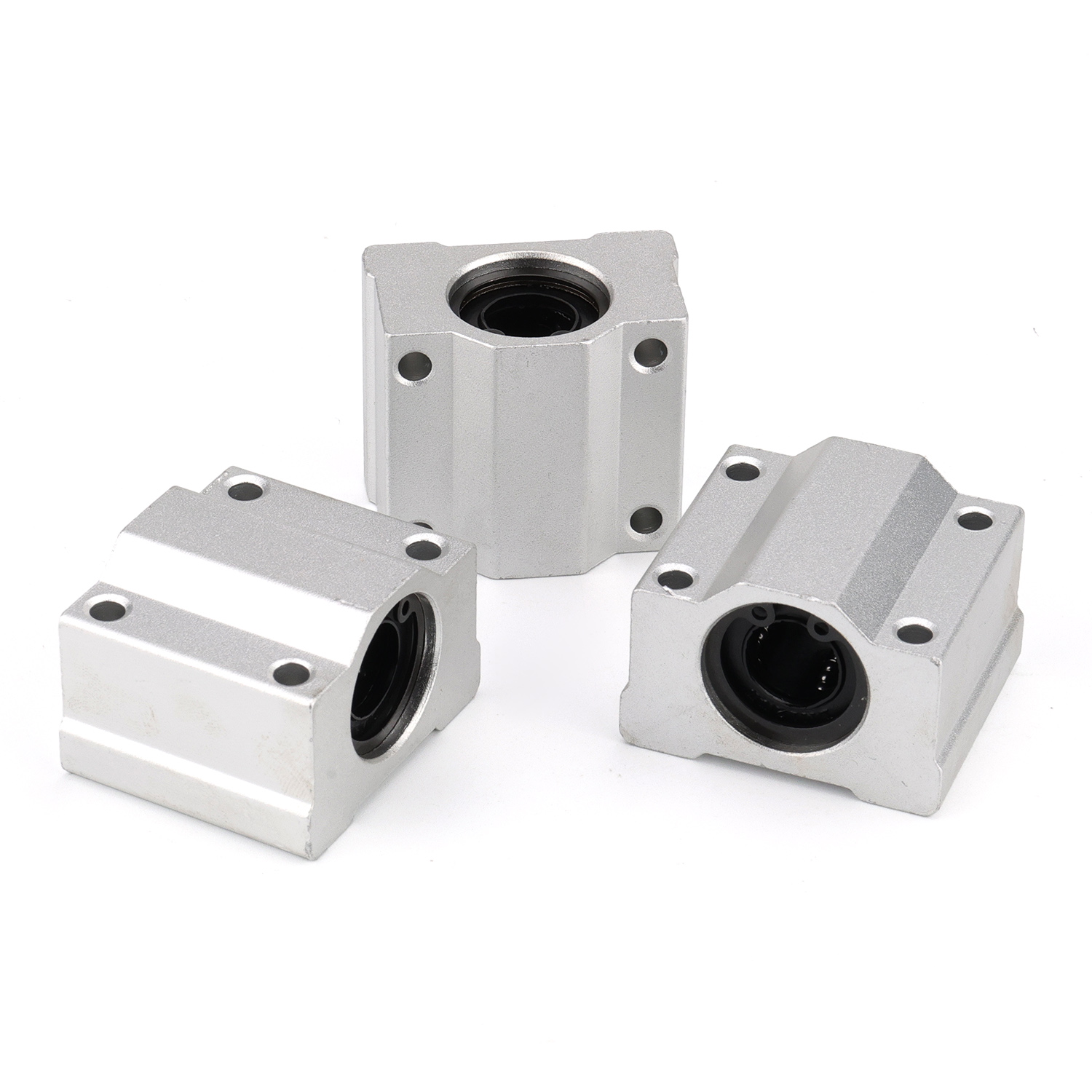
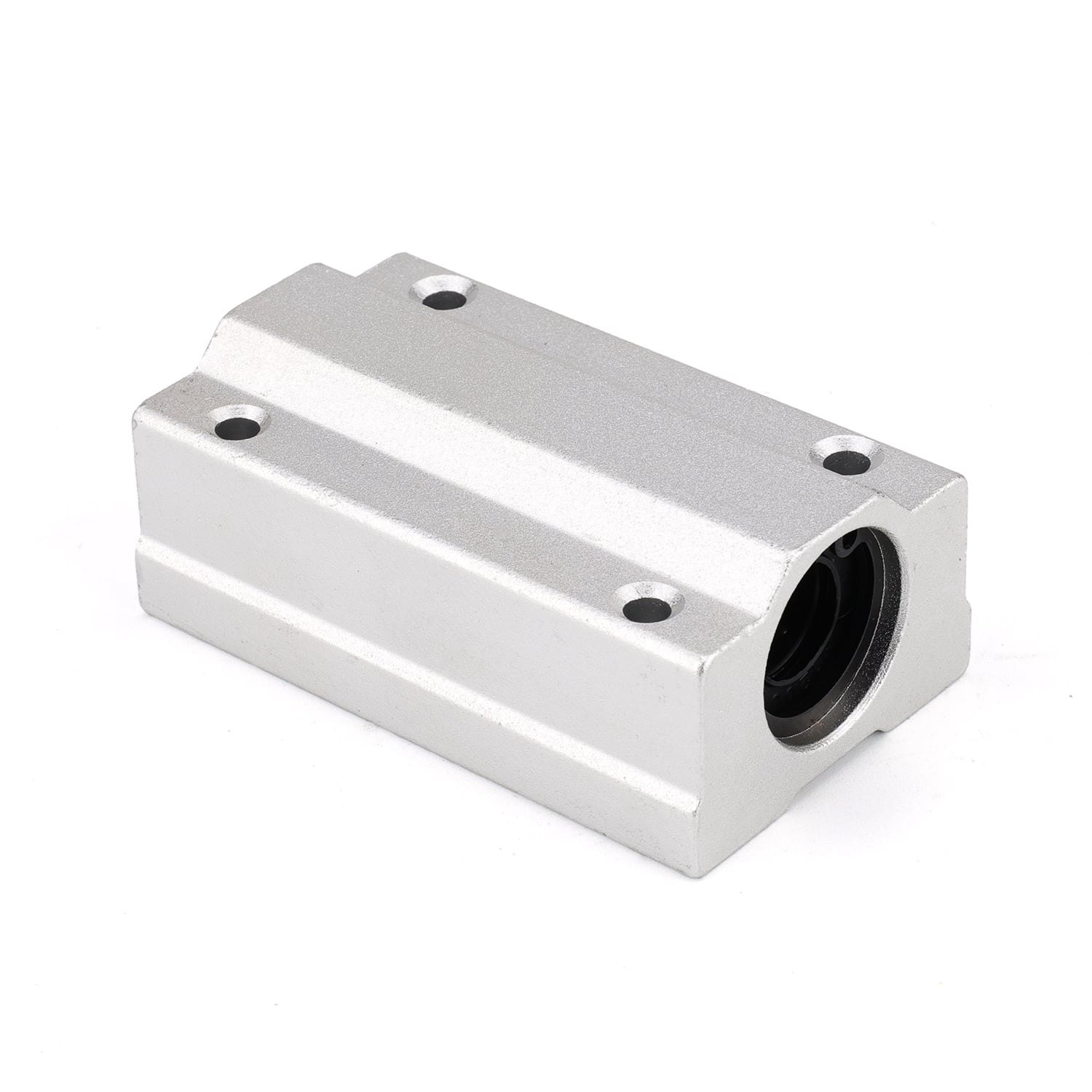
"SCS" typically refers to a standard type linear ball bearing with a "steel sleeve." The letter "S" often stands for "Steel Sleeve," distinguishing it from another common series, "SC" (aluminum housing). It is a type of linear ball bearing and serves as the core moving component in a "shaft + linear bearing" sliding system.

Introduction

I. Core Positioning and Nomenclature

Positioning: A standard linear ball bearing with a steel housing. Used in conjunction with a precision shaft to achieve high-precision, low-friction linear reciprocating motion.

Nomenclature Interpretation:

  • S: Steel, indicating the housing/sleeve material is steel (typically carbon steel).
  • C: Cylindrical, indicating its shape is cylindrical.
  • S: Sleeve or Standard, indicating it is a sleeve/bushing type or a standard model.

Key Feature: Outer layer is a robust steel sleeve, while the inner assembly consists of a plastic cage and steel balls.

II. Core Structure and Working Principle

Three-Layer Structure:

  • Outer Layer: Steel sleeve. Provides structural strength and rigidity, protects internal components, and serves as the mounting surface for interfacing with support blocks (e.g., SHF/SK).
  • Middle Layer: High-precision engineering plastic cage. Typically made of resin (e.g., POM), it precisely separates and guides the rolling path of the balls.
  • Inner Layer: Multiple rows of precision steel balls. Evenly spaced within the cage, they form point contact with the shaft, enabling rolling friction.

Working Principle:
The steel balls roll freely within the pockets of the cage. As the bearing moves along the shaft, the balls roll between the shaft surface and the cage.
Non-Recirculating Design: Unlike ball screws or linear guides, the balls in SCS do not recirculate infinitely through a loop. Instead, they perform short-range reciprocating rolling within the finite length of the bearing. Therefore, its stroke is not limited by its own length, but its friction and life characteristics differ from recirculating types.

Standard Features:

  • Snap Ring Grooves: The outer ring features standard grooves at both ends for installing retaining rings (circlips) to secure it axially within a support block.

III. Core Features and Performance Advantages

  • High-Rigidity Housing:
    The steel housing offers higher rigidity than aluminum housings (e.g., SC series), providing better resistance to deformation. It better protects the internal structure under high loads or impact, maintaining motion accuracy.
  • Excellent Wear Resistance and Long Life:
    The steel housing is more wear-resistant. Combined with the resin cage (which has self-lubricating properties), the entire bearing offers a long service life and stable operation.
  • Moderate Cost and Good Value for Money:
    Considered a standard economical option among steel linear bearings. It is less expensive than full stainless steel bearings and more durable than aluminum housing bearings, making it a mainstream balanced choice for industrial applications.
  • Low Friction and Smooth Motion:
    Rolling friction of the balls is low, resulting in low starting torque and smooth motion even at low speeds, without stick-slip (crawling).
  • Wide Compatibility:
    As a standard component, it comes in serialized outer diameters, bore diameters, and lengths. It is fully compatible with standard shafts and standard support blocks (SHF/SK), offering strong interchangeability.

IV. Comparison with SC (Aluminum Housing) and LM (Standard) Series

Feature SCS (Steel Sleeve Type) SC (Aluminum Housing Type) LM/UU (Most Universal Type)
Housing Material Carbon steel, often zinc or nickel plated. Aluminum alloy, lightweight. Typically high-quality bearing steel (GCr15), through-hardened, extremely high hardness.
Core Characteristics Balance of rigidity and cost. Robust and durable. Extreme lightweight, used in weight-sensitive equipment. High-performance standard. Best overall performance in load, rigidity, and precision. The most premium and universal standard type.
Rigidity High. Relatively low, prone to deformation. Highest.
Weight Relatively heavy. Lightest. Heavy.
Load Capacity Relatively high. Relatively low. Highest.
Price Medium, high cost-effectiveness. Usually lowest (aluminum is inexpensive). Highest.
Typical Applications General industrial automation, medium-load equipment. Lightweight robots, 3D printers, measuring instruments. High-precision machine tool accessories, precision automation, heavy-duty guidance.

V. Typical Application Fields

Due to its robust and balanced characteristics, SCS is suitable for a wide range of industrial-grade scenarios:

  • Factory automation equipment: Guide rods for assembly lines, feeding mechanisms, inspection equipment.
  • Packaging and printing machinery: Support and guidance for reciprocating motions.
  • Medium-duty CNC equipment: Non-critical guide axes for engraving machines, laser cutters.
  • Molds and jigs: Sliding positioning components.
  • Agricultural and construction machinery: Linear motion components requiring a certain degree of durability.

VI. Selection and Usage Guidelines

  • Correct Selection Steps:
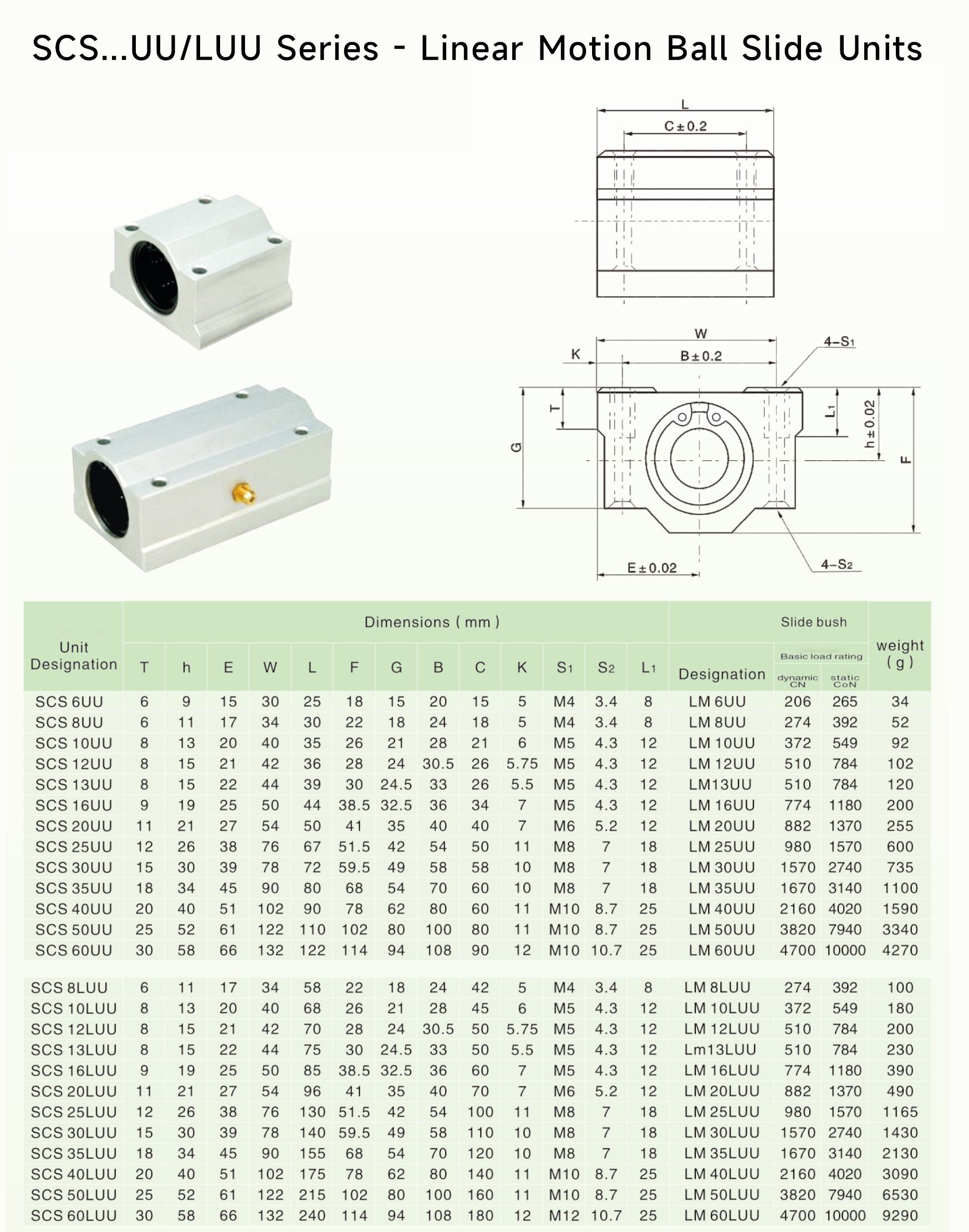
  1. Determine Bore Diameter: Based on load and rigidity, select the shaft diameter (d). The SCS bore diameter must match it (with a small clearance).

  2. Determine Outer Diameter: Based on installation space and support block model, select the outer diameter (D). It must match the bore of the support block (SHF/SK), typically with a transition fit.

  3. Determine Length: The length (L) affects load capacity and stability. Longer bearings offer higher load capacity and better moment resistance.

  • Must Be Used with Support Blocks:
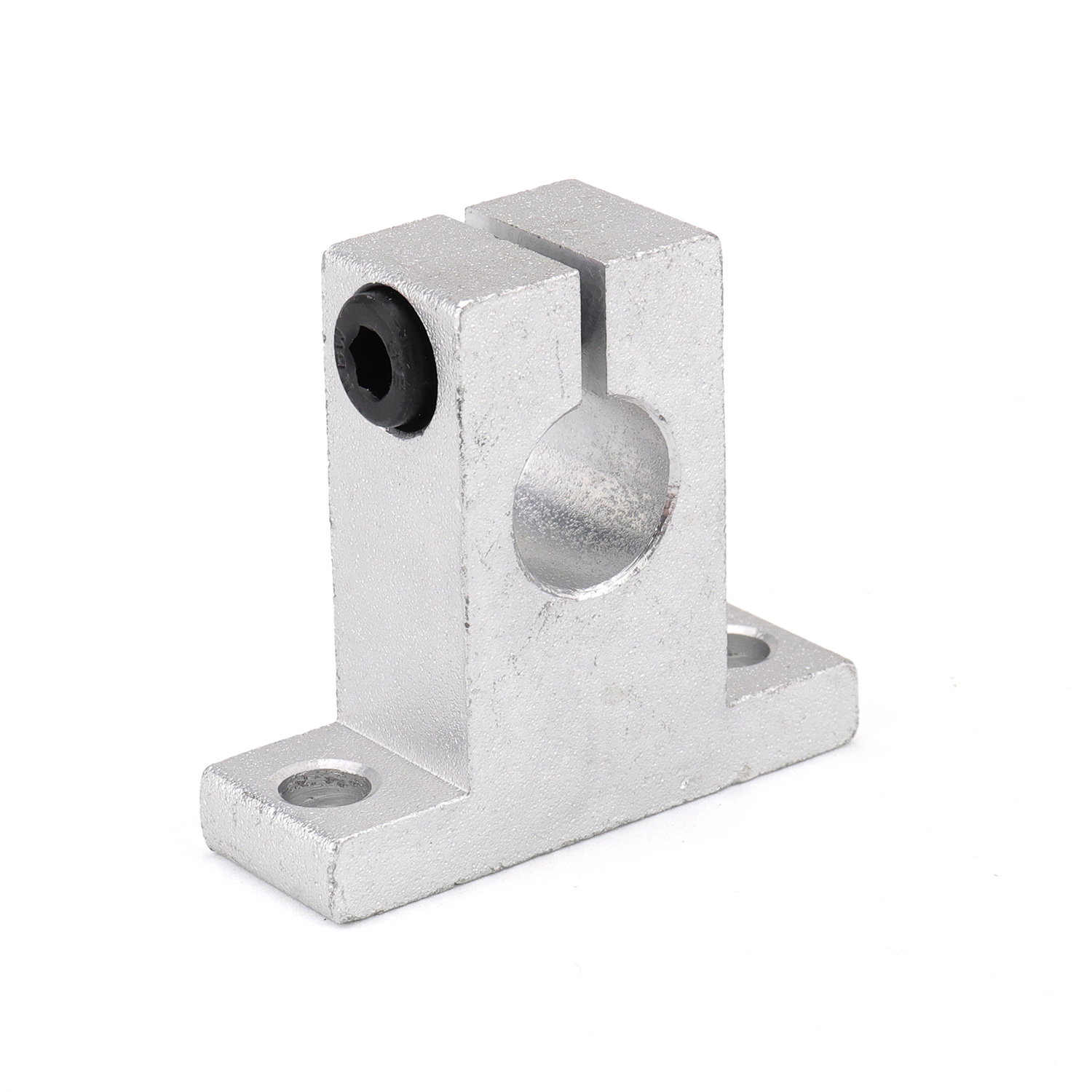
    SCS cannot be fixed directly to a machine frame. It must be installed into a standard support block like SHF or SK and secured axially with a retaining ring.
  • High Requirements for Shafts:
    Must be paired with high-hardness (HRC 58+), high-straightness, low-roughness precision chrome-plated or hardened shafts. Using ordinary soft shafts will lead to rapid wear.
  • Lubrication is Crucial:
    Although the resin cage has self-lubricating properties, periodic replenishment of grease or oil significantly reduces friction, minimizes wear, and extends life. Lubricant should be applied via the shaft or the bearing end face.
  • Avoid Subjecting to Moments:
    Linear bearings (including SCS) are primarily designed to withstand radial loads and can hardly withstand overturning moments. The application design must ensure the load passes through the bearing center.

The SCS linear bearing is the "mainstay" and "reliable workhorse" in the field of industrial linear motion. It may not possess the ultra-high rigidity and precision of linear guides, but its simple structure, robust durability, controllable cost, and standard installation make it the most cost-effective and reliable choice for a vast number of general automation applications where performance requirements are "good enough." Choosing SCS means selecting a mature, economical, and easy-to-maintain basic solution for linear guidance in equipment.
145.jpg

More Products

  • FF series ball screw end support

    FF series ball screw end support

  • SFU series ball screw

    SFU series ball screw

  • SCS series linear shaft bearing

    SCS series linear shaft bearing

  • LM series linear shaft bearing

    LM series linear shaft bearing

Get a Free Quote

Our representative will contact you soon.
Email
Name
Company Name
Message
0/1000
scs series linear shaft bearing-1
scs series linear shaft bearing-2

Get a Free Quote

Our representative will contact you soon.
Email
Name
Company Name
Message
0/1000

Get a Free Quote

Our representative will contact you soon.
Email
Name
Company Name
Message
0/1000