Stainless Steel Linear Guide Systems - Precision Motion Solutions for Industrial Applications

All Categories

Get a Free Quote

Our representative will contact you soon.
Email
Name
Company Name
Message
0/1000

stainless steel linear guide

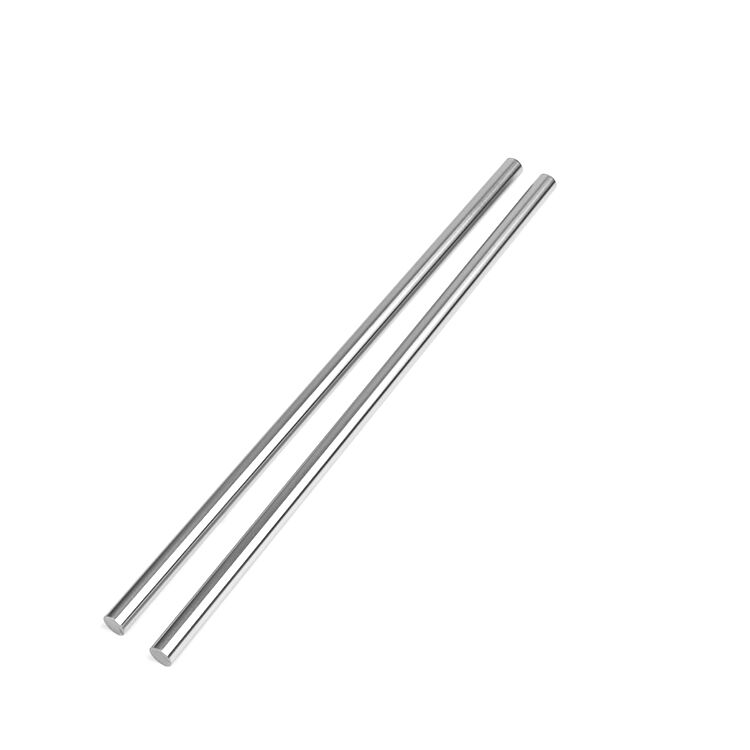
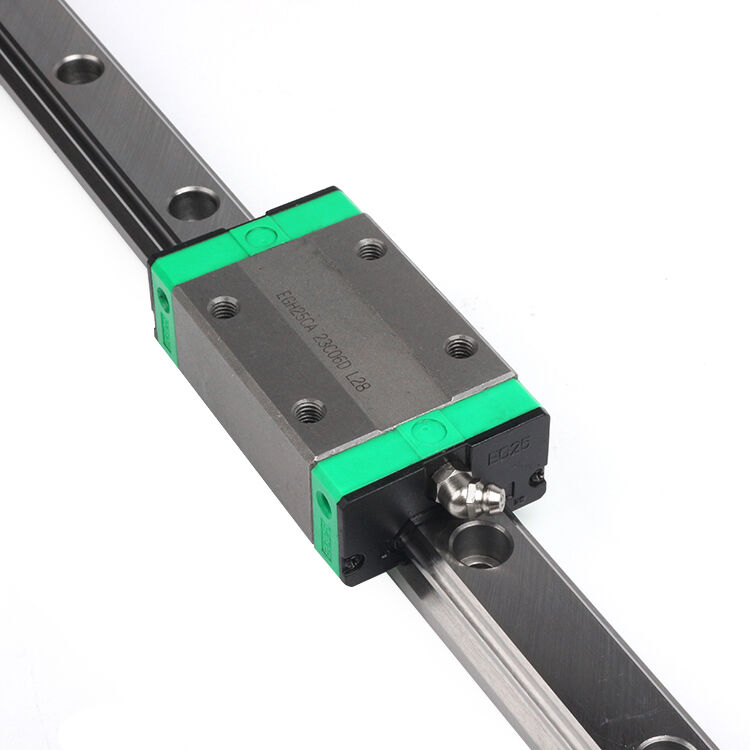
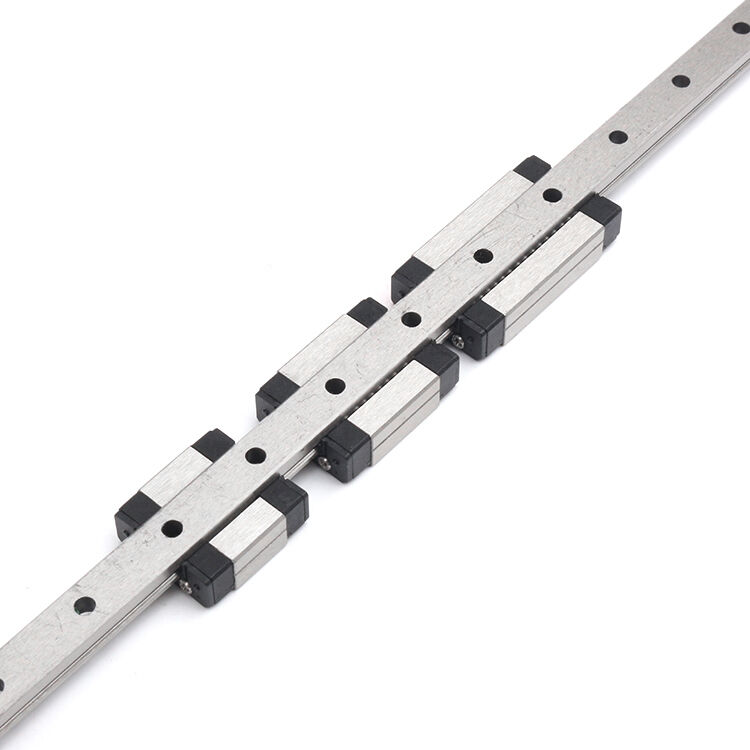
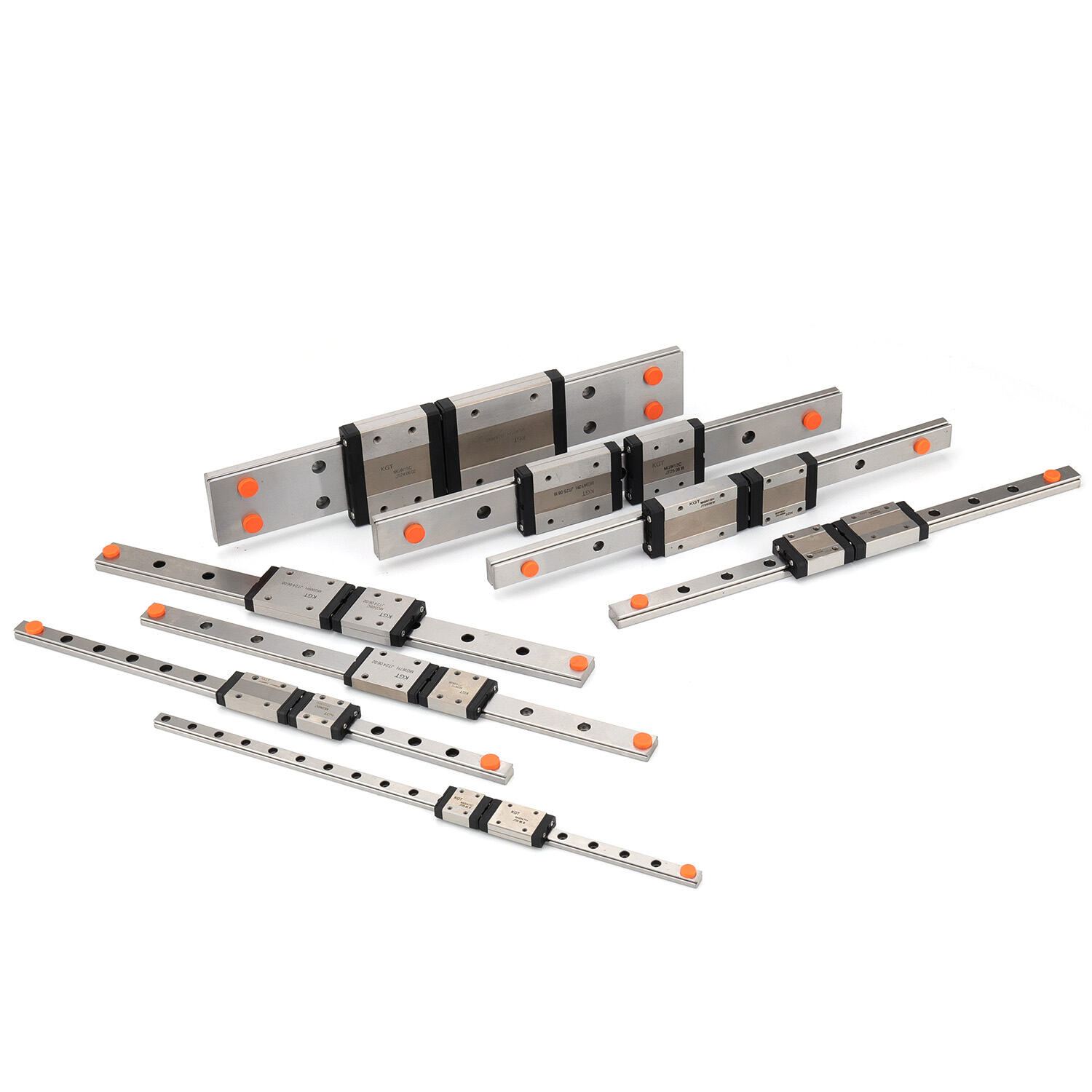
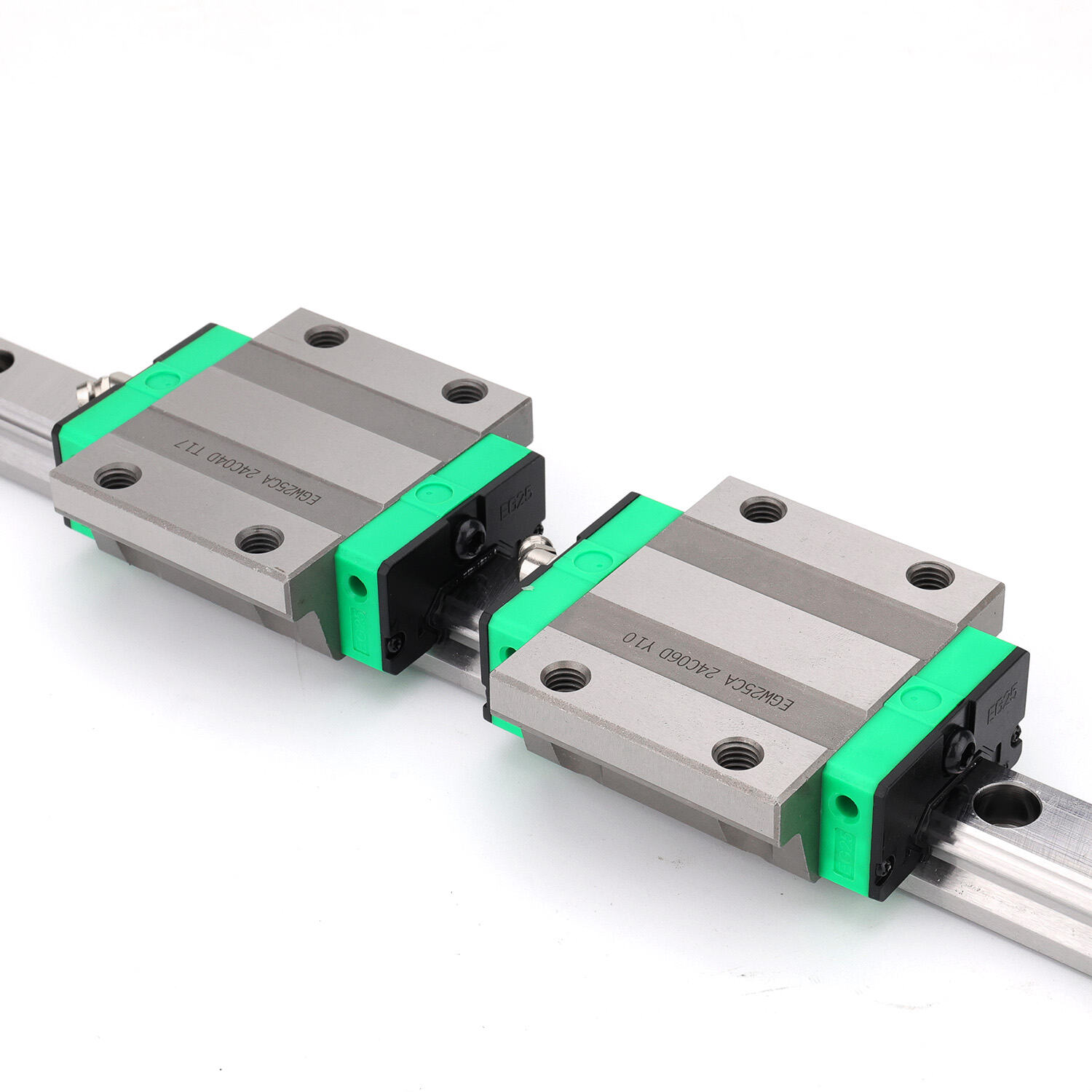
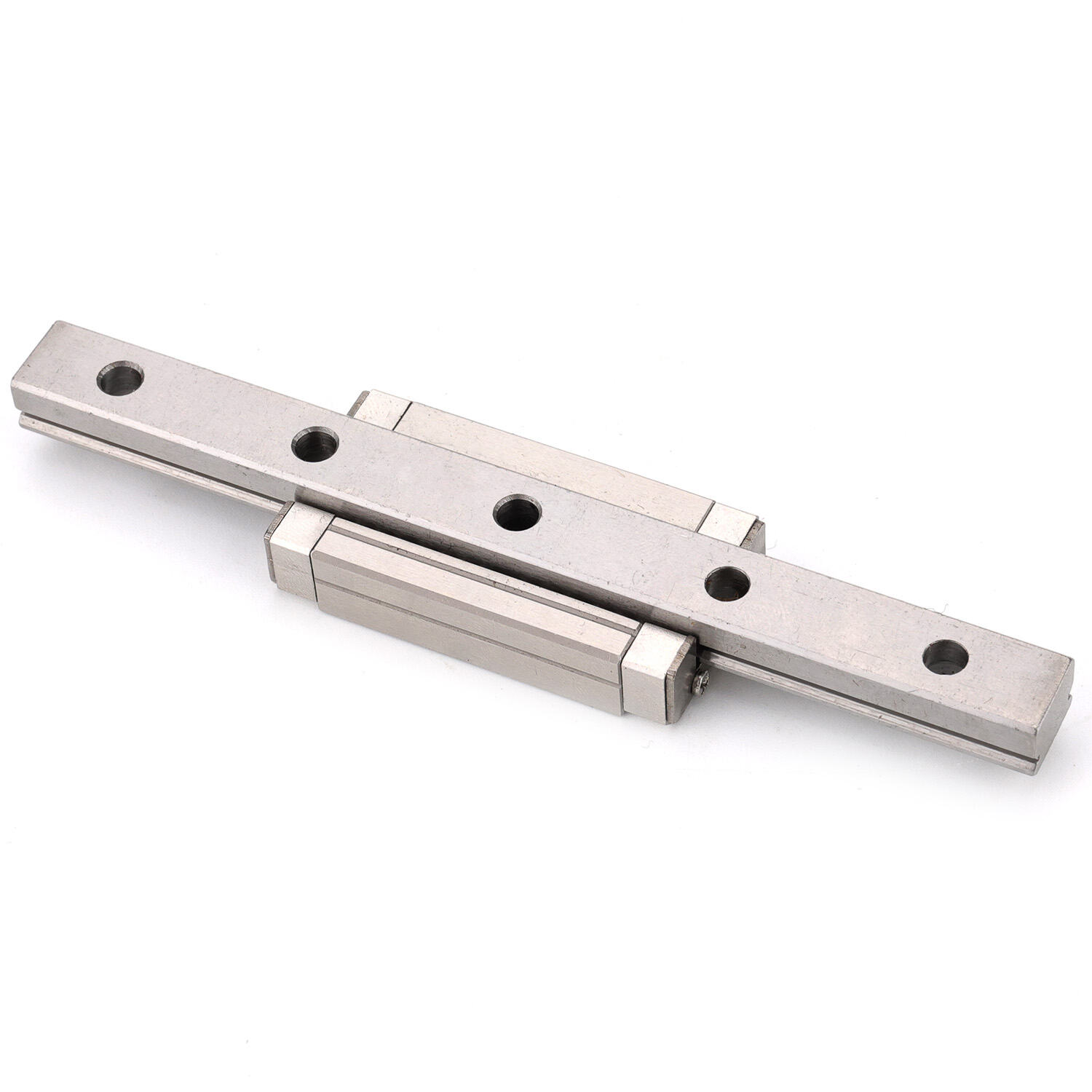
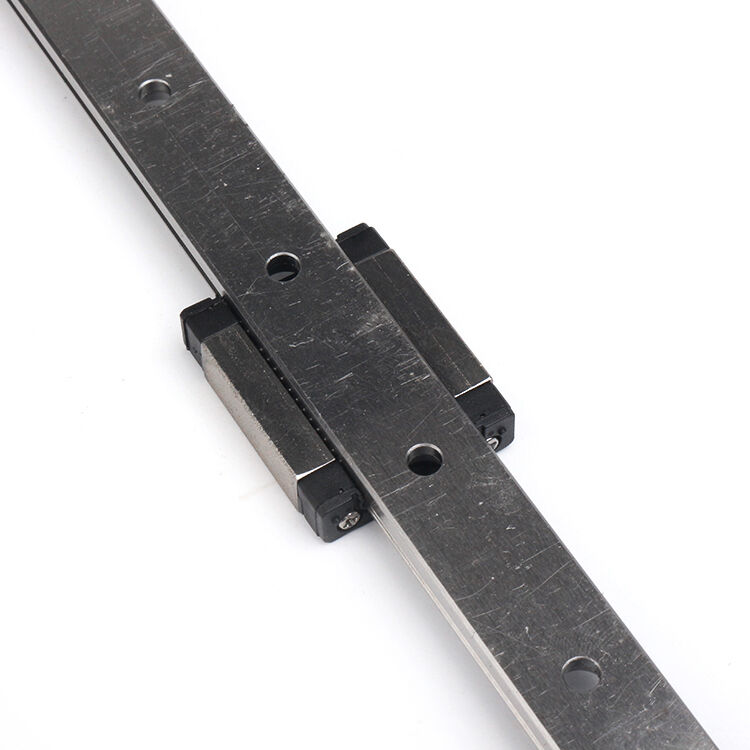
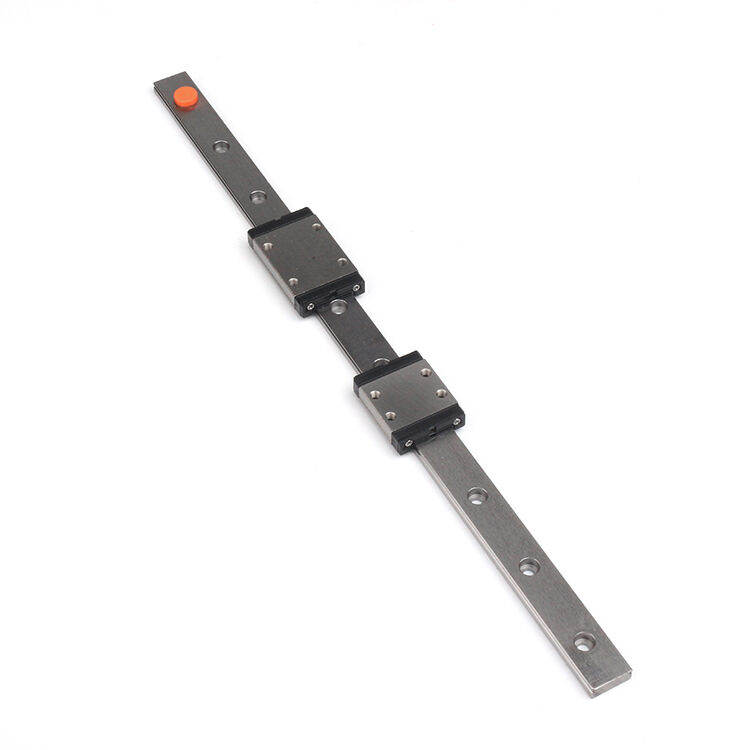
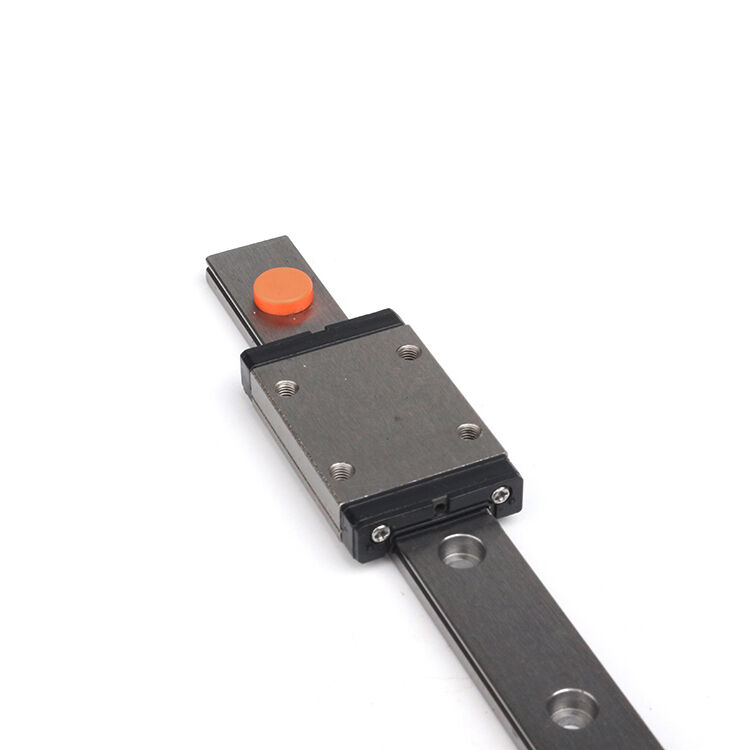
A stainless steel linear guide represents a sophisticated mechanical component designed to facilitate precise linear motion in demanding industrial environments. This engineering marvel combines the exceptional corrosion resistance properties of stainless steel with advanced bearing technology to deliver smooth, accurate movement along a predetermined path. The stainless steel linear guide consists primarily of a rail and carriage system, where hardened steel balls or rollers operate within precisely machined raceways to minimize friction and maximize operational efficiency. The rail serves as the fixed component, typically mounted to machinery frames or bases, while the carriage moves along the rail, carrying the load and maintaining perfect alignment throughout its travel. Manufacturing processes involve precision grinding and heat treatment to achieve optimal surface finishes and dimensional accuracy. The stainless steel construction, usually grade 440C or 316L, provides superior resistance to moisture, chemicals, and temperature variations compared to standard carbon steel alternatives. These guides incorporate sealed bearing systems that protect internal components from contamination while maintaining consistent lubrication. Load capacity ratings vary significantly based on design specifications, ranging from light-duty applications handling several pounds to heavy-duty systems supporting thousands of pounds. The precision manufacturing ensures repeatability within microns, making stainless steel linear guides essential for applications requiring exact positioning. Mounting configurations include top-mount, side-mount, and bottom-mount options to accommodate various installation requirements. Temperature operating ranges typically span from -40°F to 200°F, though specialized versions can handle extreme conditions. The modular design allows for easy integration into existing systems while providing flexibility for custom applications. Quality control measures during production include dimensional inspection, surface roughness verification, and load testing to ensure each stainless steel linear guide meets stringent performance standards before shipment to customers worldwide.

New Product Recommendations

The stainless steel linear guide delivers exceptional performance benefits that directly translate into improved operational efficiency and reduced maintenance costs for industrial applications. Superior corrosion resistance stands as the primary advantage, allowing these guides to operate reliably in harsh environments where moisture, chemicals, or salt exposure would rapidly degrade standard steel components. This corrosion resistance extends equipment lifespan significantly, often doubling or tripling service life compared to conventional alternatives. The precision engineering inherent in stainless steel linear guide systems ensures consistent accuracy over millions of cycles, maintaining tight tolerances that are critical for quality manufacturing processes. Smooth operation characteristics reduce wear on connected components, minimizing vibration and noise levels that can affect product quality and worker comfort. The sealed bearing design protects internal mechanisms from dust, debris, and contamination, reducing maintenance frequency and associated downtime costs. Load-carrying capacity remains stable throughout the operational life, preventing gradual degradation that could compromise system performance. Temperature stability allows continuous operation across wide thermal ranges without expansion issues that plague other materials. The self-lubricating properties of quality stainless steel linear guides reduce the need for frequent relubrication, cutting maintenance costs and eliminating contamination risks associated with external lubricants. Installation simplicity speeds project completion times, as standardized mounting patterns and comprehensive documentation streamline integration processes. Compatibility with automated systems enhances productivity by enabling precise positioning control that supports high-speed operations. The recyclable nature of stainless steel supports environmental sustainability goals while maintaining material value at end-of-life. Customization options accommodate unique application requirements without compromising standard performance characteristics. Quality assurance programs ensure consistent performance across production batches, reducing variability in system behavior. Technical support availability helps optimize performance through proper selection and installation guidance. Cost-effectiveness emerges through extended service life, reduced maintenance requirements, and improved system reliability, delivering superior return on investment compared to alternative linear motion solutions.

Practical Tips

The Ultimate Guide to Linear Guides: Precision, Applications, and Custom Solutions for Industrial Excellence

24

Dec

The Ultimate Guide to Linear Guides: Precision, Applications, and Custom Solutions for Industrial Excellence

View More
How to Select the Right Linear Guide Model: A Mechanical Engineer’s Guide

31

Dec

How to Select the Right Linear Guide Model: A Mechanical Engineer’s Guide

View More
Precision in Motion The Engineering Excellence of Linear Guides

05

Jan

Precision in Motion The Engineering Excellence of Linear Guides

View More

Get a Free Quote

Our representative will contact you soon.
Email
Name
Company Name
Message
0/1000

stainless steel linear guide

Unmatched Corrosion Resistance for Demanding Environments

Unmatched Corrosion Resistance for Demanding Environments

The exceptional corrosion resistance of stainless steel linear guide systems represents a game-changing advantage for industries operating in challenging environmental conditions. Unlike traditional carbon steel guides that quickly succumb to rust and degradation when exposed to moisture, chemicals, or corrosive atmospheres, stainless steel variants maintain their structural integrity and performance characteristics indefinitely. This remarkable resistance stems from the chromium content in stainless steel, which forms a passive oxide layer that self-repairs when damaged, providing continuous protection against corrosive elements. Food processing facilities benefit tremendously from this characteristic, as frequent washdowns with sanitizing chemicals and high-pressure water systems cannot penetrate or damage the guide surfaces. Marine applications, where salt spray and humidity create extremely corrosive conditions, rely on stainless steel linear guides to maintain operational reliability without the constant maintenance required by standard steel components. Chemical processing plants, pharmaceutical manufacturing facilities, and outdoor installations all leverage this corrosion resistance to achieve consistent performance while minimizing replacement costs. The economic impact extends far beyond initial purchase price considerations, as the extended service life often exceeds ten years in moderate environments and five years in severely corrosive conditions, compared to annual replacements sometimes required for unprotected steel guides. Maintenance schedules become dramatically simplified, reducing labor costs and minimizing production interruptions that accompany frequent component changes. The stainless steel linear guide construction also eliminates the need for protective coatings or treatments that add cost and complexity while potentially compromising dimensional accuracy. Quality control testing includes salt spray exposure tests that verify performance under accelerated corrosion conditions, ensuring reliable operation in real-world applications. This corrosion resistance translates directly into improved system reliability, reduced total cost of ownership, and enhanced operational confidence for critical applications where failure is not acceptable.
Precision Engineering for Superior Accuracy and Performance

Precision Engineering for Superior Accuracy and Performance

The precision engineering incorporated into every stainless steel linear guide delivers accuracy levels that exceed the demands of the most critical applications, making these components indispensable for high-precision manufacturing processes. Advanced manufacturing techniques, including precision grinding and computer-controlled machining, achieve surface finishes and dimensional tolerances measured in micrometers, ensuring consistent performance across millions of operational cycles. The raceway geometry is precisely calculated and manufactured to optimize ball or roller contact patterns, distributing loads evenly while minimizing friction and wear. This engineering excellence enables positioning accuracy within ±0.0001 inches, surpassing the requirements of precision assembly operations, semiconductor manufacturing, and medical device production. The stainless steel linear guide design incorporates preload mechanisms that eliminate play and backlash, maintaining tight control over moving components essential for accurate positioning applications. Straightness tolerances held to extremely tight specifications ensure that linear motion remains true throughout the entire travel length, preventing angular errors that could compromise downstream processes. The bearing selection and configuration optimize load distribution while maintaining smooth operation characteristics that contribute to overall system accuracy. Quality assurance procedures include coordinate measuring machine verification of critical dimensions, ensuring each stainless steel linear guide meets published specifications before shipment. Temperature compensation features maintain accuracy across operating temperature ranges, preventing thermal expansion from affecting positioning precision. The modular design enables easy integration with feedback systems and servo controls, creating closed-loop positioning systems capable of sub-micron accuracy. Vibration damping characteristics inherent in the design minimize external disturbances that could affect precision operations. Long-term stability testing confirms that accuracy remains consistent over extended operational periods, providing confidence for applications requiring sustained precision performance. This engineering excellence translates into improved product quality, reduced scrap rates, and enhanced process capability for manufacturing operations dependent on precise linear motion control.
Exceptional Load Capacity and Operational Reliability

Exceptional Load Capacity and Operational Reliability

The robust construction and intelligent design of stainless steel linear guide systems deliver exceptional load-carrying capacity while maintaining operational reliability that exceeds industry standards for demanding applications. Engineering analysis and finite element modeling optimize the load distribution across bearing elements, enabling these guides to support dynamic loads ranging from hundreds to thousands of pounds while maintaining smooth operation characteristics. The stainless steel construction provides superior material properties compared to aluminum or plastic alternatives, offering higher strength-to-weight ratios and resistance to deformation under heavy loads. Multiple bearing rows distribute forces evenly, preventing stress concentrations that could lead to premature failure in single-row designs. The stainless steel linear guide construction incorporates hardened raceways that resist wear and maintain dimensional stability under repeated loading cycles, ensuring consistent performance throughout the operational lifespan. Sealed bearing systems protect critical load-bearing surfaces from contamination while retaining lubrication, maintaining load capacity over extended periods without degradation. Dynamic load ratings provide clear guidance for application engineers, enabling proper selection for specific operational requirements while incorporating appropriate safety factors. Static load capacity specifications ensure safe operation during non-moving conditions, preventing damage during equipment startup or emergency stops. The modular approach allows multiple carriages on single rails, effectively multiplying load capacity for heavy-duty applications without compromising individual component performance. Shock and impact resistance testing validates performance under sudden load changes that occur in real-world applications, confirming reliability beyond steady-state conditions. Temperature cycling tests verify that load capacity remains stable across operational temperature ranges, ensuring consistent performance in varying environmental conditions. Quality control procedures include proof load testing that exceeds published ratings, providing confidence in published specifications. Installation flexibility accommodates various mounting orientations without compromising load capacity, enabling optimal system design for space-constrained applications. This exceptional load capacity and reliability combination reduces the need for oversizing components, optimizing system costs while ensuring adequate safety margins for critical applications.
Stainless Steel Linear Guide Systems - Precision Motion Solutions for Industrial Applications

Get a Free Quote

Our representative will contact you soon.
Email
Name
Company Name
Message
0/1000