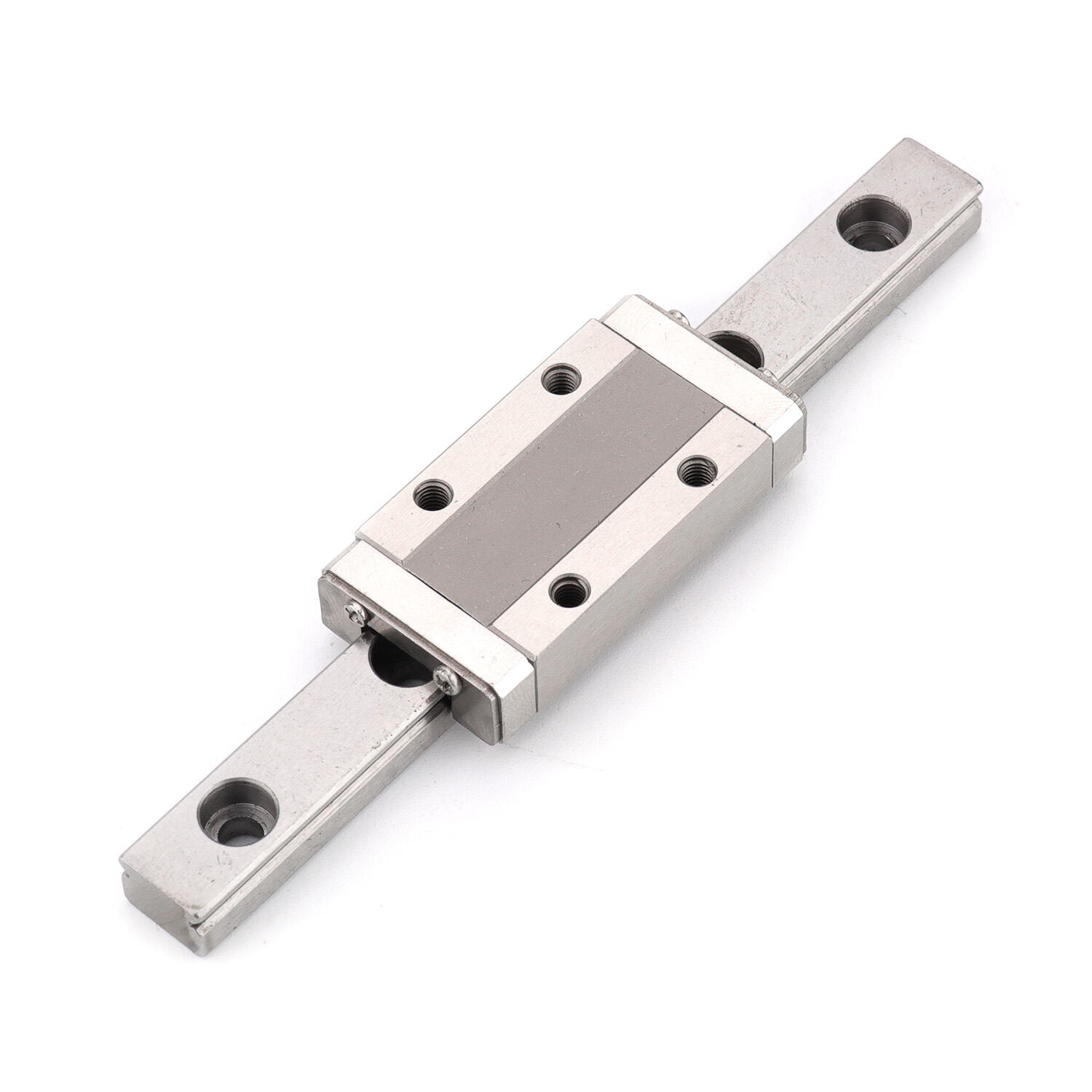
High Temperature Linear Guides: Precision Motion Solutions for Extreme Heat Applications

All Categories

Get a Free Quote

Our representative will contact you soon.
Email
Name
Company Name
Message
0/1000

high temperature linear guides

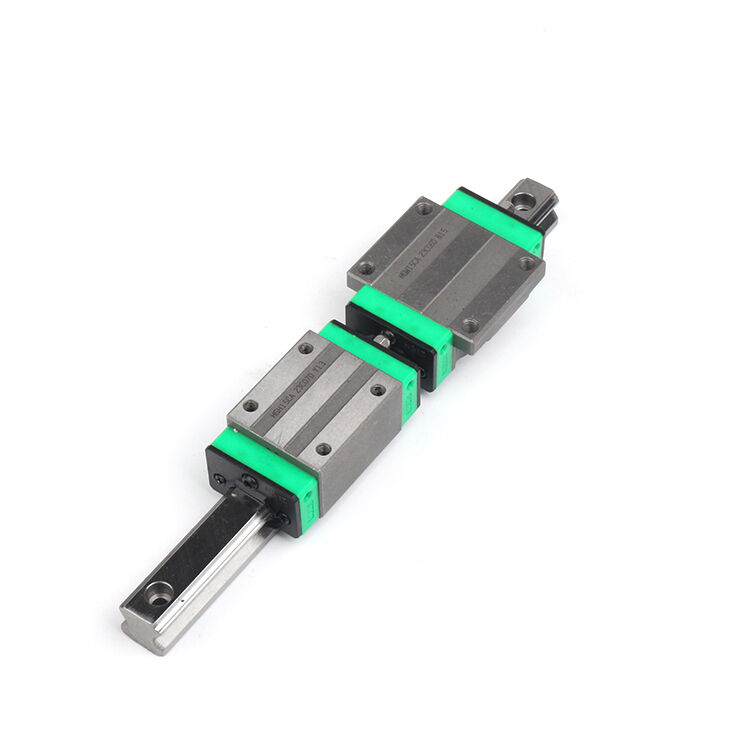
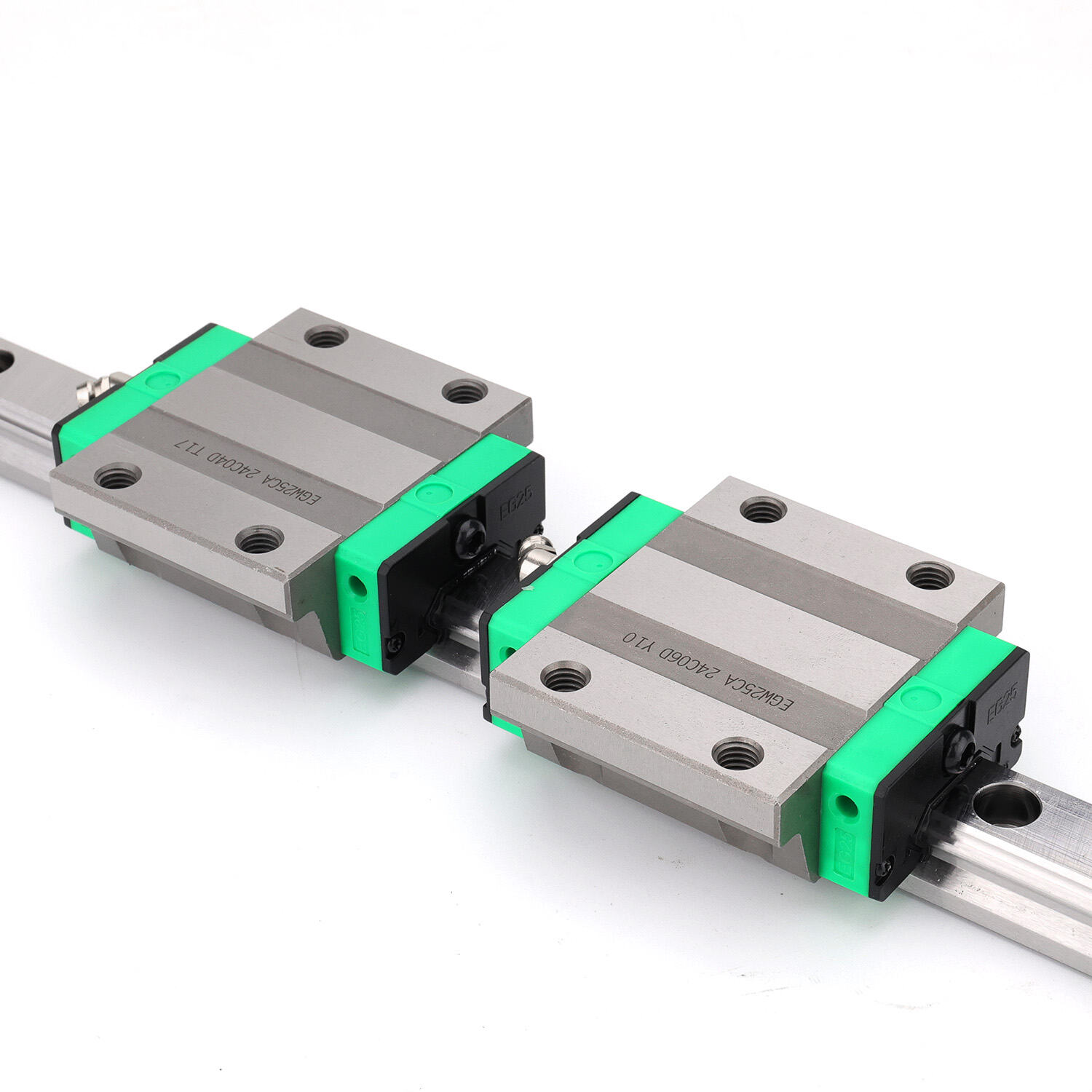
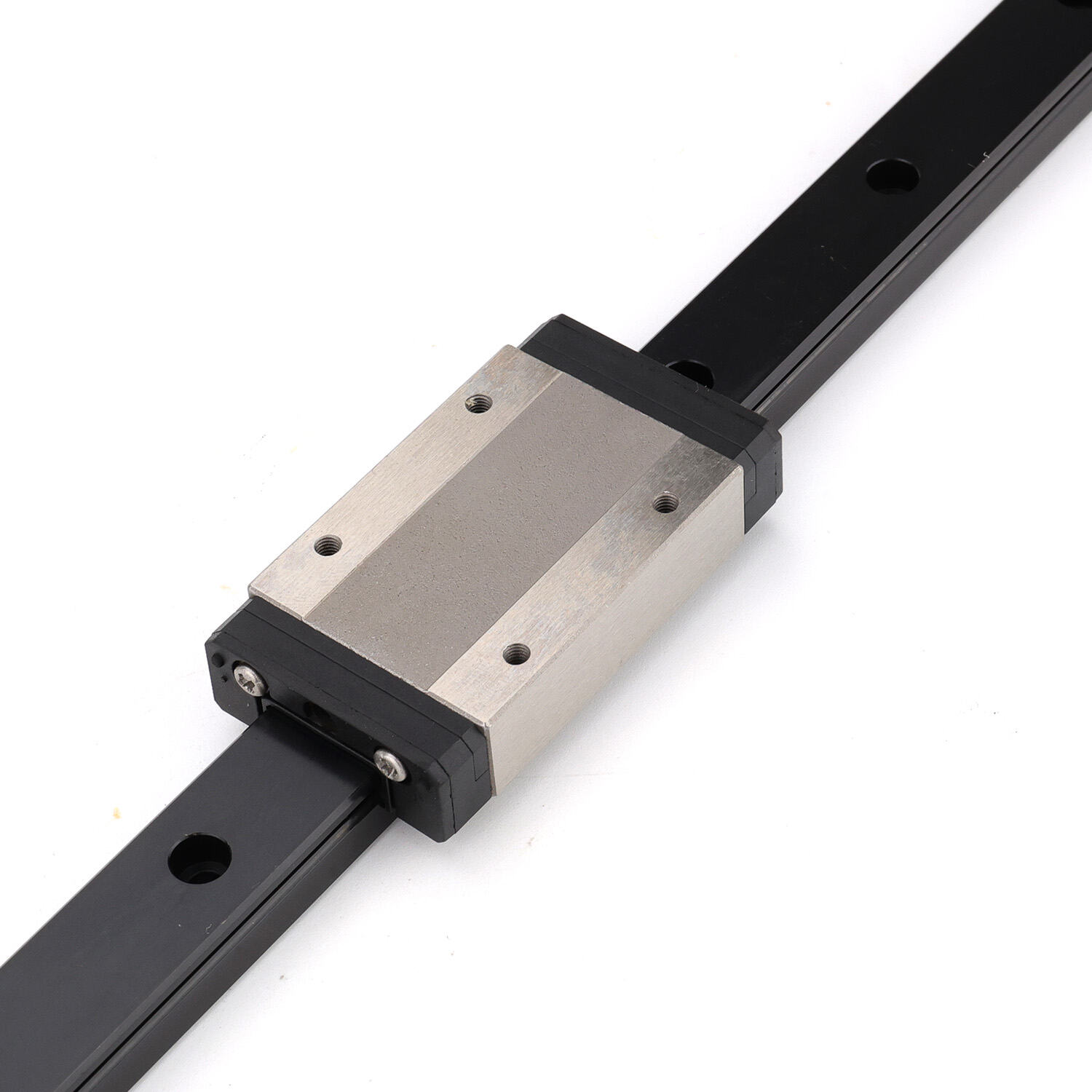
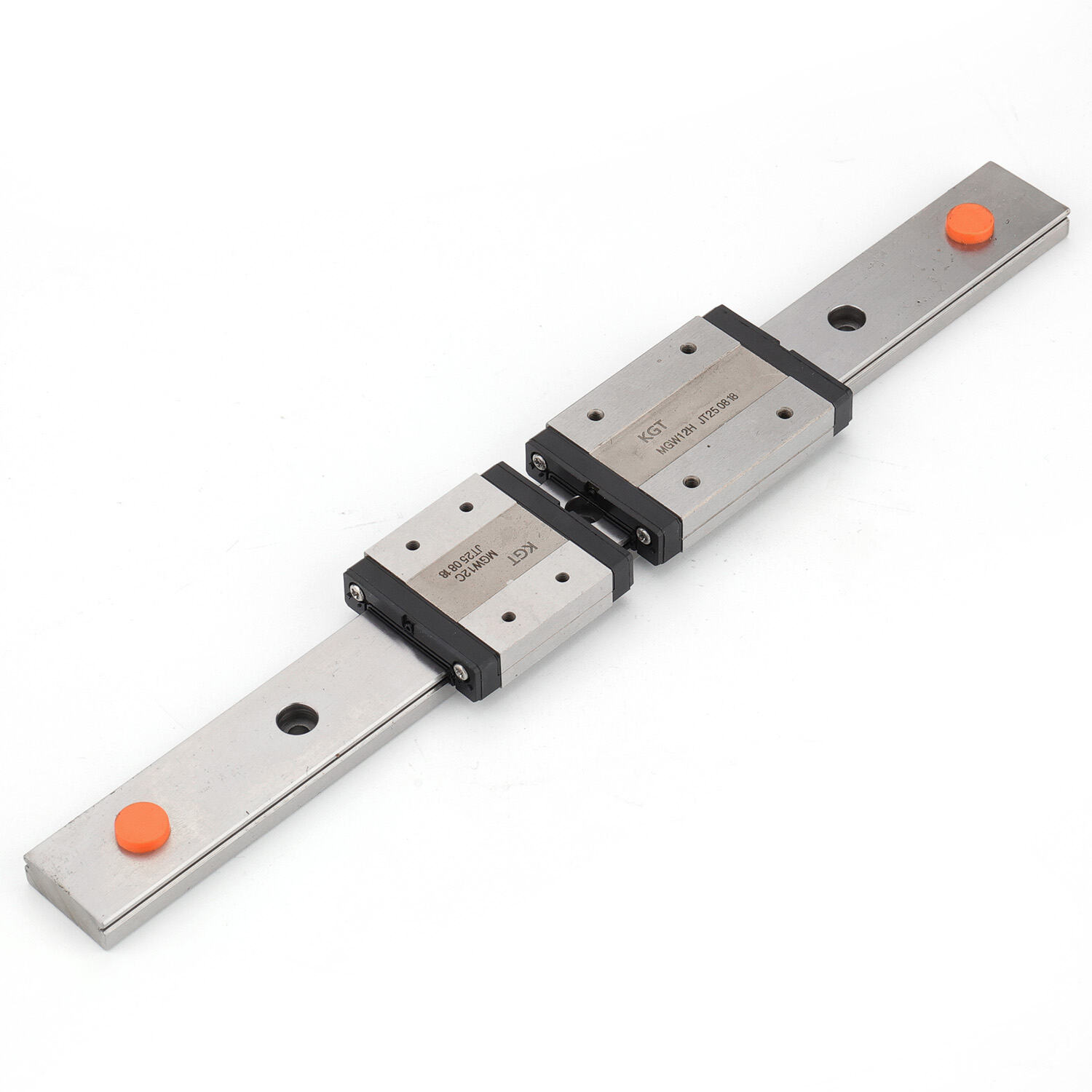
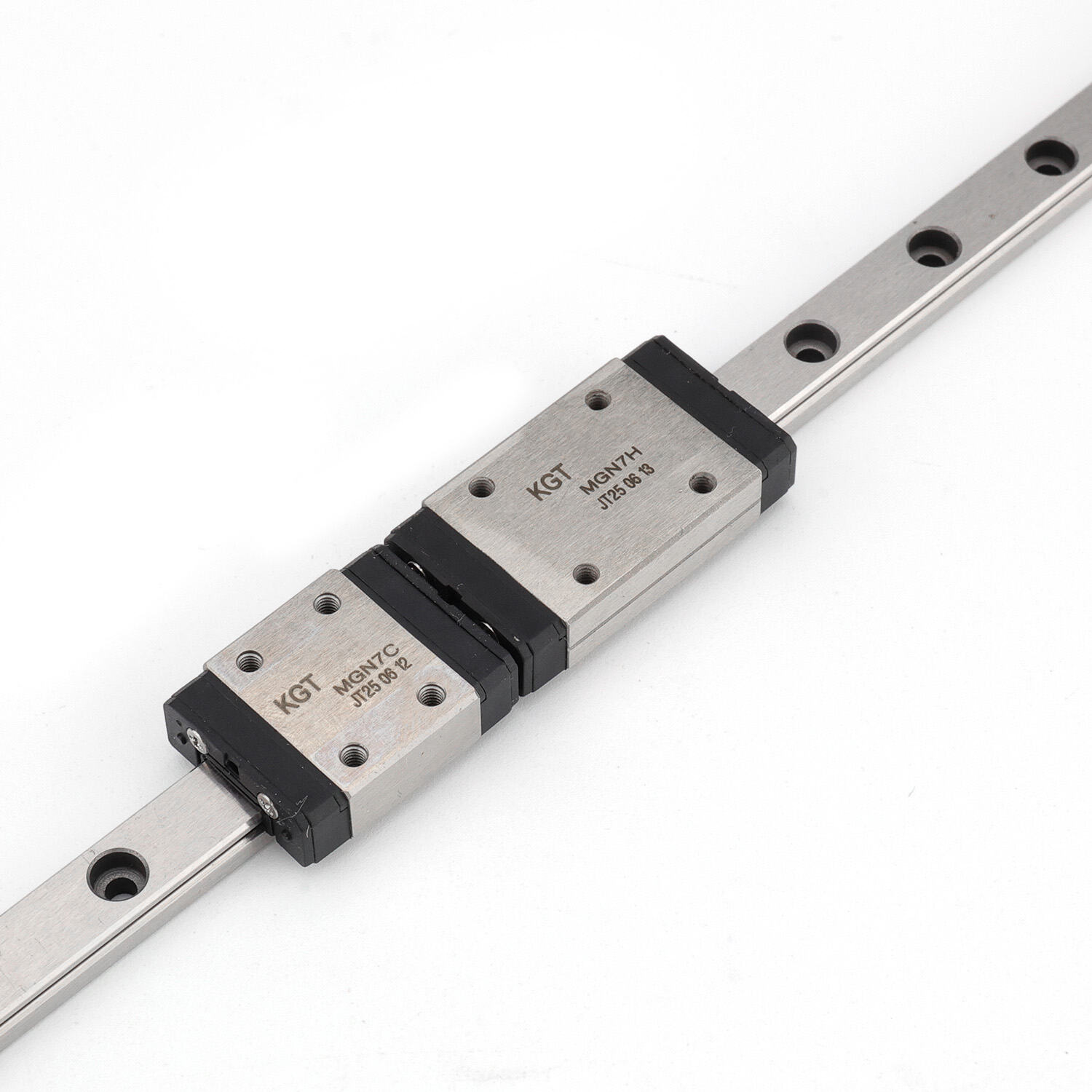
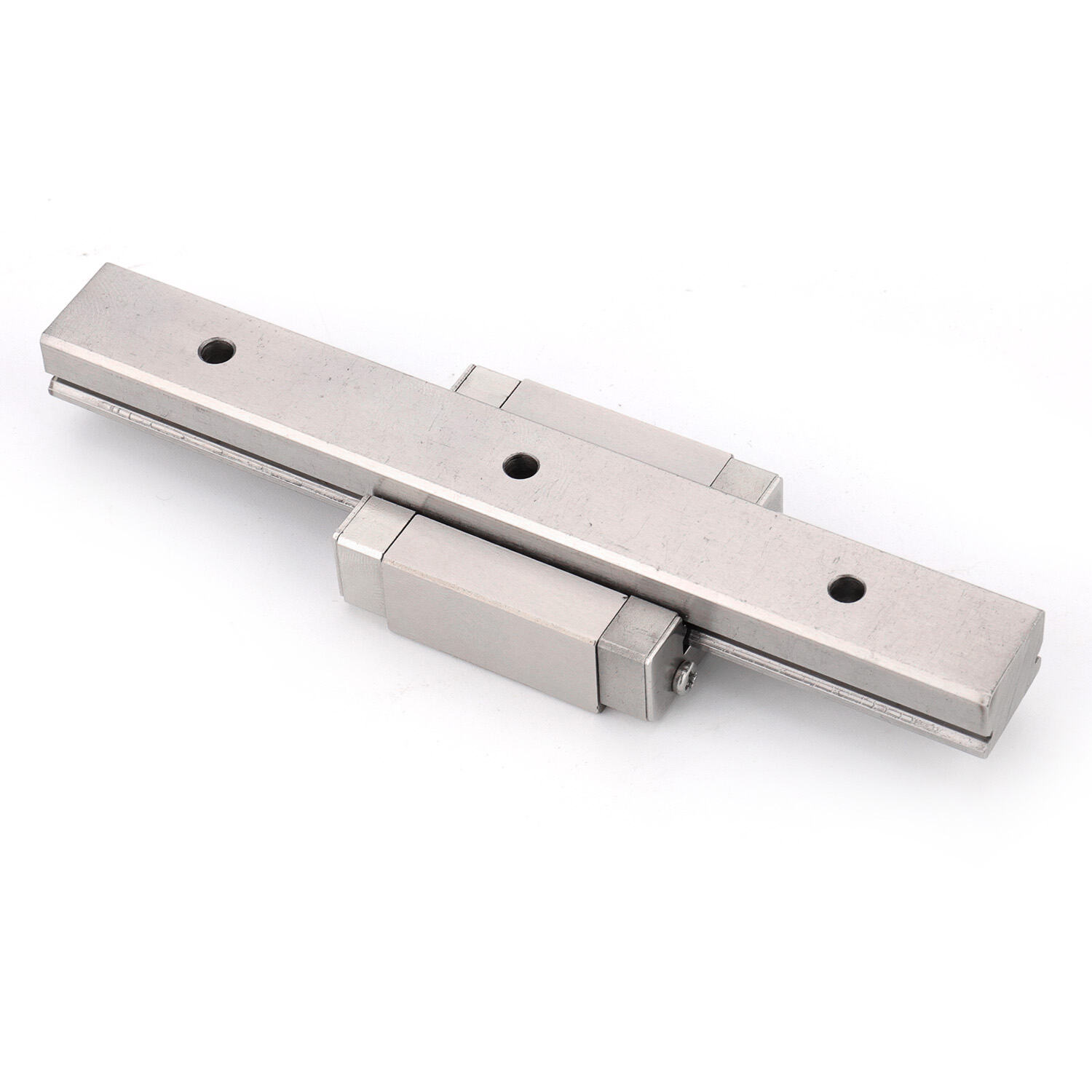
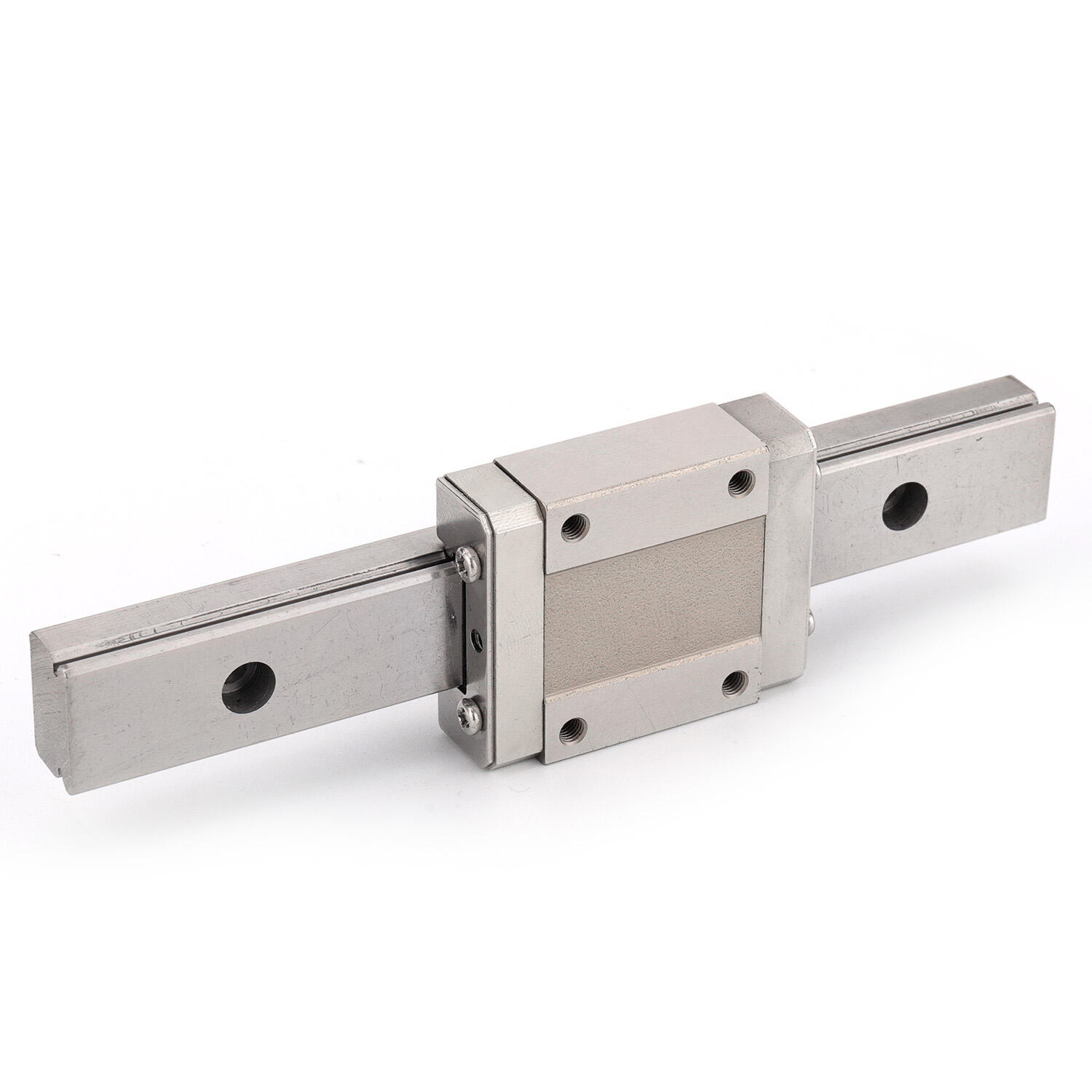
High temperature linear guides represent a specialized category of precision motion control components engineered to operate reliably in extreme thermal environments where conventional linear bearing systems fail. These robust mechanical assemblies maintain smooth, accurate linear motion while withstanding continuous exposure to elevated temperatures that can reach up to 350°C or higher, depending on the specific design and materials used. The primary function of high temperature linear guides involves facilitating precise linear movement of machinery components, tooling, and workpieces in applications where heat generation or ambient conditions create challenging operational environments. Unlike standard linear guides that typically operate within temperature ranges of -10°C to 80°C, these specialized systems incorporate advanced materials, innovative lubrication solutions, and enhanced sealing technologies to ensure consistent performance under thermal stress. The technological features of high temperature linear guides include specially formulated bearing materials such as ceramic balls, high-temperature steel races, and heat-resistant cage materials that maintain dimensional stability and wear resistance at elevated temperatures. Advanced lubrication systems utilize synthetic oils or solid lubricants that retain their properties under extreme heat, preventing seizure and ensuring smooth operation. Enhanced sealing mechanisms protect internal components from contamination while allowing thermal expansion without compromising performance. Applications for high temperature linear guides span across diverse industries including steel manufacturing, glass processing, automotive production, aerospace manufacturing, and semiconductor fabrication. In steel mills, these guides enable precise positioning of cutting tools and handling equipment near furnaces and hot rolling operations. Glass manufacturing facilities rely on them for accurate movement of forming equipment and conveyor systems operating adjacent to melting furnaces. Automotive paint booths and curing ovens utilize high temperature linear guides for robotic systems and conveyor mechanisms. The aerospace industry employs these components in manufacturing processes involving composite curing and metal heat treatment operations, where maintaining precision during thermal cycling proves critical for product quality.

Popular Products

High temperature linear guides deliver exceptional operational reliability that significantly reduces maintenance costs and production downtime in demanding industrial environments. These specialized components eliminate the frequent replacements and repairs associated with standard linear guides when exposed to elevated temperatures, providing consistent performance that keeps production lines running smoothly. The extended service life translates directly into cost savings, as facilities experience fewer unplanned shutdowns and reduced component replacement expenses. Manufacturing operations benefit from enhanced precision that remains stable across wide temperature ranges, ensuring product quality consistency even when thermal conditions fluctuate. This temperature stability prevents the dimensional changes and performance degradation that plague conventional linear systems in hot environments. Production managers appreciate the predictable maintenance schedules that high temperature linear guides enable, allowing for planned maintenance windows rather than emergency repairs that disrupt operations. The robust construction of these guides withstands thermal shock and cycling without losing accuracy, making them ideal for processes involving rapid temperature changes. Operators find these systems easier to maintain because the specialized materials and lubrication resist degradation, requiring less frequent attention and reducing labor costs. Quality control benefits from the consistent positioning accuracy that high temperature linear guides maintain throughout their service life, reducing product defects and waste. The versatility of these guides allows manufacturers to standardize on a single linear motion solution across multiple high-temperature applications, simplifying inventory management and technician training. Energy efficiency improves because these guides operate smoothly without the friction increases that occur when standard guides overheat, reducing drive system power requirements. Safety enhancements result from the reliable operation that prevents sudden failures, protecting both personnel and equipment. The investment in high temperature linear guides pays dividends through reduced total cost of ownership, improved production efficiency, and enhanced product quality that strengthens competitive positioning in demanding markets.

Latest News

The Ultimate Guide to Linear Guides: Precision, Applications, and Custom Solutions for Industrial Excellence

24

Dec

The Ultimate Guide to Linear Guides: Precision, Applications, and Custom Solutions for Industrial Excellence

View More
How to Select the Right Linear Guide Model: A Mechanical Engineer’s Guide

31

Dec

How to Select the Right Linear Guide Model: A Mechanical Engineer’s Guide

View More
Precision in Motion The Engineering Excellence of Linear Guides

05

Jan

Precision in Motion The Engineering Excellence of Linear Guides

View More

Get a Free Quote

Our representative will contact you soon.
Email
Name
Company Name
Message
0/1000

high temperature linear guides

Advanced Material Engineering for Extreme Temperature Performance

Advanced Material Engineering for Extreme Temperature Performance

The cornerstone of high temperature linear guide technology lies in the sophisticated material engineering that enables sustained operation in extreme thermal environments. These specialized components utilize advanced ceramic bearing elements, typically silicon nitride or zirconia, which maintain their hardness and dimensional stability at temperatures where steel components would soften and deform. The ceramic materials exhibit thermal expansion coefficients that closely match the steel raceways, preventing binding and maintaining smooth operation throughout temperature cycles. High-grade tool steels or specialized alloys form the raceway surfaces, treated with advanced heat treatment processes that enhance their thermal resistance while preserving wear characteristics. The bearing cages employ materials such as PEEK or other high-performance polymers that retain their mechanical properties and dimensional stability under prolonged heat exposure. This material selection process involves extensive testing to ensure compatibility between different components as they expand and contract at different rates during thermal cycling. The lubrication systems integrate solid lubricants or specialized synthetic fluids that maintain their lubricating properties at elevated temperatures, preventing the breakdown that causes conventional lubricants to carbonize and lose effectiveness. Sealing materials utilize advanced fluoropolymers and specialized compounds that maintain flexibility and sealing integrity while resisting chemical degradation from heat exposure. The engineering excellence extends to the surface treatments and coatings applied to various components, including specialized platings and surface modifications that enhance corrosion resistance and reduce friction at high temperatures. This comprehensive material approach ensures that every element of the high temperature linear guide system works harmoniously to deliver reliable performance, making these components invaluable for industries where standard alternatives simply cannot survive the operating conditions.
Precision Performance Maintenance Under Thermal Stress

Precision Performance Maintenance Under Thermal Stress

High temperature linear guides excel in maintaining exceptional precision and repeatability even when subjected to severe thermal stress conditions that would compromise standard linear motion systems. The engineering design incorporates thermal compensation mechanisms that account for material expansion and contraction, ensuring that positioning accuracy remains within specified tolerances throughout the entire operating temperature range. Advanced preload systems maintain optimal bearing contact pressure as components undergo thermal expansion, preventing play development that would degrade precision. The geometric design of the raceway profiles and bearing contact angles optimizes load distribution while accommodating thermal effects, ensuring smooth motion characteristics regardless of temperature fluctuations. Sophisticated manufacturing processes create components with extremely tight dimensional tolerances that account for thermal effects, allowing the guides to maintain precision as operating conditions change. The thermal stability of these systems enables manufacturers to maintain consistent product quality in applications where dimensional accuracy directly impacts product performance and customer satisfaction. Quality control processes benefit significantly because positioning repeatability remains constant, reducing variability in manufacturing operations and minimizing product defects. The stable precision performance eliminates the need for constant recalibration and adjustment that plague standard systems in high-temperature environments, reducing operational complexity and maintenance requirements. Machine operators appreciate the predictable performance characteristics that simplify process setup and optimization, leading to improved productivity and reduced training requirements. The consistent precision enables tighter process control, allowing manufacturers to operate closer to specification limits while maintaining quality standards. This reliability becomes particularly valuable in automated manufacturing systems where precision degradation can cascade through multiple process steps, amplifying quality issues. The investment in high temperature linear guides pays dividends through improved yield rates, reduced waste, and enhanced customer satisfaction resulting from consistent product quality.
Extended Service Life and Reduced Maintenance Requirements

Extended Service Life and Reduced Maintenance Requirements

The robust construction and specialized materials used in high temperature linear guides deliver significantly extended service life compared to conventional alternatives, providing substantial cost savings and operational benefits over the component lifecycle. These guides resist the wear mechanisms that rapidly degrade standard linear systems in high-temperature environments, including thermal fatigue, oxidation, and lubrication breakdown. The advanced bearing materials maintain their surface integrity and dimensional stability throughout millions of cycles under thermal stress, eliminating the premature wear that necessitates frequent replacements in harsh environments. Specialized lubrication systems retain their properties throughout extended temperature exposure, preventing the galling and seizure that occurs when conventional lubricants break down. The enhanced sealing technology protects internal components from contamination while allowing for thermal expansion, maintaining clean operating conditions that extend component life. Maintenance schedules become more predictable and less frequent, allowing facility managers to plan maintenance activities during scheduled downtime rather than responding to emergency failures. The reduced maintenance requirements translate directly into lower labor costs and improved equipment availability, enhancing overall operational efficiency. Procurement departments benefit from reduced inventory requirements and fewer emergency purchases, improving cash flow and reducing carrying costs. The extended service intervals allow maintenance teams to focus on preventive activities rather than reactive repairs, improving overall equipment reliability across the facility. Production planning becomes more reliable because equipment downtime becomes predictable and scheduled, reducing the disruption caused by unexpected failures. The consistent performance throughout the extended service life ensures that product quality remains stable, preventing the gradual degradation that can occur as standard components wear. Quality assurance processes benefit from the stable performance characteristics that eliminate drift and maintain calibration longer. The total cost of ownership advantages make high temperature linear guides an excellent investment for facilities operating in demanding thermal environments, providing superior value through reduced maintenance costs, improved uptime, and consistent performance.
High Temperature Linear Guides: Precision Motion Solutions for Extreme Heat Applications

Get a Free Quote

Our representative will contact you soon.
Email
Name
Company Name
Message
0/1000