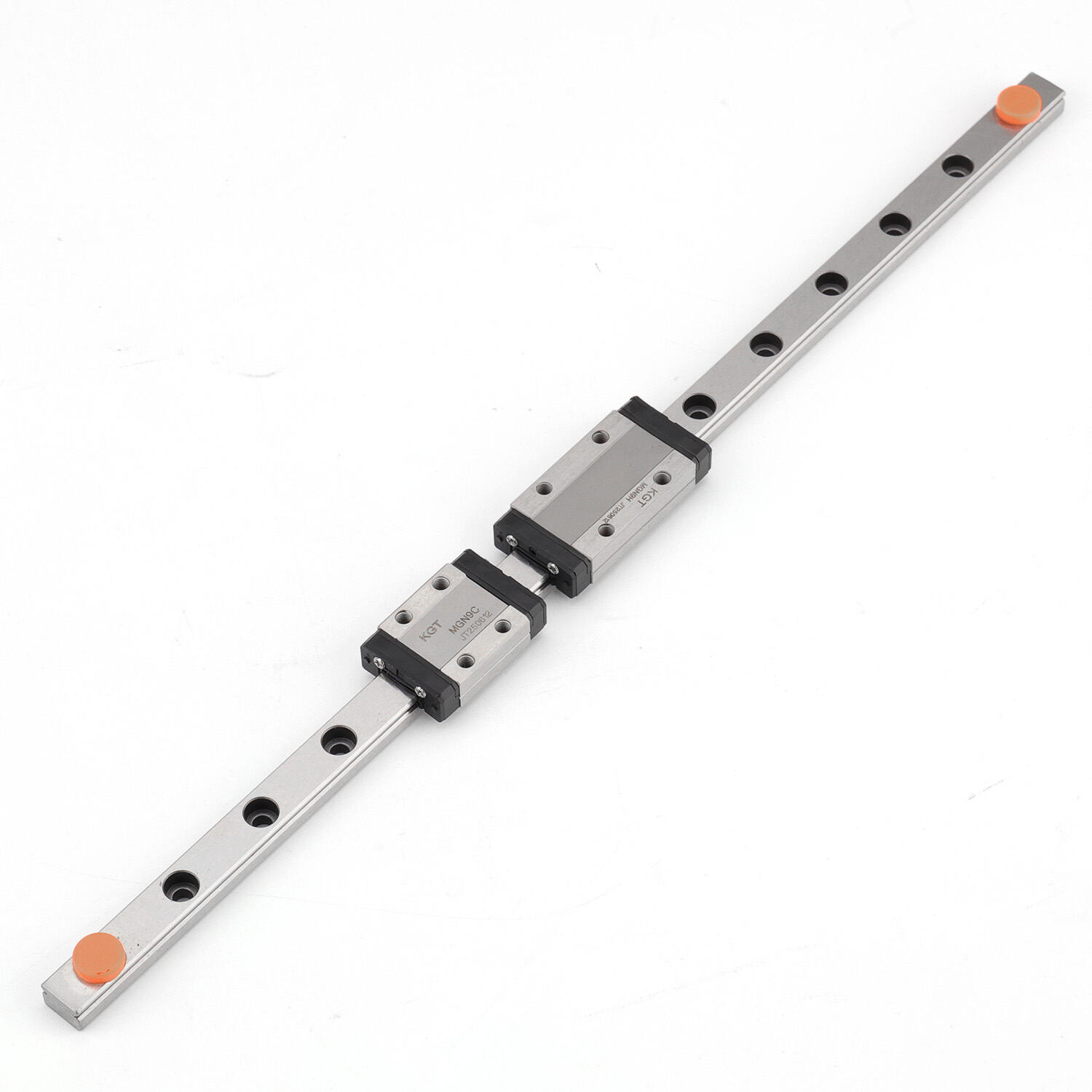
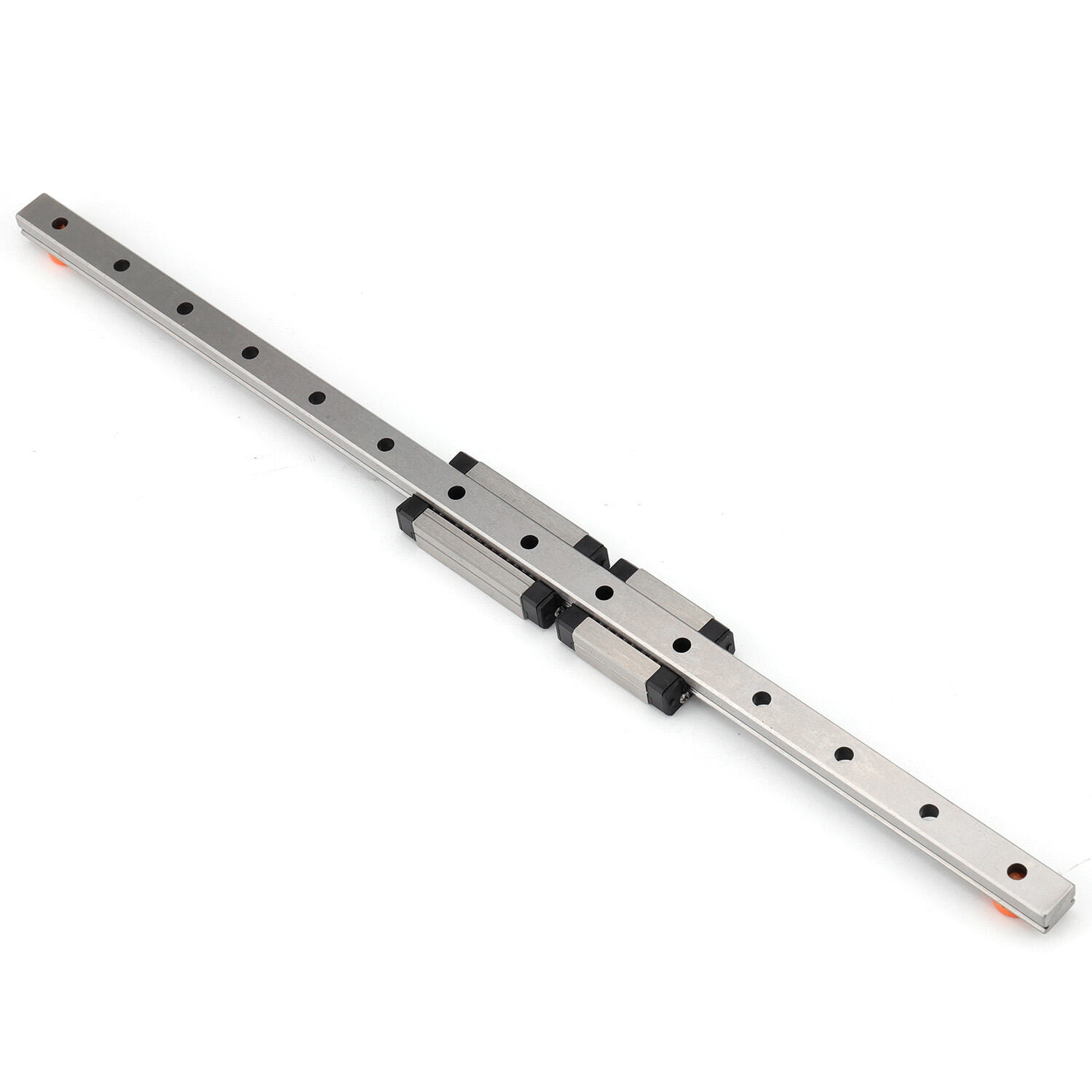
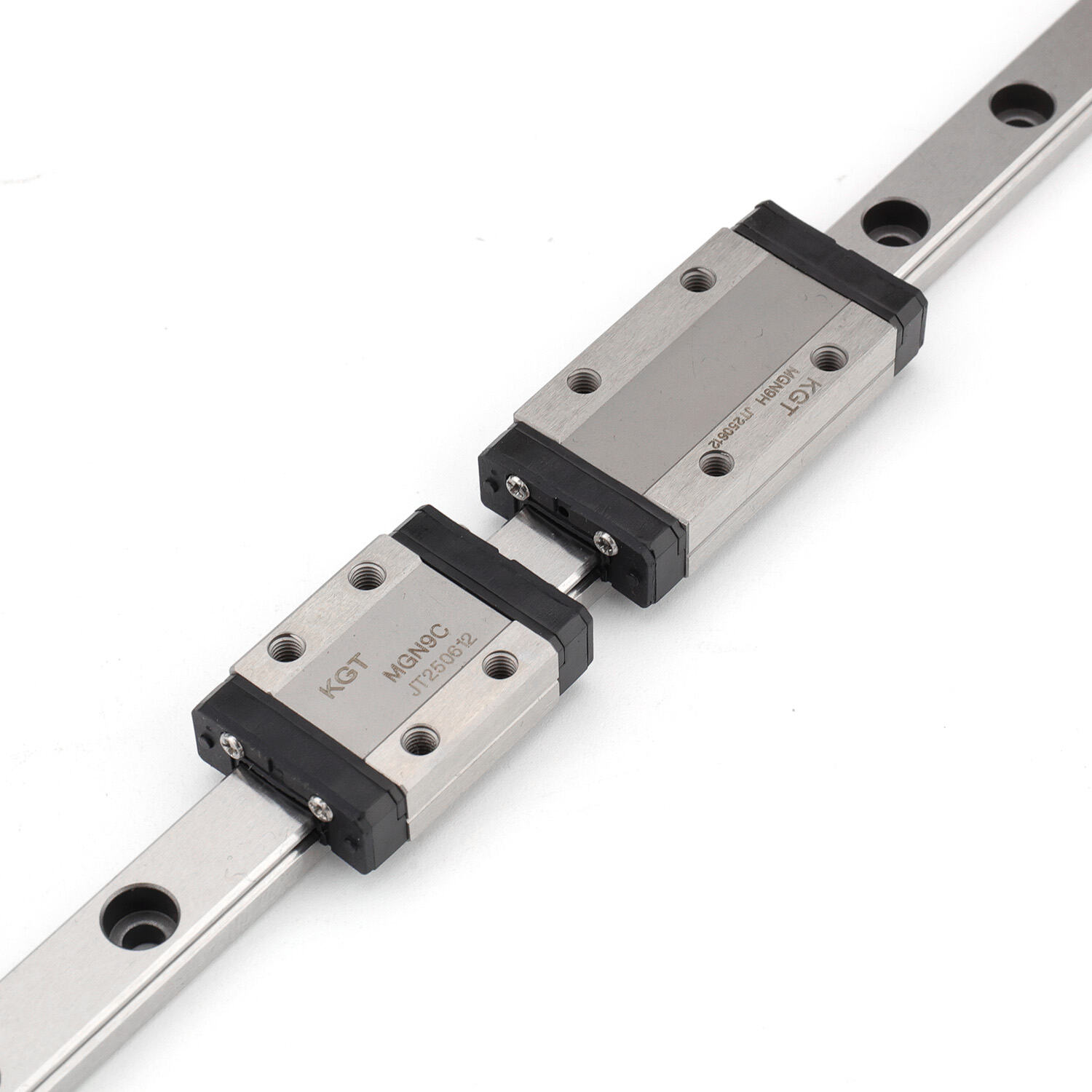
Linear Guide Carriage Systems: Precision Motion Control Solutions for Industrial Applications

All Categories

Get a Free Quote

Our representative will contact you soon.
Email
Name
Company Name
Message
0/1000

linear guide carriage

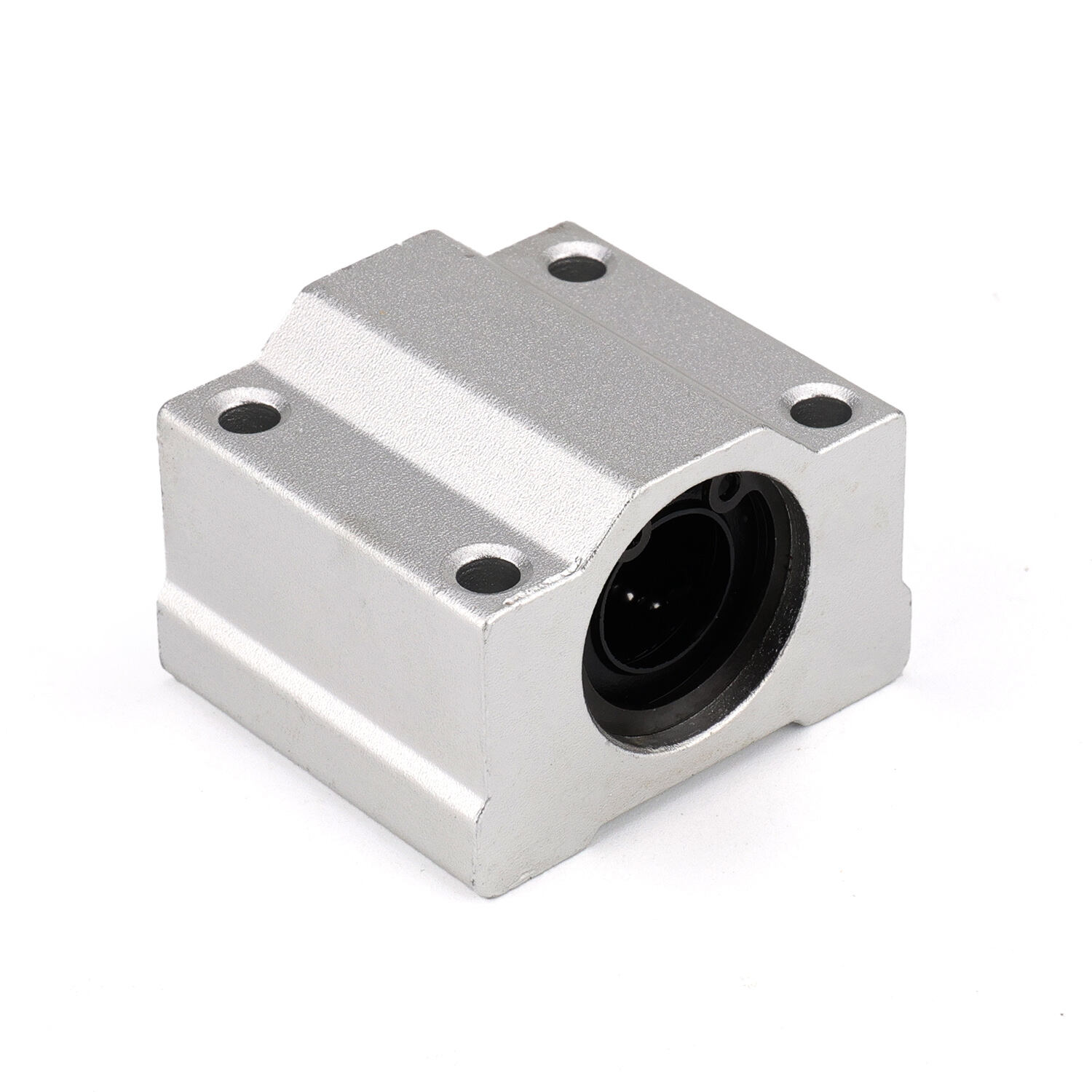
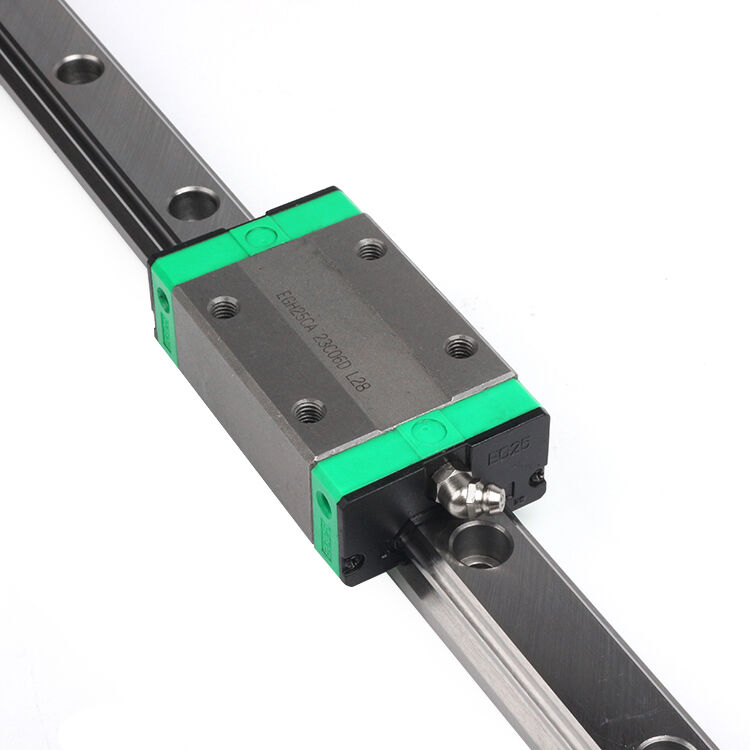
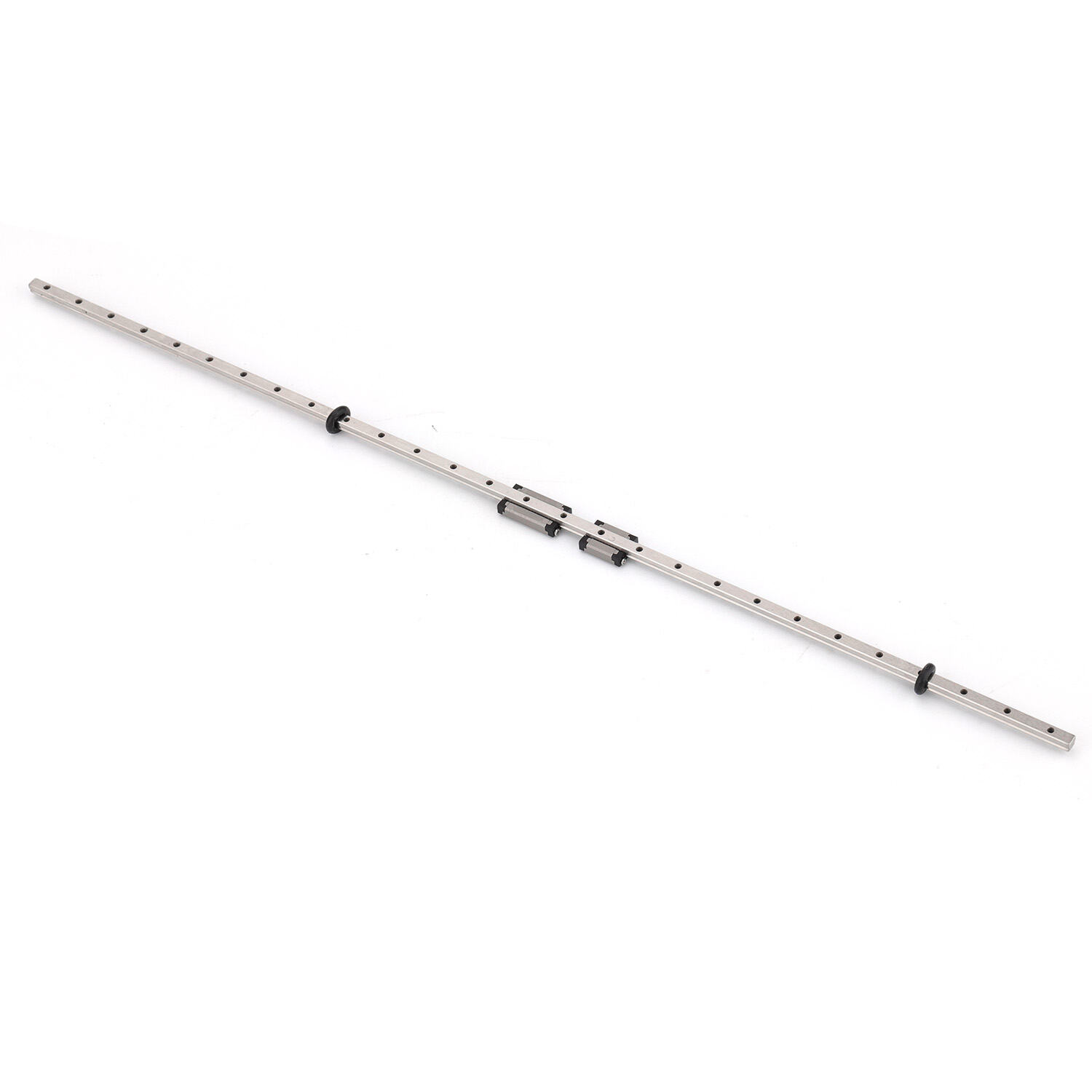
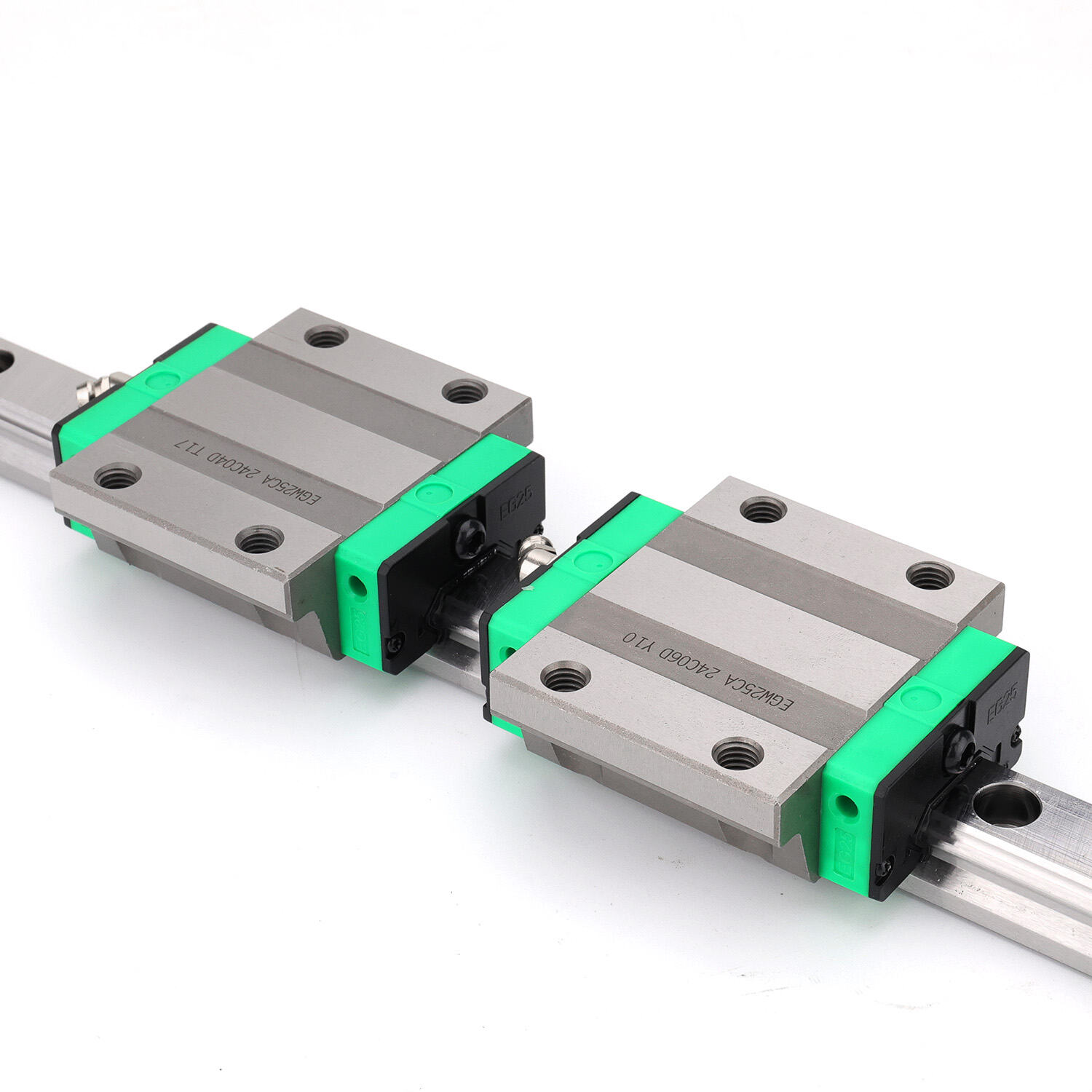
A linear guide carriage represents a fundamental component in precision motion systems, serving as the mobile element that travels along linear guide rails to provide smooth, accurate directional movement. This mechanical device consists of a robust housing that encases precision ball bearings or roller elements, which interface directly with the guide rail to minimize friction and maximize operational efficiency. The linear guide carriage functions as the primary load-bearing and motion-transmitting component in countless industrial applications where precise linear positioning is essential. The technological architecture of a linear guide carriage incorporates advanced bearing technology, typically featuring recirculating ball or roller systems that distribute loads evenly across multiple contact points. This design ensures exceptional load capacity while maintaining smooth operation even under demanding conditions. The carriage housing is manufactured from high-grade materials such as hardened steel or aluminum alloys, providing durability and resistance to wear over extended operational periods. Precision sealing systems protect internal components from contamination while specialized lubrication channels ensure consistent performance. The linear guide carriage demonstrates remarkable versatility across numerous industrial sectors including manufacturing automation, packaging machinery, medical equipment, semiconductor production, and robotic systems. In CNC machining centers, these carriages enable precise tool positioning with repeatability measured in micrometers. Assembly line equipment relies on linear guide carriages for consistent product handling and positioning. Laboratory instruments utilize these components for accurate sample positioning and measurement operations. The aerospace industry employs linear guide carriages in testing equipment and assembly fixtures where precision is paramount. Automotive manufacturing systems incorporate these devices in welding robots, paint systems, and quality inspection equipment, ensuring consistent product quality and manufacturing efficiency throughout production processes.

New Products

The linear guide carriage delivers exceptional precision positioning capabilities that significantly enhance operational accuracy across diverse applications. This precision stems from the carefully engineered interface between the carriage and guide rail, which eliminates play and reduces positioning errors to minimal tolerances. Manufacturers can achieve consistent results with repeatability often exceeding industry standards, leading to improved product quality and reduced waste. The rigid construction of the linear guide carriage provides superior load-bearing capacity, allowing it to handle substantial radial, axial, and moment loads without compromising performance. This robust design translates directly into increased productivity as equipment can operate at higher speeds and handle heavier workloads without mechanical failure or performance degradation. The smooth operation characteristic of linear guide carriages reduces vibration and mechanical stress throughout the entire system, extending equipment lifespan and reducing maintenance requirements. The maintenance advantages of linear guide carriages are substantial, as their sealed design protects internal components from environmental contaminants while integrated lubrication systems ensure consistent performance over extended periods. This design reduces downtime for maintenance activities and lowers overall operating costs. The modular nature of linear guide systems allows for easy installation and replacement, minimizing disruption to production schedules. The versatility of linear guide carriages enables their integration into existing systems with minimal modification, providing upgrade paths for older equipment without requiring complete system overhauls. Energy efficiency represents another significant advantage, as the low-friction design of linear guide carriages requires less power to operate compared to alternative motion systems. This efficiency translates into reduced energy costs and smaller motor requirements, contributing to overall system cost savings. The quiet operation of linear guide carriages improves workplace environments and enables their use in noise-sensitive applications such as medical equipment and precision measurement systems. The long service life of properly maintained linear guide carriages provides excellent return on investment, as their durable construction and reliable performance minimize replacement costs over time.

Latest News

The Ultimate Guide to Linear Guides: Precision, Applications, and Custom Solutions for Industrial Excellence

24

Dec

The Ultimate Guide to Linear Guides: Precision, Applications, and Custom Solutions for Industrial Excellence

View More
How to Select the Right Linear Guide Model: A Mechanical Engineer’s Guide

31

Dec

How to Select the Right Linear Guide Model: A Mechanical Engineer’s Guide

View More
Precision in Motion The Engineering Excellence of Linear Guides

05

Jan

Precision in Motion The Engineering Excellence of Linear Guides

View More

Get a Free Quote

Our representative will contact you soon.
Email
Name
Company Name
Message
0/1000

linear guide carriage

Superior Load Distribution Technology

Superior Load Distribution Technology

The linear guide carriage incorporates advanced load distribution technology that fundamentally transforms how forces are managed within motion systems. This sophisticated engineering approach utilizes multiple contact points between precision ball bearings or rollers and the guide rail surfaces, creating a distributed load pattern that significantly exceeds the capabilities of traditional sliding mechanisms. The multi-point contact design ensures that dynamic and static loads are shared across numerous bearing elements, preventing stress concentrations that could lead to premature wear or failure. This technology enables the linear guide carriage to handle substantial radial loads, which are forces applied perpendicular to the direction of travel, as well as axial loads that occur parallel to the motion axis. Additionally, the system effectively manages moment loads, which are rotational forces that can cause tilting or binding in lesser systems. The engineering precision required to achieve optimal load distribution involves careful consideration of bearing geometry, contact angles, and material properties. Each bearing element within the linear guide carriage is manufactured to exacting tolerances, ensuring consistent load sharing and preventing any single point from becoming overloaded. This distributed approach not only increases the overall load capacity but also enhances the smoothness of motion, as the multiple contact points create a more stable platform for movement. The benefits extend beyond mere load handling, as the superior distribution technology contributes to exceptional positioning accuracy and repeatability. Users experience improved system reliability and extended operational life, as the distributed loading reduces wear rates and minimizes the potential for catastrophic failure. This technology makes the linear guide carriage suitable for demanding applications in heavy machinery, industrial automation, and precision manufacturing equipment where both high loads and accurate positioning are required simultaneously.
Advanced Sealing and Lubrication Systems

Advanced Sealing and Lubrication Systems

The linear guide carriage features state-of-the-art sealing and lubrication systems that represent a significant advancement in motion control technology. These integrated systems work together to protect internal components from environmental contaminants while ensuring consistent lubrication delivery to all critical bearing surfaces. The sealing system employs multiple barrier technologies, including primary seals that prevent the ingress of large particles and secondary seals that block fine dust and moisture from reaching sensitive internal components. These seals are manufactured from specialized elastomeric materials that maintain flexibility across wide temperature ranges while providing long-term durability under continuous motion cycles. The design incorporates labyrinth seals in critical areas, creating tortuous paths that effectively prevent contamination while allowing for thermal expansion and contraction. The lubrication system within the linear guide carriage utilizes advanced grease formulations specifically engineered for linear motion applications. These specialized lubricants provide superior film strength, ensuring consistent separation between bearing elements and raceways even under high loads. The lubrication delivery system includes integrated grease channels and reservoirs that maintain adequate lubricant supply throughout the operational life of the carriage. Some advanced designs feature automatic lubrication capabilities, with built-in systems that dispense fresh lubricant at predetermined intervals or based on operational cycles. This automated approach eliminates the need for manual relubrication and ensures optimal performance regardless of operating conditions. The combined sealing and lubrication systems significantly extend the maintenance intervals for linear guide carriages, reducing operational costs and minimizing downtime. Users benefit from consistent performance over extended periods, as the protected internal environment prevents the ingress of abrasive particles that could cause premature wear. The systems are designed to function effectively in challenging environments, including those with high humidity, temperature extremes, and the presence of cutting fluids or other industrial contaminants. This robust protection makes the linear guide carriage suitable for applications in harsh industrial environments where traditional motion systems would require frequent maintenance or replacement.
Modular Design and Installation Flexibility

Modular Design and Installation Flexibility

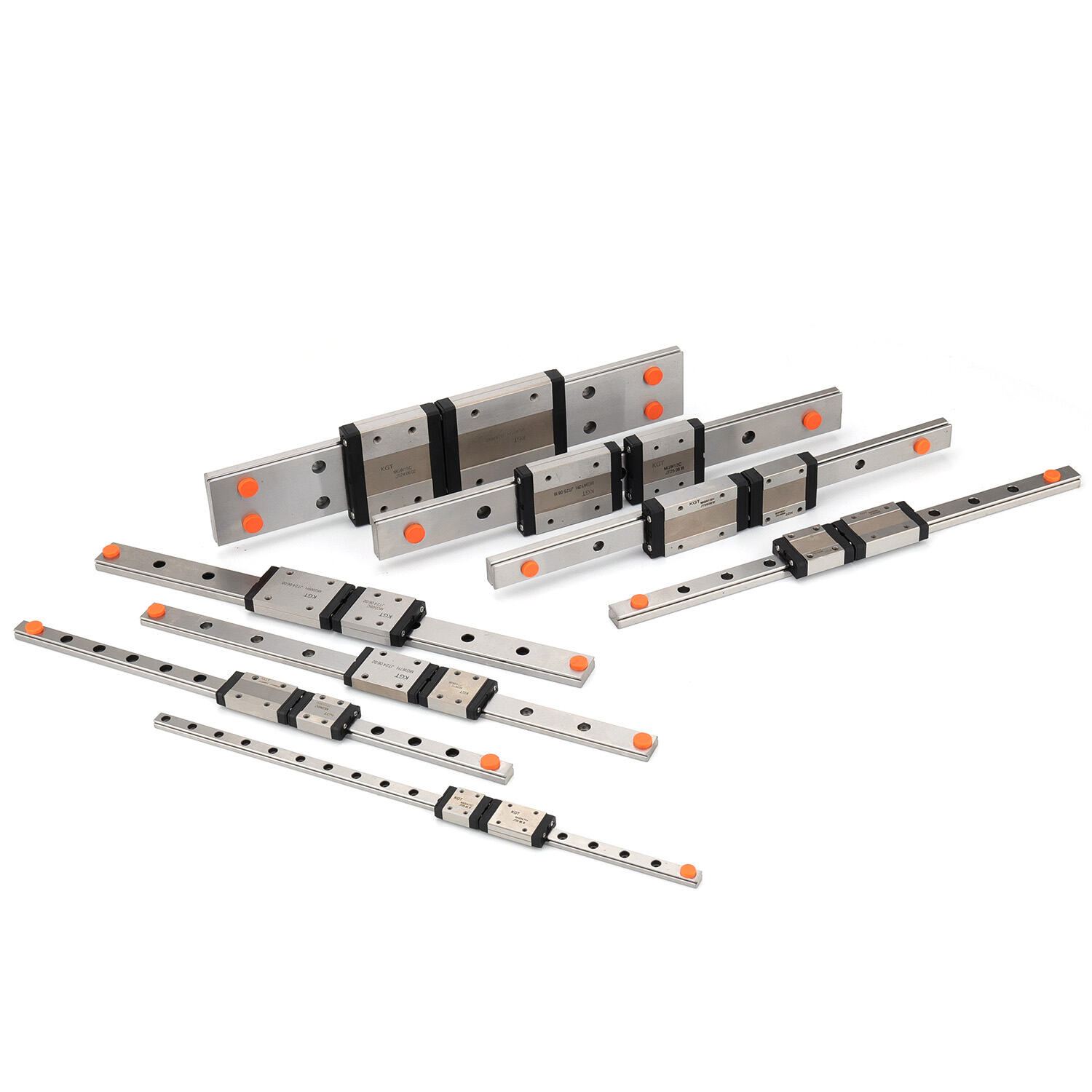
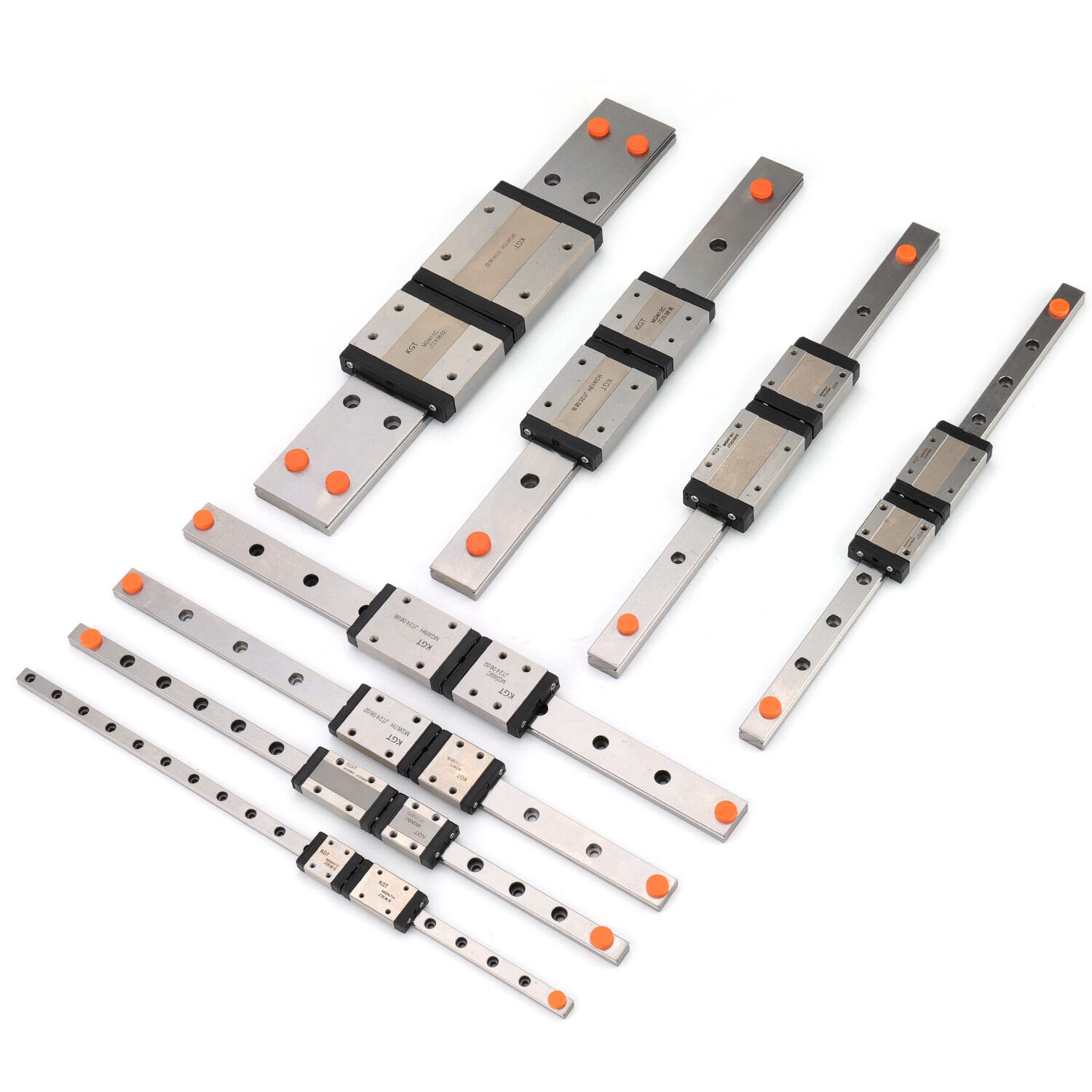
The modular design philosophy of the linear guide carriage provides unprecedented flexibility in system configuration and installation, making it an ideal solution for diverse engineering challenges. This design approach allows engineers and system integrators to select from various carriage configurations, rail lengths, and mounting options to create customized motion solutions that perfectly match specific application requirements. The modular nature extends to the mounting system, which offers multiple attachment points and orientations, enabling installation in horizontal, vertical, or inverted configurations without compromising performance. This versatility eliminates the need for custom fabrication in many applications, reducing both development time and costs. The standardized interface dimensions ensure compatibility across different manufacturers and product lines, providing users with sourcing flexibility and the ability to upgrade or expand systems using components from multiple suppliers. The installation process for linear guide carriages has been streamlined through careful attention to mounting hardware and alignment procedures. Precision-machined mounting surfaces and standardized bolt patterns simplify the attachment process while ensuring proper alignment between rails and mounting surfaces. The self-aligning features built into many linear guide carriage designs compensate for minor installation tolerances, reducing the precision required during initial setup. This forgiving design characteristic makes installation more accessible to technicians with varying skill levels while maintaining the high performance standards expected from precision motion systems. The modular approach extends to maintenance and service procedures, as individual components can be replaced or serviced without disassembling entire systems. This serviceability reduces downtime and maintenance costs while extending overall system life. The availability of different carriage sizes and load ratings within the same product family allows users to optimize their selection based on specific performance requirements, avoiding the over-engineering that can increase costs unnecessarily. The modular design also facilitates future system modifications or expansions, as additional carriages can be easily integrated into existing installations. This scalability makes the linear guide carriage an excellent choice for applications that may require performance upgrades or capacity increases over time, providing a foundation that can grow with changing operational needs while protecting the initial investment in motion control infrastructure.
Linear Guide Carriage Systems: Precision Motion Control Solutions for Industrial Applications

Get a Free Quote

Our representative will contact you soon.
Email
Name
Company Name
Message
0/1000