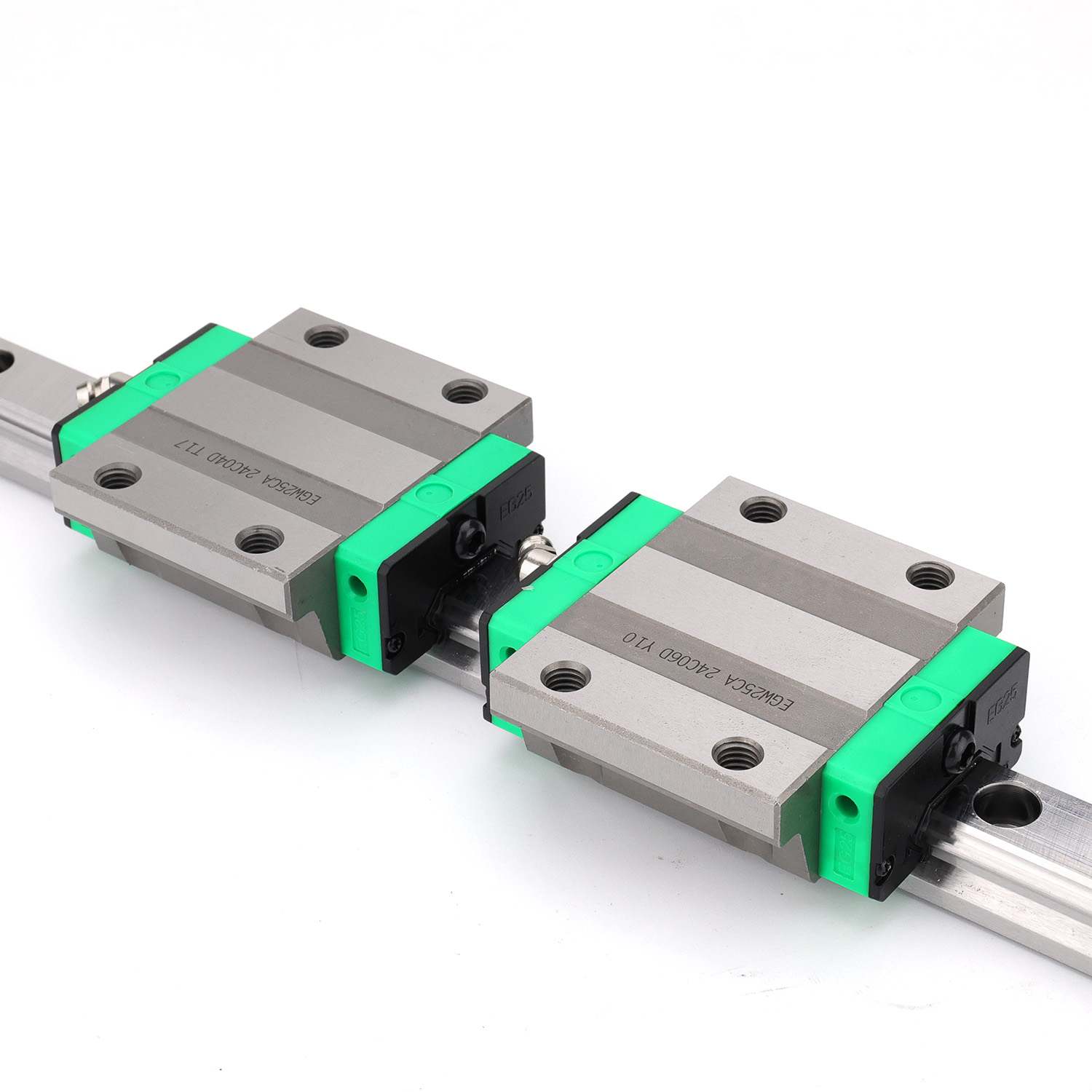
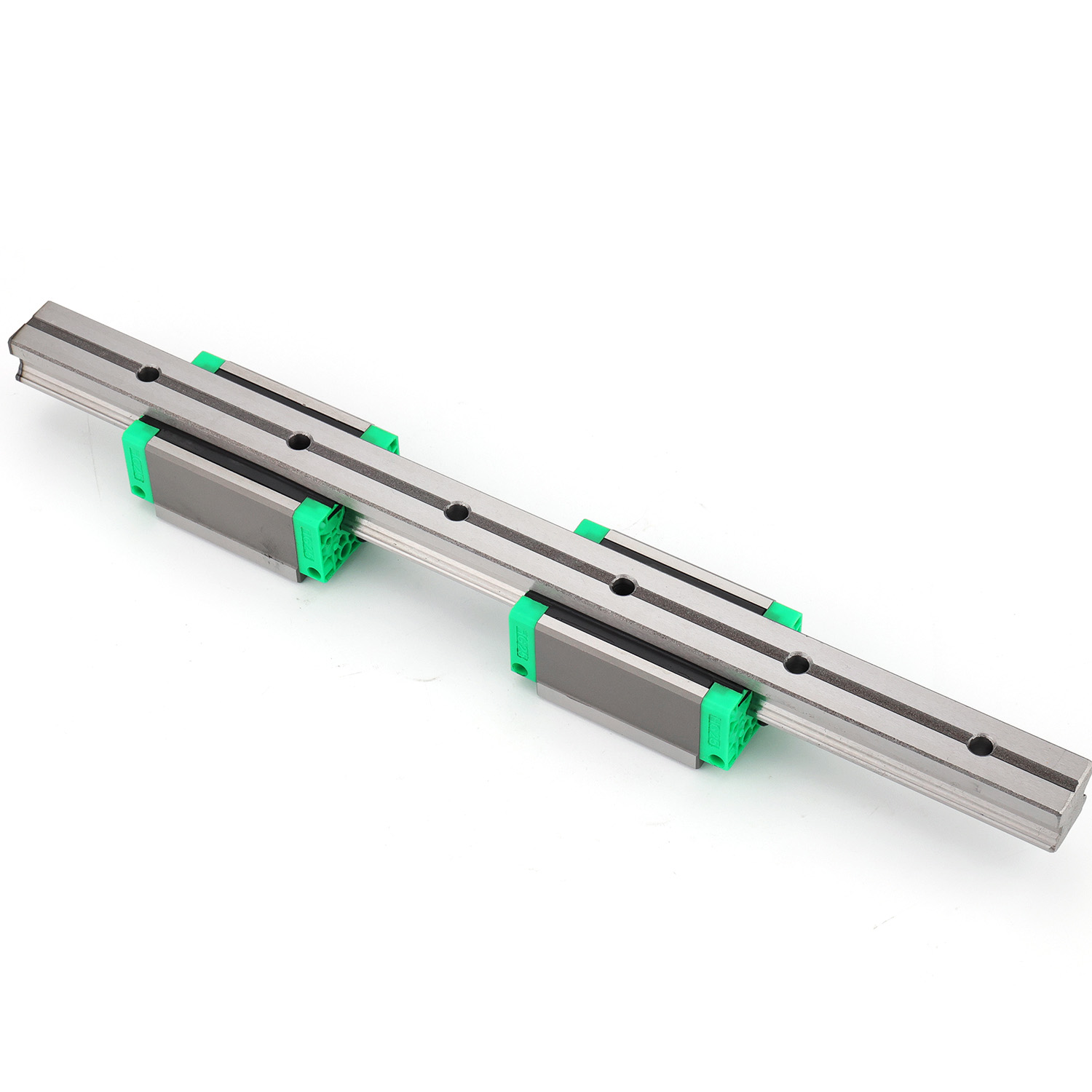
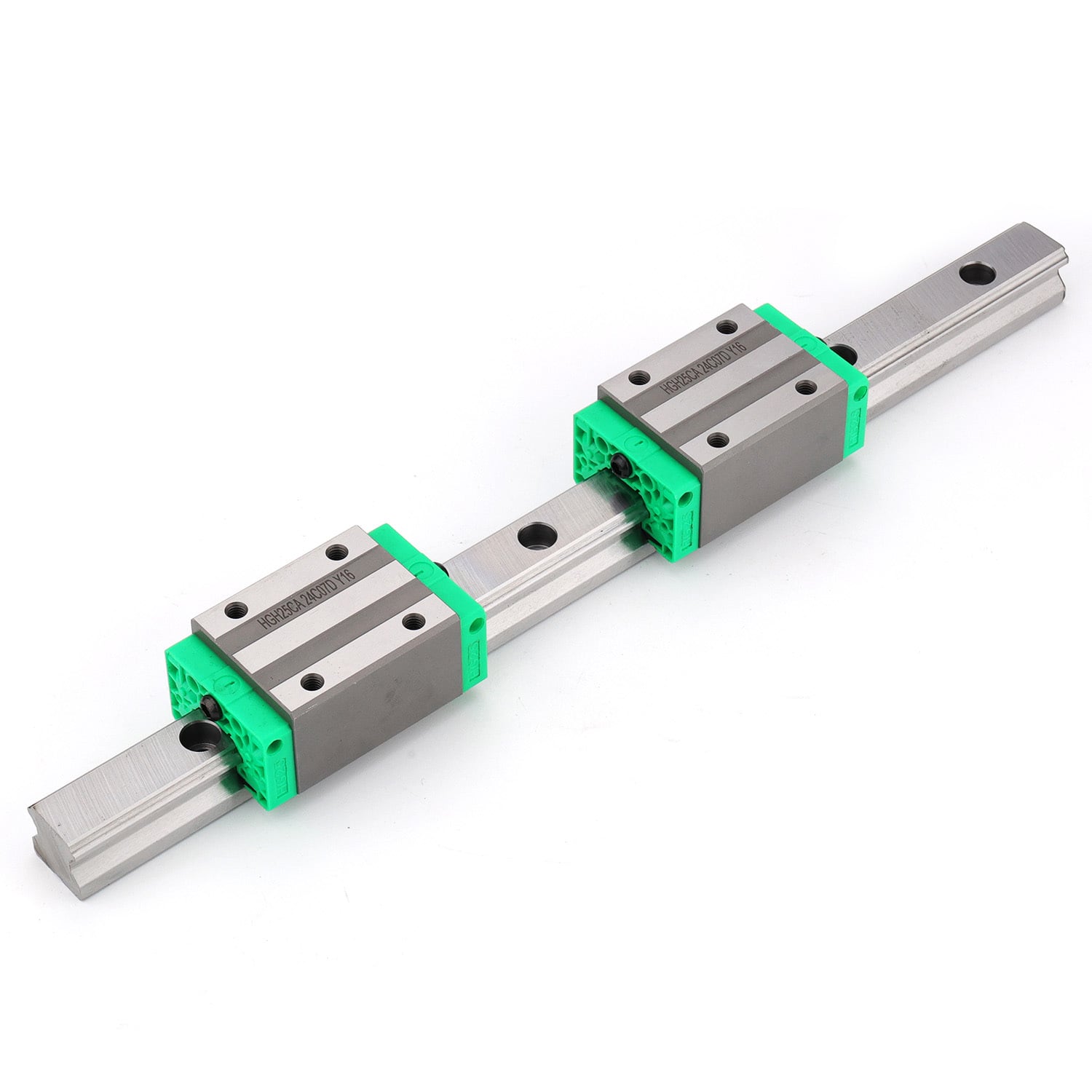
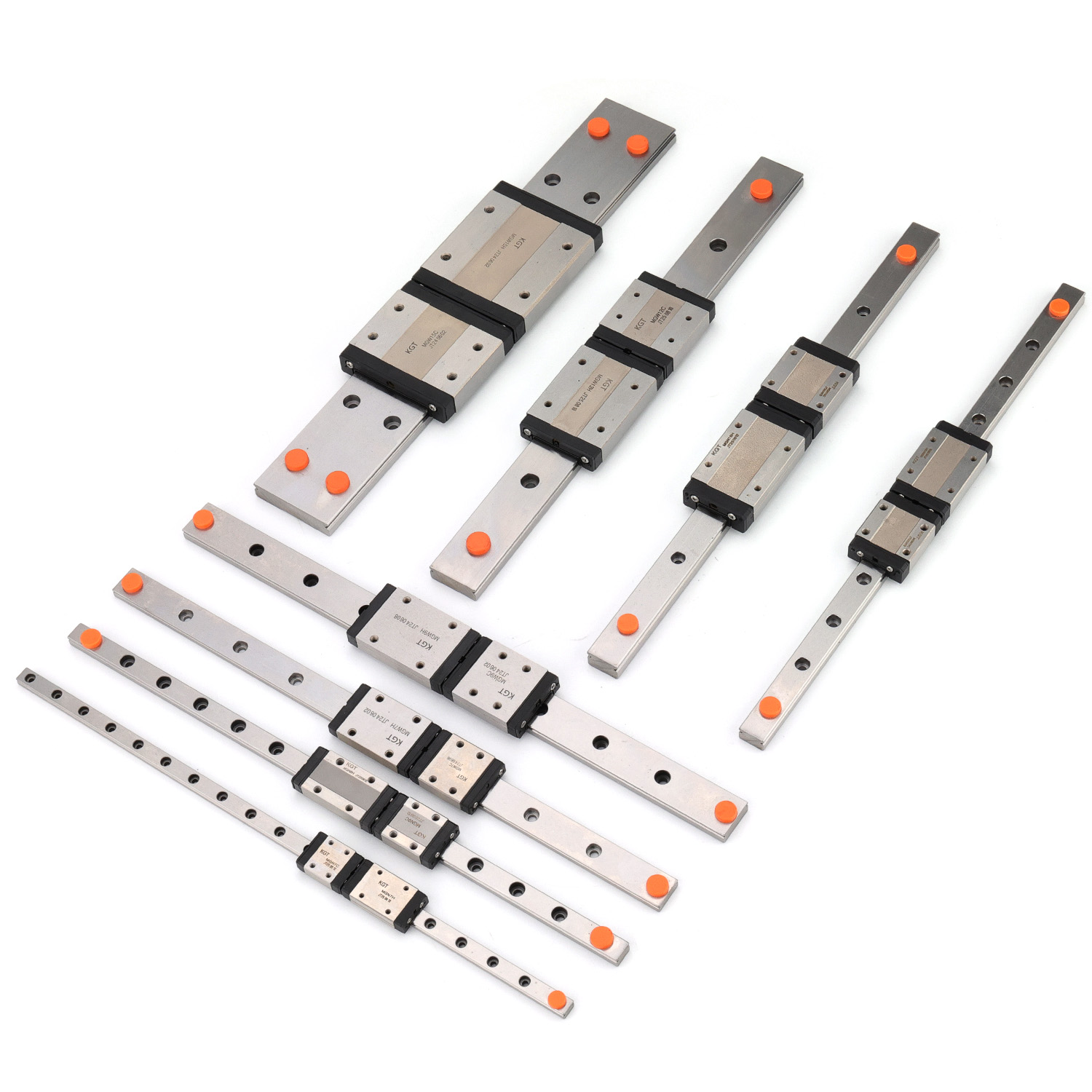
linear guide rail and carriage
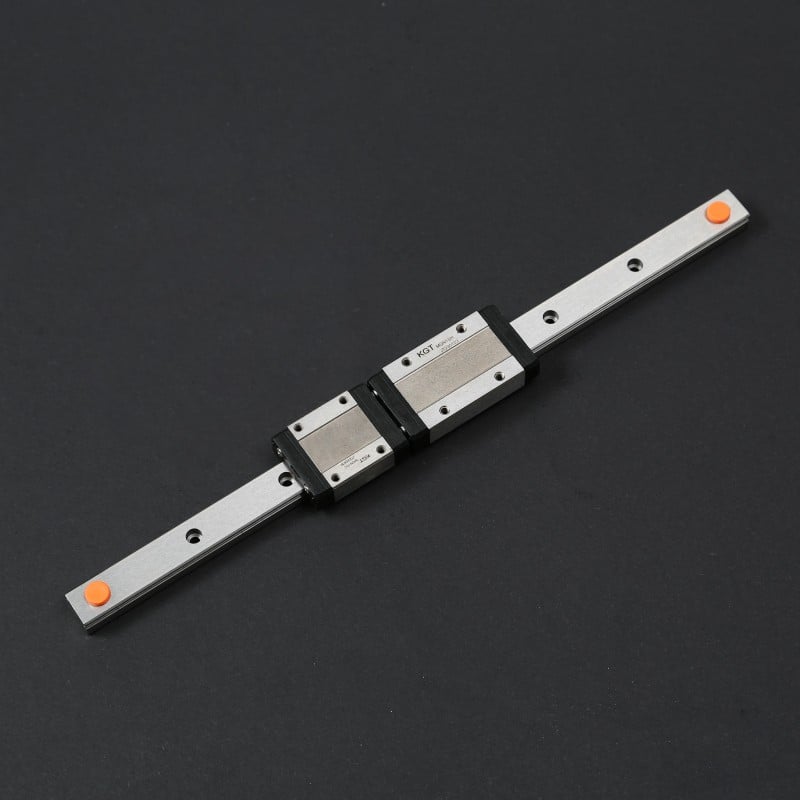
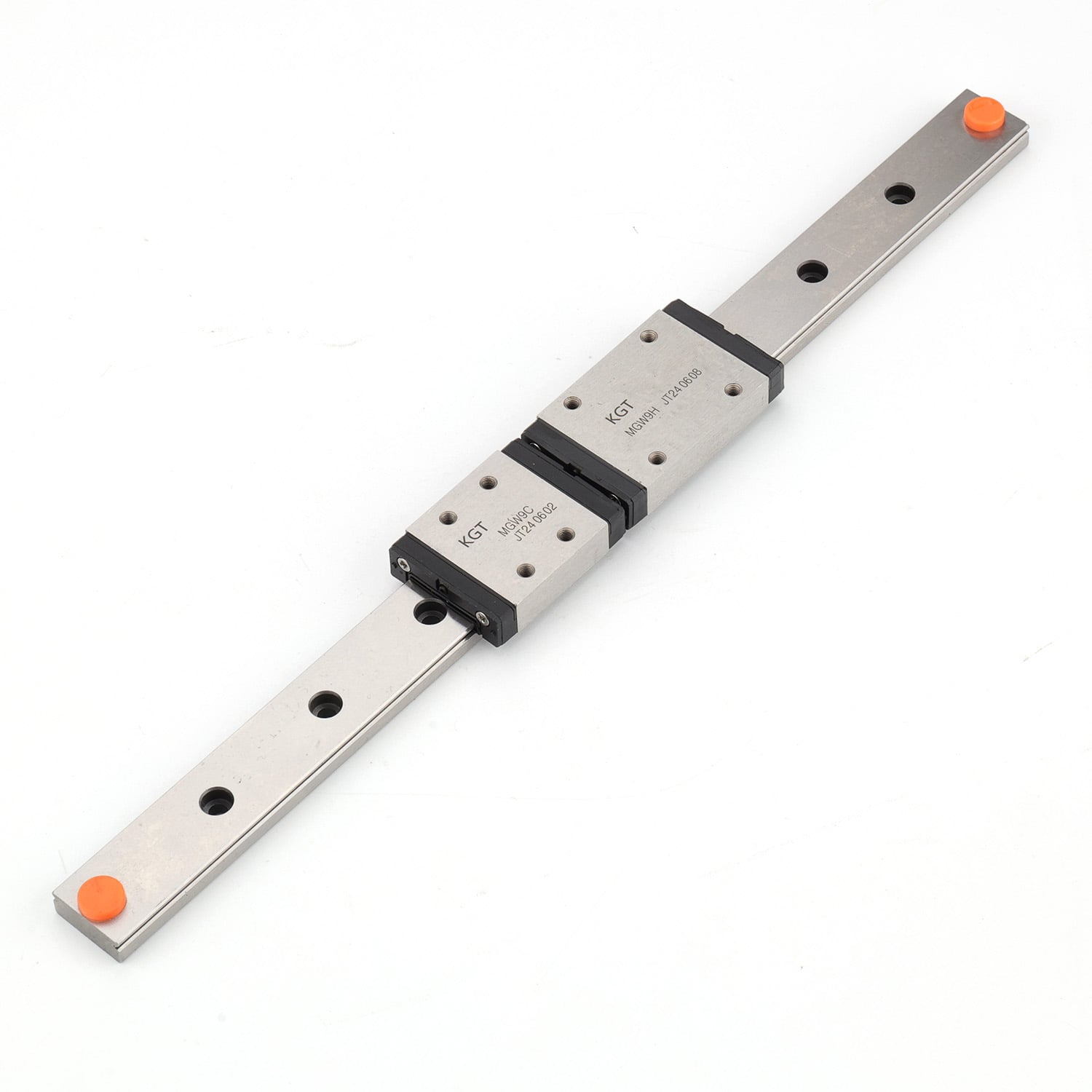
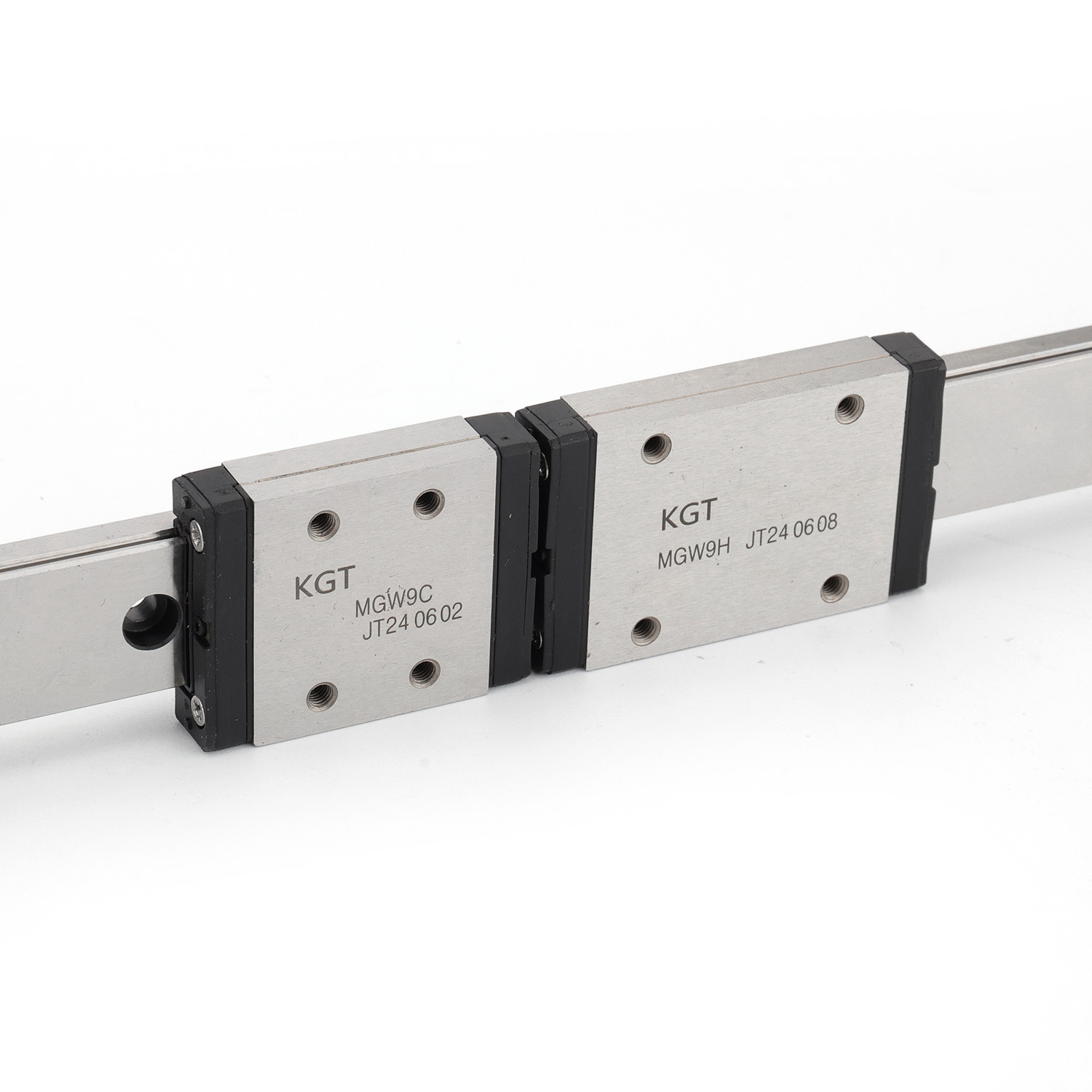
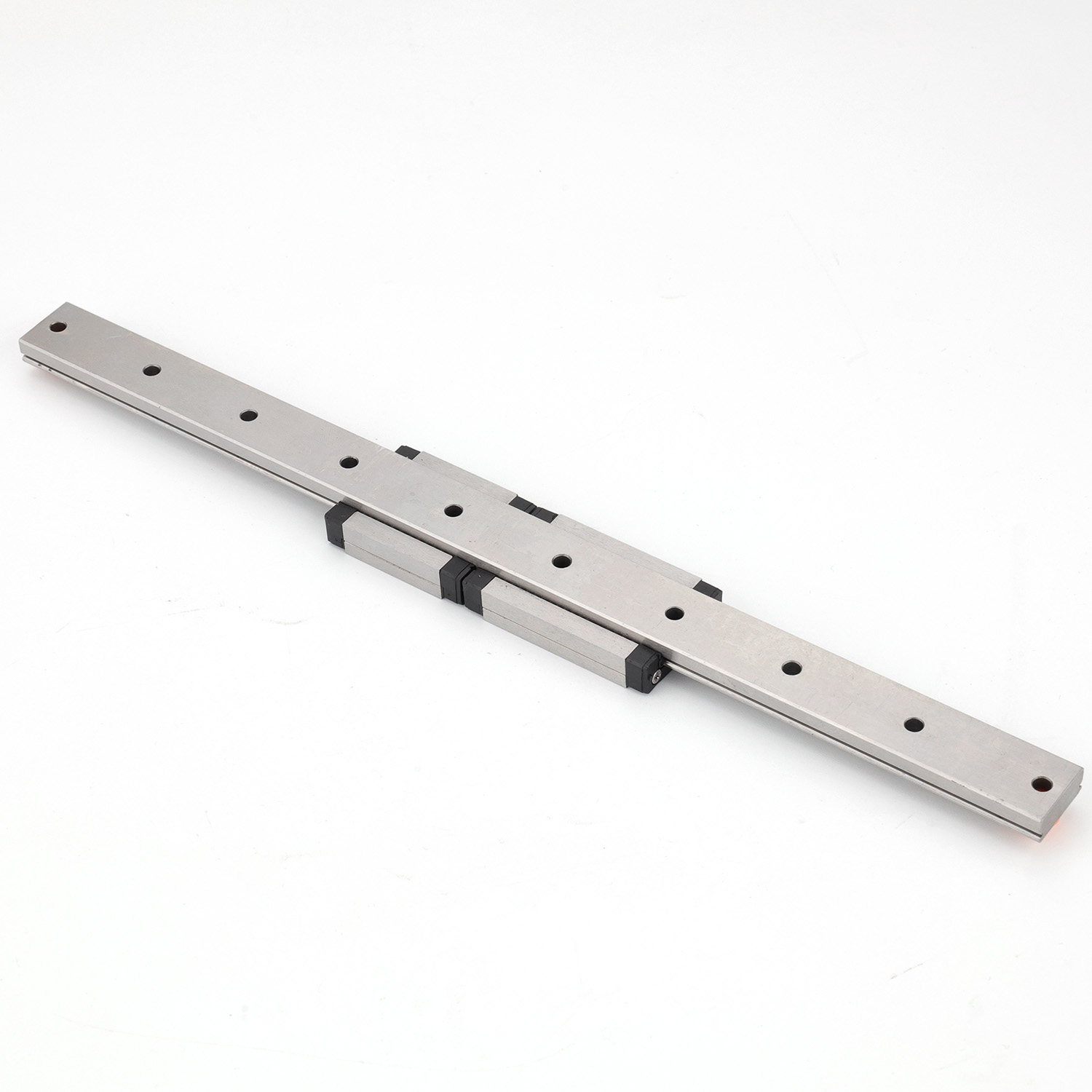
A linear guide rail and carriage system represents a fundamental precision component in modern machinery and automation. This mechanical assembly consists of a stationary rail and a movable carriage that slides smoothly along the rail's surface, enabling controlled linear motion in industrial applications. The linear guide rail and carriage work together to provide accurate positioning and reliable movement in countless devices.
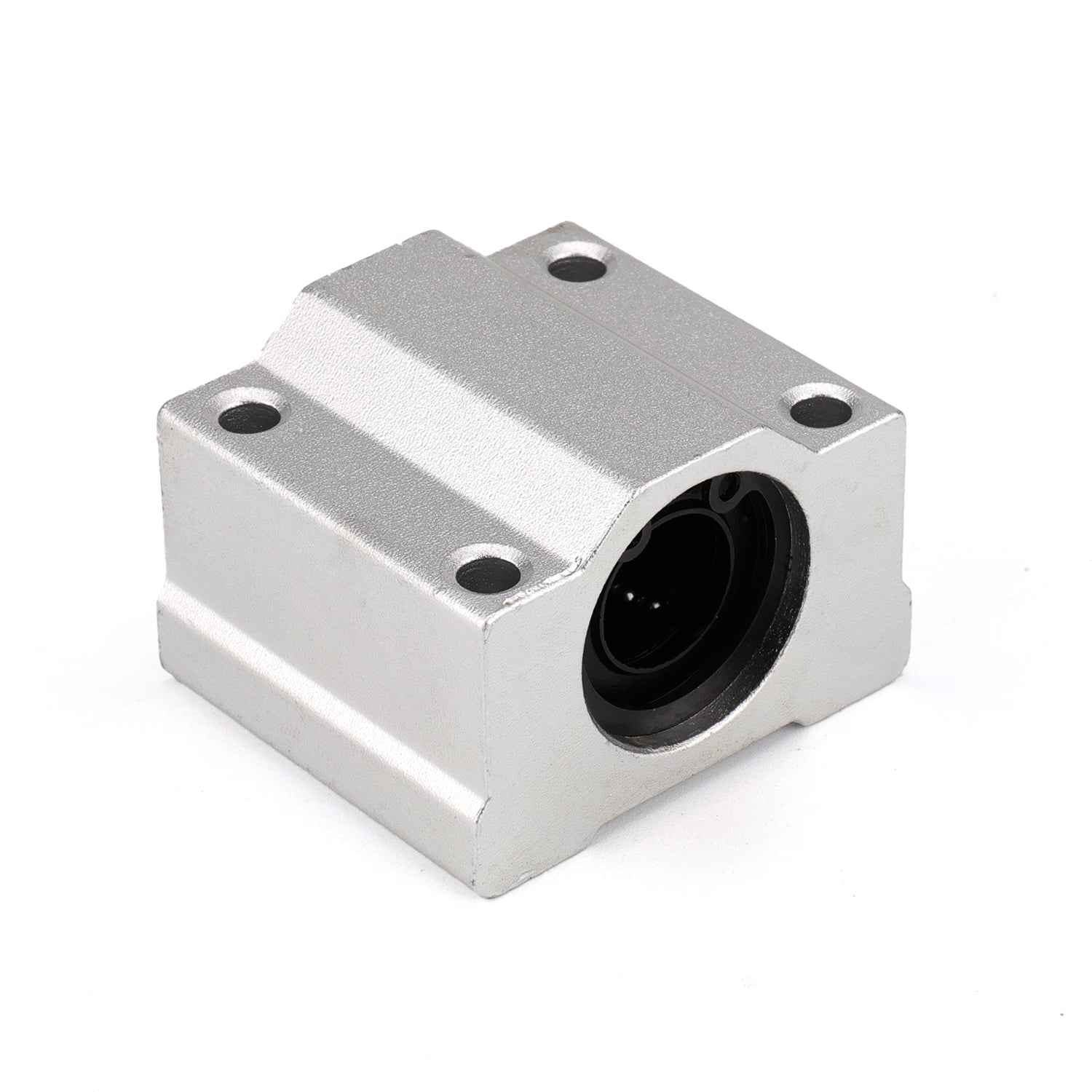
The primary function of a linear guide rail and carriage is to facilitate smooth, repeatable motion along a single axis while maintaining high precision and load-bearing capacity. The carriage rides along the rail using precision ball bearings or roller bearings, which distribute loads evenly and minimize friction. This design ensures that machinery can perform repetitive tasks with exceptional accuracy and consistency.
Technologically, modern linear guide rail and carriage systems feature preloaded ball bearing blocks, sealed designs to resist contamination, and hardened steel construction for durability. The rails are precisely ground to exacting tolerances, ensuring minimal backlash and maximum straightness. Many systems include integrated lubrication channels and dust seals, extending service life significantly.
Applications for linear guide rail and carriage systems span multiple industries. Manufacturing facilities use them in CNC machines, automated assembly lines, and precision cutting equipment. Medical device manufacturers integrate these systems into diagnostic and surgical instruments. In printing, packaging, and semiconductor industries, linear guide rail and carriage assemblies provide the precision motion required for quality production. These systems also appear in robotics, aerospace components, and consumer electronics manufacturing, where reliable linear motion is essential for operational success and product quality.

 EN