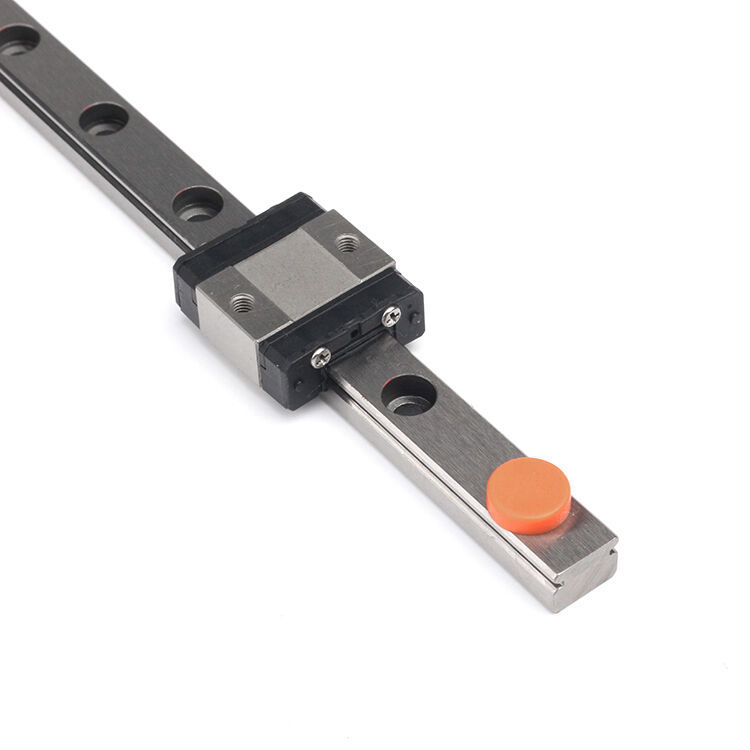
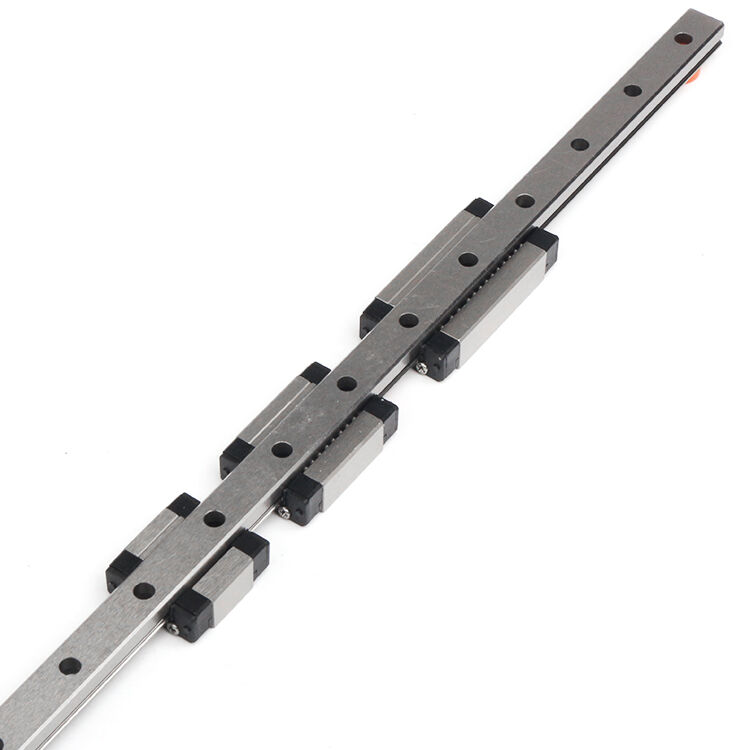
heavy duty linear guide
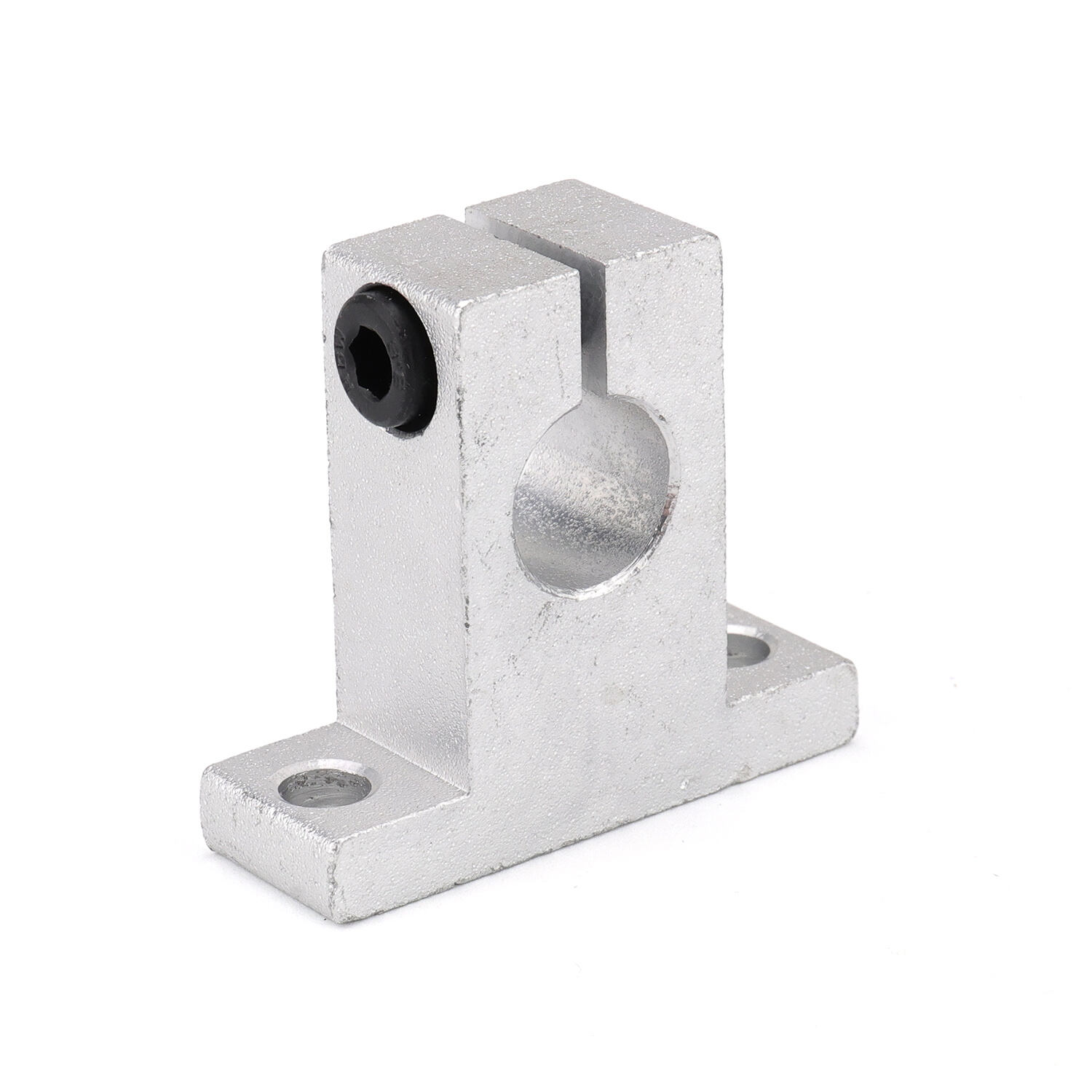
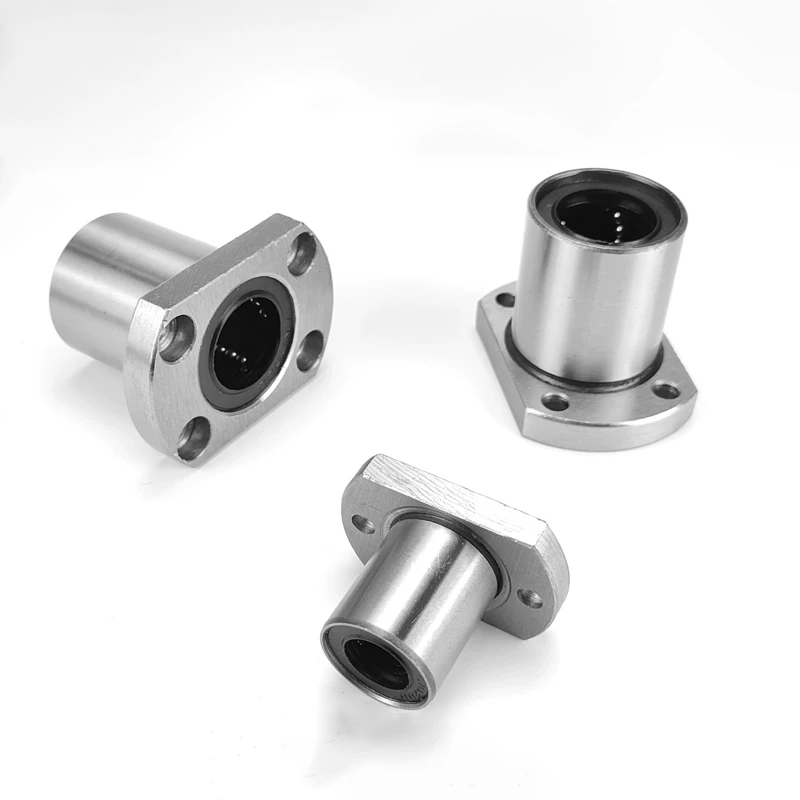
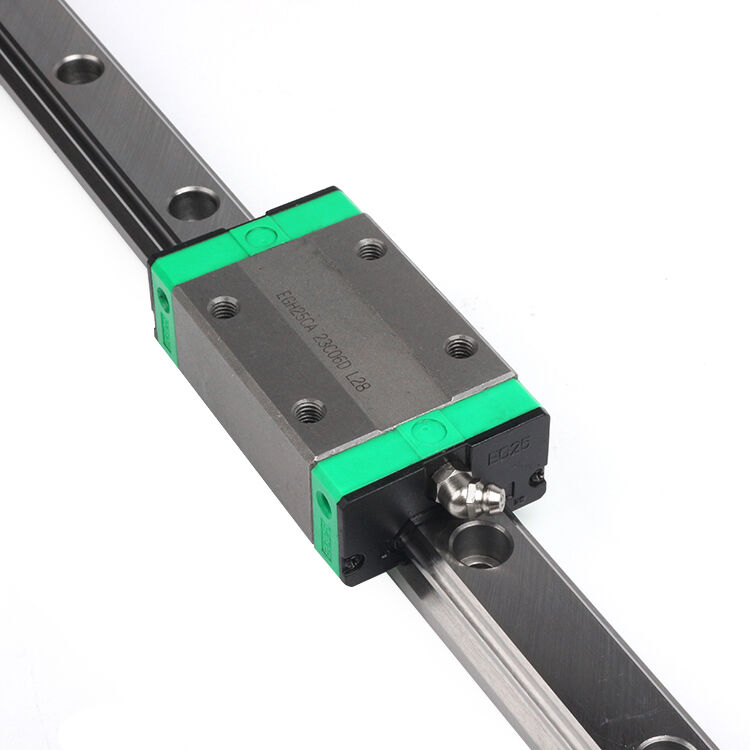
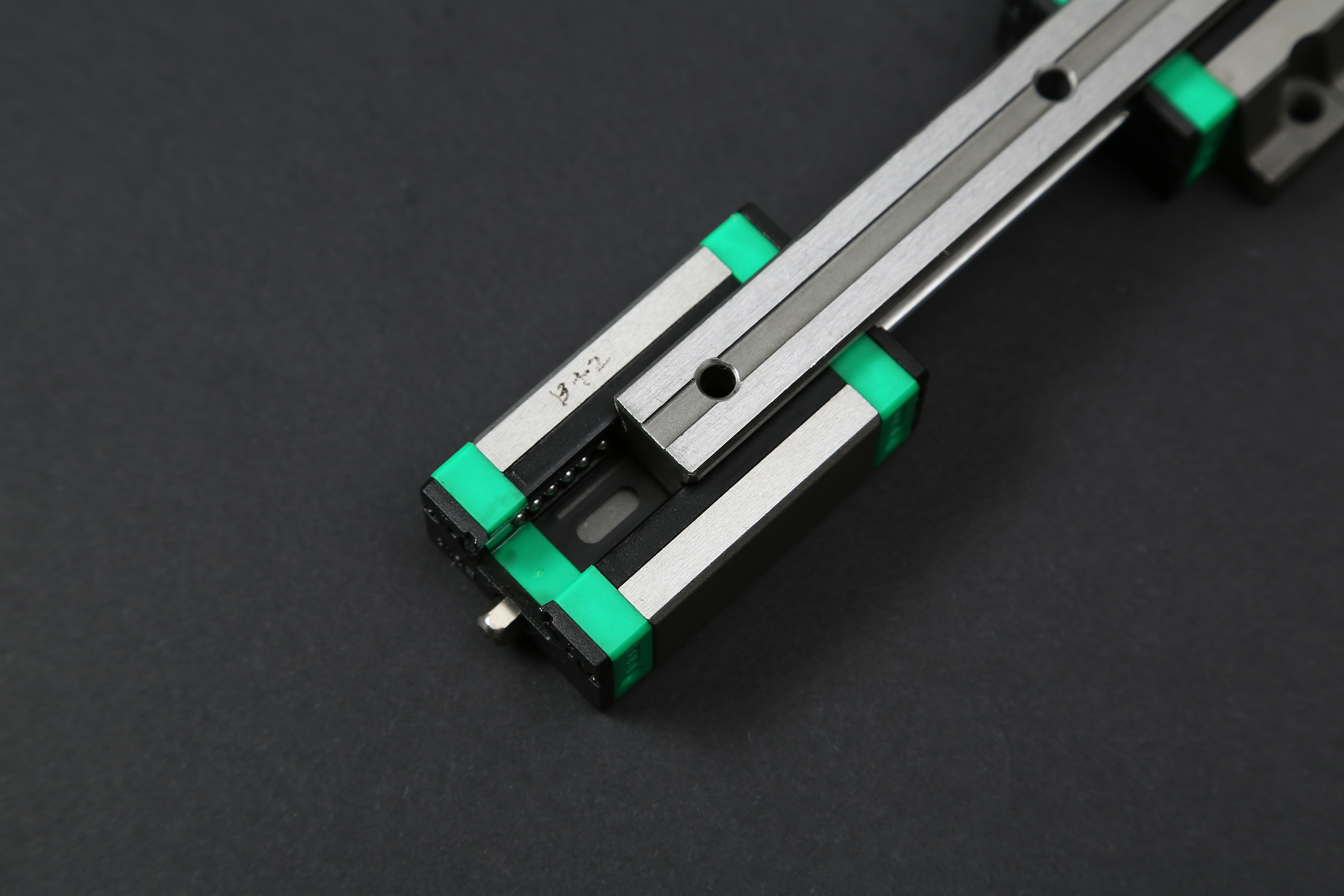
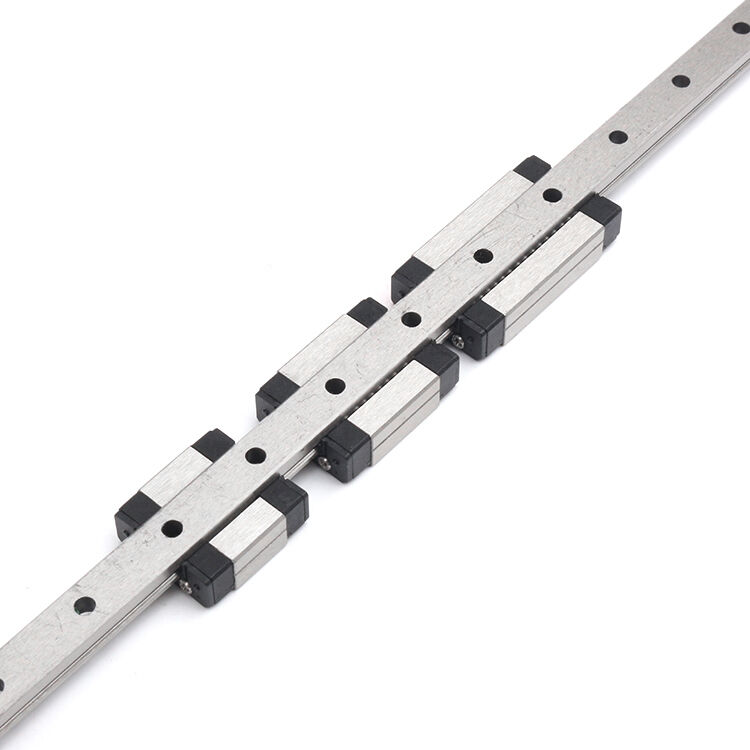
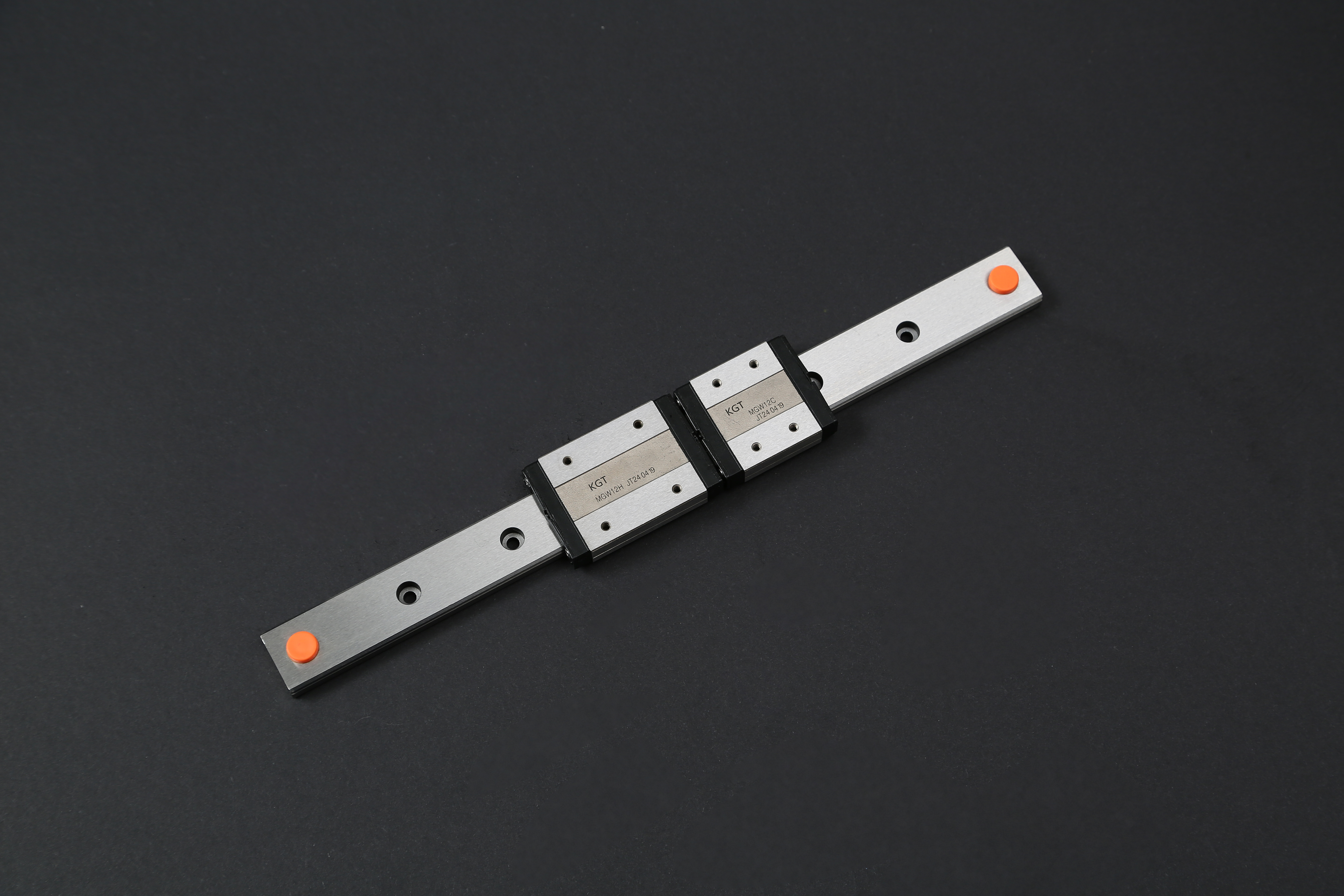
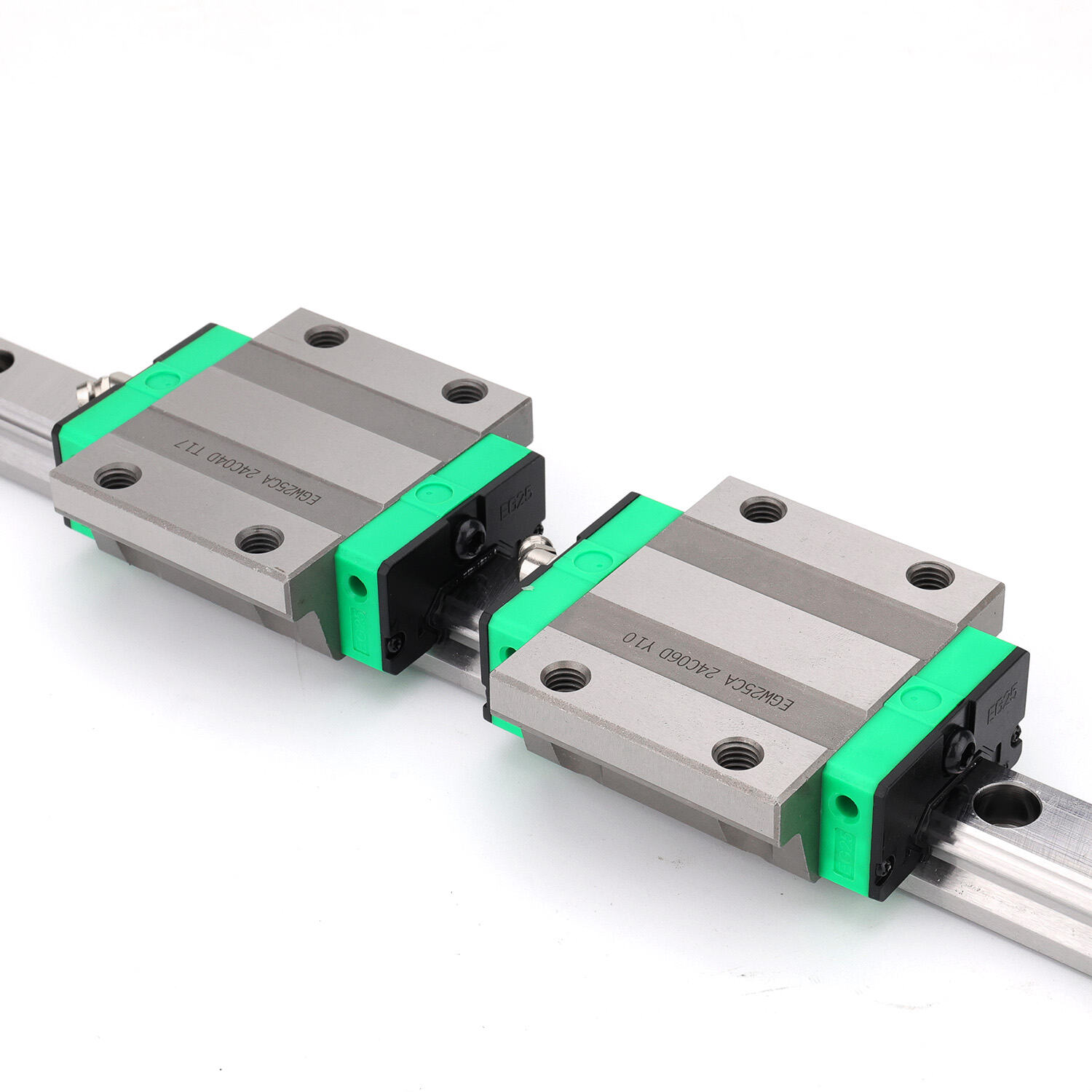
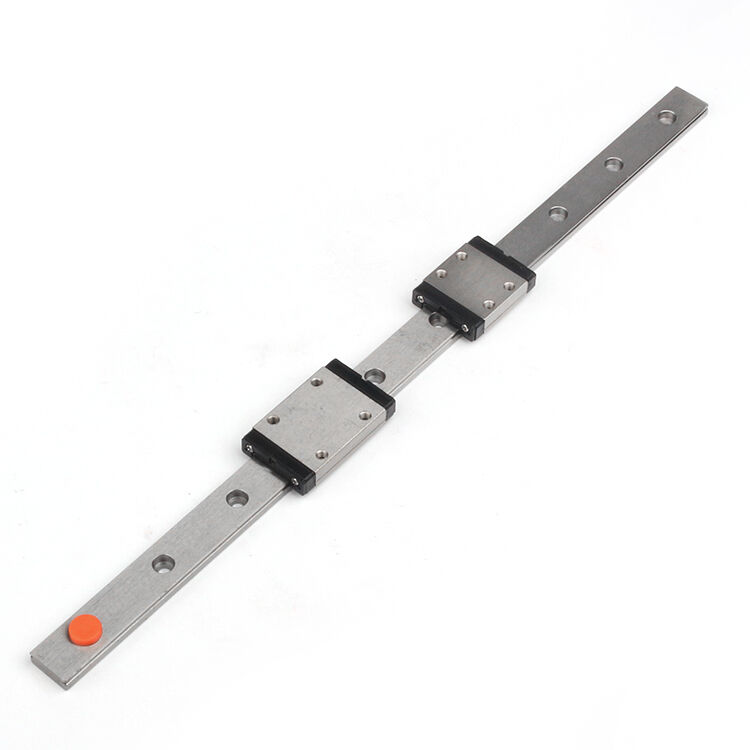
A heavy duty linear guide represents a sophisticated mechanical component designed to provide precise linear motion control in demanding industrial environments. These robust systems deliver exceptional performance where standard linear guides fall short, offering superior load-bearing capabilities and enhanced durability. The heavy duty linear guide incorporates advanced engineering principles to ensure smooth, accurate movement along predetermined paths while withstanding extreme operational conditions. Modern heavy duty linear guides feature precision-machined raceways, high-grade steel construction, and specialized sealing systems that protect internal components from contaminants. The core function centers on converting rotational or applied forces into controlled linear displacement with minimal friction and maximum accuracy. These systems typically integrate ball bearing or roller bearing technology, distributing loads evenly across multiple contact points to prevent premature wear and maintain consistent performance. The technological architecture includes hardened steel rails, precision-ground surfaces, and specialized lubrication systems that ensure long-term reliability. Advanced sealing mechanisms protect against dust, debris, and moisture infiltration, making heavy duty linear guides suitable for harsh manufacturing environments. Load ratings often exceed several tons, with some configurations supporting dynamic loads up to 50 tons or more. Applications span numerous industries including automotive manufacturing, aerospace production, heavy machinery construction, and automated material handling systems. Steel processing facilities utilize these guides for positioning massive components, while precision manufacturing operations depend on their accuracy for quality control processes. The heavy duty linear guide proves indispensable in robotic systems, CNC machinery, and industrial automation equipment where reliability and precision cannot be compromised. Installation flexibility allows integration into existing systems or new equipment designs, providing engineers with versatile solutions for complex motion control challenges.

 EN
EN