Complete Guide to Types of Linear Guides: Features, Benefits & Applications

All Categories

Get a Free Quote

Our representative will contact you soon.
Email
Name
Company Name
Message
0/1000

types of linear guides

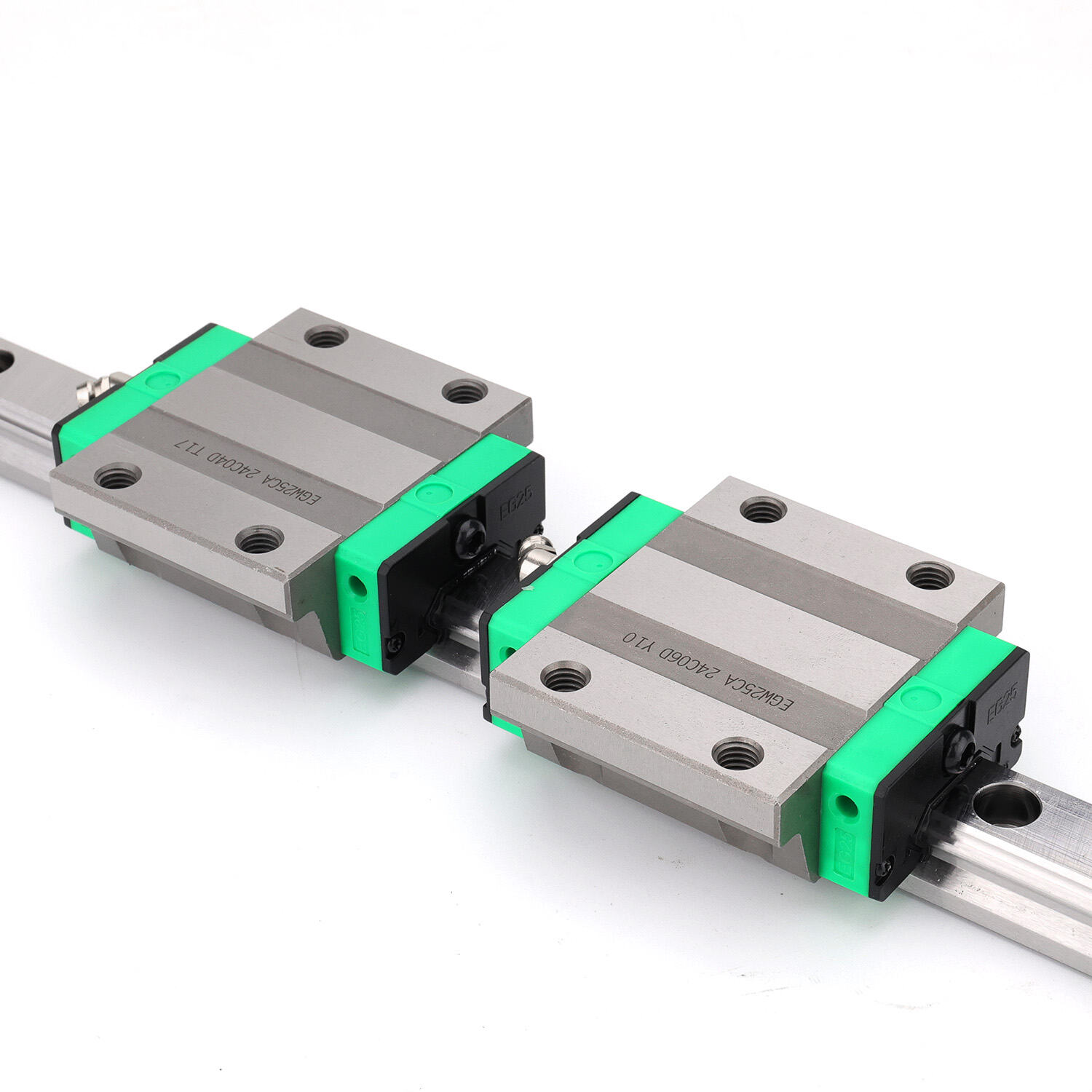
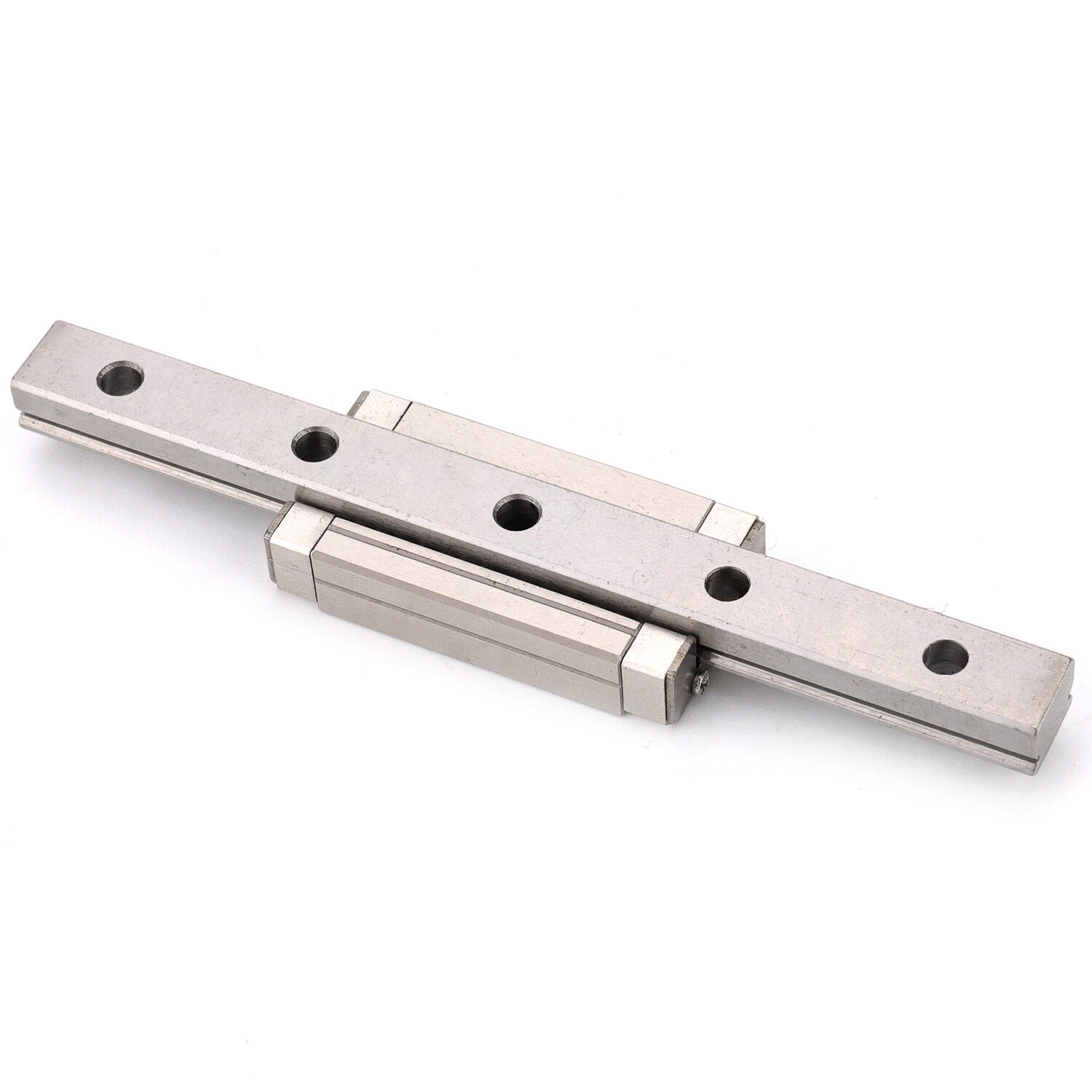
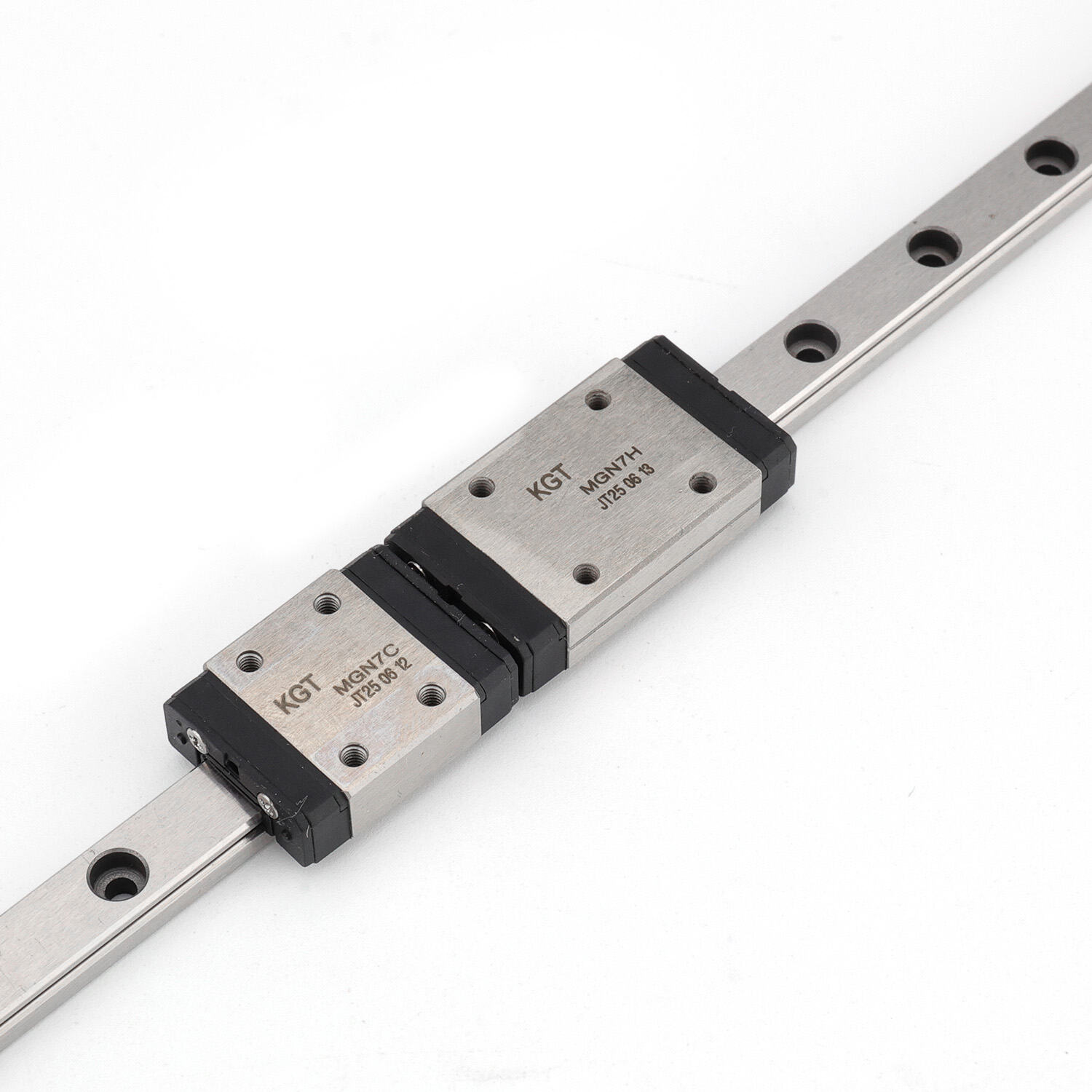
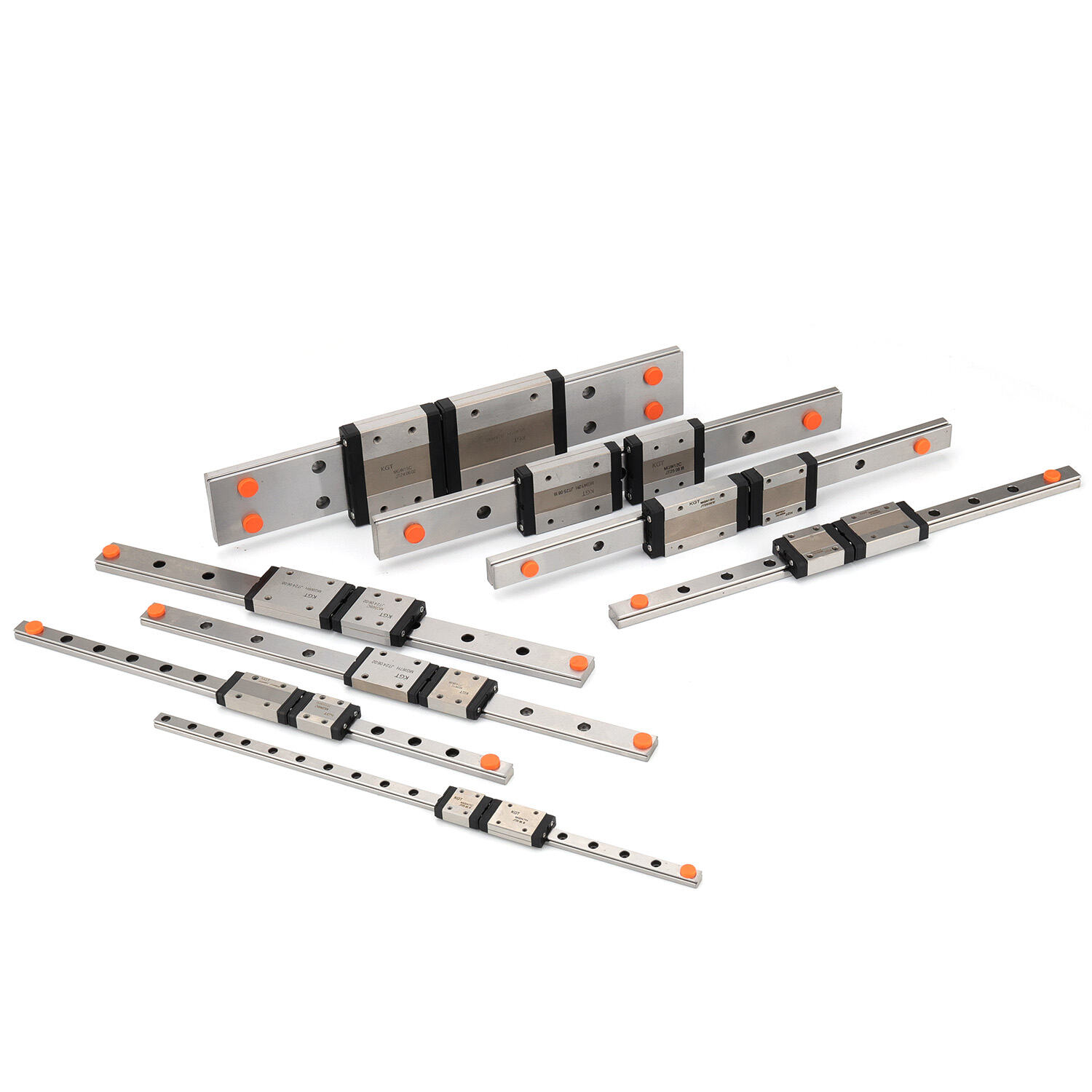
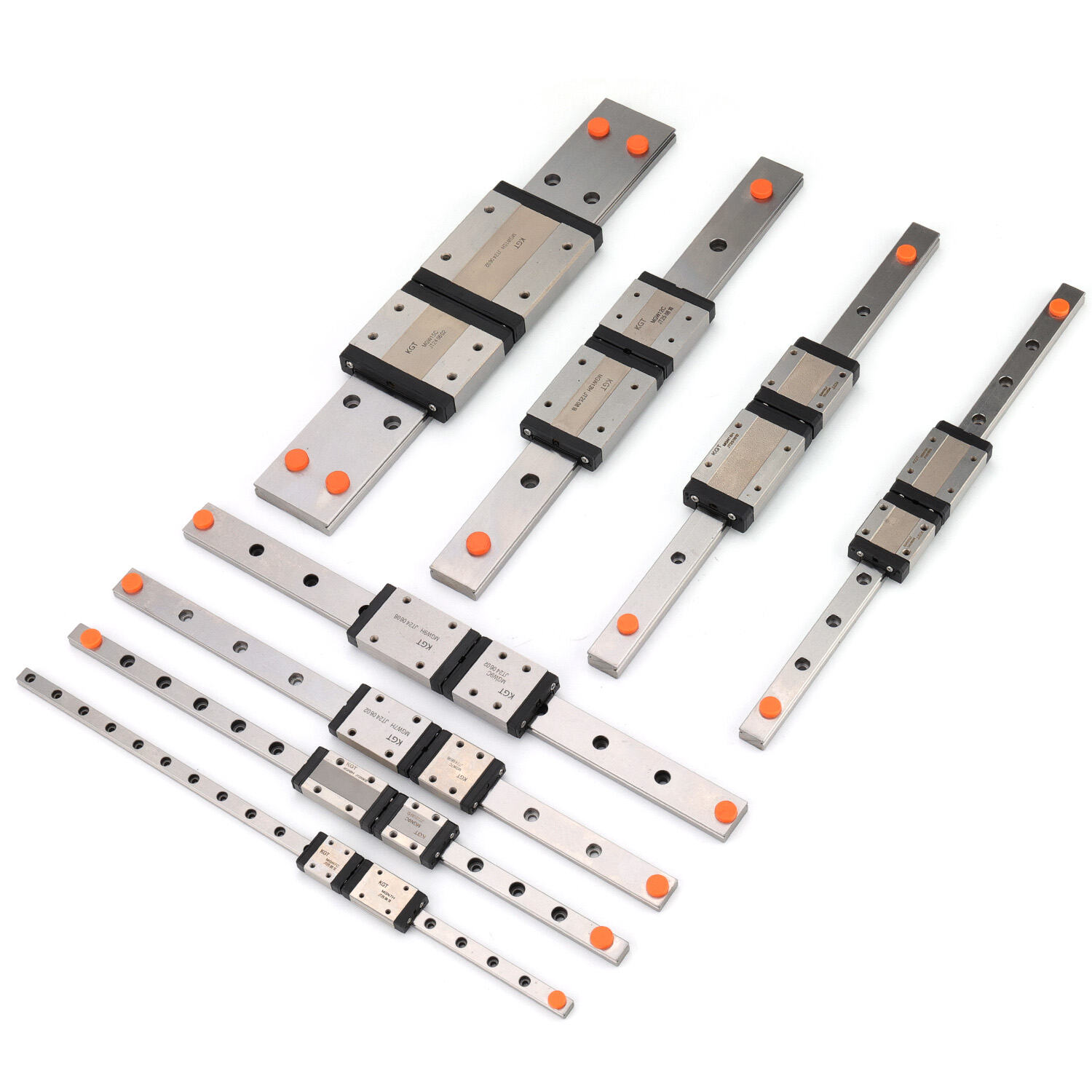
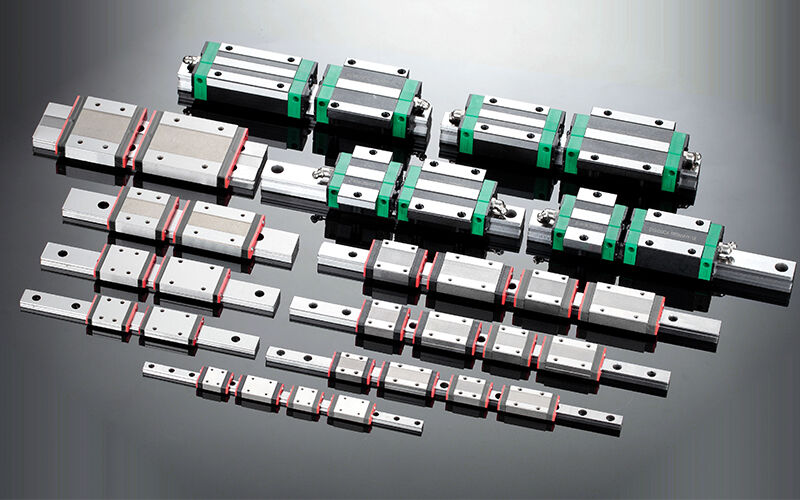
Linear guides represent essential mechanical components that enable precise controlled movement along straight paths in countless industrial applications. These sophisticated systems provide smooth, accurate motion control while supporting substantial loads across various manufacturing environments. The primary function of linear guides centers on converting rotational motion into linear displacement while maintaining exceptional positional accuracy and repeatability. Modern linear guides incorporate advanced materials, precision manufacturing techniques, and innovative design elements to deliver superior performance characteristics. Ball bearing linear guides utilize recirculating steel balls within hardened raceways to achieve low friction operation and extended service life. Roller bearing variants employ cylindrical rollers for enhanced load capacity and rigidity, making them ideal for heavy-duty applications. Needle bearing linear guides feature compact designs with high load ratings relative to their size, suitable for space-constrained installations. Plain bearing systems use self-lubricating materials or specialized coatings to provide maintenance-free operation in challenging environments. Magnetic linear guides employ permanent magnets or electromagnets to achieve contactless motion, eliminating wear and enabling ultra-precise positioning. Pneumatic linear guides use compressed air to create smooth, clean operation in food processing, pharmaceutical, and semiconductor manufacturing environments. Each type of linear guide offers distinct advantages depending on specific application requirements. Load capacity varies significantly between designs, with some systems supporting several tons while others excel in ultra-light applications requiring minimal friction. Speed capabilities range from slow, precise positioning movements to rapid traverse operations exceeding several meters per second. Environmental resistance varies among different types of linear guides, with some featuring sealed designs for harsh conditions while others prioritize accessibility for maintenance. Temperature tolerance spans wide ranges, accommodating applications from cryogenic environments to high-temperature industrial processes. Installation flexibility differs between systems, with some requiring precision mounting while others accommodate less rigid installation tolerances.

Popular Products

The primary advantages of various types of linear guides create compelling value propositions for manufacturers seeking enhanced productivity and operational efficiency. Ball bearing linear guides deliver exceptional smooth operation with minimal friction, reducing energy consumption and extending equipment lifespan significantly. Their recirculating ball design distributes loads evenly across multiple contact points, enabling consistent performance under varying load conditions. This even load distribution translates to reduced wear patterns and predictable maintenance schedules, helping facilities plan maintenance activities more effectively. Roller bearing linear guides provide superior load carrying capacity compared to ball bearing alternatives, making them ideal for heavy machinery applications where substantial weights must be moved with precision. Their enhanced rigidity characteristics minimize deflection under load, ensuring consistent positioning accuracy even in demanding industrial environments. This increased stiffness proves particularly valuable in machining operations where vibration dampening directly impacts surface finish quality and dimensional accuracy. Plain bearing linear guides offer maintenance-free operation through self-lubricating materials, eliminating the need for regular lubrication schedules and reducing operational costs. Their simple construction provides excellent reliability in contaminated environments where traditional bearing systems might fail prematurely. The absence of rolling elements makes them resistant to shock loads and impact forces that could damage more complex bearing arrangements. Needle bearing linear guides maximize load capacity within compact envelopes, allowing designers to create space-efficient solutions without compromising performance. Their high load-to-size ratio enables equipment miniaturization while maintaining robust operational characteristics. Magnetic linear guides eliminate physical contact between moving components, resulting in zero wear and theoretically infinite service life under proper operating conditions. Their contactless operation enables ultra-precise positioning with repeatability measured in micrometers, essential for high-precision manufacturing processes. The absence of mechanical friction allows for smooth operation at extremely slow speeds without stick-slip phenomena that plague conventional bearing systems. Pneumatic linear guides provide clean operation essential in food processing, pharmaceutical manufacturing, and semiconductor fabrication environments where contamination control remains critical. Their air-powered operation eliminates lubricants that could contaminate products or processes, while providing inherently smooth motion characteristics. The compressible nature of air provides natural shock absorption, protecting sensitive equipment from impact damage during operation.

Practical Tips

The Ultimate Guide to Linear Guides: Precision, Applications, and Custom Solutions for Industrial Excellence

24

Dec

The Ultimate Guide to Linear Guides: Precision, Applications, and Custom Solutions for Industrial Excellence

View More
How to Select the Right Linear Guide Model: A Mechanical Engineer’s Guide

31

Dec

How to Select the Right Linear Guide Model: A Mechanical Engineer’s Guide

View More
Precision in Motion The Engineering Excellence of Linear Guides

05

Jan

Precision in Motion The Engineering Excellence of Linear Guides

View More

Get a Free Quote

Our representative will contact you soon.
Email
Name
Company Name
Message
0/1000

types of linear guides

Superior Load Distribution and Longevity

Superior Load Distribution and Longevity

The engineering excellence behind different types of linear guides manifests most clearly in their superior load distribution capabilities, which directly translate to exceptional operational longevity and reduced total cost of ownership. Ball bearing linear guides exemplify this advantage through their innovative recirculating ball technology, where dozens of precision steel balls continuously cycle through hardened raceways, distributing applied loads across multiple contact points simultaneously. This distributed loading mechanism prevents stress concentrations that typically cause premature failure in inferior guidance systems. The continuous circulation ensures that wear patterns develop evenly across all bearing surfaces, extending service life far beyond conventional alternatives. Roller bearing variants take load distribution even further, utilizing cylindrical rollers with line contact rather than point contact, dramatically increasing load carrying capacity while maintaining smooth operation characteristics. This enhanced load distribution proves invaluable in heavy industrial applications where equipment must operate reliably under substantial loads for extended periods. The uniform stress distribution across bearing surfaces prevents localized wear patterns that could compromise positioning accuracy over time. Plain bearing systems achieve remarkable longevity through entirely different mechanisms, utilizing advanced polymer materials and specialized coatings that provide self-lubricating properties. These materials distribute loads across broader surface areas while eliminating the stress concentrations inherent in rolling element designs. The absence of discrete contact points means that wear occurs gradually and uniformly across the entire bearing surface, providing predictable degradation patterns that facilitate maintenance planning. Magnetic linear guides represent the ultimate expression of load distribution principles, where magnetic forces distribute loads across continuous surfaces rather than discrete contact points. This distribution method eliminates mechanical wear entirely, providing theoretically infinite service life under appropriate operating conditions. The continuous force distribution also eliminates vibration and noise associated with discrete bearing elements, creating exceptionally smooth operation characteristics. Understanding these load distribution advantages helps engineers select the most appropriate types of linear guides for specific applications, ensuring optimal performance characteristics throughout the equipment lifecycle.
Precision Engineering for Unmatched Accuracy

Precision Engineering for Unmatched Accuracy

Precision engineering represents the cornerstone advantage that distinguishes superior types of linear guides from conventional motion control solutions, delivering positioning accuracy and repeatability that directly impact manufacturing quality and operational efficiency. Modern linear guides achieve positioning accuracies measured in micrometers through sophisticated manufacturing processes and materials engineering. Ball bearing linear guides utilize precision-ground steel balls manufactured to tolerances measured in fractions of micrometers, ensuring consistent rolling characteristics that translate to predictable motion profiles. The hardened steel raceways undergo precision grinding operations that create mirror-smooth surfaces with minimal geometric variations, eliminating irregularities that could introduce positioning errors. This manufacturing precision enables these systems to maintain accuracy specifications over millions of operating cycles. Roller bearing linear guides achieve even higher precision through their line contact geometry, which provides increased stiffness and reduced deflection under varying load conditions. The cylindrical rollers undergo precision grinding to achieve exceptional roundness and surface finish specifications, ensuring smooth rolling characteristics without microscopic irregularities that could accumulate into positioning errors over time. The increased contact area between rollers and raceways creates enhanced rigidity that resists deflection forces, maintaining positioning accuracy even under substantial external loads or moment forces. Magnetic linear guides represent the pinnacle of precision engineering, achieving positioning accuracies measured in nanometers through contactless operation principles. The absence of mechanical contact eliminates friction variations, stick-slip phenomena, and wear-induced accuracy degradation that affects conventional bearing systems. Sophisticated feedback systems integrated with magnetic actuators provide real-time position correction capabilities, compensating for external disturbances and maintaining positioning accuracy across wide temperature ranges and varying environmental conditions. Needle bearing linear guides demonstrate precision engineering through their compact designs that maximize accuracy within space-constrained applications. Despite their small size, these systems maintain rigorous accuracy specifications through precision manufacturing of needle rollers and raceways, proving that dimensional constraints need not compromise performance requirements. The precision engineering inherent in various types of linear guides enables manufacturers to achieve consistent product quality, reduce scrap rates, and meet increasingly stringent dimensional tolerances demanded by modern manufacturing processes.
Versatile Environmental Adaptability

Versatile Environmental Adaptability

Environmental adaptability represents a crucial competitive advantage that modern types of linear guides provide, enabling reliable operation across diverse industrial environments while maintaining consistent performance characteristics regardless of operating conditions. This adaptability stems from sophisticated engineering approaches that address specific environmental challenges through innovative design solutions and advanced materials technology. Sealed ball bearing linear guides incorporate comprehensive sealing systems that protect internal components from contaminants while maintaining smooth operation in harsh industrial environments. These sealing systems utilize multiple barriers including contact seals, labyrinth seals, and magnetic seals to prevent ingress of dust, debris, coolant, and other contaminants that could compromise performance. The multi-stage sealing approach ensures that even if outer seals become compromised, inner seals continue protecting critical bearing surfaces. Specialized seal materials resist chemical attack from industrial fluids while maintaining flexibility across wide temperature ranges, ensuring consistent sealing effectiveness throughout varying environmental conditions. Corrosion-resistant linear guides utilize stainless steel construction and specialized coatings to operate reliably in chemically aggressive environments where conventional steel components would fail rapidly. These systems maintain precision characteristics even when exposed to caustic cleaning chemicals, salt spray, or acidic industrial atmospheres. The corrosion resistance extends equipment service life dramatically while reducing maintenance requirements and associated downtime costs. High-temperature linear guides incorporate specialized materials and lubricants that maintain performance characteristics at elevated temperatures where conventional systems would fail. Advanced ceramic balls, high-temperature lubricants, and heat-resistant seal materials enable operation in foundry environments, heat treatment facilities, and other high-temperature applications. Conversely, low-temperature variants utilize materials selected for their performance characteristics at cryogenic temperatures, maintaining flexibility and dimensional stability when conventional materials become brittle. Clean room compatible linear guides feature specialized construction techniques and materials that minimize particle generation while providing easy cleaning and sterilization capabilities. These systems utilize vacuum-compatible lubricants and surface treatments that resist particle adhesion, making them ideal for semiconductor manufacturing, pharmaceutical production, and food processing applications where contamination control remains paramount. The environmental adaptability of different types of linear guides enables engineers to select optimal solutions for specific operating conditions, ensuring reliable performance throughout equipment service life regardless of environmental challenges.
Complete Guide to Types of Linear Guides: Features, Benefits & Applications

Get a Free Quote

Our representative will contact you soon.
Email
Name
Company Name
Message
0/1000