Versatile Application Integration and Compatibility
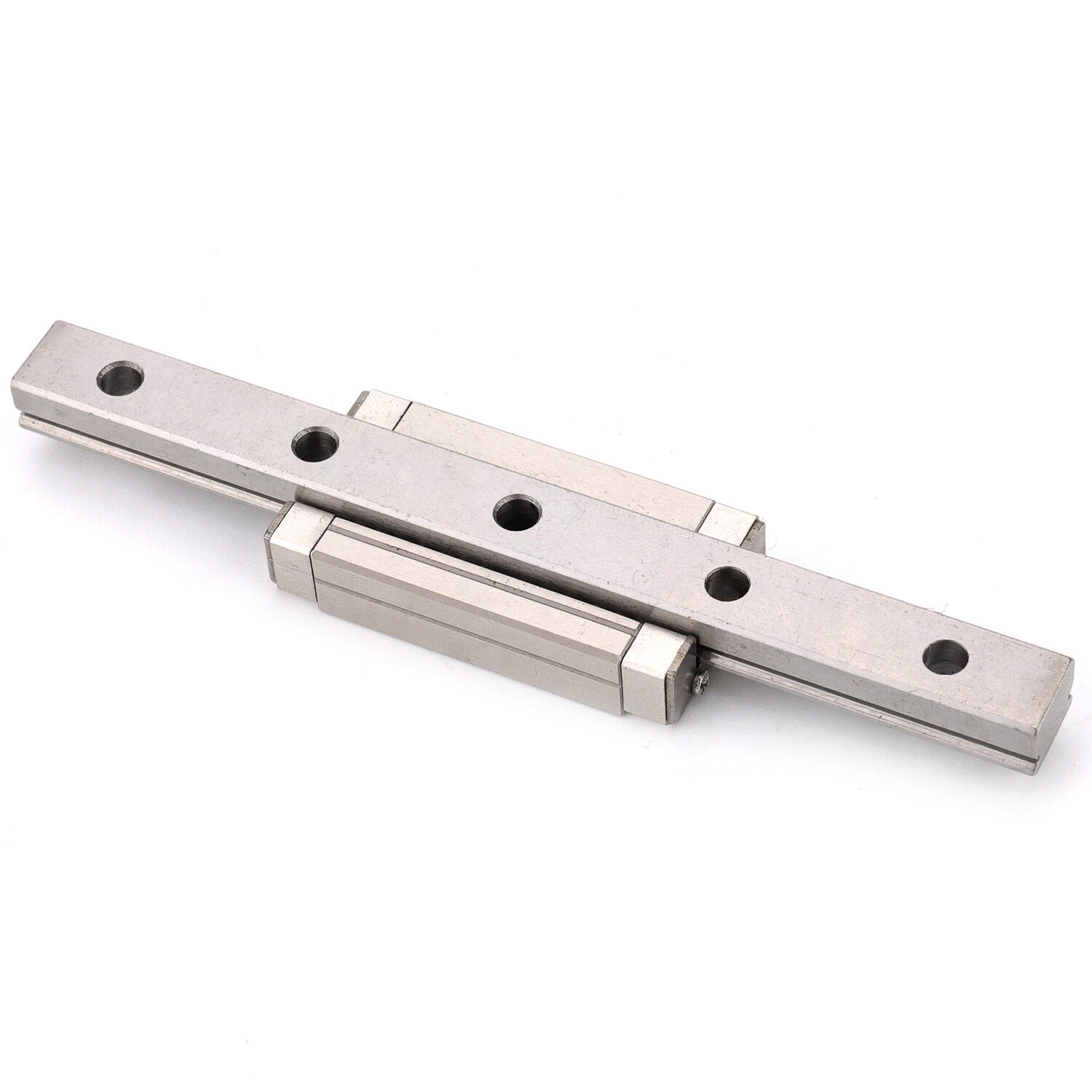
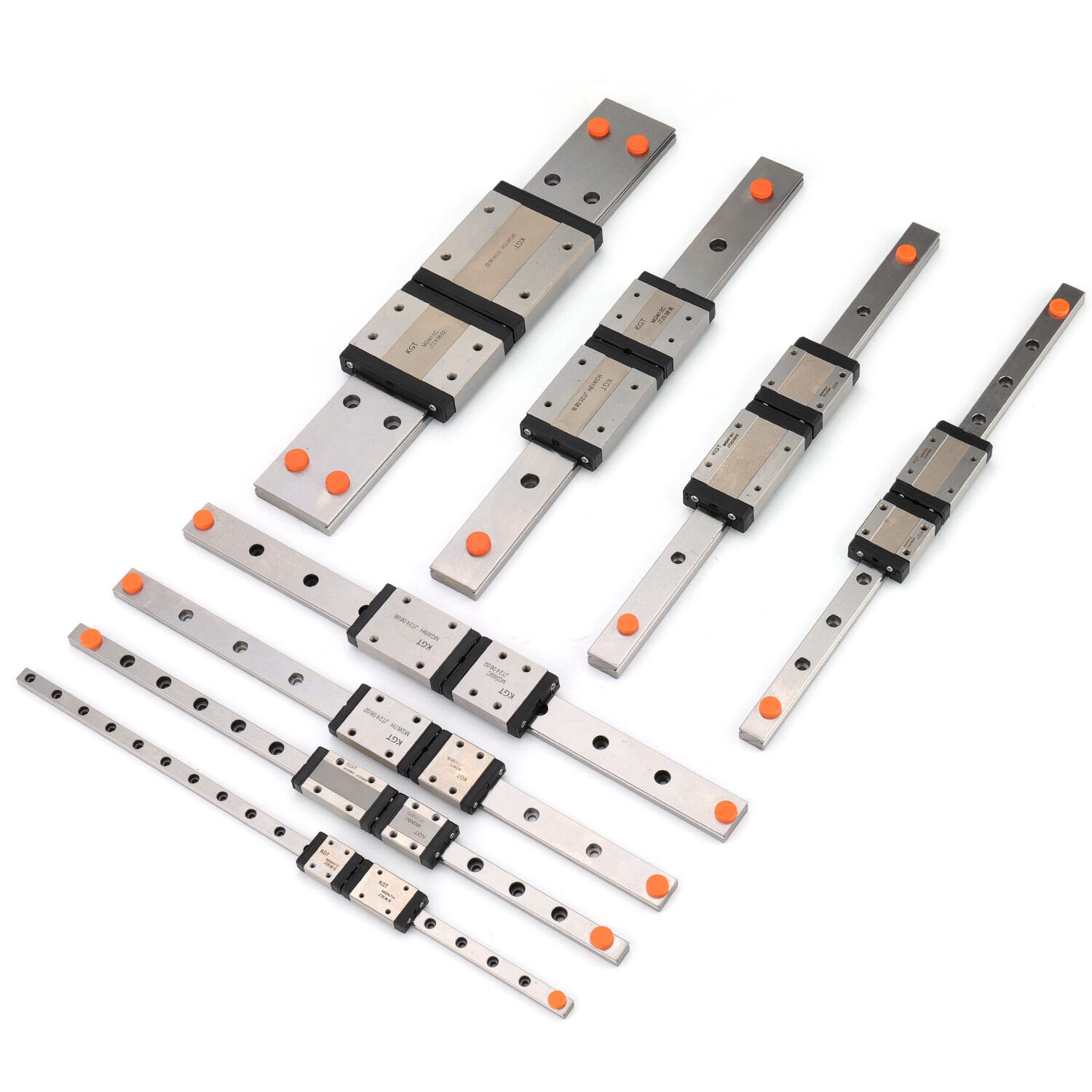
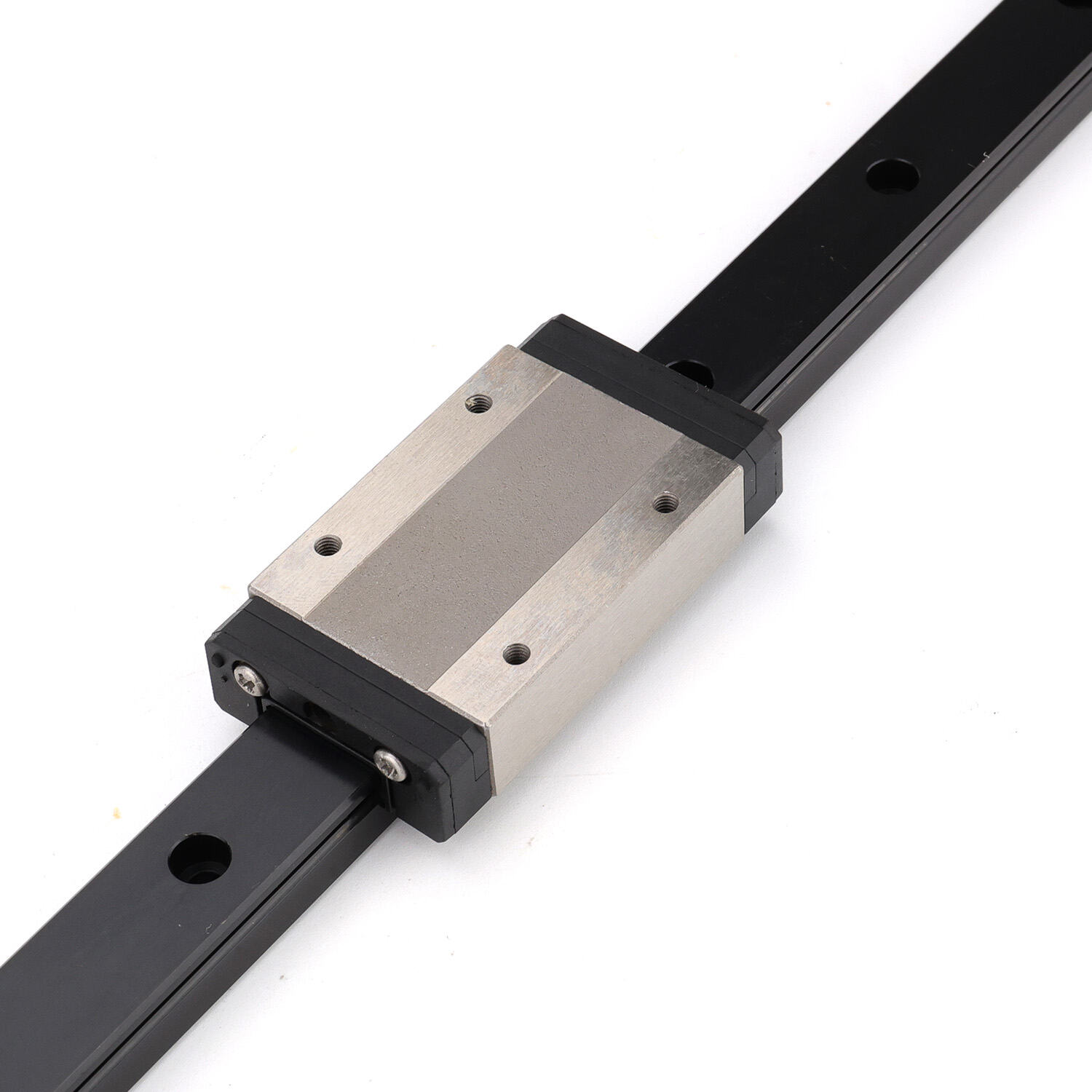
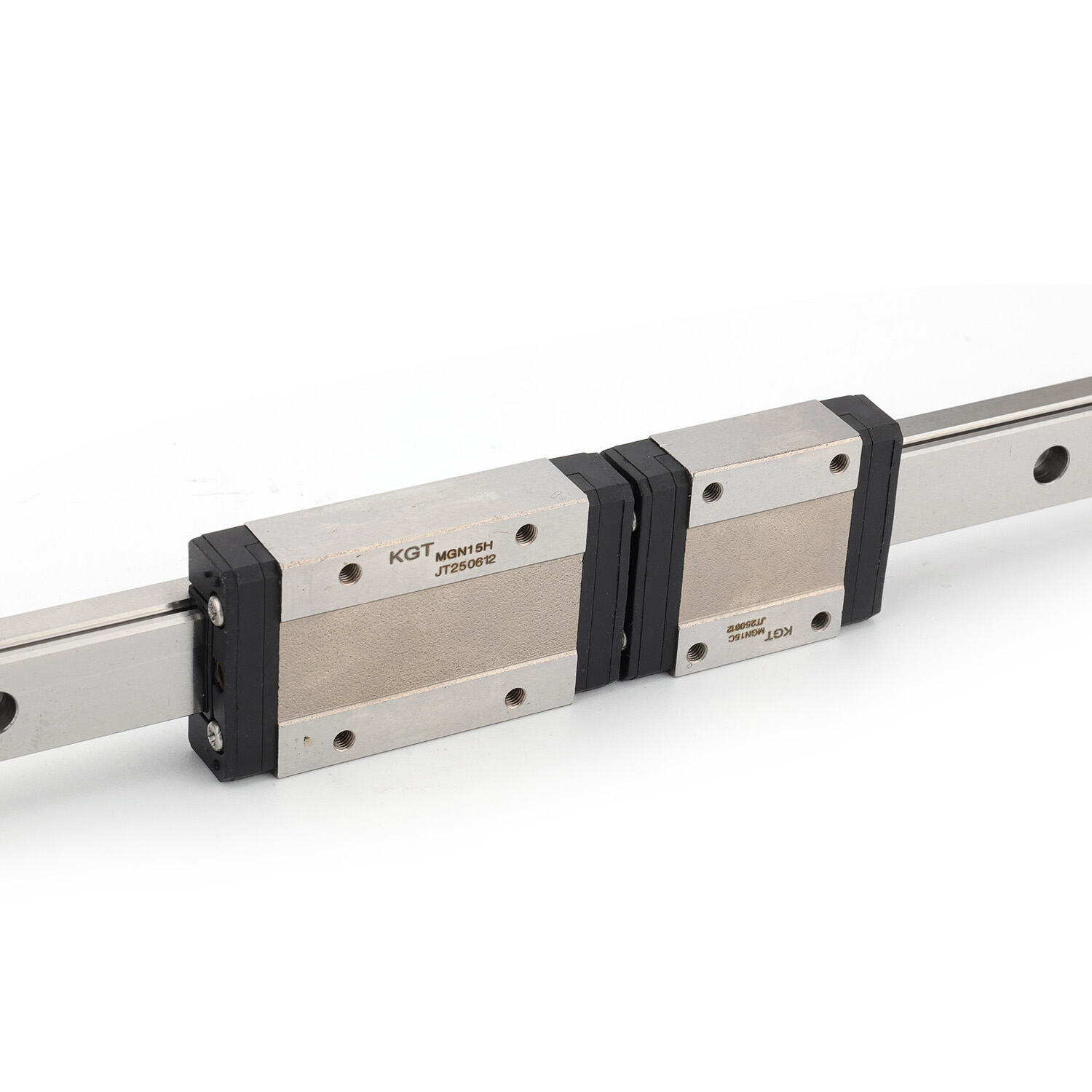
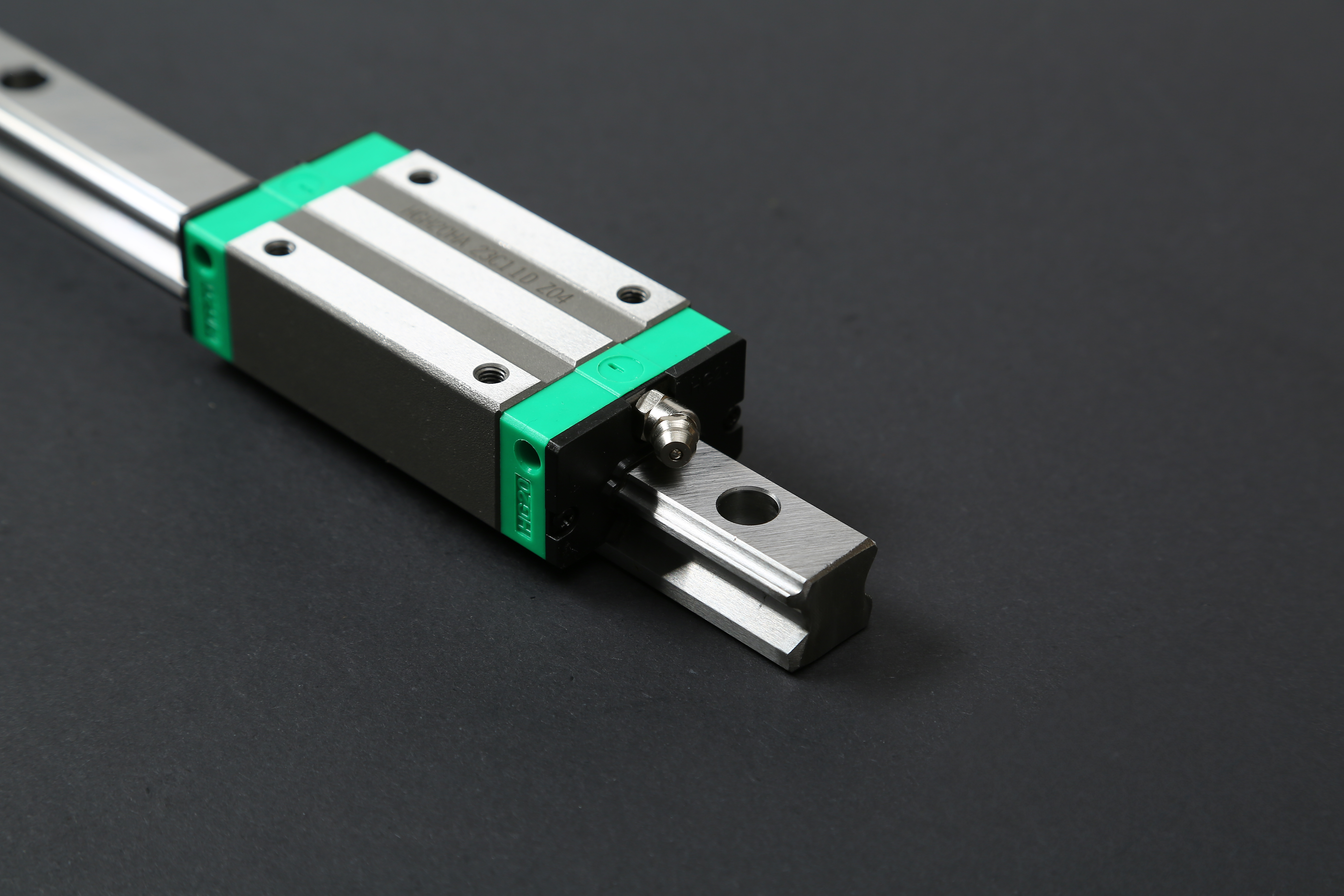
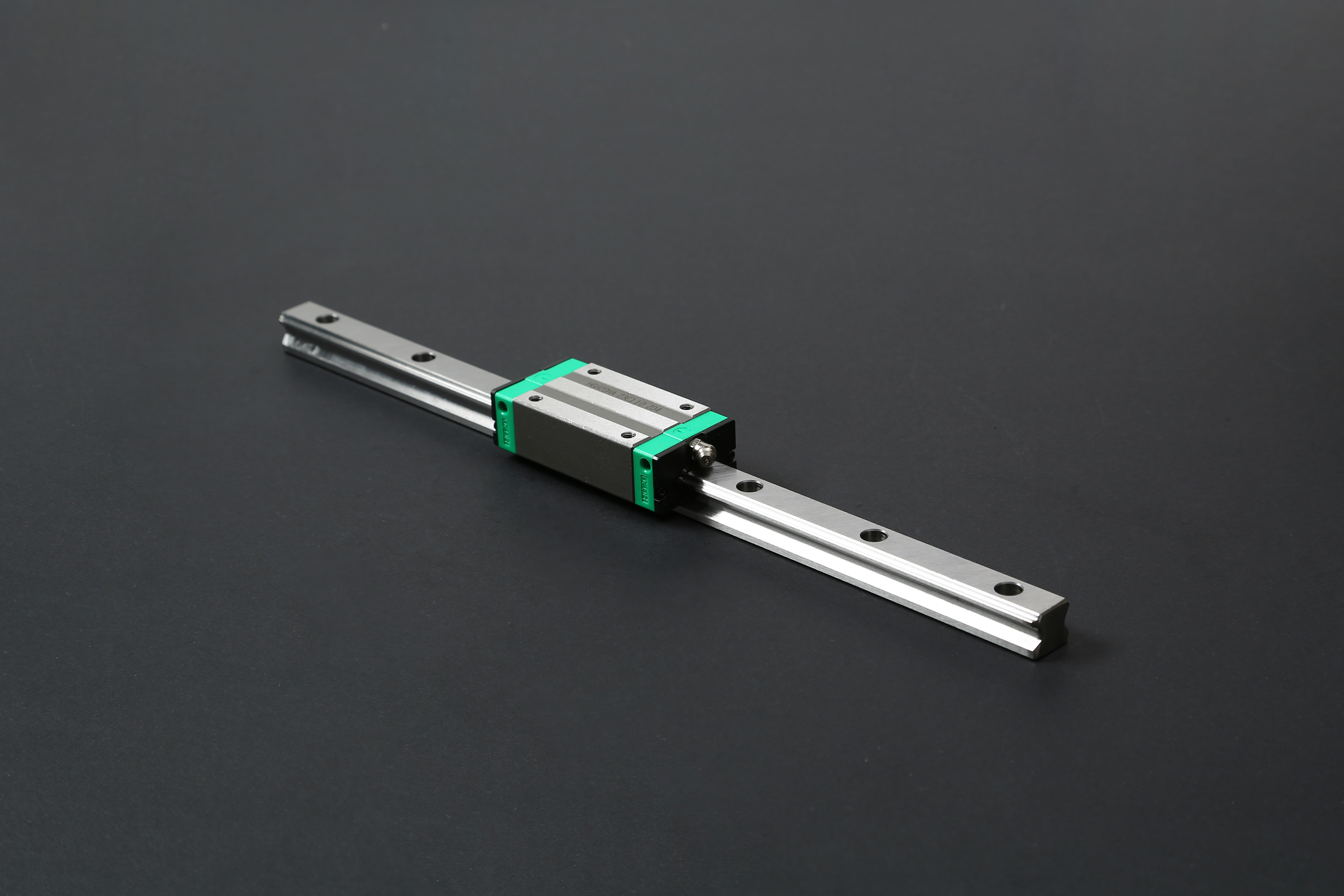
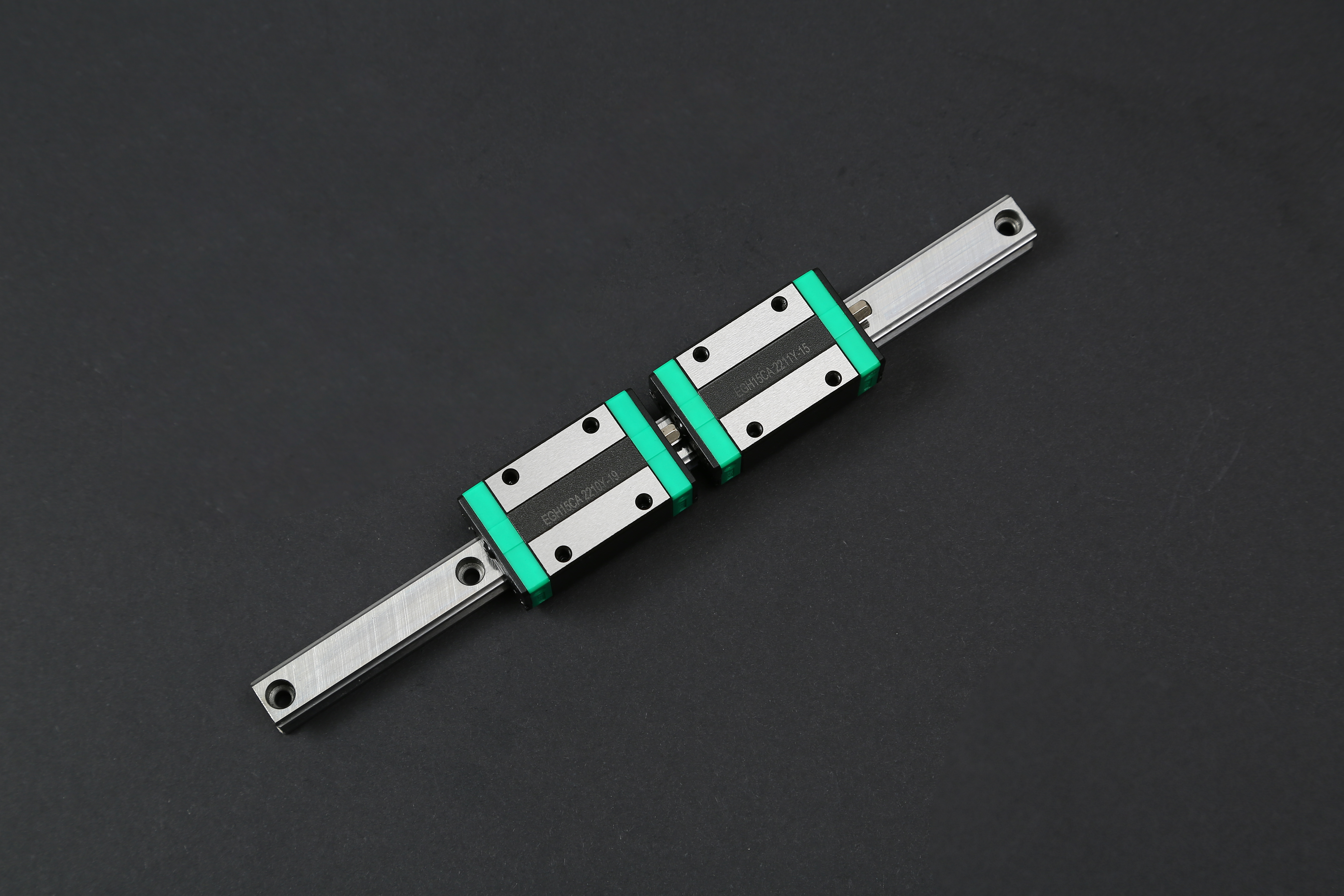
The 25mm linear rail system demonstrates exceptional versatility through its comprehensive range of mounting configurations, carriage types, and accessory options that accommodate diverse application requirements across multiple industries. Standard mounting hole patterns conform to international specifications, enabling seamless integration with existing equipment designs while providing flexibility for new machine development projects. The rail's profile geometry allows for both top-mounting and side-mounting configurations, optimizing space utilization in constrained installation environments. Carriage variants include standard length options, extended length configurations for enhanced moment capacity, and specialized designs incorporating integrated brake mechanisms or sensor mounting provisions. This variety ensures that designers can select optimal configurations without compromising performance or requiring custom modifications. The compatibility extends to lubrication systems, where users can choose between standard grease lubrication for typical applications or specialized lubricants for extreme temperature or high-speed requirements. Accessory options include protective bellows systems, magnetic scale mounting brackets, and end cap configurations that enhance system functionality while maintaining the rail's core performance characteristics. Integration benefits include standardized electrical connections for sensor applications, allowing seamless incorporation into automated control systems. The 25mm linear rail's dimensional compatibility with industry-standard components simplifies procurement processes and reduces lead times for replacement parts. Modular design principles enable system expansion or reconfiguration without complete replacement, providing long-term flexibility as application requirements evolve. The rail system's compatibility with various actuation methods, including servo motors, stepper motors, and pneumatic cylinders, makes it suitable for diverse motion control applications. Environmental sealing options ensure reliable operation in challenging conditions, while maintaining the ease of installation and maintenance that characterizes the entire product line.

 EN
EN