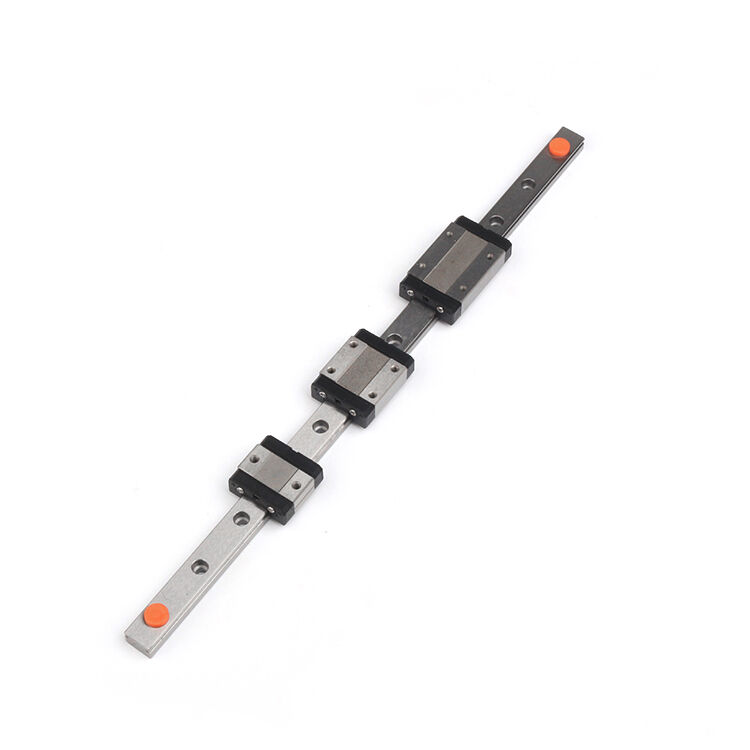
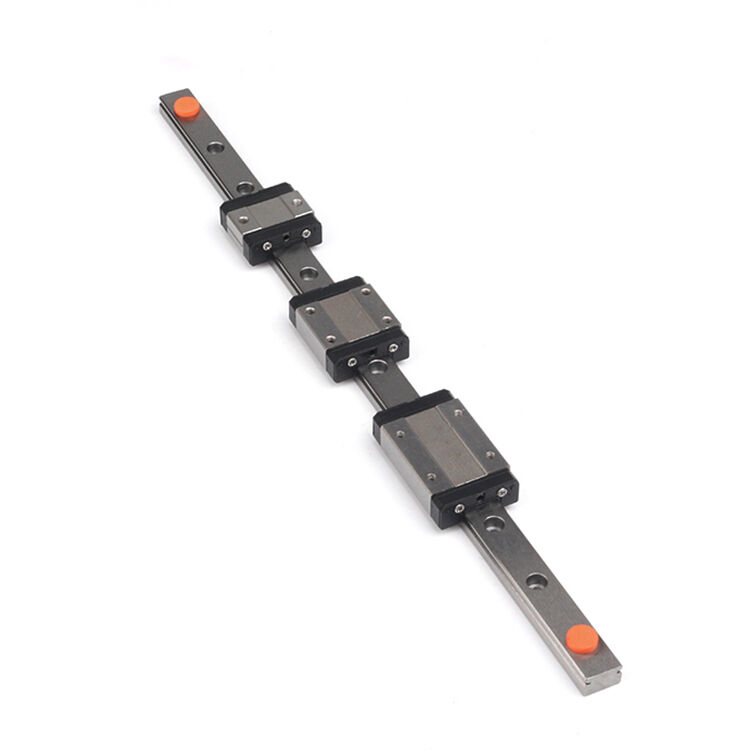
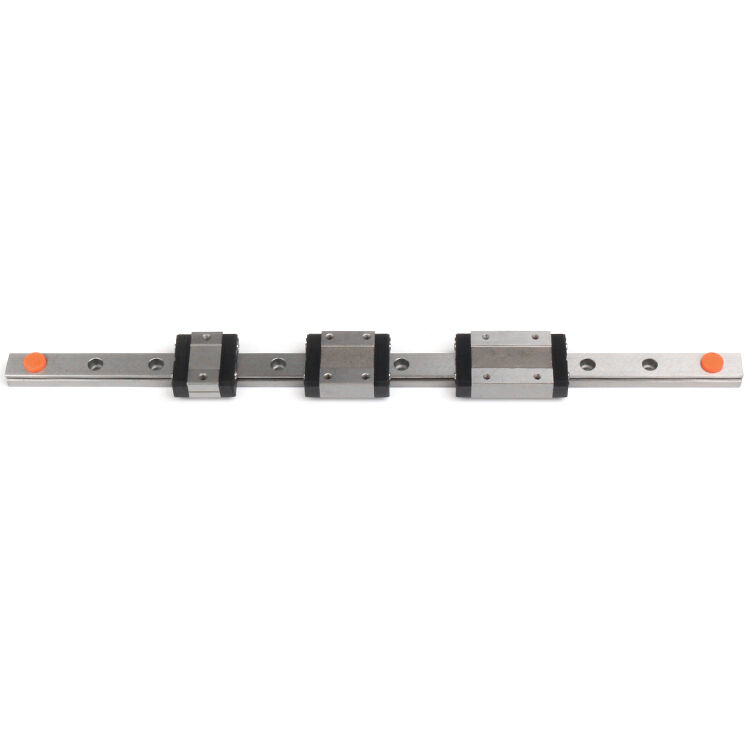
Versatile Applications Across Multiple Industries
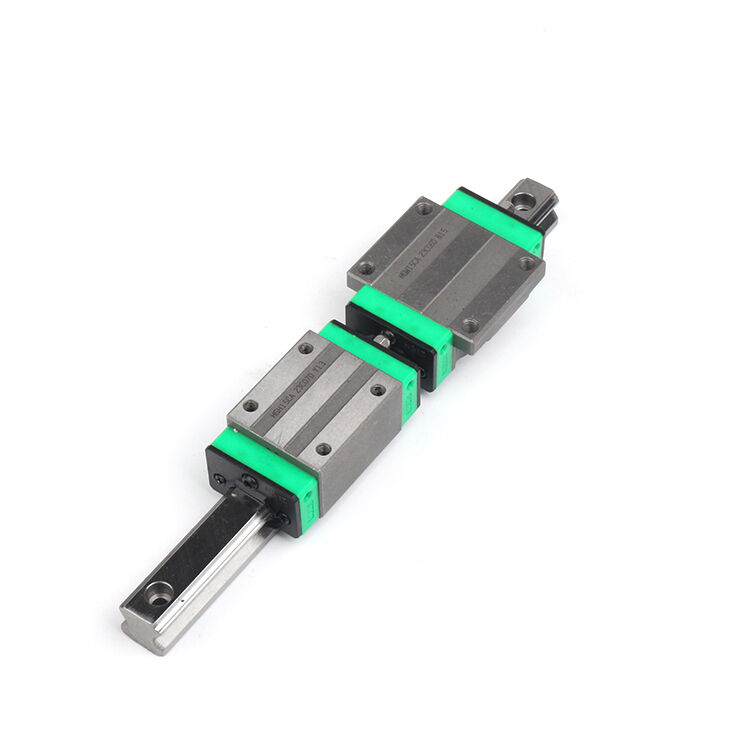
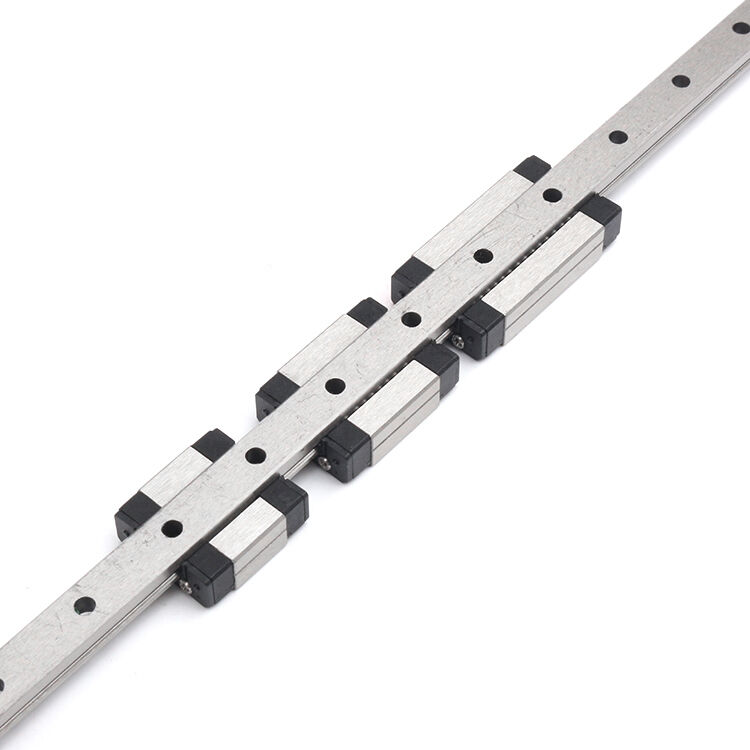
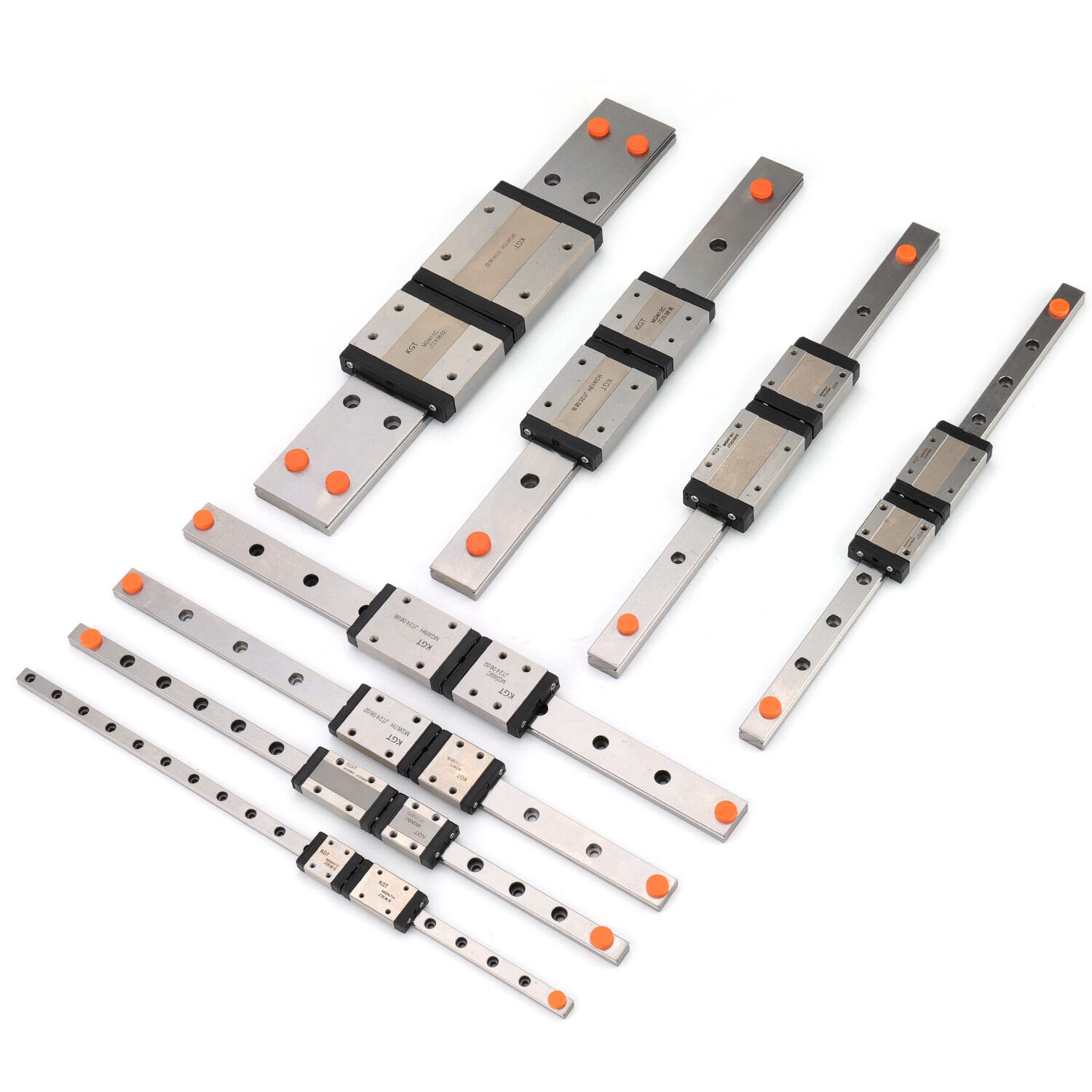
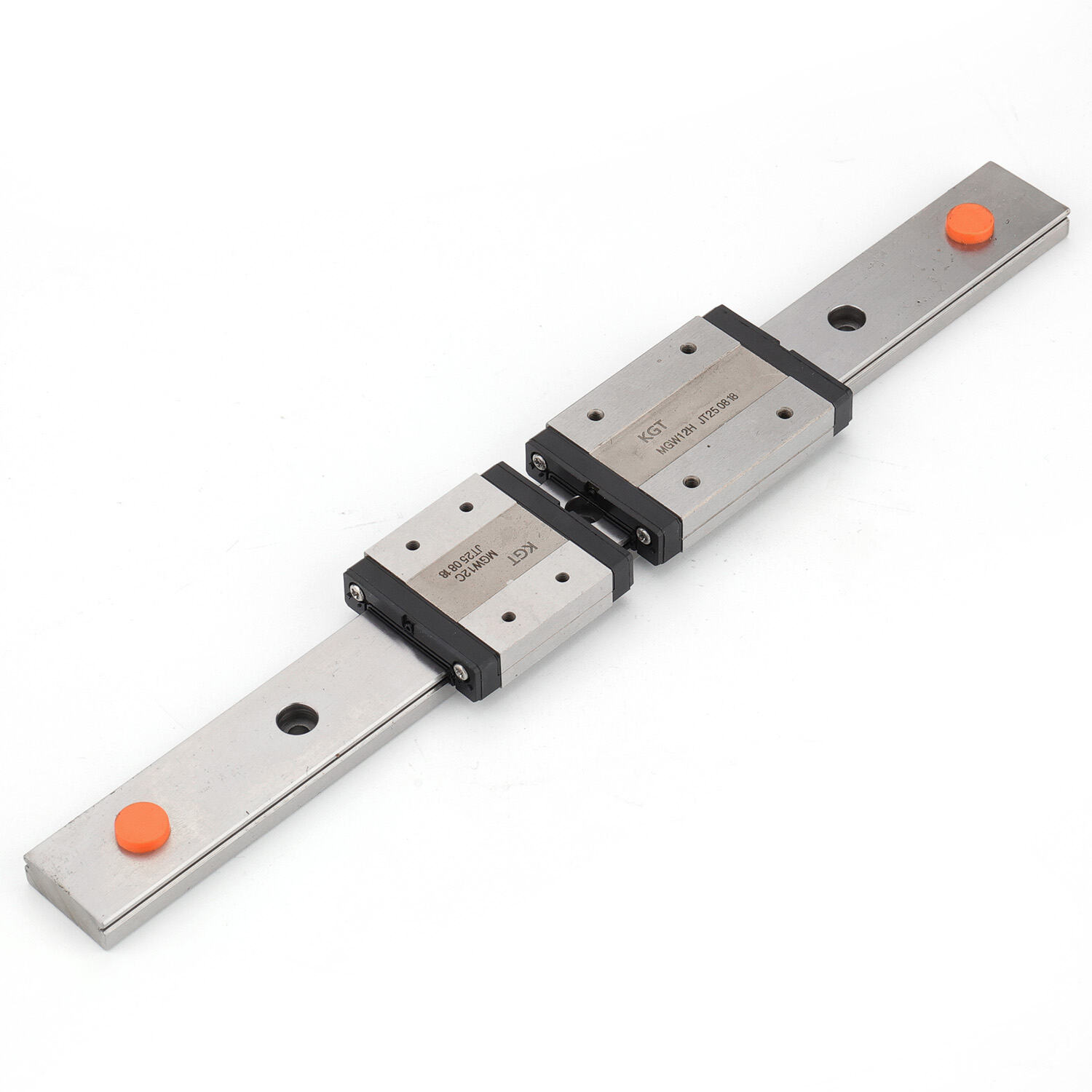
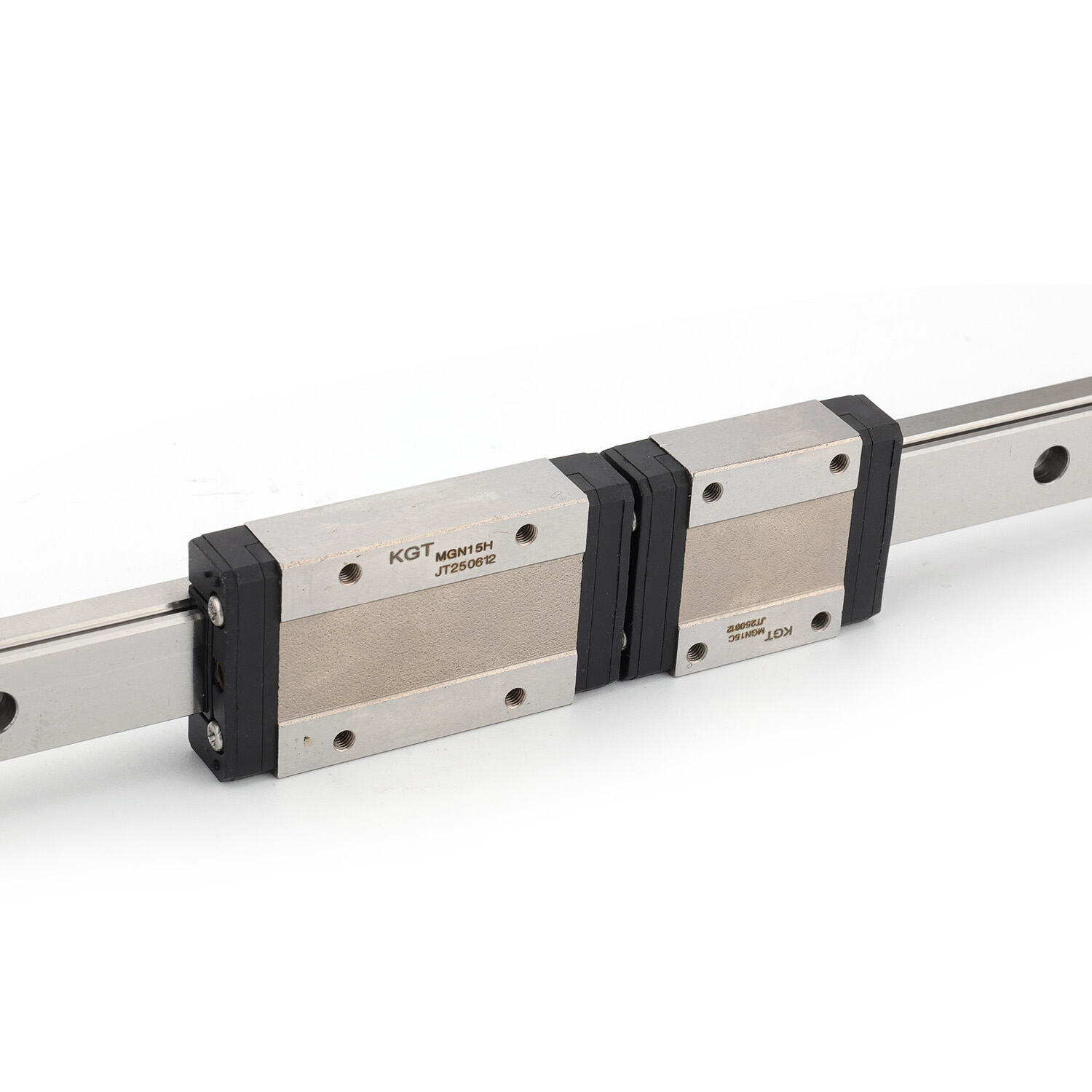
The 15mm linear guide rail demonstrates remarkable versatility through its ability to meet diverse application requirements across numerous industries, from precision instrumentation to heavy-duty automation systems. In semiconductor manufacturing, these rails provide the ultra-precise positioning required for wafer handling equipment, where contamination control and accuracy are paramount to product yield and quality. The compact design allows integration into cleanroom environments while sealed construction prevents particle generation that could compromise sensitive processes. Medical equipment manufacturers rely on 15mm linear guide rails for surgical robots, diagnostic imaging systems, and laboratory automation, where smooth operation and reliability directly impact patient safety and diagnostic accuracy. The rails' quiet operation and minimal vibration make them ideal for medical environments where noise reduction is essential for both equipment performance and patient comfort. CNC machining applications benefit from the rails' ability to maintain cutting tool position accuracy under varying load conditions, enabling consistent surface finishes and dimensional tolerances that meet strict manufacturing specifications. The rapid acceleration and deceleration capabilities support high-speed machining operations while maintaining positioning accuracy. Packaging machinery utilizes these rails for product conveying, sorting, and positioning systems where the combination of speed, accuracy, and reliability ensures consistent package quality and production throughput. The rails' resistance to contamination makes them suitable for food packaging environments where hygiene standards are critical. Automated testing equipment across electronics, automotive, and aerospace industries depends on 15mm linear guide rails for precise probe positioning, component manipulation, and measurement systems. The predictable performance characteristics enable accurate test result repeatability, which is essential for quality control and certification processes. Research and development laboratories employ these rails in experimental setups, measurement instruments, and prototype equipment where flexibility and precision are equally important. The standardized mounting interfaces and availability of various carriage configurations allow rapid reconfiguration for different experimental requirements, accelerating research timelines and improving productivity across diverse scientific disciplines.

 EN
EN