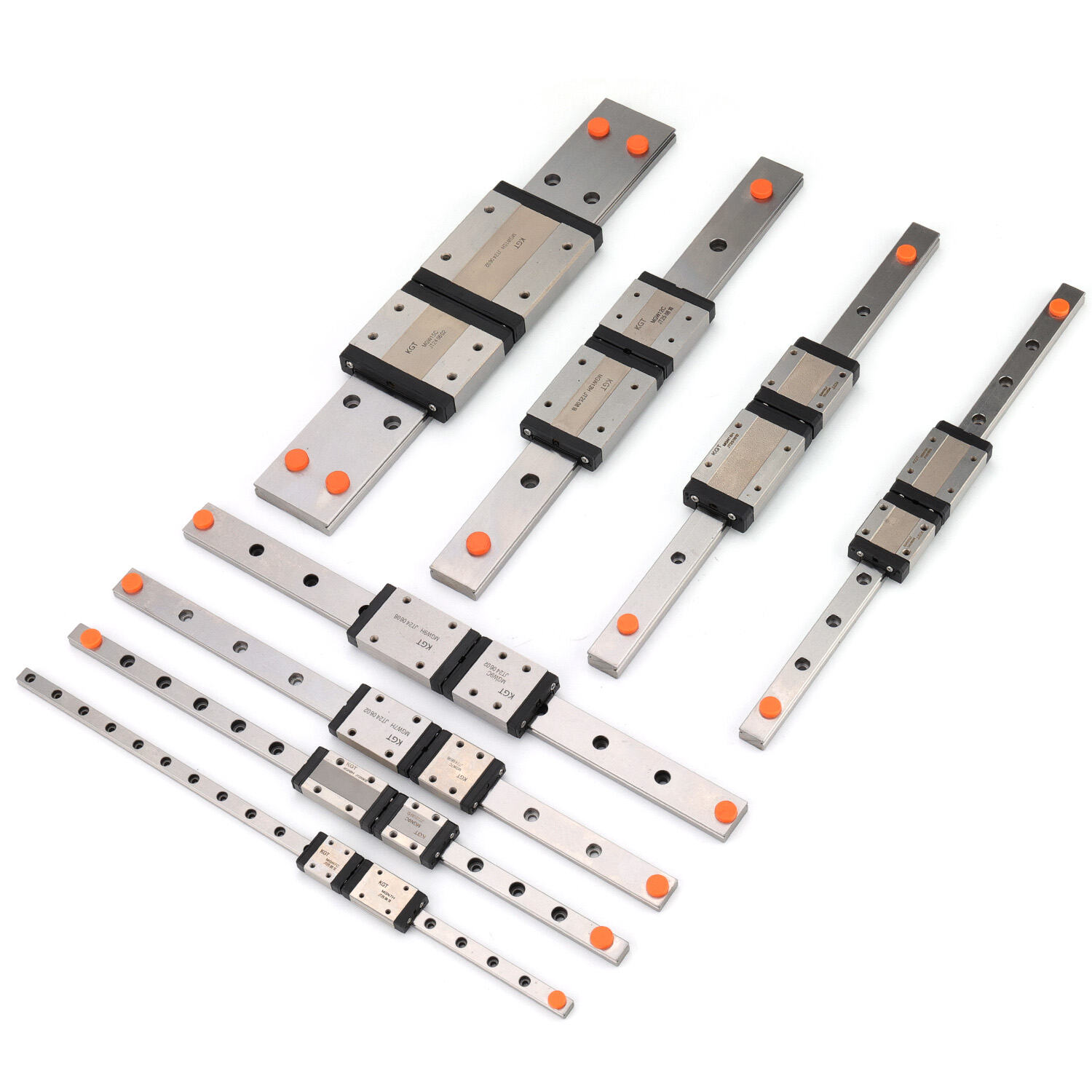
Micro Linear Guide: Ultra-Precision Positioning Solutions for Space-Critical Applications

All Categories

Get a Free Quote

Our representative will contact you soon.
Email
Name
Company Name
Message
0/1000

micro linear guide

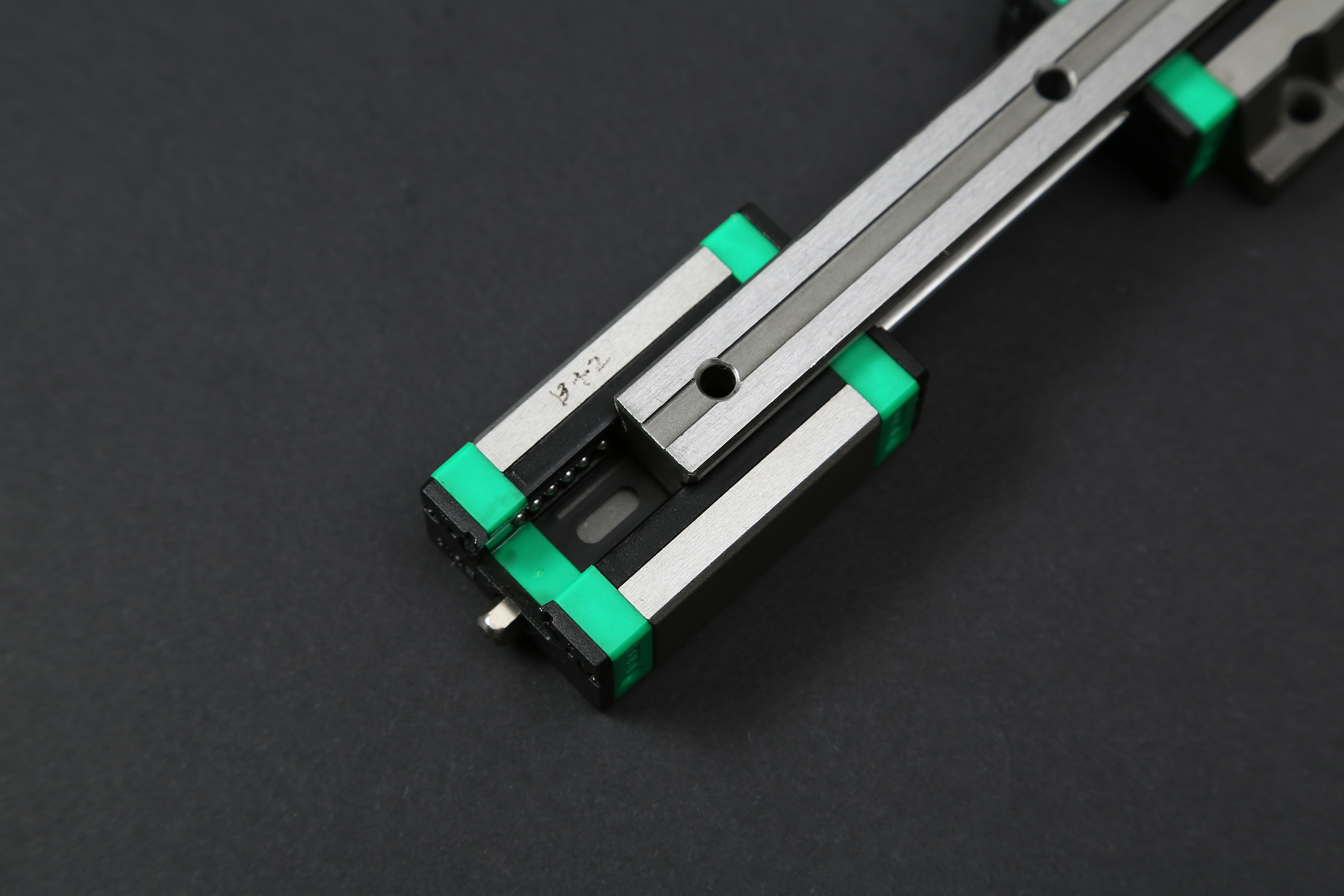
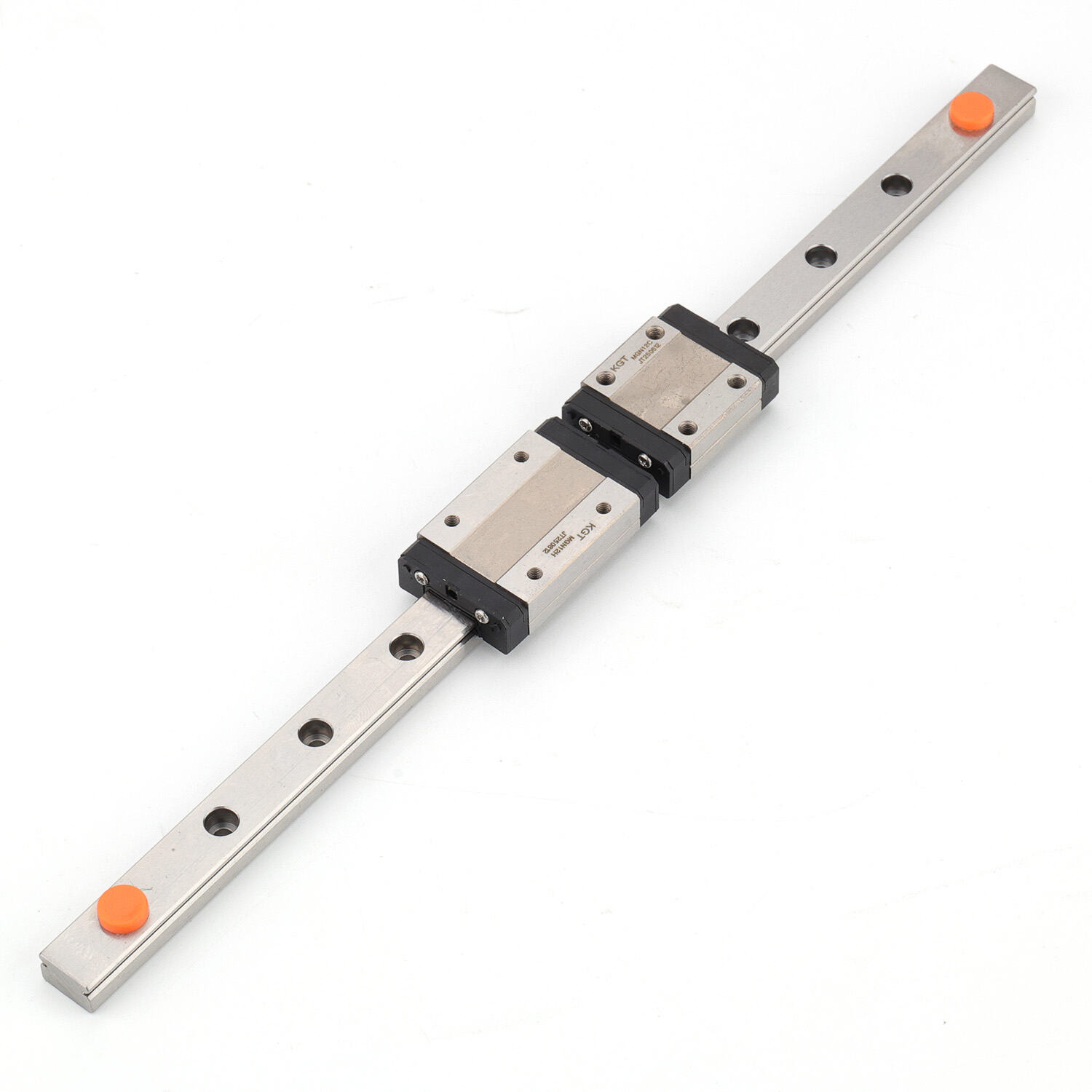
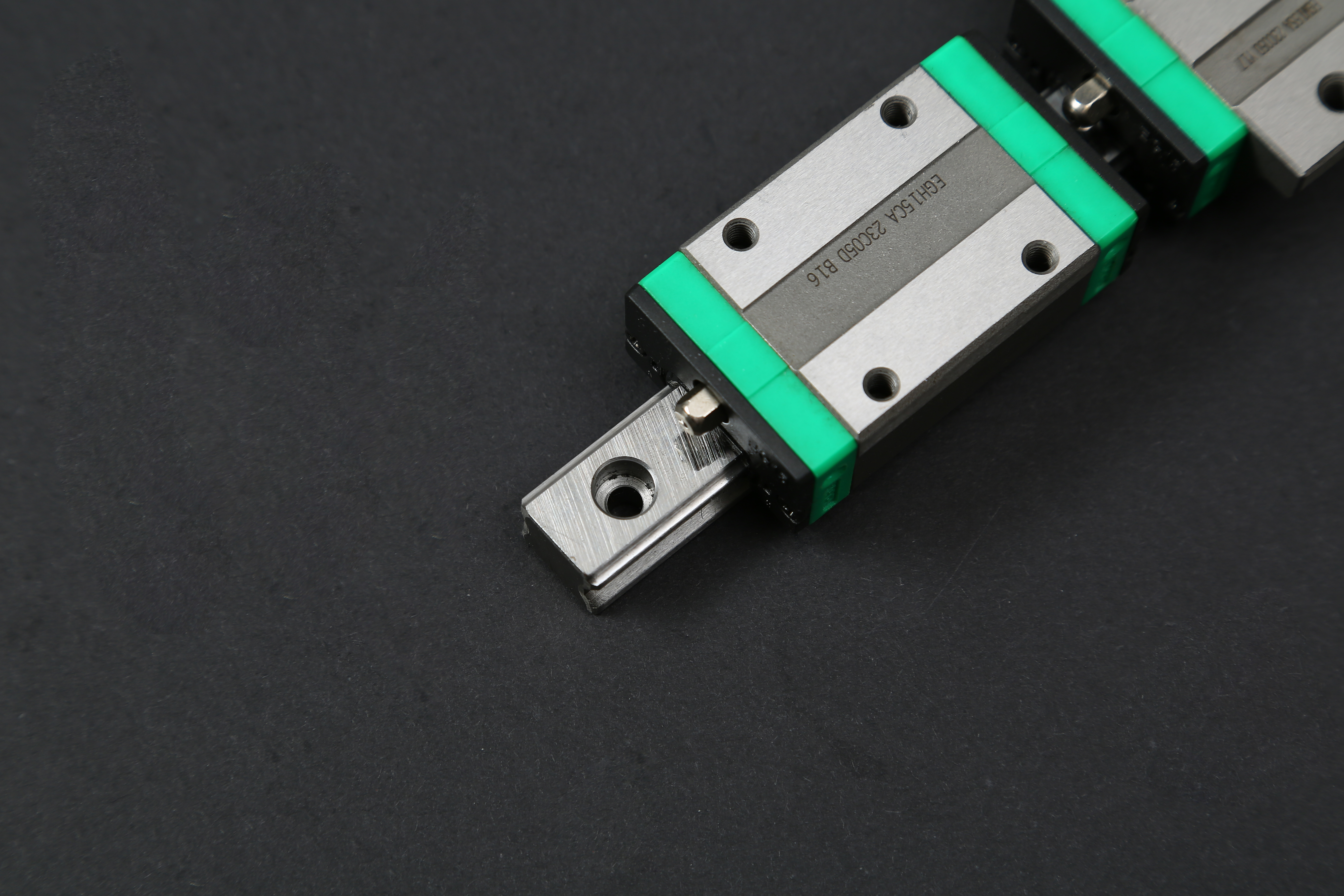
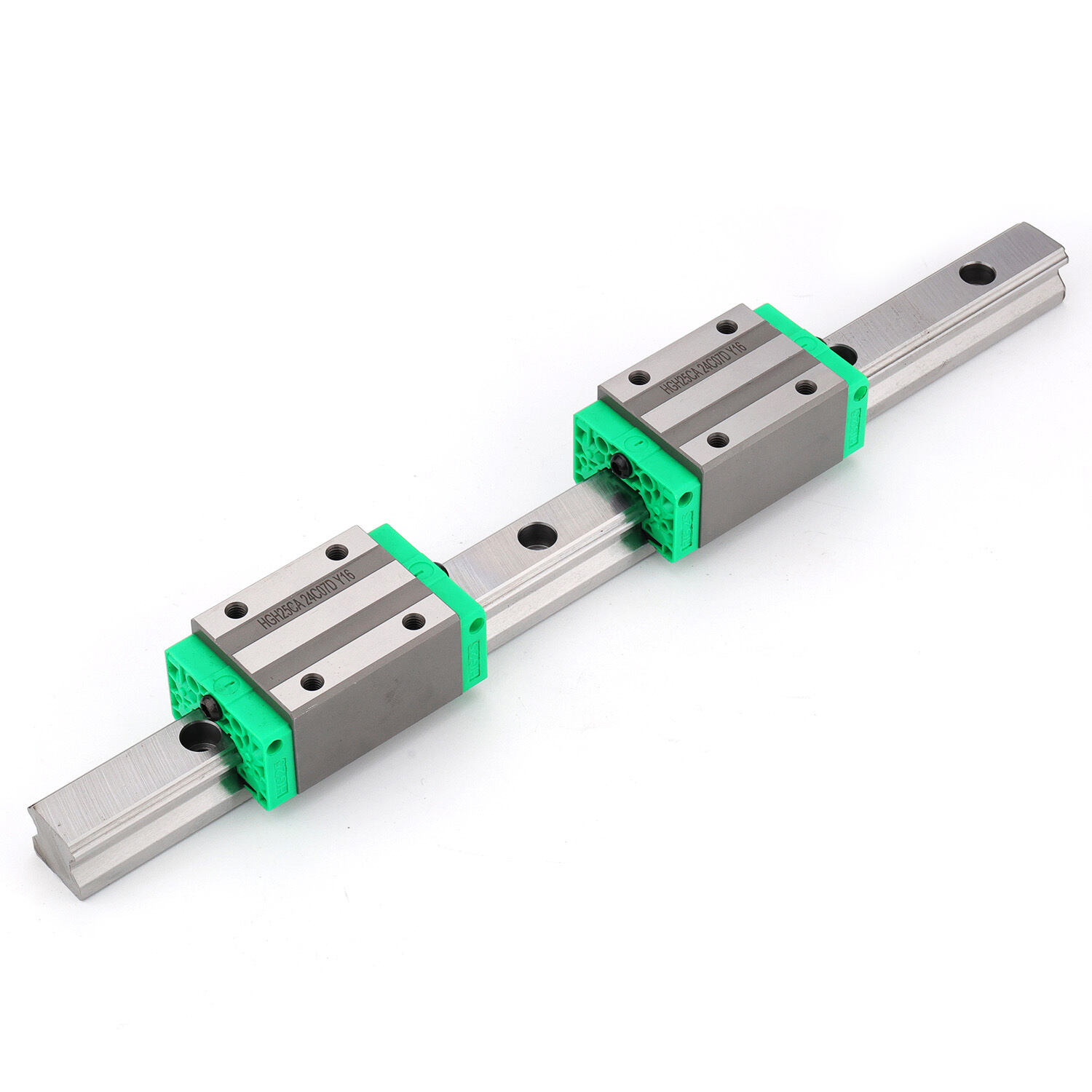
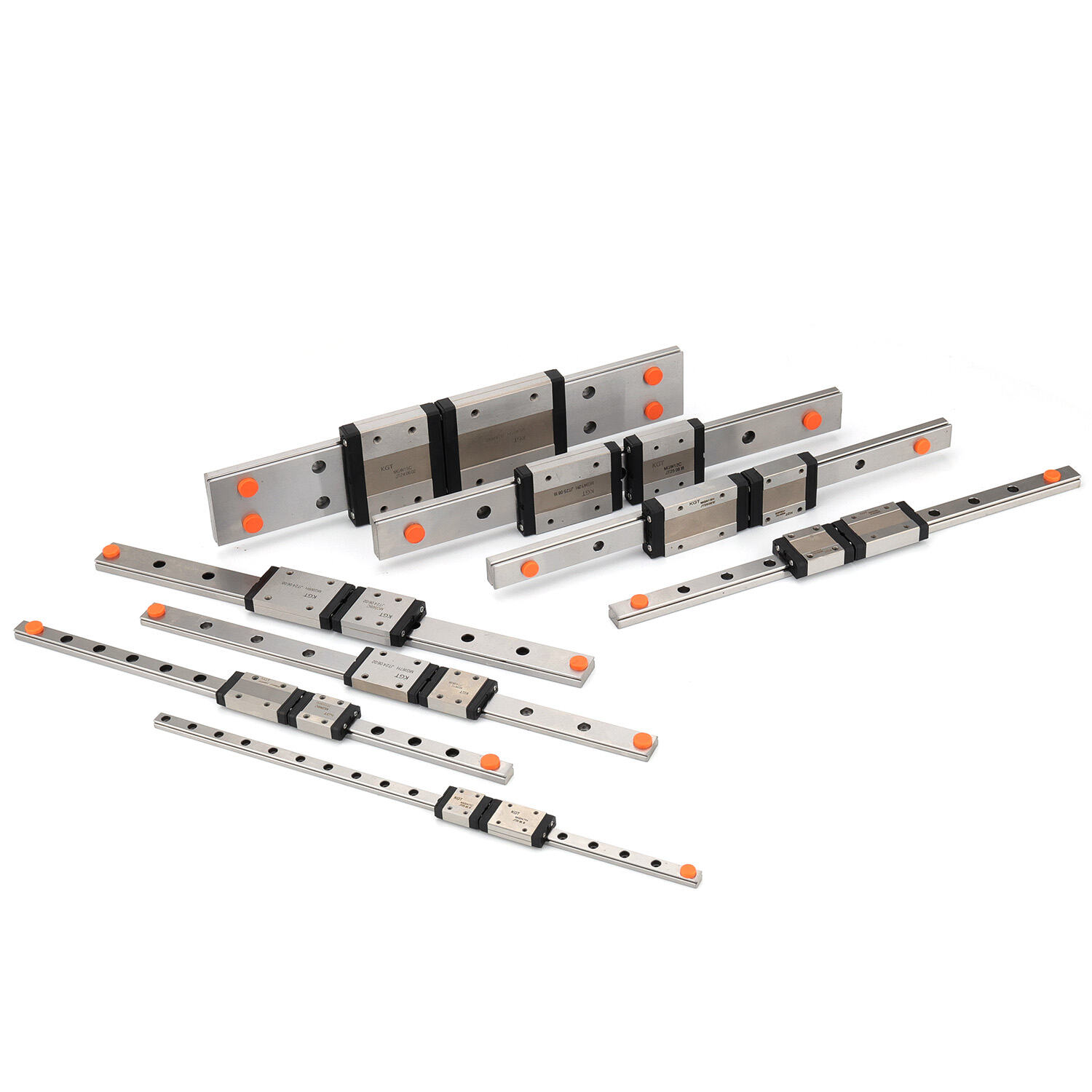
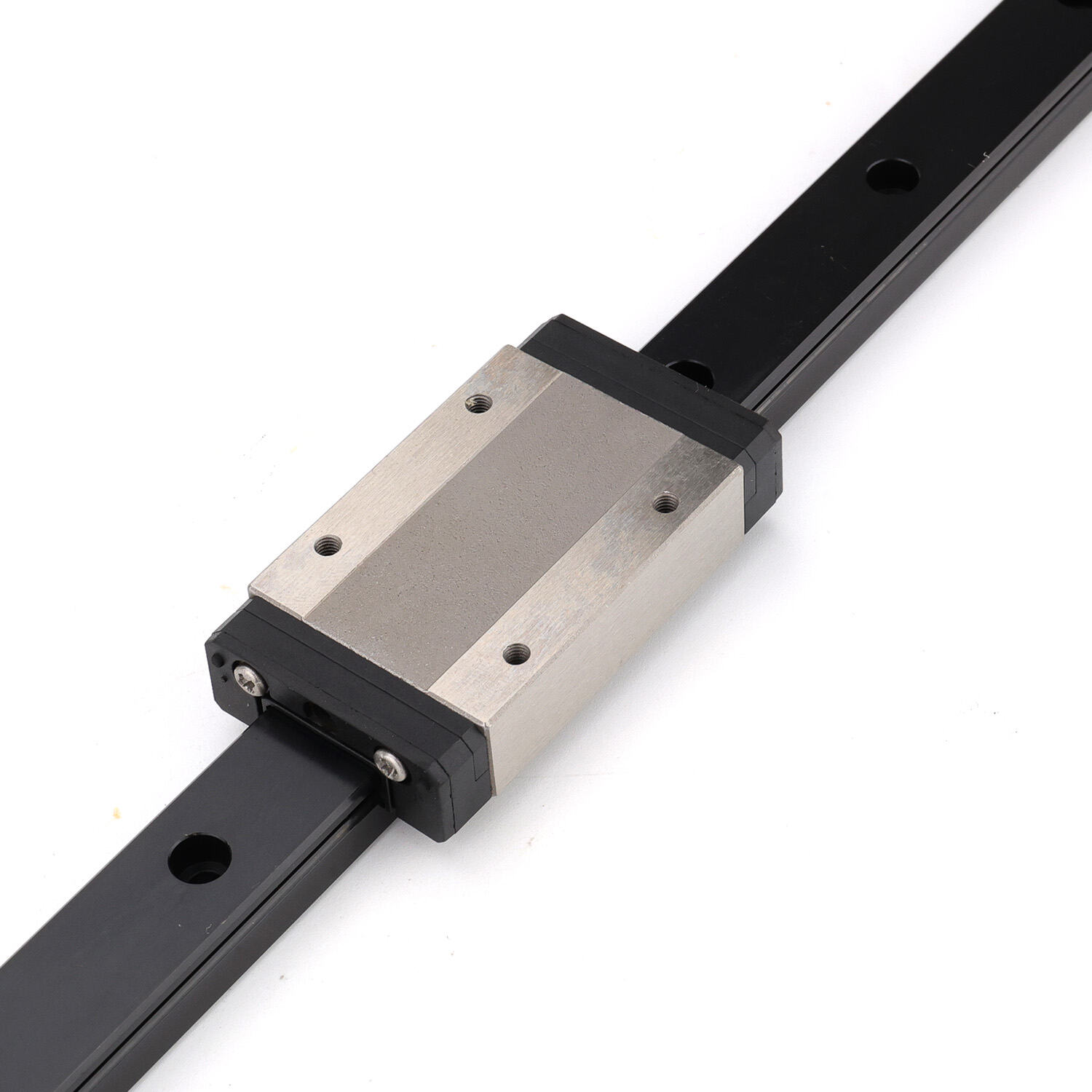
A micro linear guide represents a precision-engineered mechanical component designed to provide smooth, accurate linear motion in compact spaces where traditional guide systems prove too bulky or imprecise. This sophisticated device consists of a rail and carriage system that enables objects to move along a predetermined straight path with exceptional accuracy and minimal friction. The micro linear guide utilizes advanced bearing technologies, typically incorporating either ball bearings or roller bearings within miniaturized housings that maintain consistent contact with precision-ground rail surfaces. The primary function of a micro linear guide centers on delivering controlled linear movement while supporting various loads and maintaining positional accuracy within micrometers. These systems excel at converting rotational motion into linear displacement through integration with stepper motors, servo motors, or other actuating mechanisms. The technological features of micro linear guides include corrosion-resistant materials such as stainless steel or specialized alloys, precision manufacturing tolerances that ensure smooth operation, and compact form factors that fit within space-constrained applications. Advanced sealing systems protect internal components from contamination while specialized lubrication systems reduce wear and extend operational life. Modern micro linear guide designs incorporate modular components that allow customization based on specific application requirements, including varying load capacities, travel distances, and speed capabilities. Applications for micro linear guides span numerous industries where precision positioning proves critical. Medical device manufacturing relies on these components for surgical instruments, diagnostic equipment, and laboratory automation systems. Semiconductor production facilities utilize micro linear guides in wafer handling equipment, pick-and-place machines, and inspection systems where nanometer-level accuracy becomes essential. Optical equipment manufacturers integrate these guides into laser positioning systems, camera focusing mechanisms, and telescope tracking systems. Aerospace applications include satellite positioning systems, aircraft control mechanisms, and precision manufacturing tools. The automotive industry employs micro linear guides in testing equipment, quality control systems, and automated assembly processes where consistent repeatability ensures product quality and manufacturing efficiency.

New Products

The micro linear guide delivers exceptional precision that transforms how engineers approach linear motion challenges in demanding applications. Unlike conventional guide systems that struggle with accuracy limitations, these advanced components achieve positioning tolerances measured in micrometers, enabling manufacturers to meet increasingly stringent quality requirements. This precision advantage directly translates into improved product quality, reduced waste rates, and enhanced customer satisfaction across diverse industries. The compact design of micro linear guides solves space constraints that plague modern equipment designers who must pack more functionality into smaller footprints. Traditional linear motion systems often require substantial mounting space and support structures, whereas micro linear guides integrate seamlessly into tight spaces without compromising performance capabilities. This space efficiency allows designers to create more compact machinery, reduce material costs, and improve overall system aesthetics while maintaining full operational capabilities. Durability represents another significant advantage, as micro linear guides undergo rigorous engineering processes that result in components capable of millions of operational cycles without performance degradation. The precision manufacturing techniques employed in production ensure consistent quality, while advanced materials resist corrosion, wear, and environmental challenges that typically limit component lifespan. This longevity reduces maintenance requirements, minimizes downtime costs, and provides excellent return on investment through extended operational periods. Smooth operation characterizes micro linear guide performance, with advanced bearing systems eliminating stick-slip behavior that can cause positioning errors and system vibrations. This smoothness enables higher operational speeds while maintaining accuracy, allowing equipment manufacturers to increase throughput without sacrificing quality. The reduced friction also means lower power consumption, decreased heat generation, and quieter operation compared to alternative linear motion solutions. Installation simplicity offers practical benefits for equipment manufacturers and maintenance personnel. Micro linear guides typically feature standardized mounting interfaces and modular designs that facilitate quick installation and replacement procedures. This user-friendly approach reduces assembly time, minimizes specialized tooling requirements, and allows for easier system modifications when application needs evolve. The straightforward installation process also reduces the potential for assembly errors that could compromise system performance or reliability.

Tips And Tricks

The Ultimate Guide to Linear Guides: Precision, Applications, and Custom Solutions for Industrial Excellence

24

Dec

The Ultimate Guide to Linear Guides: Precision, Applications, and Custom Solutions for Industrial Excellence

View More
How to Select the Right Linear Guide Model: A Mechanical Engineer’s Guide

31

Dec

How to Select the Right Linear Guide Model: A Mechanical Engineer’s Guide

View More
Precision in Motion The Engineering Excellence of Linear Guides

05

Jan

Precision in Motion The Engineering Excellence of Linear Guides

View More

Get a Free Quote

Our representative will contact you soon.
Email
Name
Company Name
Message
0/1000

micro linear guide

Ultra-High Precision Positioning Technology

Ultra-High Precision Positioning Technology

The micro linear guide achieves unprecedented positioning accuracy through sophisticated engineering that combines precision manufacturing with advanced bearing technologies. This ultra-high precision capability stems from carefully controlled manufacturing processes where rail straightness tolerances are maintained within fractions of micrometers across the entire travel length. The bearing systems employ precision-grade components that undergo extensive quality control testing to ensure consistent performance characteristics. Surface finish specifications for both rails and bearing contact points reach mirror-like qualities that minimize friction variations and eliminate positioning uncertainties that plague conventional systems. Temperature compensation features integrated into advanced micro linear guide designs account for thermal expansion effects that could otherwise introduce positioning errors in precision applications. The result is a positioning system capable of achieving repeatability within single-digit micrometers, making it indispensable for applications requiring exceptional accuracy. This precision level enables manufacturers to meet tolerances previously considered impossible with standard linear motion components. Medical device applications particularly benefit from this precision, where surgical instruments require exact positioning for successful procedures. Semiconductor manufacturing processes depend on this accuracy level for wafer positioning, chip placement, and inspection procedures where even minute positioning errors can result in significant financial losses. Optical systems leverage this precision for lens positioning, laser alignment, and telescope tracking applications where accuracy directly impacts system performance. The consistency of this precision over millions of operational cycles ensures long-term reliability that justifies investment in these advanced components. Quality control systems in manufacturing environments utilize this precision for dimensional measurement and product inspection processes where accuracy determines product acceptance. Research and development applications require this level of positioning control for experimental setups, testing equipment, and prototype development where precise positioning enables breakthrough discoveries and innovations.
Extreme Miniaturization Without Performance Compromise

Extreme Miniaturization Without Performance Compromise

The micro linear guide achieves remarkable miniaturization that enables integration into applications where space constraints would typically prevent the use of linear motion systems. This extreme miniaturization capability results from innovative design approaches that optimize every component dimension while maintaining structural integrity and performance characteristics. Advanced materials selection plays a crucial role in this miniaturization success, with high-strength alloys and specialized coatings providing necessary durability within compact form factors. The bearing arrangements utilize sophisticated geometries that maximize contact area while minimizing overall system size, ensuring load-carrying capacity remains adequate despite reduced component dimensions. Manufacturing techniques developed specifically for micro-scale components enable production of features and tolerances that were previously impossible to achieve economically. These manufacturing advances include precision machining processes, specialized heat treatment procedures, and quality control methods adapted for miniature components. The miniaturization extends beyond simple size reduction to include intelligent packaging of functional elements within constrained spaces. Lubrication systems are integrated seamlessly without adding bulk, while sealing mechanisms protect internal components without compromising the compact profile. This miniaturization capability opens entirely new application possibilities in fields such as microelectronics, where space premiums make traditional linear guides impractical. Mobile device manufacturing benefits significantly from this miniaturization, enabling precise positioning systems within smartphones, tablets, and wearable devices where every cubic millimeter of space carries premium value. Aerospace applications utilize miniaturized micro linear guides in satellite systems, unmanned aerial vehicles, and spacecraft where weight and space constraints are critical design considerations. Medical device applications leverage this miniaturization for minimally invasive surgical instruments, portable diagnostic equipment, and implantable devices where patient comfort and device effectiveness depend on compact designs. The miniaturization achievement represents a fundamental breakthrough in mechanical engineering that demonstrates how advanced design principles and manufacturing capabilities can overcome traditional size versus performance trade-offs.
Exceptional Load-to-Size Ratio Performance

Exceptional Load-to-Size Ratio Performance

The micro linear guide delivers outstanding load-carrying capacity relative to its compact dimensions, achieving load-to-size ratios that surpass conventional linear motion systems by significant margins. This exceptional performance characteristic results from innovative structural designs that optimize stress distribution throughout the component assembly. The bearing arrangements utilize advanced contact mechanics that maximize load distribution across available bearing surfaces while maintaining smooth operation characteristics. Material selection focuses on high-strength alloys and specialized treatments that provide superior load-bearing properties without increasing component weight or dimensions. The structural geometry incorporates sophisticated engineering principles that channel forces through optimal load paths, eliminating stress concentrations that could limit performance or reduce operational life. This load-carrying capability extends across multiple loading conditions including radial loads, axial loads, and moment loads that occur in real-world applications. The multi-directional load capacity ensures stable operation even when subjected to complex loading scenarios that would challenge other linear motion systems. Advanced finite element analysis during the design phase optimizes every structural element to contribute maximum load-carrying capacity while maintaining the compact form factor that defines micro linear guide advantages. This exceptional load performance enables designers to specify micro linear guides in applications previously requiring much larger components, resulting in significant space savings and improved design flexibility. Industrial automation applications benefit from this load capacity when handling heavy components within compact machinery configurations. Assembly line equipment utilizes this capability for moving substantial payloads through precise positioning sequences while maintaining equipment compactness. Material handling systems leverage this load-to-size advantage for conveying systems that must fit within existing facility constraints while accommodating increasing payload requirements. Manufacturing equipment designers specify micro linear guides when floor space limitations require compact solutions that can still handle production loads effectively. The load capacity consistency over extended operational periods ensures reliable performance that justifies initial investment costs through reduced maintenance requirements and extended service life compared to alternative solutions that might appear more economical initially but fail to deliver sustained performance under load.
Micro Linear Guide: Ultra-Precision Positioning Solutions for Space-Critical Applications

Get a Free Quote

Our representative will contact you soon.
Email
Name
Company Name
Message
0/1000