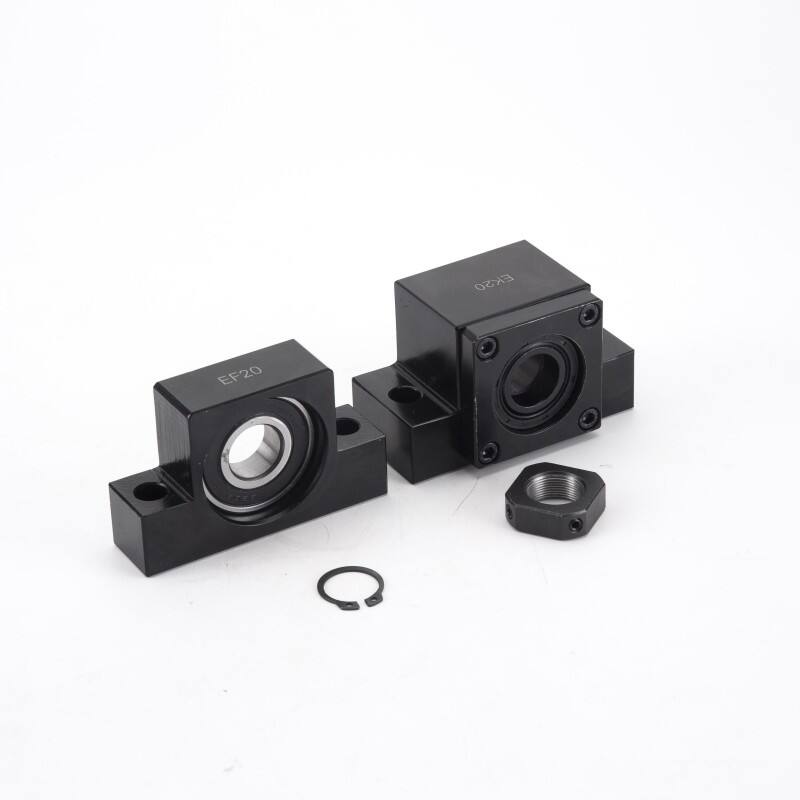
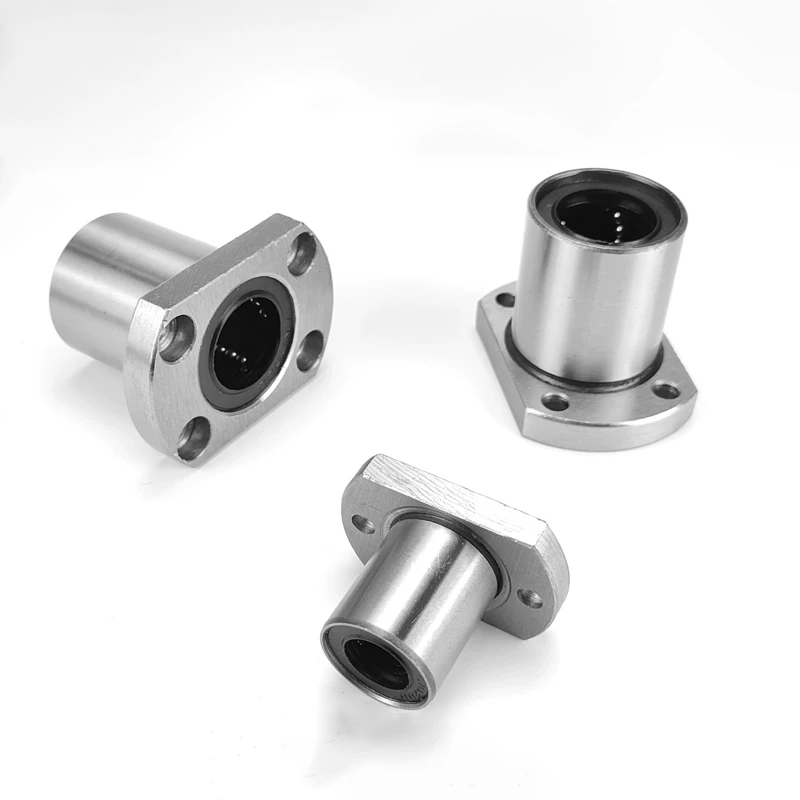
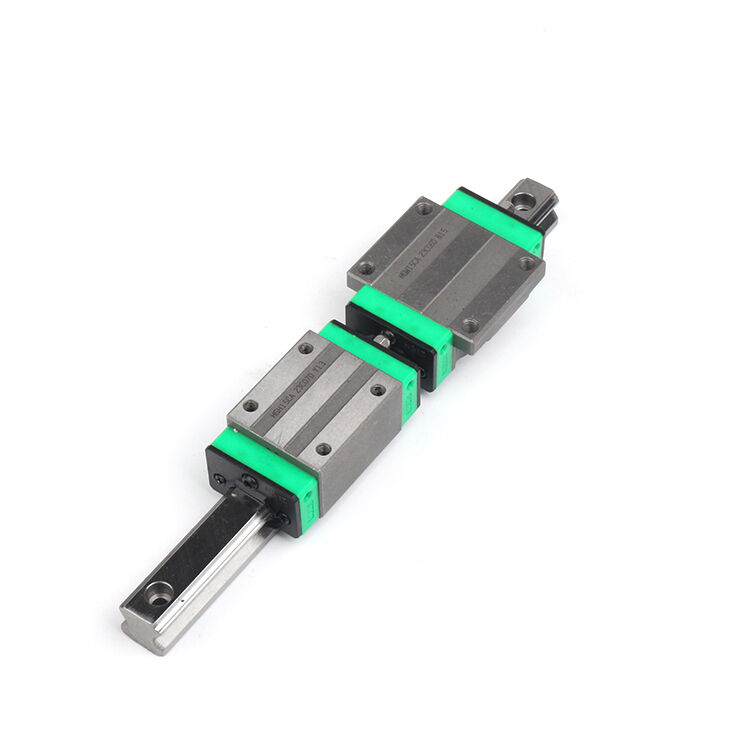
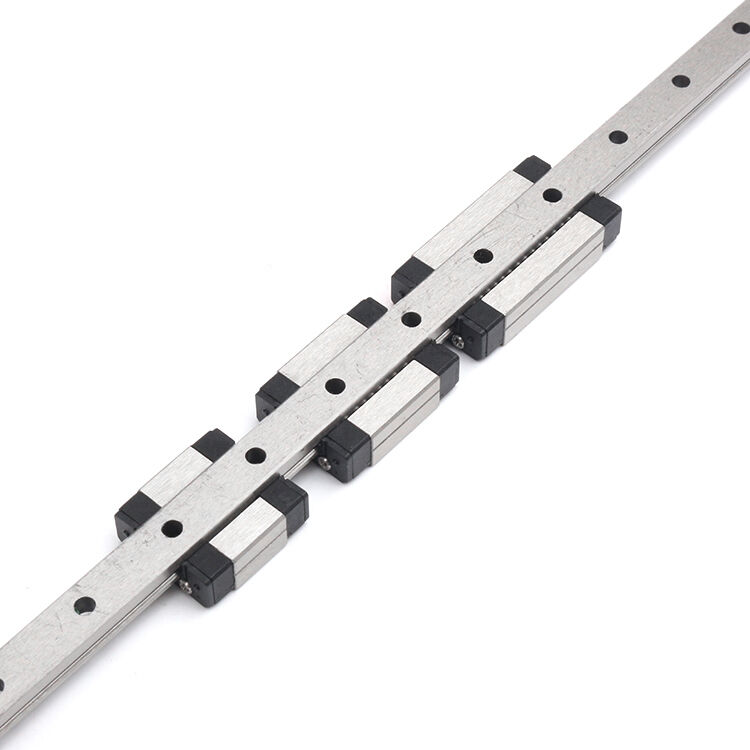
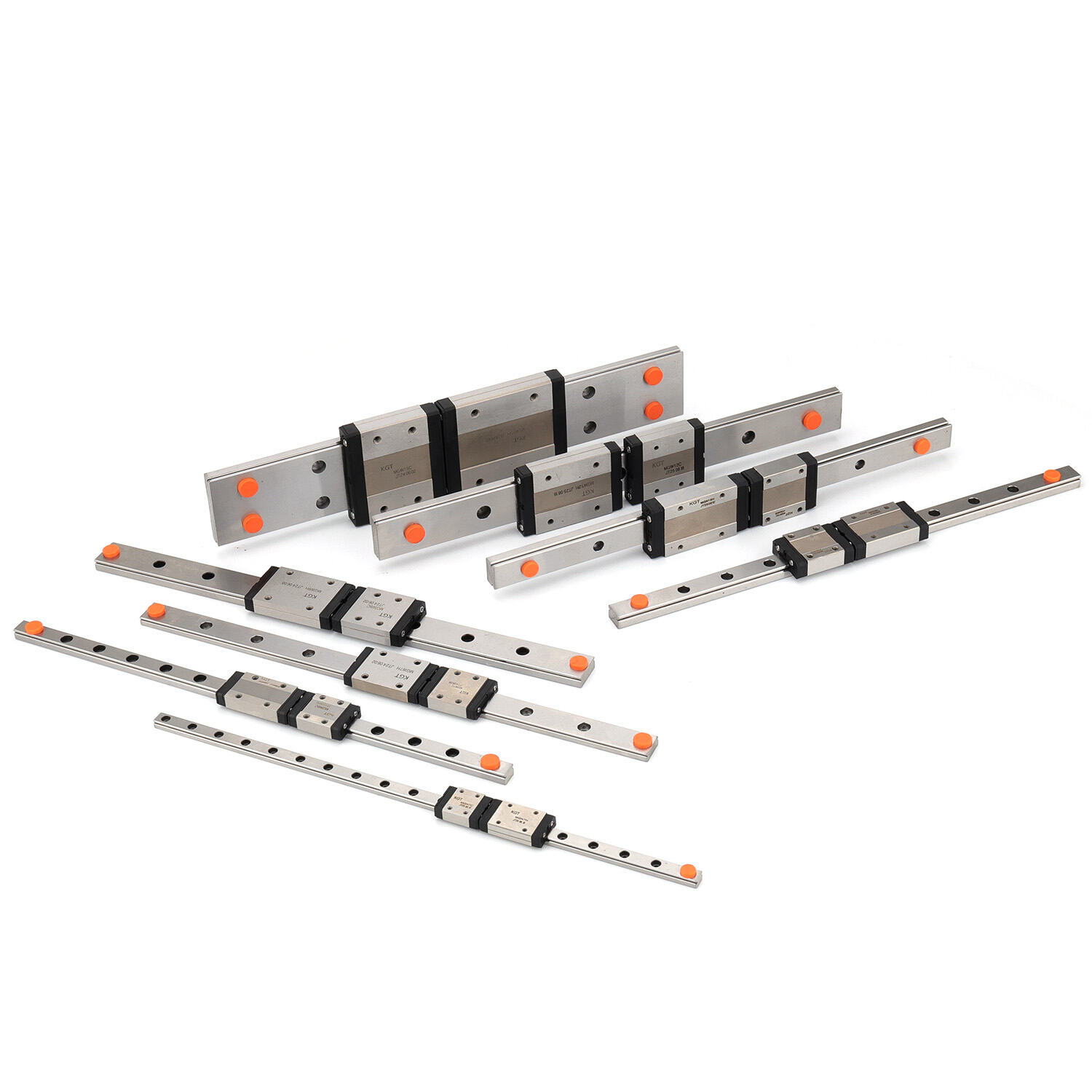
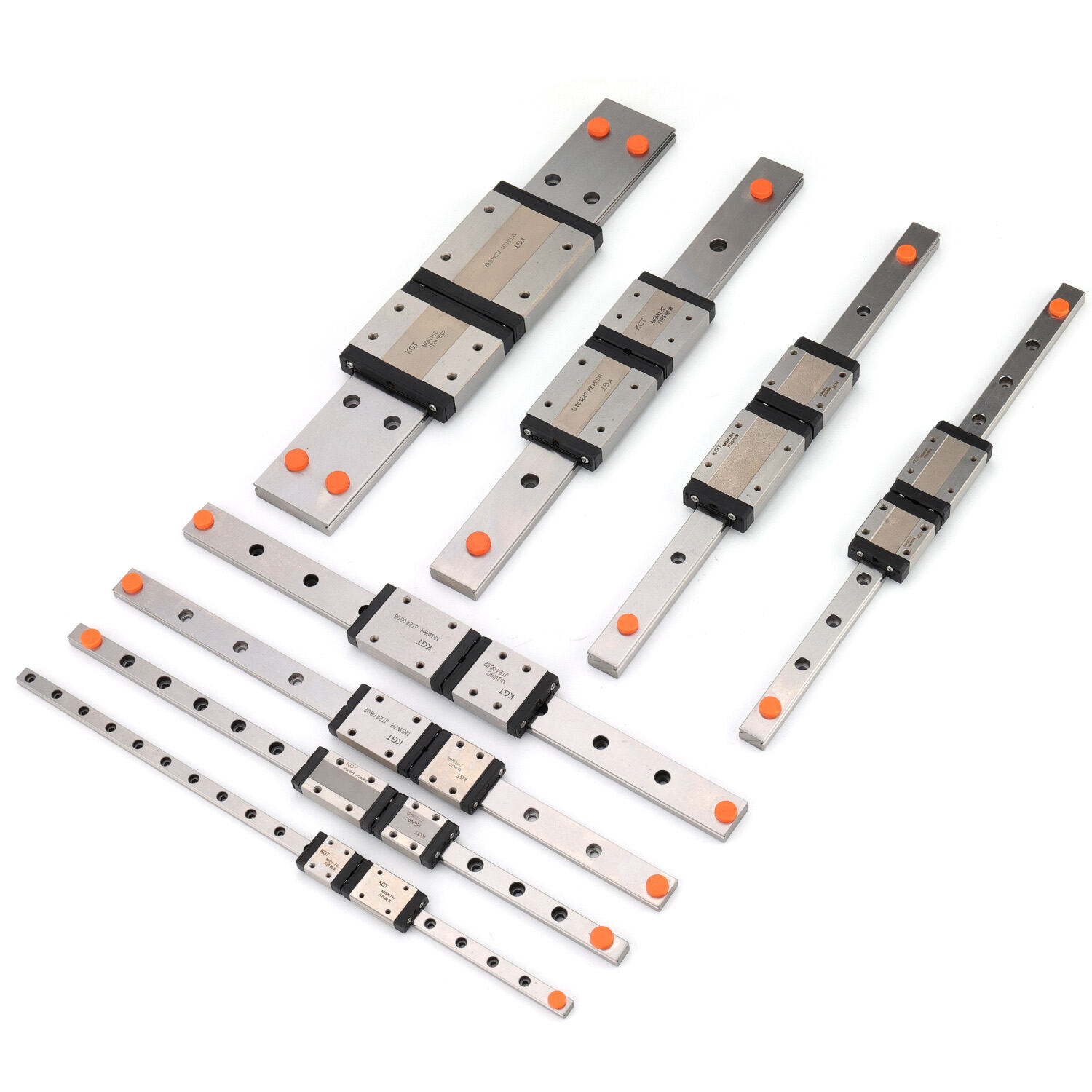
Premium Linear Guide Rail Systems - Precision Motion Control Solutions for Industrial Applications

All Categories

Get a Free Quote

Our representative will contact you soon.
Email
Name
Company Name
Message
0/1000

linear guide rail system

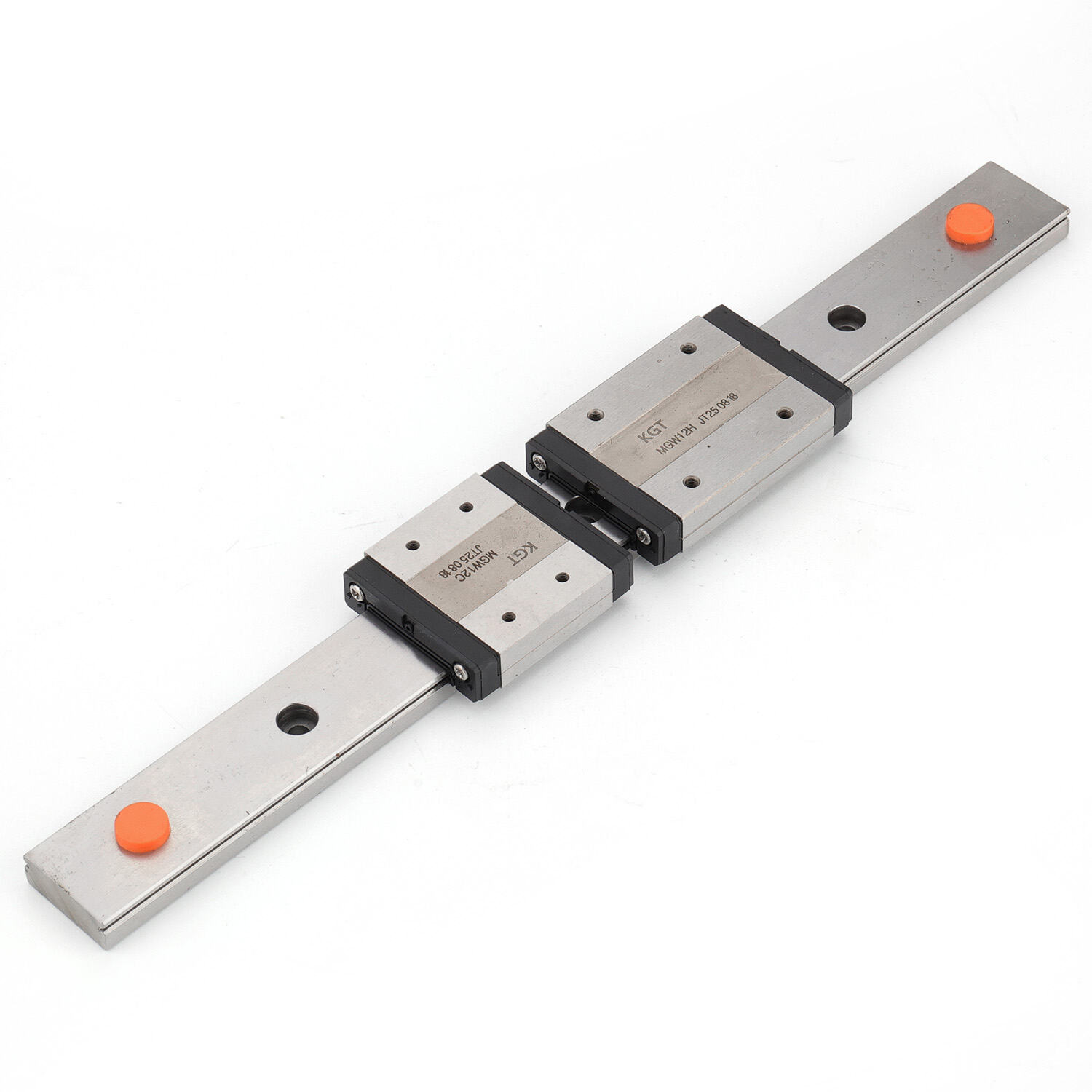
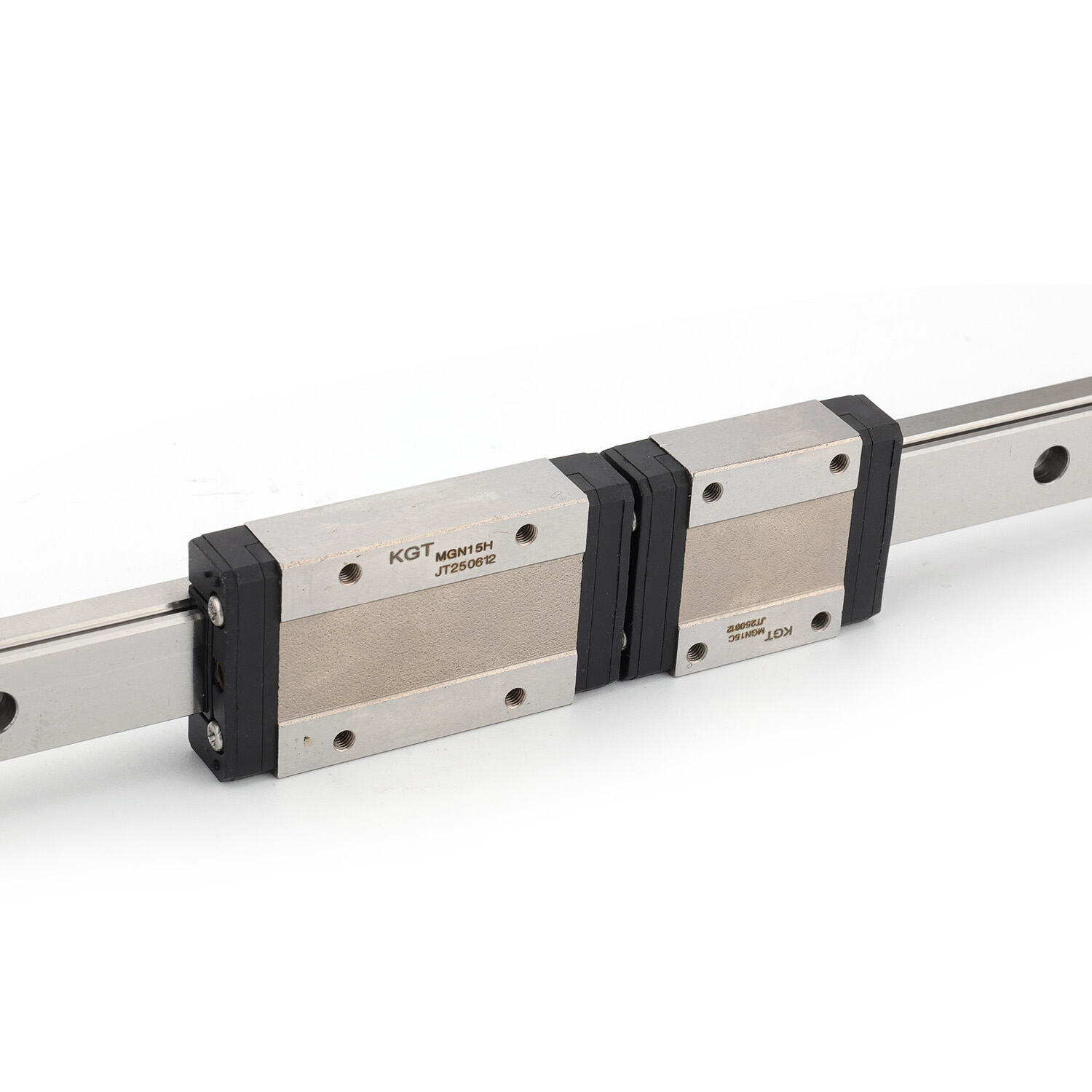
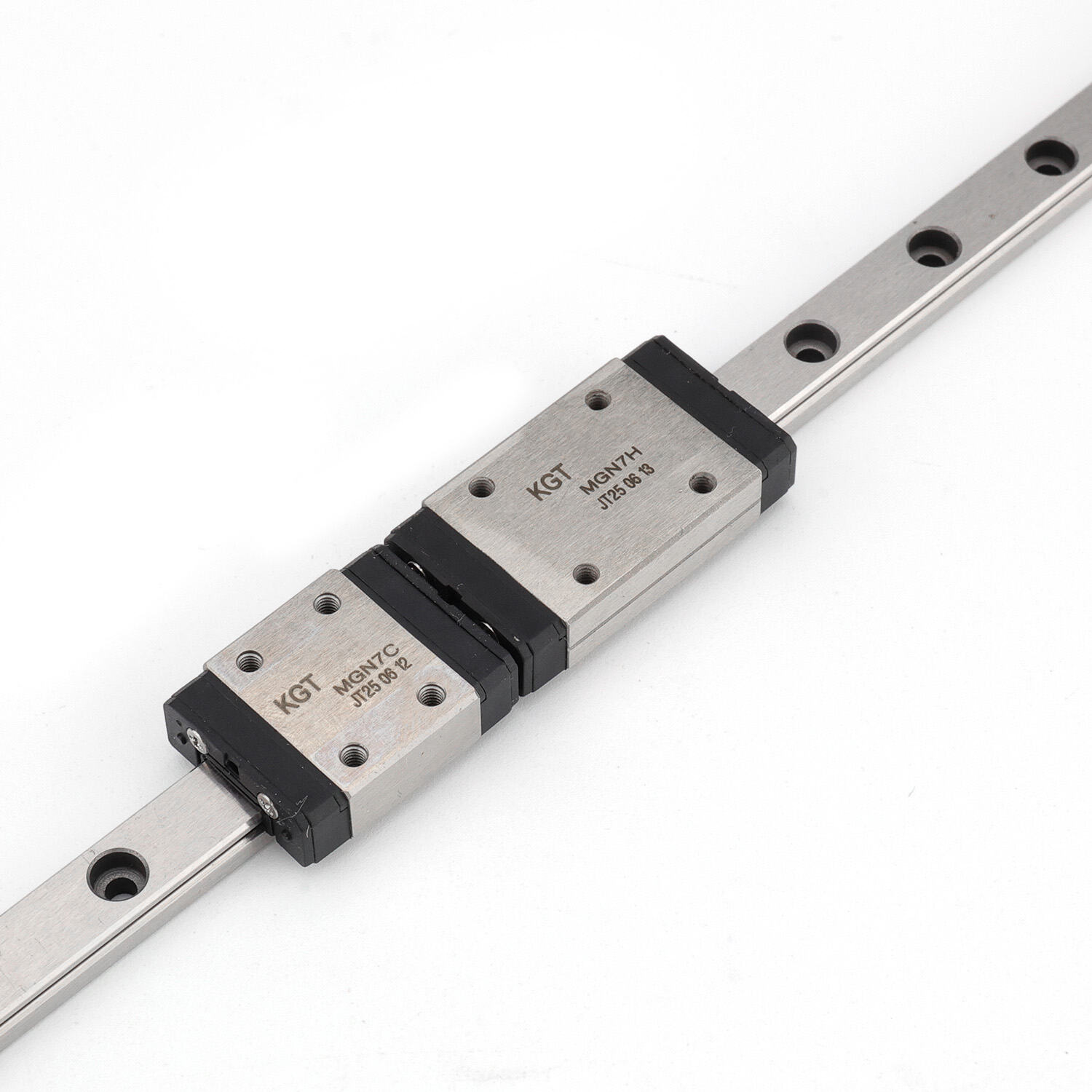
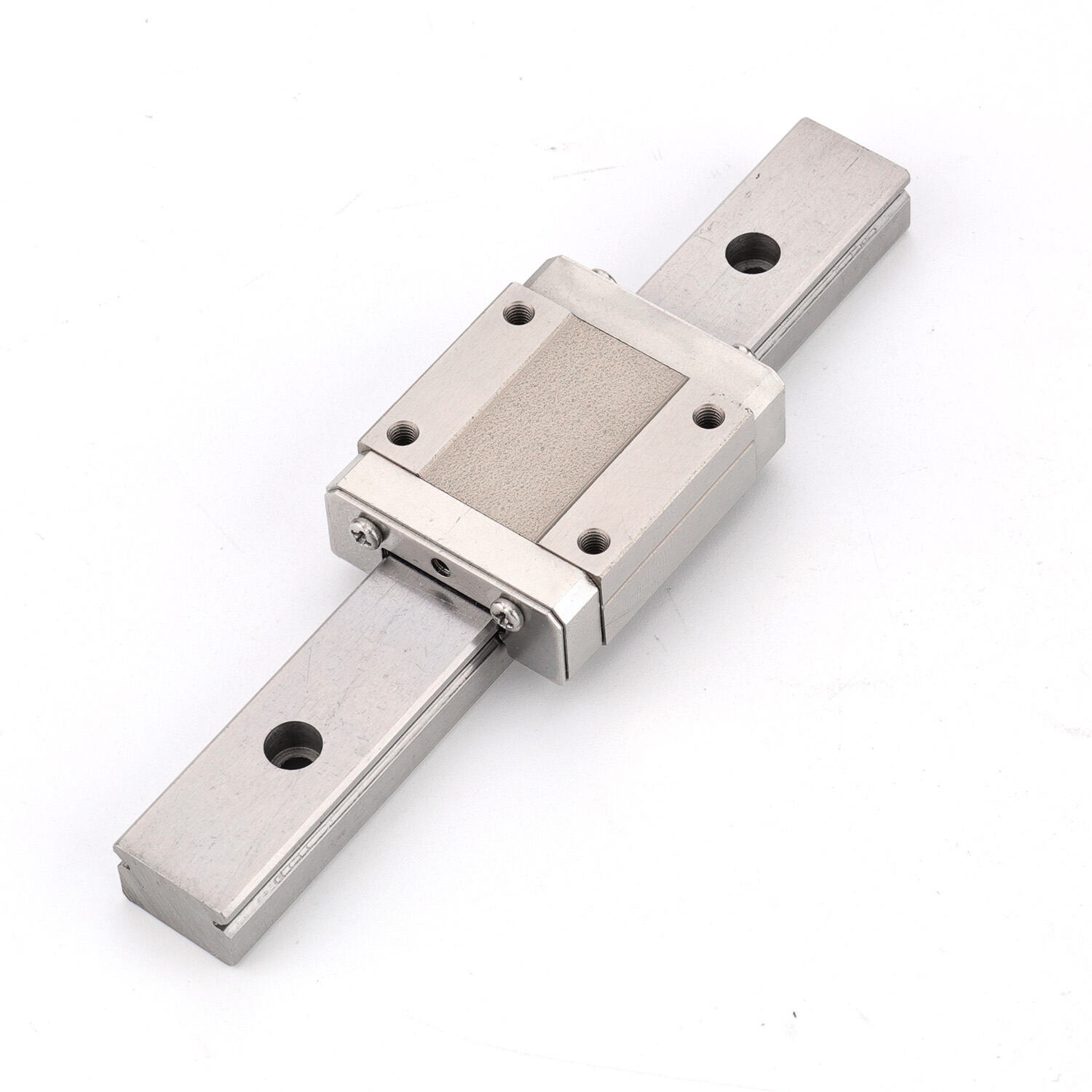
A linear guide rail system represents a crucial mechanical component designed to provide precise linear motion control in various industrial applications. This sophisticated system consists of rails, carriages, and ball bearings or rollers that work together to facilitate smooth, accurate movement along a predetermined path. The primary function of a linear guide rail system centers on constraining motion to a single axis while maintaining exceptional positional accuracy and load-bearing capacity. These systems excel at supporting both radial and moment loads while enabling frictionless movement between moving components. The technological architecture of modern linear guide rail systems incorporates advanced materials such as hardened steel rails with specialized surface treatments that enhance durability and reduce wear. The carriage assemblies feature precision-manufactured ball bearings or roller elements that distribute loads evenly across contact surfaces, minimizing stress concentrations and extending operational lifespan. Recirculating ball technology ensures continuous smooth operation by allowing bearing elements to move through internal pathways within the carriage structure. Contemporary linear guide rail systems integrate sophisticated sealing mechanisms that protect internal components from contamination while retaining lubrication for optimal performance. These systems find extensive applications across manufacturing industries, including CNC machining centers, automated assembly lines, packaging equipment, and robotics platforms. In medical device manufacturing, linear guide rail systems enable precise positioning for surgical equipment and diagnostic machinery. The aerospace industry utilizes these systems for aircraft component testing and satellite positioning mechanisms. Automotive production facilities depend on linear guide rail systems for welding robots, painting systems, and quality inspection equipment. The versatility of linear guide rail systems extends to semiconductor manufacturing, where ultra-precise positioning requirements demand exceptional accuracy and repeatability. Food processing industries benefit from specialized linear guide rail systems designed with corrosion-resistant materials and food-grade lubricants that comply with stringent hygiene standards.

New Product Recommendations

Linear guide rail systems deliver substantial operational benefits that directly impact productivity and cost-effectiveness in industrial environments. These systems provide unmatched precision in positioning applications, achieving tolerances measured in micrometers rather than millimeters, which translates to superior product quality and reduced waste in manufacturing processes. The inherent design of linear guide rail systems eliminates stick-slip phenomena commonly associated with sliding mechanisms, resulting in smooth motion characteristics that improve surface finishes and dimensional accuracy in machined components. Maintenance requirements for linear guide rail systems remain minimal compared to traditional sliding surfaces, as the rolling contact design reduces friction and wear significantly. This characteristic leads to extended service intervals and lower maintenance costs over the system's operational lifetime. The high load-carrying capacity of linear guide rail systems enables manufacturers to design more compact machinery while maintaining structural integrity and performance standards. These systems handle combined loads effectively, including radial forces, axial forces, and moment loads simultaneously, providing versatility in machine design applications. Speed capabilities of modern linear guide rail systems exceed those of conventional linear bearing solutions, enabling faster cycle times and increased throughput in automated production environments. The rigid construction of linear guide rail systems minimizes deflection under load, ensuring consistent positioning accuracy even when handling heavy components or experiencing dynamic loading conditions. Installation flexibility represents another significant advantage, as linear guide rail systems accommodate various mounting configurations and can be easily integrated into existing machinery designs. The modular nature of these systems allows for straightforward scaling of applications, enabling manufacturers to expand production capacity without complete system redesigns. Vibration damping characteristics inherent in linear guide rail systems contribute to improved machining quality by reducing chatter and unwanted oscillations during high-speed operations. Environmental adaptability of specialized linear guide rail systems ensures reliable performance in challenging conditions, including extreme temperatures, corrosive atmospheres, and cleanroom environments. The consistent performance characteristics of linear guide rail systems enable predictable machine behavior, facilitating accurate process control and quality assurance in critical manufacturing applications. Energy efficiency benefits arise from reduced friction losses, contributing to lower operating costs and environmental sustainability goals in modern manufacturing facilities.

Tips And Tricks

The Ultimate Guide to Linear Guides: Precision, Applications, and Custom Solutions for Industrial Excellence

24

Dec

The Ultimate Guide to Linear Guides: Precision, Applications, and Custom Solutions for Industrial Excellence

View More
How to Select the Right Linear Guide Model: A Mechanical Engineer’s Guide

31

Dec

How to Select the Right Linear Guide Model: A Mechanical Engineer’s Guide

View More
Precision in Motion The Engineering Excellence of Linear Guides

05

Jan

Precision in Motion The Engineering Excellence of Linear Guides

View More

Get a Free Quote

Our representative will contact you soon.
Email
Name
Company Name
Message
0/1000

linear guide rail system

Exceptional Precision and Repeatability Performance

Exceptional Precision and Repeatability Performance

The precision capabilities of linear guide rail systems represent their most compelling advantage for manufacturers seeking superior accuracy in their operations. These systems achieve positioning repeatability within plus or minus 2 micrometers under standard operating conditions, a level of precision that surpasses traditional sliding mechanisms by several orders of magnitude. This exceptional accuracy stems from the precise manufacturing tolerances maintained throughout the rail and carriage assembly process, where surface finishes are controlled to extremely tight specifications. The ball bearing or roller elements undergo rigorous quality control procedures to ensure uniform dimensions and surface characteristics, eliminating variations that could compromise positioning accuracy. The rigid structural design of linear guide rail systems prevents deflection under load, maintaining consistent positioning regardless of the forces applied during operation. This stability proves particularly valuable in precision machining applications where dimensional tolerances directly impact product quality and customer satisfaction. The repeatability performance of linear guide rail systems enables manufacturers to achieve consistent results across thousands of operational cycles, reducing variability in production processes and minimizing rejection rates. Advanced preload adjustment mechanisms allow operators to fine-tune the system's backlash characteristics, further enhancing positional accuracy for specific applications. The thermal stability of linear guide rail systems ensures that precision remains consistent across varying operating temperatures, preventing thermal expansion effects from compromising accuracy. Quality control processes in manufacturing benefit significantly from this precision, as measurement and inspection equipment mounted on linear guide rail systems can detect minute variations in product dimensions. The cumulative effect of this precision translates to improved product quality, reduced waste, and enhanced customer satisfaction, making linear guide rail systems an essential investment for precision manufacturing operations.
Superior Load Capacity and Structural Integrity

Superior Load Capacity and Structural Integrity

Linear guide rail systems demonstrate remarkable load-bearing capabilities that enable manufacturers to design more efficient and compact machinery solutions. These systems can simultaneously handle radial loads, axial loads, and moment loads without compromising their precision or operational smoothness. The distributed load-carrying design spreads forces across multiple contact points, reducing stress concentrations and preventing premature wear or failure. Modern linear guide rail systems can support radial loads ranging from several hundred pounds to multiple tons, depending on the specific model and configuration selected for the application. The moment load capacity of these systems allows them to handle off-center loading conditions commonly encountered in industrial applications, such as when heavy components are mounted at a distance from the guide rail centerline. This versatility eliminates the need for additional support structures in many applications, simplifying machine designs and reducing overall system costs. The dynamic load ratings of linear guide rail systems ensure reliable performance even under continuous operation with varying load conditions. Static load capacity specifications guarantee that the system can safely support maximum loads during extended periods without movement, such as during maintenance or emergency stops. The robust construction materials used in linear guide rail systems, including hardened steel rails and precision-manufactured carriages, provide exceptional durability even in demanding industrial environments. Fatigue resistance characteristics ensure that these systems maintain their load-carrying capacity throughout millions of operational cycles, providing long-term reliability and cost-effectiveness. The ability to handle combined loading conditions makes linear guide rail systems ideal for applications involving complex motion profiles or irregular loading patterns. This structural integrity translates to reduced downtime, lower maintenance costs, and improved overall equipment effectiveness for manufacturing operations.
Versatile Integration and Customization Options

Versatile Integration and Customization Options

The adaptability of linear guide rail systems to diverse industrial applications represents a key competitive advantage that sets them apart from alternative motion control solutions. These systems offer extensive customization options that allow engineers to tailor the solution precisely to their specific operational requirements. Size configurations range from miniature systems suitable for precision instruments to heavy-duty variants capable of supporting multi-ton loads in large-scale manufacturing equipment. The modular design philosophy enables seamless integration with existing machinery, often requiring minimal modifications to accommodate the linear guide rail system installation. Mounting flexibility allows for horizontal, vertical, or inverted orientations, providing designers with maximum freedom in equipment layout and space utilization. Specialized variants of linear guide rail systems address unique industry requirements, such as stainless steel construction for food processing applications, sealed designs for harsh environments, and ultra-clean versions for semiconductor manufacturing. Lubrication options include both oil and grease systems, with sealed-for-life variants available for applications where maintenance access is limited or contamination concerns exist. Temperature-resistant materials and coatings extend the operational range of linear guide rail systems to extreme environments, from cryogenic applications to high-temperature furnace operations. The availability of different accuracy classes allows customers to select the most cost-effective solution that meets their precision requirements without over-specifying the system. Accessories and mounting hardware designed specifically for linear guide rail systems simplify installation and integration processes, reducing engineering time and costs. Corrosion-resistant treatments and materials enable reliable operation in marine, chemical processing, and outdoor applications where environmental exposure poses challenges. The scalability of linear guide rail systems supports both prototype development and high-volume production applications, allowing manufacturers to maintain consistency as they transition from development to full-scale production.
Premium Linear Guide Rail Systems - Precision Motion Control Solutions for Industrial Applications

Get a Free Quote

Our representative will contact you soon.
Email
Name
Company Name
Message
0/1000