Versatile Application Integration and System Compatibility
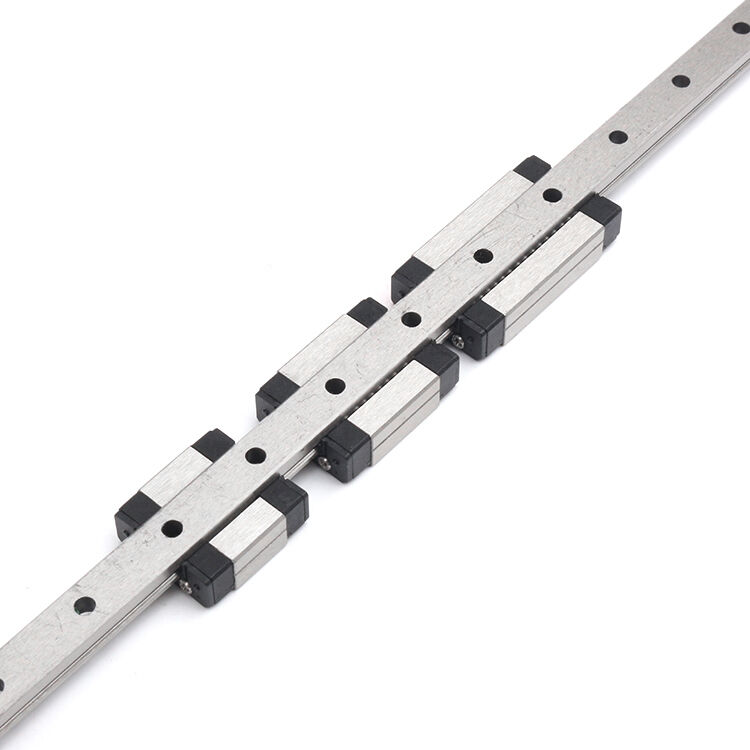
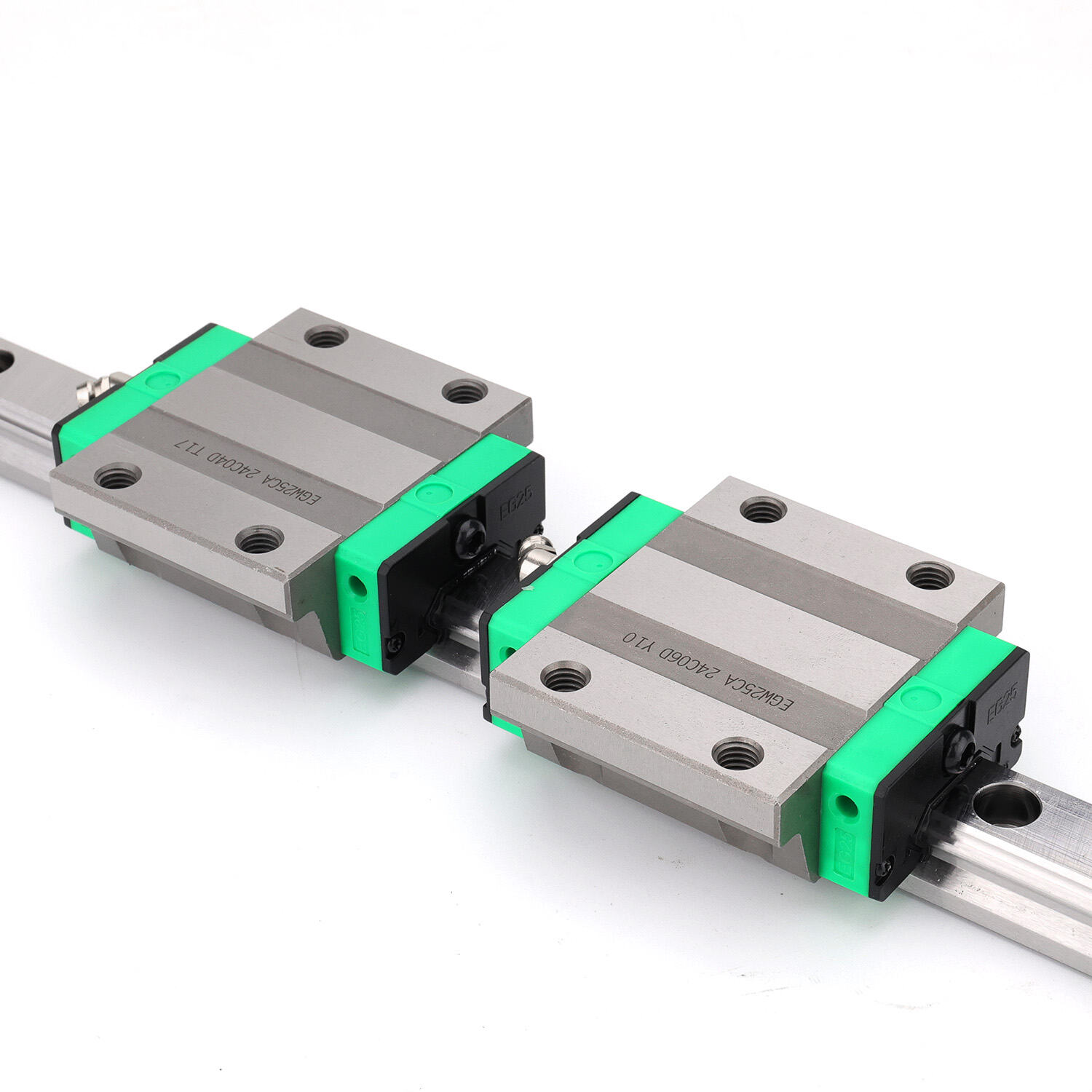
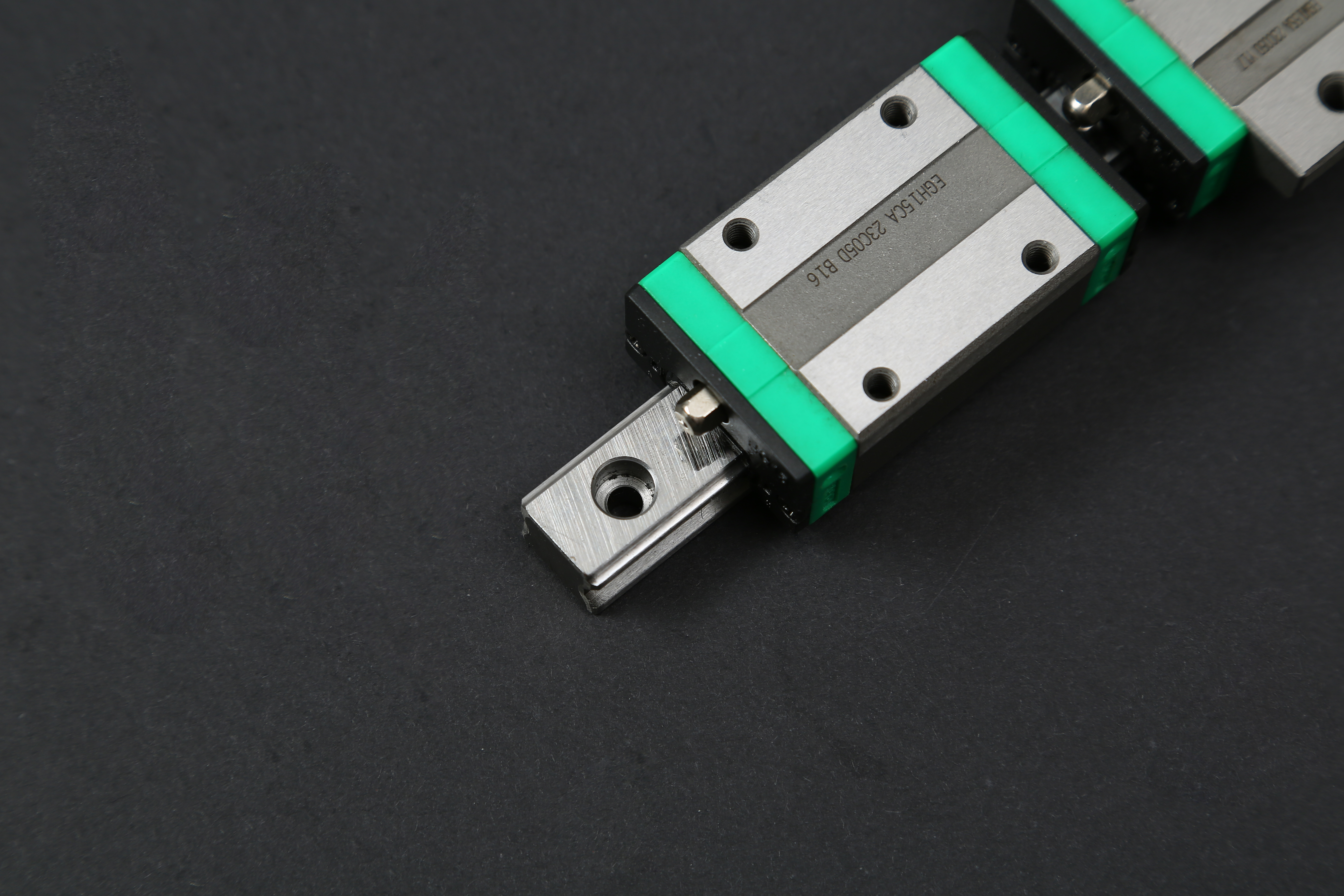
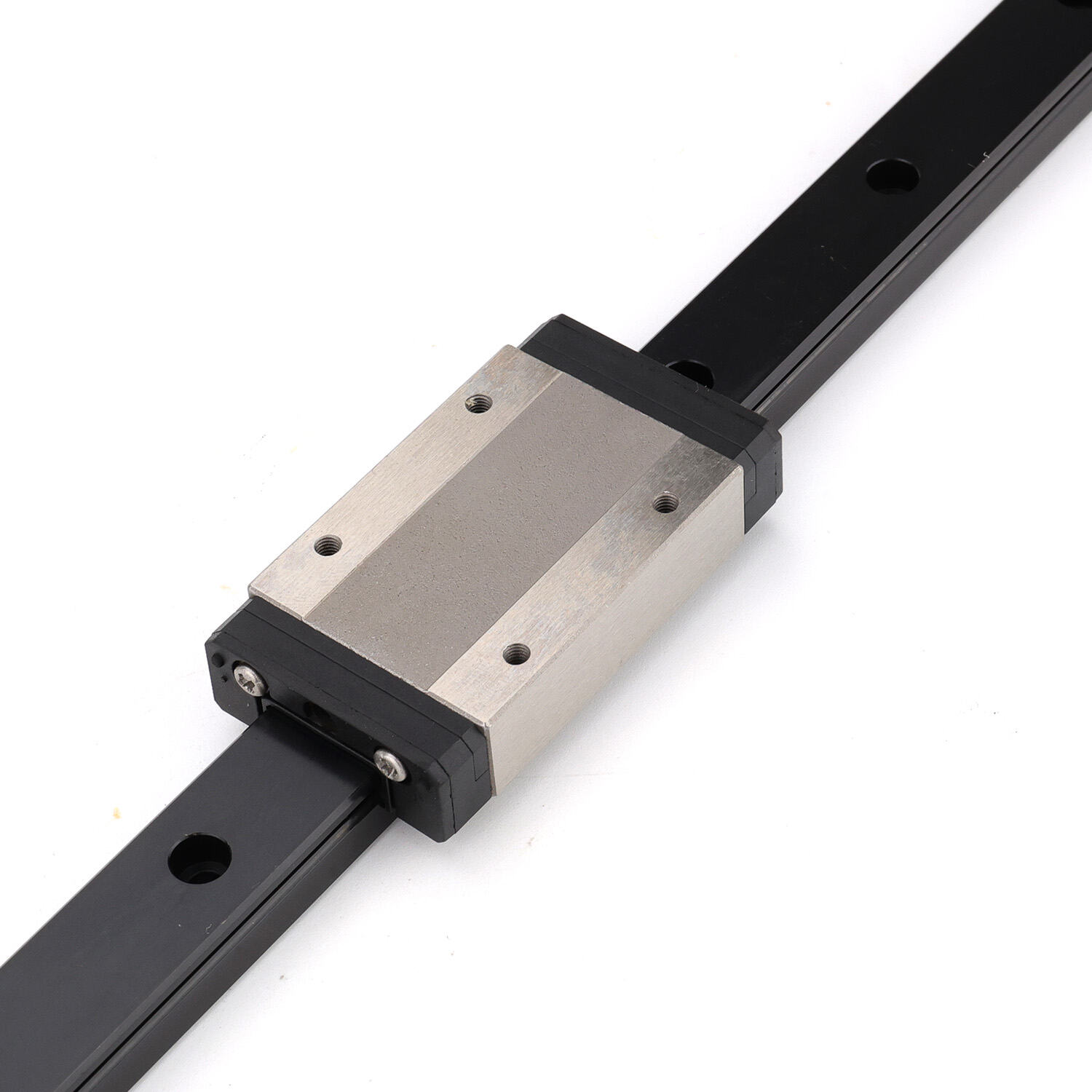
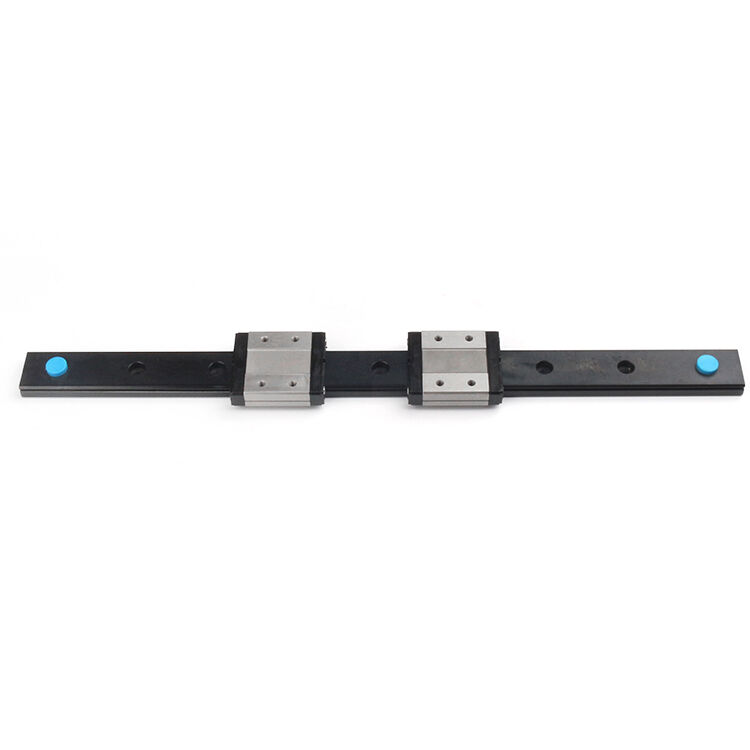
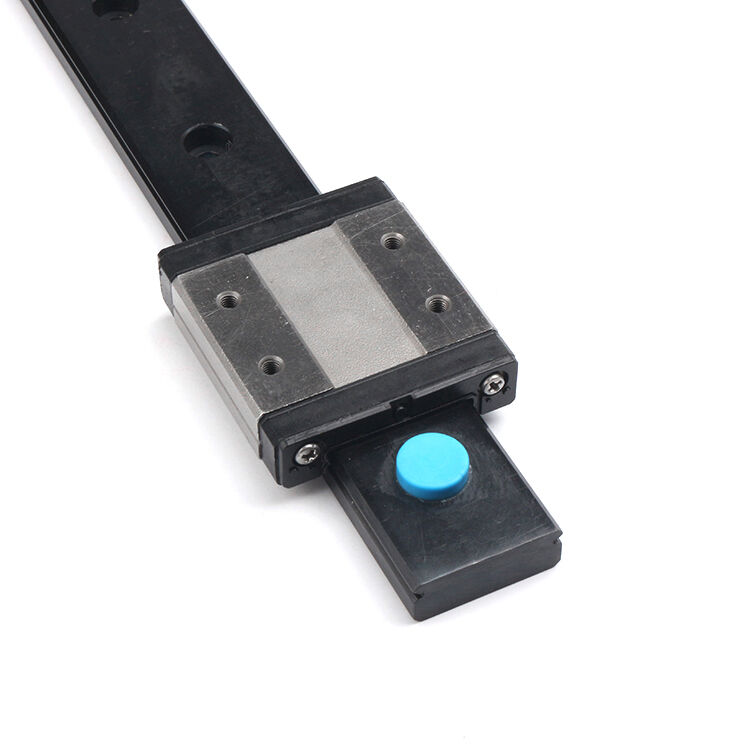
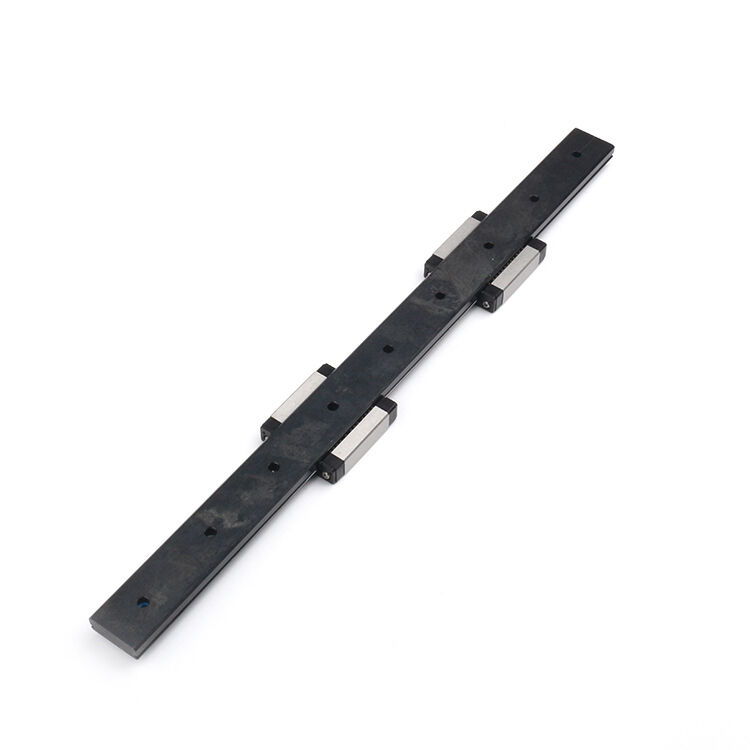
The 400mm linear rail demonstrates exceptional versatility through comprehensive compatibility with diverse industrial systems and mounting configurations, making it an ideal choice for engineers designing automated equipment across multiple industry sectors. The standardized rail profile follows international specifications, ensuring seamless integration with existing machinery and compatibility with standard mounting hardware, brackets, and accessories from various manufacturers. This standardization eliminates custom adaptation requirements and reduces integration complexity while providing access to a broad ecosystem of compatible components. Multiple mounting orientations support various machine configurations, including horizontal, vertical, and inverted installations without compromising performance characteristics or requiring special modifications. The 400mm linear rail adapts to different drive mechanisms, including belt drives, ball screws, rack and pinion systems, and direct motor drives, providing flexibility in actuator selection based on specific application requirements such as speed, accuracy, or load capacity. Modular design principles allow multiple 400mm linear rails to be combined in parallel or series configurations, creating custom travel lengths or increased load capacity to meet specialized application demands. The rail system accommodates various bearing block configurations, including standard blocks, wide blocks for increased moment capacity, and specialized blocks with integrated sensors or mounting features for specific applications. Environmental adaptability makes the 400mm linear rail suitable for diverse operating conditions, from clean room environments requiring low outgassing materials to harsh industrial settings with exposure to contaminants, chemicals, or extreme temperatures. The system supports integration with modern control technologies, including servo systems with feedback devices, programmable logic controllers, and networked automation platforms that enable remote monitoring and control capabilities. Maintenance procedures are designed for compatibility with standard industrial practices, using common tools and readily available lubricants that simplify service requirements and reduce operational complexity. The 400mm linear rail integrates effectively with safety systems, supporting emergency stop functions and fail-safe mechanisms that protect both equipment and personnel. Custom modifications and special configurations are available to meet unique application requirements while maintaining the fundamental performance characteristics that make the standard 400mm linear rail so versatile and reliable across diverse industrial applications.

 EN
EN