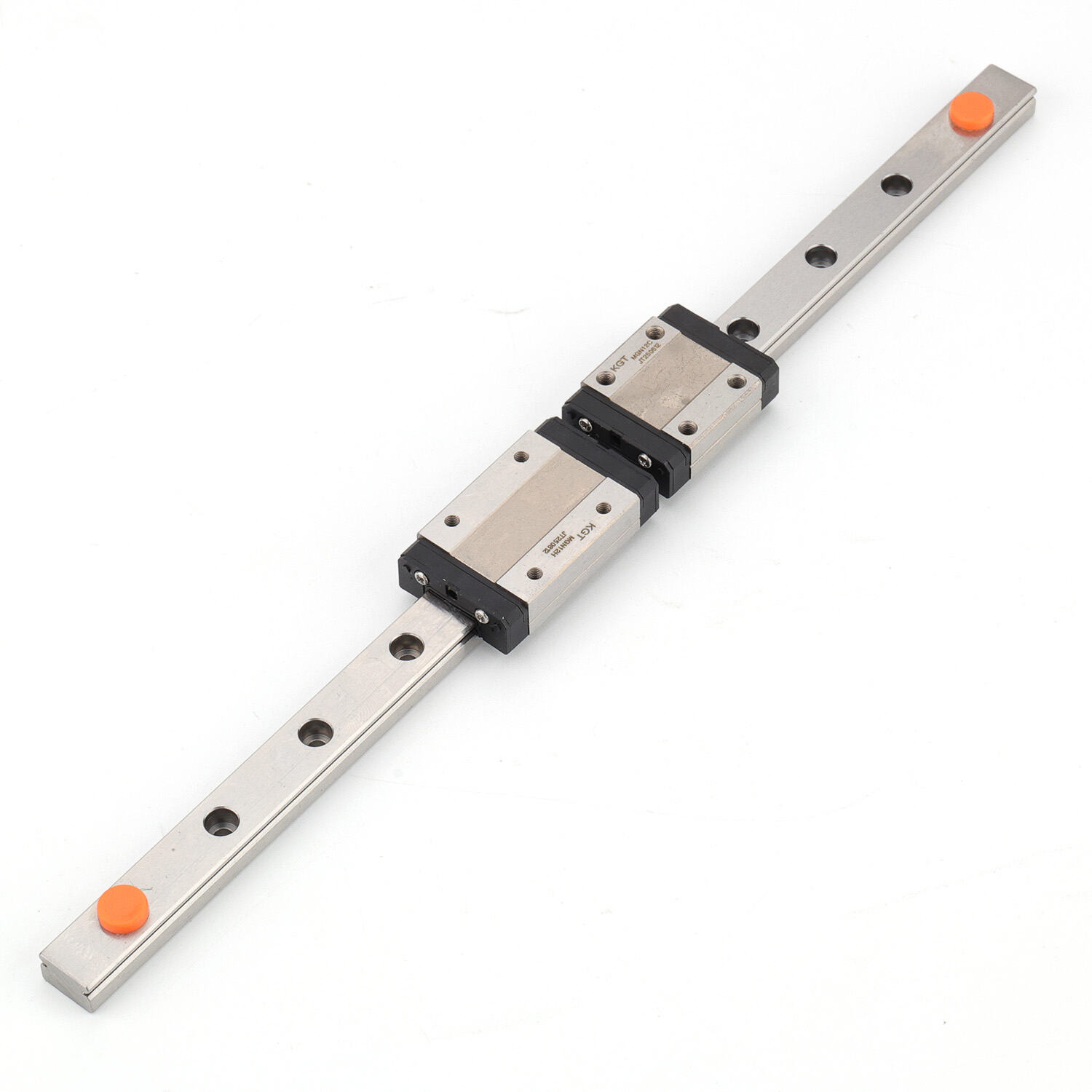
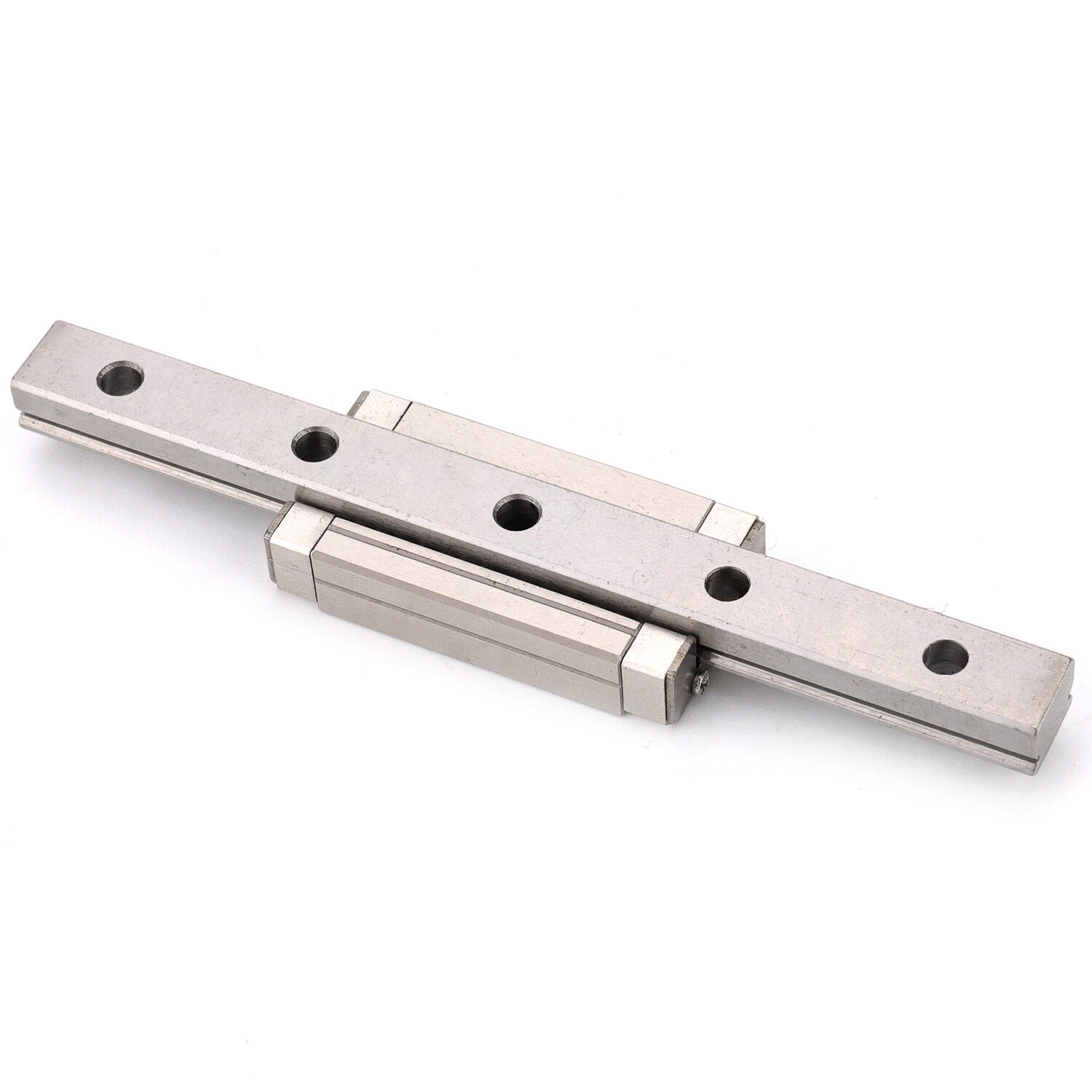
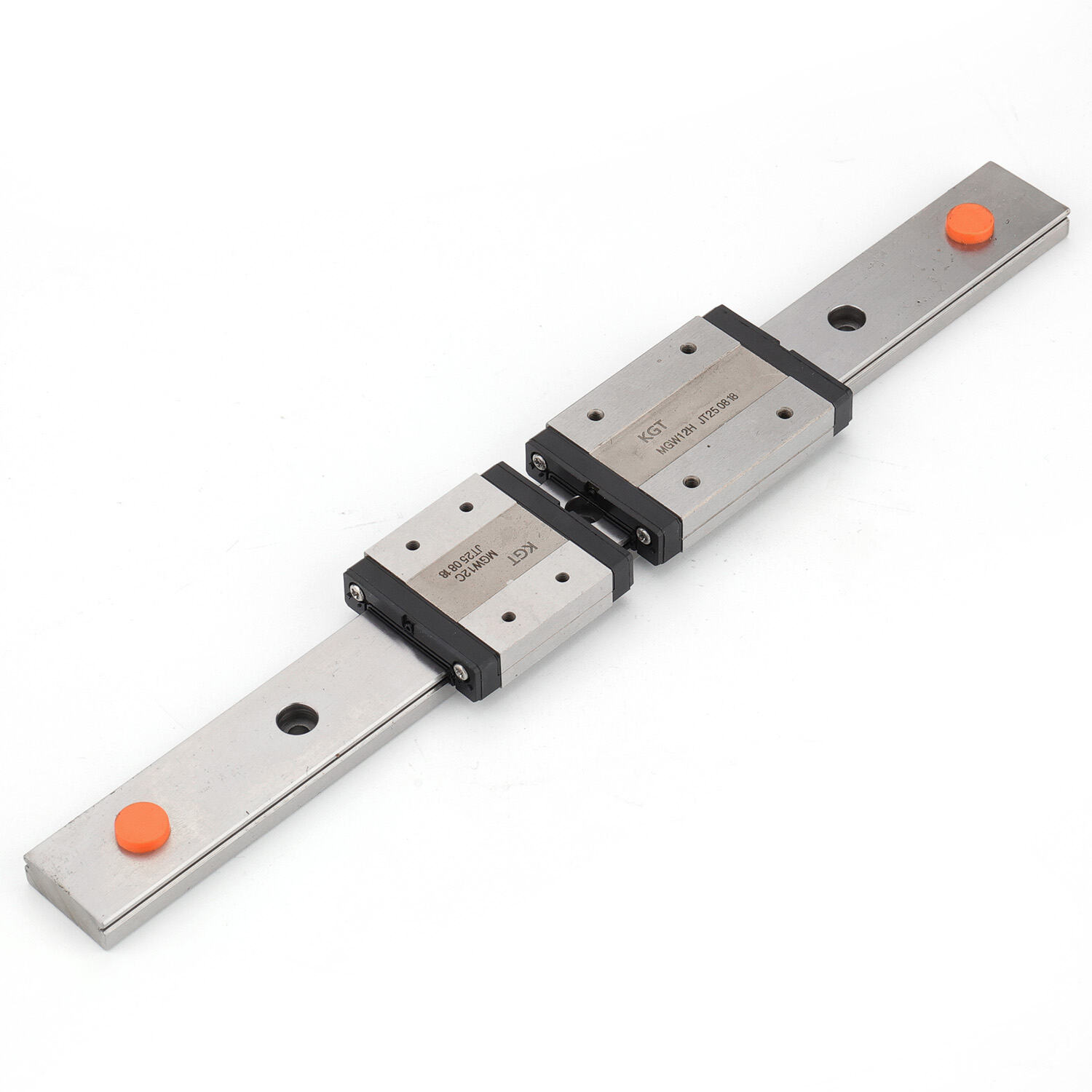
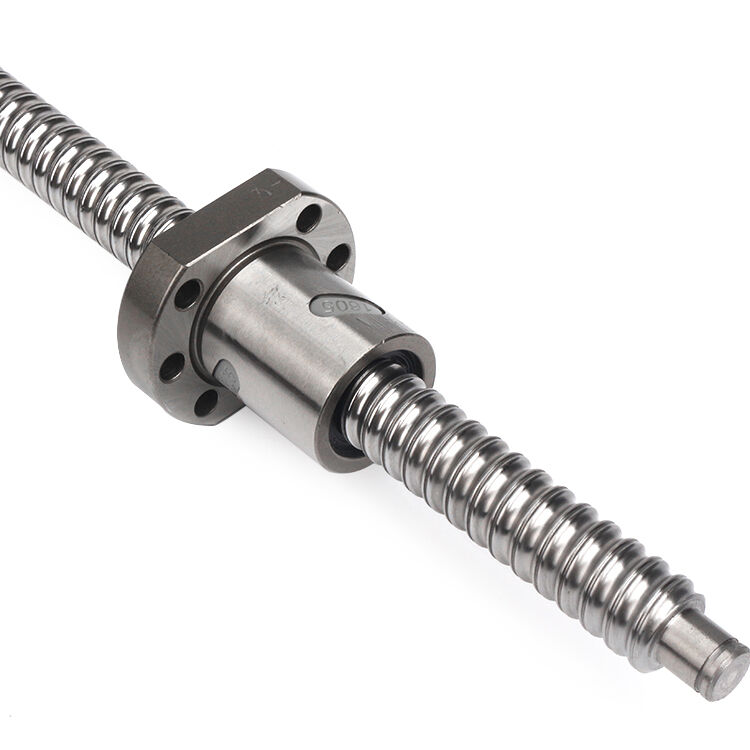
ball screw linear rail
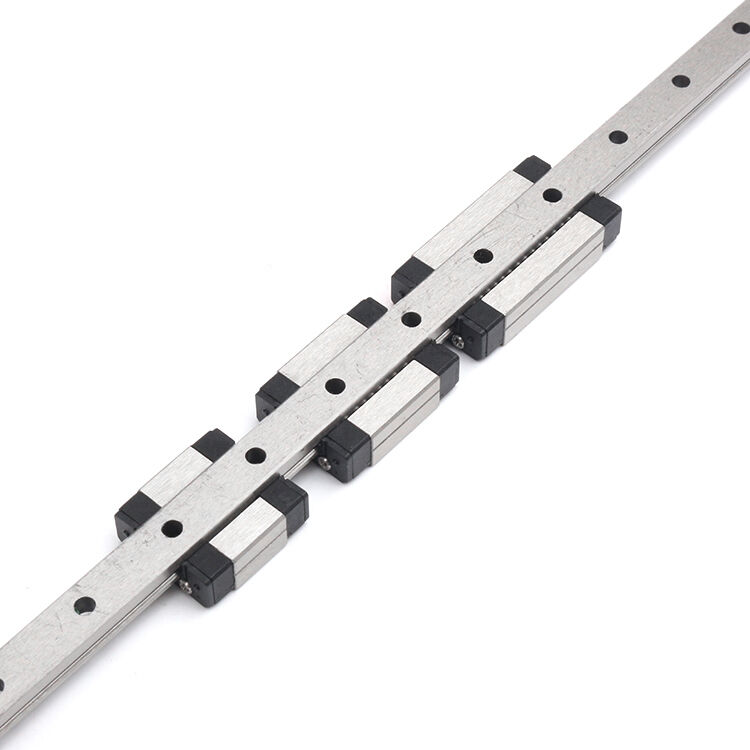
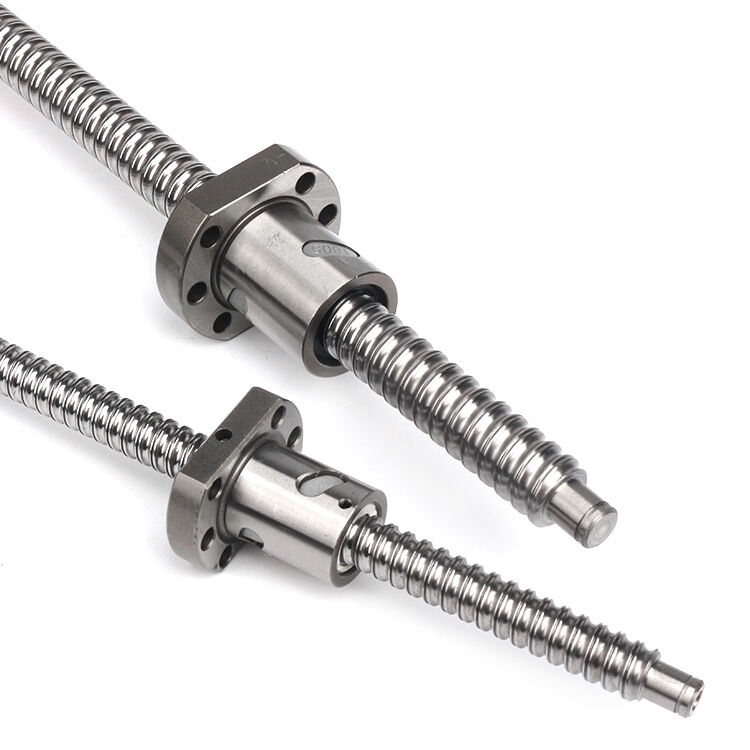
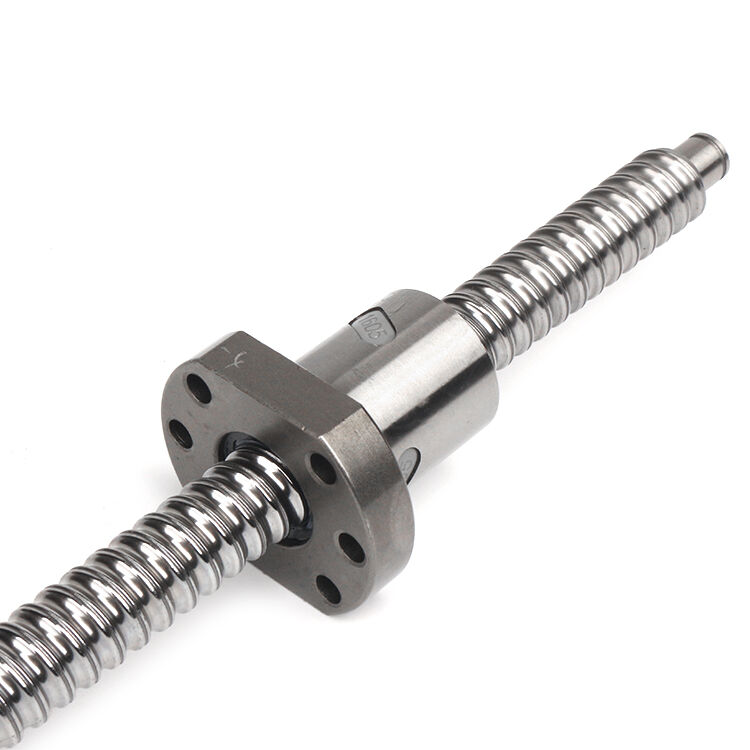
A ball screw linear rail represents a sophisticated mechanical system that combines two essential components of linear motion technology: the ball screw mechanism and the linear guide rail. This integrated solution delivers precise, controlled linear movement for various industrial applications requiring accuracy and reliability. The ball screw linear rail functions by converting rotational motion into linear displacement through a threaded shaft equipped with recirculating ball bearings that minimize friction and maximize efficiency. The linear rail component provides essential guidance and support, ensuring smooth movement along a predetermined path while maintaining exceptional positional accuracy. This dual-component system operates through the interaction of a threaded rod, ball nut assembly, and precision-ground guide rails that work in unison to deliver consistent performance. The ball bearings within the screw mechanism roll between the screw threads and nut grooves, creating a low-friction interface that enables smooth operation even under heavy loads. Meanwhile, the linear rail system incorporates precision ball bearings or roller elements that travel along hardened steel rails, providing superior load capacity and extended operational life. Modern ball screw linear rail systems feature advanced sealing technologies that protect internal components from contamination while maintaining lubrication effectiveness. These systems accommodate various mounting configurations and can be customized to meet specific application requirements, including different lead specifications, travel lengths, and load capacities. The technology finds extensive use in CNC machining centers, automated manufacturing equipment, medical devices, semiconductor production machinery, and precision positioning systems where accuracy, repeatability, and longevity are paramount concerns for operational success.

 EN
EN