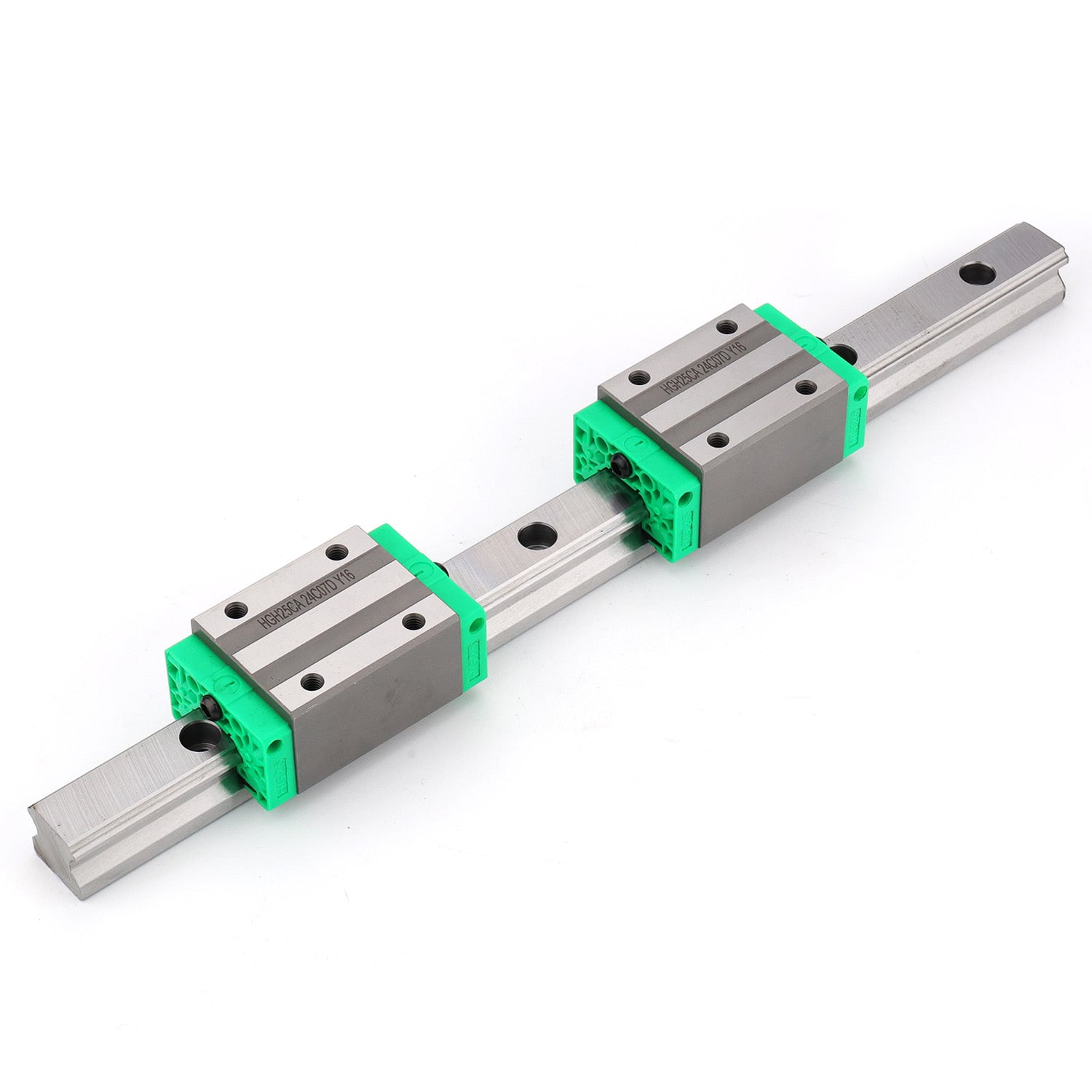
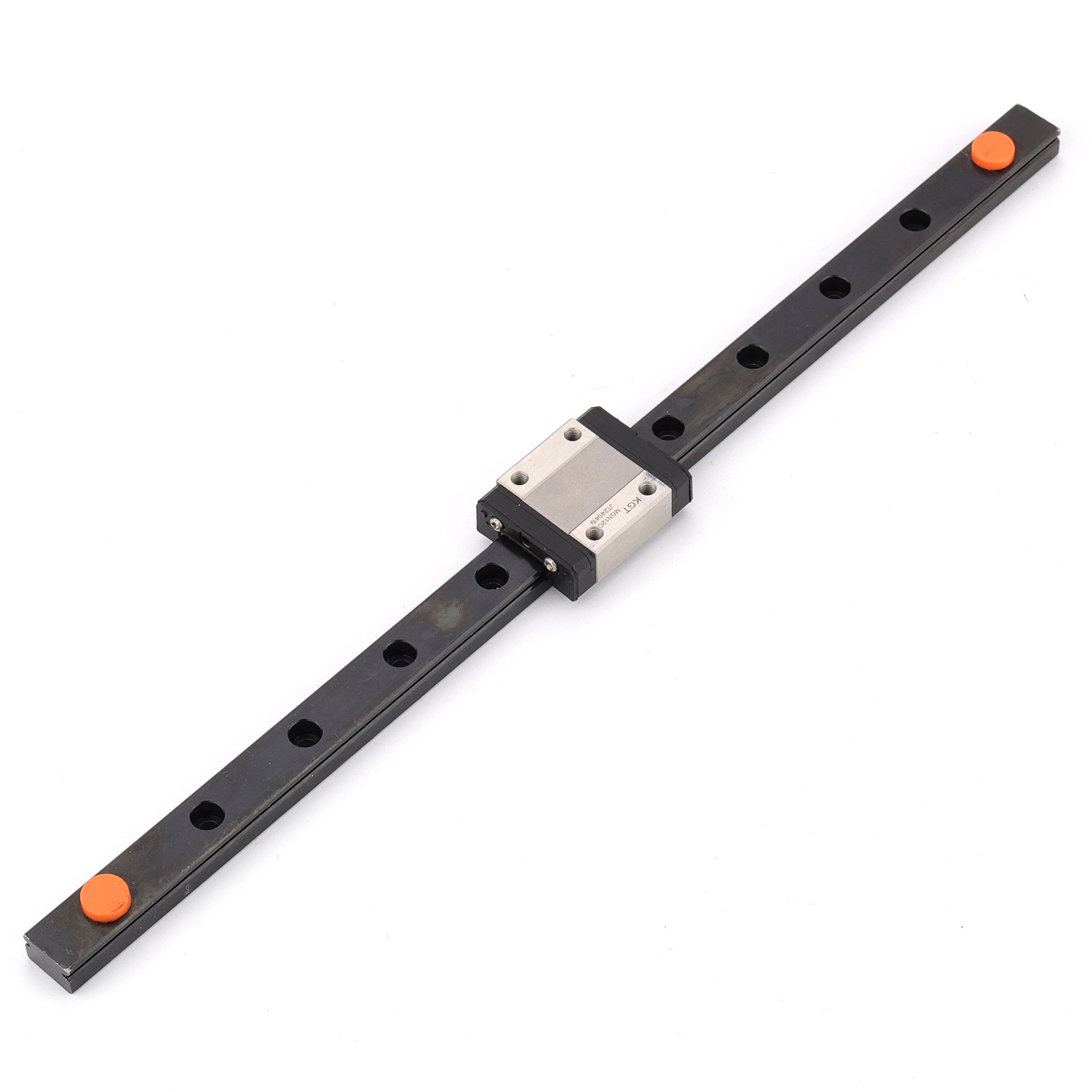
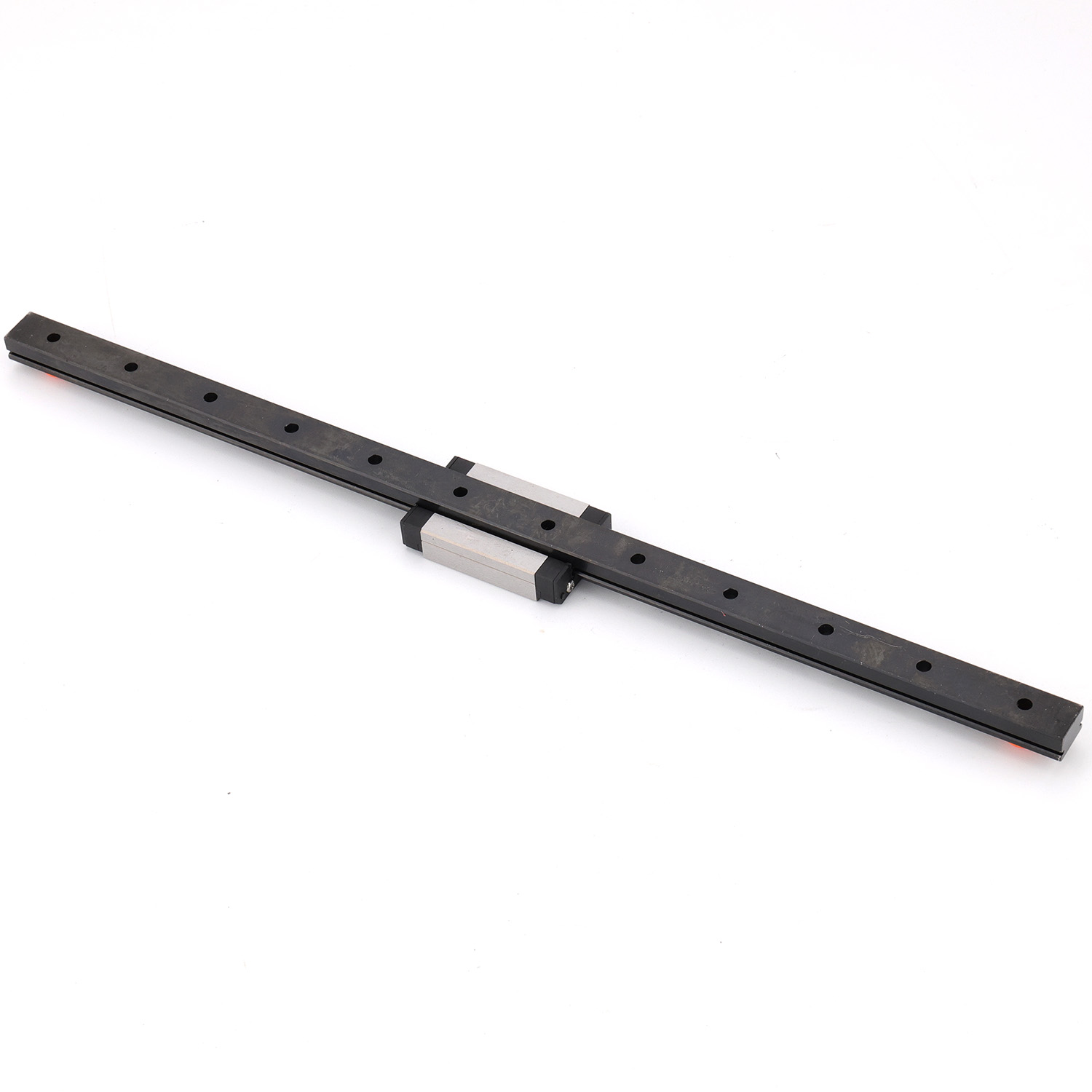
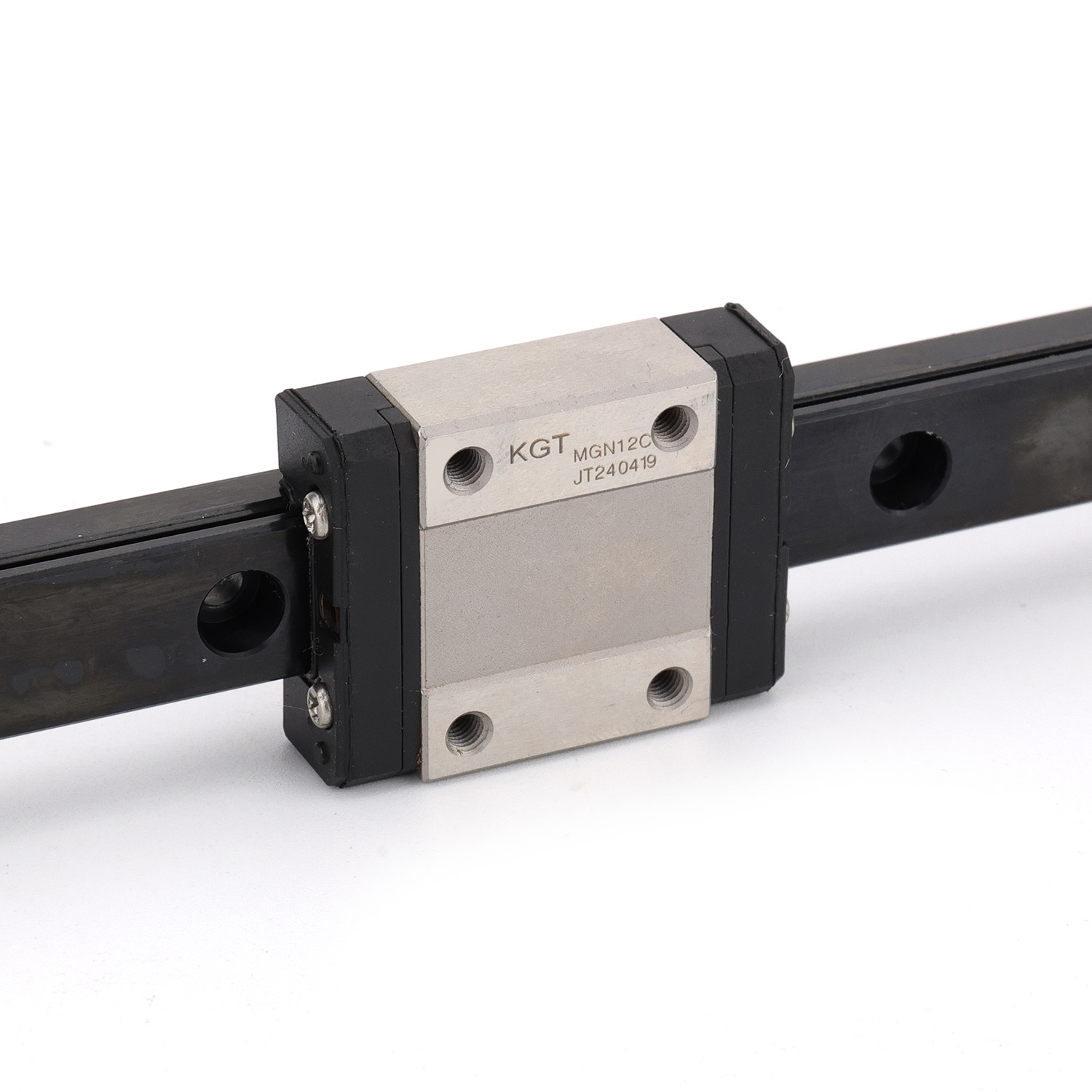
Heavy Duty Rails: Industrial Linear Motion Systems for Maximum Load Capacity and Precision

All Categories

Get a Free Quote

Our representative will contact you soon.
Email
Name
Company Name
Message
0/1000

heavy duty rails

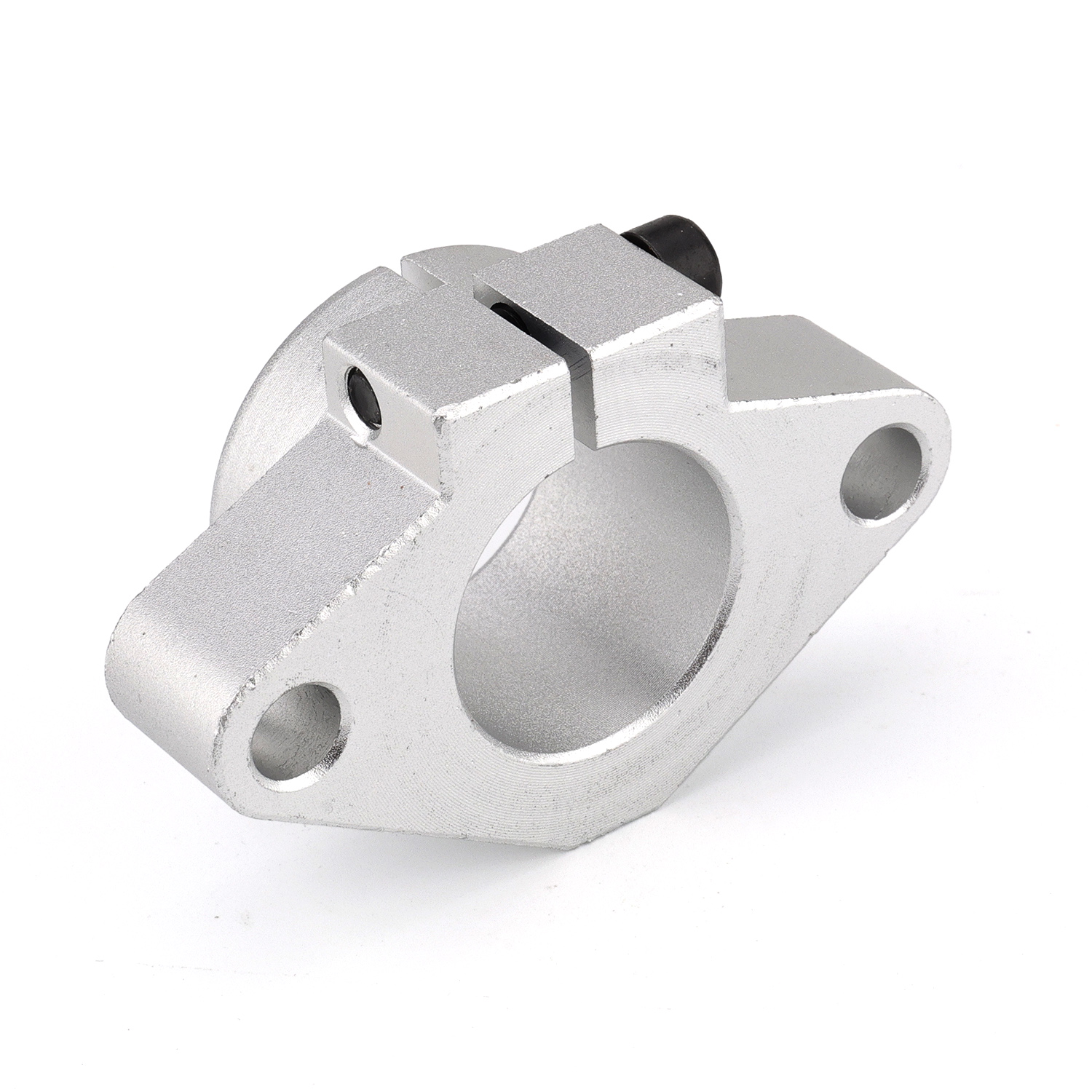
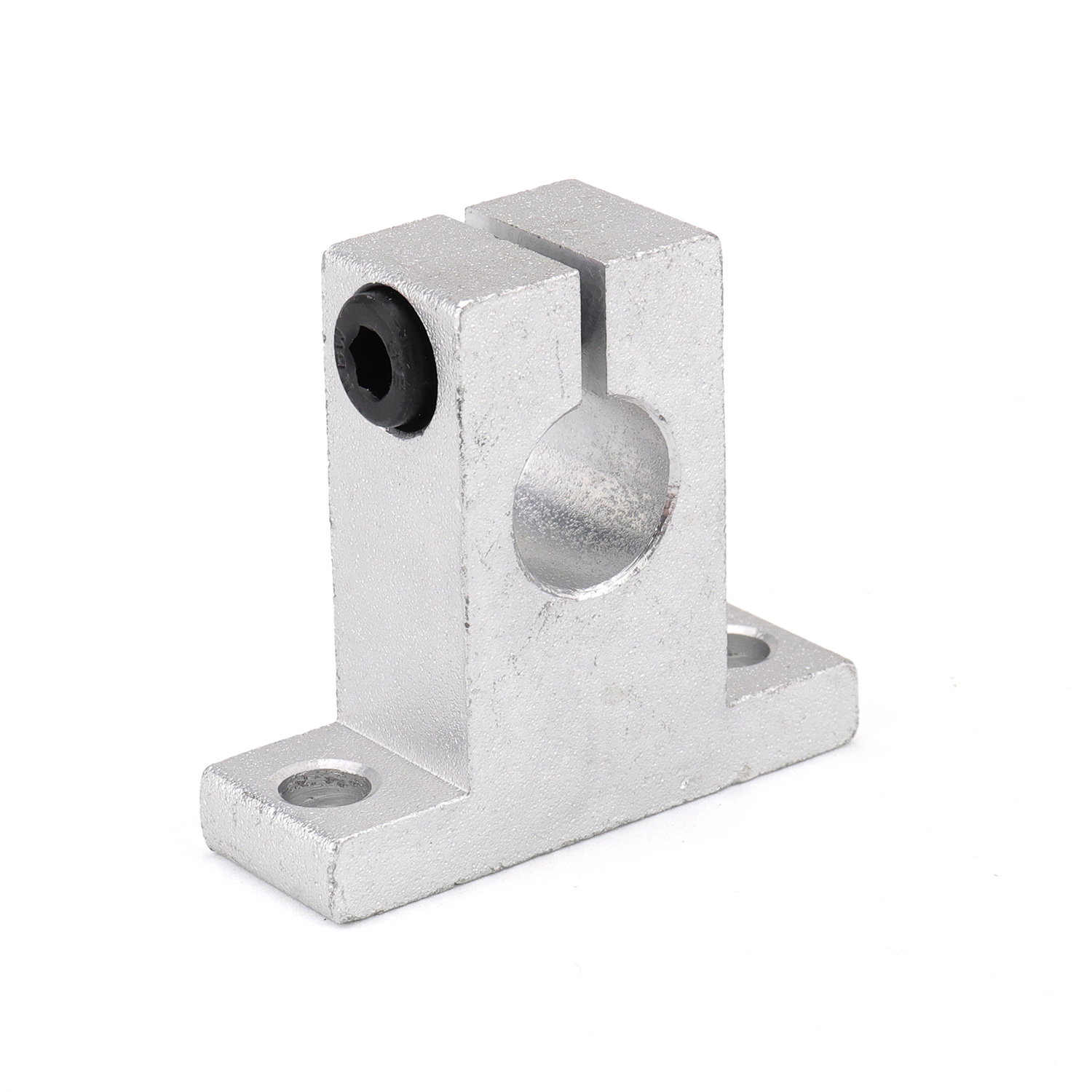
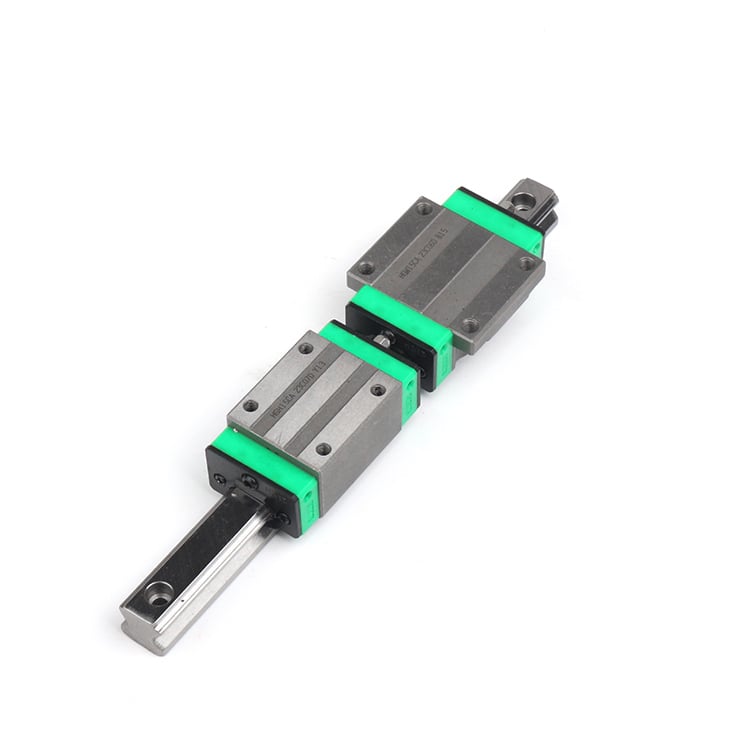
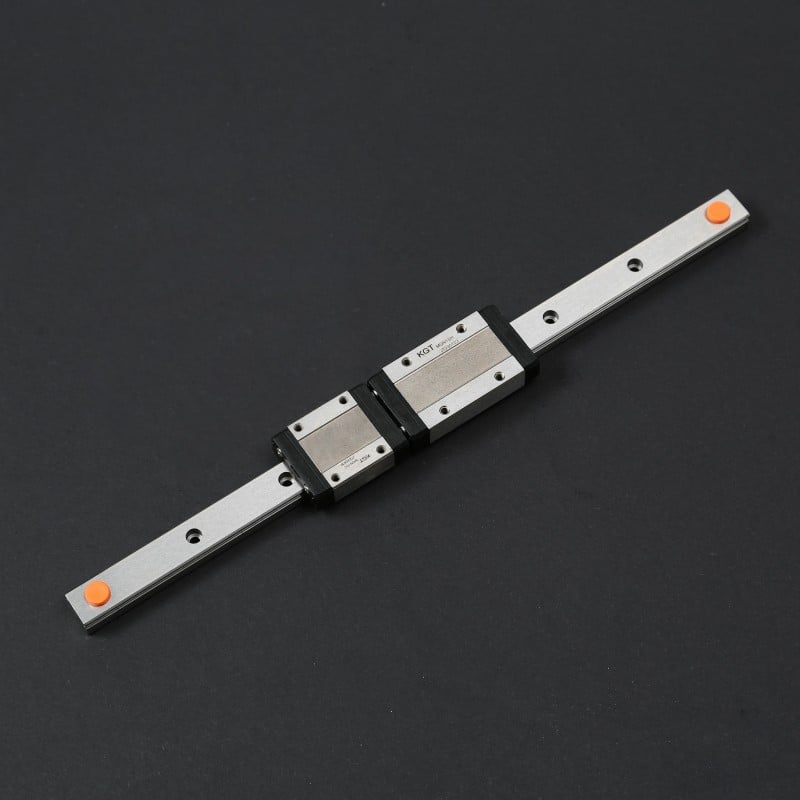
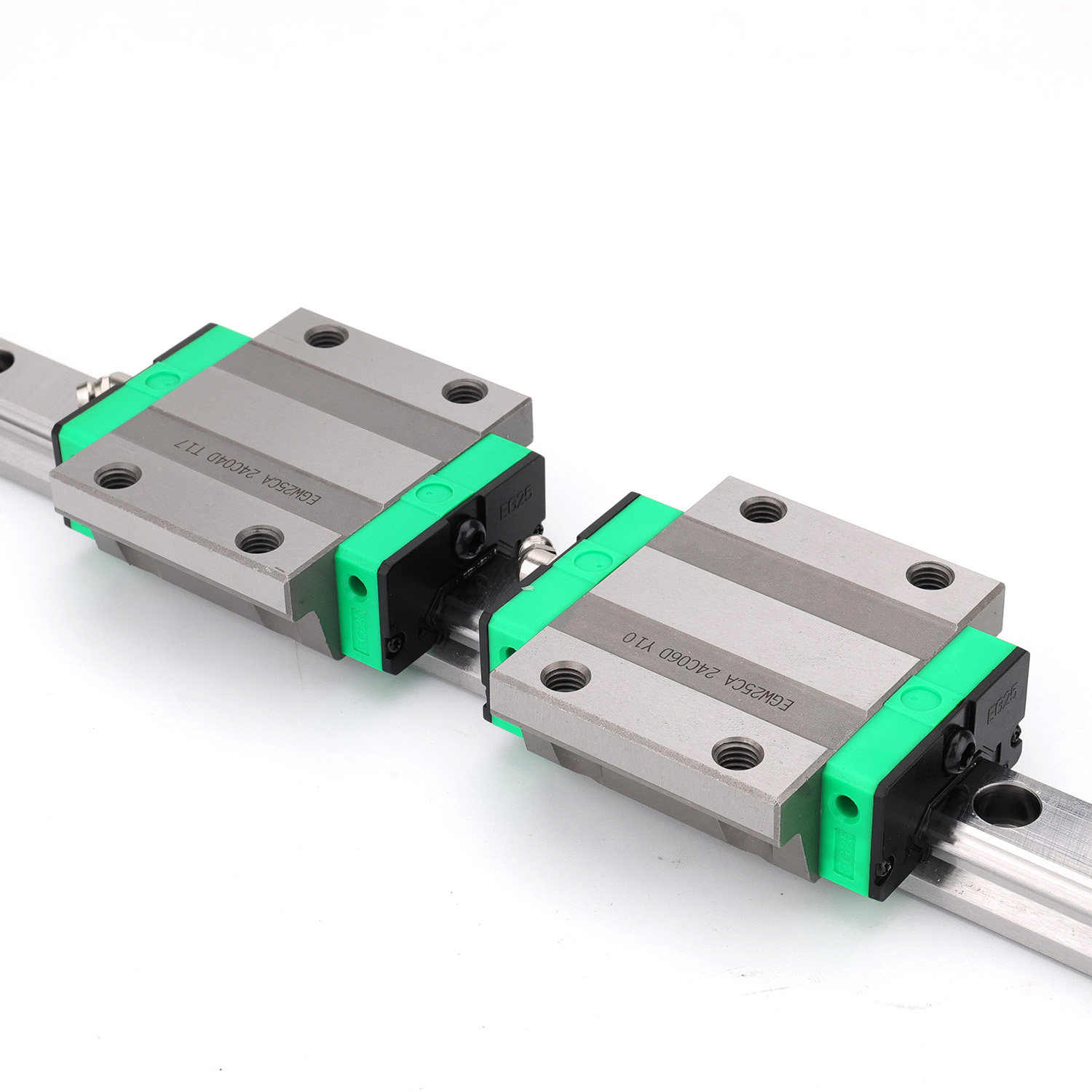
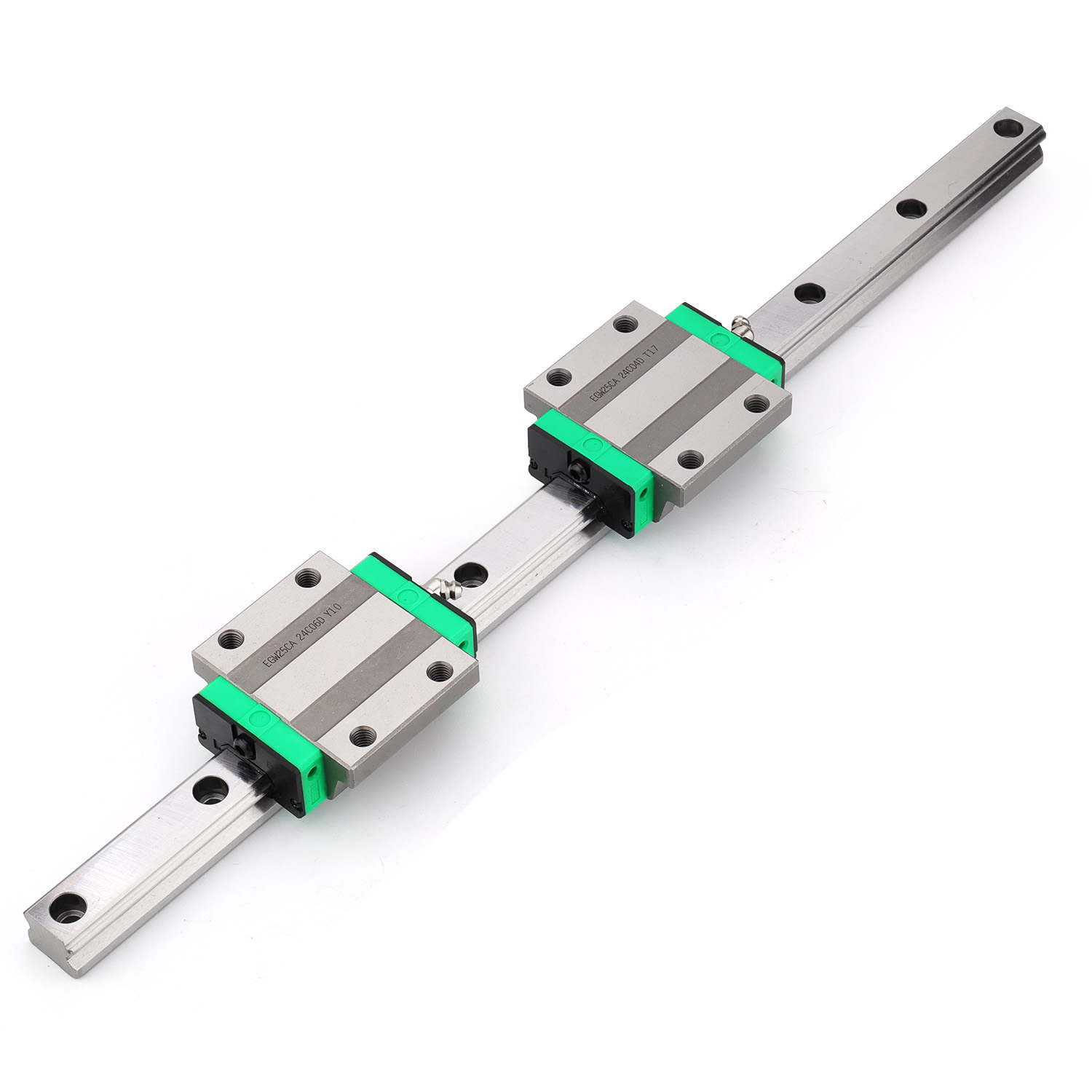
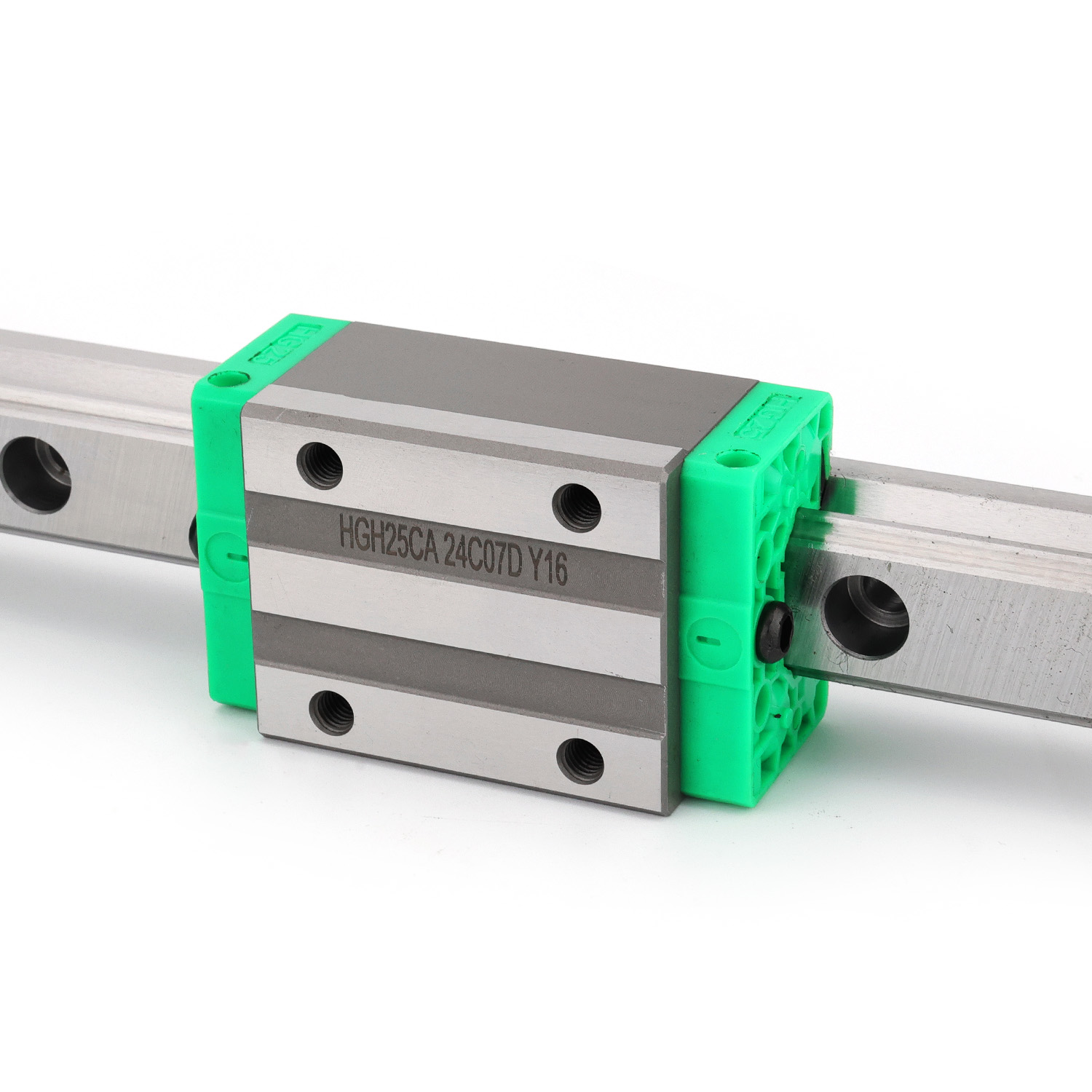
Heavy duty rails represent a cornerstone of modern industrial infrastructure, engineered to withstand extreme loads and demanding operational conditions. These robust linear motion systems are specifically designed to support substantial weight capacities while maintaining precise movement control across various industrial applications. Heavy duty rails incorporate advanced metallurgy and precision manufacturing techniques to deliver exceptional performance in challenging environments where standard rail systems would fail. The primary function of heavy duty rails centers on providing reliable linear guidance for machinery, equipment, and automated systems that require smooth, accurate positioning under significant load conditions. These specialized components utilize hardened steel construction with precisely machined surfaces to ensure optimal contact between moving elements and stationary tracks. The technological foundation of heavy duty rails includes sophisticated bearing mechanisms, typically featuring ball or roller elements that distribute load forces evenly across the rail surface. This design approach minimizes wear, reduces friction, and extends operational lifespan significantly compared to conventional alternatives. Modern heavy duty rails integrate advanced lubrication systems that maintain consistent performance over extended periods, reducing maintenance requirements and operational downtime. The rails feature modular construction that allows for custom configurations to meet specific application requirements, including variable lengths, mounting options, and load capacities. Applications for heavy duty rails span numerous industries, including manufacturing automation, material handling systems, CNC machinery, robotic assembly lines, and heavy industrial equipment. In manufacturing environments, these rails support large-scale production equipment, enabling precise positioning of cutting tools, welding apparatus, and assembly mechanisms. Material handling applications utilize heavy duty rails for conveyor systems, automated storage and retrieval systems, and bulk material processing equipment. The aerospace and automotive industries rely on heavy duty rails for precision tooling, large-scale testing equipment, and assembly line automation. These systems demonstrate exceptional versatility in supporting both horizontal and vertical movement applications, making them indispensable for modern industrial operations requiring reliable, high-capacity linear motion solutions.

New Product Releases

Heavy duty rails deliver exceptional load-bearing capacity that surpasses conventional linear motion systems by substantial margins, enabling businesses to handle heavier equipment and materials without compromising operational efficiency. This superior strength translates directly into increased productivity and expanded operational capabilities for manufacturing facilities and industrial operations. The enhanced load capacity allows companies to consolidate multiple smaller systems into single, more efficient heavy duty rail installations, reducing overall system complexity and maintenance requirements. These rails maintain precise positioning accuracy even under maximum load conditions, ensuring consistent product quality and dimensional accuracy in manufacturing processes. The precision engineering inherent in heavy duty rails eliminates deflection and vibration issues that commonly plague lighter-duty systems when subjected to substantial loads. This stability directly improves machining accuracy, assembly precision, and overall production quality metrics. Heavy duty rails demonstrate remarkable durability through advanced materials engineering and surface treatments that resist wear, corrosion, and environmental degradation. The extended operational lifespan significantly reduces replacement costs and minimizes production disruptions associated with system failures. This longevity provides excellent return on investment through reduced total cost of ownership over the system's operational life. The rails require minimal maintenance compared to alternative solutions, featuring sealed bearing systems and advanced lubrication technologies that operate effectively for extended periods without intervention. This low-maintenance characteristic reduces operational costs and eliminates the need for frequent system shutdowns for routine maintenance procedures. Heavy duty rails offer exceptional versatility through modular design configurations that accommodate diverse application requirements without extensive customization. This flexibility enables rapid deployment across different projects and simplifies inventory management for maintenance and expansion purposes. The standardized mounting interfaces and connection methods facilitate quick installation and system modifications, reducing implementation time and associated labor costs. These rails provide superior vibration dampening characteristics that enhance overall system stability and reduce noise levels in operational environments. The improved dampening creates better working conditions for personnel while protecting sensitive equipment from harmful vibrations that can affect performance and accuracy. Heavy duty rails integrate seamlessly with modern automation and control systems, supporting advanced positioning feedback and monitoring capabilities that enable sophisticated process control and quality assurance protocols. This integration capability positions businesses for future technological advances and Industry 4.0 implementation strategies.

Practical Tips

Solve Heavy-Duty Wear: Custom-Designed Linear Bearings with Chrome Plating and Precision Drilling.

23

Mar

Solve Heavy-Duty Wear: Custom-Designed Linear Bearings with Chrome Plating and Precision Drilling.

Industrial machinery relies heavily on precision components to maintain operational efficiency and minimize downtime. Among these critical components, the linear bearing stands as a fundamental element that enables smooth, controlled linear motion ac...
View More
Withstand Daily Abuse: Custom Heavy-Duty Sliding Rails Protected by Durable Nickel Plating.

13

Feb

Withstand Daily Abuse: Custom Heavy-Duty Sliding Rails Protected by Durable Nickel Plating.

Industrial applications demand precision components that can withstand extreme conditions while maintaining consistent performance over extended periods. Heavy-duty sliding rails represent a critical element in manufacturing equipment, automation sys...
View More
Source Smart for OEM Production: Cost-Effective Custom Slide Rails with Chrome or Nickel Plating.

20

Feb

Source Smart for OEM Production: Cost-Effective Custom Slide Rails with Chrome or Nickel Plating.

Modern manufacturing environments demand precision, reliability, and cost-effectiveness in every component selection. When it comes to linear motion systems, slide rails represent a critical infrastructure element that directly impacts production eff...
View More
Withstand Harsh Chemicals: Custom Slide Linear Components in Stainless Steel with Specialized Platings.

18

Mar

Withstand Harsh Chemicals: Custom Slide Linear Components in Stainless Steel with Specialized Platings.

Industrial environments that expose linear motion systems to aggressive chemicals, corrosive substances, and extreme pH conditions demand specialized solutions that go far beyond standard carbon steel components. The ability of slide linear systems t...
View More

Get a Free Quote

Our representative will contact you soon.
Email
Name
Company Name
Message
0/1000

heavy duty rails

Unmatched Load Capacity and Structural Integrity

Unmatched Load Capacity and Structural Integrity

Heavy duty rails stand apart from conventional linear motion systems through their extraordinary load-bearing capabilities, engineered to support weights that would overwhelm standard alternatives. These robust systems typically handle loads ranging from several hundred to tens of thousands of pounds, depending on configuration and application requirements. The exceptional strength derives from advanced steel alloys and precision heat treatment processes that create optimal hardness profiles throughout the rail structure. This metallurgical sophistication ensures consistent performance under extreme loading conditions while maintaining dimensional stability over extended operational periods. The structural integrity of heavy duty rails stems from their monolithic construction approach, where critical load-bearing elements are machined from solid steel billets rather than assembled from multiple components. This manufacturing methodology eliminates weak points and stress concentrations that typically develop in welded or bolted assemblies under heavy loading. The rails incorporate distributed load principles through their bearing contact geometry, spreading applied forces across maximum surface areas to minimize contact stresses and prevent premature wear. Advanced finite element analysis guides the design optimization process, ensuring optimal material distribution and stress flow patterns throughout the rail structure. The load capacity advantages extend beyond simple weight handling to include dynamic loading scenarios where rapid acceleration, deceleration, and directional changes occur under full load conditions. Heavy duty rails maintain their precision and stability throughout these demanding operational cycles, preventing the deflection and vibration issues that compromise accuracy in lighter systems. This capability proves particularly valuable in automated manufacturing environments where consistent positioning accuracy directly impacts product quality and production efficiency. The superior load handling translates into significant operational benefits, including the ability to consolidate multiple smaller systems into single heavy duty rail installations, reducing system complexity, maintenance requirements, and overall footprint. This consolidation approach often results in substantial cost savings while improving operational reliability and reducing the potential failure points within complex automated systems.
Precision Engineering and Superior Accuracy

Precision Engineering and Superior Accuracy

Heavy duty rails achieve exceptional precision through sophisticated manufacturing processes and advanced engineering techniques that ensure consistent performance across diverse operational conditions. The precision begins with computer-controlled machining operations that maintain tolerances measured in micrometers, creating perfectly straight and parallel surfaces essential for accurate linear motion. These machining processes utilize state-of-the-art CNC equipment with advanced measurement and feedback systems that continuously monitor and adjust cutting parameters to maintain optimal surface finish and dimensional accuracy. The bearing systems within heavy duty rails feature precision-ground elements manufactured to extremely tight tolerances, ensuring smooth operation and minimal play between moving components. This precision extends to the bearing races and contact surfaces, which undergo specialized grinding and polishing procedures to achieve mirror-like finishes that minimize friction and wear while maximizing operational smoothness. The assembly process incorporates sophisticated quality control measures including coordinate measuring machines and laser interferometry to verify dimensional accuracy and alignment throughout the completed system. Heavy duty rails maintain their precision through advanced preloading techniques that eliminate clearances between moving elements while preventing binding or excessive friction. This preloading approach ensures consistent contact forces and positioning repeatability across the full range of motion and loading conditions. The precision benefits extend to thermal stability, where advanced materials and design techniques minimize dimensional changes due to temperature variations in operational environments. This thermal stability proves crucial in precision manufacturing applications where temperature fluctuations could otherwise compromise dimensional accuracy and product quality. The superior accuracy capabilities of heavy duty rails enable their use in applications requiring positioning repeatability within thousandths of an inch, supporting advanced manufacturing processes including precision machining, automated assembly, and quality inspection systems. This level of accuracy directly translates into improved product quality, reduced scrap rates, and enhanced manufacturing efficiency. The precision engineering also contributes to extended operational life by ensuring optimal load distribution and minimizing wear-generating stress concentrations throughout the system components.
Versatile Adaptability and Integration Capabilities

Versatile Adaptability and Integration Capabilities

Heavy duty rails demonstrate remarkable adaptability through modular design concepts that accommodate diverse application requirements without extensive customization or engineering modifications. This versatility stems from standardized mounting interfaces, connection methods, and dimensional specifications that facilitate rapid integration across multiple project types and operational environments. The modular approach enables users to configure systems with varying lengths, load capacities, and mounting orientations to match specific application needs while maintaining compatibility with standard components and accessories. Heavy duty rails integrate seamlessly with existing machinery and automation systems through standardized mounting patterns and connection interfaces that eliminate the need for custom brackets or adapters. This integration capability reduces implementation time and costs while ensuring reliable connections that maintain system accuracy and performance over extended operational periods. The rails support both horizontal and vertical mounting configurations, enabling their use in diverse applications including overhead gantry systems, floor-mounted material handling equipment, and wall-mounted automation systems. The adaptability extends to environmental considerations, where heavy duty rails incorporate protective features including sealed bearing systems, corrosion-resistant coatings, and temperature-compensated designs that maintain performance across challenging operational conditions. These protective features enable deployment in harsh industrial environments including foundries, chemical processing facilities, and outdoor applications where exposure to contaminants, moisture, and temperature extremes would compromise conventional systems. Heavy duty rails support advanced automation integration through compatibility with modern servo motors, linear actuators, and positioning feedback systems that enable precise motion control and monitoring capabilities. This integration supports Industry 4.0 initiatives by providing the mechanical foundation for smart manufacturing systems that incorporate real-time monitoring, predictive maintenance, and adaptive process control. The versatility includes support for multi-axis configurations where multiple heavy duty rails work together to provide complex motion profiles including simultaneous positioning in multiple directions. This capability proves essential for advanced manufacturing processes including robotic assembly, automated material handling, and precision testing equipment. The adaptable design also facilitates future system modifications and expansions, allowing businesses to upgrade or reconfigure their operations without complete system replacement, providing excellent long-term value and operational flexibility.
Heavy Duty Rails: Industrial Linear Motion Systems for Maximum Load Capacity and Precision

Get a Free Quote

Our representative will contact you soon.
Email
Name
Company Name
Message
0/1000