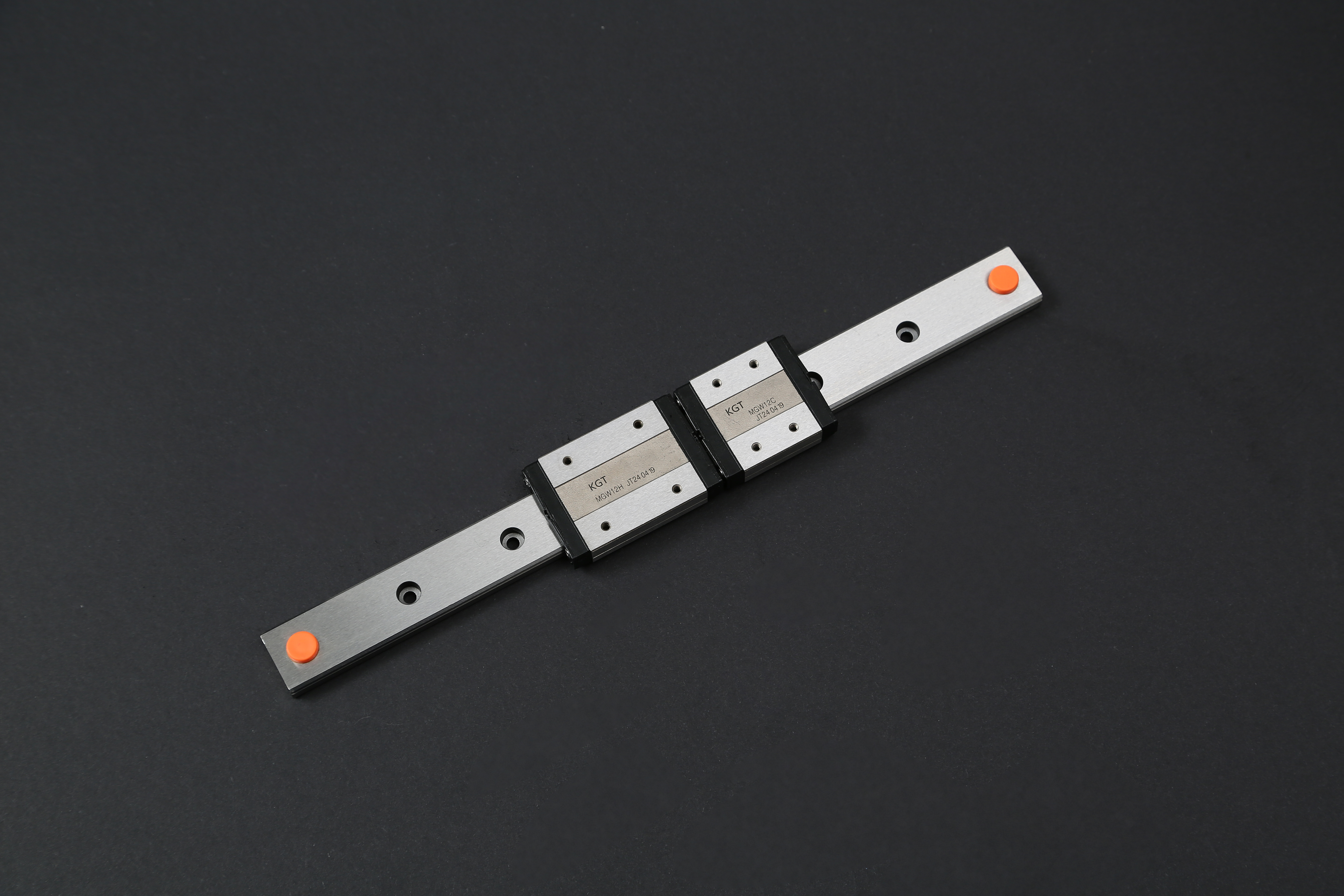
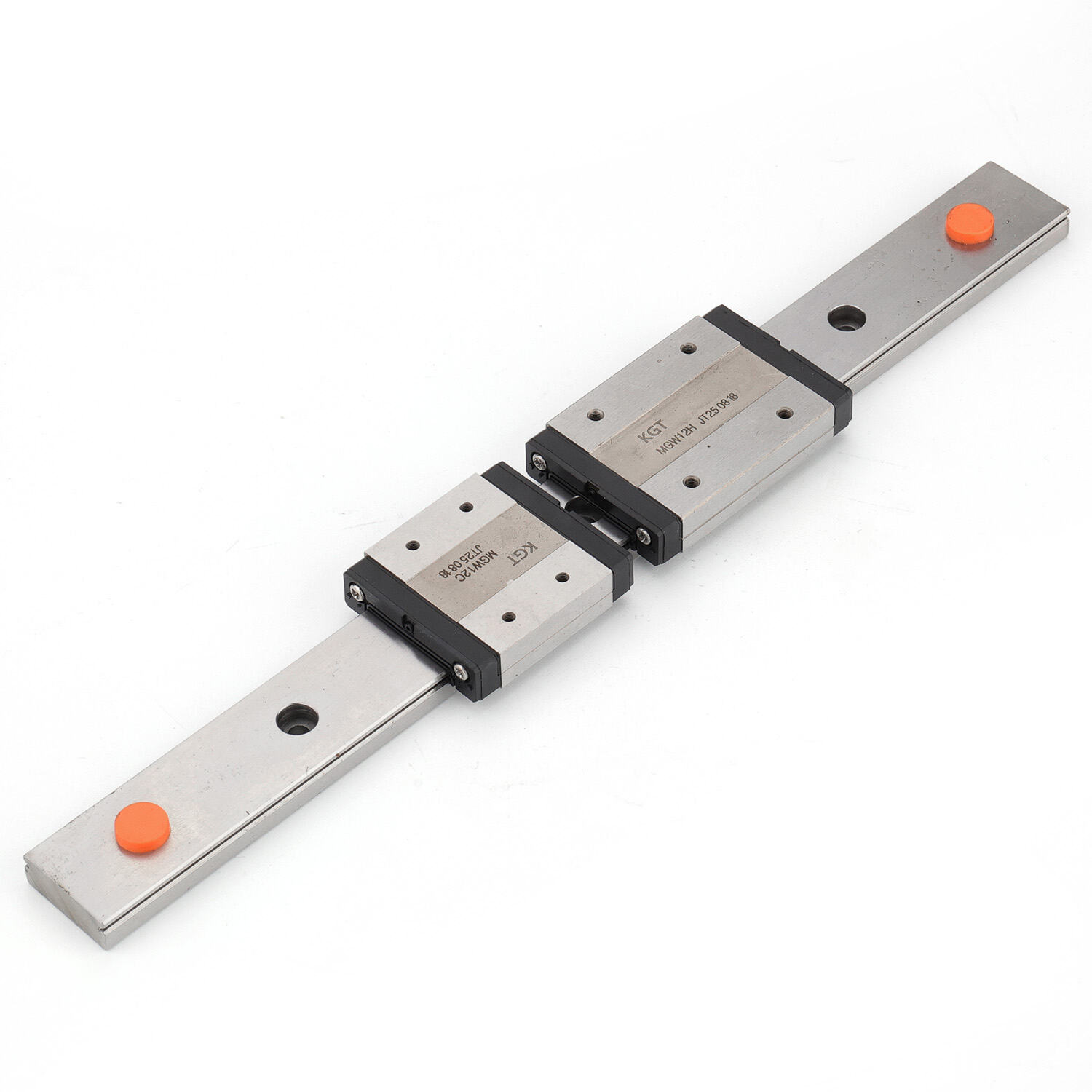
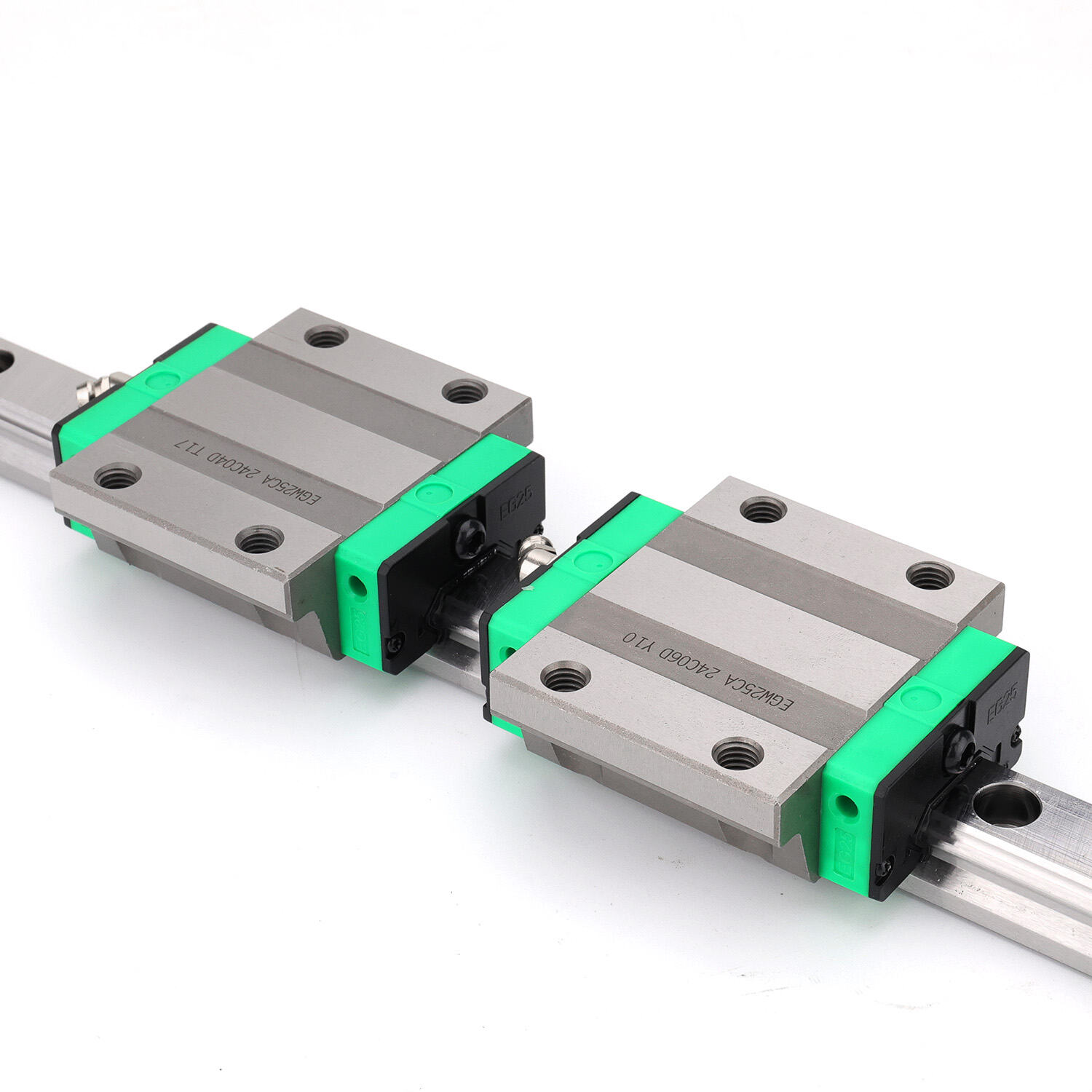
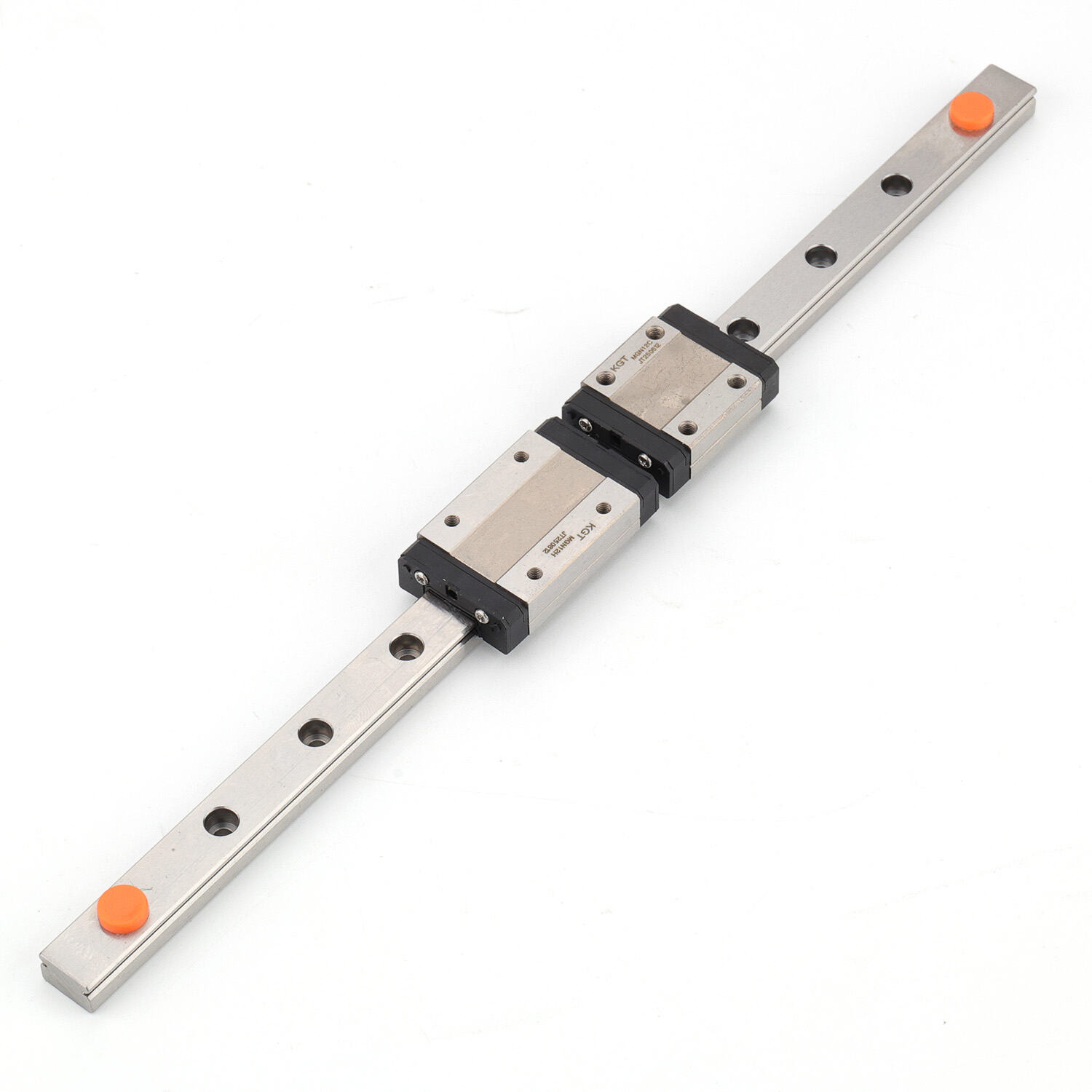
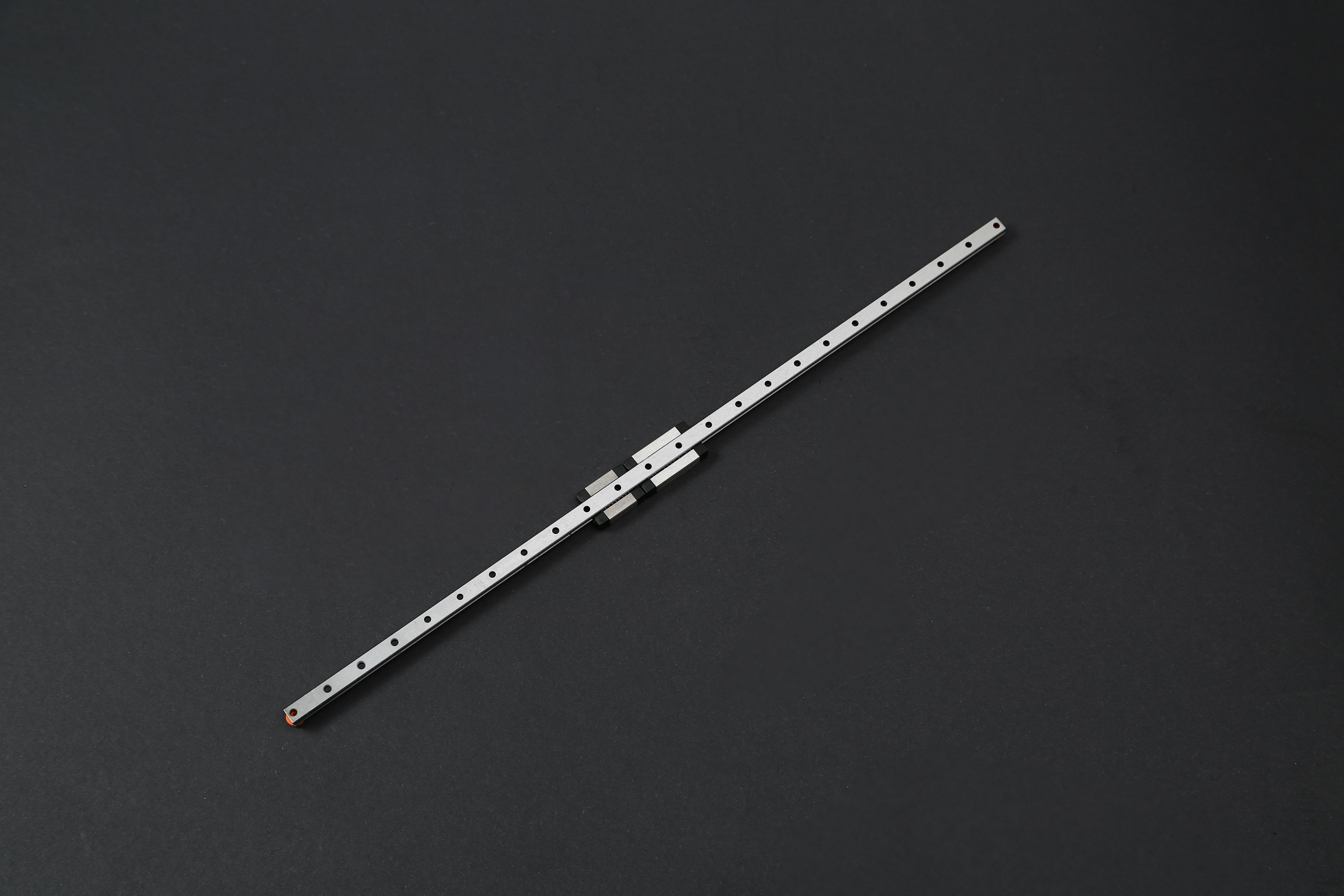
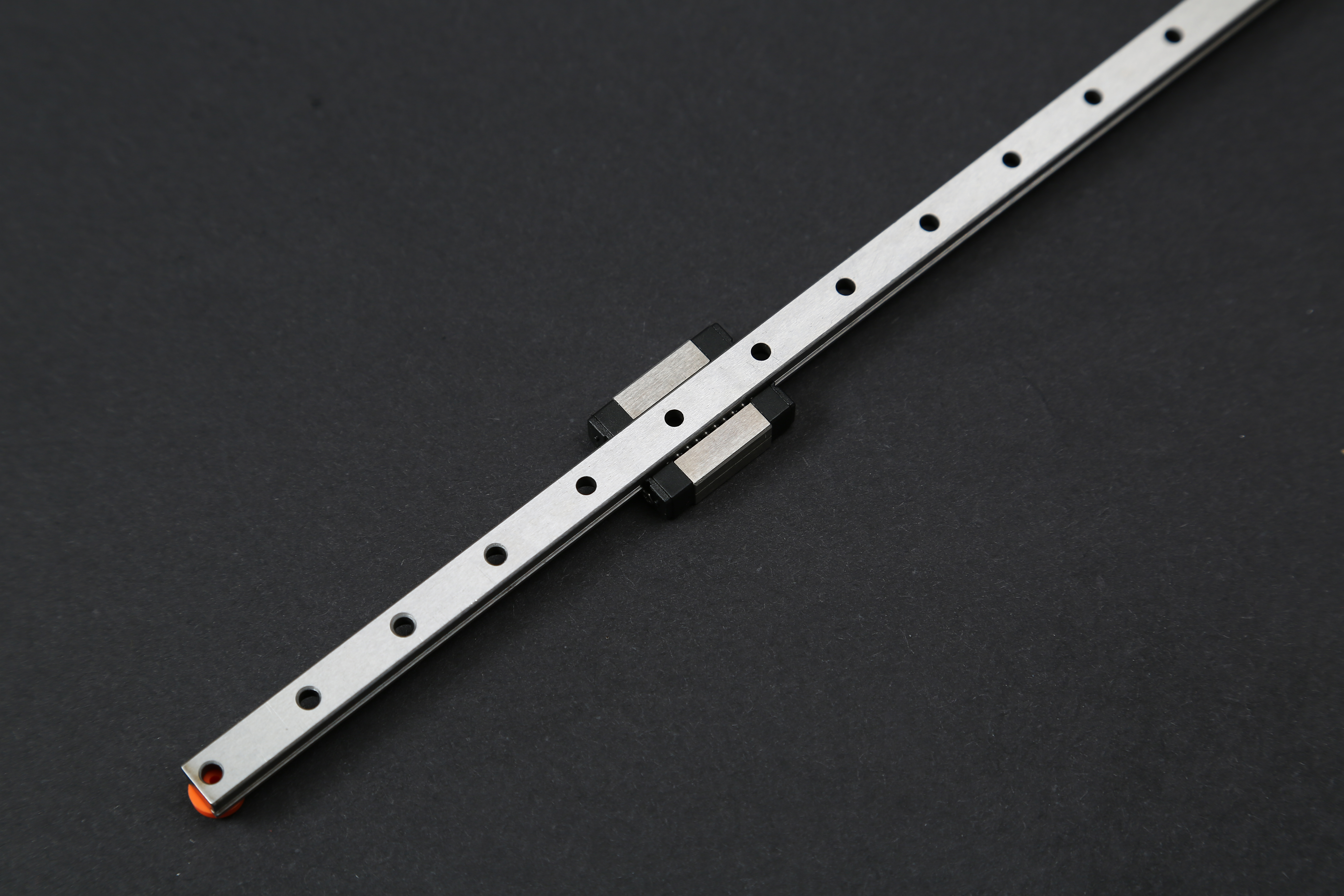
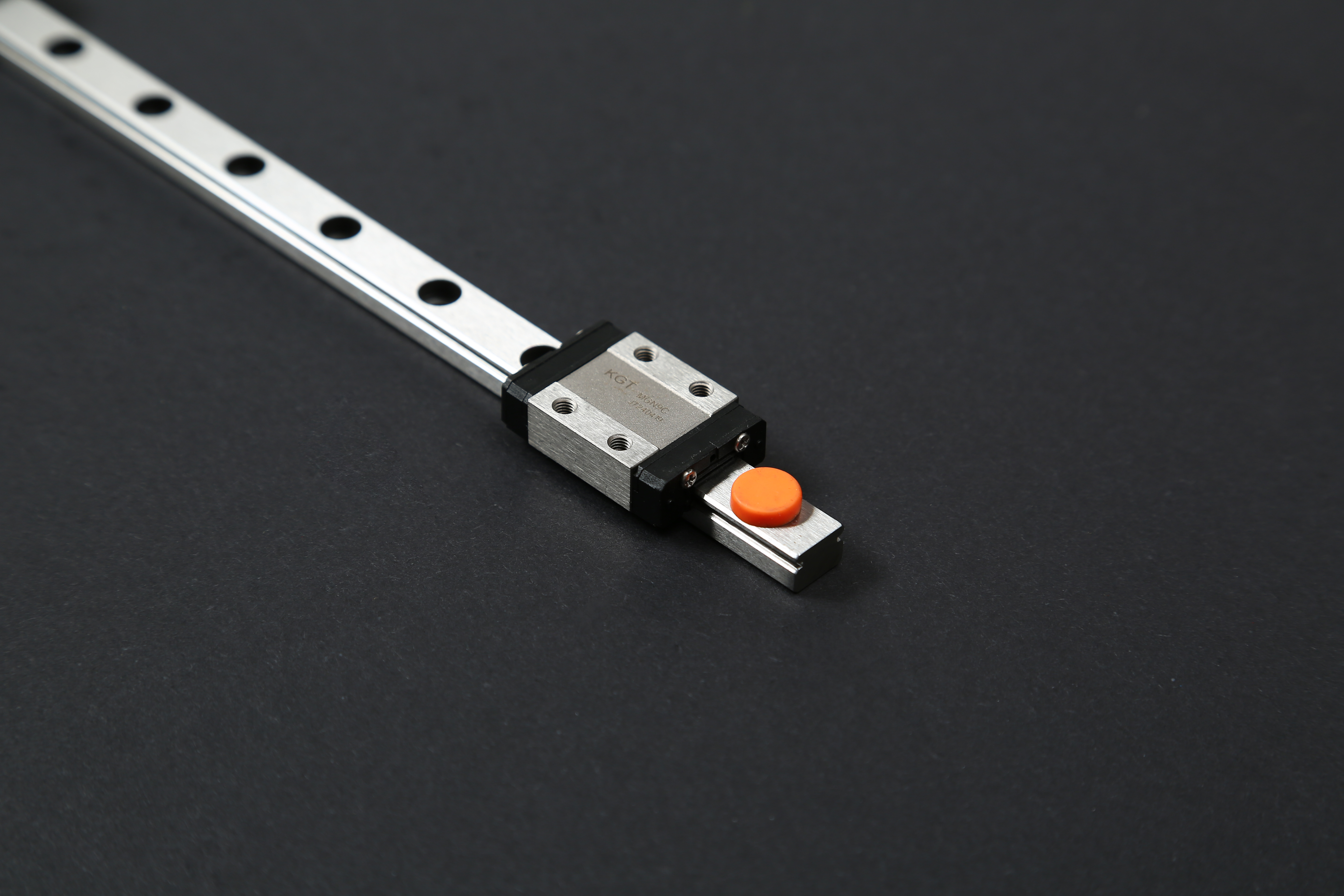
linear guide rails and bearings
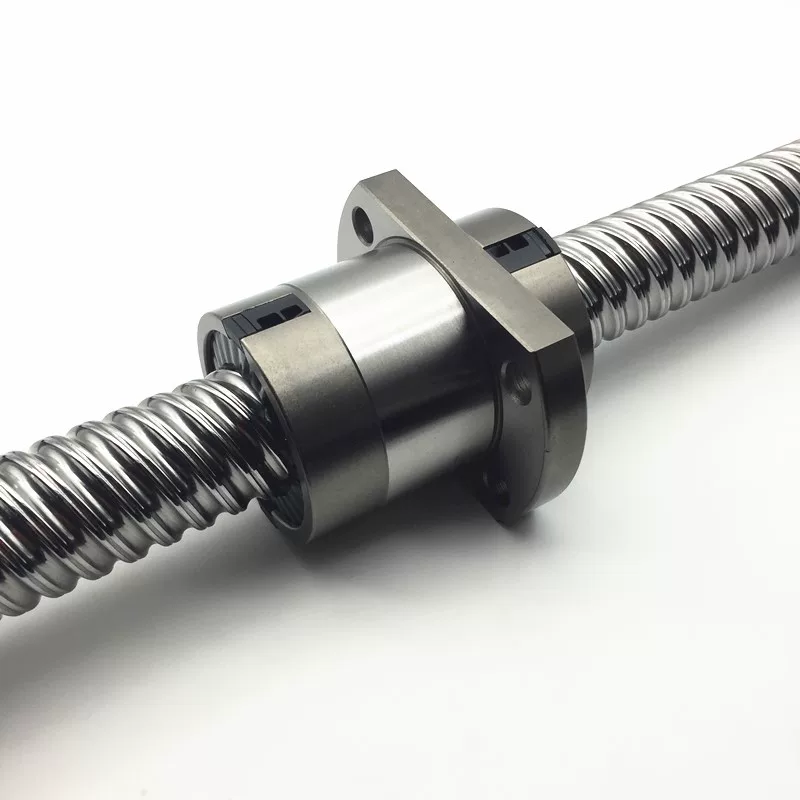
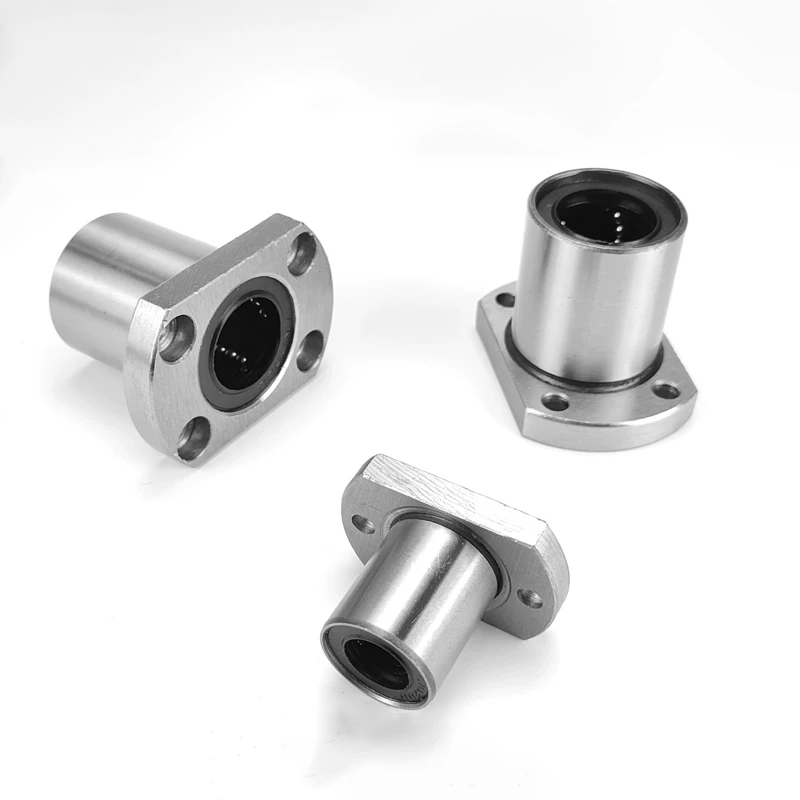
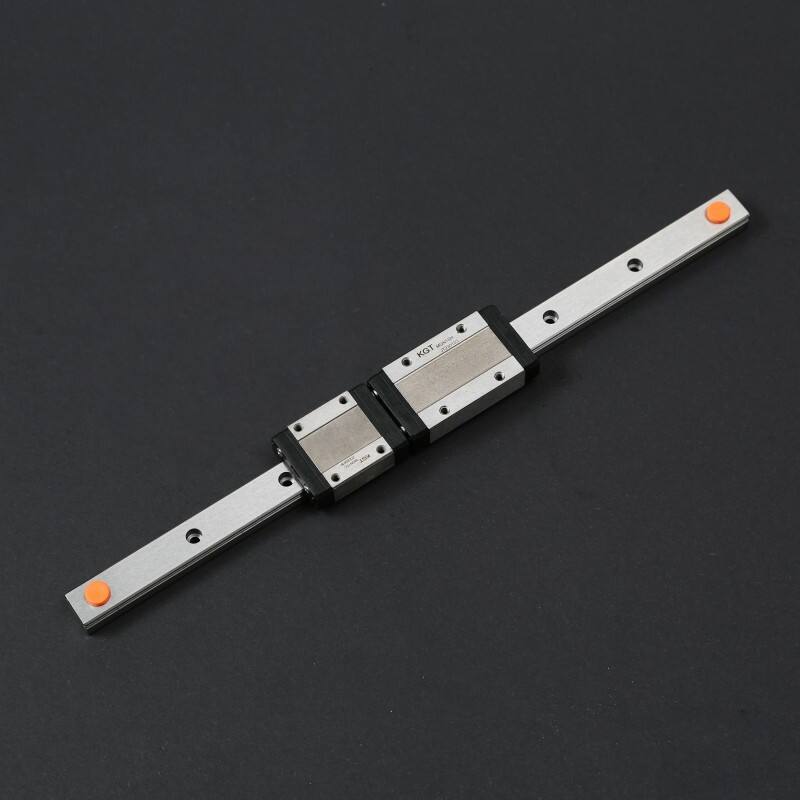
Linear guide rails and bearings represent essential components in modern mechanical systems, providing precise linear motion control across numerous industrial applications. These sophisticated mechanisms consist of steel rails paired with specialized bearing blocks that travel along predetermined paths with exceptional accuracy and minimal friction. The primary function of linear guide rails and bearings centers on converting rotational motion into smooth, controlled linear movement while maintaining strict positional accuracy throughout the operational cycle. The technological foundation of linear guide rails and bearings incorporates hardened steel construction with precision-ground surfaces that ensure consistent performance under demanding conditions. Advanced manufacturing processes create these components with tolerances measured in micrometers, enabling applications requiring exact positioning and repeatability. The bearing elements utilize either ball bearings or roller bearings, depending on load requirements and operational specifications. Ball bearing configurations excel in applications demanding high speed and moderate loads, while roller bearing systems provide superior load capacity for heavy-duty operations. Modern linear guide rails and bearings feature integrated lubrication systems that extend operational life and reduce maintenance requirements. These systems incorporate grease fittings and sealed bearing chambers that protect internal components from contamination while ensuring consistent lubrication distribution. The rail profiles vary significantly, with common configurations including square rails, round shafts, and profiled rails designed for specific mounting requirements and load distributions. Applications for linear guide rails and bearings span multiple industries, including manufacturing automation, medical equipment, aerospace systems, and precision machinery. In automated manufacturing environments, these components enable robotic systems to achieve precise positioning for assembly operations, welding applications, and material handling tasks. Medical equipment relies heavily on linear guide rails and bearings for imaging systems, surgical robots, and laboratory automation where precision and reliability remain paramount. The aerospace industry utilizes these components in testing equipment, satellite positioning systems, and aircraft manufacturing processes where consistent performance under extreme conditions becomes critical for operational success.

 EN
EN