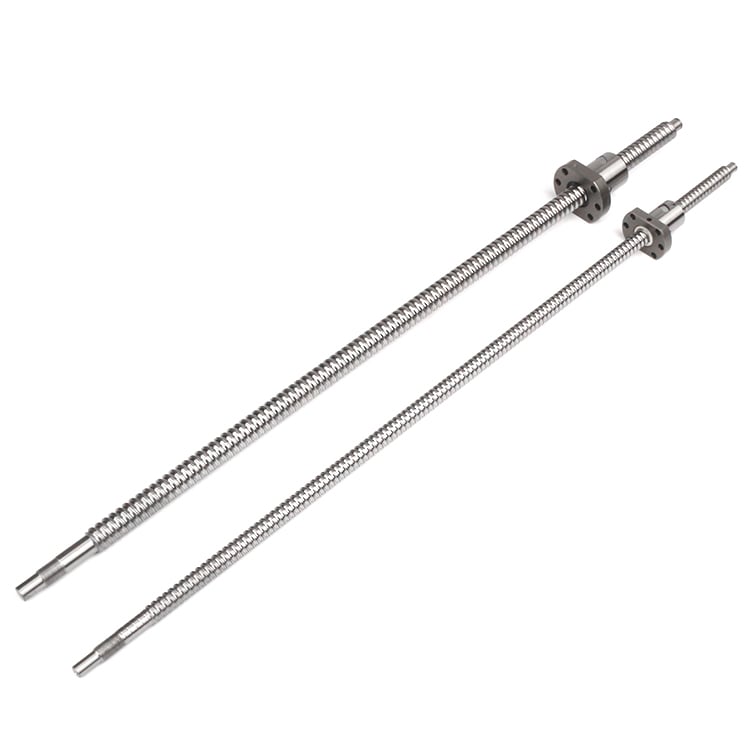
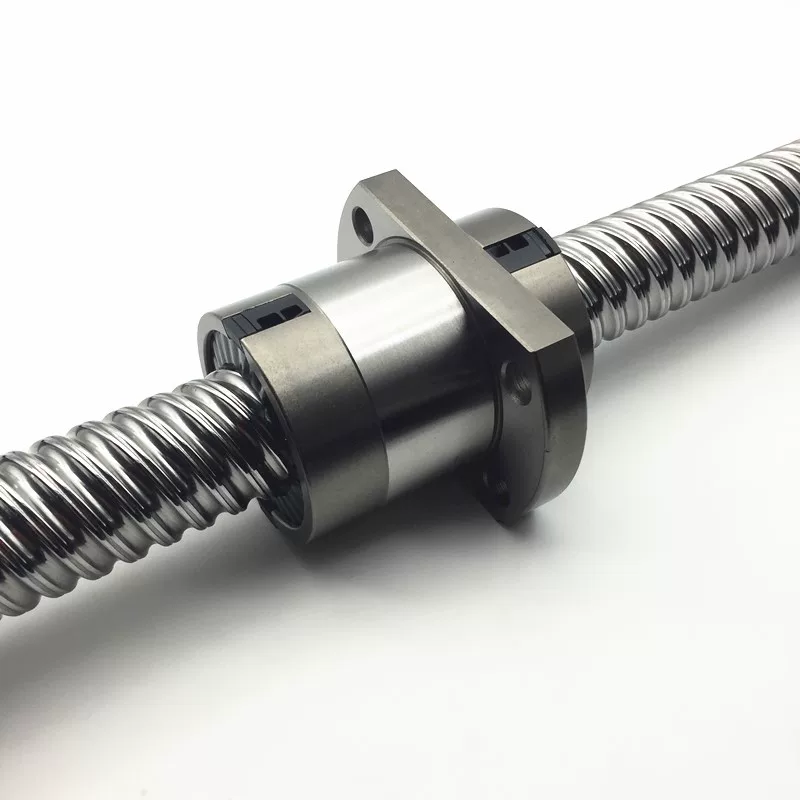
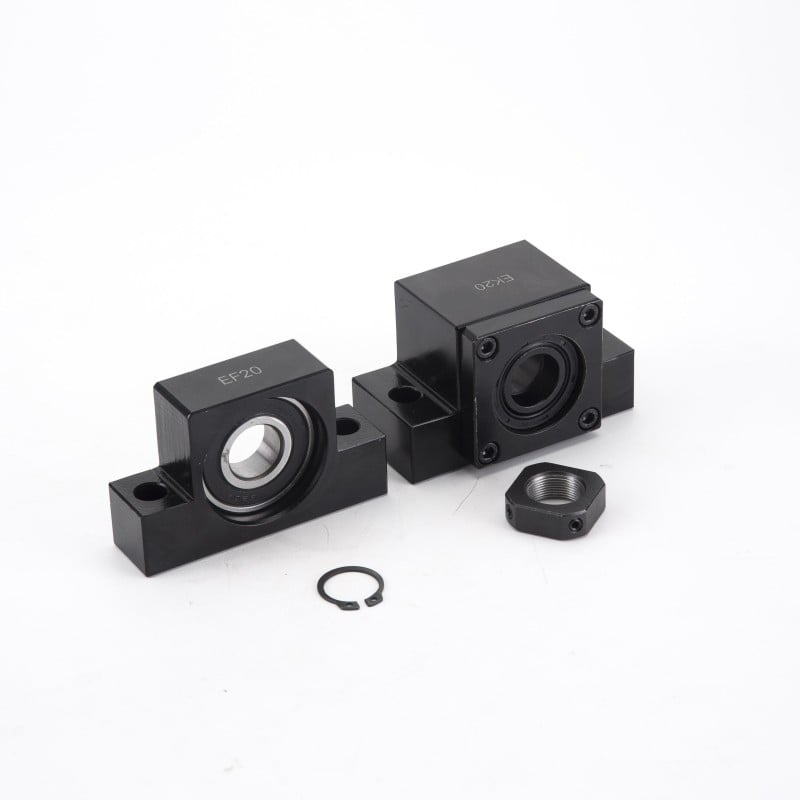
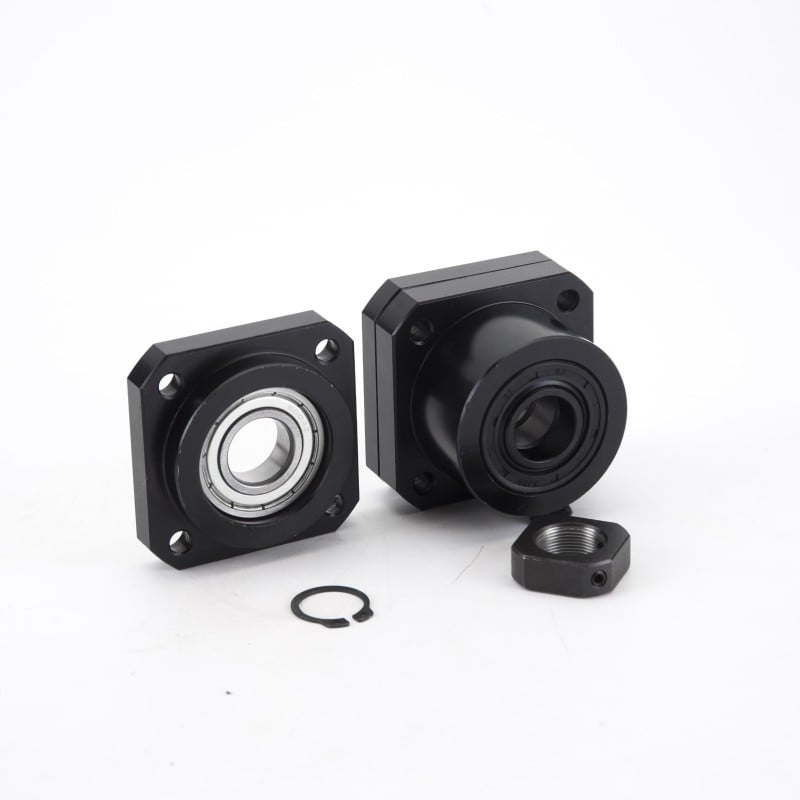
Premium Linear Rail Guides - Precision Motion Control Solutions for Industrial Applications

All Categories

Get a Free Quote

Our representative will contact you soon.
Email
Name
Company Name
Message
0/1000

linear rail guides

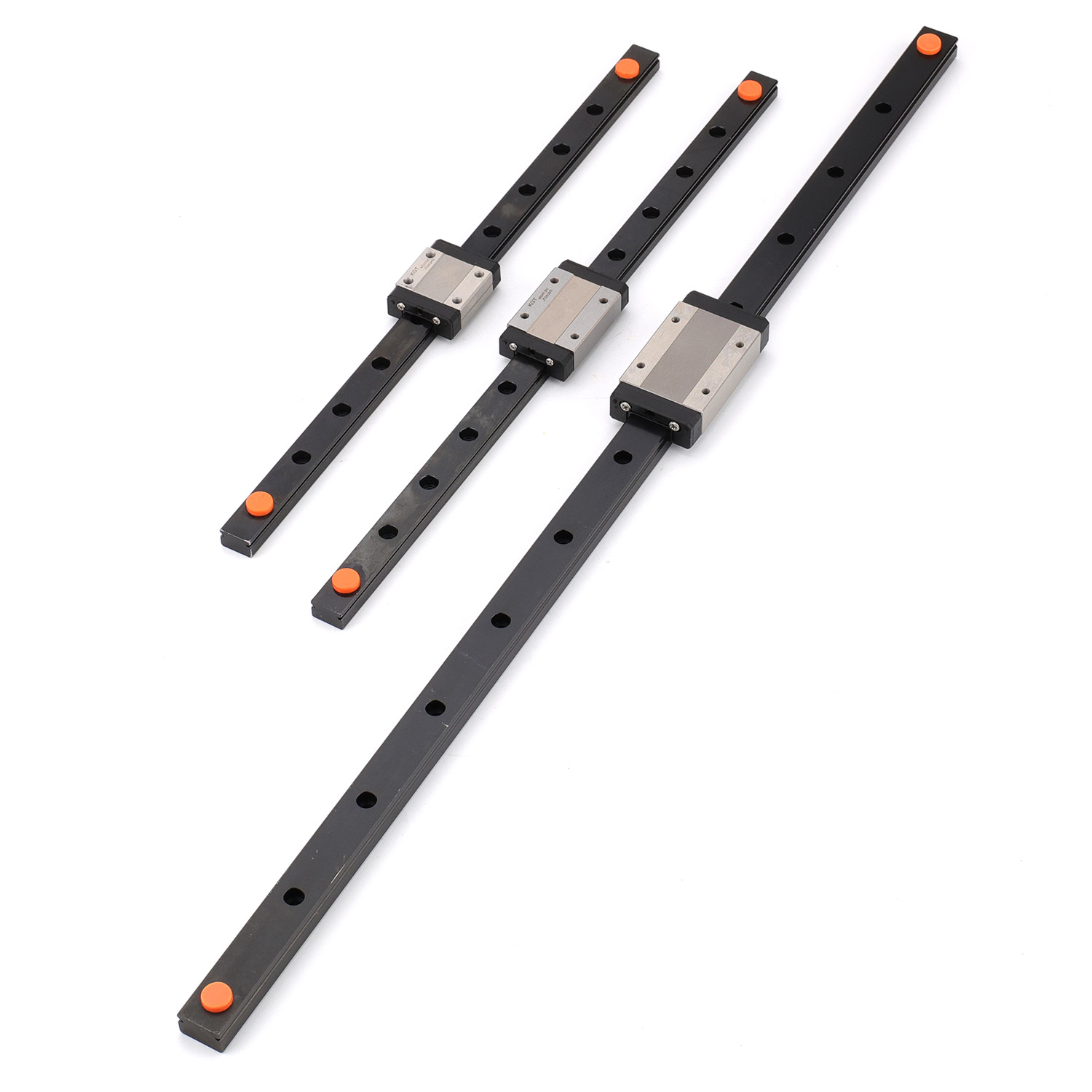
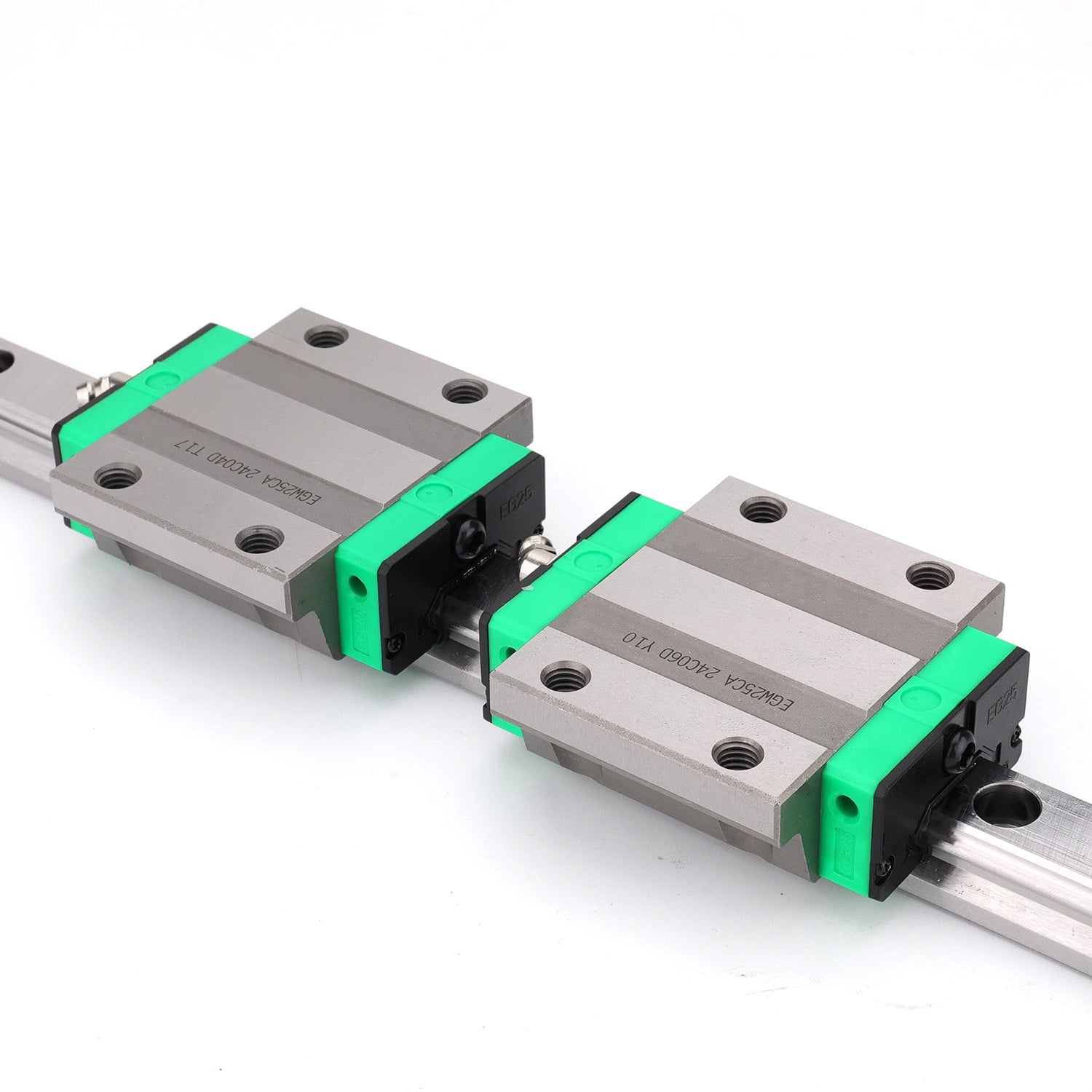
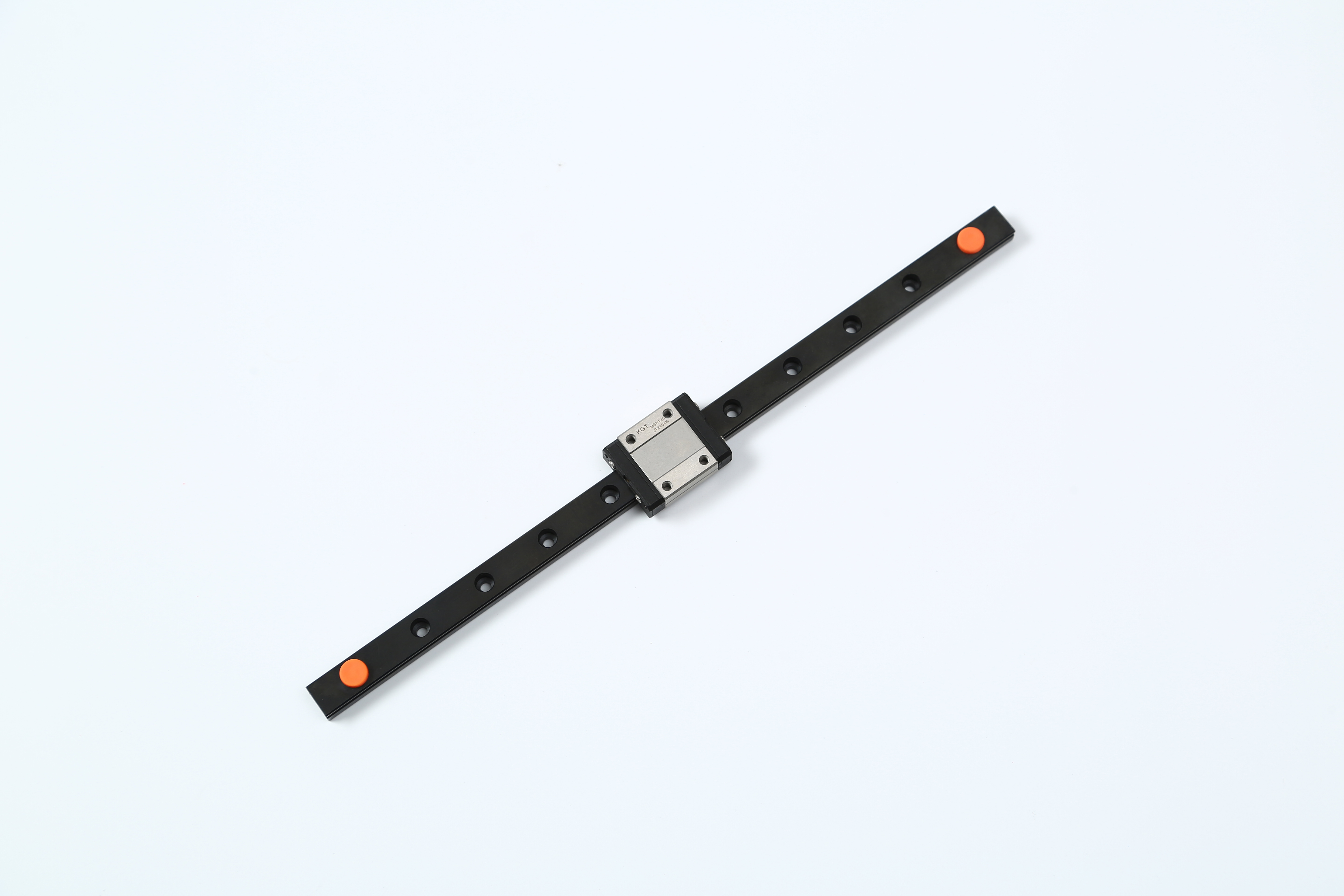
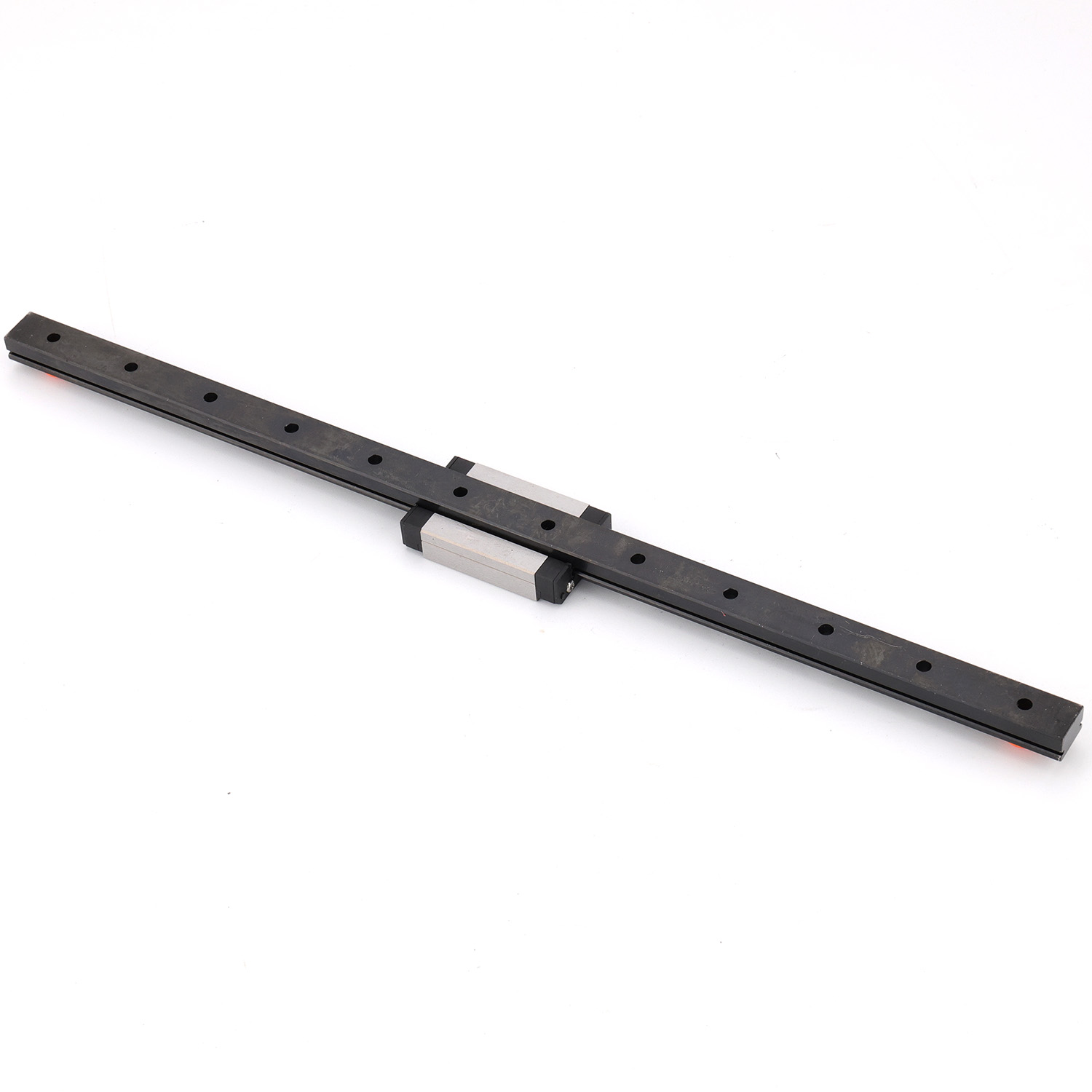
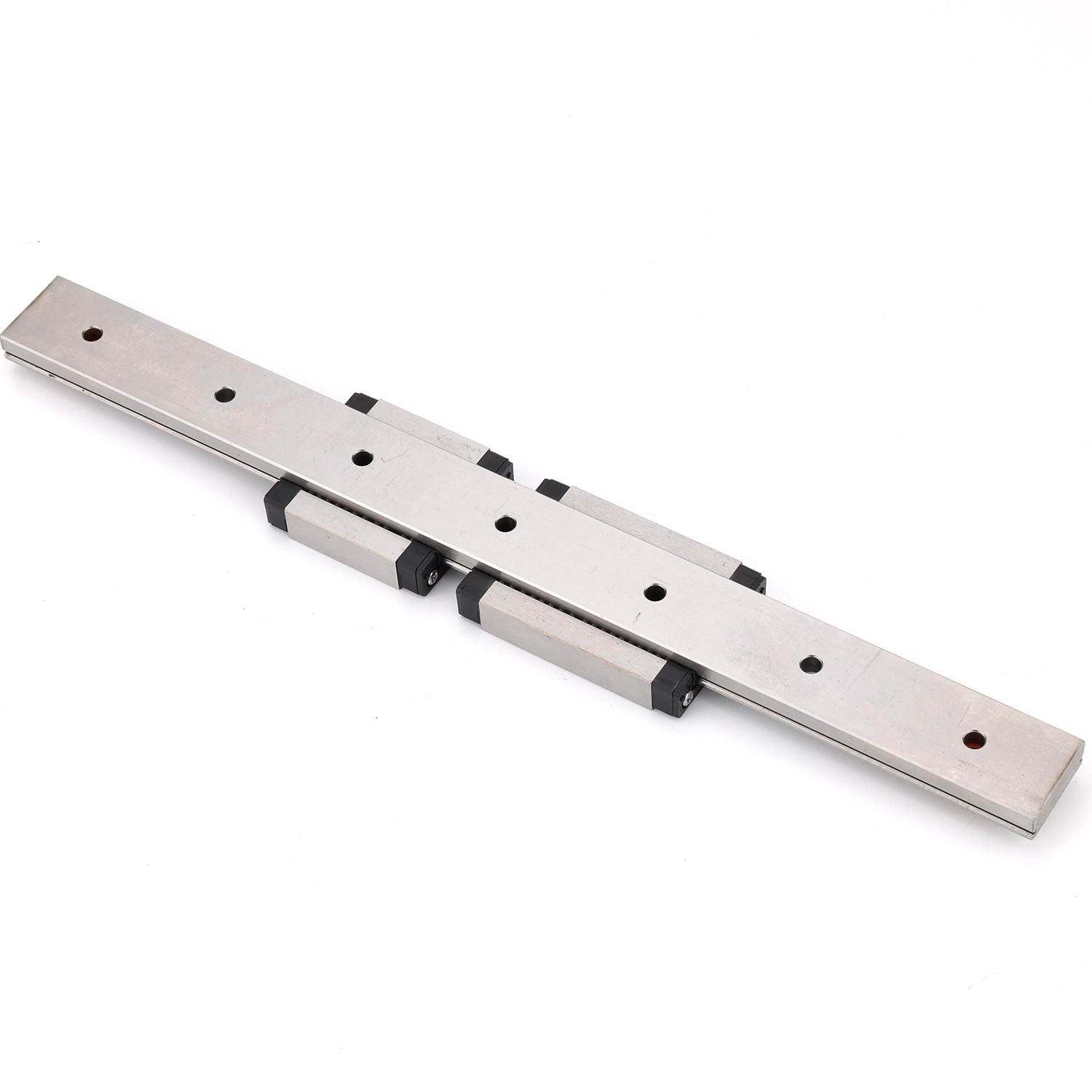
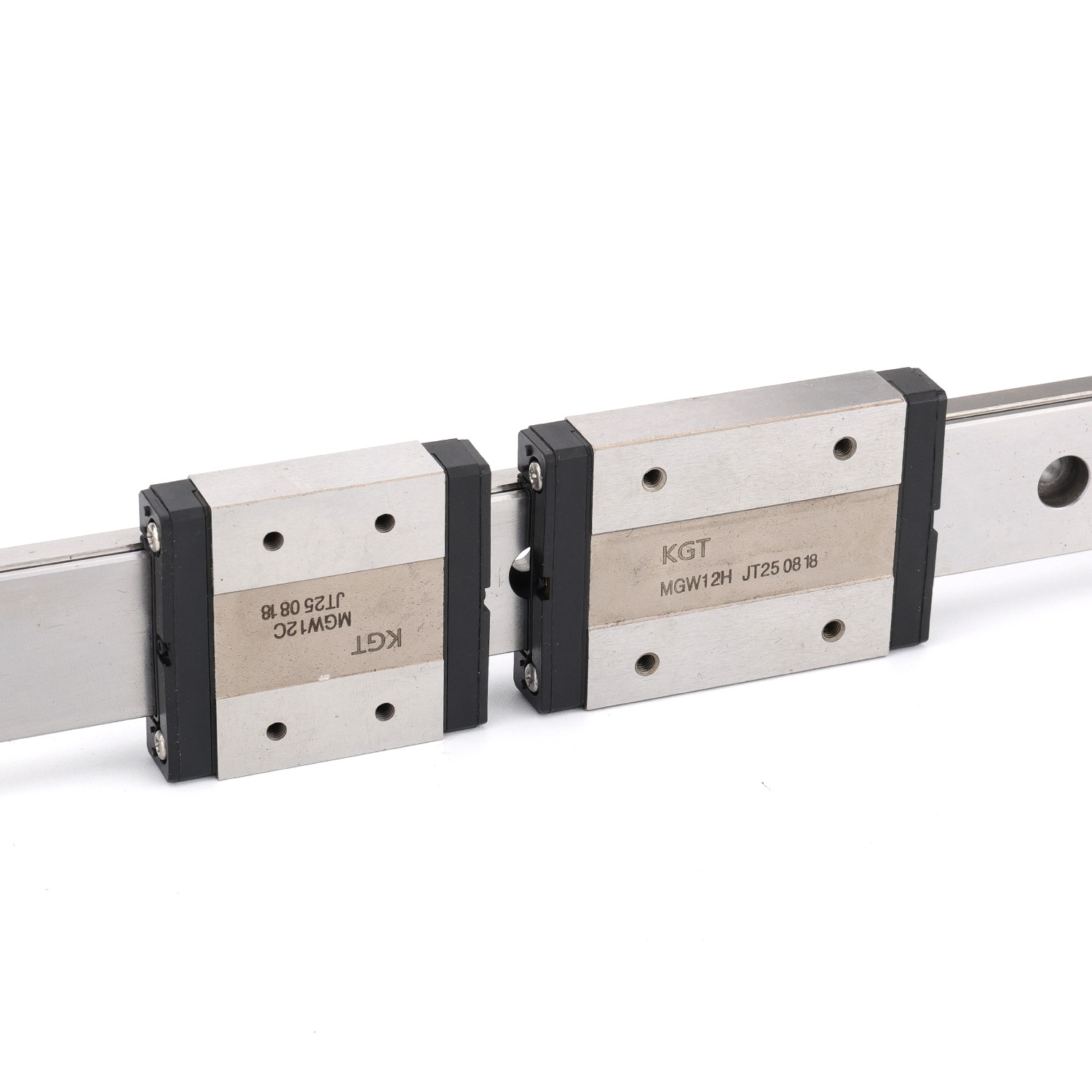
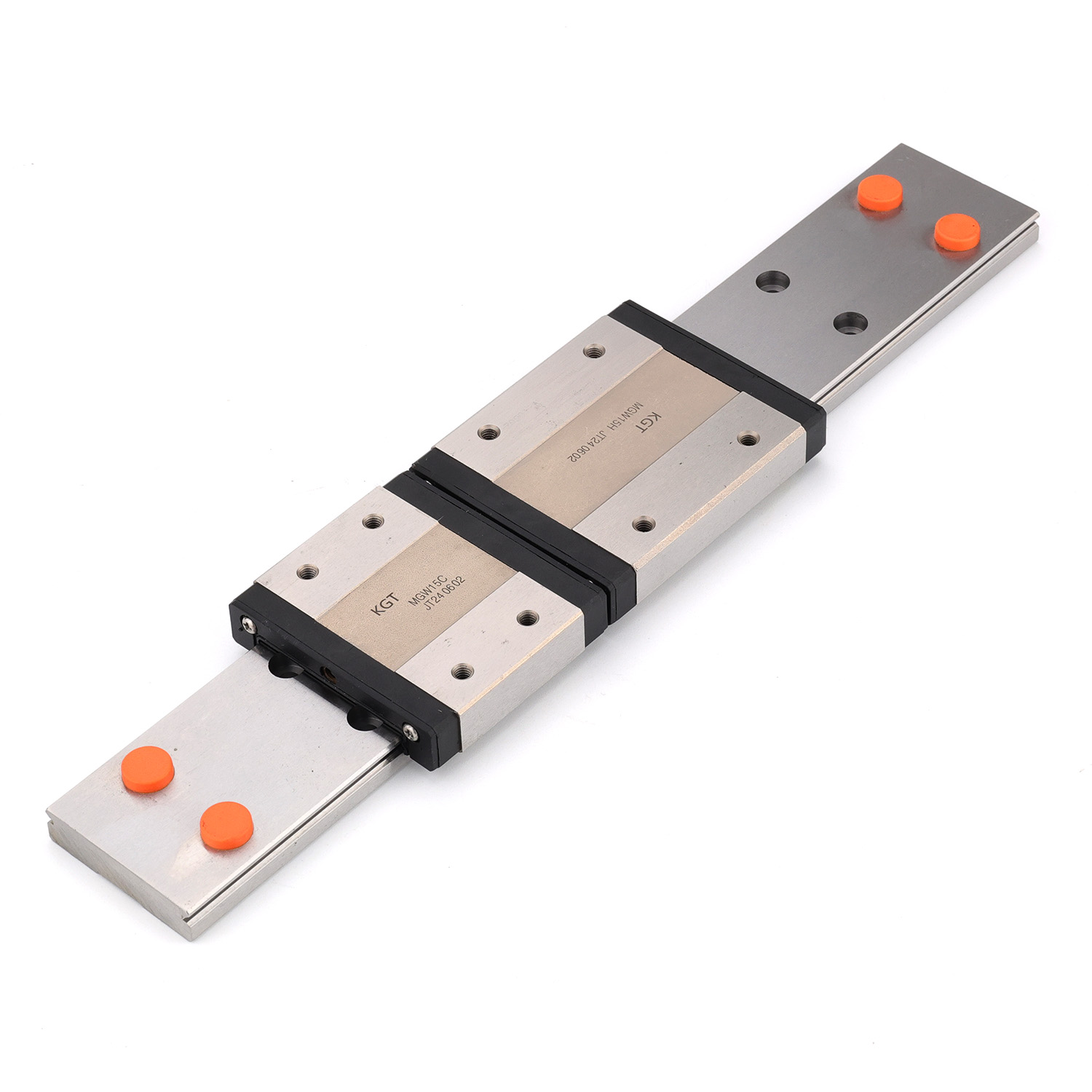
Linear rail guides represent a fundamental component in modern precision machinery, serving as the backbone for smooth and accurate motion control systems. These sophisticated mechanical devices consist of a hardened steel rail paired with a carriage assembly that incorporates rolling elements, typically ball bearings or roller bearings, to facilitate frictionless movement along a predetermined path. The primary function of linear rail guides centers on providing precise linear motion while maintaining exceptional load-bearing capacity and dimensional accuracy. These systems excel at converting rotational motion into linear displacement, making them indispensable for applications requiring exact positioning and repeatability. The technological foundation of linear rail guides relies on advanced metallurgy and precision manufacturing techniques. The rails undergo specialized heat treatment processes to achieve optimal hardness levels, ensuring durability and wear resistance. The carriage blocks feature precision-ground raceways that match the rail profile perfectly, creating optimal contact geometry for the rolling elements. This design minimizes friction while maximizing load distribution across multiple contact points. Modern linear rail guides incorporate sophisticated sealing systems that protect internal components from contamination while retaining lubricants effectively. These seals utilize advanced materials that maintain flexibility across wide temperature ranges while providing excellent chemical resistance. The lubrication systems within linear rail guides employ specially formulated greases that maintain consistency and performance under varying operational conditions. Applications for linear rail guides span numerous industries, from manufacturing automation to medical equipment. In CNC machining centers, these guides ensure tool positioning accuracy measured in micrometers. Semiconductor manufacturing equipment relies on their precision for wafer handling and inspection processes. Medical imaging systems utilize linear rail guides for patient positioning and scanner movement. Industrial robots incorporate these components for joint articulation and end-effector positioning. The aerospace industry depends on linear rail guides for flight simulator motion systems and satellite positioning mechanisms.

New Products

Linear rail guides deliver substantial operational benefits that directly impact productivity and cost-effectiveness across diverse applications. The smooth motion characteristics of these systems eliminate stick-slip phenomena, ensuring consistent performance throughout the entire travel range. This smoothness translates to improved surface finishes in machining operations and enhanced precision in assembly processes. Users experience reduced vibration levels, which contributes to better working conditions and extended equipment life. The exceptional load capacity of linear rail guides allows designers to create more compact systems without sacrificing performance. These components handle both radial and moment loads effectively, simplifying machine design and reducing the need for additional support structures. This versatility enables engineers to optimize space utilization while maintaining structural integrity. Maintenance requirements for linear rail guides remain minimal compared to alternative guidance systems. The sealed design protects internal components from environmental contaminants, extending service intervals and reducing downtime. When maintenance is required, the modular construction allows for quick component replacement without disassembling entire systems. This approach minimizes production interruptions and maintains operational efficiency. The precision characteristics of linear rail guides contribute directly to product quality improvements. Consistent positioning accuracy reduces scrap rates and rework requirements, leading to significant cost savings. The repeatability of these systems ensures that manufacturing processes remain stable over extended periods, contributing to statistical process control objectives. Installation flexibility represents another key advantage of linear rail guides. These systems accommodate various mounting configurations and can be integrated into existing equipment with minimal modifications. The standardized interfaces simplify procurement and inventory management while ensuring compatibility across different applications. Temperature stability of linear rail guides enables operation across wide environmental ranges without performance degradation. This characteristic proves particularly valuable in applications involving thermal cycling or extreme operating conditions. The materials and manufacturing processes used in these systems ensure dimensional stability regardless of temperature variations. Speed capabilities of modern linear rail guides support high-velocity applications without compromising accuracy. The low friction characteristics enable rapid acceleration and deceleration cycles while maintaining smooth motion profiles. This performance supports increased throughput in manufacturing applications and improved responsiveness in control systems. Cost-effectiveness emerges from the combination of long service life, minimal maintenance requirements, and consistent performance. The initial investment in quality linear rail guides pays dividends through reduced operating costs and improved productivity over the equipment lifecycle.

Practical Tips

Resist Corrosion: The Benefits of Custom Nickel-Plated Linear Bearings in Chemical Processing.

18

Mar

Resist Corrosion: The Benefits of Custom Nickel-Plated Linear Bearings in Chemical Processing.

Chemical processing environments present some of the most demanding operational challenges for mechanical components. Industrial facilities handling corrosive chemicals, acids, and caustic substances require precision-engineered solutions that mainta...
View More
Engineer for Reliability: Precision-Crafted Slide Linear Systems with Custom Drilling and Quality Plating.

10

Mar

Engineer for Reliability: Precision-Crafted Slide Linear Systems with Custom Drilling and Quality Plating.

Engineering reliable motion control systems requires precision-crafted slide linear components that meet exacting industrial standards. When manufacturing equipment demands consistent linear motion over millions of cycles, the quality of slide linear...
View More
Improve Performance Metrics: How Chrome Plating Enhances Slide Rail Friction and Wear Resistance.

15

Apr

Improve Performance Metrics: How Chrome Plating Enhances Slide Rail Friction and Wear Resistance.

Chrome plating represents one of the most effective surface treatment methods for improving performance metrics in slide rails, offering substantial enhancements in friction reduction and wear resistance. When applied to slide rails used in linear mo...
View More
Create Your Proprietary System: End-to-End Custom Linear Guides - Select Material, Hardening, Plating, and Drilling.

23

Apr

Create Your Proprietary System: End-to-End Custom Linear Guides - Select Material, Hardening, Plating, and Drilling.

Creating a proprietary system for custom linear guides requires strategic decisions across material selection, hardening processes, plating specifications, and precision drilling techniques. Manufacturing organizations that develop end-to-end custom ...
View More

Get a Free Quote

Our representative will contact you soon.
Email
Name
Company Name
Message
0/1000

linear rail guides

Superior Precision and Accuracy Performance

Superior Precision and Accuracy Performance

The precision performance of linear rail guides sets them apart from conventional guidance systems, delivering positioning accuracy that meets the demanding requirements of modern manufacturing and automation applications. These sophisticated mechanical systems achieve positioning repeatability within micrometers, making them essential components for applications where dimensional accuracy directly impacts product quality and operational efficiency. The precision capabilities stem from advanced manufacturing processes that maintain extremely tight tolerances throughout the production cycle. Each rail undergoes precision grinding operations that create surface finishes measured in nanometers, ensuring optimal contact geometry between the rail and carriage assembly. The carriage blocks feature precision-machined raceways that provide consistent bearing contact across the entire travel range. This manufacturing precision translates directly to exceptional straightness and parallelism characteristics that remain stable throughout the service life of the linear rail guides. The rolling element technology employed in these systems contributes significantly to their precision performance. High-grade steel balls or cylindrical rollers undergo rigorous quality control processes to ensure dimensional consistency and surface quality. These rolling elements distribute loads evenly across multiple contact points, eliminating the compliance variations that can affect positioning accuracy in other guidance systems. The preload mechanisms built into linear rail guides maintain optimal contact between rolling elements and raceways, eliminating backlash and ensuring consistent positioning response. Temperature compensation features integrated into modern linear rail guides maintain accuracy across varying environmental conditions. The materials selection and thermal treatment processes minimize dimensional changes due to temperature variations, ensuring that positioning accuracy remains consistent regardless of operating temperature. This temperature stability proves particularly valuable in precision manufacturing environments where thermal cycling is common. The geometric accuracy of linear rail guides extends beyond simple positioning to include angular accuracy and straightness characteristics. These systems maintain precise angular relationships between the carriage and rail, preventing unwanted rotational motion that could affect downstream processes. The straightness specifications ensure that motion remains true to the intended path, eliminating the geometric errors that can accumulate in multi-axis systems.
Exceptional Load Carrying Capacity and Durability

Exceptional Load Carrying Capacity and Durability

The load carrying capacity of linear rail guides represents one of their most significant advantages, enabling these systems to support substantial loads while maintaining smooth operation and positioning accuracy. This exceptional capacity stems from the optimized contact geometry between rolling elements and raceways, which distributes forces across multiple contact points rather than concentrating stress in localized areas. The result is a guidance system capable of handling both static and dynamic loads that would overwhelm alternative technologies while maintaining operational performance throughout extended service cycles. The engineering design of linear rail guides incorporates advanced load distribution principles that maximize capacity while minimizing stress concentrations. The raceway profiles are optimized through finite element analysis to ensure uniform stress distribution across the contact zones. This optimization extends to the selection of rolling element sizes and quantities, with each carriage incorporating multiple rows of balls or rollers to maximize load sharing. The preload mechanisms maintain optimal contact geometry under varying load conditions, ensuring consistent performance regardless of applied forces. Durability characteristics of linear rail guides result from premium material selection and advanced heat treatment processes. The rails utilize high-carbon chromium steel that undergoes induction hardening to achieve optimal surface hardness while maintaining core toughness. This combination provides excellent wear resistance while preventing brittle failure under shock loading conditions. The carriage blocks employ similar high-grade materials with additional surface treatments that enhance fatigue resistance and extend service life. Environmental protection systems built into linear rail guides contribute significantly to their durability performance. Advanced sealing technologies prevent contamination ingress while retaining lubricants effectively, protecting critical bearing surfaces from abrasive particles and corrosive substances. These sealing systems utilize multiple barrier technologies, including contact seals, labyrinth seals, and magnetic seals, depending on the specific application requirements. The lubrication systems employ specially formulated greases that maintain consistency across wide temperature ranges while providing excellent boundary lubrication characteristics. The fatigue resistance of linear rail guides enables operation under cyclic loading conditions that would cause premature failure in other guidance systems. The rolling contact design distributes stress more favorably than sliding contact alternatives, significantly extending fatigue life. This characteristic proves particularly valuable in high-cycle applications such as automated manufacturing equipment and robotic systems.
Versatile Installation and Integration Capabilities

Versatile Installation and Integration Capabilities

The installation versatility of linear rail guides makes them adaptable to diverse mechanical configurations and application requirements, providing designers with unprecedented flexibility in creating motion control solutions. These systems accommodate various mounting orientations, from horizontal installations to vertical and inverted configurations, without compromising performance or requiring specialized components. The standardized mounting interfaces simplify integration into existing equipment while ensuring compatibility across different manufacturers and product lines. This standardization reduces inventory requirements and simplifies maintenance procedures throughout the equipment lifecycle. The modular design philosophy underlying linear rail guides enables custom configurations that meet specific application requirements. Carriages can be positioned at any location along the rail length, allowing for asymmetric loading conditions and non-standard spacing requirements. Multiple carriages can operate on a single rail, providing distributed support for extended loads or enabling independent motion of multiple components. This modularity extends to the rail lengths, which can be joined seamlessly to create extended travel distances without performance degradation. Installation procedures for linear rail guides are straightforward and can be accomplished with standard tooling and techniques. The mounting surfaces require only standard machining tolerances, eliminating the need for specialized fixturing or precision grinding of mating surfaces. Alignment procedures utilize simple measurement tools and techniques, making installation accessible to technicians with conventional mechanical skills. The self-aligning characteristics of these systems compensate for minor installation variations, ensuring optimal performance even when mounting surfaces are not perfectly aligned. Integration capabilities extend beyond mechanical mounting to include interface compatibility with various drive systems and control technologies. Linear rail guides accommodate belt drives, screw drives, pneumatic cylinders, and linear motors without requiring specialized adapters or modifications. The carriage designs incorporate standard mounting patterns that mate directly with common actuator types, simplifying system design and reducing component counts. Sensor integration options built into modern linear rail guides support position feedback and monitoring requirements. Magnetic scales, optical encoders, and proximity sensors can be integrated directly into the guidance system, eliminating the need for external mounting hardware and reducing installation complexity. These integrated sensing solutions provide accurate position feedback while maintaining the compact profile essential for space-constrained applications. Maintenance accessibility represents another key advantage of the versatile design approach employed in linear rail guides. Component replacement and lubrication procedures can be performed without disassembling adjacent equipment, minimizing downtime and reducing service costs.
Premium Linear Rail Guides - Precision Motion Control Solutions for Industrial Applications

Get a Free Quote

Our representative will contact you soon.
Email
Name
Company Name
Message
0/1000