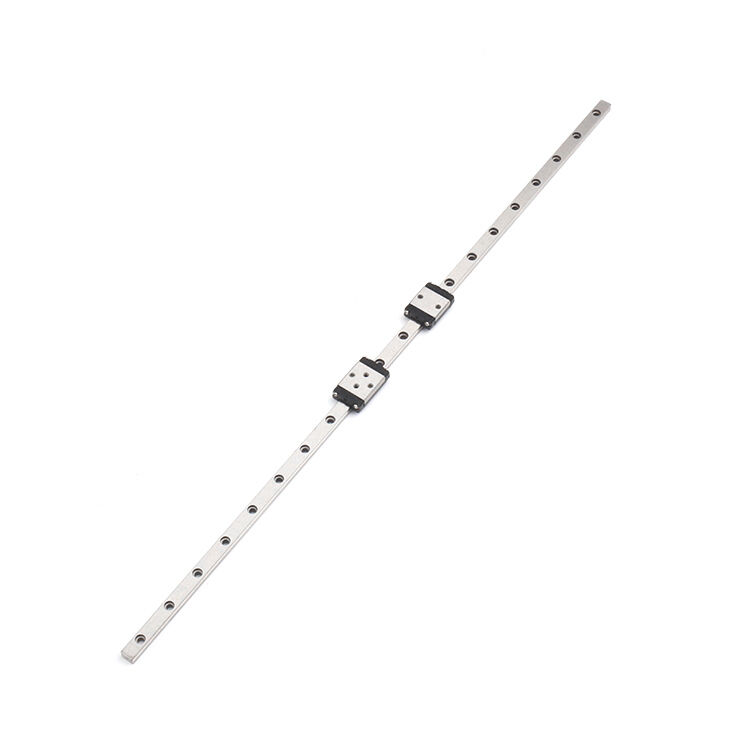
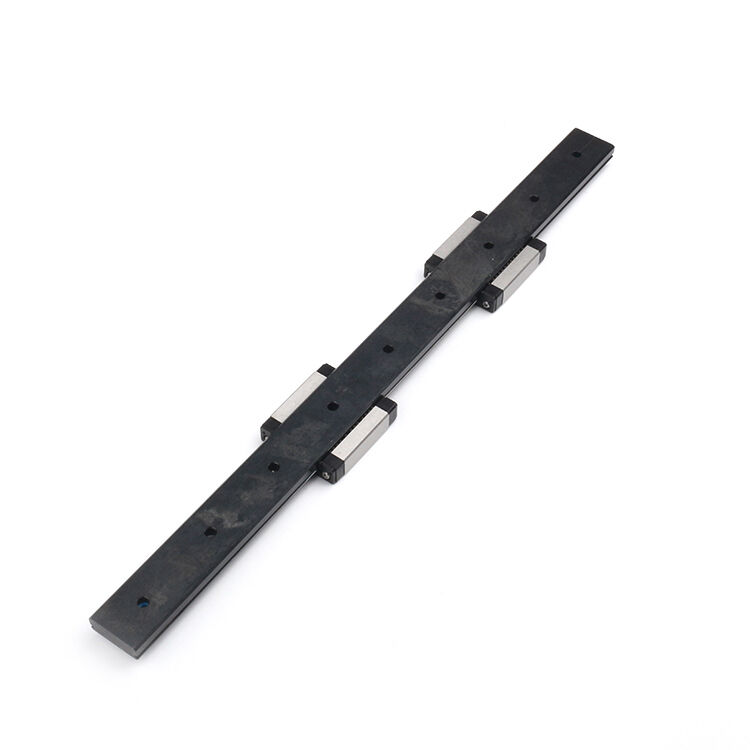
Linear Rail Systems: Precision Motion Solutions for Industrial Applications

All Categories

Get a Free Quote

Our representative will contact you soon.
Email
Name
Company Name
Message
0/1000

linear rail system

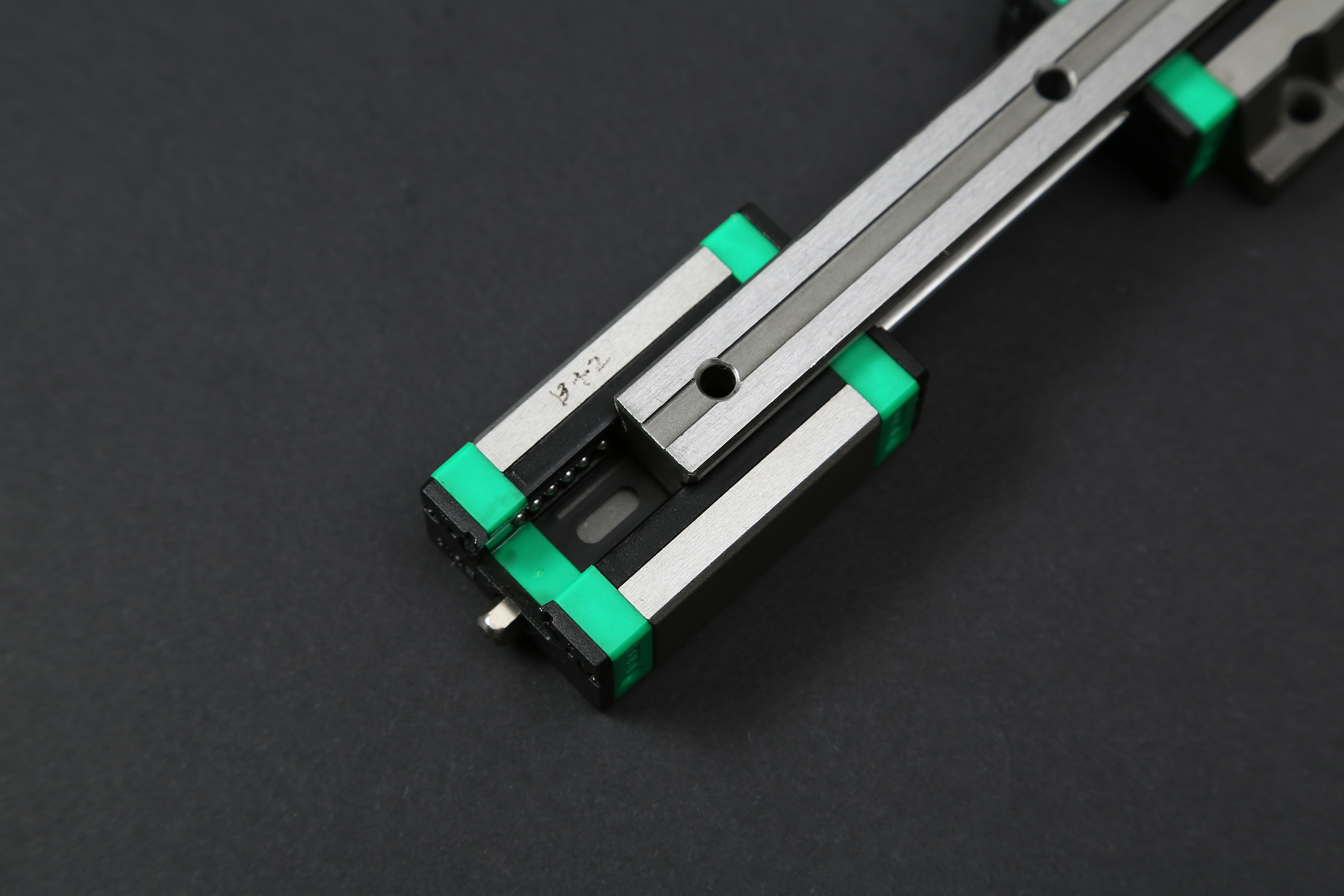
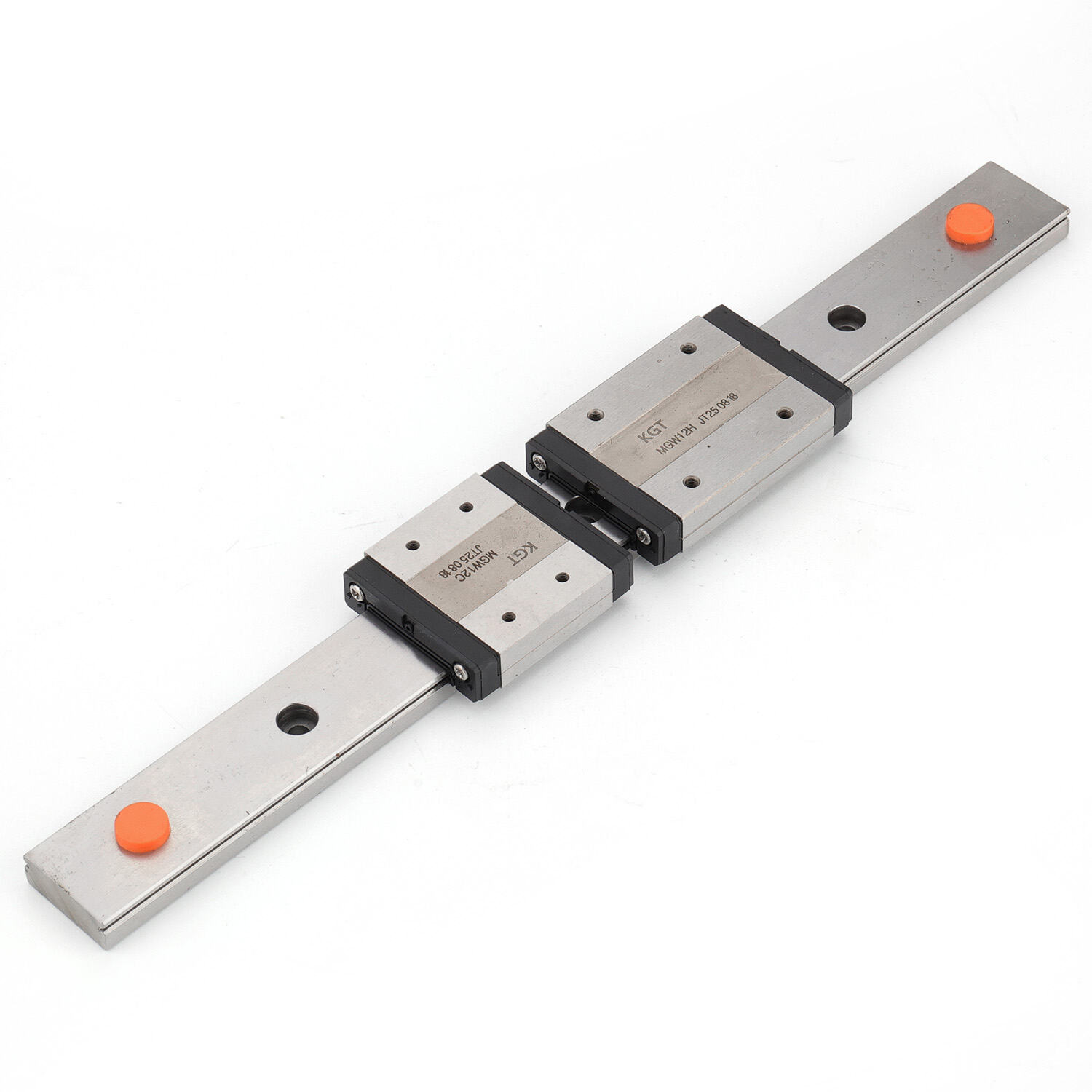
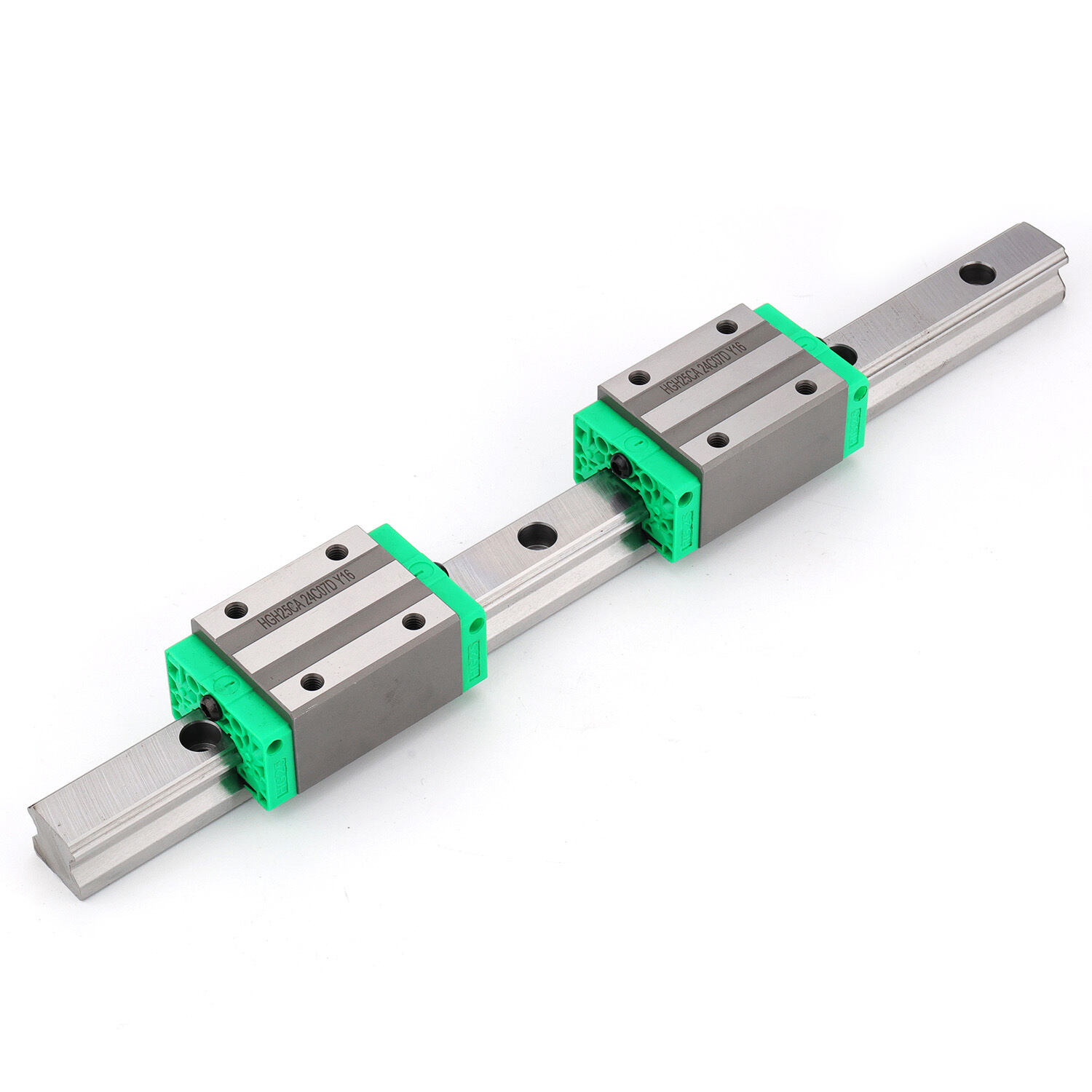
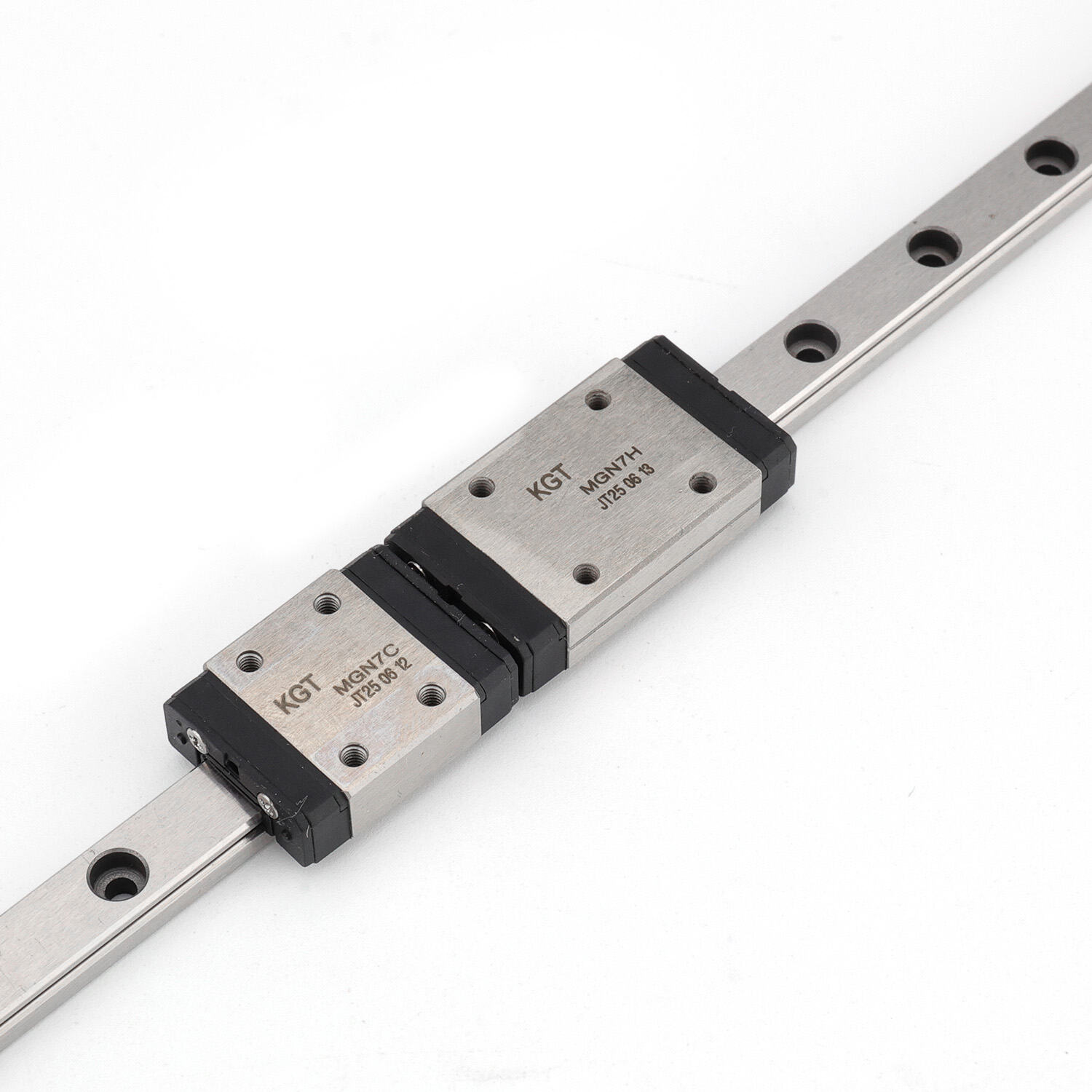
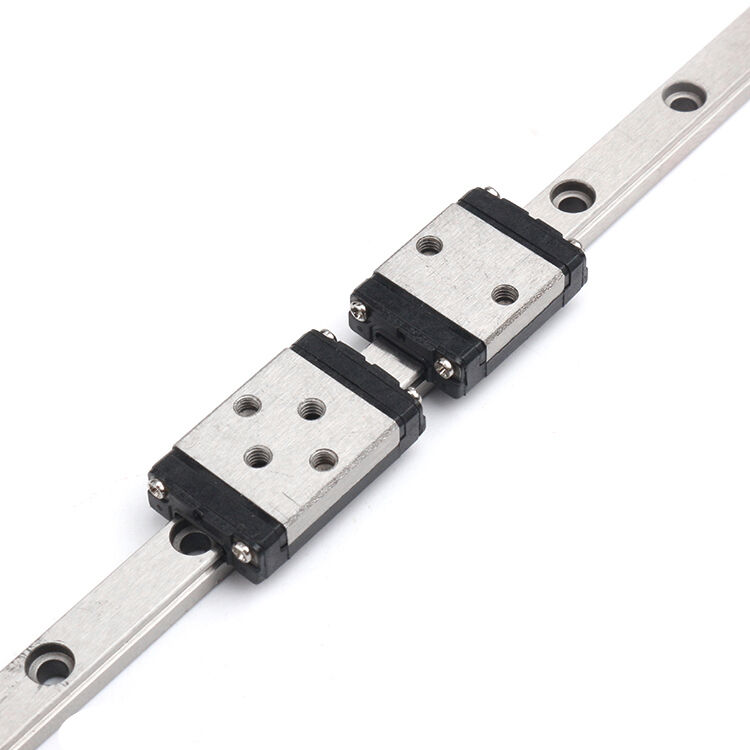
A linear rail system represents a sophisticated mechanical solution designed to provide precise linear motion control in various industrial and manufacturing applications. This advanced guidance mechanism consists of a hardened steel rail paired with a bearing block or carriage that moves smoothly along the rail's surface through integrated ball bearings or roller elements. The linear rail system serves as the backbone for countless automated processes, delivering exceptional accuracy and reliability in positioning applications. The primary function of a linear rail system centers on converting rotational motion into controlled linear movement while maintaining strict dimensional tolerances. These systems excel at supporting heavy loads while ensuring smooth, consistent motion throughout their operational range. The technological features of modern linear rail systems include precision-ground raceways that minimize friction and wear, sealed bearing assemblies that protect against contamination, and corrosion-resistant coatings that extend operational lifespan. Advanced linear rail systems incorporate recirculating ball or roller technology, which distributes loads evenly across multiple contact points, significantly enhancing load capacity and reducing stress concentrations. The versatility of linear rail systems makes them indispensable across numerous industries, including CNC machining centers, automated assembly lines, packaging equipment, medical devices, and precision measuring instruments. In manufacturing environments, these systems enable high-speed operations while maintaining micron-level accuracy, making them essential for quality control and production efficiency. The modular design of linear rail systems allows for easy integration into existing machinery and facilitates maintenance procedures. Their compact profile maximizes space utilization in cramped industrial settings, while their robust construction ensures reliable performance under demanding operational conditions, making the linear rail system an optimal choice for precision motion applications.

New Product Recommendations

Linear rail systems deliver remarkable advantages that transform operational efficiency and precision in industrial applications. The most significant benefit lies in their exceptional accuracy and repeatability, enabling machines to achieve positioning tolerances within micrometers consistently. This precision translates directly into improved product quality and reduced waste, creating substantial cost savings for manufacturers. The smooth operation of linear rail systems minimizes vibration and noise, contributing to a more comfortable working environment while protecting sensitive components from harmful oscillations. The high load capacity of these systems allows manufacturers to handle heavier workpieces without compromising accuracy, expanding the range of possible applications and increasing productivity. Maintenance requirements for linear rail systems are remarkably low compared to alternative motion solutions, reducing downtime and operational costs significantly. The self-lubricating properties of many modern linear rail systems eliminate the need for frequent lubrication cycles, further streamlining maintenance schedules. Installation simplicity represents another major advantage, as linear rail systems typically require minimal alignment procedures and can be mounted using standard hardware. This ease of installation reduces setup time and labor costs while minimizing the potential for installation errors. The modular nature of linear rail systems provides exceptional flexibility in system design, allowing engineers to create custom solutions that perfectly match specific application requirements. Durability stands out as a critical advantage, with quality linear rail systems operating reliably for millions of cycles without significant wear or performance degradation. This longevity ensures excellent return on investment and reduces the total cost of ownership over the system's operational life. Speed capabilities of linear rail systems enable high-velocity operations without sacrificing accuracy, making them ideal for high-throughput manufacturing processes. The compact design of linear rail systems maximizes available workspace while providing superior performance, allowing manufacturers to optimize facility layouts and increase production capacity within existing floor space constraints.

Latest News

The Ultimate Guide to Linear Guides: Precision, Applications, and Custom Solutions for Industrial Excellence

24

Dec

The Ultimate Guide to Linear Guides: Precision, Applications, and Custom Solutions for Industrial Excellence

View More
How to Select the Right Linear Guide Model: A Mechanical Engineer’s Guide

31

Dec

How to Select the Right Linear Guide Model: A Mechanical Engineer’s Guide

View More
Precision in Motion The Engineering Excellence of Linear Guides

05

Jan

Precision in Motion The Engineering Excellence of Linear Guides

View More

Get a Free Quote

Our representative will contact you soon.
Email
Name
Company Name
Message
0/1000

linear rail system

Unmatched Precision and Accuracy Performance

Unmatched Precision and Accuracy Performance

The precision capabilities of linear rail systems represent their most compelling feature, delivering positioning accuracy that meets the most demanding industrial requirements. Modern linear rail systems achieve repeatability tolerances as tight as ±0.001 inches, making them indispensable for applications requiring exceptional dimensional control. This extraordinary precision stems from the advanced manufacturing processes used to create the rail and bearing components, including precision grinding and quality control measures that ensure consistent surface finishes and geometric accuracy. The importance of this precision cannot be overstated in today's competitive manufacturing environment, where product quality directly impacts customer satisfaction and market position. Industries such as semiconductor manufacturing, aerospace, and medical device production rely heavily on the accuracy provided by linear rail systems to meet stringent regulatory requirements and quality standards. The value proposition extends beyond mere accuracy to include the consistency of performance over time, as linear rail systems maintain their precision characteristics throughout millions of operational cycles. This reliability eliminates the need for frequent recalibration and adjustment procedures that plague less sophisticated motion systems, resulting in significant time and cost savings. The precision of linear rail systems also enables manufacturers to implement tighter process controls, reducing material waste and improving overall production efficiency. In automated assembly operations, the accuracy of linear rail systems ensures proper component alignment and reduces assembly defects, directly impacting product quality and customer satisfaction. The ability to maintain precision under varying load conditions further enhances the value proposition, as linear rail systems deliver consistent performance regardless of payload variations. This characteristic proves particularly valuable in applications involving different product sizes or weights, where maintaining accuracy across the entire range of operating conditions is essential for process reliability and product consistency.
Superior Load Capacity and Structural Integrity

Superior Load Capacity and Structural Integrity

Linear rail systems excel in their ability to handle substantial loads while maintaining smooth operation and precise positioning, making them ideal for heavy-duty industrial applications. The load capacity advantage stems from the innovative bearing design that distributes forces across multiple contact points, effectively minimizing stress concentrations and extending component life. This distributed loading approach allows linear rail systems to support both radial and moment loads simultaneously, providing exceptional versatility in application design and implementation. The structural integrity of linear rail systems enables them to withstand the demanding conditions common in industrial environments, including shock loads, vibration, and temperature variations. This robustness translates into reliable performance and reduced maintenance requirements, delivering significant operational benefits to end users. The ability to handle high loads without compromising accuracy sets linear rail systems apart from alternative motion solutions, enabling manufacturers to process larger workpieces and implement more aggressive machining strategies. In heavy manufacturing applications, the load capacity of linear rail systems allows for the consolidation of multiple operations into single setups, improving efficiency and reducing cycle times. The moment load capacity of linear rail systems proves particularly valuable in cantilevered applications, where traditional bearing systems would require additional support structures. This capability simplifies machine design and reduces overall system complexity while maintaining superior performance characteristics. The load rating specifications of linear rail systems provide engineers with clear design parameters, enabling confident system sizing and ensuring adequate safety margins in demanding applications. The combination of high load capacity and compact design makes linear rail systems ideal for space-constrained applications where traditional bearing systems would be impractical. This advantage proves particularly valuable in modern manufacturing facilities where floor space comes at a premium and equipment density continues to increase.
Exceptional Durability and Low Maintenance Requirements

Exceptional Durability and Low Maintenance Requirements

The durability characteristics of linear rail systems provide exceptional long-term value through extended operational life and minimal maintenance requirements. This durability stems from the use of high-quality materials, including hardened steel components and advanced bearing technologies that resist wear and fatigue under continuous operation. The sealed bearing design of modern linear rail systems protects critical components from contamination, moisture, and debris that typically cause premature failure in less sophisticated motion systems. This protection ensures consistent performance throughout the system's operational life while reducing the need for frequent cleaning and maintenance procedures. The self-lubricating properties of many linear rail systems eliminate the need for regular lubrication schedules, significantly reducing maintenance costs and downtime associated with routine servicing. This feature proves particularly valuable in automated production environments where accessibility for maintenance may be limited or where production schedules cannot accommodate frequent service intervals. The corrosion resistance of linear rail systems ensures reliable operation in challenging environments, including applications involving coolants, cleaning agents, or humid conditions that would degrade alternative motion solutions. The modular design of linear rail systems facilitates easy replacement of individual components without requiring complete system overhaul, minimizing repair costs and reducing downtime when maintenance becomes necessary. The predictable wear characteristics of linear rail systems enable proactive maintenance scheduling, allowing manufacturers to plan service activities during scheduled downtime rather than responding to unexpected failures. This predictability contributes to more efficient maintenance programs and improved overall equipment effectiveness. The compatibility of linear rail systems with standard industrial lubricants and maintenance practices simplifies integration into existing maintenance protocols, reducing training requirements and streamlining service procedures. The long service life of quality linear rail systems, often exceeding several million operational cycles, provides excellent return on investment and reduces the total cost of ownership compared to alternative motion solutions that require more frequent replacement or major service interventions.
Linear Rail Systems: Precision Motion Solutions for Industrial Applications

Get a Free Quote

Our representative will contact you soon.
Email
Name
Company Name
Message
0/1000