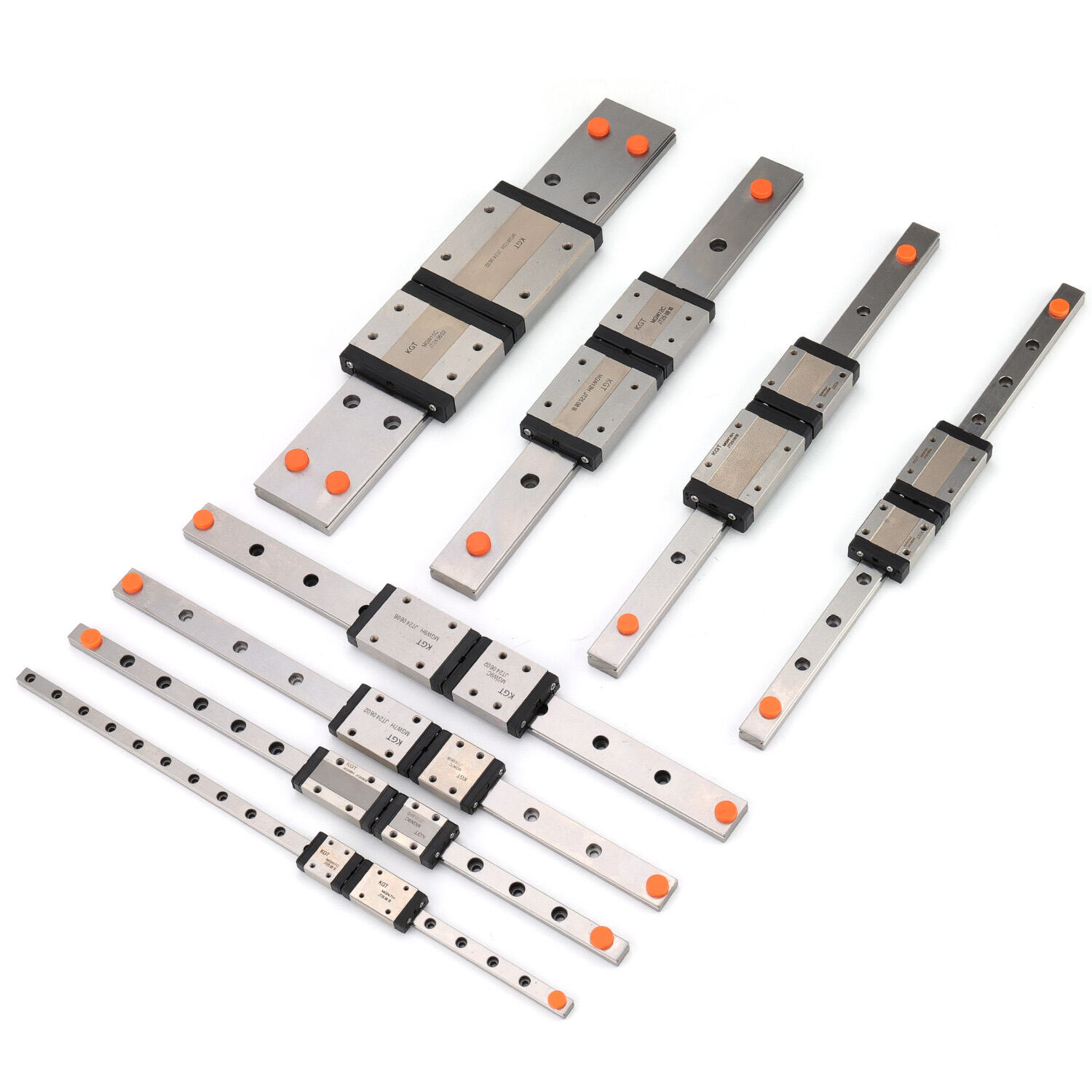
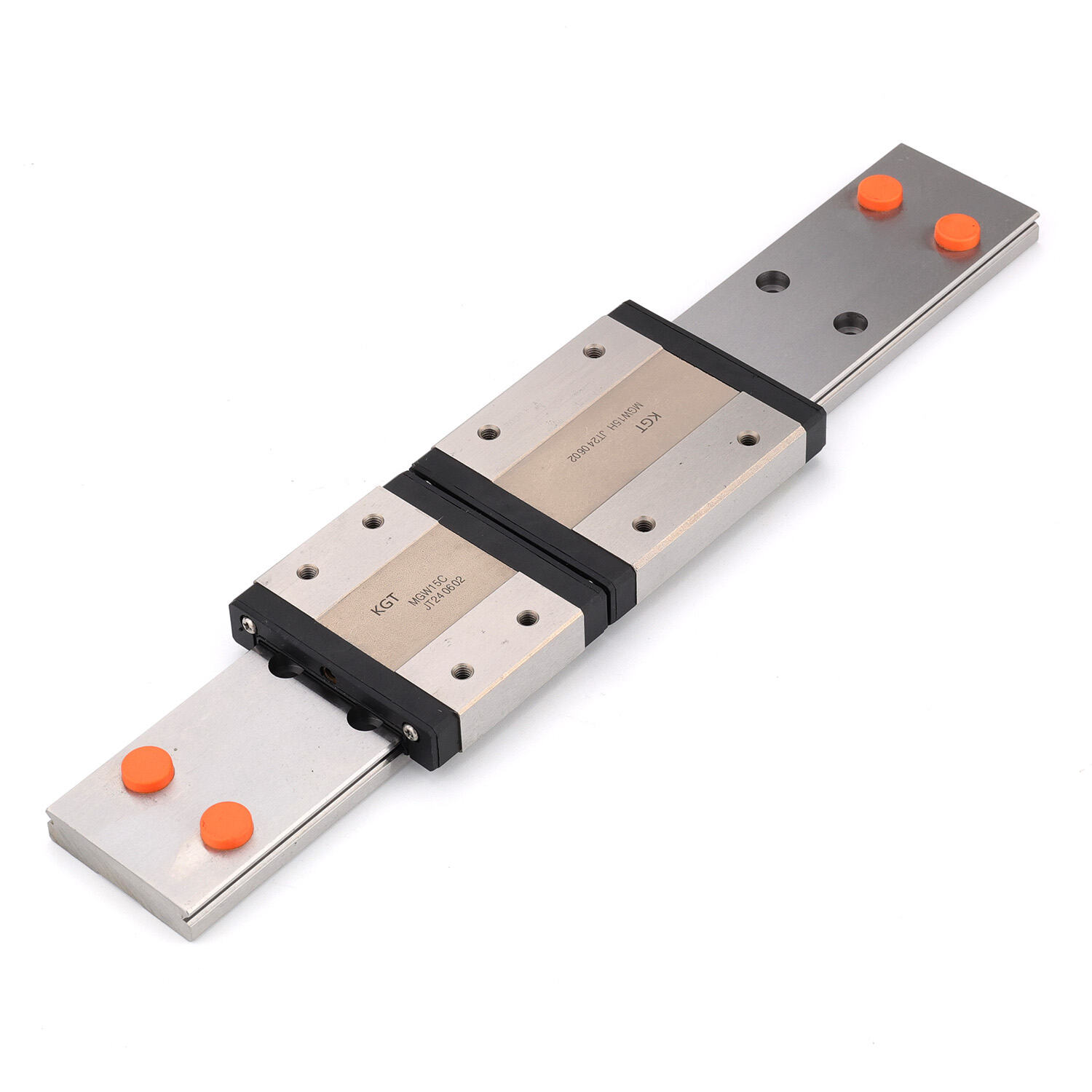
linear rails and slides
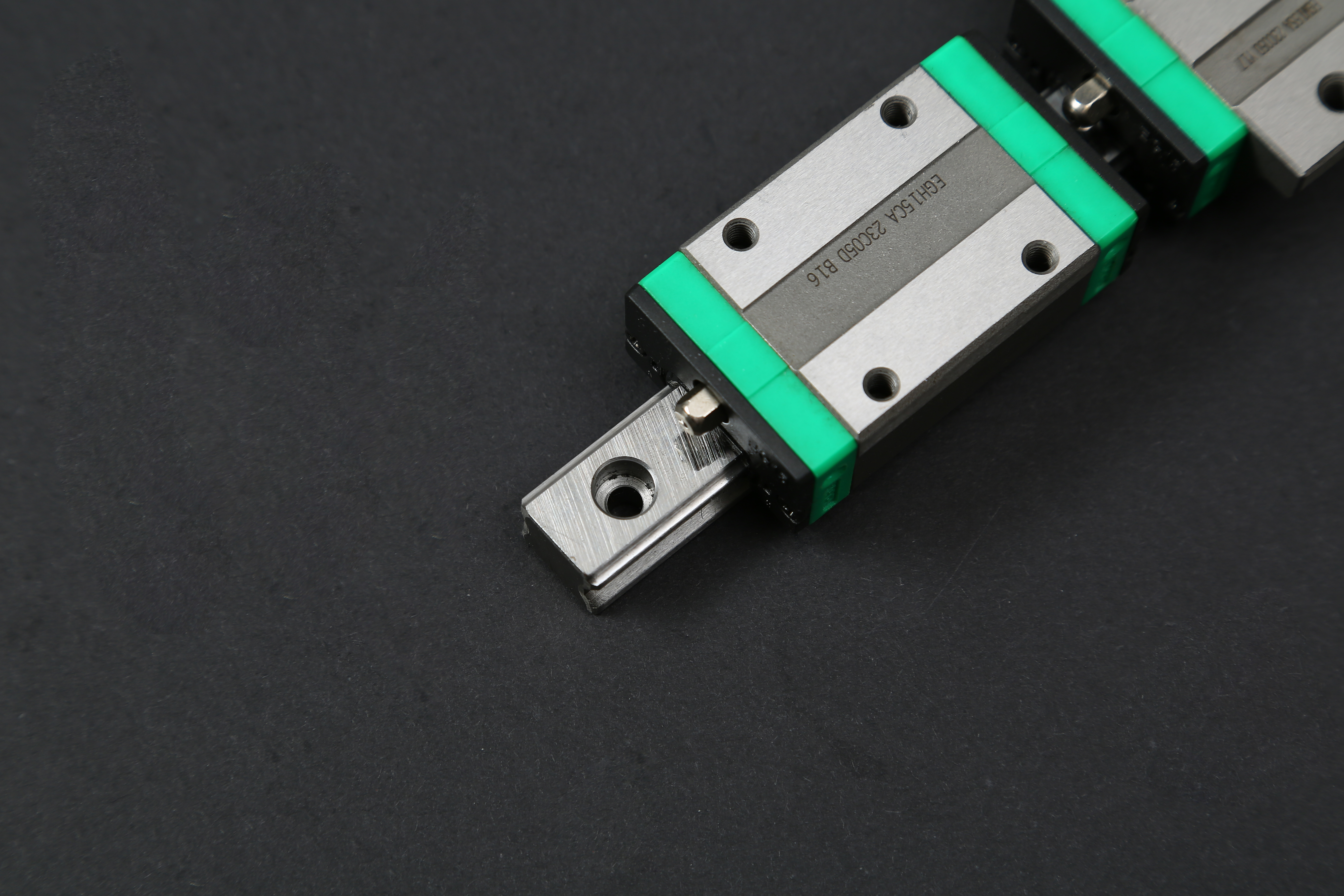
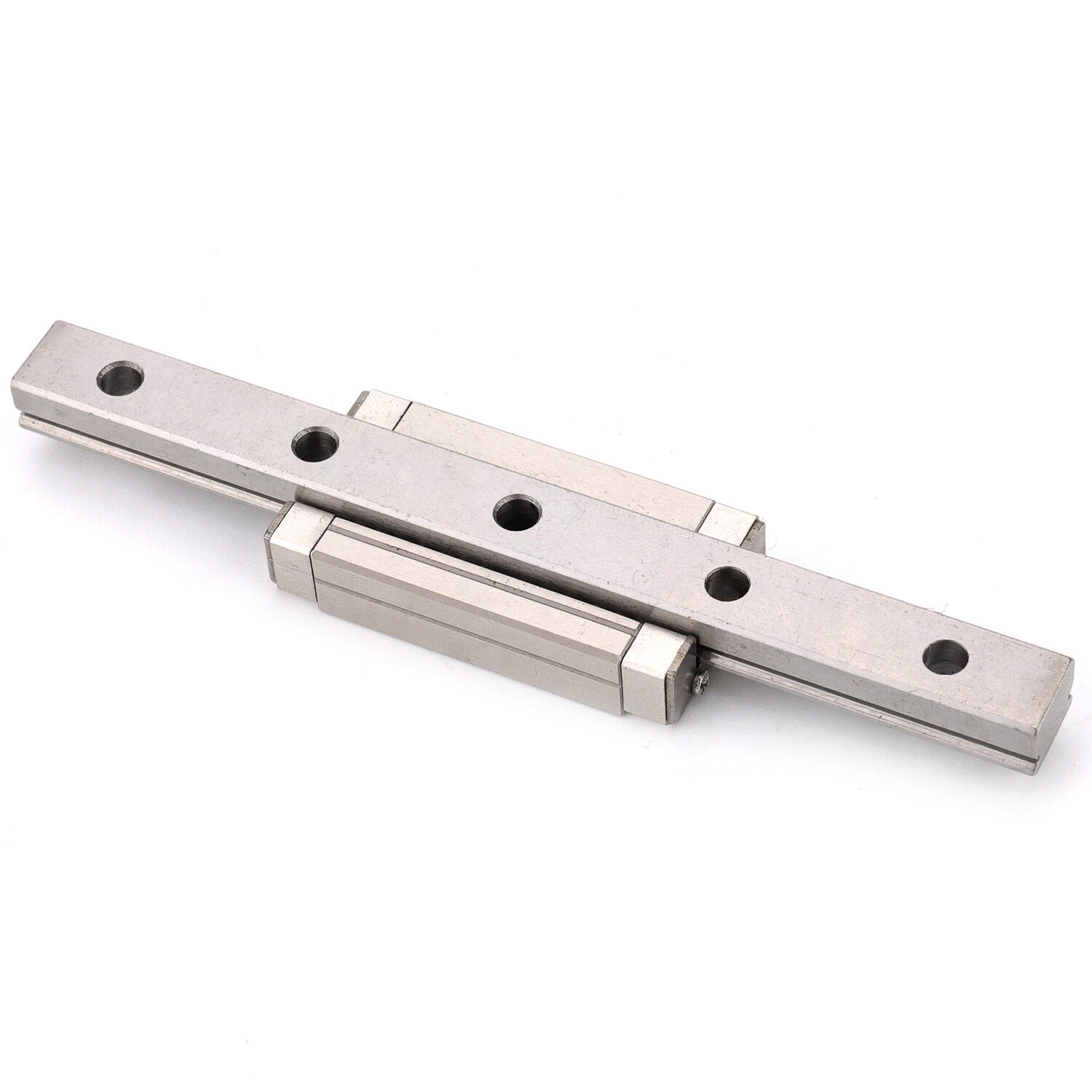
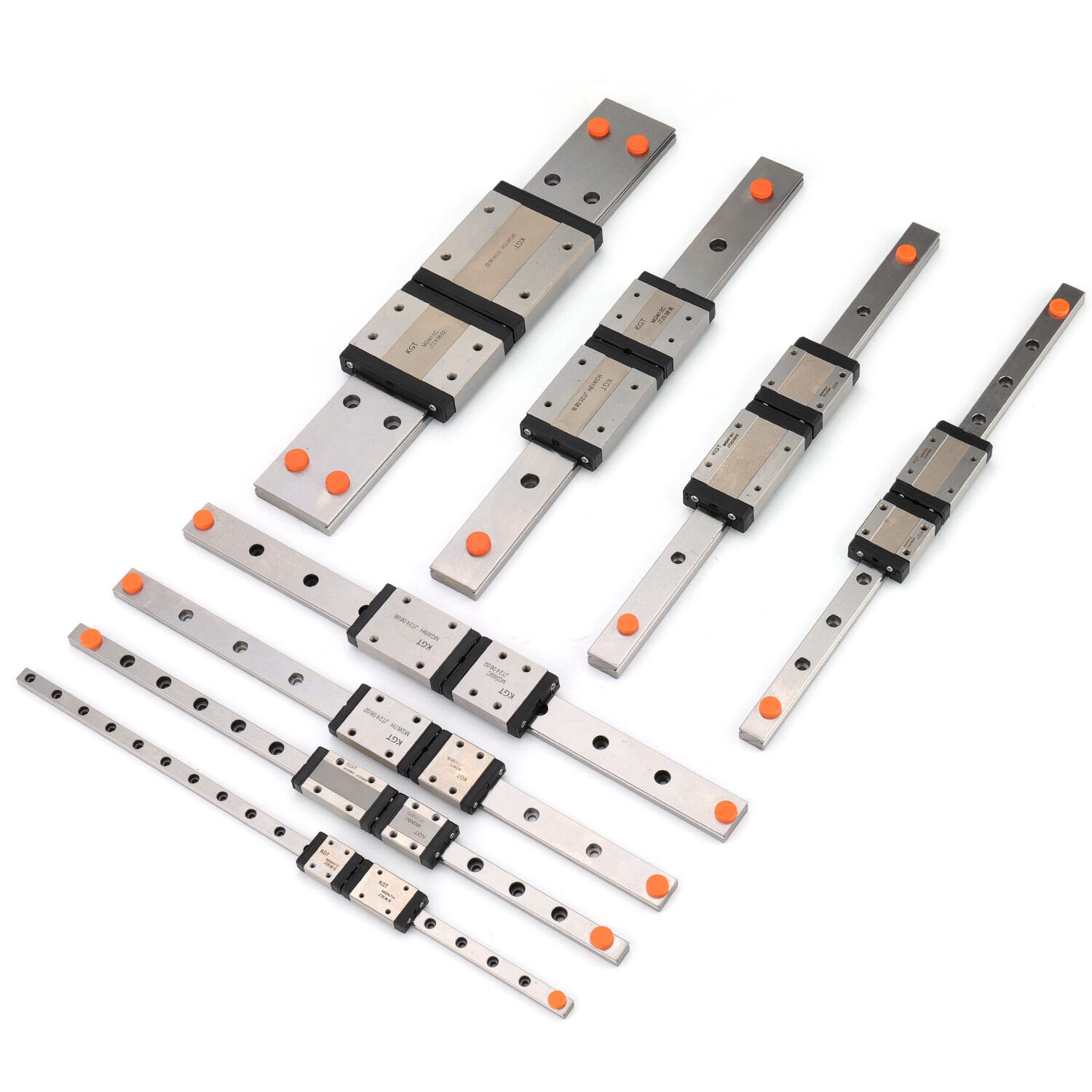
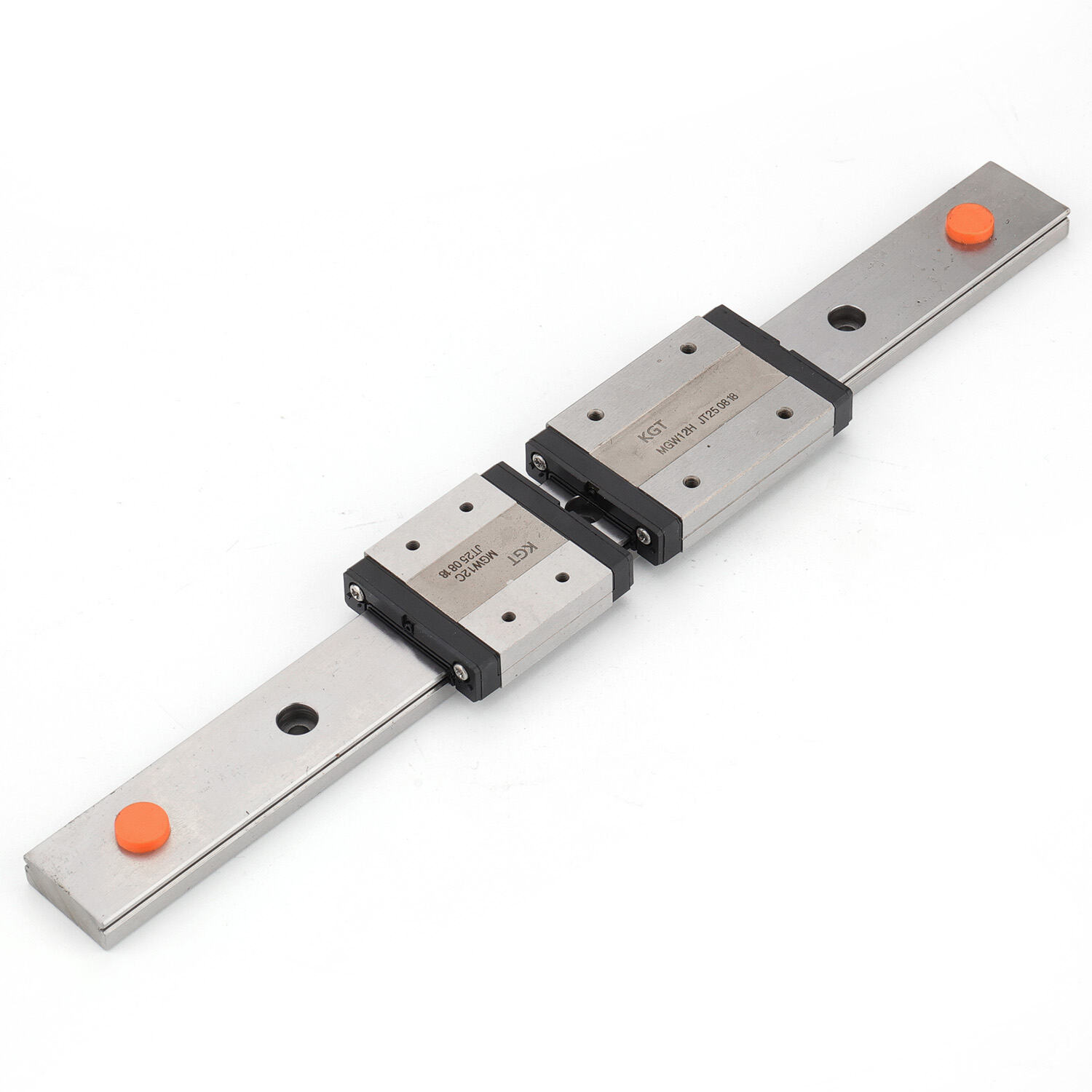
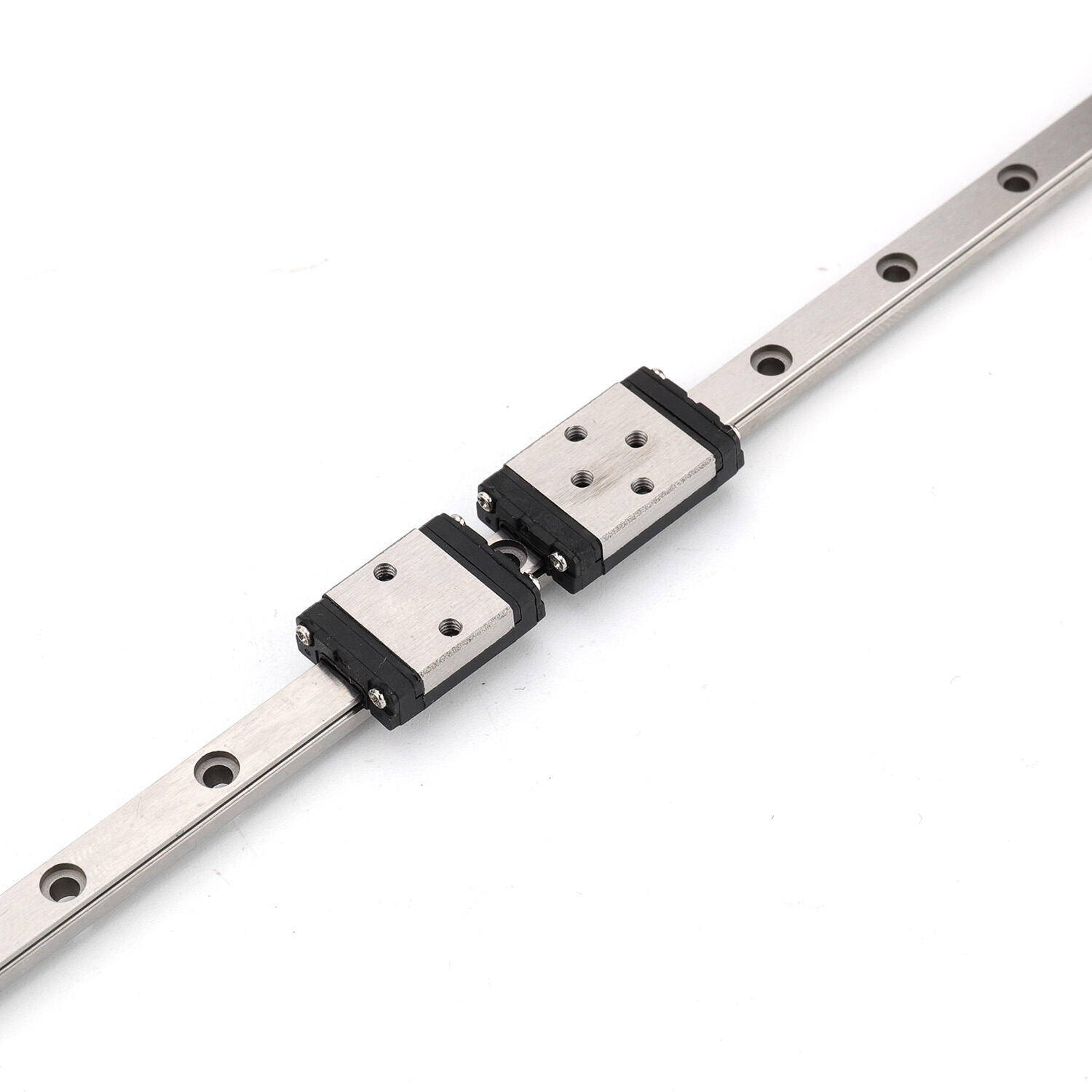
Linear rails and slides represent sophisticated mechanical guidance systems that facilitate precise linear motion in countless industrial and commercial applications. These essential components consist of rail tracks and sliding carriages designed to provide smooth, accurate movement along predetermined paths. Linear rails and slides serve as the backbone for machinery requiring controlled linear displacement, offering superior stability and positioning accuracy compared to traditional bearing systems. The primary function of linear rails and slides involves supporting loads while enabling frictionless movement in a single direction. These systems utilize ball bearings, roller bearings, or specialized bearing elements housed within precision-manufactured carriages that travel along hardened steel rails. The technological foundation relies on advanced metallurgy and precision machining to achieve exceptional straightness tolerances and surface finishes. Modern linear rails and slides incorporate corrosion-resistant materials, specialized lubrication systems, and protective sealing mechanisms to ensure longevity in demanding environments. The bearing technology employed in linear rails and slides varies based on application requirements, with recirculating ball systems offering high load capacity and smooth operation. These components find extensive use in manufacturing automation, where linear rails and slides enable precise positioning of cutting tools, robotic arms, and assembly equipment. The aerospace industry depends on linear rails and slides for aircraft manufacturing processes, satellite positioning systems, and ground support equipment. Medical equipment manufacturers integrate linear rails and slides into surgical robots, diagnostic imaging systems, and laboratory automation devices. Transportation systems utilize these components in automated doors, luggage handling systems, and maintenance equipment. The construction industry employs linear rails and slides in material handling equipment, concrete forming systems, and building automation mechanisms. Entertainment venues rely on linear rails and slides for stage equipment, projection systems, and special effects machinery, demonstrating their versatility across diverse sectors.

 EN
EN