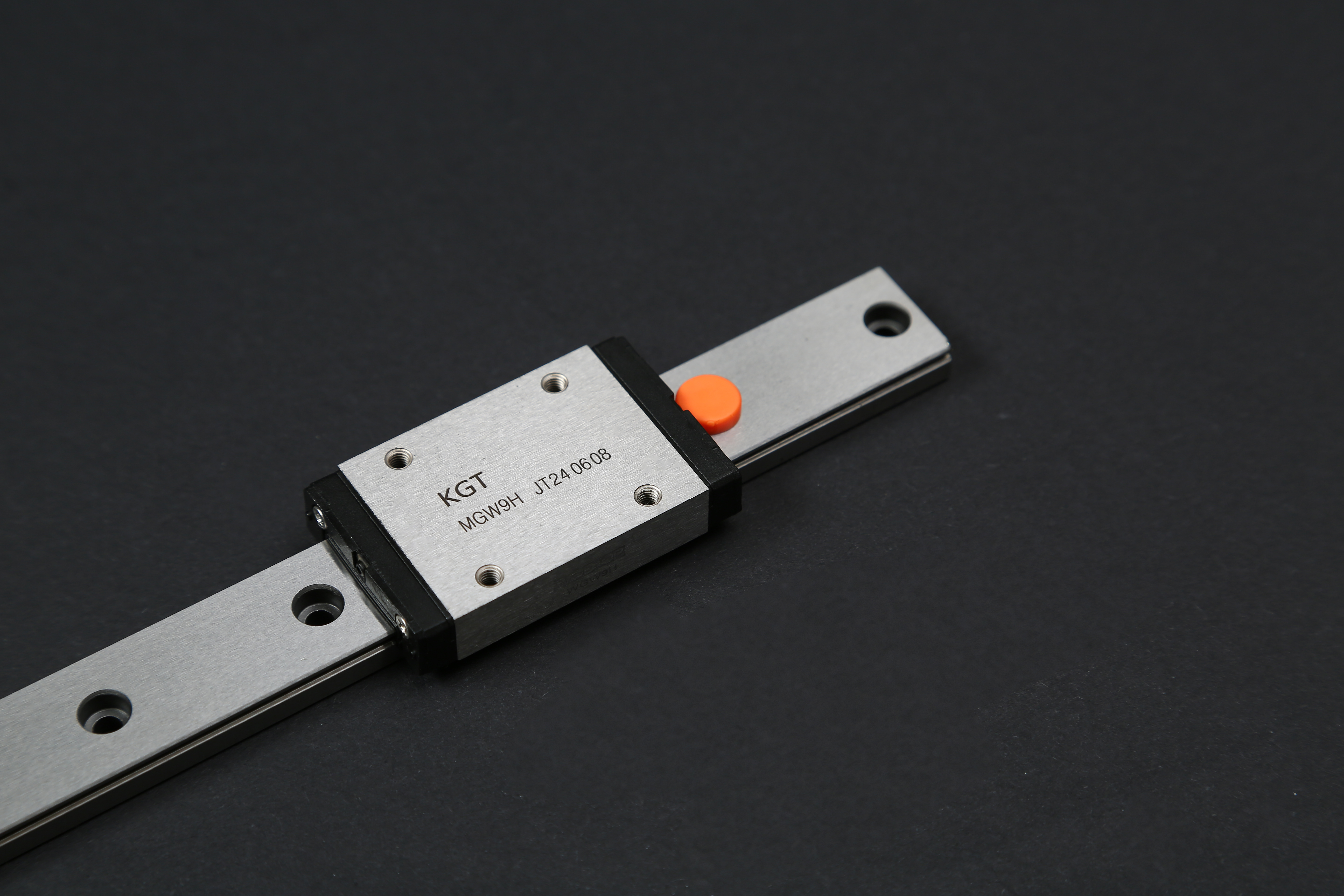
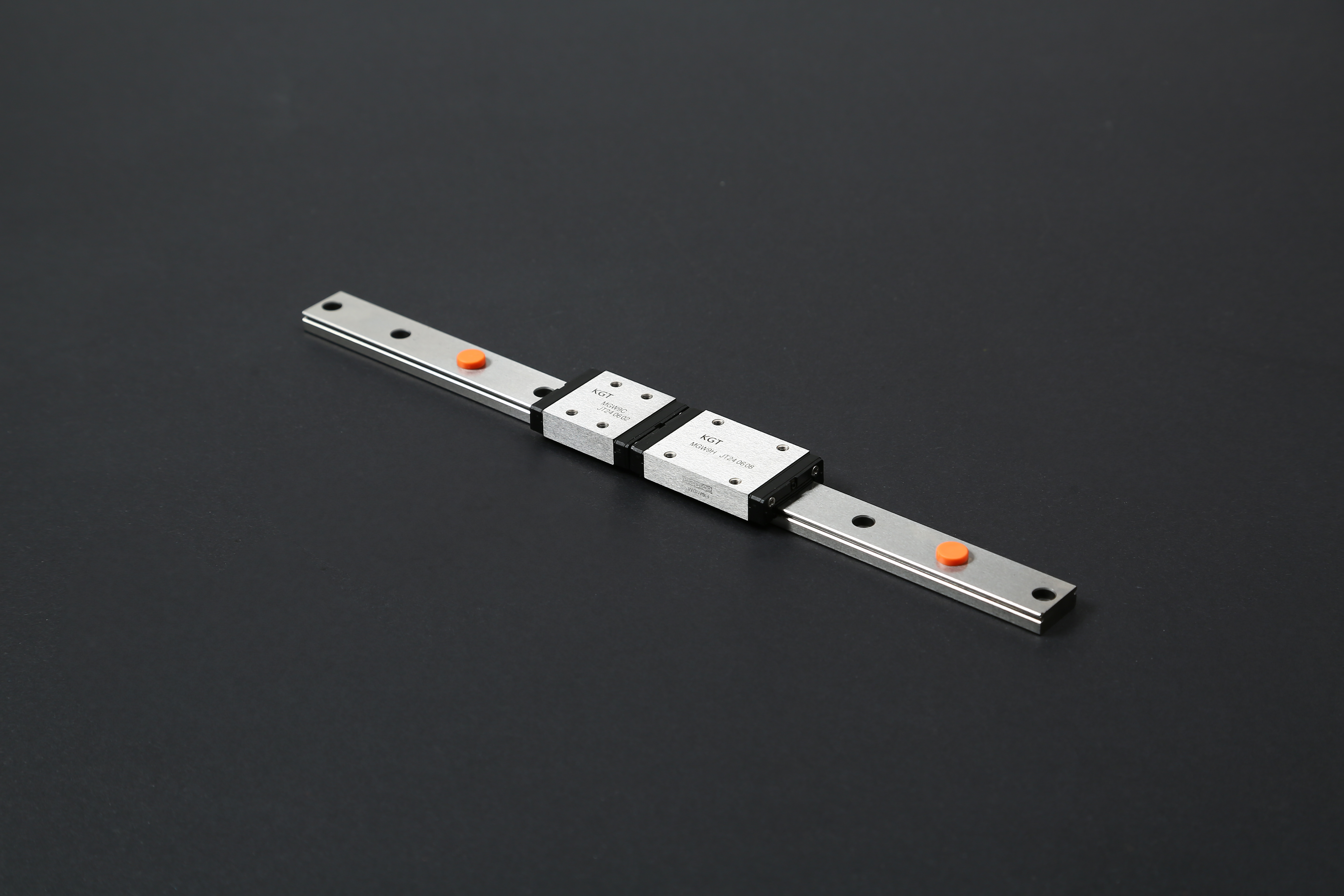
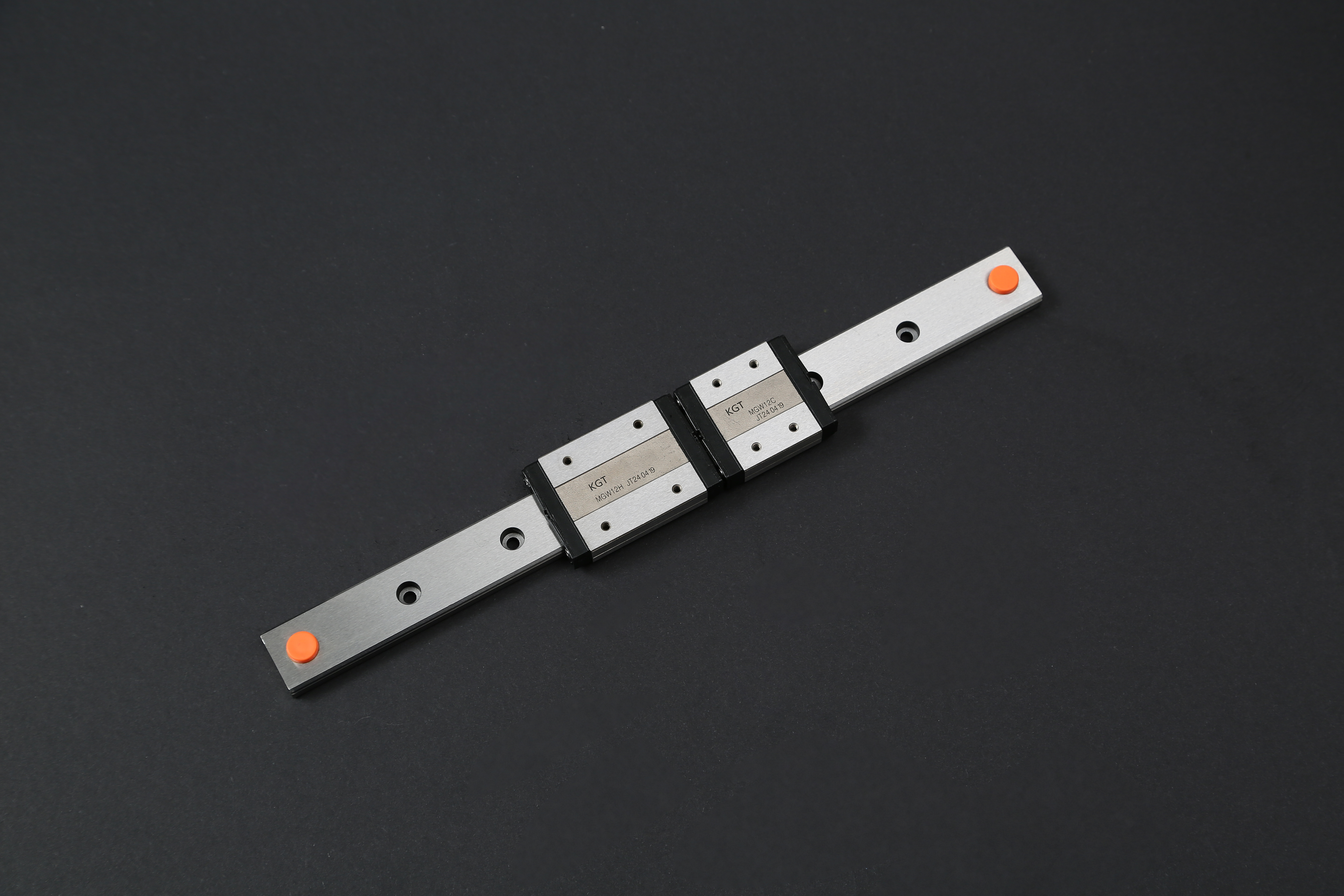
miniature linear bearings
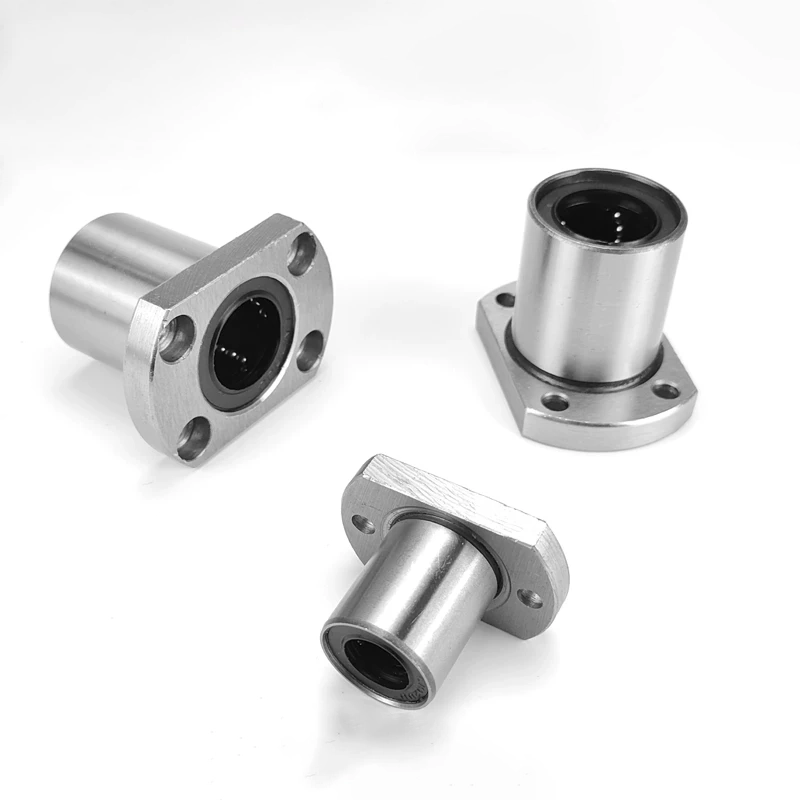
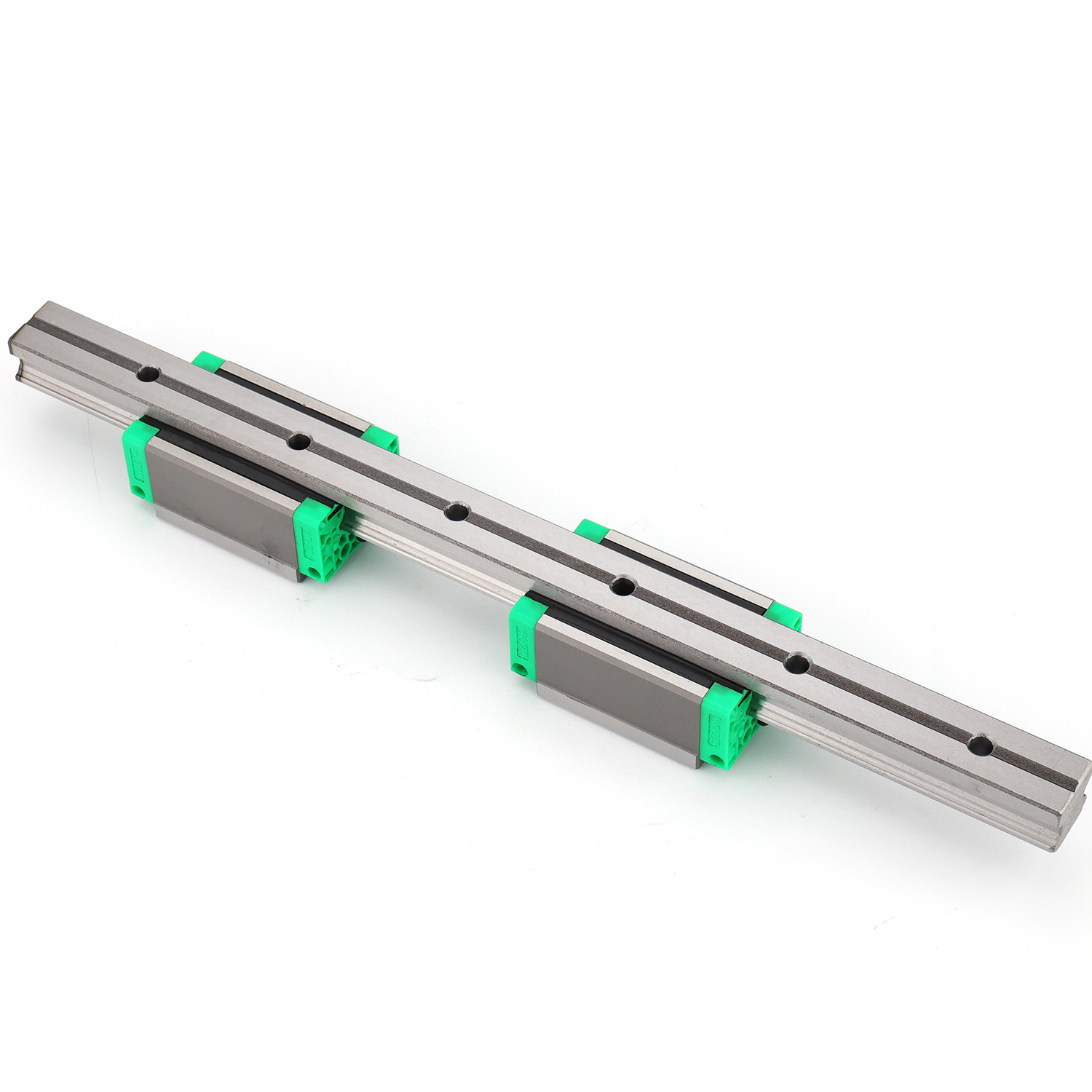
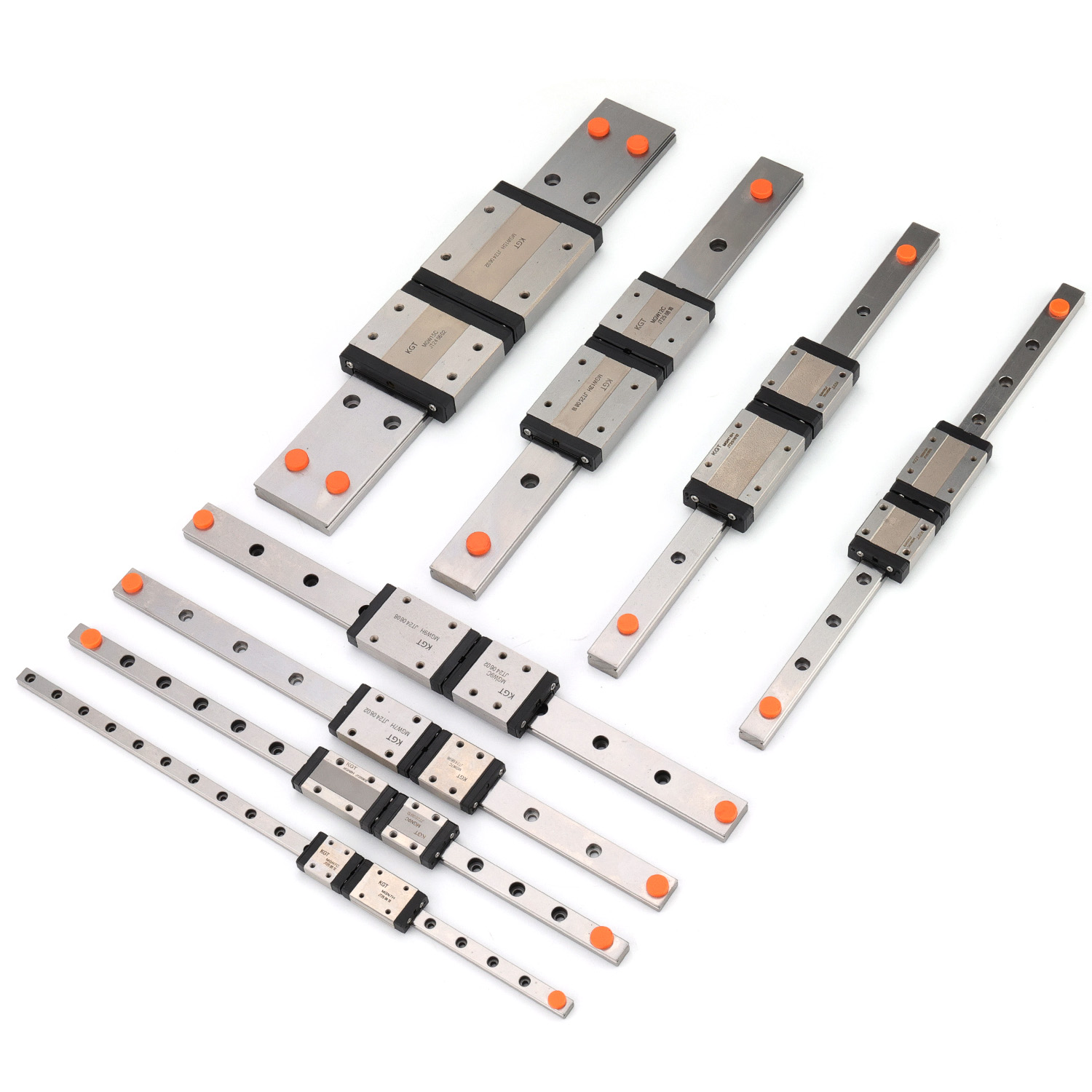
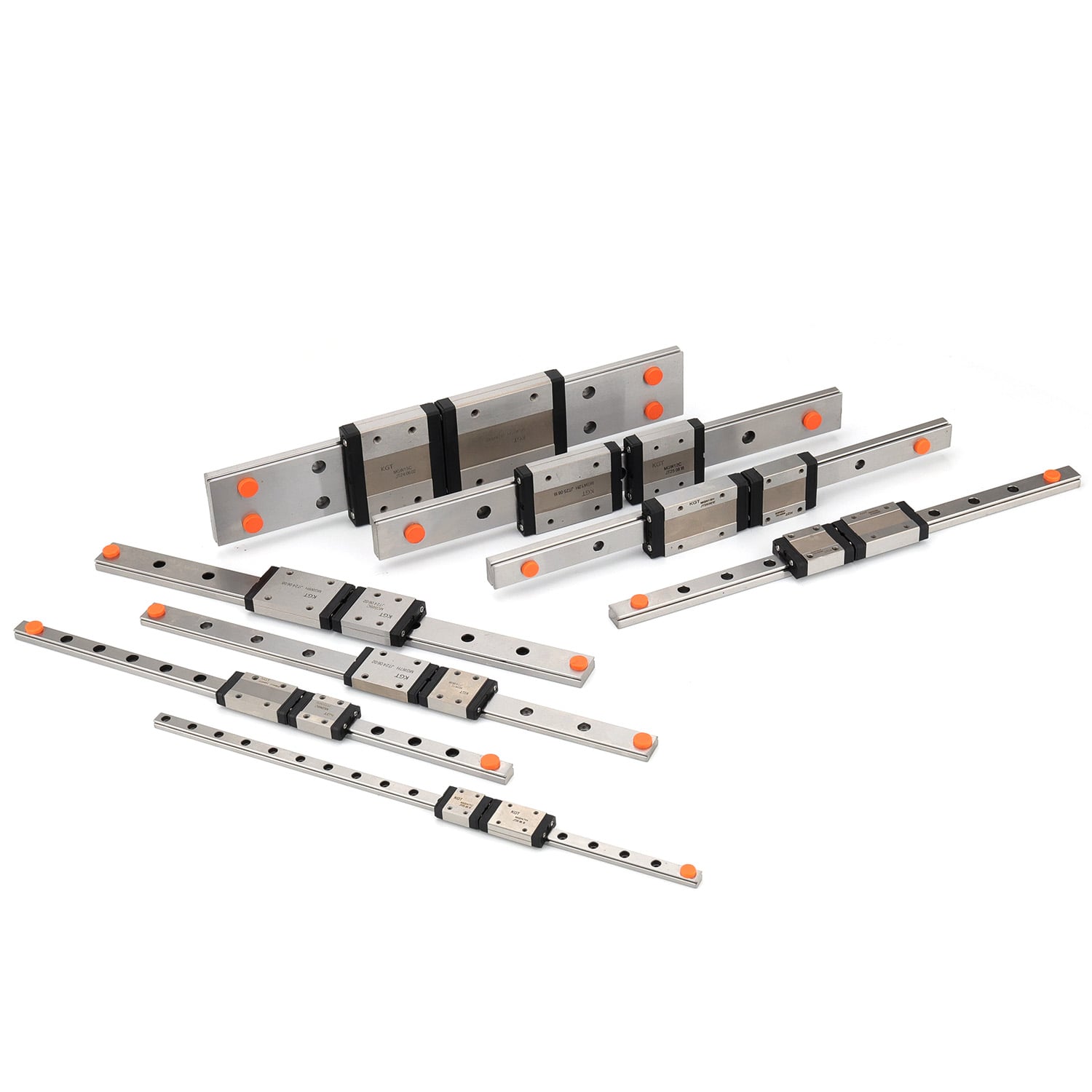
Miniature linear bearings represent precision motion control components designed for applications requiring smooth, accurate movement in confined spaces. These compact bearing solutions enable efficient linear motion across multiple industries, from automation equipment to medical devices and aerospace systems.
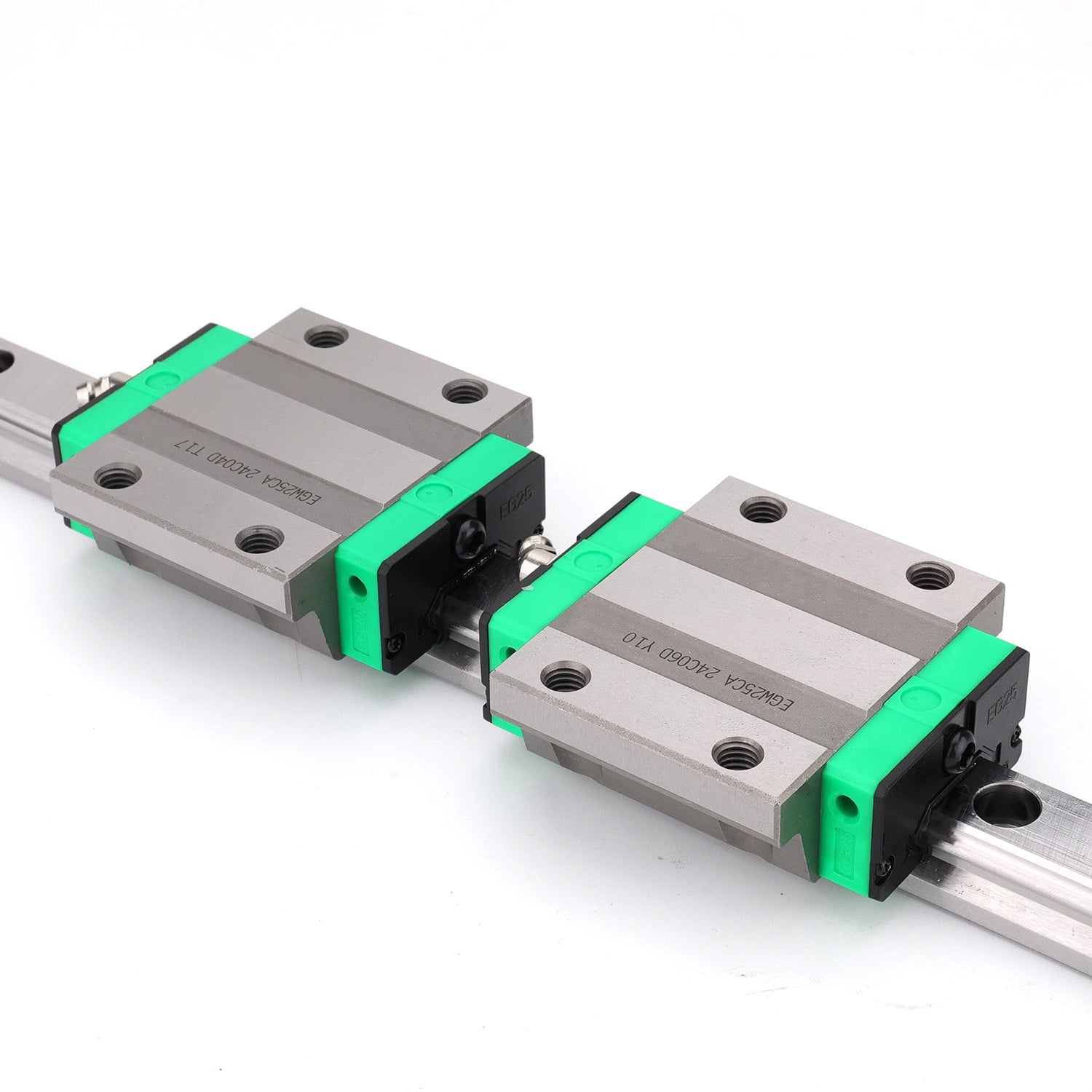
Miniature linear bearings function by using rolling elements—typically ball bearings—to facilitate frictionless movement along a shaft or rail. The bearing blocks contain precisely engineered raceways that guide these rolling elements, creating a smooth gliding action with minimal resistance. This fundamental design allows miniature linear bearings to deliver consistent performance while maintaining dimensional efficiency.
The technological features of miniature linear bearings include sealed designs that protect internal components from contamination, preload options that enhance rigidity and accuracy, and high-grade materials that ensure durability under demanding conditions. Modern miniature linear bearings employ advanced manufacturing techniques to achieve tight tolerances and superior surface finishes. These components accommodate various load ratings and travel distances, making them adaptable to diverse application requirements.
Applications for miniature linear bearings span across numerous sectors. In manufacturing, these bearings support automated assembly equipment and robotic systems. Medical technology utilizes miniature linear bearings in surgical instruments and diagnostic machines. The semiconductor industry relies on these precision components for equipment positioning and movement control. Additionally, miniature linear bearings serve packaging machinery, printing equipment, and laboratory instruments where precise motion in compact configurations proves essential for operational success.

 EN
EN