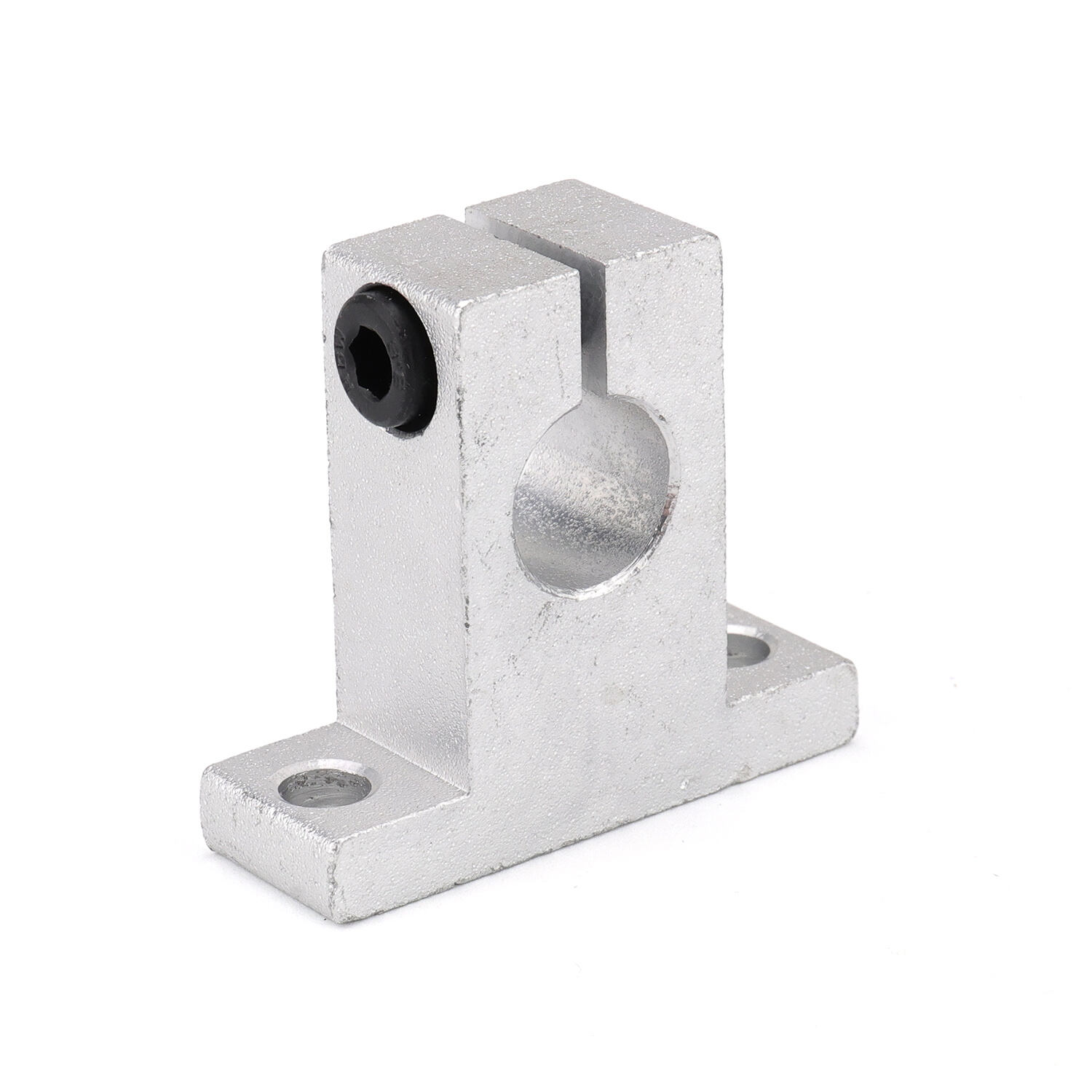
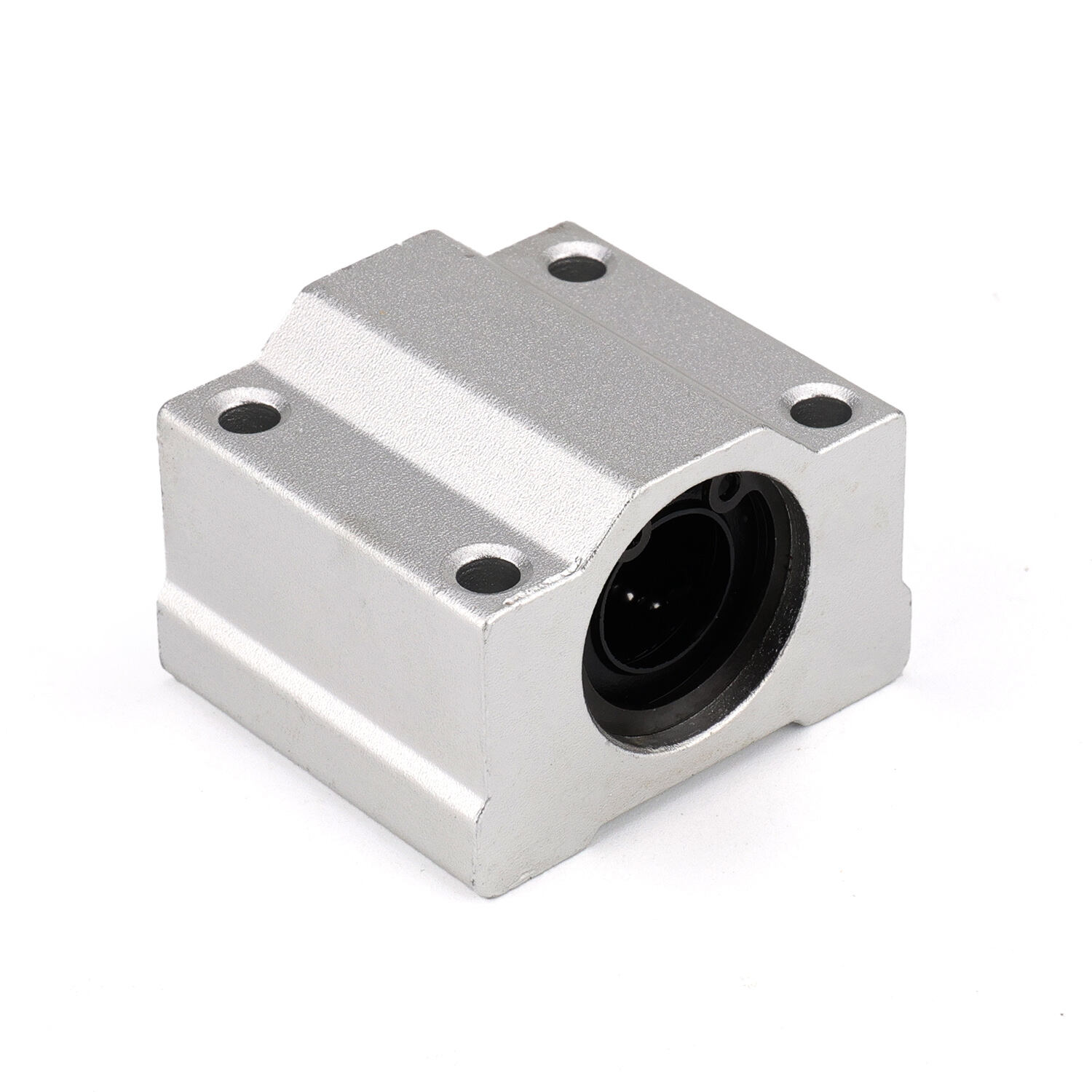
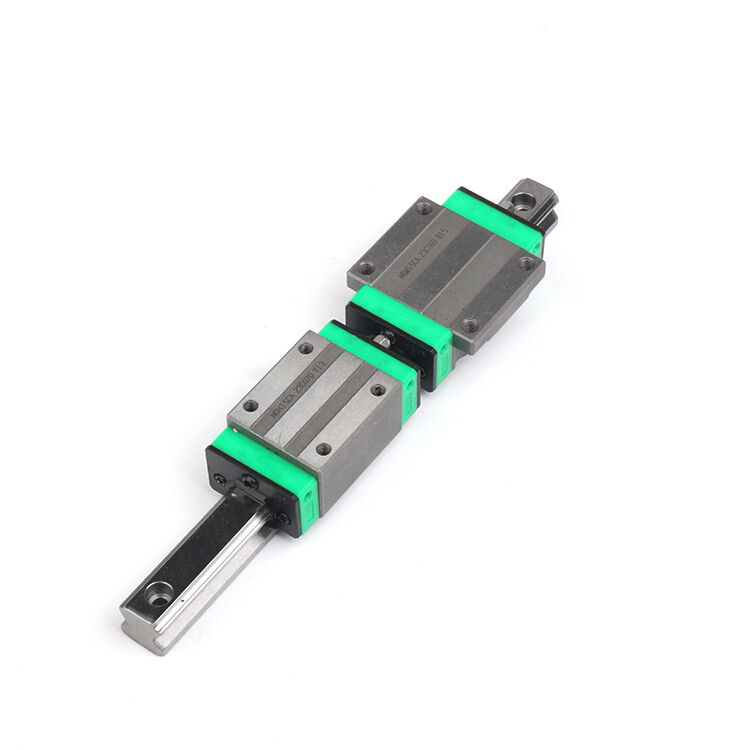
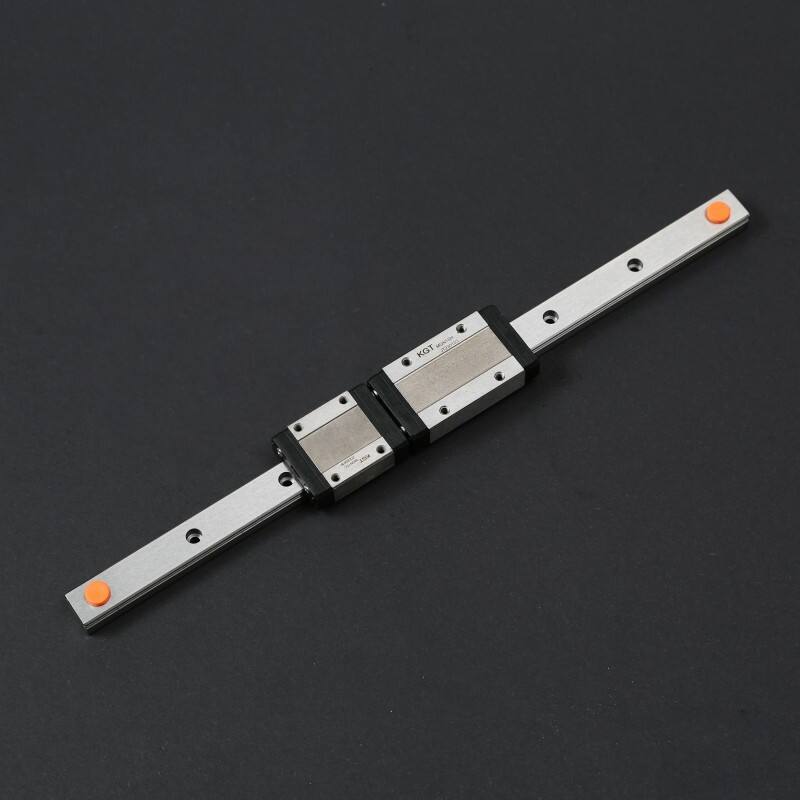
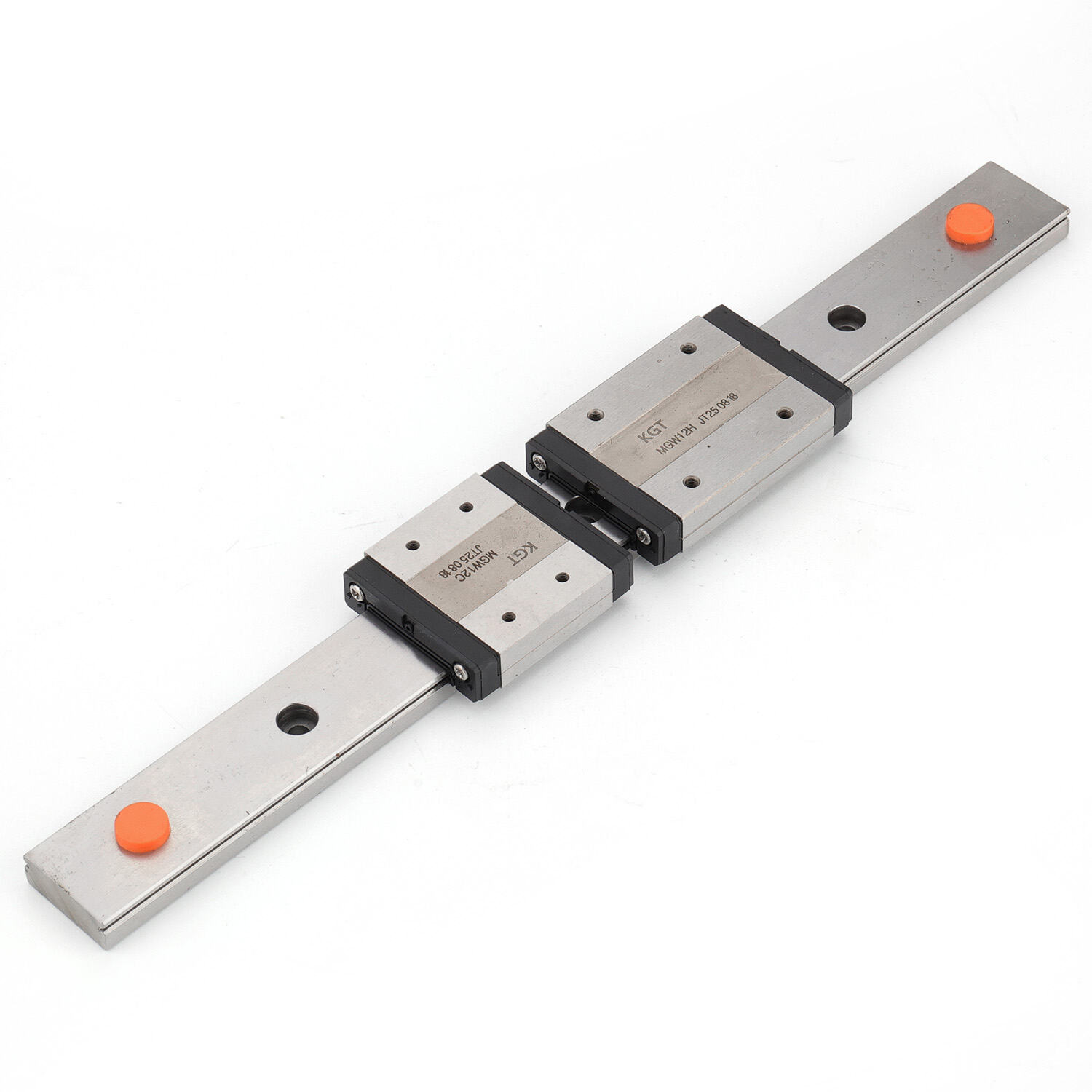
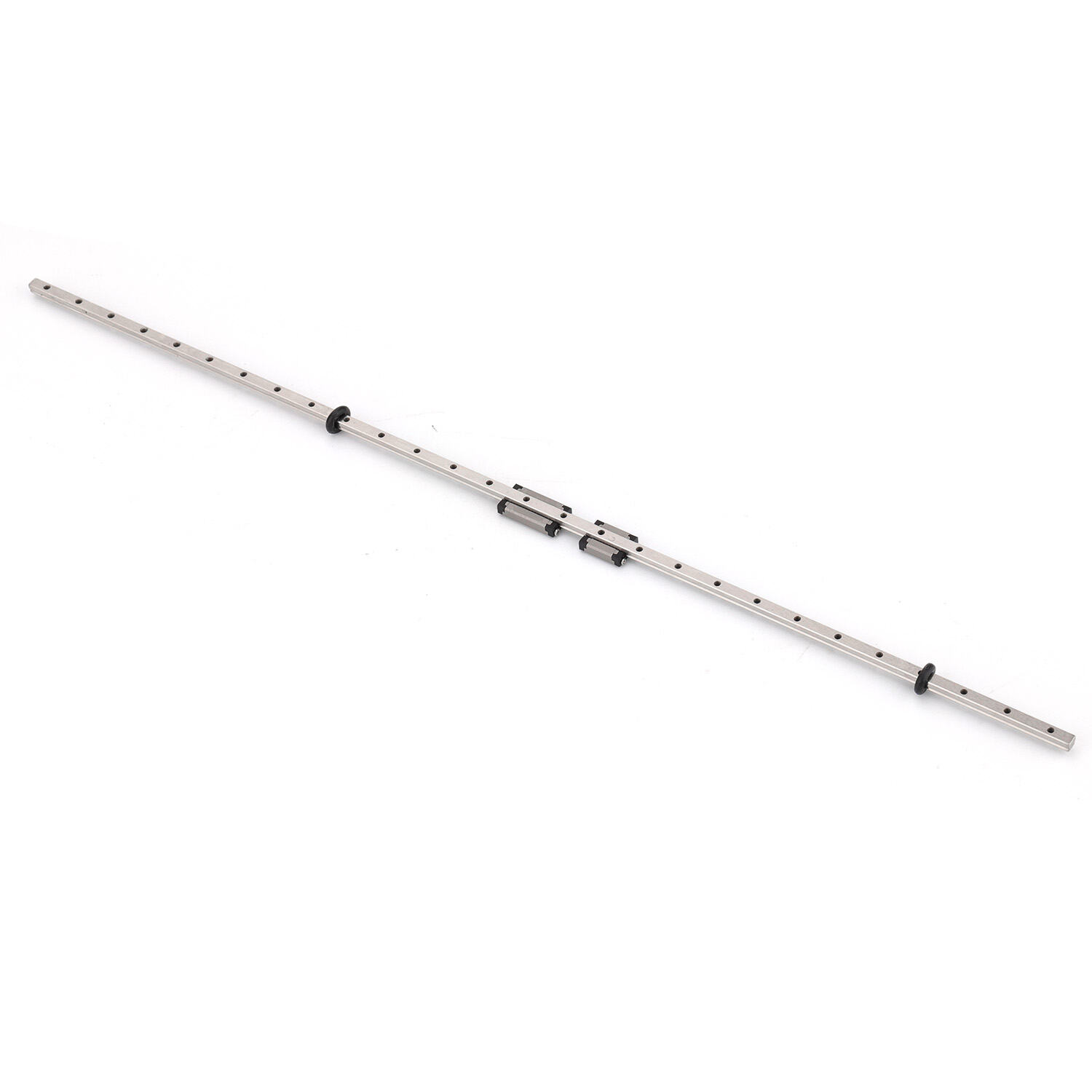
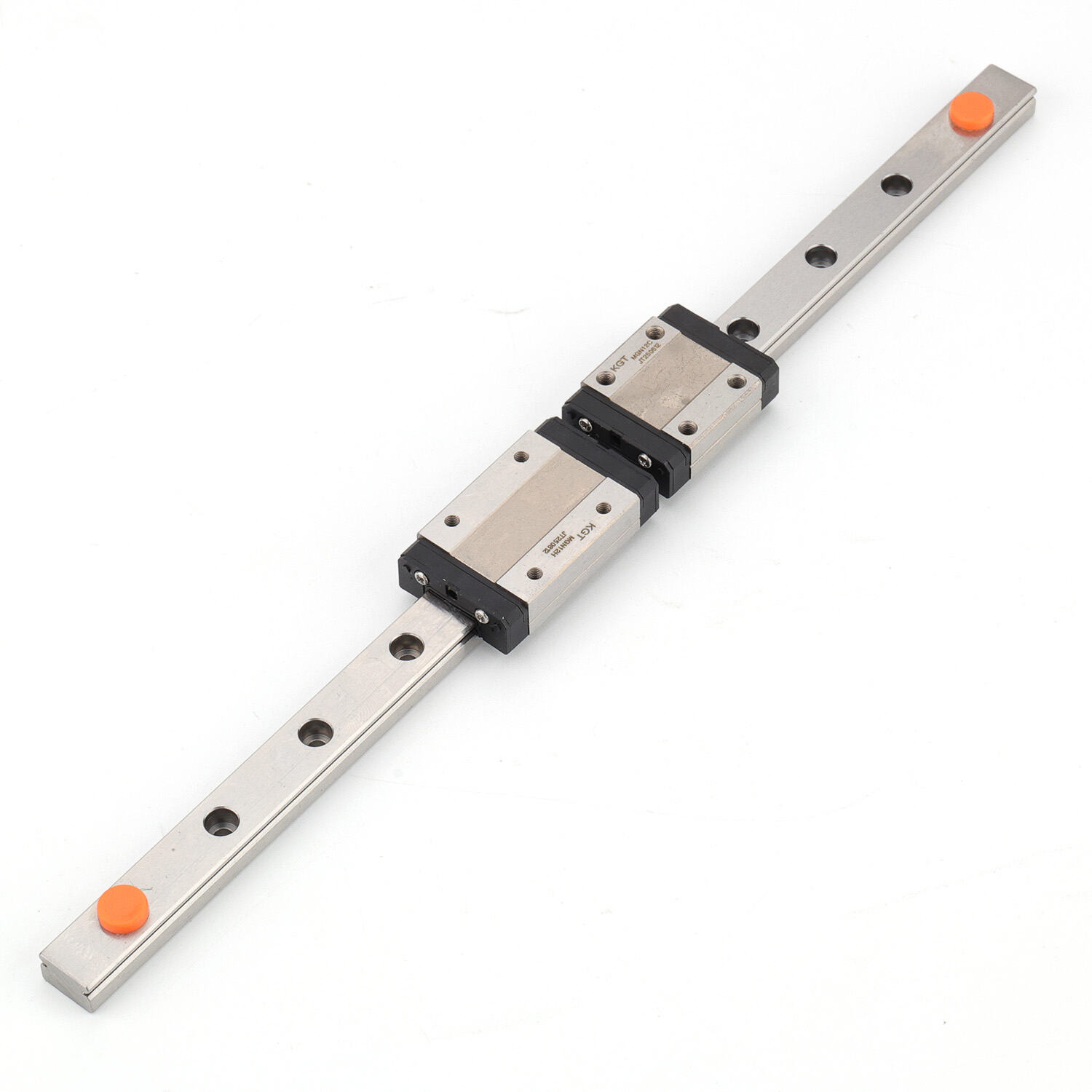
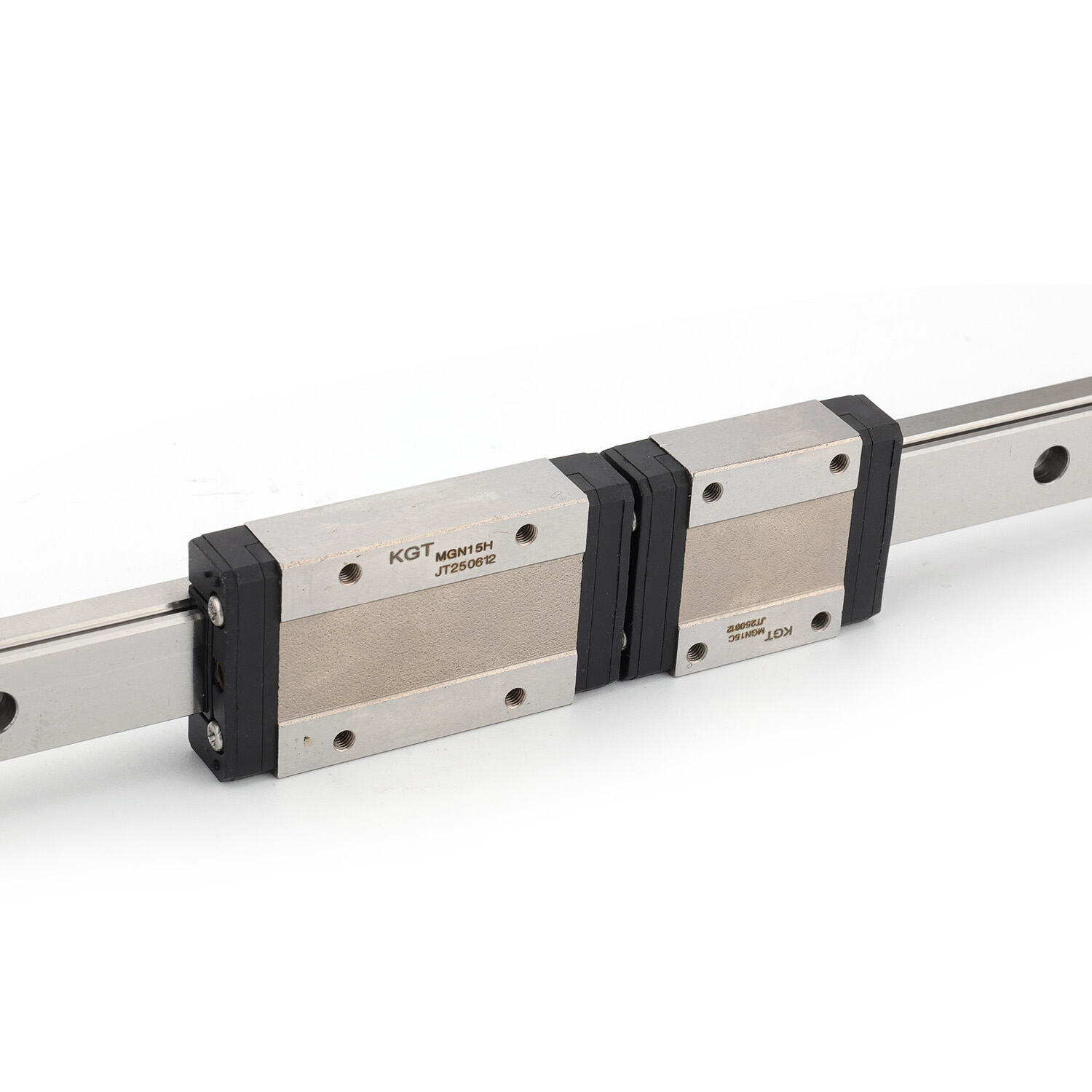
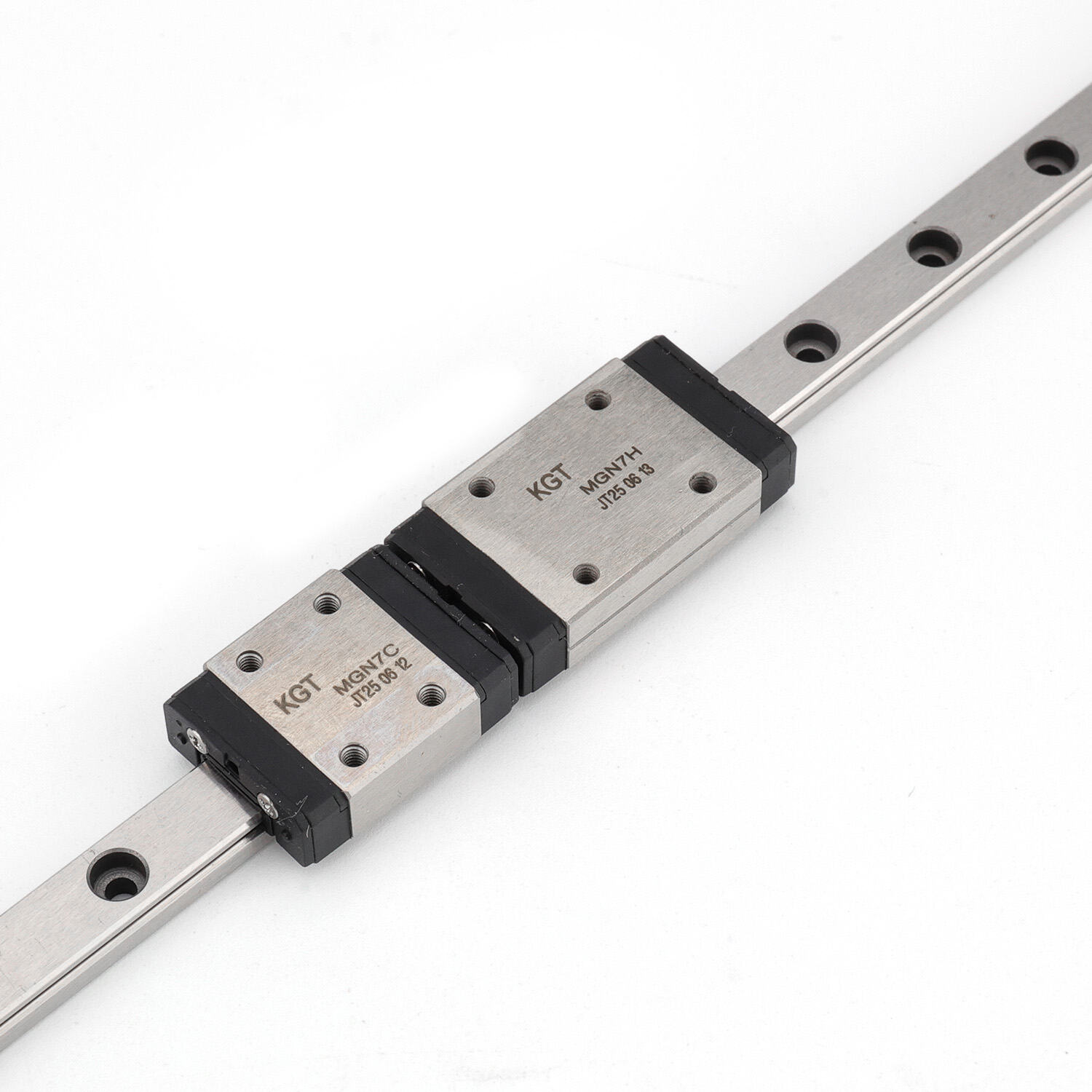
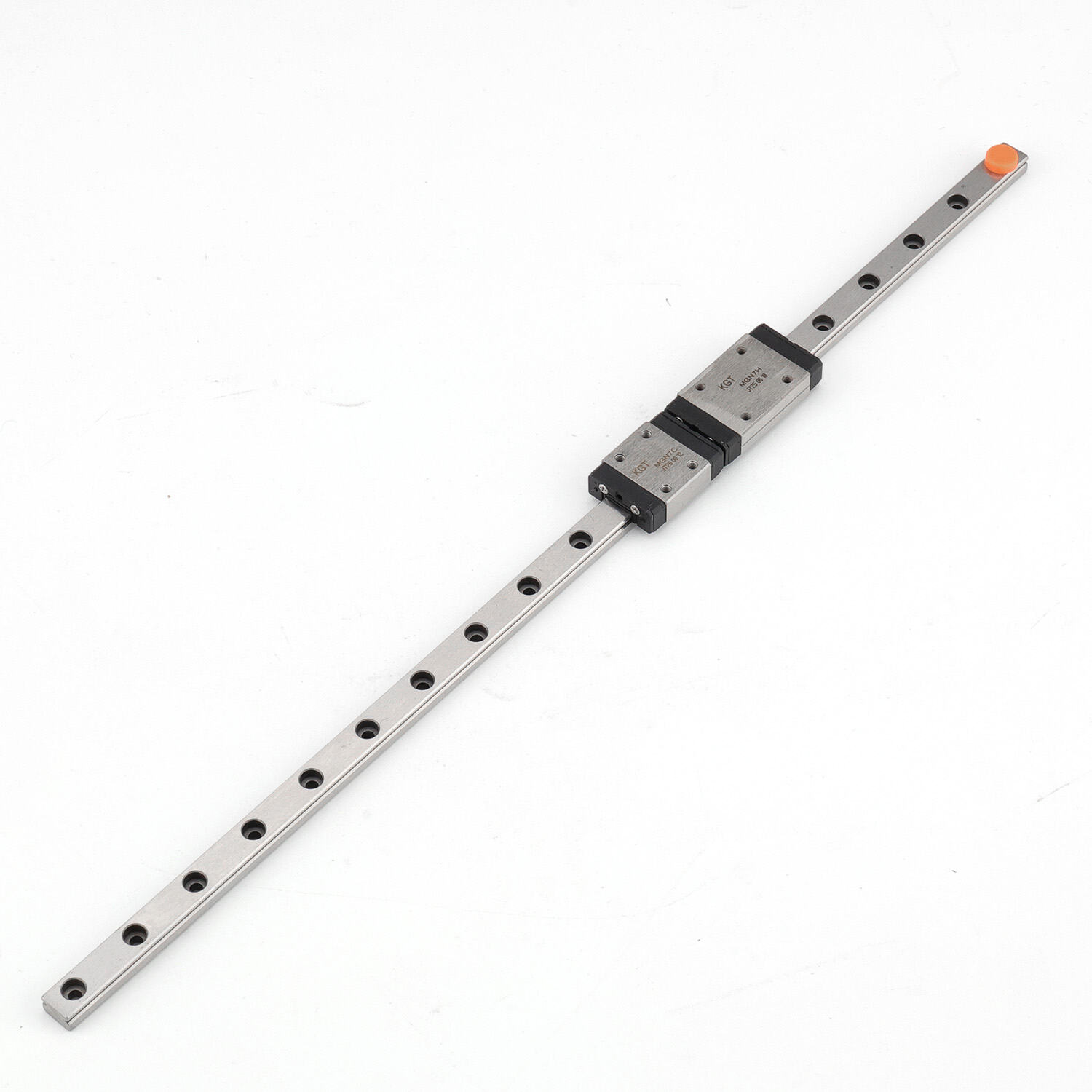
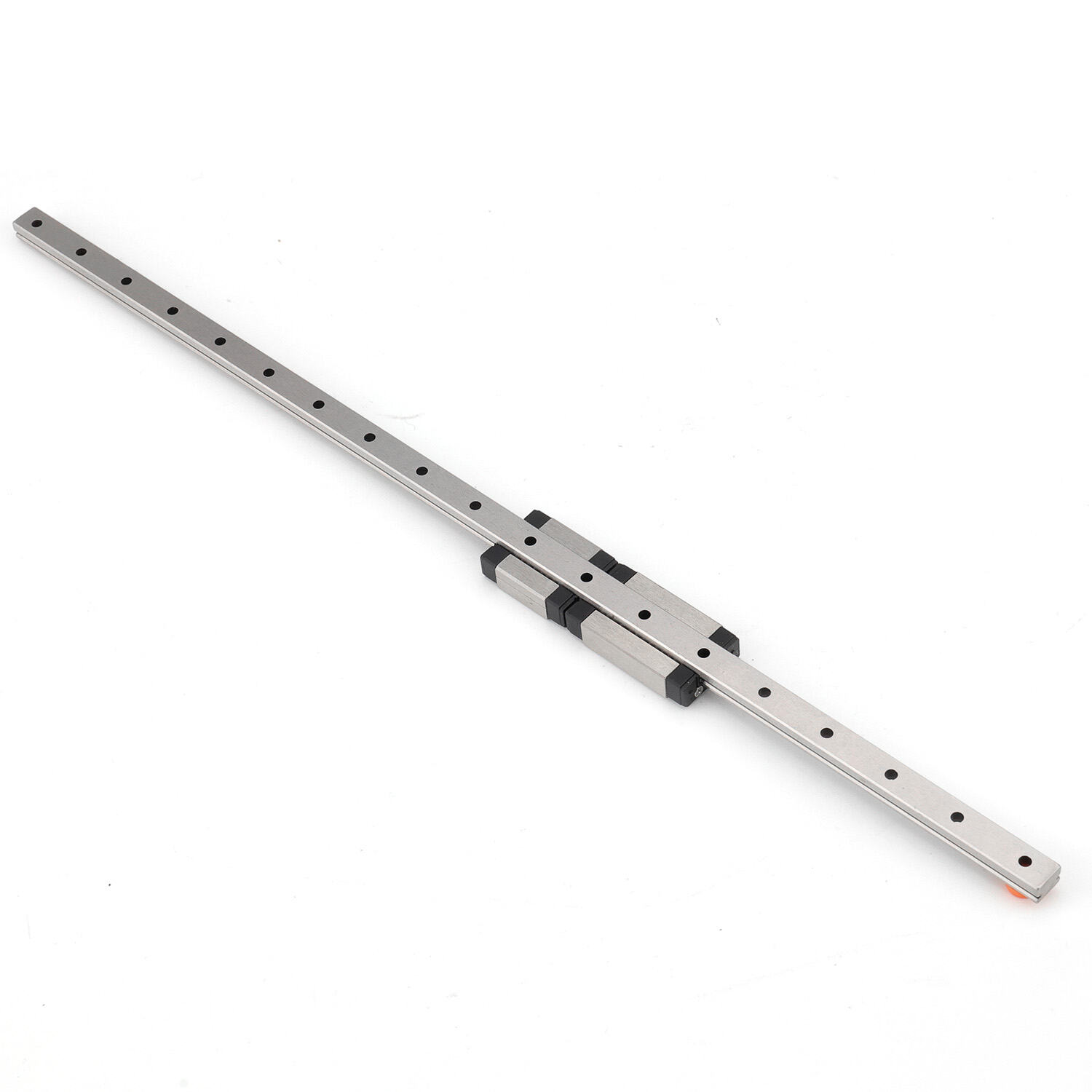
High-Performance Precision Linear Rails - Superior Accuracy & Durability for Industrial Applications

All Categories

Get a Free Quote

Our representative will contact you soon.
Email
Name
Company Name
Message
0/1000

precision linear rails

Precision linear rails represent a cornerstone technology in modern mechanical engineering, serving as fundamental components that enable smooth, accurate, and reliable linear motion in countless industrial applications. These sophisticated guide systems consist of hardened steel rails paired with precision-engineered carriages that contain recirculating ball or roller bearings, creating a low-friction interface capable of supporting substantial loads while maintaining exceptional positional accuracy. The primary function of precision linear rails centers on providing controlled linear movement with minimal deviation from the intended path, making them indispensable for applications requiring high repeatability and positioning accuracy. The technological sophistication of these systems lies in their ability to handle multiple load directions simultaneously, including radial, axial, and moment loads, while maintaining consistent performance across millions of operational cycles. Manufacturing processes for precision linear rails involve advanced grinding techniques, heat treatment procedures, and stringent quality control measures that ensure dimensional stability and surface finish quality. The rails themselves undergo precision machining to achieve straightness tolerances measured in micrometers, while the bearing elements are manufactured to exacting standards that guarantee smooth operation and extended service life. Integration capabilities allow precision linear rails to seamlessly interface with various drive mechanisms, including servo motors, stepper motors, and pneumatic actuators, creating complete motion control systems. Applications span across diverse industries, from semiconductor manufacturing equipment and medical devices to packaging machinery and automotive assembly lines. In CNC machining centers, precision linear rails enable tool positioning accuracy that directly impacts part quality and manufacturing efficiency. Laboratory equipment relies on these systems for sample handling and analytical instrument positioning where measurement accuracy depends on mechanical precision. The versatility of precision linear rails extends to custom applications where standard solutions may not suffice, with manufacturers offering specialized configurations tailored to specific environmental conditions, load requirements, and performance specifications.

New Product Recommendations

The advantages of precision linear rails extend far beyond basic linear motion capabilities, delivering tangible benefits that directly impact operational efficiency and bottom-line performance for businesses across multiple industries. Superior accuracy stands as the most compelling advantage, with precision linear rails achieving positioning repeatability within micrometers, enabling manufacturers to meet increasingly stringent quality requirements while reducing waste and rework costs. This exceptional accuracy translates directly into improved product quality, reduced material waste, and enhanced customer satisfaction through consistent output standards. Operational reliability represents another significant advantage, as precision linear rails demonstrate remarkable durability under demanding conditions, often exceeding millions of operational cycles without significant performance degradation. This reliability reduces unexpected downtime, minimizes maintenance requirements, and extends equipment service life, resulting in lower total cost of ownership and improved return on investment. The smooth operation characteristic of precision linear rails contributes to reduced vibration levels, which proves crucial for applications involving sensitive measurements, delicate components, or high-speed operations where stability determines success. Lower friction coefficients compared to traditional sliding systems result in reduced energy consumption, lower heat generation, and decreased wear rates, contributing to more sustainable operations and reduced operating costs. Installation simplicity offers practical benefits for both original equipment manufacturers and end users, as standardized mounting interfaces and comprehensive technical documentation streamline integration processes and reduce implementation time. Maintenance requirements remain minimal due to the sealed bearing systems and robust construction, allowing operators to focus on productive activities rather than routine upkeep tasks. Load capacity versatility enables precision linear rails to handle varying weight requirements and dynamic loading conditions, providing flexibility for applications that experience changing operational demands. Speed capability allows these systems to operate effectively across wide velocity ranges, from micro-positioning applications requiring extremely slow, controlled movements to high-speed production processes demanding rapid cycle times. Temperature stability ensures consistent performance across varying environmental conditions, making precision linear rails suitable for applications in extreme temperatures where dimensional changes could compromise accuracy. Cost-effectiveness emerges through reduced lifecycle expenses, improved productivity, and enhanced product quality that justifies initial investment through measurable operational improvements and competitive advantages in the marketplace.

Latest News

The Ultimate Guide to Linear Guides: Precision, Applications, and Custom Solutions for Industrial Excellence

24

Dec

The Ultimate Guide to Linear Guides: Precision, Applications, and Custom Solutions for Industrial Excellence

View More
How to Select the Right Linear Guide Model: A Mechanical Engineer’s Guide

31

Dec

How to Select the Right Linear Guide Model: A Mechanical Engineer’s Guide

View More
Precision in Motion The Engineering Excellence of Linear Guides

05

Jan

Precision in Motion The Engineering Excellence of Linear Guides

View More

Get a Free Quote

Our representative will contact you soon.
Email
Name
Company Name
Message
0/1000

precision linear rails

Unmatched Precision and Repeatability Performance

Unmatched Precision and Repeatability Performance

The precision and repeatability performance of precision linear rails sets them apart as the gold standard for applications demanding exceptional accuracy and consistent positioning. This remarkable capability stems from advanced manufacturing processes that achieve surface finishes and dimensional tolerances previously considered impossible in mass-produced components. The rail surfaces undergo precision grinding operations that create straightness tolerances measured in single-digit micrometers per meter of length, ensuring that the guided motion follows an extremely precise path without deviation. Ball or roller bearing elements within the carriages are manufactured to Grade 5 or higher specifications, with dimensional variations controlled to fractions of micrometers, creating uniform load distribution and eliminating sources of positioning error. The recirculating bearing design ensures that each bearing element maintains consistent contact with the raceway surfaces, preventing the development of flat spots or irregular wear patterns that could compromise long-term accuracy. Temperature compensation features built into premium precision linear rails account for thermal expansion effects, maintaining positioning accuracy even when operating temperatures fluctuate significantly from ambient conditions. This precision performance directly translates to measurable benefits in real-world applications, where manufacturers achieve tighter part tolerances, reduce scrap rates, and improve overall product quality. In semiconductor manufacturing, precision linear rails enable wafer positioning accuracy that determines yield rates and ultimately profitability for chip manufacturers. Medical device production relies on this precision for creating life-critical components where dimensional accuracy can mean the difference between successful treatment outcomes and potential patient safety issues. Metrology applications depend on precision linear rails to provide the stable, accurate motion required for dimensional measurement systems that validate product quality across countless industries. The repeatability aspect ensures that once a position is established, the system can return to that exact location thousands or millions of times with minimal variation, enabling automated processes to maintain consistent quality without constant operator intervention or frequent recalibration procedures.
Exceptional Durability and Maintenance-Free Operation

Exceptional Durability and Maintenance-Free Operation

The exceptional durability and maintenance-free operation characteristics of precision linear rails deliver substantial long-term value propositions that justify their selection for demanding industrial applications. This durability results from carefully engineered material selections and surface treatments that create components capable of withstanding harsh operating environments while maintaining performance specifications over extended periods. The rail substrate typically consists of high-grade steel that undergoes specialized heat treatment processes to achieve optimal hardness profiles, creating surfaces that resist wear, corrosion, and deformation under heavy loads. Advanced surface treatments, including specialized coatings and case-hardening procedures, create protective layers that extend component life far beyond conventional linear motion systems. The bearing elements themselves undergo rigorous quality control processes that ensure uniform hardness, surface finish, and dimensional accuracy, contributing to extended operational life and consistent performance characteristics. Sealed bearing cartridges protect internal components from contamination while retaining lubrication, eliminating the need for frequent maintenance interventions that can disrupt production schedules and increase operating costs. The maintenance-free aspect proves particularly valuable in applications where accessibility presents challenges, such as cleanroom environments, hazardous locations, or automated systems that operate continuously without human intervention. This reliability translates directly to reduced downtime, lower maintenance labor costs, and improved overall equipment effectiveness that contributes to competitive manufacturing operations. Environmental resistance capabilities enable precision linear rails to operate effectively in conditions that would quickly degrade lesser systems, including exposure to chemicals, temperature extremes, and high-humidity environments. Quality control procedures during manufacturing ensure that each precision linear rail meets stringent performance standards before shipment, reducing the likelihood of premature failures or performance degradation that could impact production schedules. The durability advantage becomes particularly pronounced in high-cycle applications where traditional systems might require frequent replacement or rebuilding, as precision linear rails continue operating reliably through millions of cycles while maintaining their original accuracy specifications. This longevity contributes to sustainable manufacturing practices by reducing material consumption and waste generation associated with frequent component replacement.
Versatile Integration and Application Flexibility

Versatile Integration and Application Flexibility

The versatile integration capabilities and application flexibility of precision linear rails make them ideal solutions for diverse industrial challenges, from simple single-axis positioning systems to complex multi-axis automation platforms. This versatility stems from standardized mounting interfaces and comprehensive accessory ecosystems that enable seamless integration with existing equipment or incorporation into new system designs. Mounting configurations accommodate various orientations and installation requirements, whether horizontal, vertical, or inverted applications, providing design engineers with freedom to optimize space utilization and system layout. The modular nature of precision linear rail systems allows for easy customization and scalability, enabling users to adapt configurations as requirements evolve or production demands change. Drive integration flexibility supports multiple actuation methods, including servo motors, stepper motors, linear motors, pneumatic cylinders, and manual operation, allowing system designers to select the most appropriate drive technology for specific application requirements. Load capacity options span from light-duty applications handling gram-level payloads to heavy-duty systems supporting multi-ton loads, ensuring suitable solutions exist for virtually any industrial requirement. Speed range capabilities accommodate applications from ultra-precise micro-positioning requiring movement resolution in nanometers to high-speed production processes demanding rapid traverse rates measured in meters per second. Environmental adaptability features enable precision linear rails to operate effectively in challenging conditions, including cleanroom environments, outdoor installations, food processing facilities, and chemical processing plants where specialized materials and treatments provide necessary protection. Custom engineering services offered by leading manufacturers enable development of specialized solutions for unique applications that standard catalog products cannot address adequately. This customization capability includes modifications to materials, coatings, sealing systems, lubrication methods, and dimensional specifications that optimize performance for specific operating conditions. Application flexibility extends across industries, from aerospace and defense applications requiring extreme precision and reliability to consumer goods manufacturing where cost-effectiveness and efficiency drive selection criteria. The ability to combine multiple precision linear rails into complex motion systems creates opportunities for sophisticated automation solutions that improve productivity, reduce labor costs, and enhance product quality through precise, repeatable motion control that human operators cannot consistently achieve.
High-Performance Precision Linear Rails - Superior Accuracy & Durability for Industrial Applications

Get a Free Quote

Our representative will contact you soon.
Email
Name
Company Name
Message
0/1000