High Precision Linear Rails: Advanced Linear Motion Solutions for Industrial Automation and Manufacturing Applications

All Categories

Get a Free Quote

Our representative will contact you soon.
Email
Name
Company Name
Message
0/1000

high precision linear rails

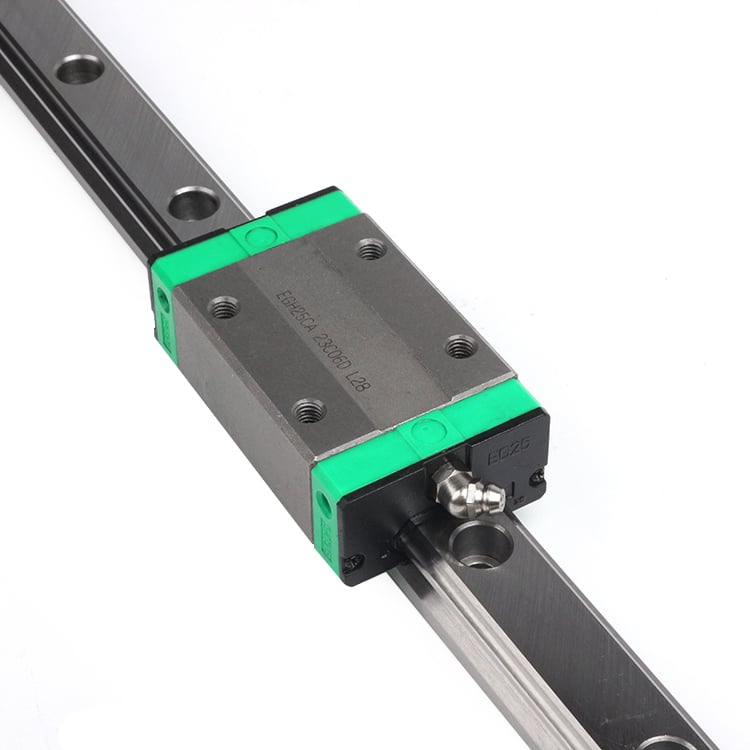
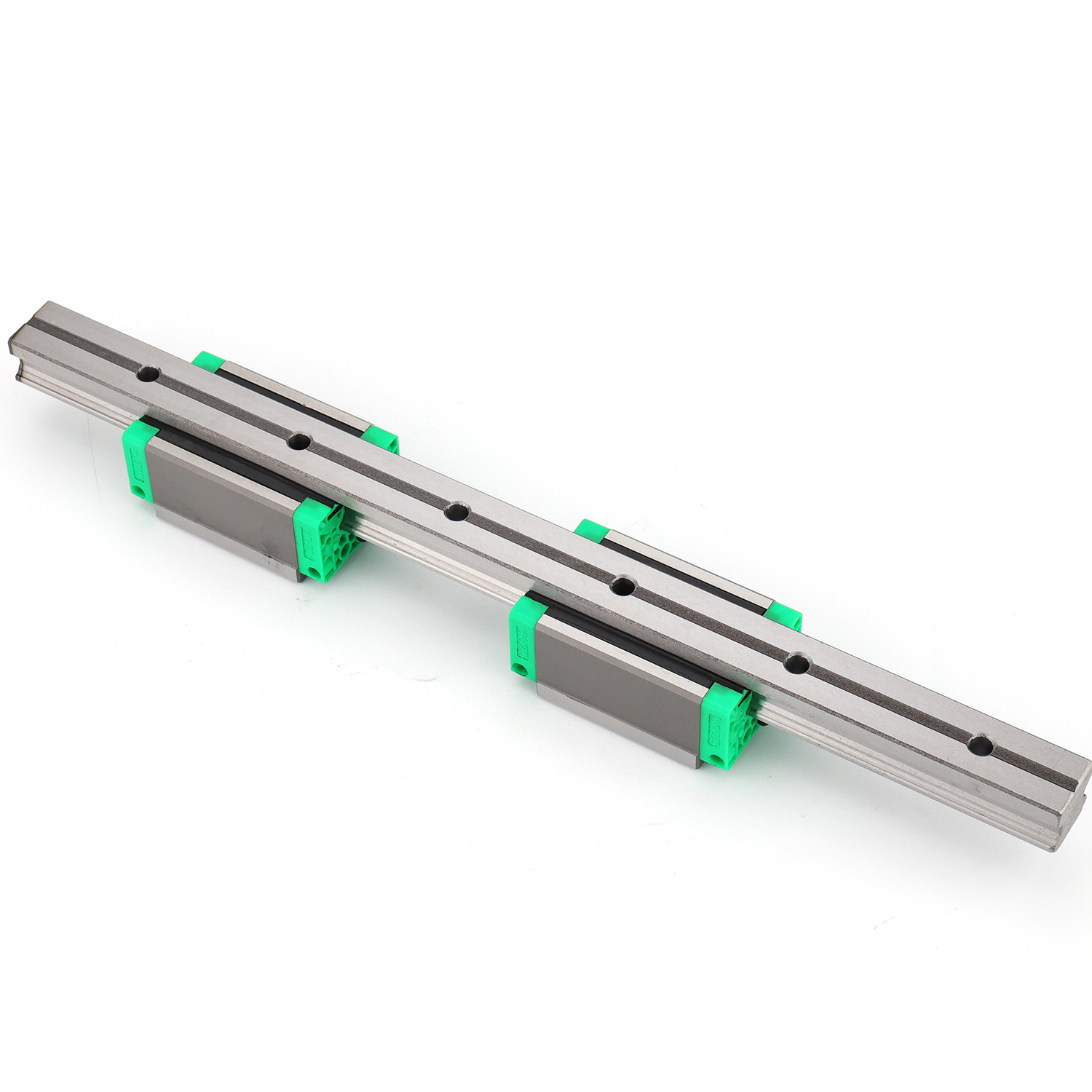
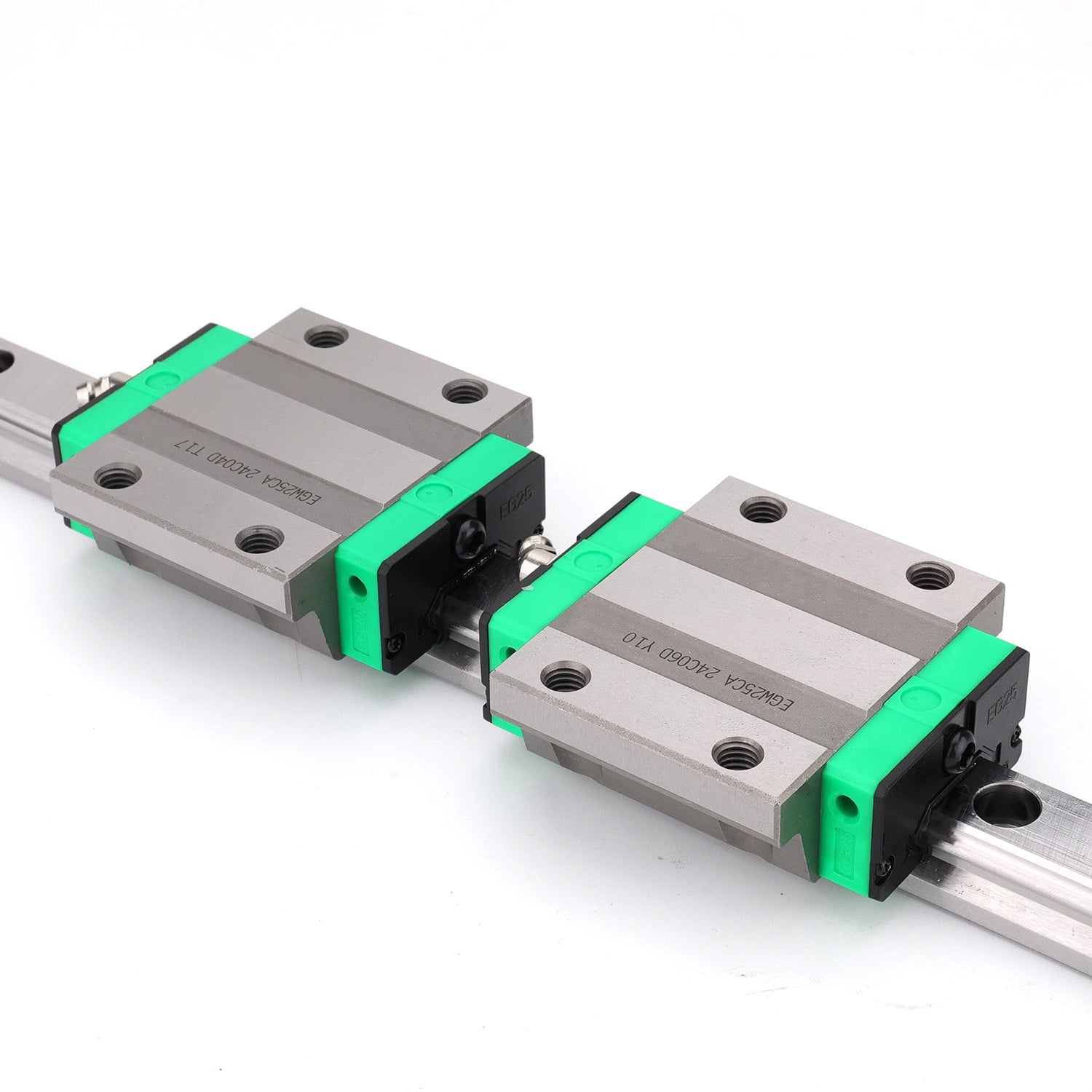
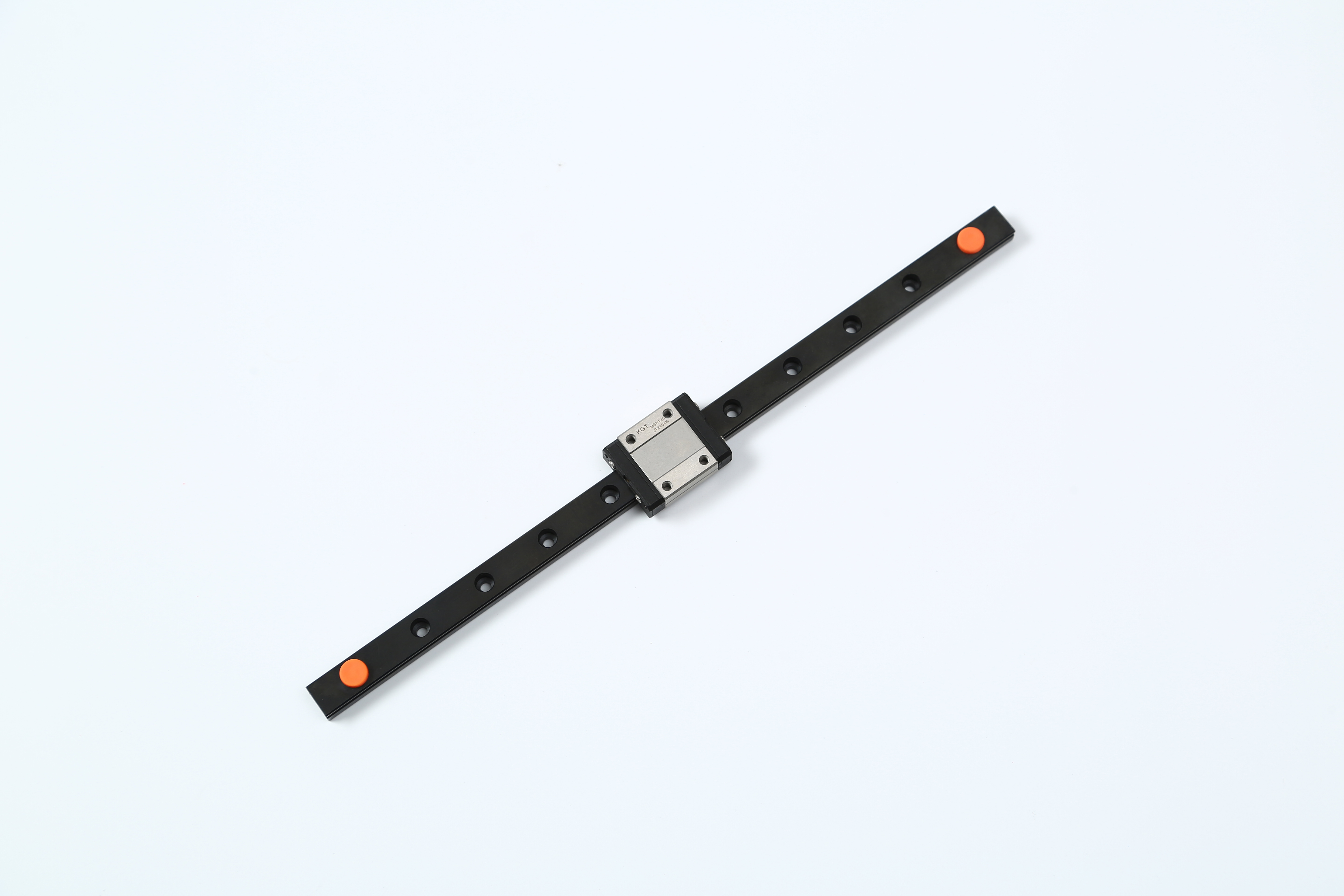
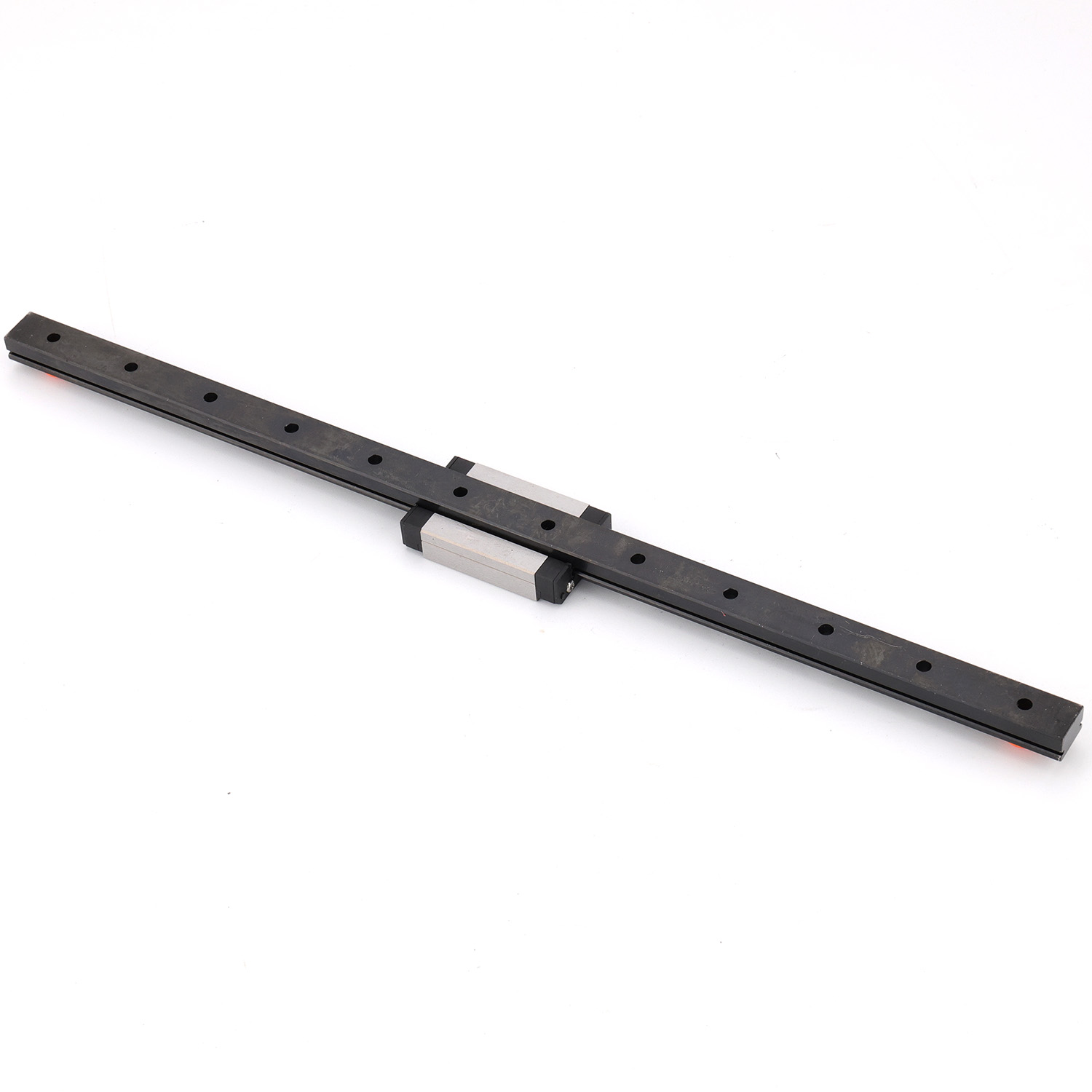
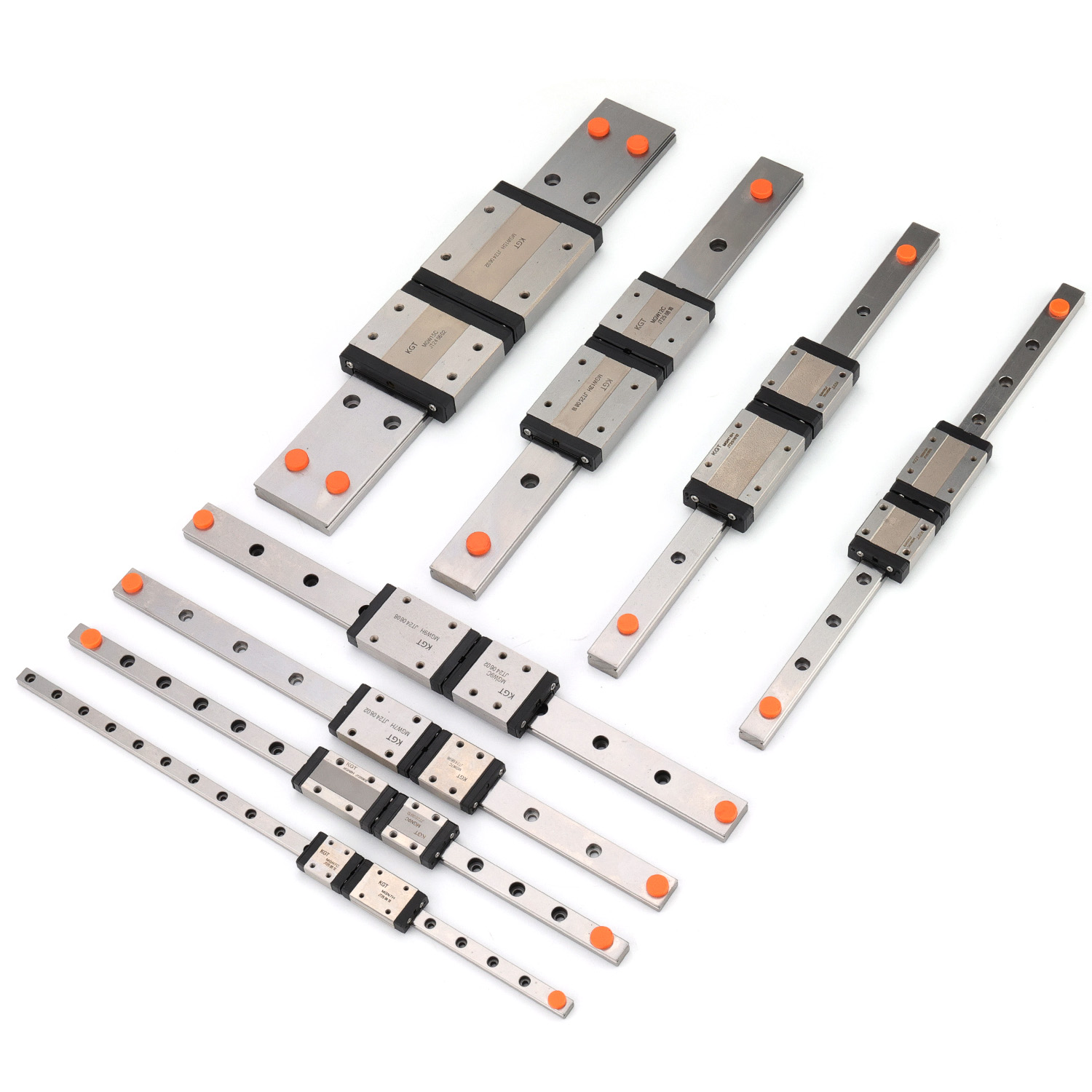
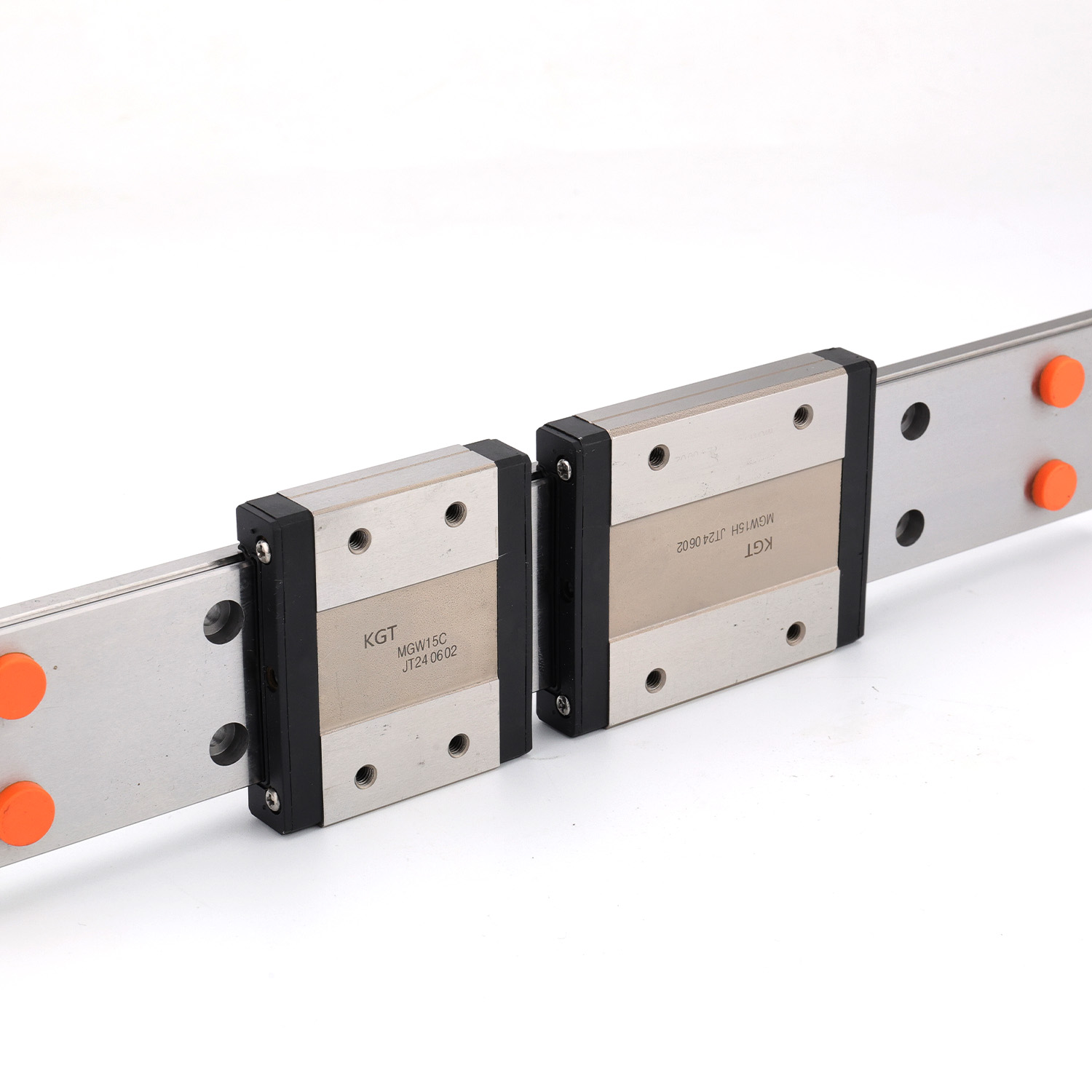
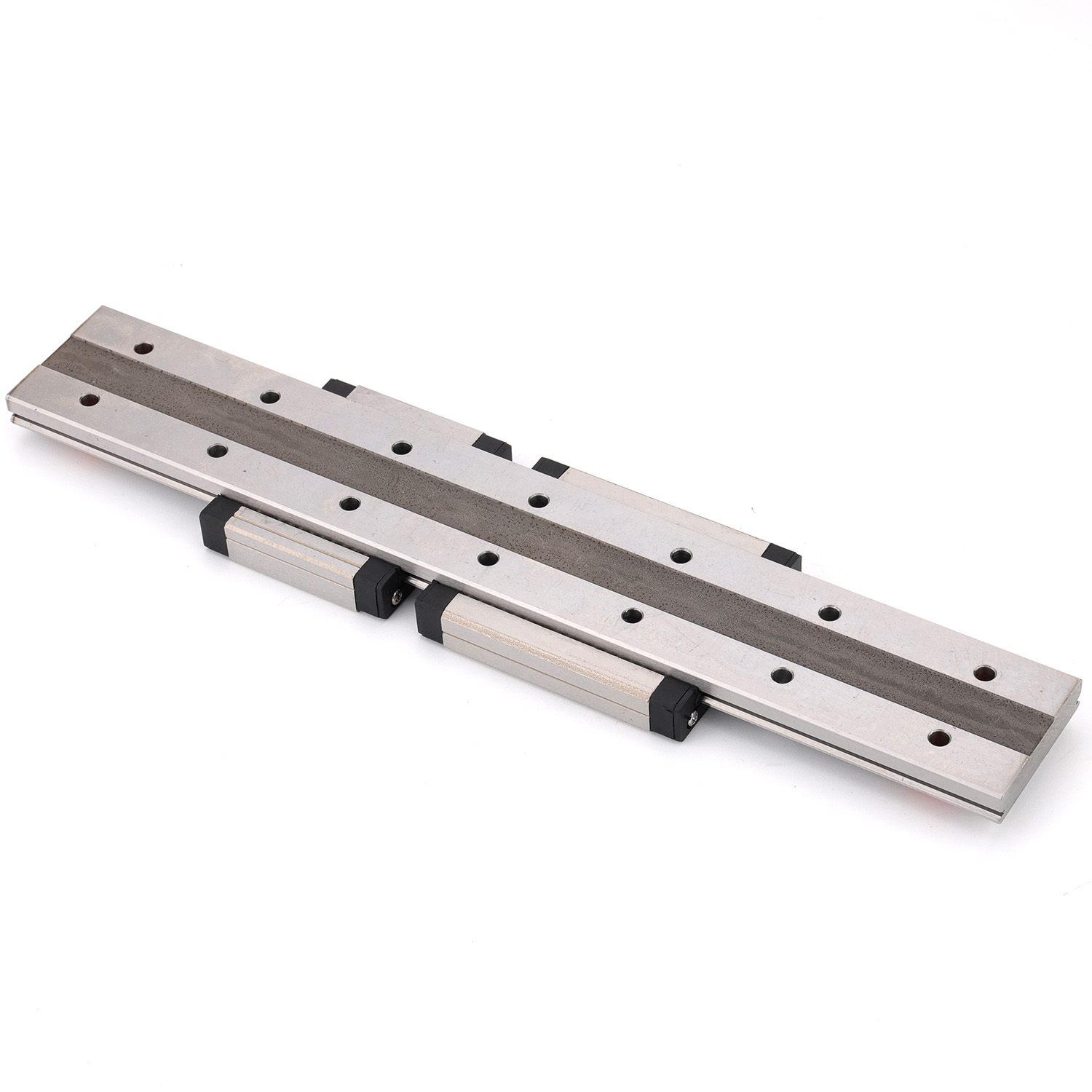
High precision linear rails represent a cornerstone technology in modern industrial automation and manufacturing systems. These sophisticated mechanical components serve as the foundation for countless applications requiring exact linear motion control and positioning accuracy. High precision linear rails consist of a hardened steel rail paired with a precision-engineered bearing block or carriage that travels along the rail's length with minimal friction and exceptional smoothness. The primary function of high precision linear rails centers on providing controlled linear movement while maintaining strict tolerances and repeatability measurements often within micrometers. These systems excel at supporting heavy loads while delivering consistent performance across millions of operational cycles. The technological features that distinguish high precision linear rails include advanced ball bearing or roller bearing mechanisms housed within sealed carriages that protect against contamination. Many systems incorporate specialized lubrication systems that ensure consistent performance throughout extended operational periods. The rail profiles utilize precision grinding techniques that achieve surface finishes measured in nanometers, contributing to the exceptional accuracy these systems deliver. High precision linear rails find extensive applications across diverse industries including semiconductor manufacturing, medical device production, aerospace component assembly, and automotive testing equipment. In CNC machining centers, these rails enable precise tool positioning that directly impacts part quality and dimensional accuracy. Packaging machinery relies on high precision linear rails for consistent product positioning and timing synchronization. Laboratory automation equipment utilizes these systems for sample handling and analytical instrument positioning where accuracy directly affects research outcomes. The versatility of high precision linear rails extends to robotics applications where they provide the mechanical foundation for multi-axis positioning systems. These components also play crucial roles in optical equipment manufacturing, where precise alignment determines product performance. The combination of exceptional accuracy, long service life, and reliable operation makes high precision linear rails indispensable components in applications where precision directly impacts operational success and product quality standards.

New Product Recommendations

High precision linear rails deliver substantial operational benefits that directly translate into improved productivity and cost savings for manufacturers and system integrators. The most significant advantage lies in their exceptional accuracy capabilities, with many systems achieving positioning repeatability within plus or minus two micrometers across the entire travel length. This level of precision eliminates the need for complex compensation systems and reduces quality control rejection rates substantially. The smooth operation characteristics of high precision linear rails minimize vibration transmission throughout connected machinery, resulting in improved surface finishes on manufactured parts and enhanced measurement accuracy in testing equipment. These systems demonstrate remarkable load capacity relative to their compact size, enabling engineers to design more efficient machinery layouts while maintaining structural integrity under demanding operational conditions. The sealed bearing designs protect internal components from environmental contamination, significantly extending service intervals and reducing maintenance requirements compared to traditional linear bearing systems. This protection translates into reduced downtime and lower total cost of ownership over the system lifecycle. High precision linear rails offer exceptional speed capabilities, supporting rapid traverse rates that increase production throughput without sacrificing positioning accuracy. The rigid construction minimizes deflection under load, ensuring consistent performance regardless of payload variations throughout the operational cycle. These systems exhibit excellent thermal stability, maintaining accuracy specifications across wide temperature ranges commonly encountered in industrial environments. The modular design approach allows engineers to specify exact lengths and configurations to match specific application requirements without custom manufacturing delays. Installation procedures for high precision linear rails are straightforward, reducing setup time and eliminating the need for specialized alignment procedures. The standardized mounting interfaces ensure compatibility with existing machinery designs while simplifying replacement procedures when system upgrades become necessary. Many manufacturers offer comprehensive technical support and application engineering assistance, helping customers optimize system performance and achieve maximum return on investment. The proven reliability of high precision linear rails in demanding applications provides confidence for engineers designing critical production equipment where system failures result in significant operational disruptions and financial losses.

Tips And Tricks

Meet Semiconductor Precision Demands: Custom Electroplating Processes for High-End Linear Guide Rails.

04

Mar

Meet Semiconductor Precision Demands: Custom Electroplating Processes for High-End Linear Guide Rails.

Semiconductor manufacturing represents one of the most demanding precision environments in modern industry, where component tolerances measured in nanometers can determine the success or failure of entire production lines. Within this exacting landsc...
View More
Perform Under Heat: Custom Linear Guide Bearings Made from Bearing Steel with High-Temp Electroplating.

19

Mar

Perform Under Heat: Custom Linear Guide Bearings Made from Bearing Steel with High-Temp Electroplating.

High-temperature industrial environments pose significant challenges for mechanical components, particularly when precision linear motion is required. Custom linear guide bearings engineered from specialized bearing steel and protected with high-temp...
View More
Improve Performance Metrics: How Chrome Plating Enhances Slide Rail Friction and Wear Resistance.

15

Apr

Improve Performance Metrics: How Chrome Plating Enhances Slide Rail Friction and Wear Resistance.

Chrome plating represents one of the most effective surface treatment methods for improving performance metrics in slide rails, offering substantial enhancements in friction reduction and wear resistance. When applied to slide rails used in linear mo...
View More
What are linear guide rails and how do they work?

24

Apr

What are linear guide rails and how do they work?

Linear guide rails represent precision mechanical systems that enable smooth, controlled linear motion in countless industrial applications. These sophisticated components consist of a rail and carriage assembly that provides accurate positioning whi...
View More

Get a Free Quote

Our representative will contact you soon.
Email
Name
Company Name
Message
0/1000

high precision linear rails

Unmatched Positioning Accuracy and Repeatability Performance

Unmatched Positioning Accuracy and Repeatability Performance

High precision linear rails achieve positioning accuracy levels that surpass conventional linear bearing systems by substantial margins, delivering repeatability measurements consistently within two micrometers across extended travel distances. This exceptional precision stems from advanced manufacturing processes that utilize precision grinding techniques to achieve rail surface finishes measured in nanometers, combined with carefully selected bearing elements that maintain consistent contact patterns throughout the operational cycle. The accuracy advantages become particularly evident in applications requiring multiple positioning points along the travel path, where cumulative errors in traditional systems can compromise overall system performance. High precision linear rails maintain their accuracy specifications across millions of operational cycles, ensuring consistent performance throughout extended production runs without requiring frequent recalibration procedures. The rigid construction minimizes elastic deformation under varying load conditions, preventing accuracy degradation that commonly affects less robust linear bearing systems. Temperature compensation features built into many high precision linear rails maintain accuracy specifications across wide thermal ranges, eliminating the need for complex environmental control systems in manufacturing facilities. The precision manufacturing processes used to create these systems include rigorous quality control procedures that verify accuracy specifications through comprehensive testing protocols before shipment. Advanced bearing preload mechanisms ensure consistent contact forces that eliminate play and backlash, contributing to the exceptional repeatability performance these systems deliver. The accuracy capabilities of high precision linear rails enable manufacturers to achieve tighter part tolerances, reduce quality control rejection rates, and improve overall product consistency. In semiconductor manufacturing applications, this precision directly impacts yield rates and device performance characteristics. Medical device manufacturing benefits from the accuracy advantages through improved component alignment and assembly consistency that affects product safety and efficacy. The long-term accuracy retention characteristics of high precision linear rails provide sustainable competitive advantages for manufacturers operating in industries where precision directly determines product value and market acceptance.
Superior Load Capacity and Structural Rigidity Design

Superior Load Capacity and Structural Rigidity Design

High precision linear rails demonstrate exceptional load-bearing capabilities that significantly exceed those of conventional linear bearing systems, enabling engineers to design more compact machinery while maintaining structural integrity under demanding operational conditions. The superior load capacity stems from optimized bearing element geometry and advanced materials science that distribute applied forces across larger contact areas, reducing stress concentrations that typically limit the performance of traditional linear bearings. These systems support both radial and moment loads simultaneously, eliminating the need for additional support mechanisms that complicate machinery designs and increase overall system costs. The rigid construction characteristics minimize deflection under load, ensuring consistent positioning accuracy regardless of payload variations throughout the operational cycle. This structural stability becomes particularly important in machining applications where tool deflection directly affects part quality and dimensional accuracy. High precision linear rails maintain their load capacity specifications across extended temperature ranges, providing consistent performance in environments where thermal expansion and contraction affect system geometry. The robust design features include hardened steel components that resist wear and deformation under repeated loading cycles, contributing to extended service life and reduced maintenance requirements. Advanced sealing systems protect internal bearing elements from contamination while maintaining low friction characteristics that preserve energy efficiency and reduce heat generation. The modular construction approach allows engineers to specify multiple carriages on single rails, effectively multiplying load capacity while maintaining synchronized motion characteristics essential for many automation applications. Quality control procedures during manufacturing ensure that load capacity specifications meet or exceed published ratings through comprehensive testing protocols that simulate real-world operating conditions. The superior load capacity enables the use of high precision linear rails in heavy-duty applications previously requiring more expensive and complex linear bearing solutions. This capability expansion opens new application possibilities in industries such as aerospace manufacturing, where heavy component handling requires both precision and substantial load capacity. The structural rigidity characteristics also contribute to improved dynamic performance, reducing vibration transmission and enhancing overall system stability during high-speed operations.
Extended Service Life and Minimal Maintenance Requirements

Extended Service Life and Minimal Maintenance Requirements

High precision linear rails deliver exceptional service life characteristics that substantially reduce total cost of ownership compared to alternative linear bearing technologies, with many systems operating reliably for millions of cycles under proper operating conditions. The extended service life results from advanced bearing design features that minimize wear rates through optimized load distribution and superior lubrication systems that maintain consistent performance throughout the operational lifecycle. Sealed bearing assemblies protect internal components from environmental contamination that typically accelerates wear in conventional linear bearing systems, enabling operation in challenging industrial environments without frequent maintenance interventions. The maintenance advantages become particularly significant in continuous operation applications where downtime directly impacts production schedules and profitability metrics. High precision linear rails incorporate self-lubricating features or centralized lubrication systems that automatically maintain optimal lubrication levels without manual intervention, reducing maintenance labor requirements and eliminating the possibility of lubrication-related failures. The robust construction materials resist corrosion and environmental degradation, maintaining performance specifications throughout extended service periods in demanding industrial environments. Predictive maintenance capabilities built into many modern high precision linear rails enable condition monitoring that identifies potential issues before they result in system failures, allowing maintenance teams to schedule interventions during planned downtime periods. The standardized replacement procedures minimize maintenance complexity and reduce the specialized knowledge requirements for service personnel. Comprehensive diagnostic capabilities help maintenance teams identify root causes of performance issues, enabling targeted solutions that prevent recurring problems. The extended service life characteristics provide substantial economic benefits through reduced replacement costs and decreased maintenance labor expenses over the system lifecycle. Quality assurance procedures during manufacturing include accelerated life testing that validates service life predictions under simulated operational conditions. The minimal maintenance requirements make high precision linear rails particularly suitable for automated manufacturing systems where frequent manual interventions disrupt production schedules. Remote monitoring capabilities in advanced systems enable predictive maintenance strategies that optimize service intervals and minimize unexpected downtime events. The combination of extended service life and minimal maintenance requirements provides compelling economic advantages that justify the initial investment in high precision linear rails over alternative linear bearing technologies for demanding industrial applications.
High Precision Linear Rails: Advanced Linear Motion Solutions for Industrial Automation and Manufacturing Applications

Get a Free Quote

Our representative will contact you soon.
Email
Name
Company Name
Message
0/1000