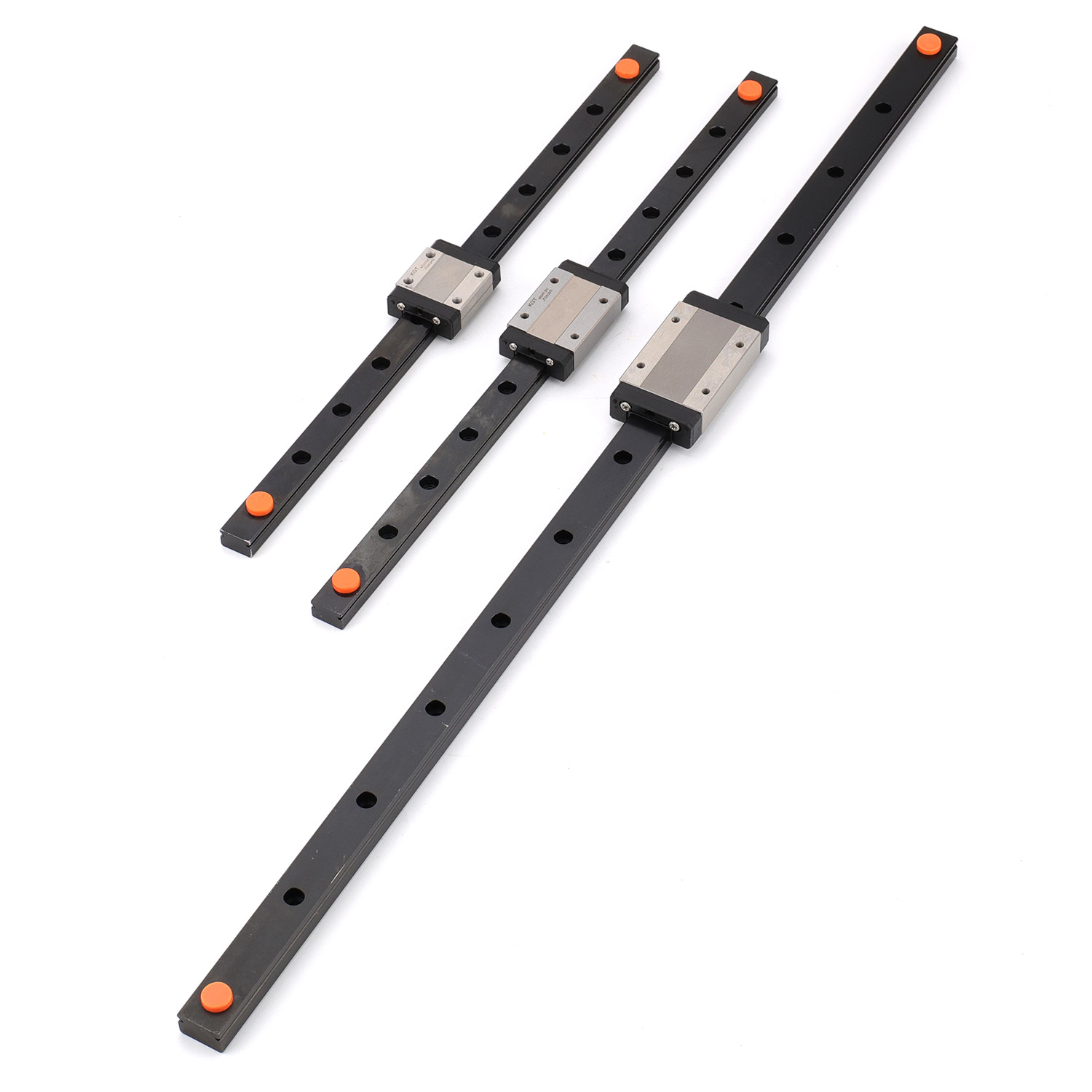
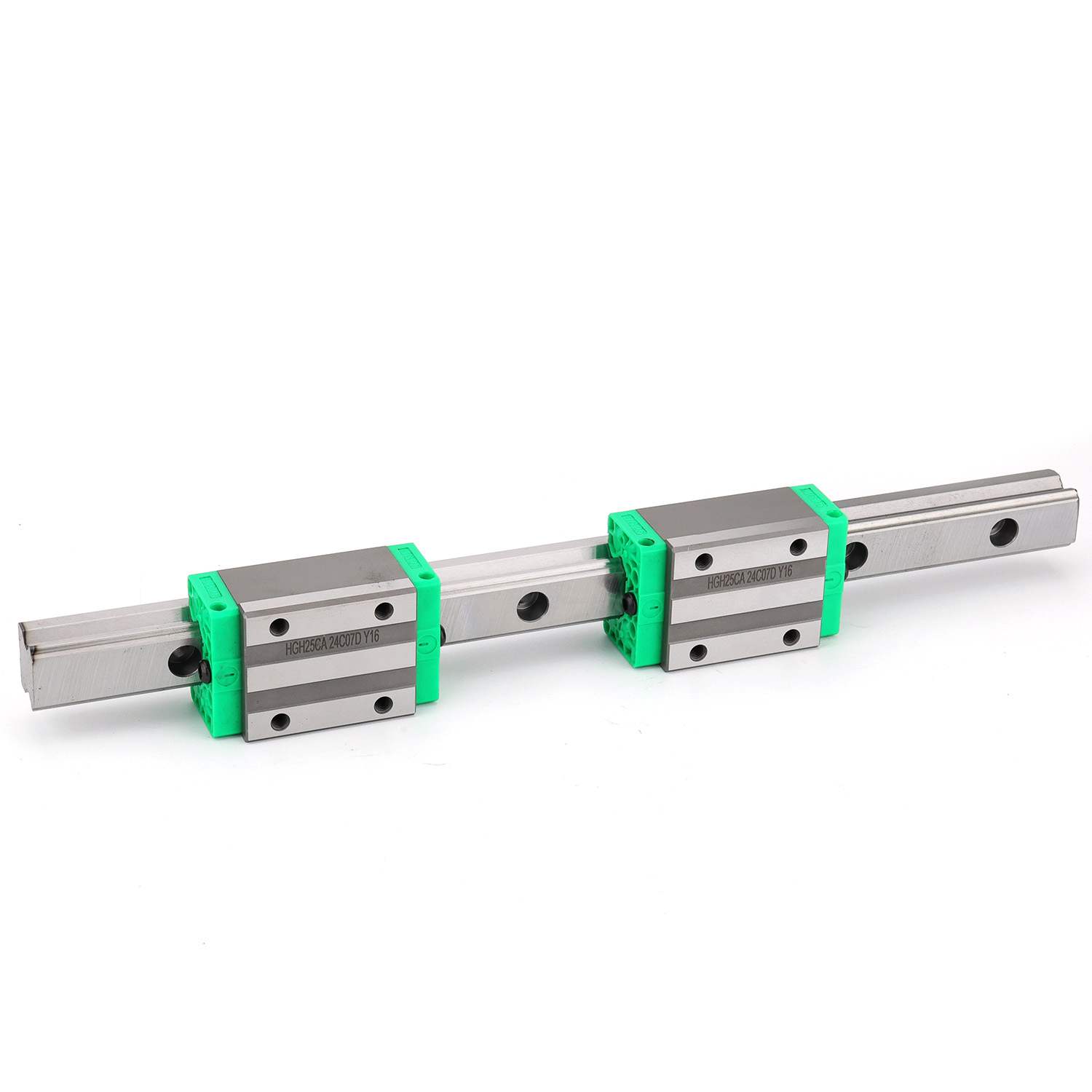
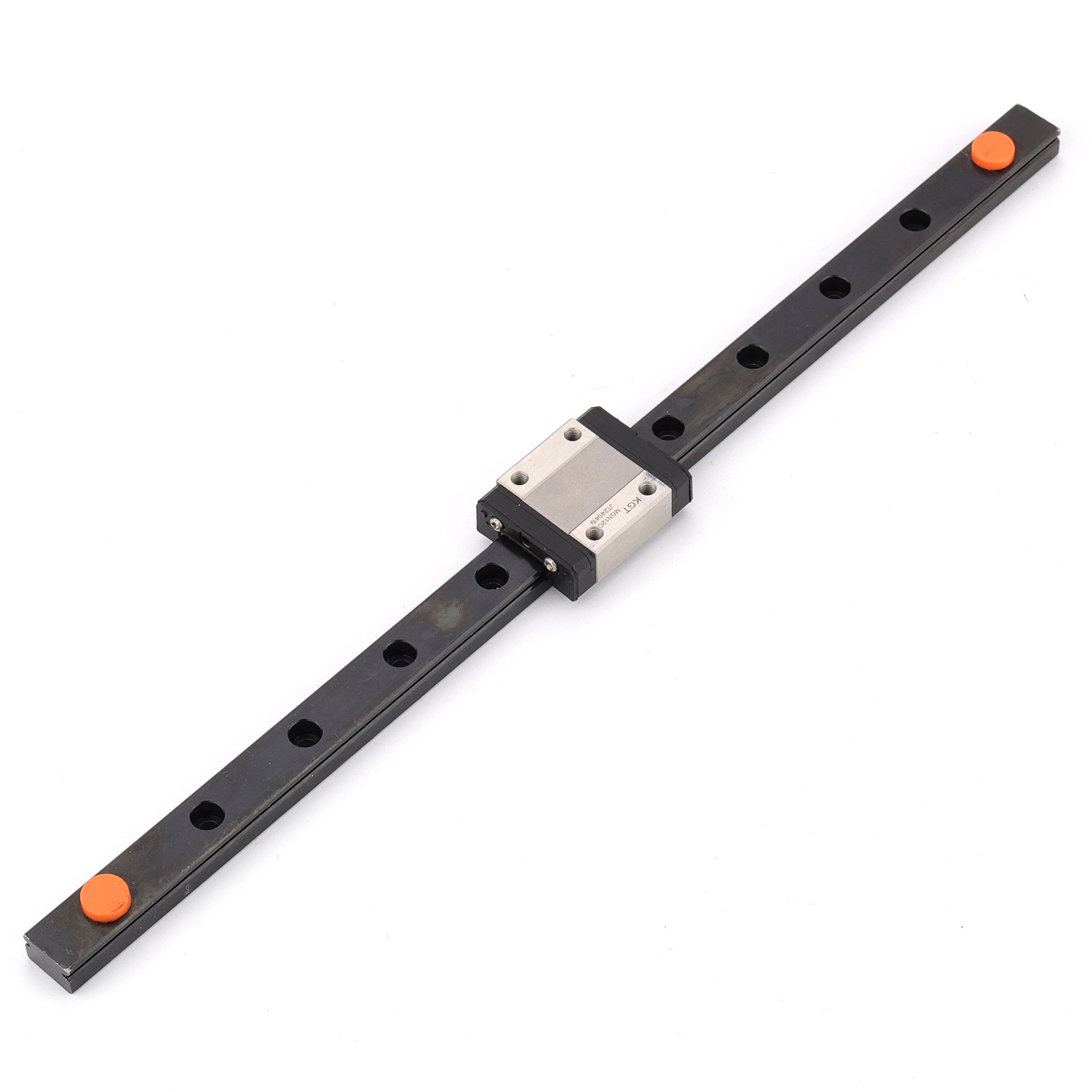
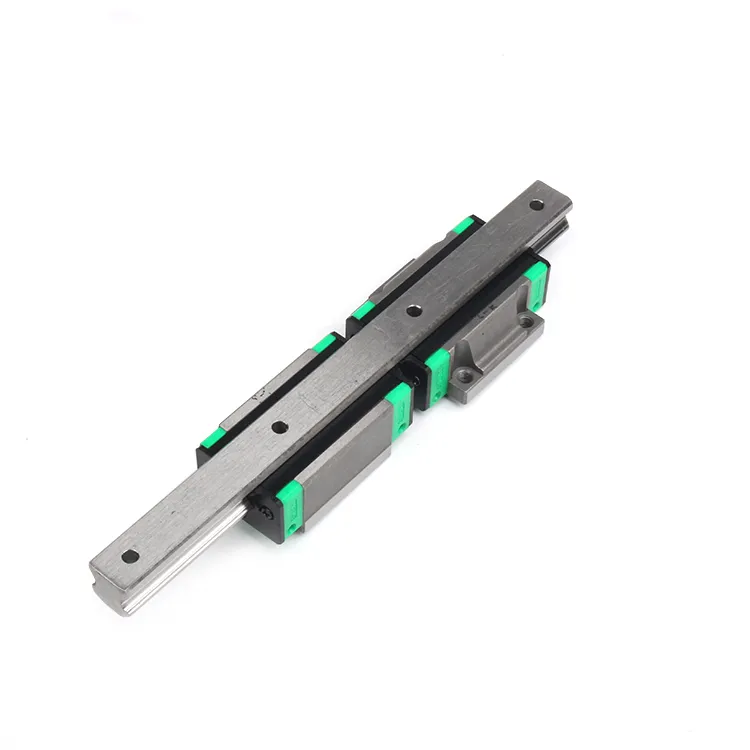
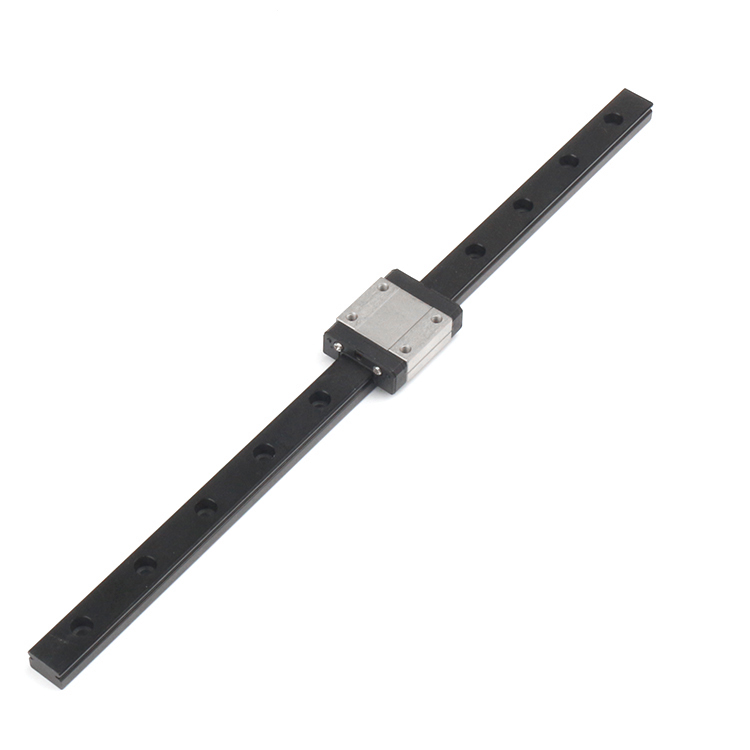
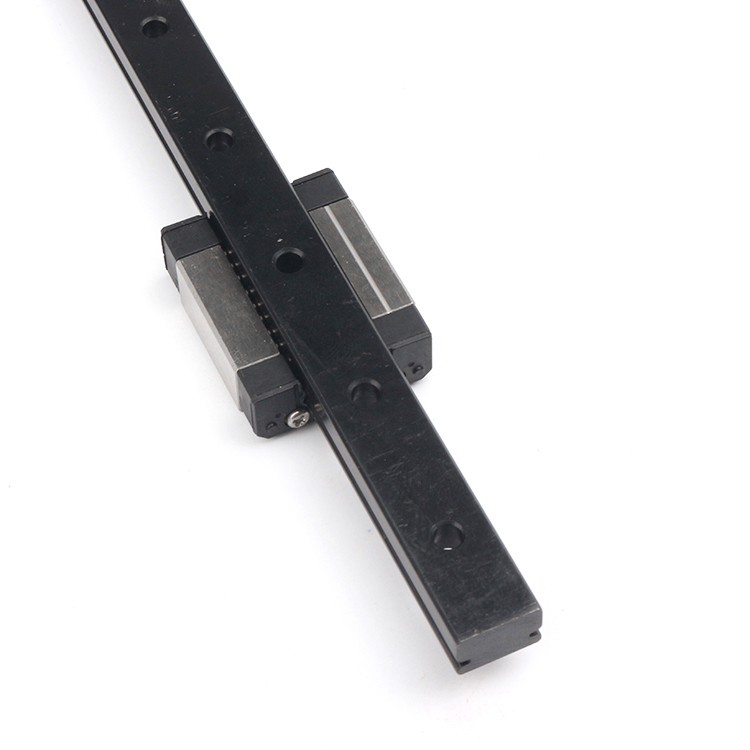
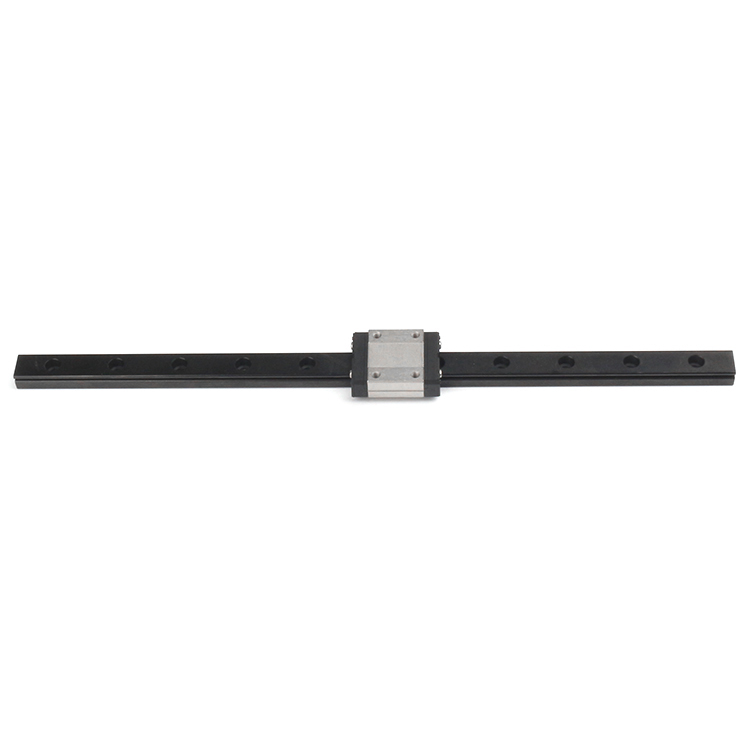
linear slide systems
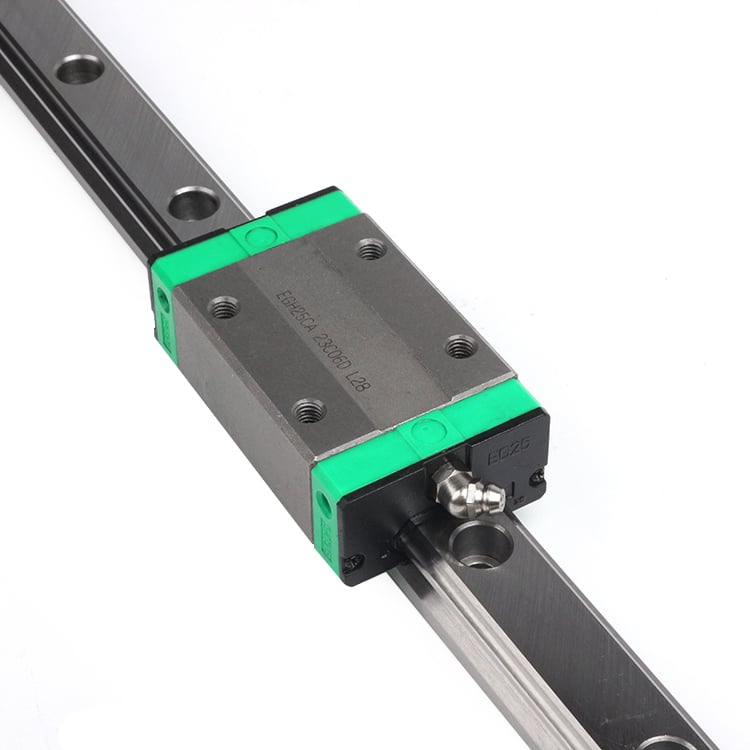
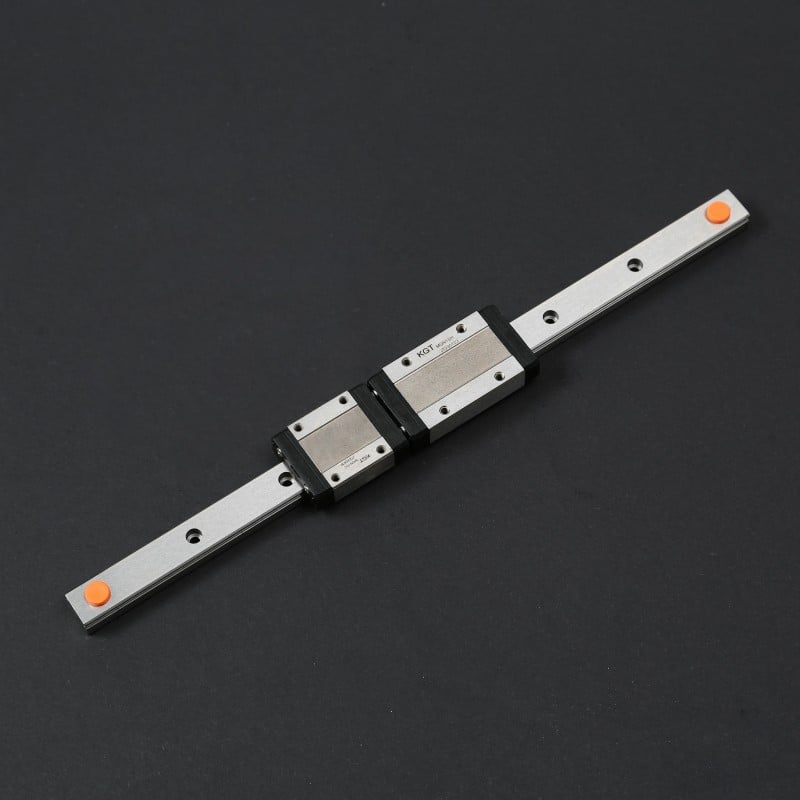
Linear slide systems represent precision mechanical solutions that enable smooth, controlled motion along a fixed axis. These systems consist of rails, bearings, and carriages that work together to facilitate accurate positioning and movement. Linear slide systems serve as fundamental components in numerous industrial applications, from manufacturing equipment to automation machinery.
The primary function of linear slide systems is to provide predictable, repeatable motion with minimal friction and wear. They translate rotational energy into linear movement or maintain straight-line travel with exceptional precision. Linear slide systems utilize ball bearings or roller elements that distribute loads evenly across the rail structure, ensuring consistent performance over extended operational periods.
Key technological features of linear slide systems include preloaded rails, sealed carriages, and precision-ground profiles. These components work together to eliminate backlash while reducing maintenance requirements. Modern linear slide systems incorporate advanced materials and manufacturing techniques that enhance durability and load capacity. The sealed design protects internal mechanisms from dust and contaminants, extending service life significantly.
Applications for linear slide systems span diverse industries including semiconductor manufacturing, medical device production, and automotive assembly. These systems support CNC machining centers, packaging equipment, and precision positioning tables. Linear slide systems also power conveyor systems, robotic arms, and automated inspection equipment. Their versatility makes them indispensable for any application requiring dependable linear motion with high repeatability and accuracy.

 EN
EN