pneumatic linear slide
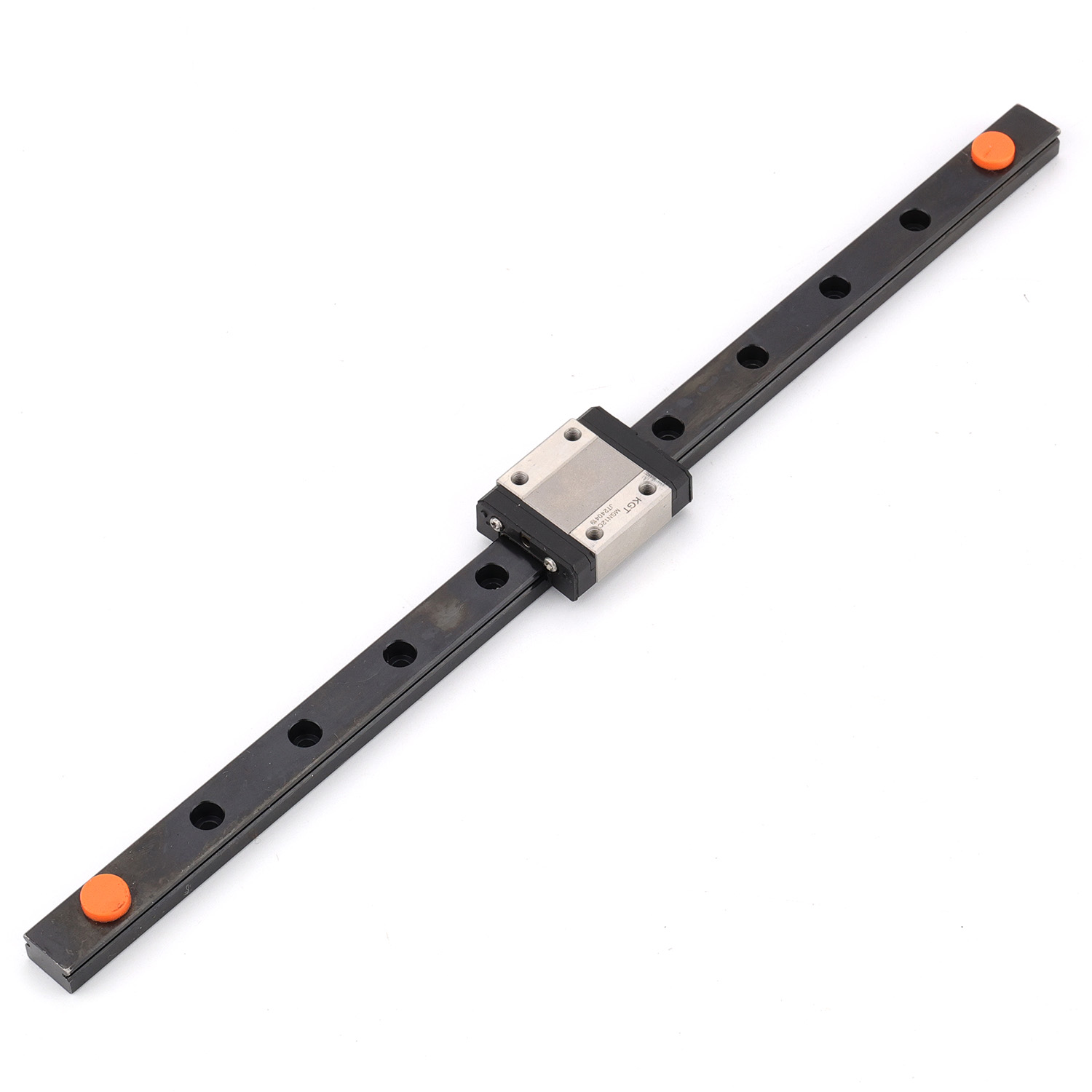
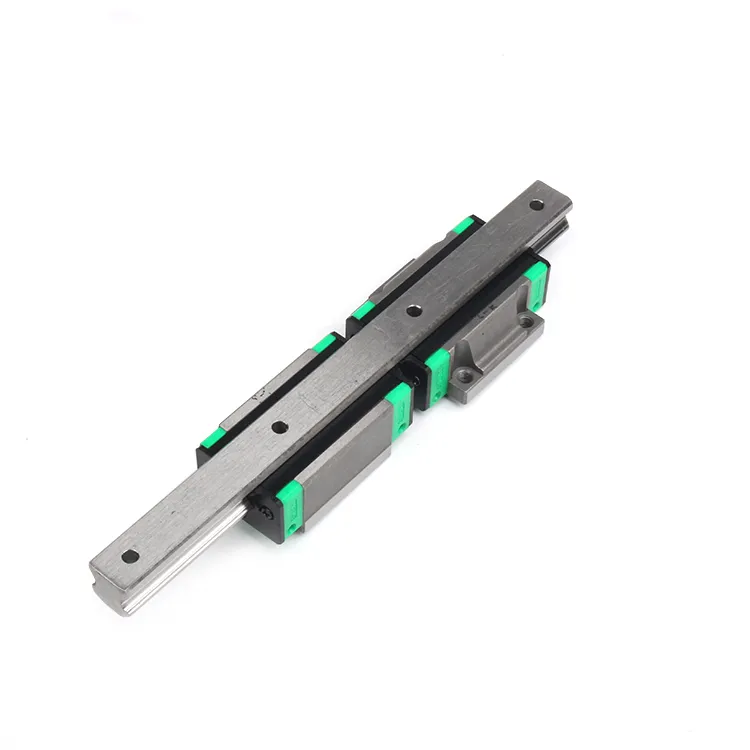
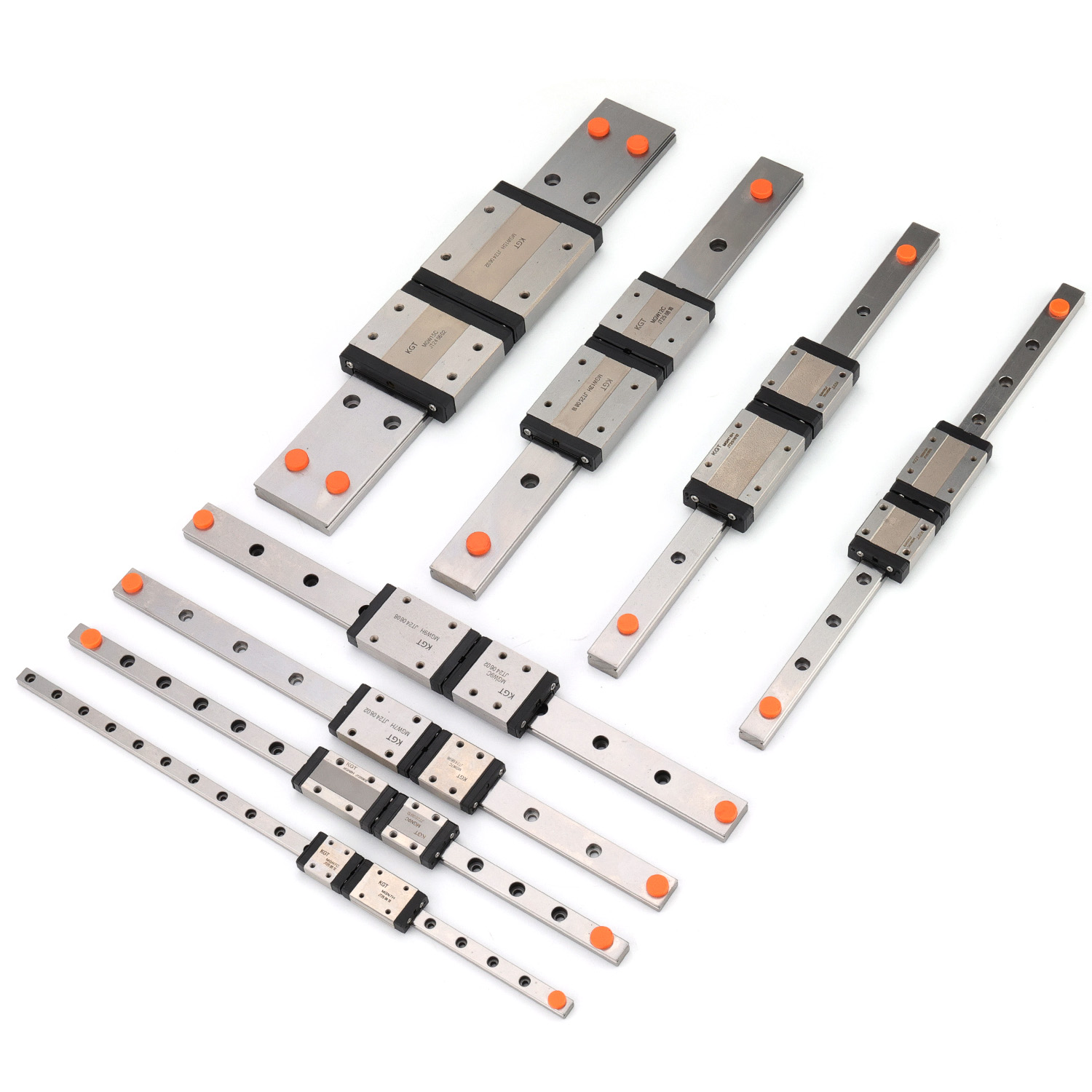
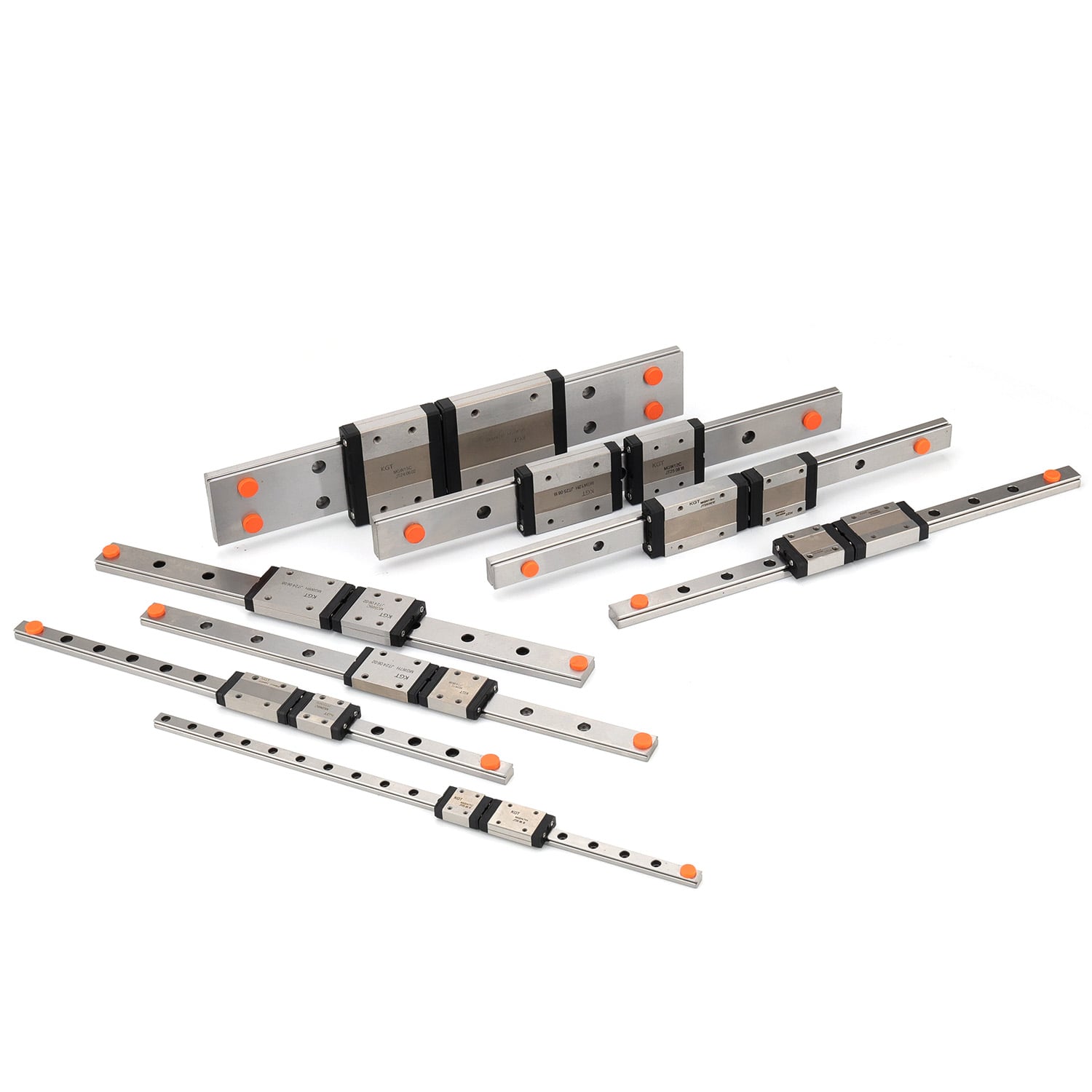
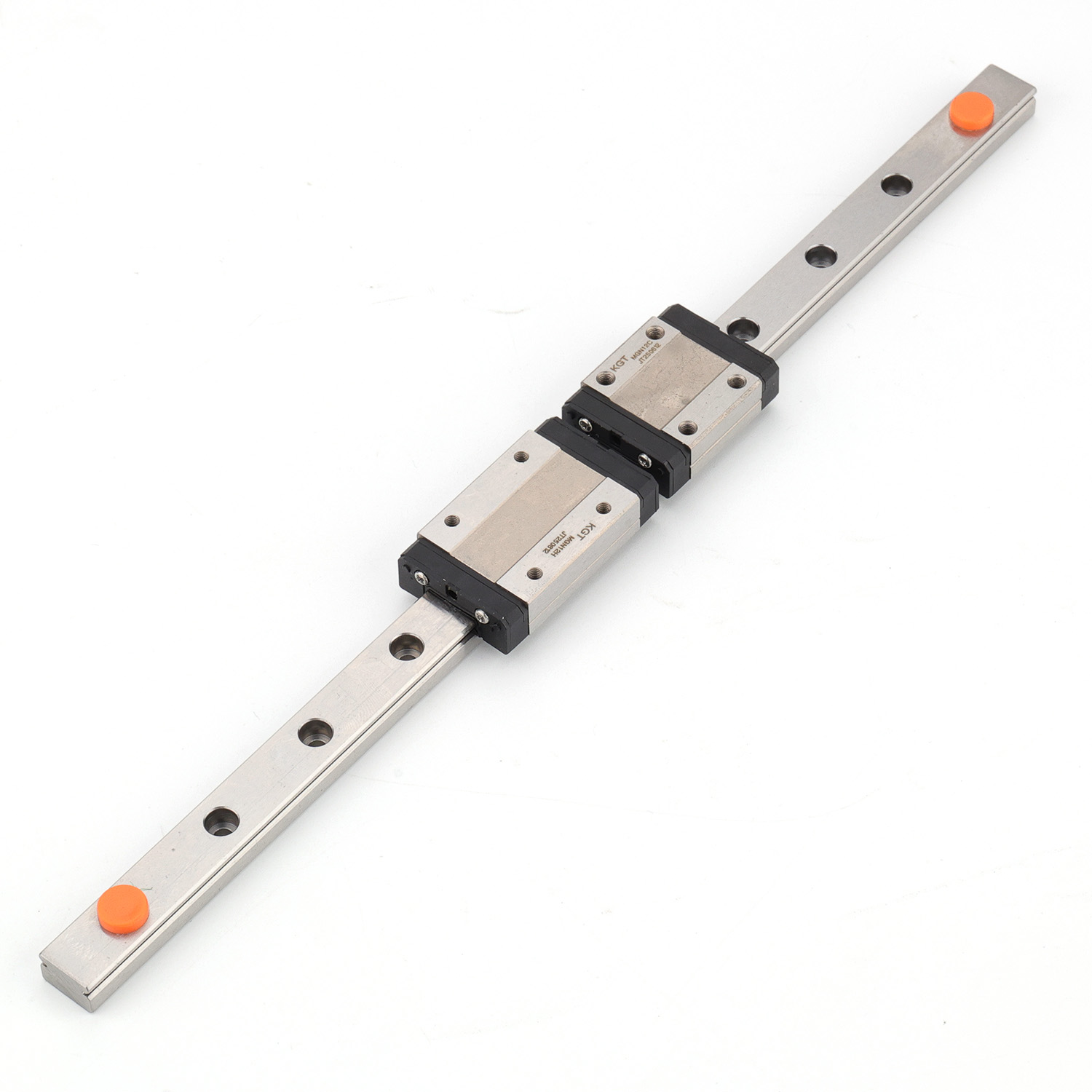
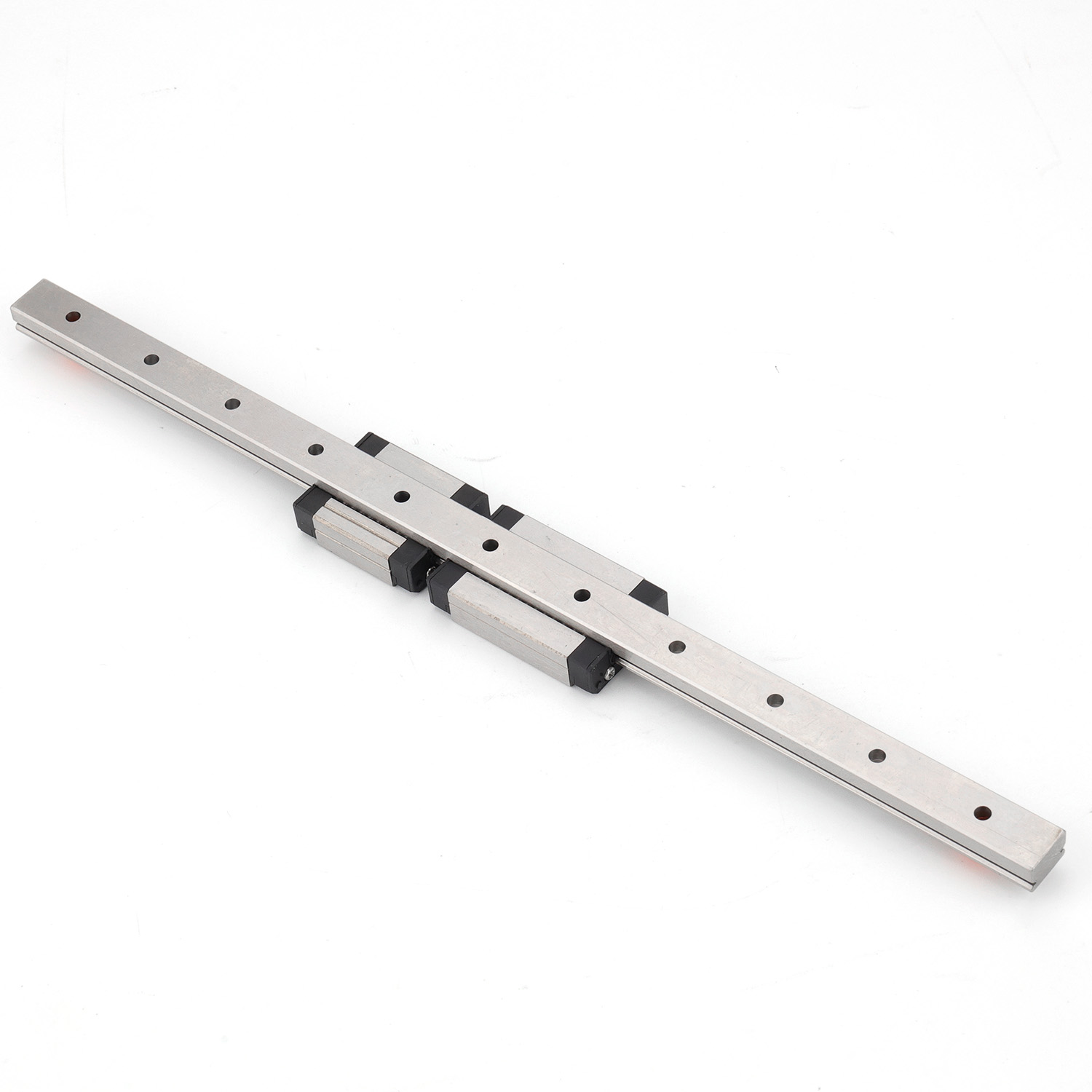
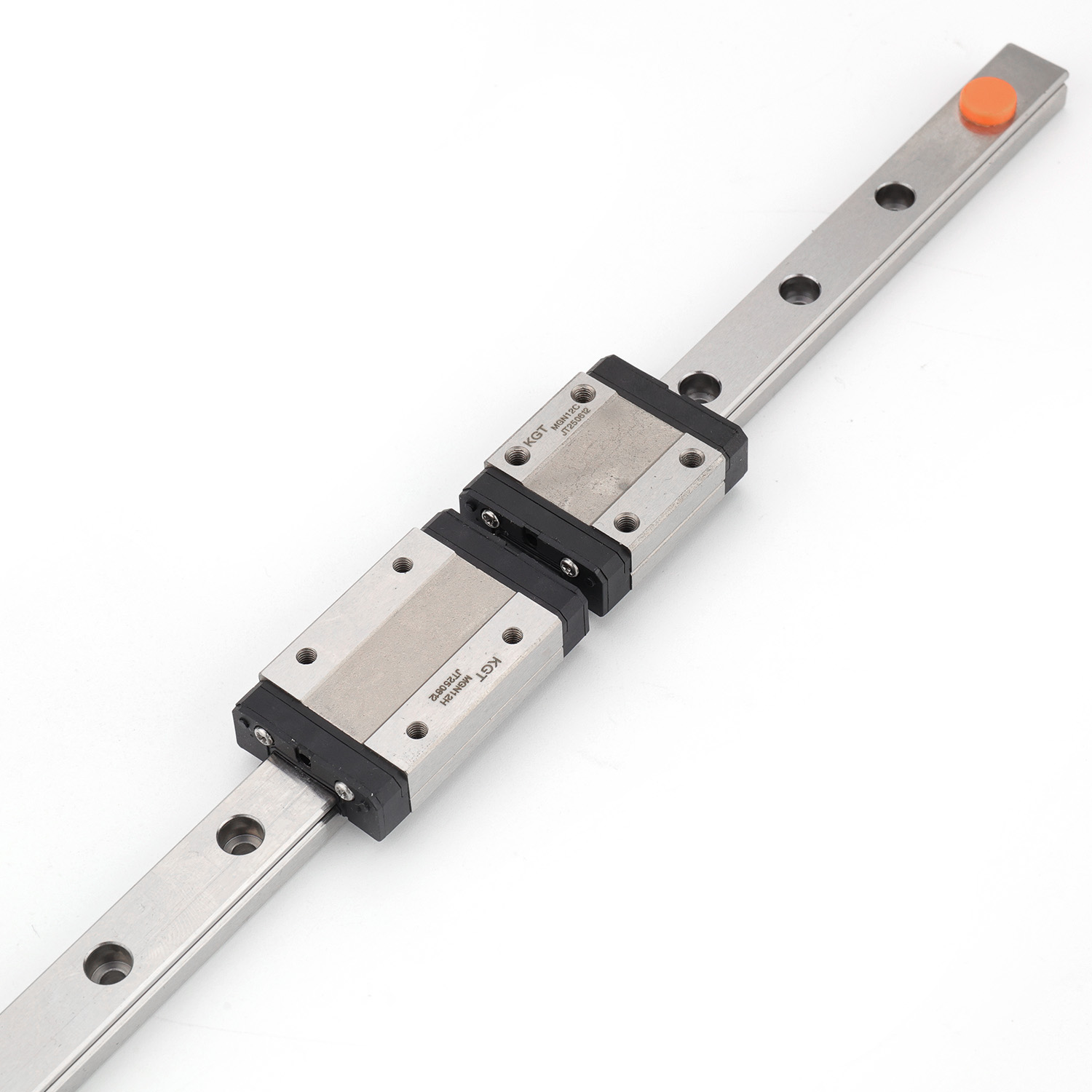
A pneumatic linear slide is a precision mechanical component designed to provide smooth, controlled linear motion in industrial automation systems. This device operates using compressed air to drive a piston or carriage along a fixed rail or guide, converting pneumatic energy into precise linear movement. The pneumatic linear slide serves as a fundamental building block in manufacturing equipment, assembly lines, and automated production processes.
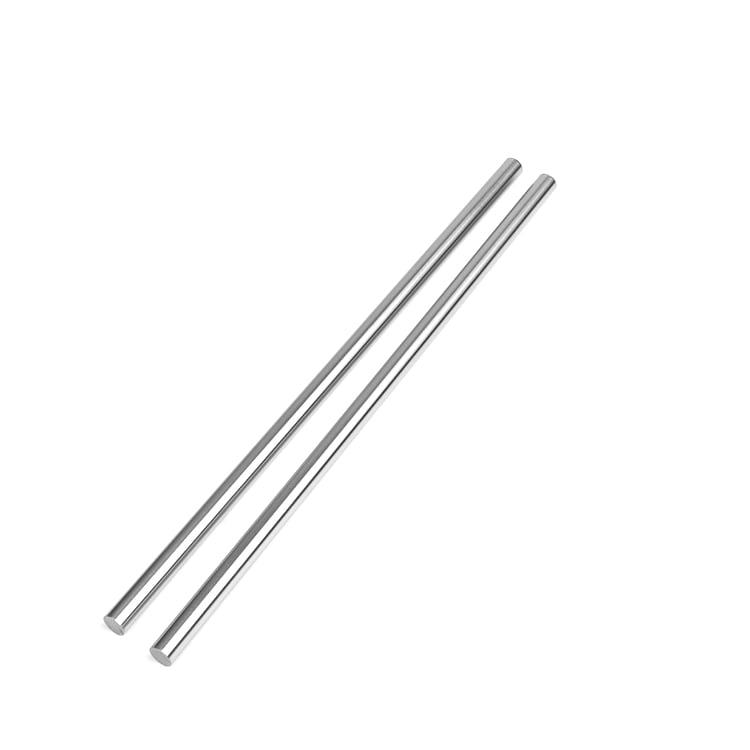
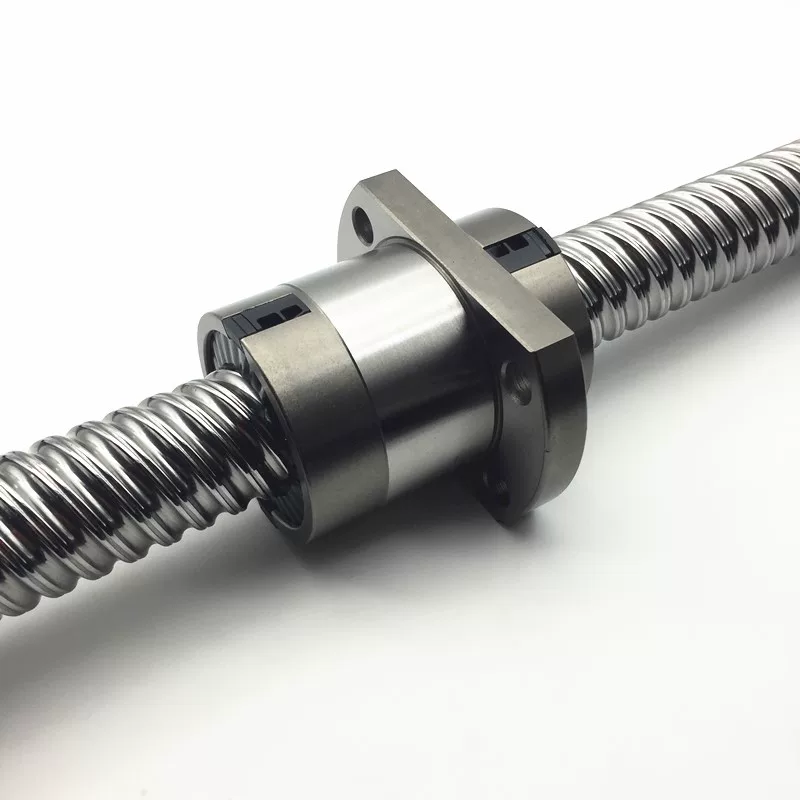
The primary function of a pneumatic linear slide is to facilitate accurate positioning and movement of components, tools, or materials along a predetermined path. These slides excel in applications requiring rapid acceleration, consistent speed control, and reliable stopping precision. A pneumatic linear slide typically features hardened steel rods, sealed bearings, and specialized seals that ensure durability and maintain performance under demanding industrial conditions.
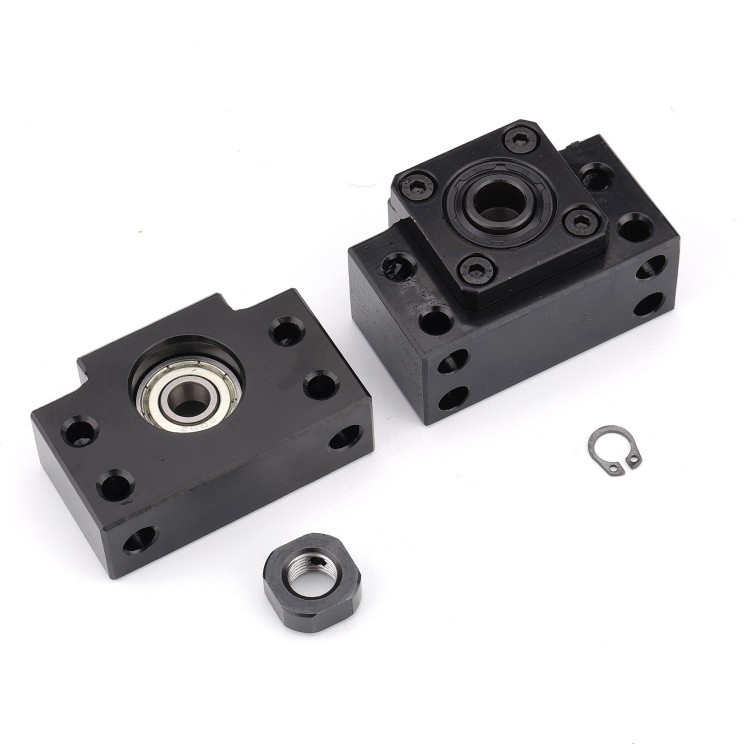
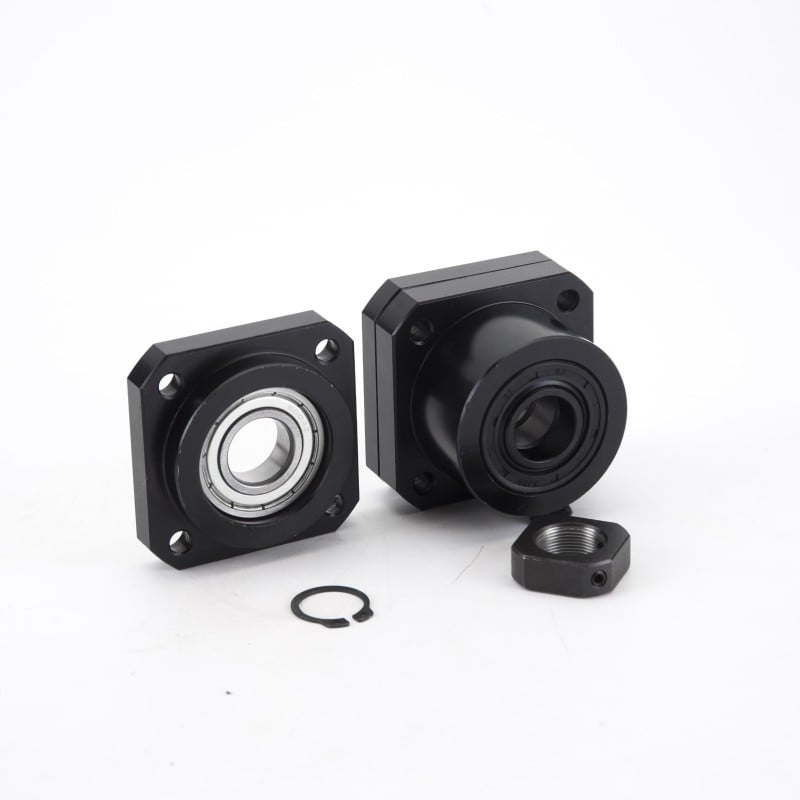
Key technological features of a pneumatic linear slide include adjustable speed controllers, double-acting cylinders, and integrated cushioning systems that prevent shock and extend equipment lifespan. The design incorporates low-friction components that minimize energy consumption while maximizing operational efficiency. Many modern pneumatic linear slide systems include mounting brackets, rod guides, and alignment mechanisms that simplify installation and reduce setup time.
Applications for pneumatic linear slides span numerous industries including automotive manufacturing, food processing, packaging operations, electronics assembly, and material handling. These systems deliver exceptional performance in environments where electrical solutions present safety concerns or contamination risks. The pneumatic linear slide remains an indispensable solution for companies seeking reliable, cost-effective automation technology that delivers consistent results across diverse production scenarios.

 EN
EN