Premium CNC Linear Guide Rails - Precision Motion Control Solutions for Manufacturing Excellence

All Categories

Get a Free Quote

Our representative will contact you soon.
Email
Name
Company Name
Message
0/1000

cnc linear guide rails

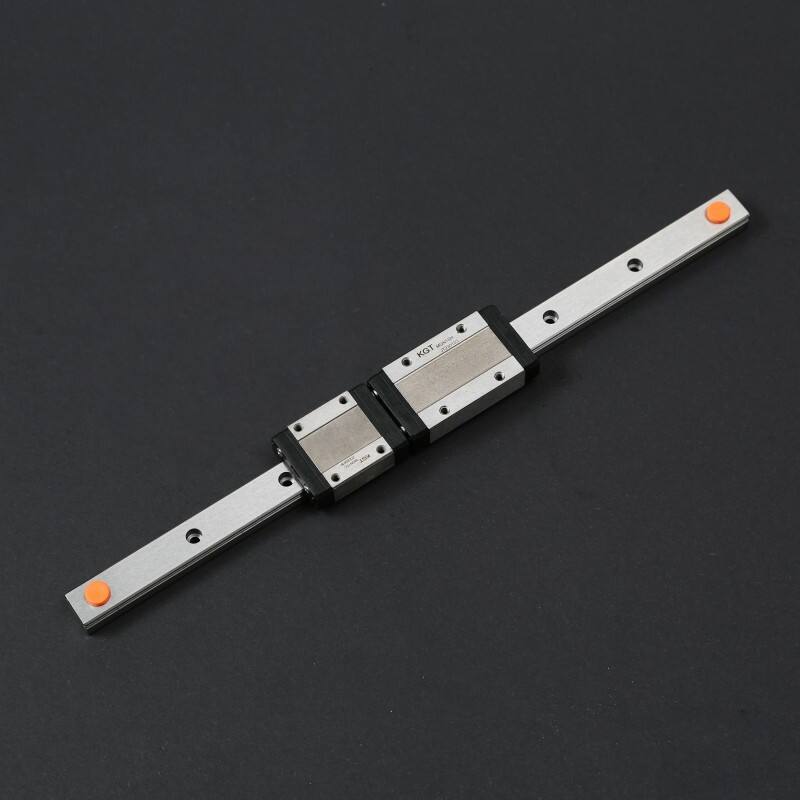
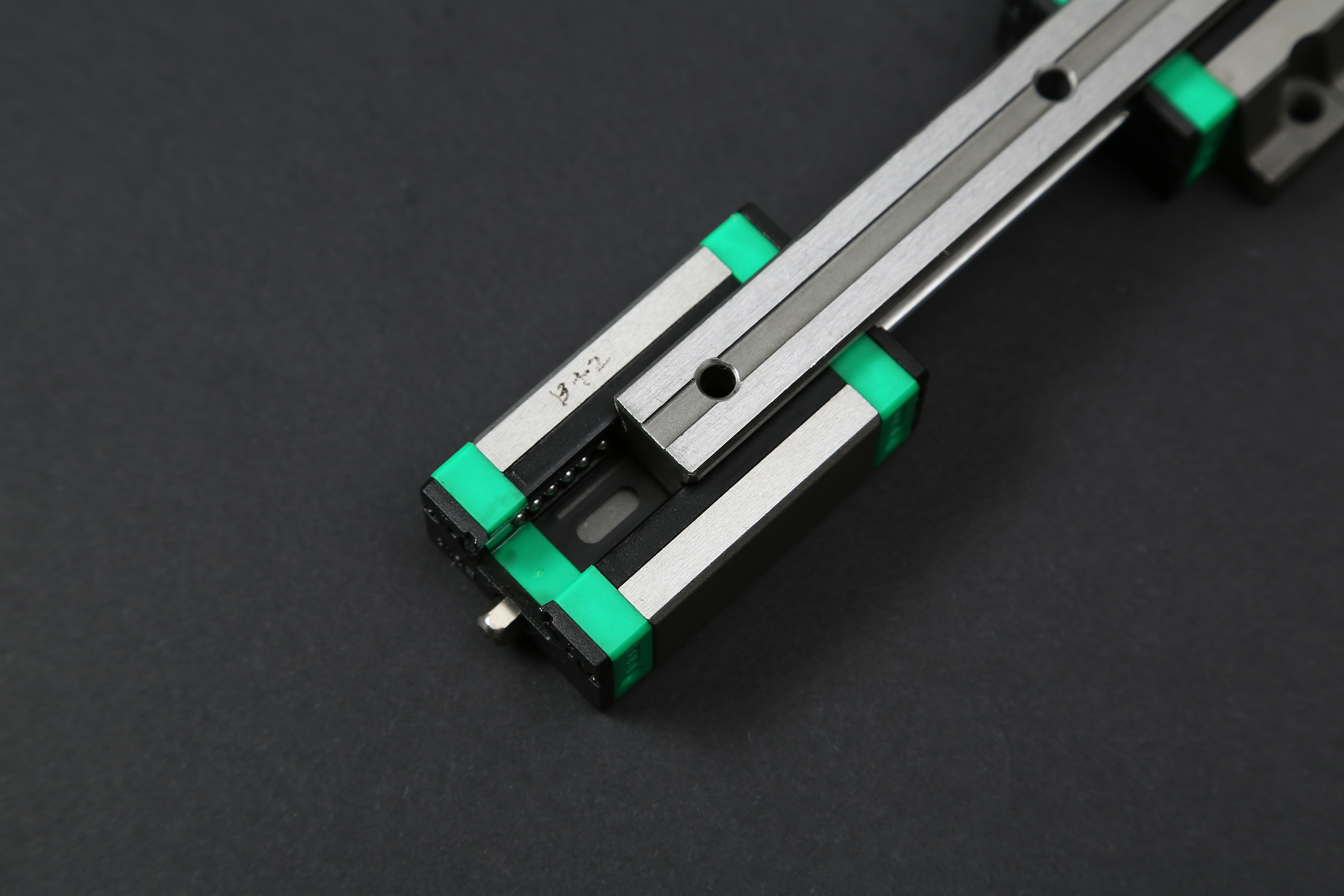
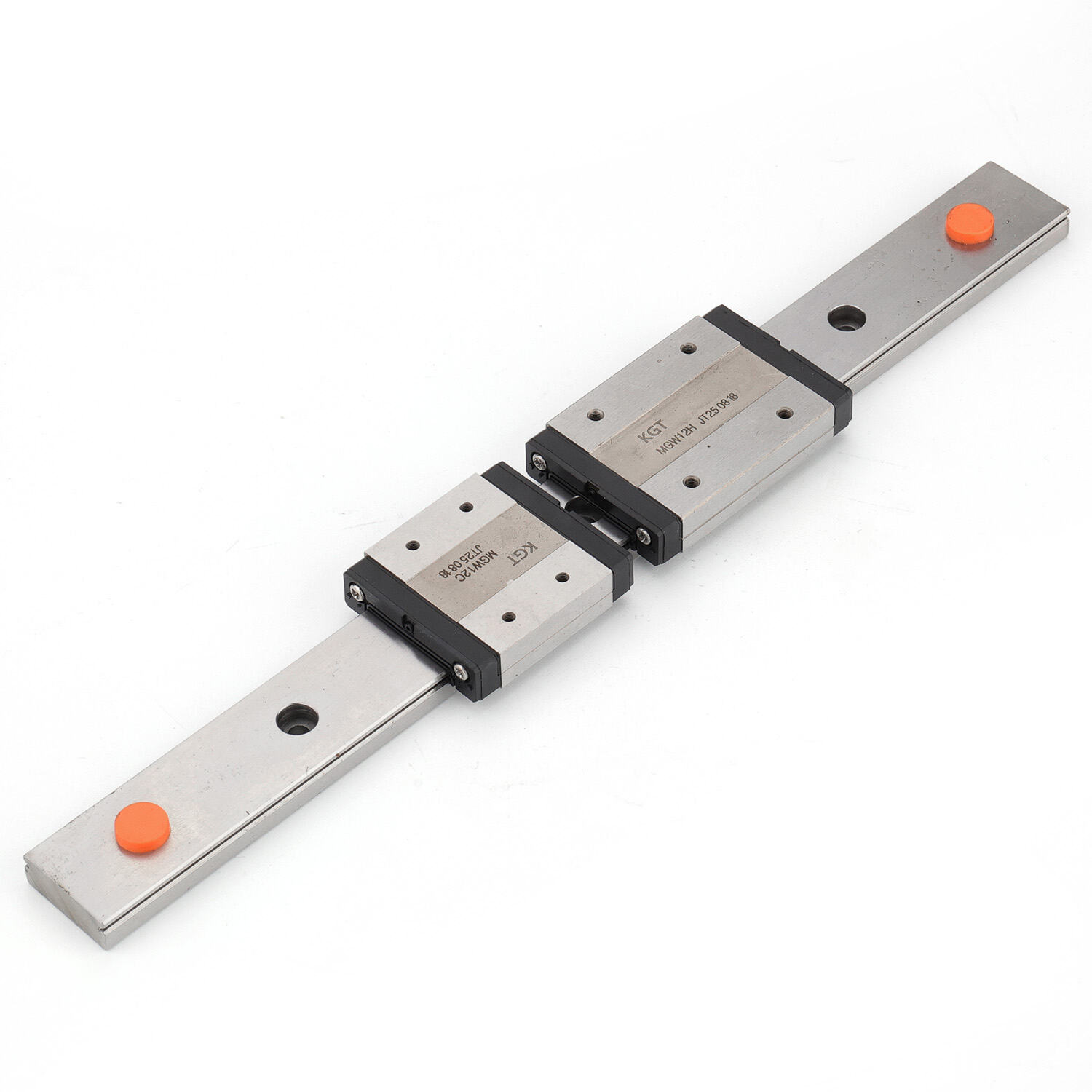
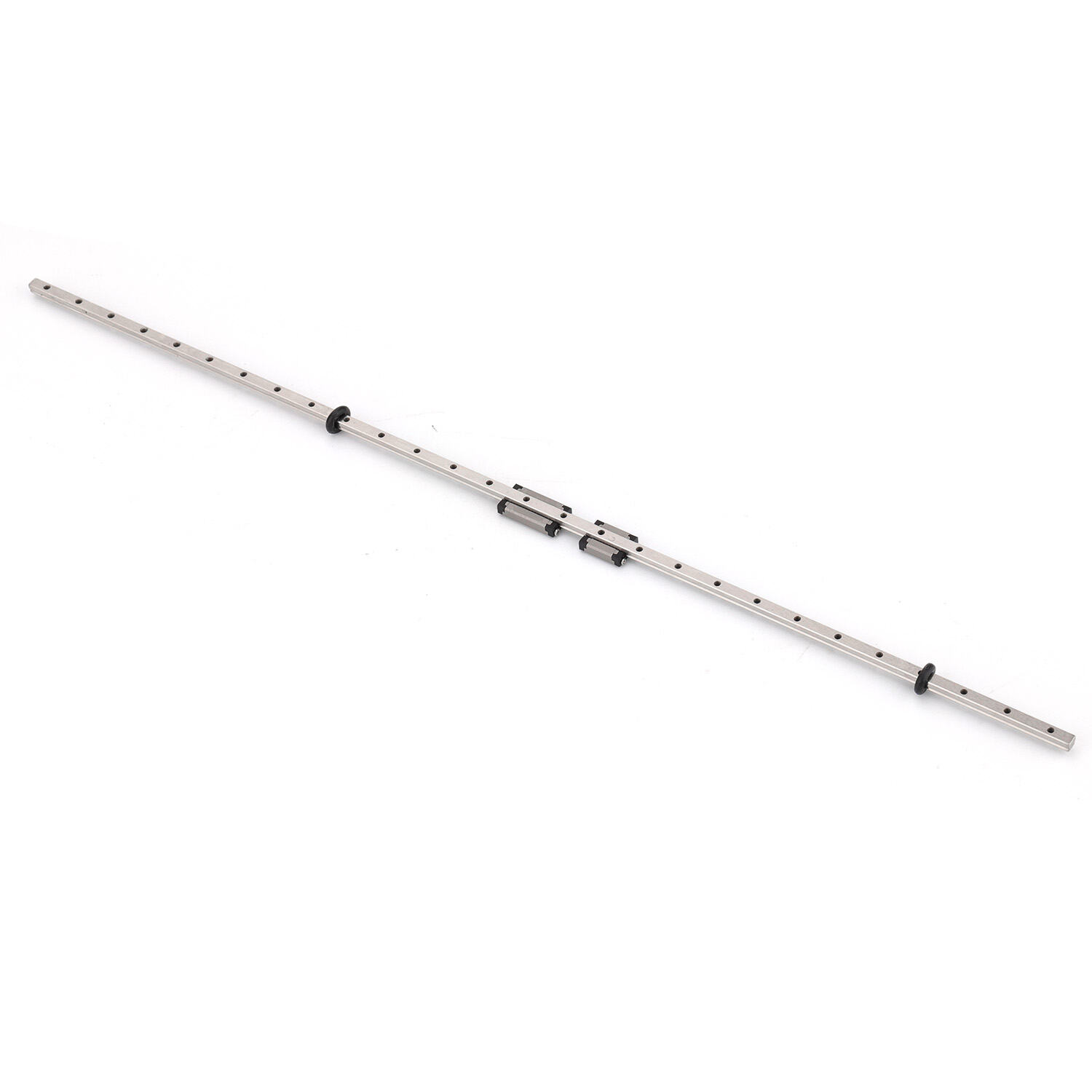
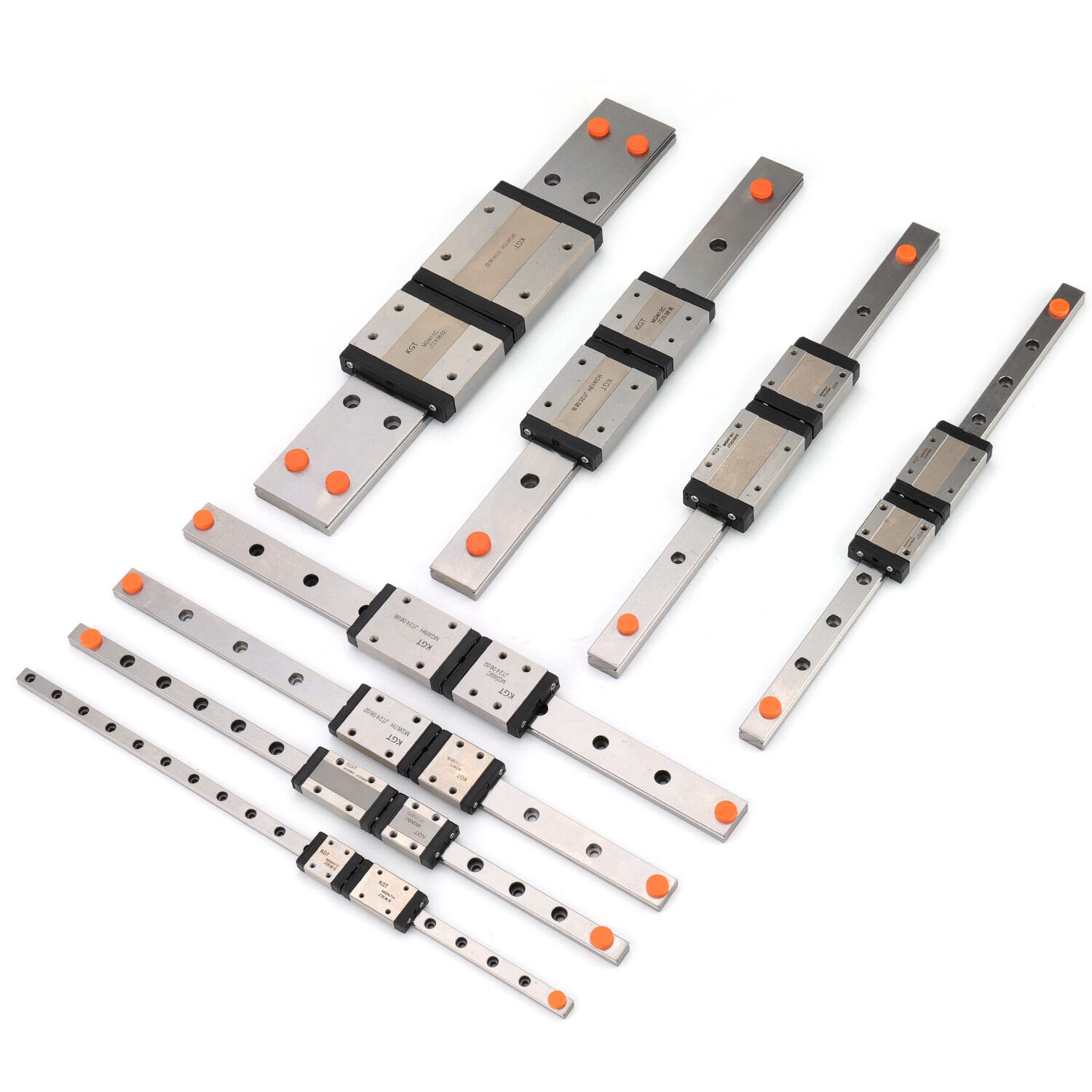
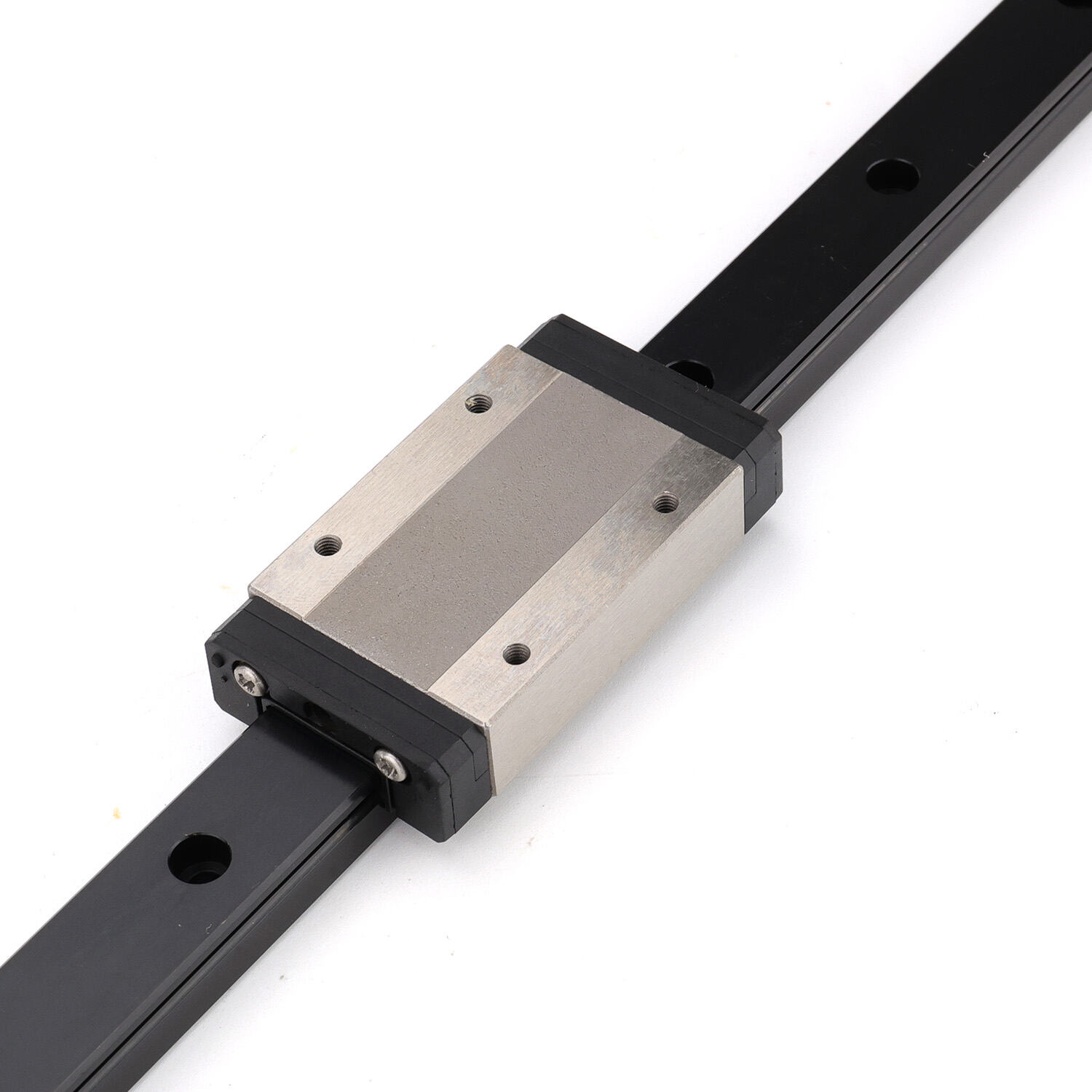
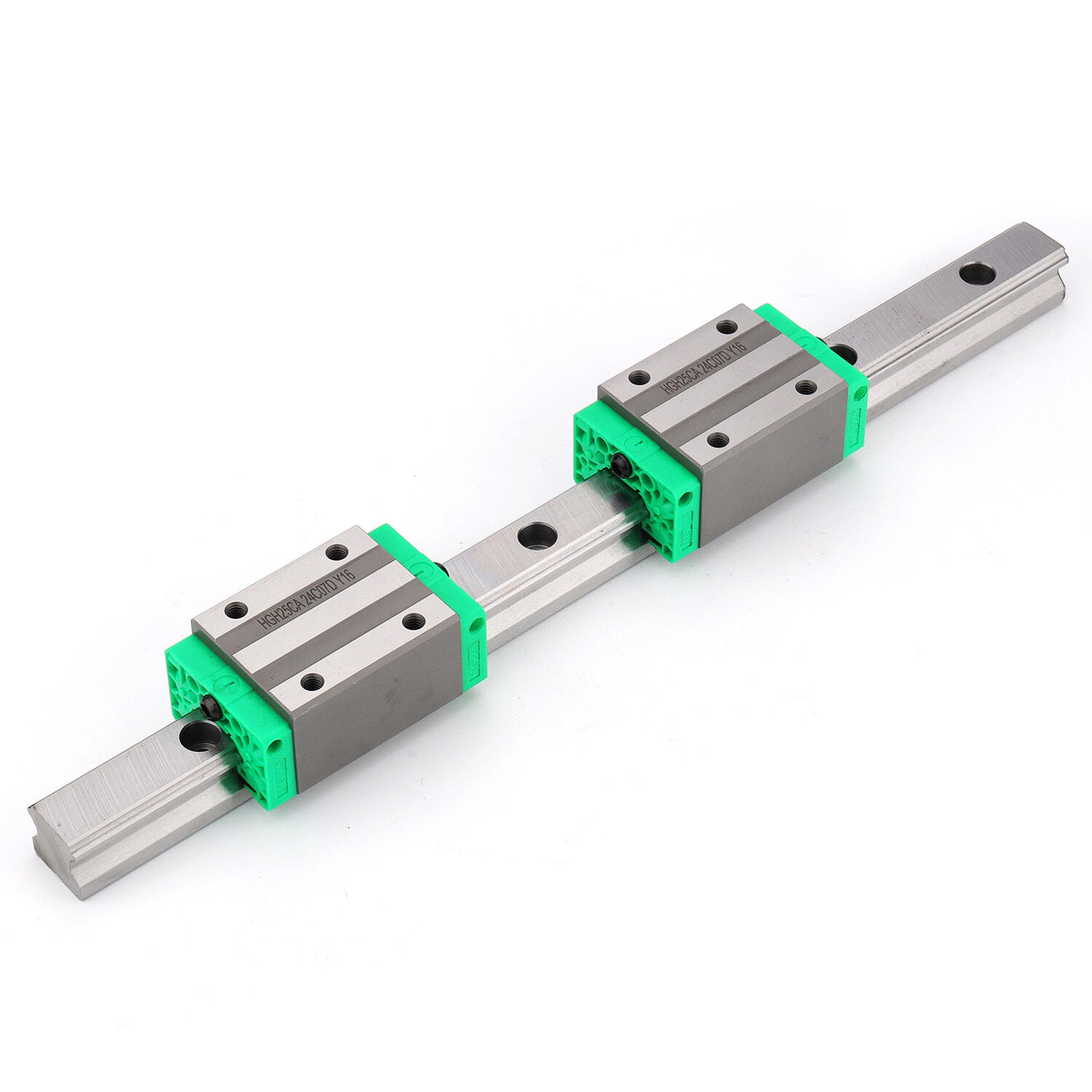
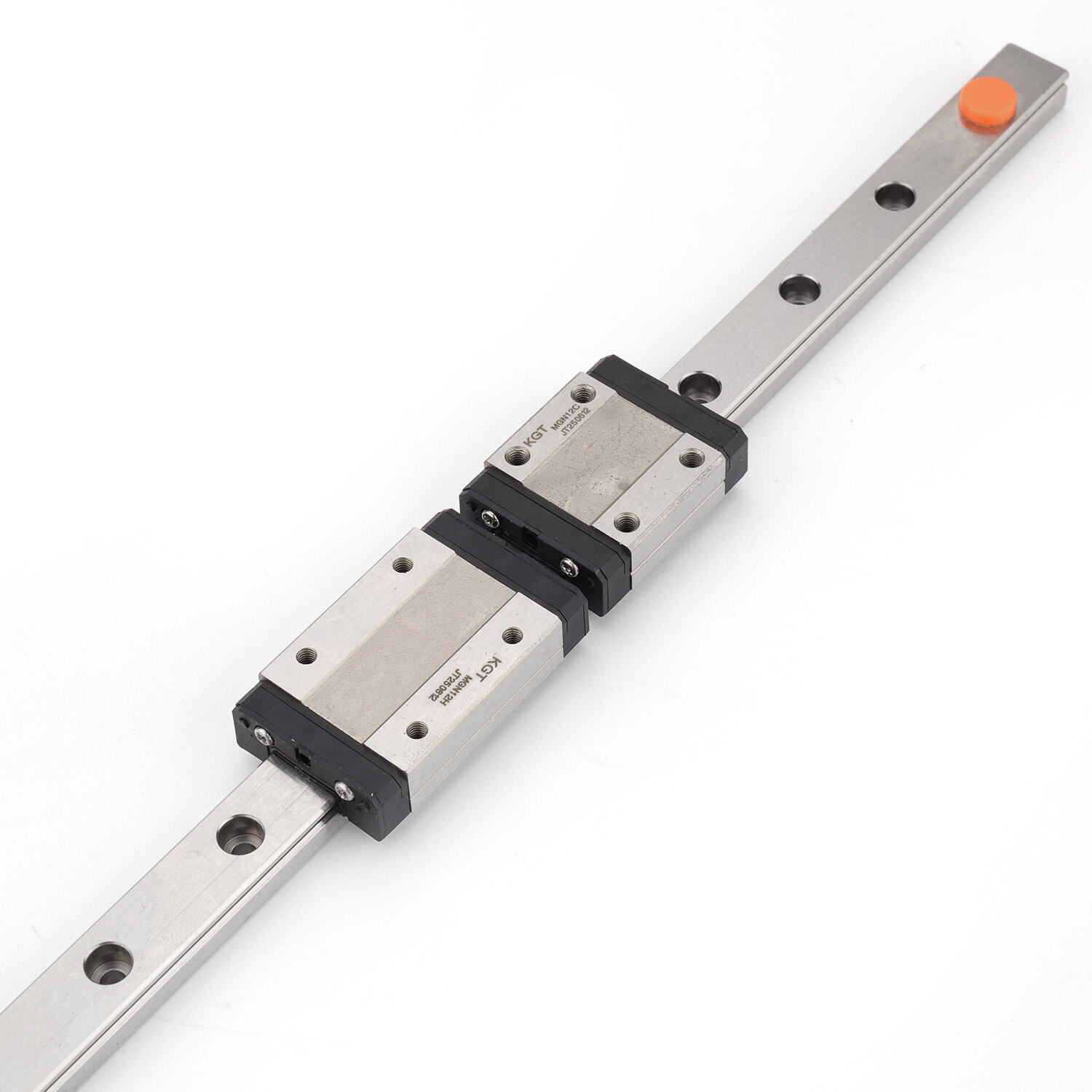
CNC linear guide rails represent a fundamental component in modern computer numerical control machining systems, serving as the backbone for precise linear motion control in manufacturing equipment. These engineered systems consist of precision-machined rails paired with bearing blocks or carriages that enable smooth, accurate movement along predetermined paths. The primary function of CNC linear guide rails centers on supporting and guiding moving machine components while maintaining exceptional positional accuracy throughout the entire range of motion. The technological foundation of these systems relies on advanced materials science and precision manufacturing techniques. High-grade steel or aluminum construction ensures durability and dimensional stability under varying operational conditions. The rails feature precisely ground surfaces with tolerances measured in micrometers, while the bearing systems incorporate either ball bearings or roller elements to minimize friction and maximize load capacity. Recirculating ball technology allows bearings to move continuously through the system, distributing wear evenly and extending operational lifespan significantly. Temperature compensation features help maintain accuracy across different operating environments, while sealed designs protect internal components from contamination. Applications for CNC linear guide rails span numerous industries and machine types. Manufacturing centers rely on these systems for milling machines, lathes, grinding equipment, and automated production lines. Medical device manufacturing benefits from the precision these rails provide for creating life-critical components. Aerospace applications demand the exceptional accuracy these systems deliver for machining complex geometries in lightweight materials. Semiconductor manufacturing equipment utilizes CNC linear guide rails for wafer handling and processing operations where nanometer-level precision becomes essential. Quality control and inspection systems also incorporate these rails to ensure measurement accuracy. The versatility of CNC linear guide rails makes them suitable for custom automation solutions, robotic systems, and specialized manufacturing equipment across diverse sectors.

Popular Products

CNC linear guide rails deliver substantial operational benefits that directly impact manufacturing efficiency and product quality. The most significant advantage lies in their exceptional precision capabilities, which consistently maintain positional accuracy within micrometers across millions of operational cycles. This precision translates into superior product quality, reduced waste, and increased customer satisfaction for manufacturers who implement these systems. The smooth operation characteristics of CNC linear guide rails eliminate stick-slip motion that commonly affects less sophisticated guidance systems. This smoothness enables consistent surface finishes on machined parts and reduces tool wear, ultimately lowering operational costs. Enhanced load capacity represents another key advantage, as these rails can support heavy machine components while maintaining accuracy. The distributed load design prevents deformation and ensures consistent performance regardless of the weight being moved. Reduced maintenance requirements provide significant cost savings over the equipment lifecycle. The sealed bearing systems protect against contamination, while the recirculating ball technology distributes wear evenly throughout the system. This design approach minimizes the need for frequent lubrication and component replacement, reducing downtime and maintenance expenses. Improved machine reliability results from the robust construction and proven design principles incorporated into CNC linear guide rails. Users experience fewer unexpected breakdowns and can schedule maintenance more predictably, improving overall production planning. The modular design approach allows for easy installation and replacement, minimizing equipment downtime during maintenance activities. Vibration dampening characteristics help achieve better surface finishes and extend tool life by reducing chatter and unwanted motion during machining operations. Energy efficiency benefits emerge from the low-friction design, which requires less power to move machine components compared to traditional sliding systems. This efficiency reduces electrical consumption and heat generation, contributing to a more sustainable manufacturing operation. Scalability advantages allow manufacturers to standardize on CNC linear guide rail systems across multiple machines, simplifying inventory management and technician training requirements.

Latest News

The Ultimate Guide to Linear Guides: Precision, Applications, and Custom Solutions for Industrial Excellence

24

Dec

The Ultimate Guide to Linear Guides: Precision, Applications, and Custom Solutions for Industrial Excellence

View More
How to Select the Right Linear Guide Model: A Mechanical Engineer’s Guide

31

Dec

How to Select the Right Linear Guide Model: A Mechanical Engineer’s Guide

View More
Precision in Motion The Engineering Excellence of Linear Guides

05

Jan

Precision in Motion The Engineering Excellence of Linear Guides

View More

Get a Free Quote

Our representative will contact you soon.
Email
Name
Company Name
Message
0/1000

cnc linear guide rails

Unmatched Precision Engineering for Critical Applications

Unmatched Precision Engineering for Critical Applications

CNC linear guide rails achieve unprecedented levels of precision through advanced manufacturing techniques and innovative design principles that set new standards in the industry. The precision engineering process begins with selecting premium-grade materials that undergo rigorous testing to ensure consistent properties throughout the rail structure. Each rail receives precision grinding using specialized equipment that maintains tolerances within two micrometers across the entire length, regardless of whether the rail measures one meter or ten meters long. This exceptional accuracy stems from temperature-controlled manufacturing environments where every step of the production process occurs under strict quality control measures. The bearing systems incorporate precision-manufactured balls or rollers that undergo individual inspection to ensure perfect sphericity and surface finish. These components work together to create a guidance system capable of maintaining positional accuracy better than five micrometers over millions of operational cycles. The recirculating bearing design ensures that load distribution remains consistent throughout the entire range of motion, preventing localized wear that could compromise accuracy over time. Advanced surface treatments enhance the precision characteristics by providing superior wear resistance and corrosion protection. These treatments create microscopically smooth surfaces that reduce friction while maintaining dimensional stability across varying temperature conditions. The precision engineering extends to the mounting systems, where specially designed mounting blocks ensure perfect alignment during installation. Pre-loaded bearing configurations eliminate any backlash in the system, enabling precise bidirectional movement without positional error. Quality control processes verify precision at multiple stages, using coordinate measuring machines and laser interferometry to confirm that each rail meets or exceeds specifications. This comprehensive approach to precision engineering enables manufacturers to achieve consistent results in critical applications where dimensional accuracy directly impacts product quality and performance.
Enhanced Durability and Longevity Through Advanced Materials

Enhanced Durability and Longevity Through Advanced Materials

CNC linear guide rails incorporate advanced materials and protective technologies that deliver exceptional durability and operational longevity, providing outstanding value for manufacturing investments. The foundation of this durability begins with high-carbon steel construction that receives specialized heat treatment processes to achieve optimal hardness and toughness characteristics. This heat treatment creates a surface hardness exceeding 60 HRC while maintaining a tough core that resists cracking under dynamic loads. The rail surfaces undergo induction hardening that creates a wear-resistant layer extending several millimeters into the material, ensuring consistent performance even after extended use. Corrosion resistance features include specialized coatings and treatments that protect against moisture, cutting fluids, and other industrial contaminants commonly found in manufacturing environments. These protective measures prevent rust formation and surface degradation that could compromise accuracy or operational smoothness. The bearing elements utilize premium steel alloys with chromium content optimized for rolling contact applications, providing superior resistance to pitting and spalling under high-stress conditions. Sealed bearing designs incorporate multiple sealing technologies that prevent contamination from entering critical areas while retaining lubrication for extended periods. These seals resist chemical attack from cutting fluids and cleaning solvents, maintaining their effectiveness throughout the system lifecycle. Advanced lubrication systems distribute specialized greases that maintain their properties across wide temperature ranges and resist breakdown under heavy loads. The modular construction approach enables replacement of individual components without requiring complete system replacement, extending overall system life while minimizing maintenance costs. Fatigue resistance characteristics enable CNC linear guide rails to withstand millions of operational cycles without degradation in performance, making them ideal for high-volume production applications. Environmental protection features include drainage channels and protective covers that shed chips and debris away from critical bearing surfaces, preventing premature wear and maintaining operational smoothness.
Versatile Installation and Integration Capabilities

Versatile Installation and Integration Capabilities

CNC linear guide rails offer exceptional versatility in installation configurations and system integration, making them suitable for diverse applications ranging from simple linear actuators to complex multi-axis machining centers. The standardized mounting interface design enables straightforward installation on various machine frame materials including cast iron, steel, and aluminum structures. Mounting hole patterns follow international standards, ensuring compatibility with existing equipment and simplifying retrofit applications where older guidance systems require replacement or upgrading. The rail mounting system accommodates different installation orientations, including horizontal, vertical, and angled configurations without compromising performance characteristics. This flexibility enables machine designers to optimize space utilization while maintaining the precision and reliability that CNC linear guide rails provide. Modular length configurations allow for custom solutions where standard lengths cannot accommodate specific application requirements, with joining systems that maintain accuracy across rail segments. Pre-drilling and tapping services ensure that mounting holes align perfectly with machine frames, eliminating installation errors that could compromise system performance. The rail cross-sectional profiles accommodate various carriage styles and load capacities, enabling selection of optimal components for specific applications without requiring custom manufacturing. Installation tooling includes specialized alignment fixtures and measurement equipment that ensure proper rail positioning during mounting procedures. These tools help achieve the precise installation tolerances necessary for optimal system performance and longevity. Integration capabilities extend to automation systems through standardized interfaces that connect with servo motors, linear encoders, and position feedback systems commonly used in CNC applications. Cable management solutions integrate seamlessly with the rail design, providing protected pathways for electrical connections without compromising the overall system envelope. The bearing block designs accommodate various connection methods including threaded holes, dowel pins, and custom mounting brackets that interface with specific machine components. Lubrication connection points enable integration with centralized lubrication systems, ensuring consistent maintenance across multiple rail systems within a single machine or production line.
Premium CNC Linear Guide Rails - Precision Motion Control Solutions for Manufacturing Excellence

Get a Free Quote

Our representative will contact you soon.
Email
Name
Company Name
Message
0/1000