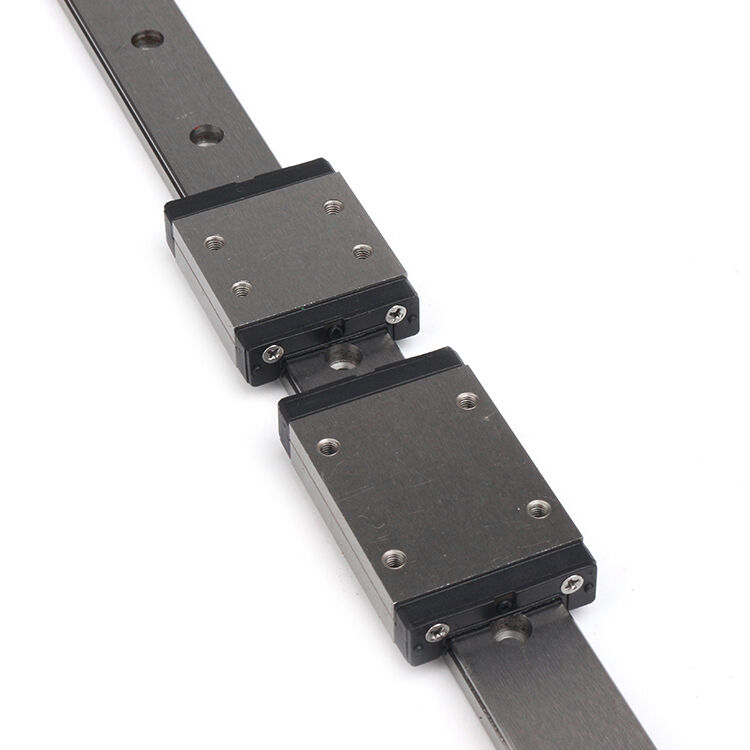
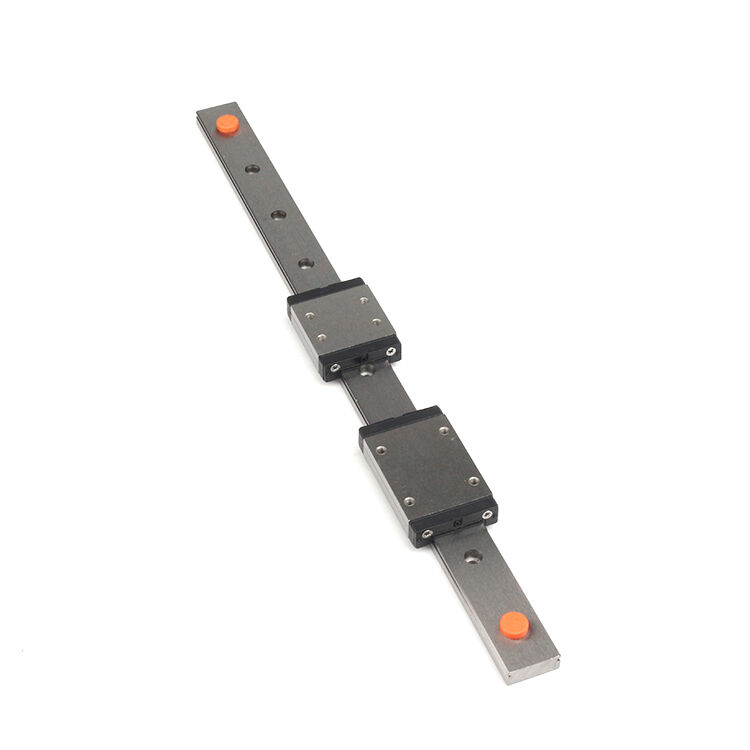
linear rail ball bearings
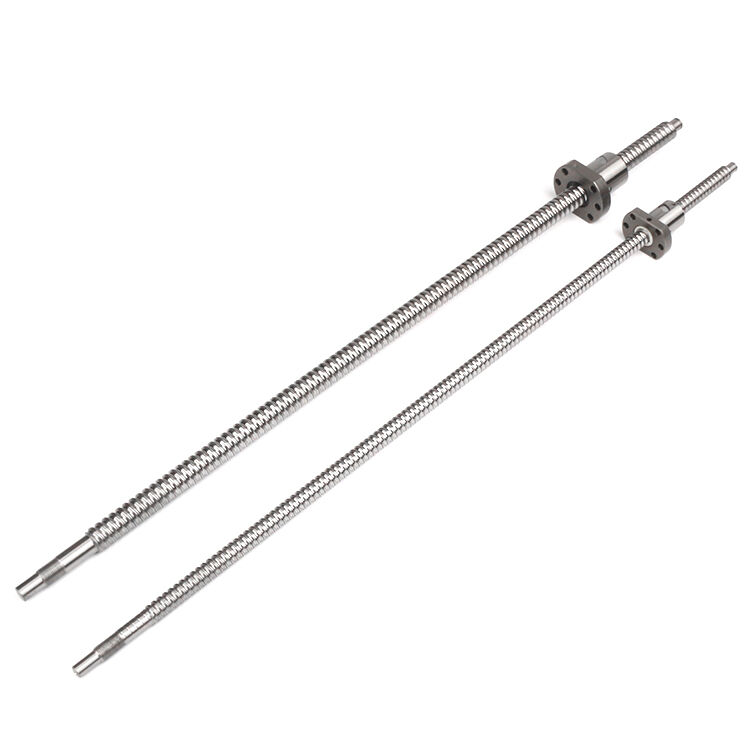
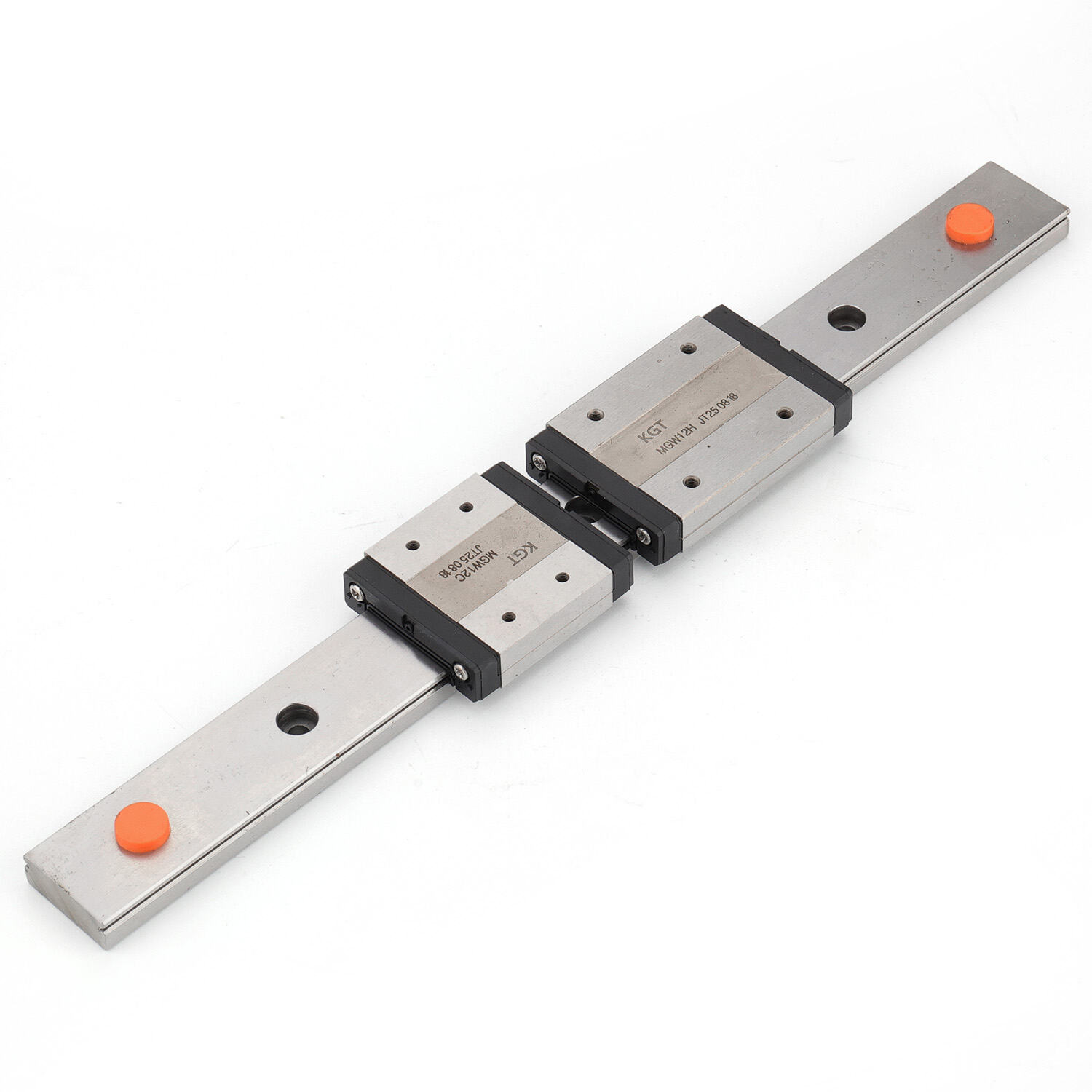
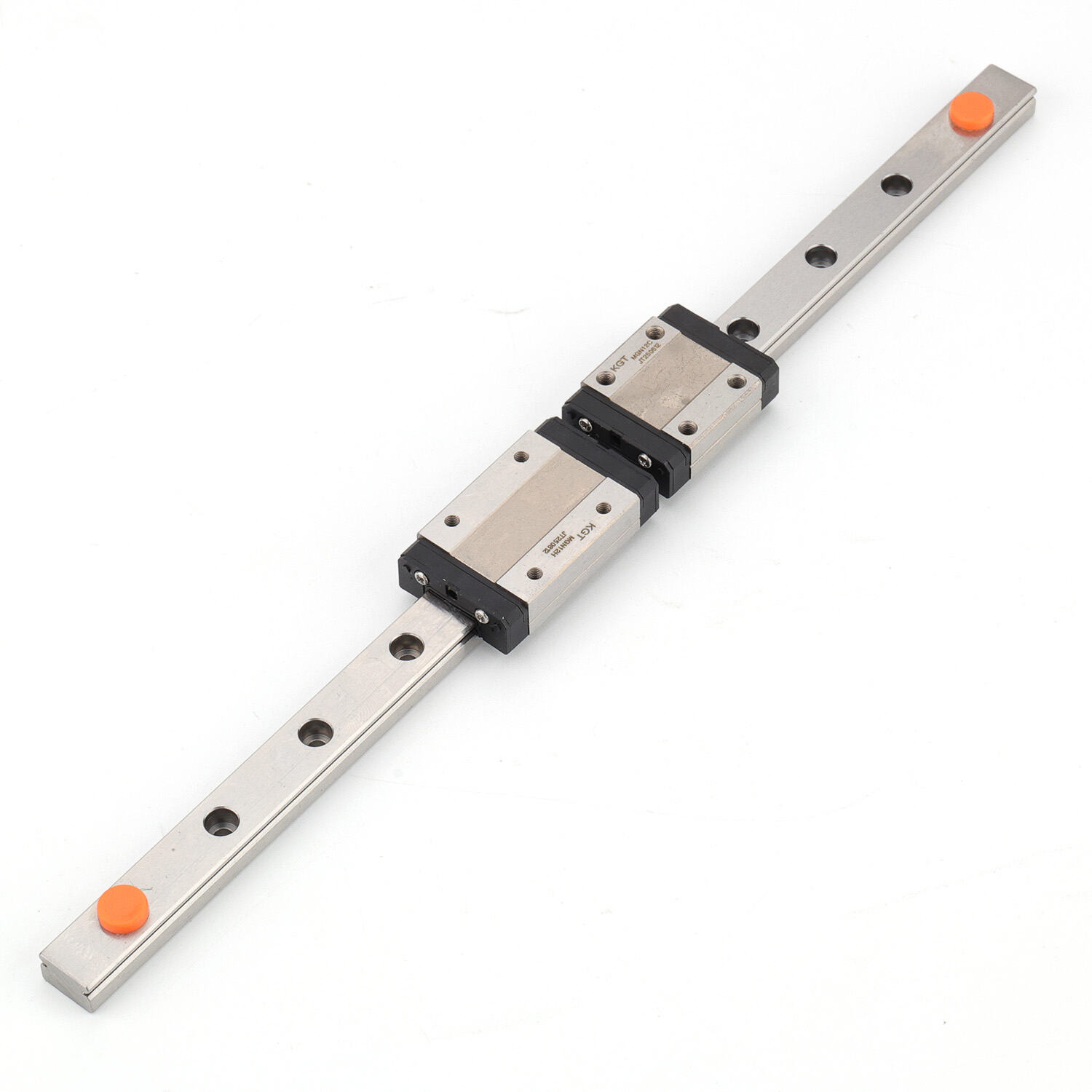
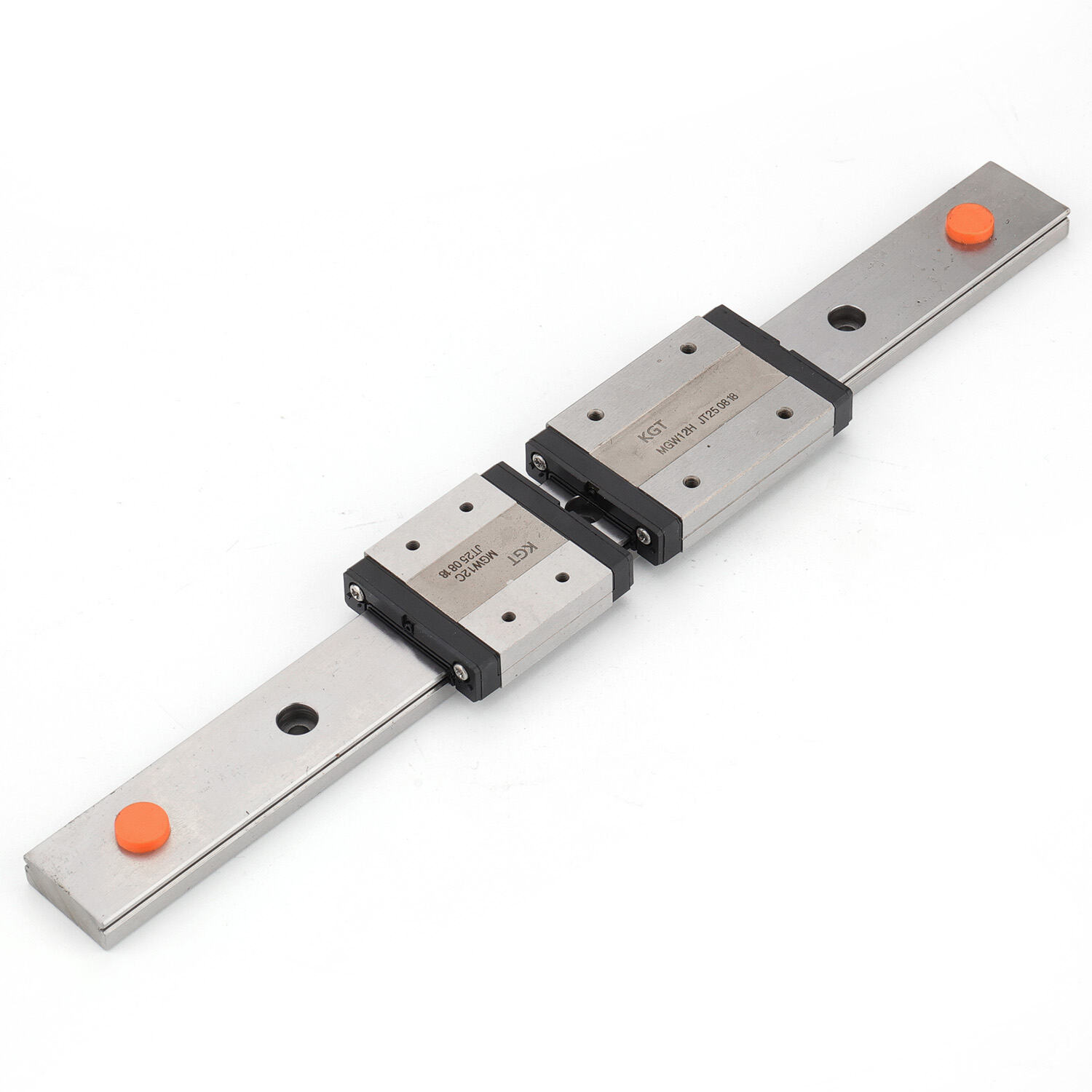
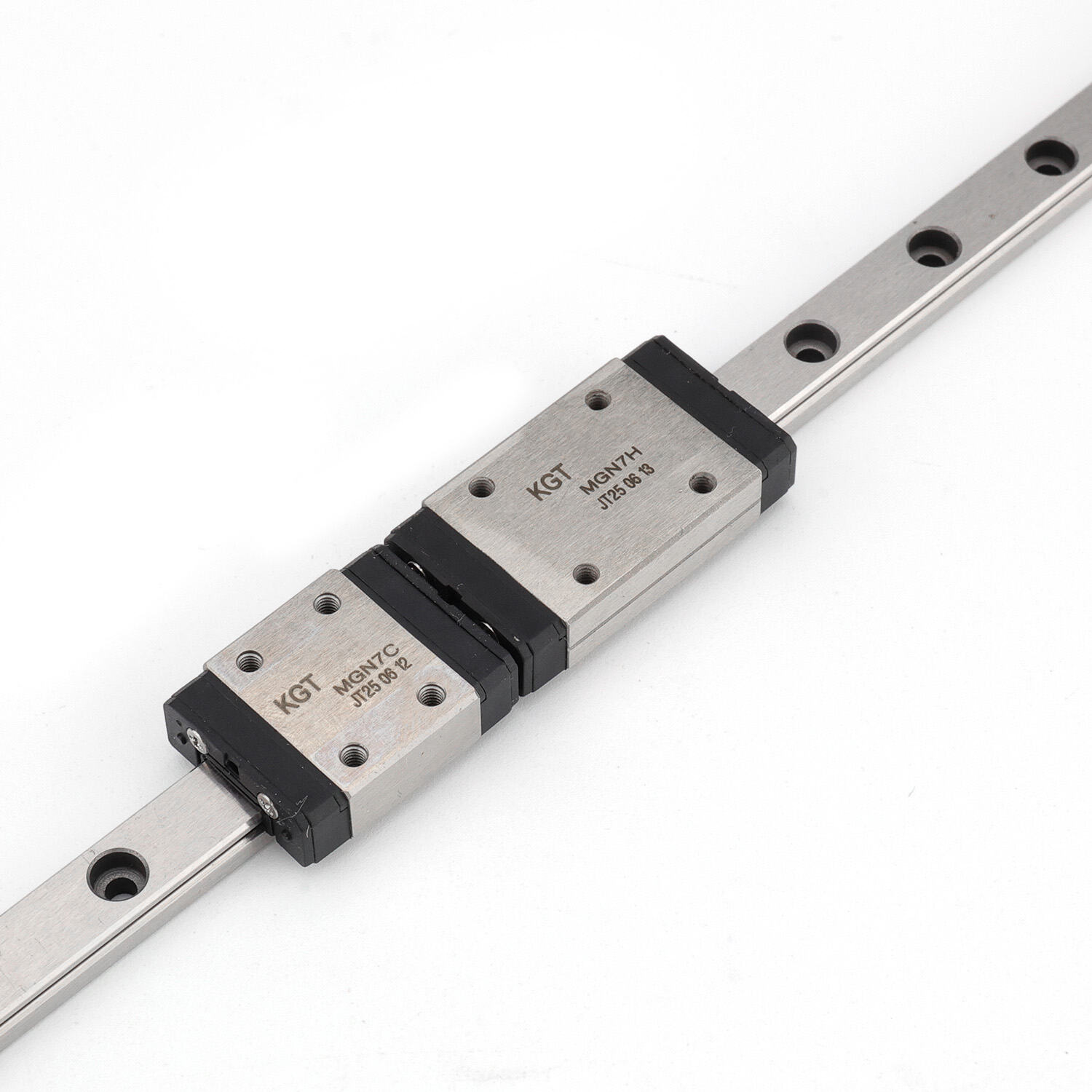
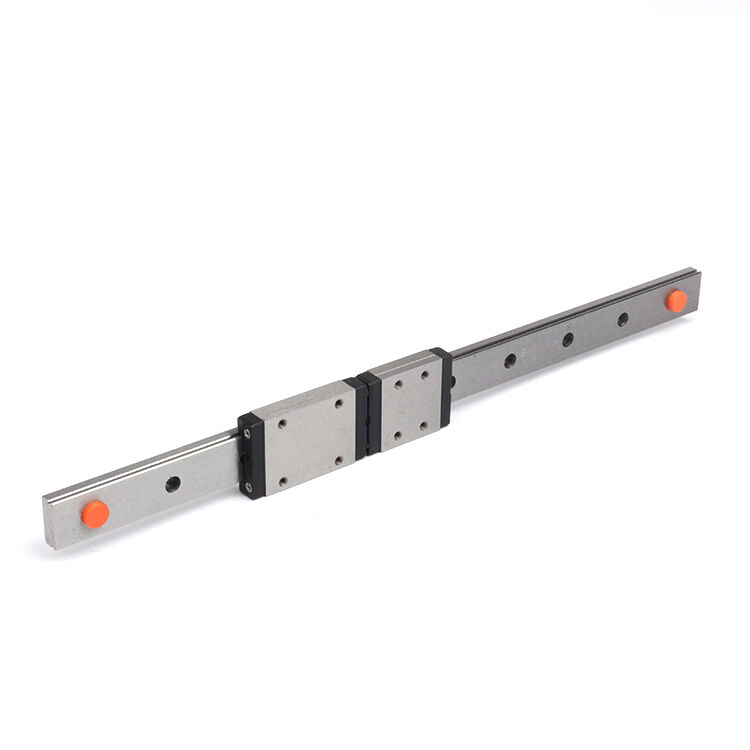
Linear rail ball bearings represent a sophisticated mechanical solution designed to provide smooth, precise linear motion in countless industrial and commercial applications. These innovative components combine the fundamental principles of ball bearing technology with linear guidance systems, creating a highly efficient method for moving loads along predetermined paths. The primary function of linear rail ball bearings centers on reducing friction while maintaining exceptional accuracy during linear movement operations. By incorporating precision-engineered steel balls within specially designed raceway channels, these systems deliver consistent performance across extended operational periods. The technological foundation of linear rail ball bearings relies on multiple rows of hardened steel balls that circulate continuously through machined pathways, distributing load forces evenly across the entire contact surface. This design approach significantly reduces wear patterns and extends component lifespan compared to traditional sliding mechanisms. Manufacturing processes utilize advanced metallurgy and precision grinding techniques to achieve tight dimensional tolerances, ensuring optimal performance characteristics. Quality control measures include rigorous testing protocols that verify load capacity, smooth operation, and dimensional accuracy before products reach end users. Applications for linear rail ball bearings span numerous industries including manufacturing automation, robotics, medical equipment, aerospace systems, and precision measurement devices. In automated production lines, these components enable precise positioning of cutting tools, assembly fixtures, and material handling equipment. Medical applications benefit from the smooth, quiet operation characteristics, particularly in imaging equipment and surgical robotics where vibration control remains critical. The aerospace industry relies on linear rail ball bearings for actuator systems, landing gear mechanisms, and satellite positioning equipment where reliability under extreme conditions becomes essential. Precision measurement applications utilize these components in coordinate measuring machines, optical inspection systems, and laboratory equipment where accuracy requirements exceed standard tolerances.

 EN
EN