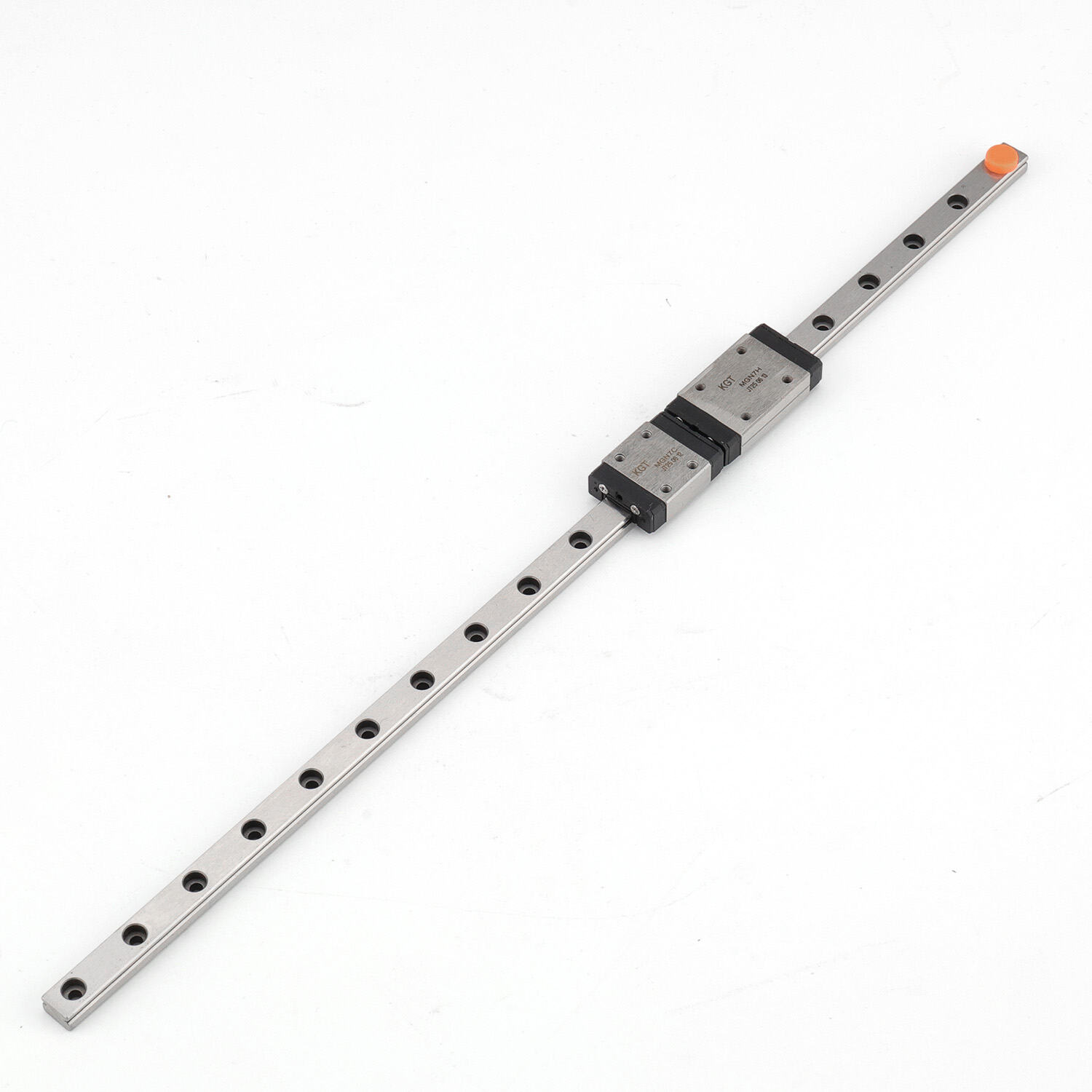
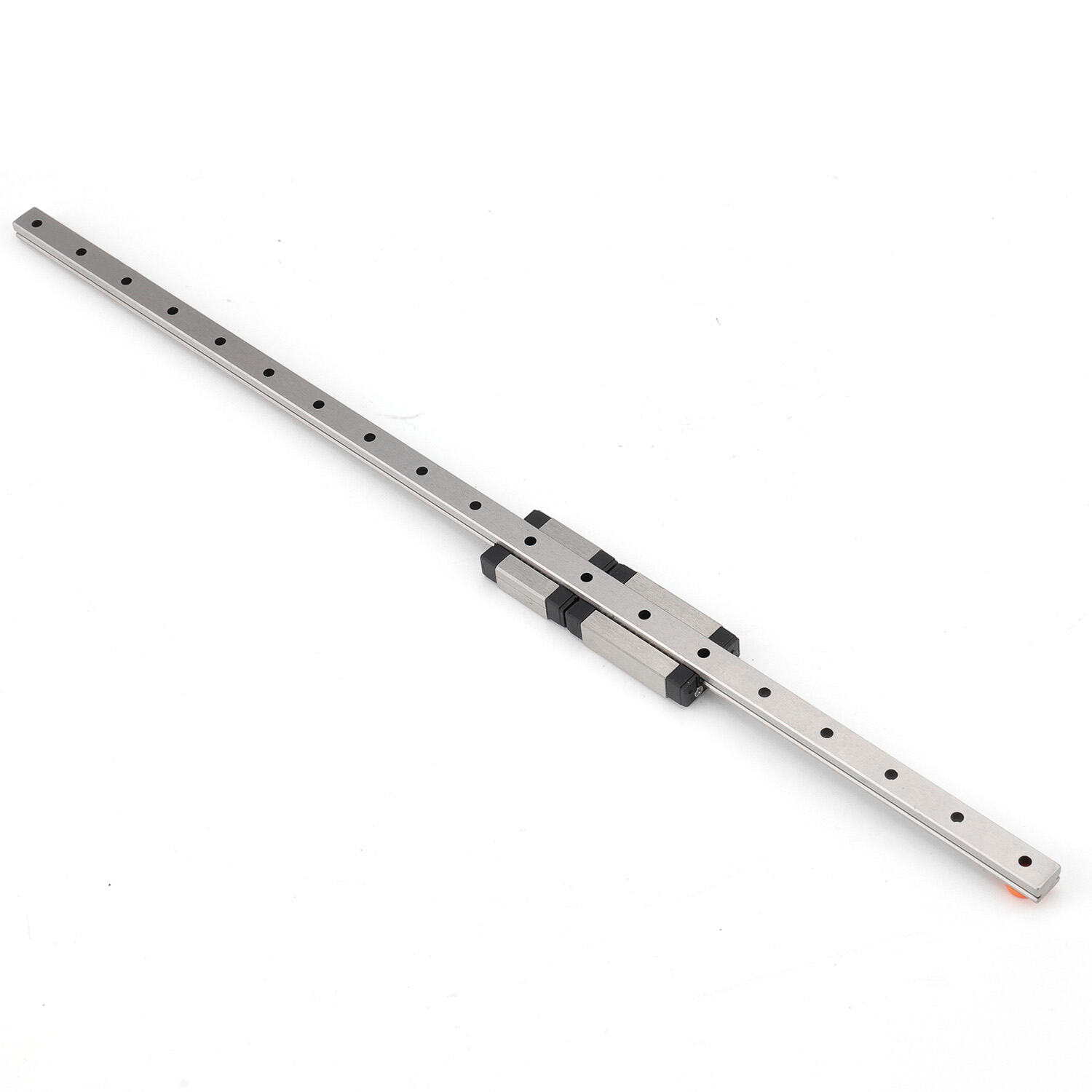
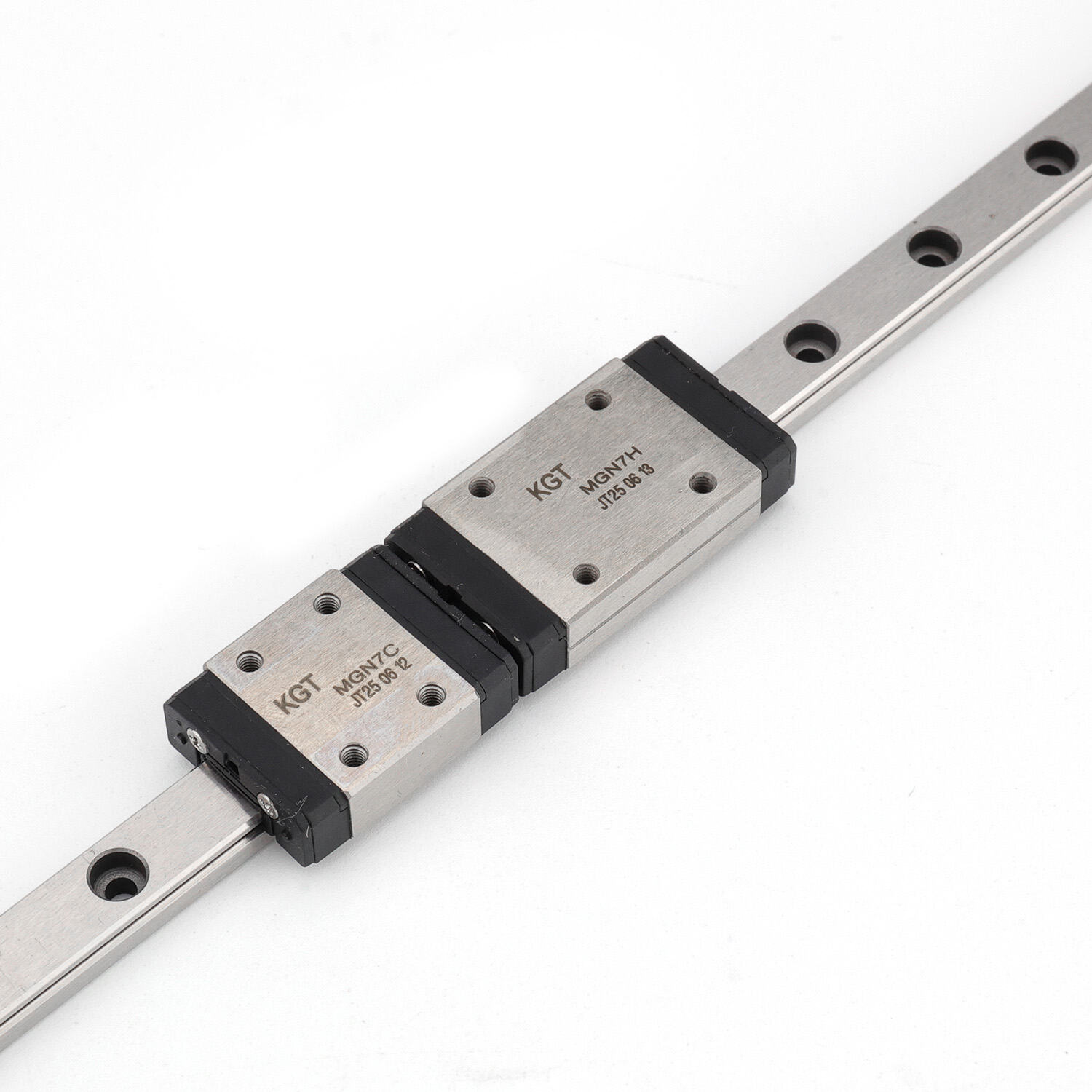
Unmatched Precision and Repeatability Performance
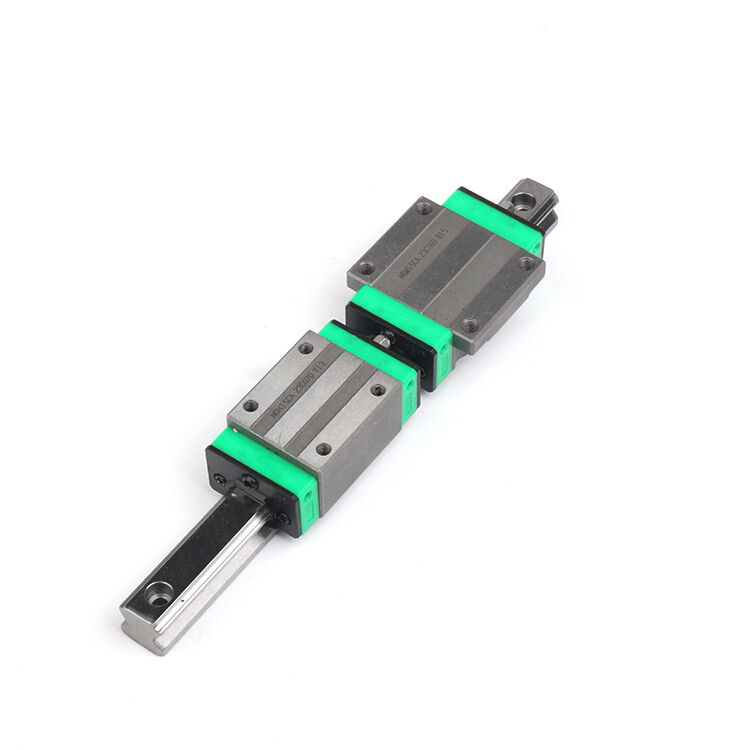
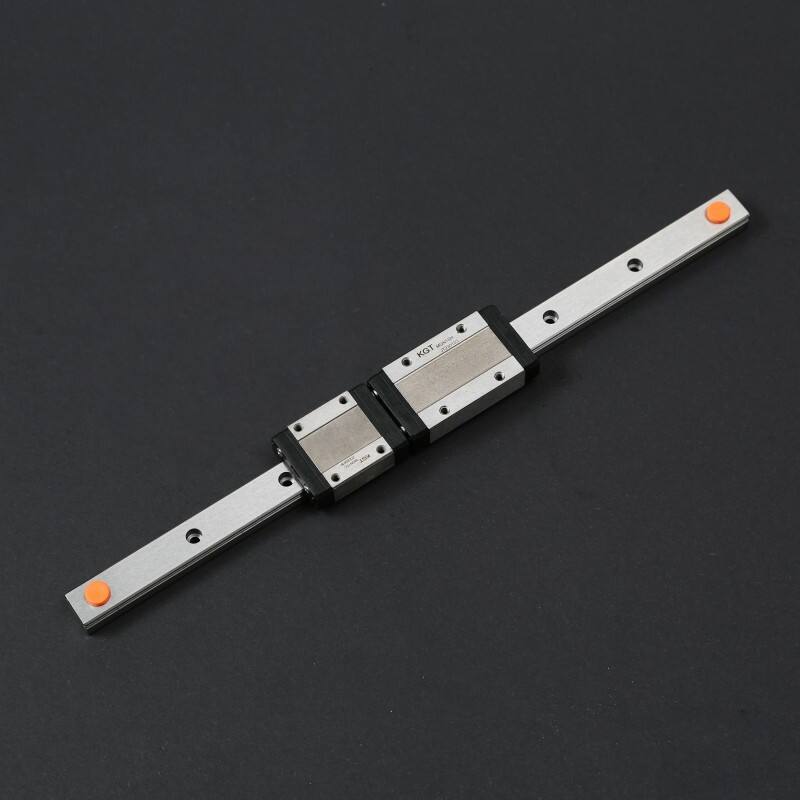
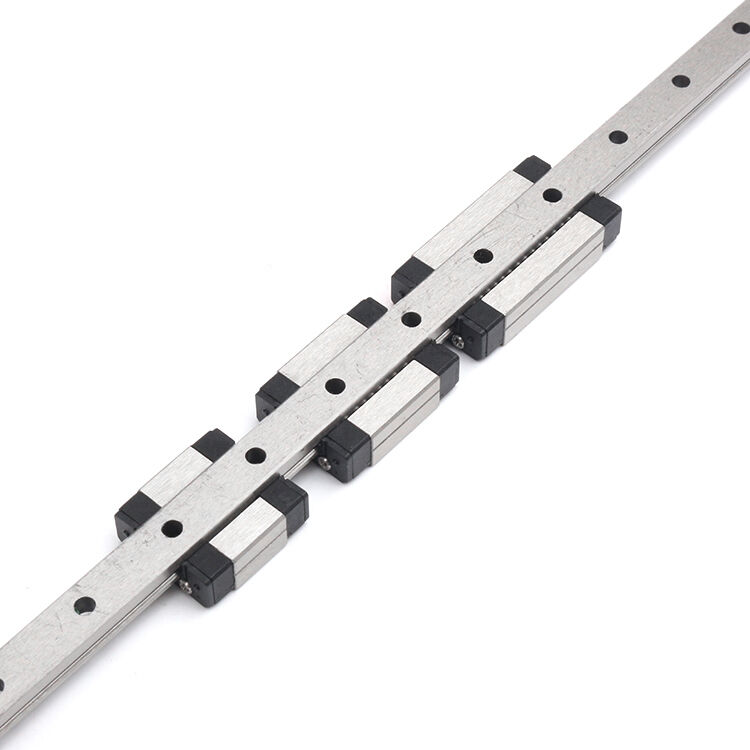
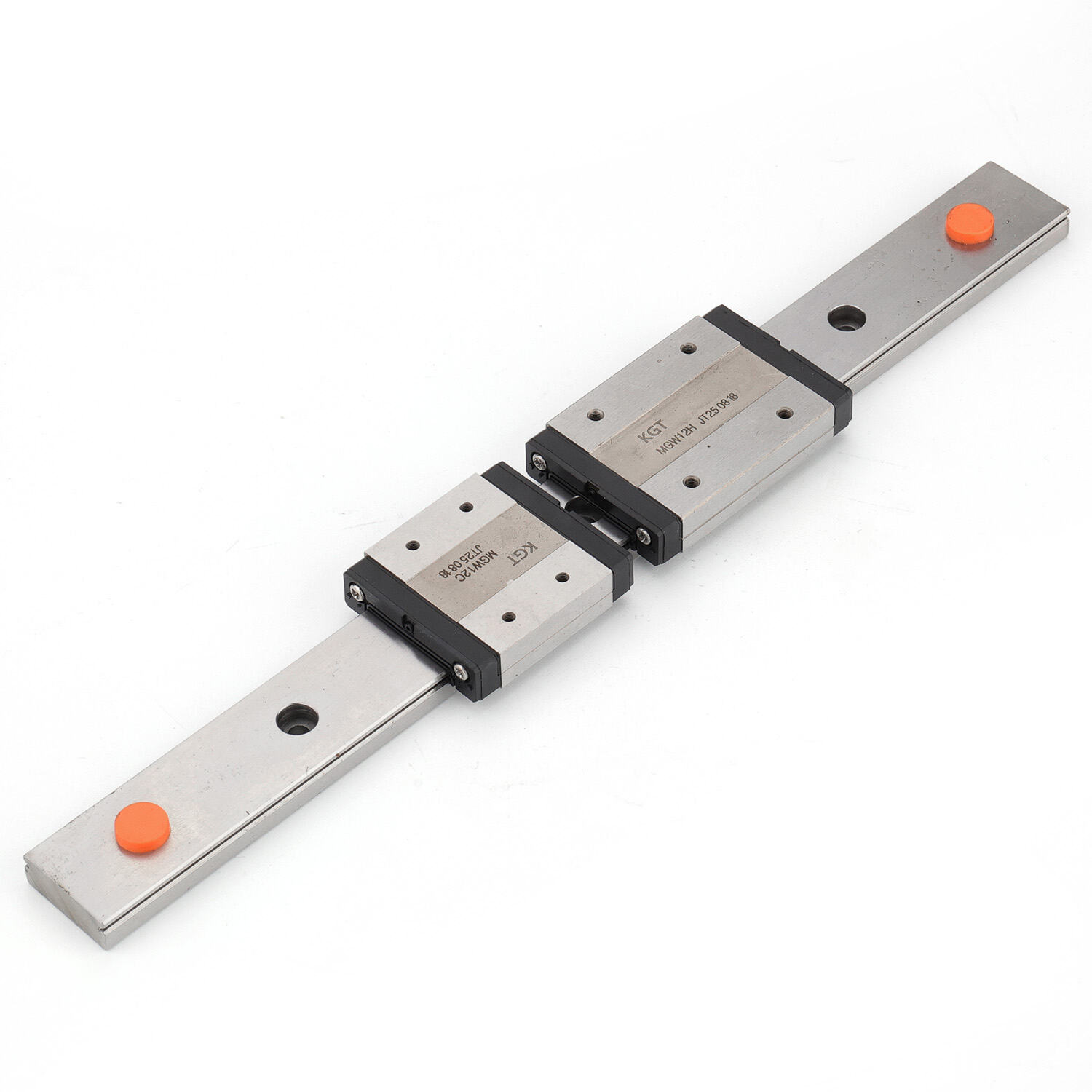
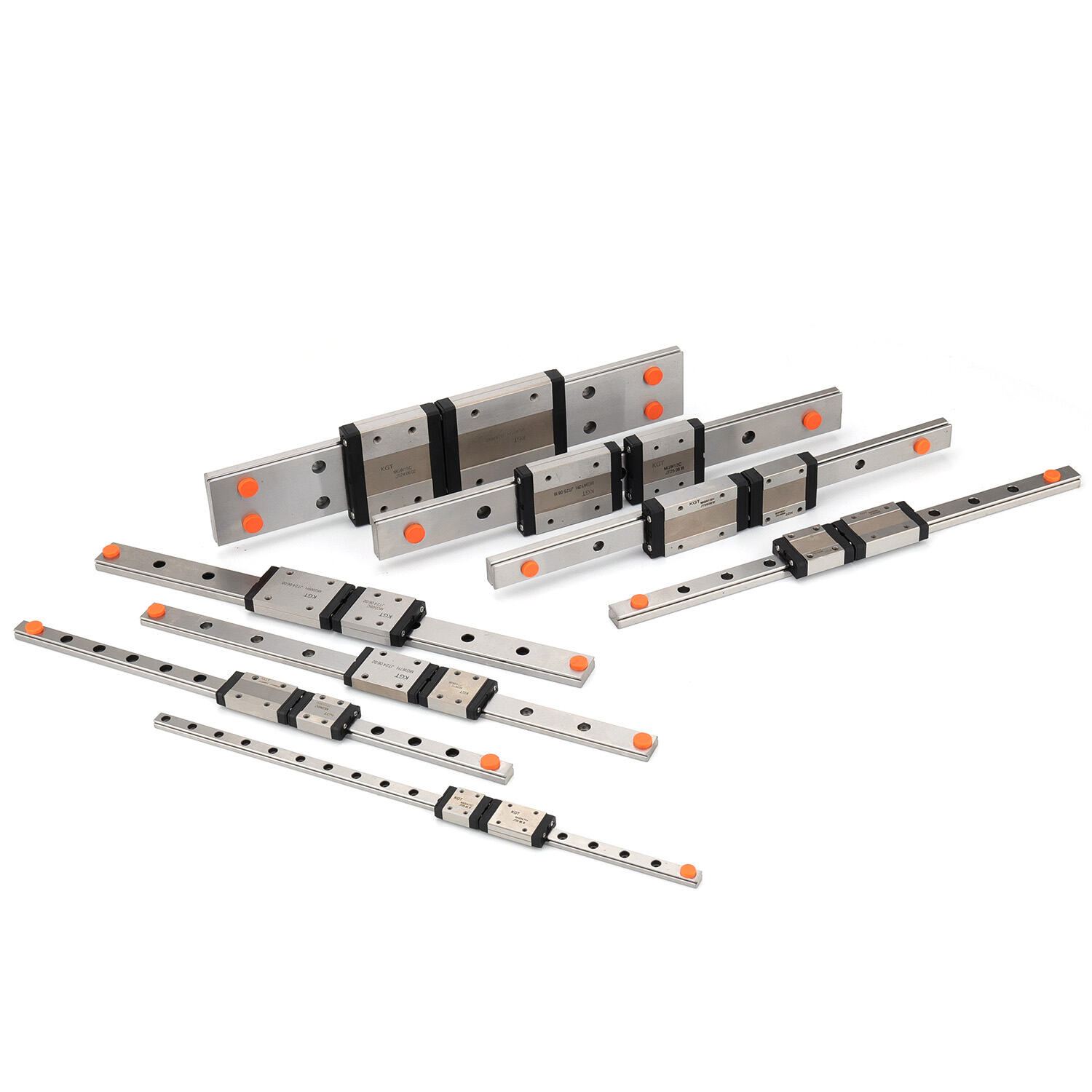
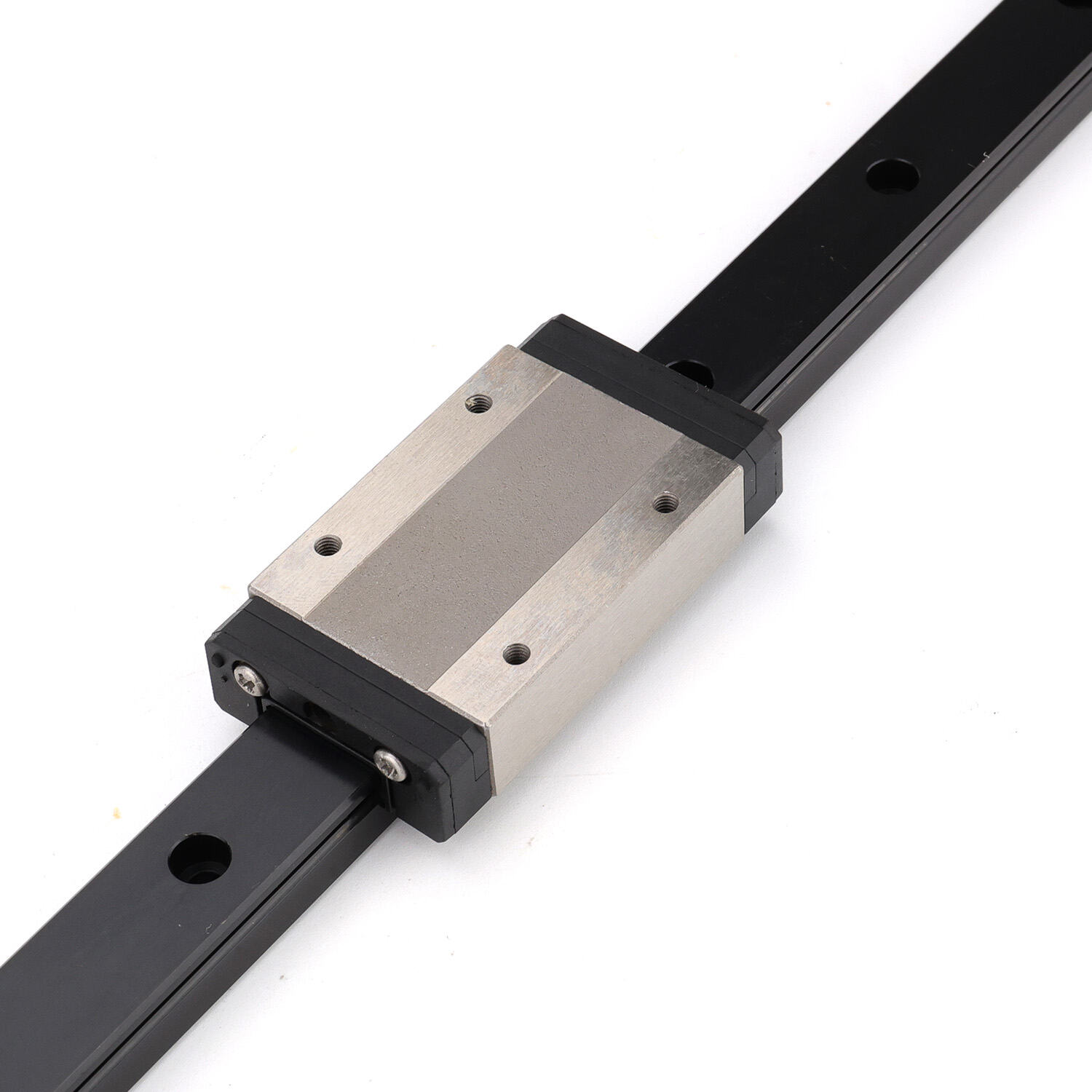
The precision engineering inherent in linear ball guide systems delivers positioning accuracy that consistently meets the most stringent industrial requirements. This exceptional precision stems from the carefully controlled manufacturing processes used to create both the rail and carriage components. Each rail undergoes precision grinding operations that achieve surface finishes measured in microinches, while maintaining straightness tolerances within extremely tight specifications. The ball bearings themselves are manufactured to Grade 10 precision standards, ensuring uniform size and sphericity that contributes to consistent motion characteristics. The four-point contact design distributes loads evenly across multiple bearing surfaces, eliminating the single-point contact issues that can cause premature wear and accuracy degradation. This precision directly benefits customers by enabling their equipment to produce higher quality products with reduced variation and fewer defects. Manufacturing processes that depend on accurate positioning, such as CNC machining, automated assembly, and precision measurement systems, experience significant improvements in output quality when utilizing linear ball guide technology. The repeatability aspect proves equally important, as the system returns to the exact same position cycle after cycle, ensuring consistent results in automated processes. This reliability reduces the need for frequent recalibration and adjustment procedures, saving valuable production time and labor costs. Quality control departments appreciate the consistent performance that eliminates variables in their measurement and testing procedures. The economic impact of this precision extends beyond immediate quality improvements, as consistent accuracy reduces warranty claims, customer returns, and reputation risks associated with variable product quality. Long-term studies demonstrate that machinery equipped with precision linear ball guides maintains accuracy levels significantly longer than alternative technologies, providing sustained value throughout the equipment lifecycle.

 EN
EN