Versatile Applications and Industry Integration
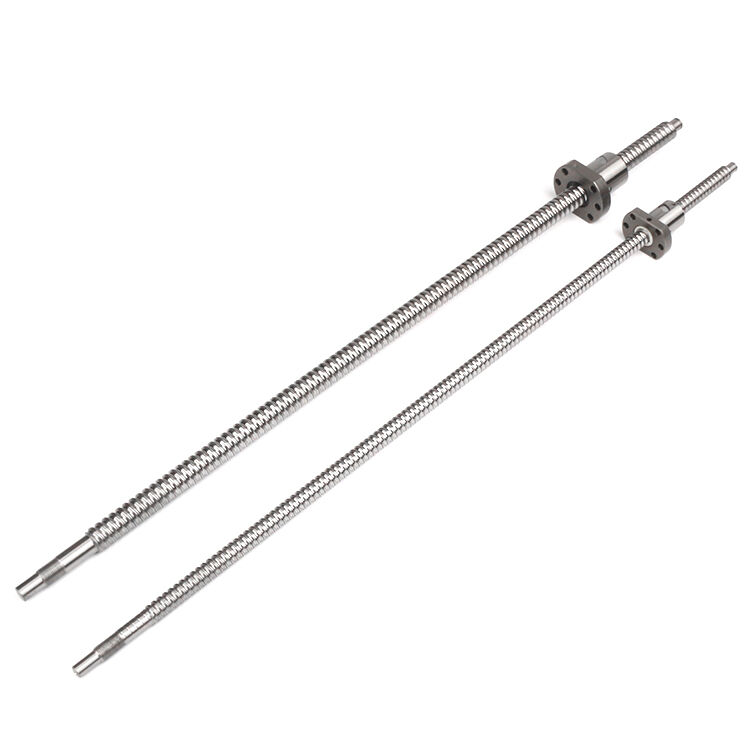
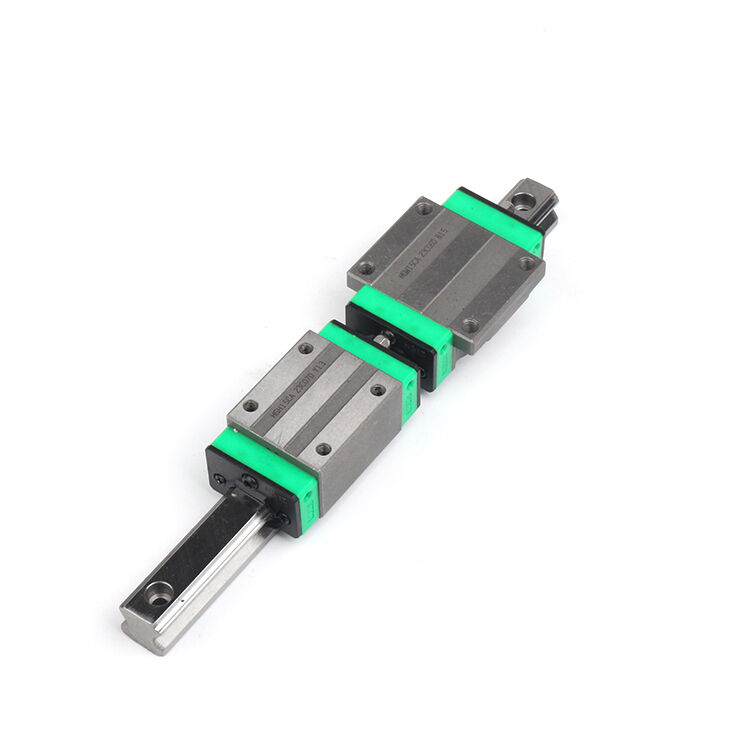
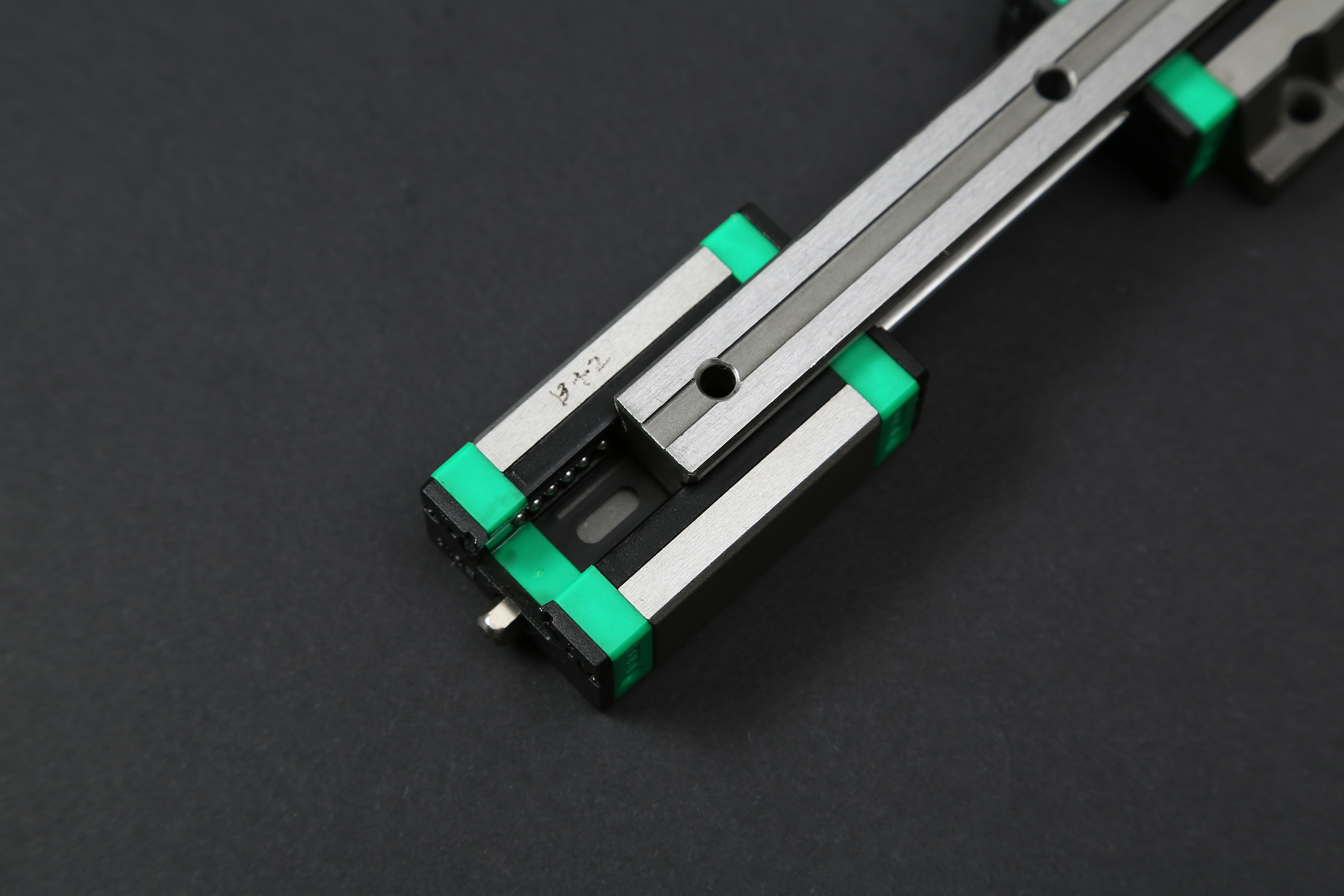
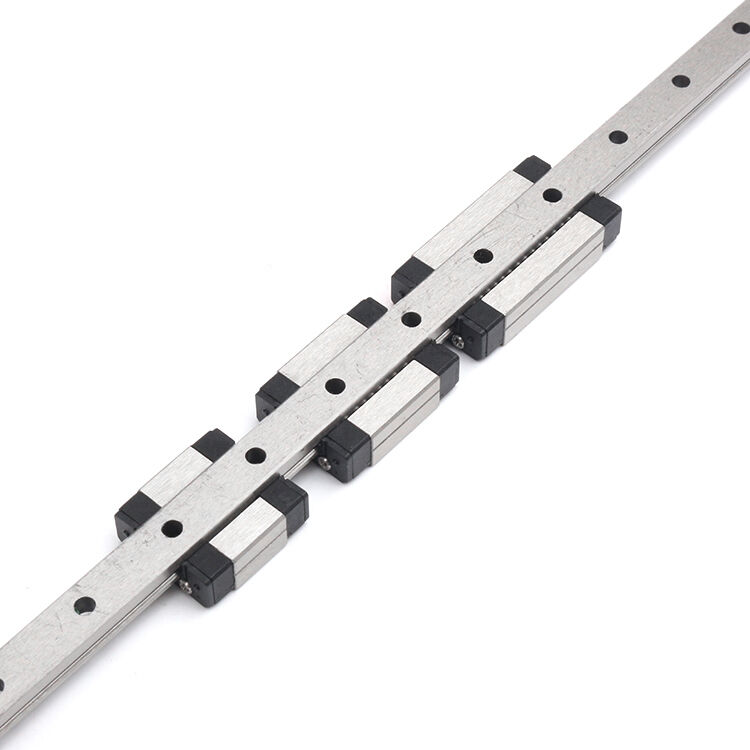
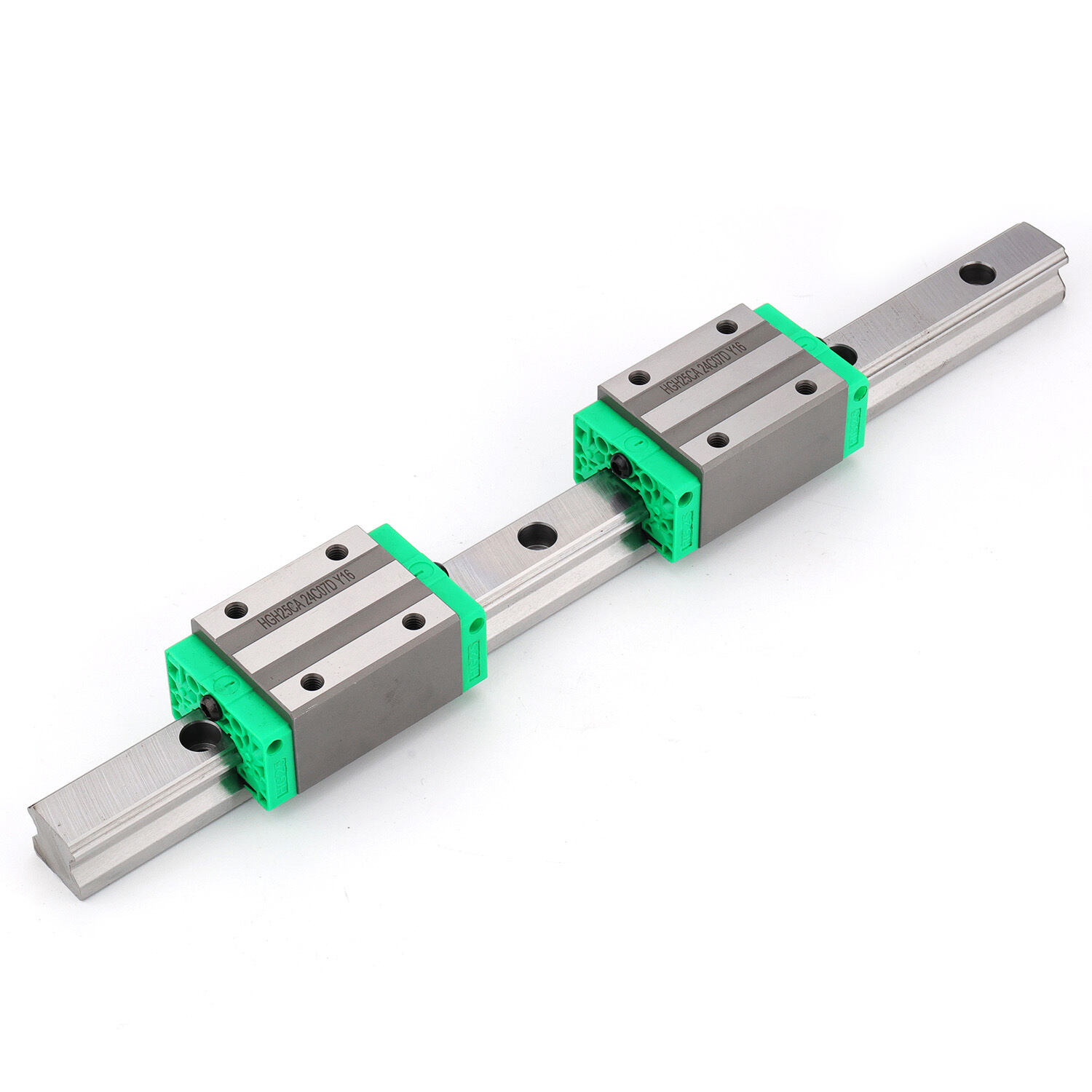
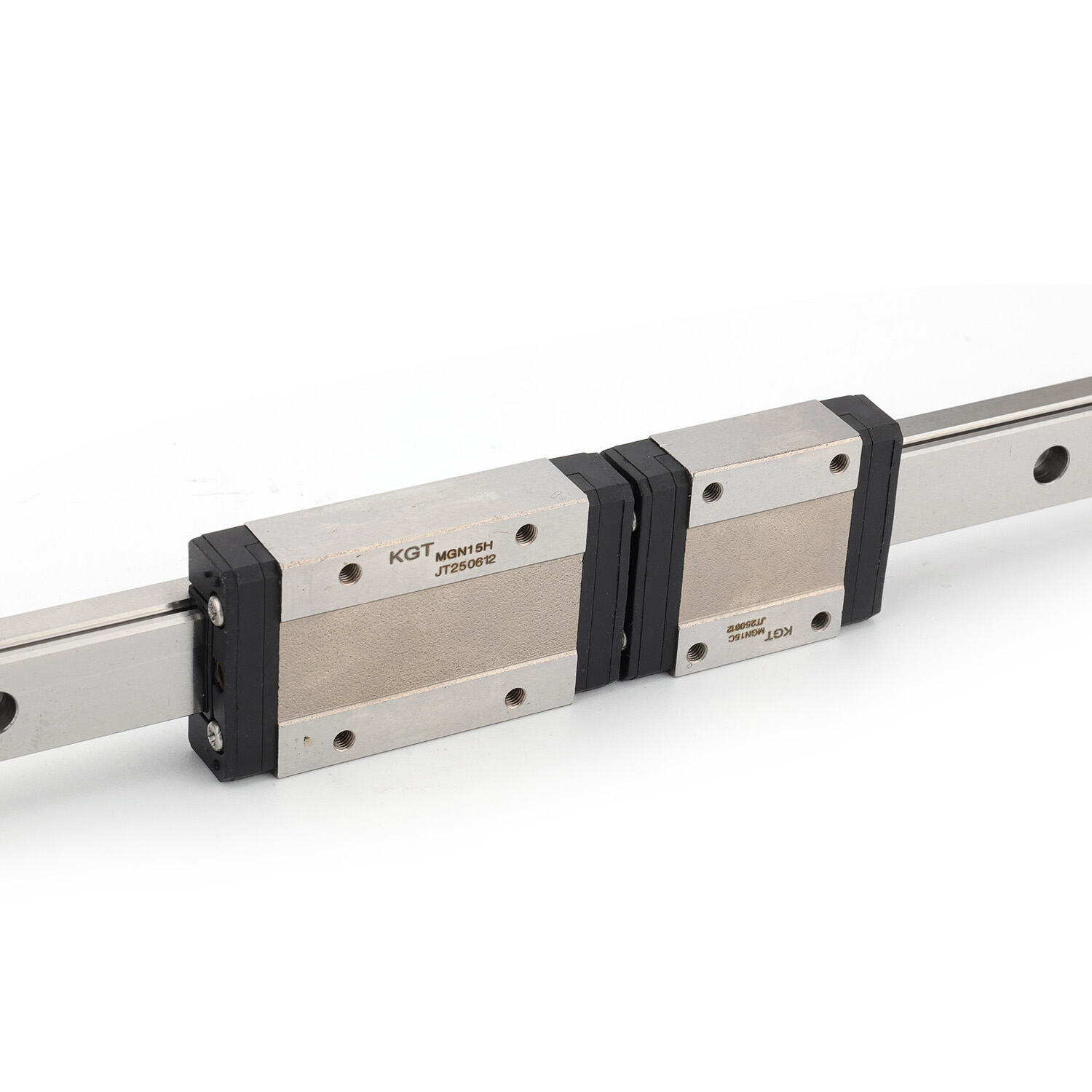
The versatility of heavy duty linear slide rails makes them indispensable components across a vast spectrum of industrial applications, demonstrating their adaptability to diverse operational requirements and environmental conditions. In manufacturing automation, these rails serve as the foundation for robotic systems, CNC machine tools, and automated assembly equipment where precise linear motion is essential for product quality and production efficiency. The aerospace industry relies on heavy duty linear slide rails for aircraft maintenance platforms, engine test stands, and satellite deployment mechanisms where failure is not an option and precision is paramount. Medical equipment manufacturers integrate these rails into CT scanners, MRI machines, and surgical robotics where patient safety depends on reliable, accurate motion control systems. The versatility extends to custom applications where standard solutions may not suffice, as heavy duty linear slide rails can be modified and configured to meet specific operational requirements. Mounting flexibility allows these rails to be installed in horizontal, vertical, or inverted orientations, making them suitable for diverse equipment layouts and space constraints. The modular nature of many heavy duty linear slide rail systems enables length customization through the connection of multiple rail sections, accommodating applications with extended travel requirements without compromising structural integrity or accuracy. Environmental adaptability represents another aspect of their versatility, with specialized versions available for cleanroom environments, corrosive atmospheres, and extreme temperature conditions. The ability to integrate with various drive mechanisms, including ball screws, belt drives, and pneumatic actuators, makes heavy duty linear slide rails compatible with different motion control architectures and performance requirements. Industry-specific certifications and approvals demonstrate the suitability of these rails for regulated environments such as food processing, pharmaceutical manufacturing, and nuclear facilities. The standardized interfaces and dimensions facilitate easy integration into existing equipment designs, reducing development time and engineering costs for new product implementations. This versatility ensures that heavy duty linear slide rails can adapt to evolving industrial needs while providing the reliability and performance characteristics demanded by modern manufacturing and automation systems.

 EN
EN