Linear Bearing Systems: Precision Motion Control Solutions for Industrial Applications

All Categories

Get a Free Quote

Our representative will contact you soon.
Email
Name
Company Name
Message
0/1000

linear bearing system

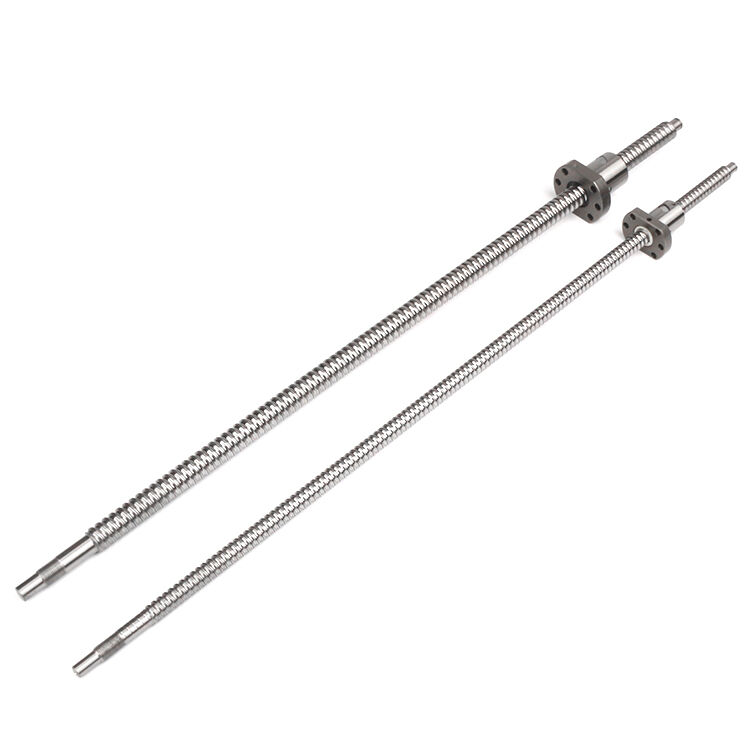
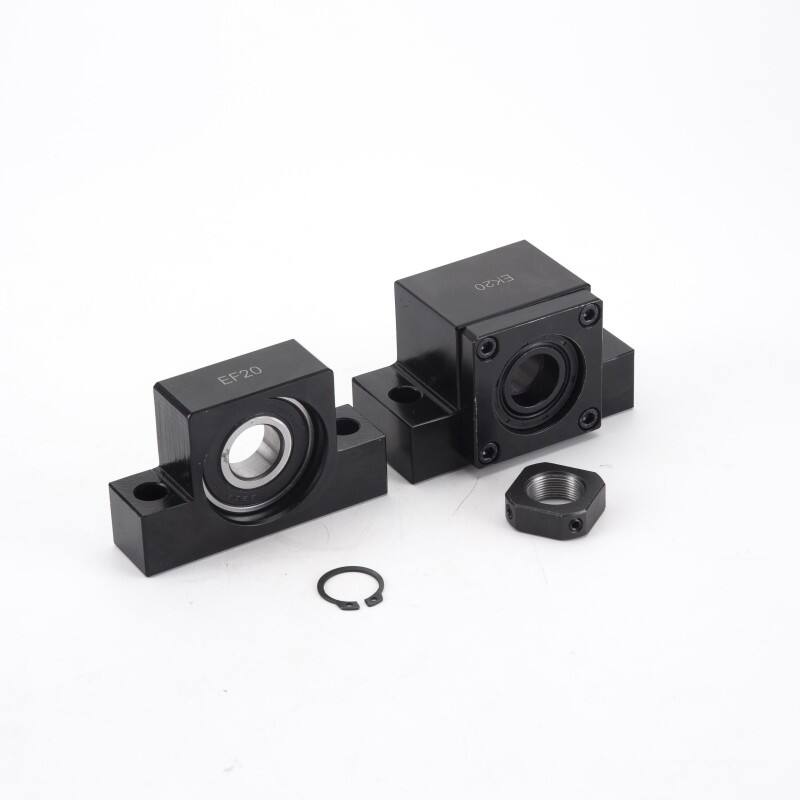
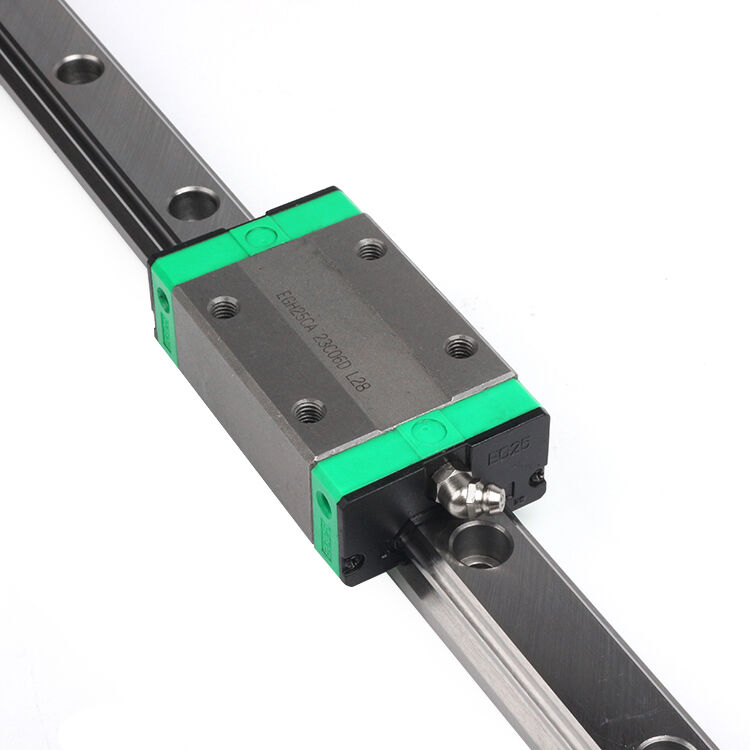
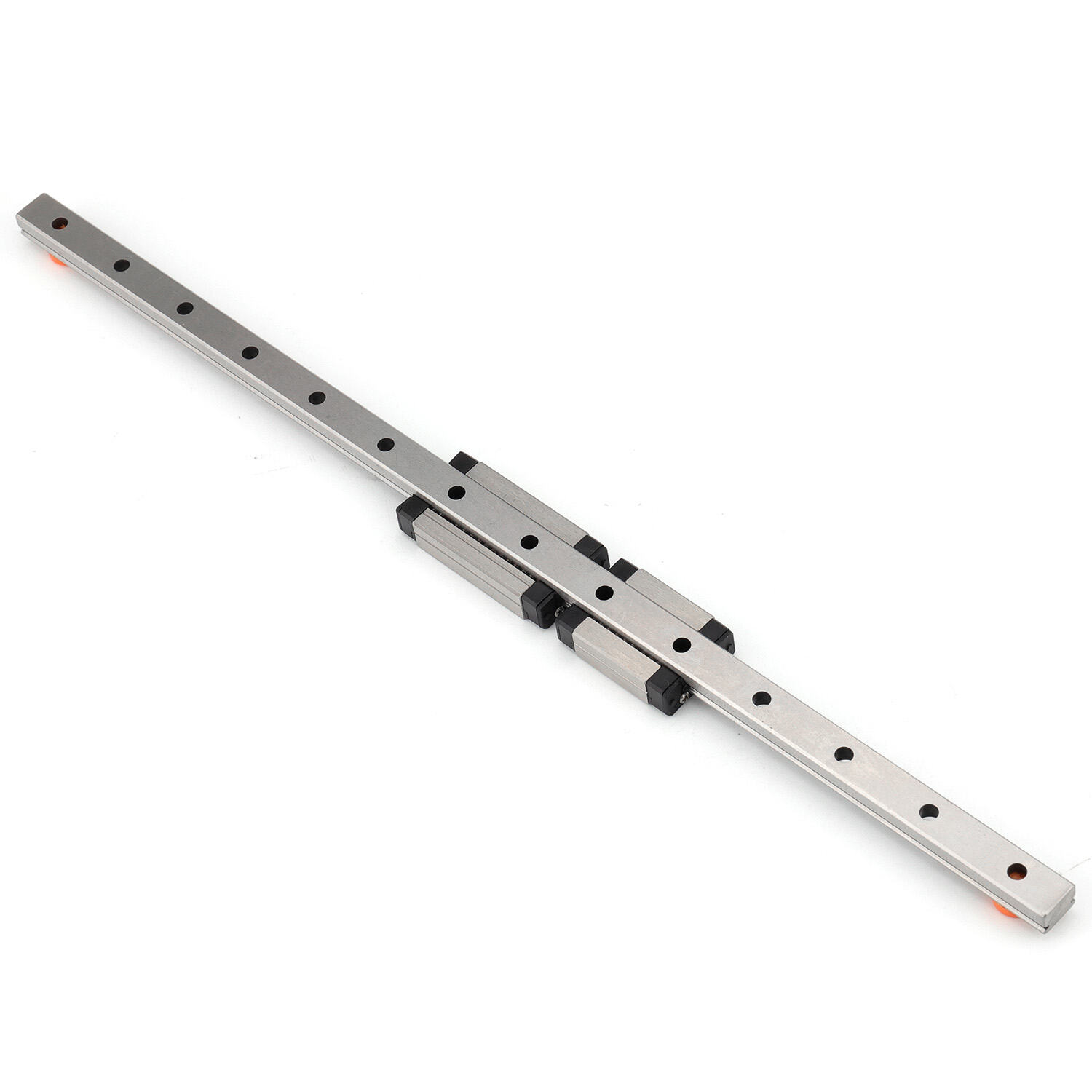
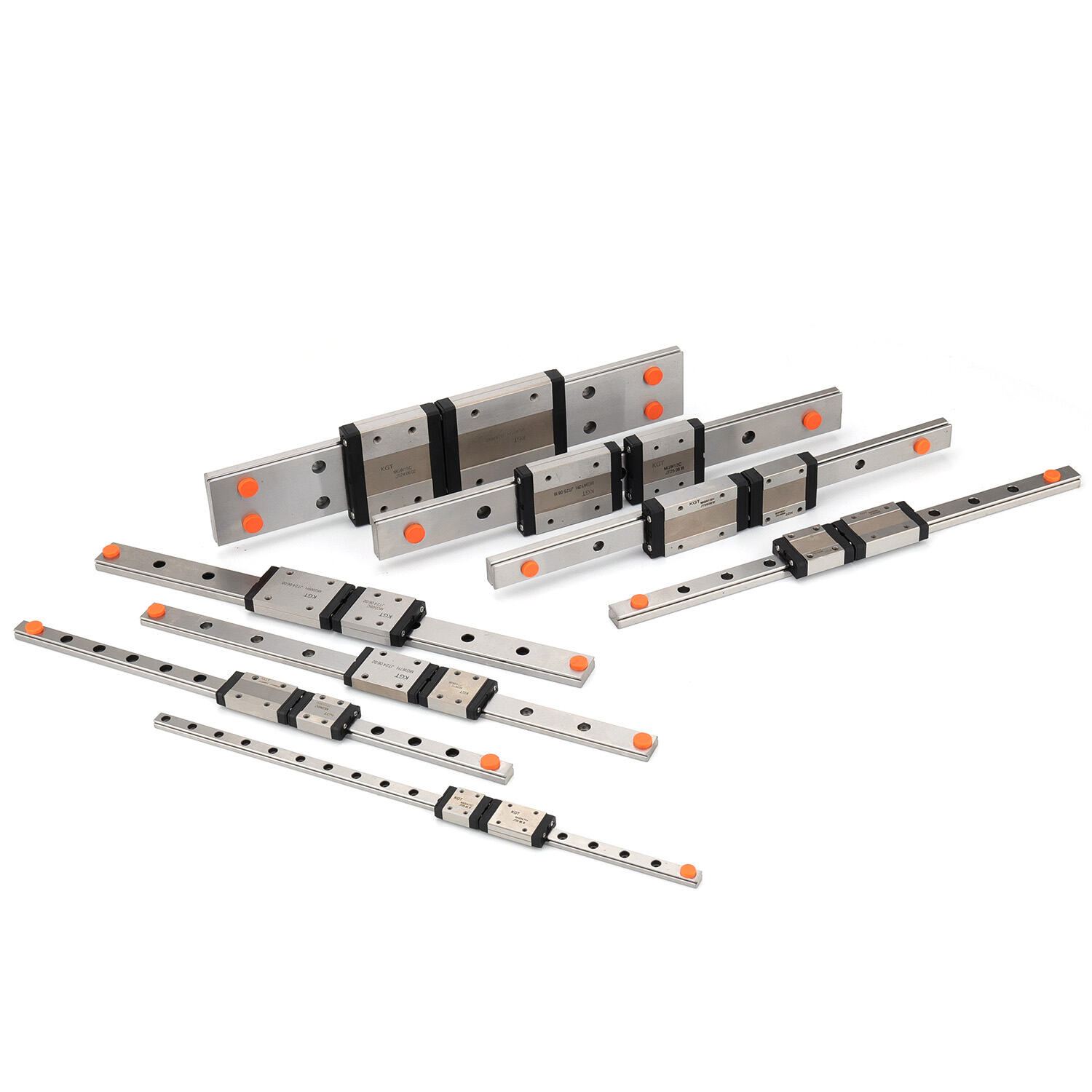
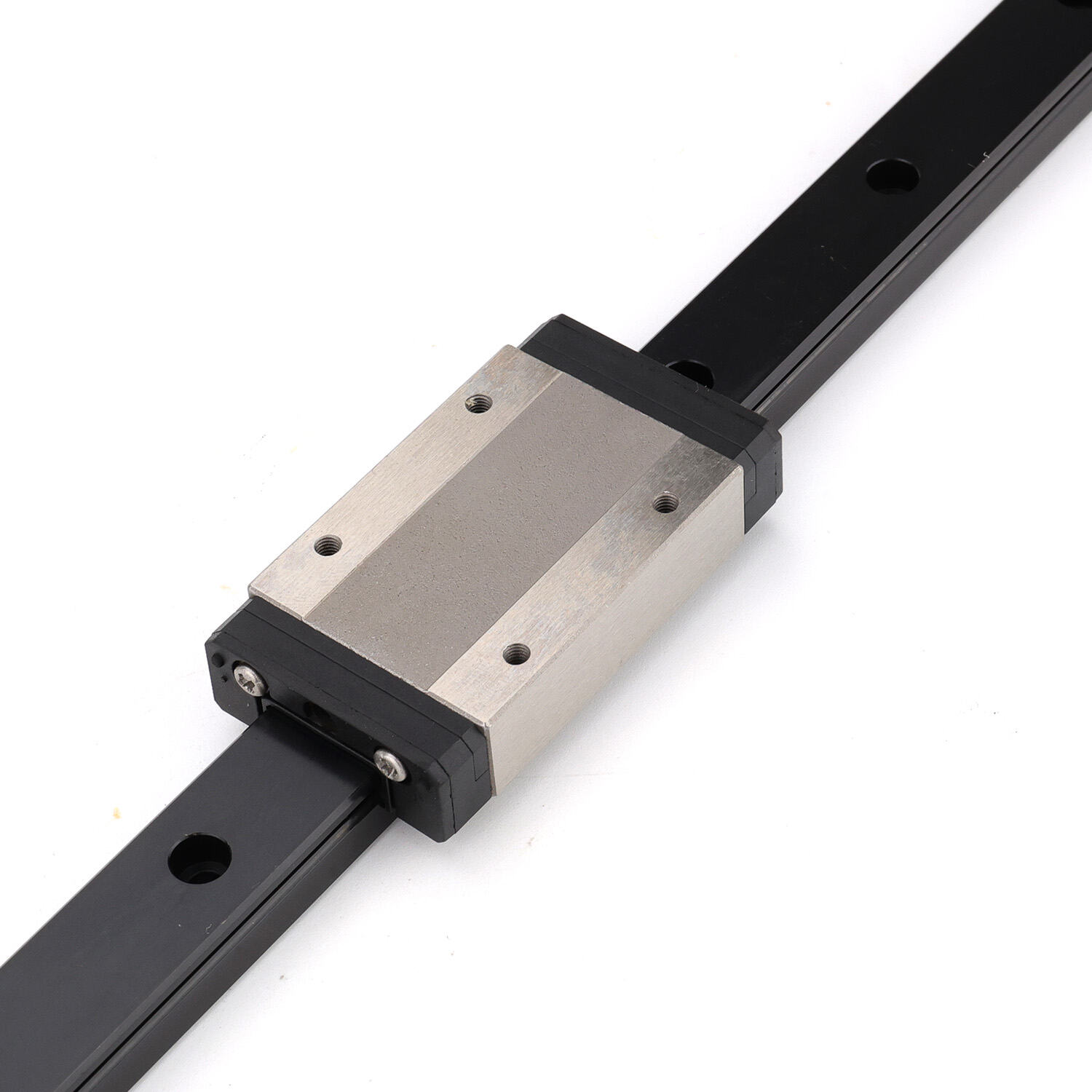
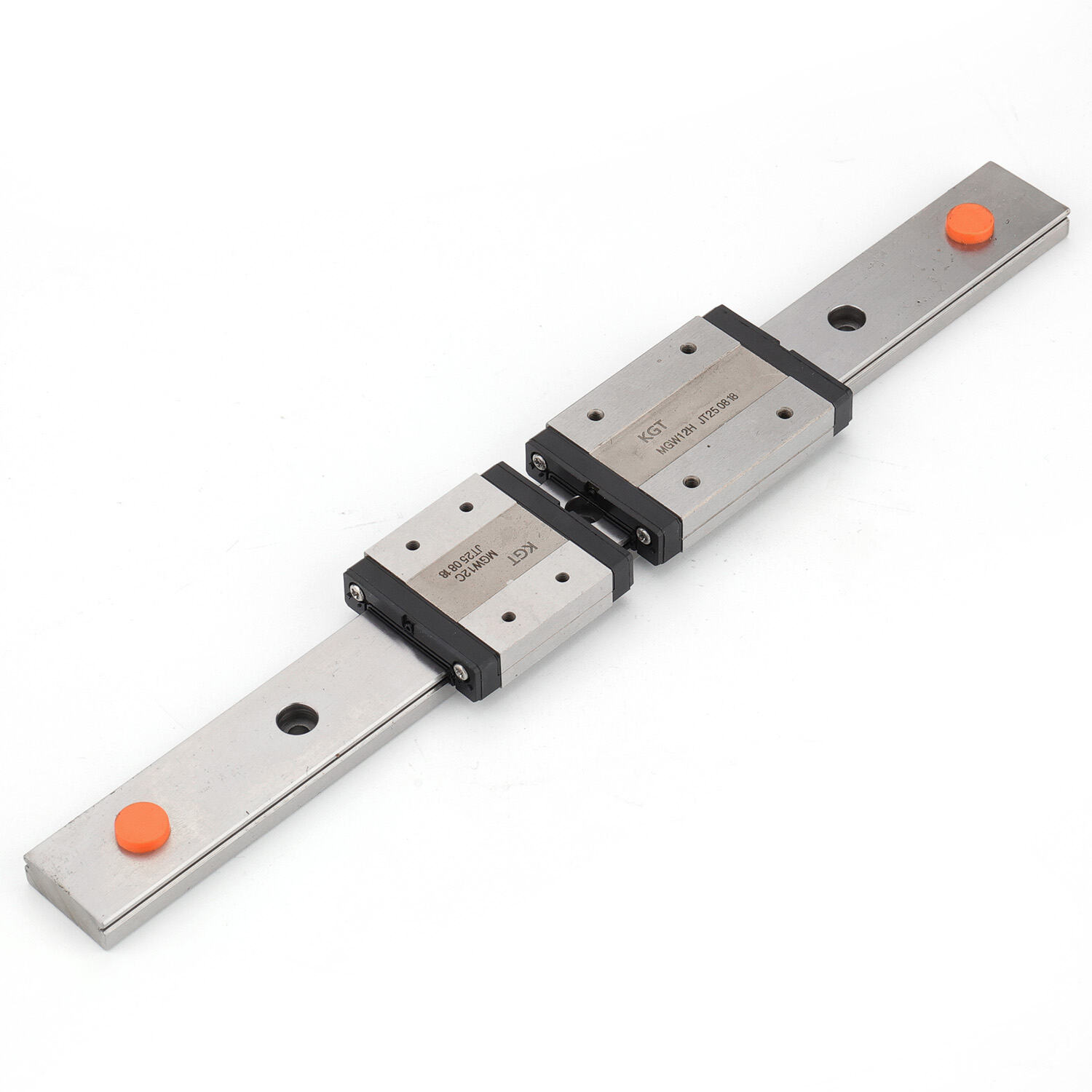
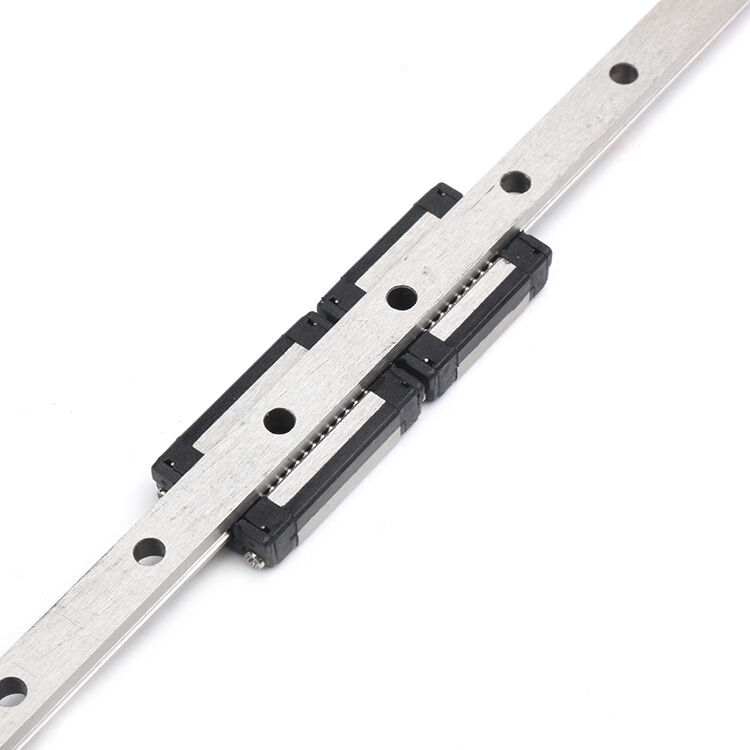
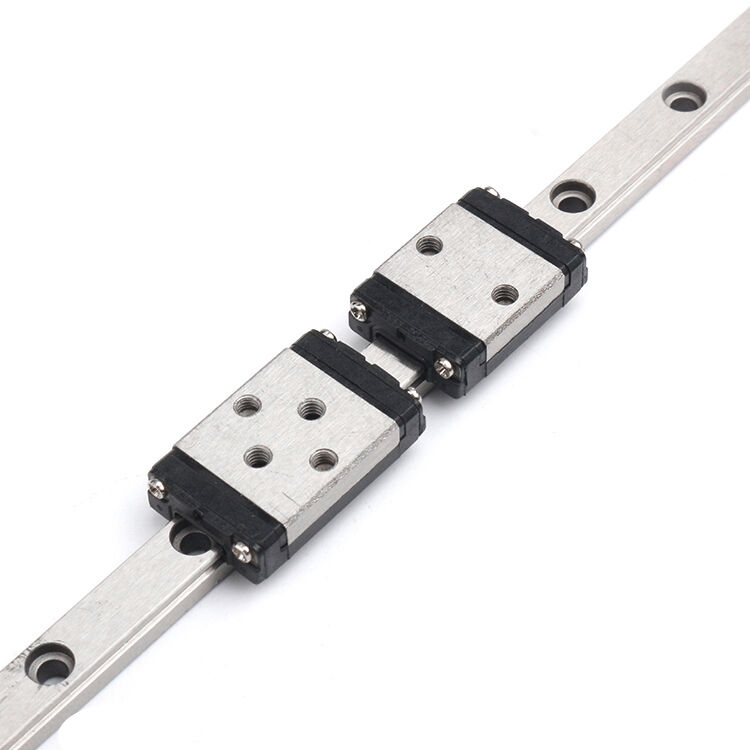
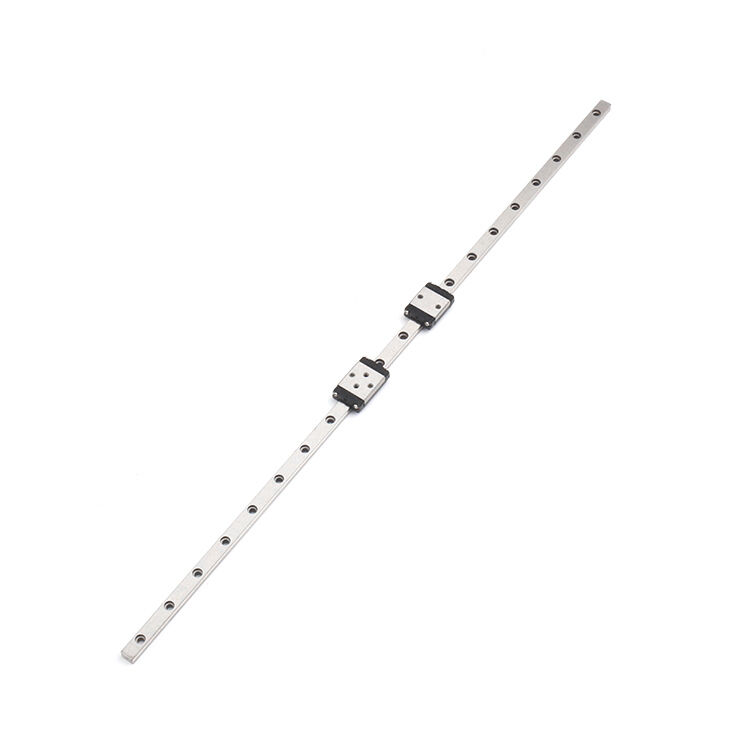
The linear bearing system represents a fundamental mechanical component designed to facilitate smooth, precise linear motion in countless industrial and commercial applications. This sophisticated system consists of ball bearings, roller bearings, or sliding elements that move along predetermined linear paths, enabling machinery and equipment to operate with exceptional accuracy and reliability. The linear bearing system serves as the backbone for automated manufacturing processes, precision machinery, and advanced technological equipment where controlled linear movement is essential. The primary function of a linear bearing system involves converting rotational motion into linear displacement while maintaining optimal load distribution and minimizing friction. These systems incorporate advanced engineering principles to ensure consistent performance across varying operational conditions. The technological features of modern linear bearing systems include corrosion-resistant materials, precision-machined surfaces, and integrated lubrication mechanisms that extend operational life and reduce maintenance requirements. Advanced linear bearing systems utilize high-grade steel components, specialized coatings, and innovative sealing technologies to withstand demanding industrial environments. The applications for linear bearing systems span numerous industries, including automotive manufacturing, aerospace engineering, medical equipment production, packaging machinery, and robotics. In manufacturing facilities, these systems enable precise positioning of cutting tools, automated assembly operations, and material handling processes. Medical equipment relies on linear bearing systems for accurate positioning in diagnostic imaging devices, surgical instruments, and laboratory automation. The aerospace industry utilizes these systems in aircraft control mechanisms, satellite positioning equipment, and ground support machinery. Modern linear bearing systems incorporate smart technologies such as integrated sensors, monitoring capabilities, and predictive maintenance features that enhance operational efficiency and reduce unexpected downtime.


New Products

Linear bearing systems deliver substantial benefits that directly impact operational efficiency and cost-effectiveness for businesses across multiple industries. These systems provide unmatched precision in positioning applications, enabling manufacturers to achieve tolerances measured in micrometers while maintaining consistent repeatability throughout extended production cycles. The precision capabilities of linear bearing systems translate into higher product quality, reduced waste, and improved customer satisfaction. Companies utilizing these systems experience significant reductions in manufacturing defects and rework costs. The durability advantage of linear bearing systems cannot be overstated, as properly maintained units can operate continuously for years without requiring major repairs or replacements. This longevity stems from advanced materials engineering and precision manufacturing techniques that create components capable of withstanding millions of operational cycles. The reduced maintenance requirements result in lower total cost of ownership and minimized production interruptions. Linear bearing systems excel in load-carrying capacity, supporting both radial and axial forces while maintaining smooth operation under demanding conditions. This capability enables engineers to design more compact machinery without sacrificing performance or reliability. The versatility of linear bearing systems allows for customization to meet specific application requirements, including specialized materials for corrosive environments, high-temperature applications, and cleanroom operations. Energy efficiency represents another significant advantage, as these systems minimize friction losses and reduce power consumption compared to alternative motion control solutions. Lower energy requirements translate into reduced operational costs and environmental benefits. The smooth operation characteristics of linear bearing systems contribute to noise reduction, creating more comfortable working environments and enabling operation in noise-sensitive applications. Installation and integration processes are streamlined through standardized mounting interfaces and comprehensive documentation, reducing setup time and minimizing installation errors. Technical support and readily available replacement parts ensure minimal downtime and simplified maintenance procedures. The scalability of linear bearing systems allows businesses to expand operations without requiring complete system redesigns, protecting initial investments while accommodating growth.

Practical Tips

What is a linear bearing and how does it work in 2026?

19

Jan

What is a linear bearing and how does it work in 2026?

A linear bearing represents one of the most fundamental mechanical components in modern industrial automation and precision machinery. These specialized devices enable smooth, controlled linear motion along a predetermined path, making them indispens...
View More
Handle Extreme Loads: Custom High-Capacity Linear Bearing Rail Assemblies with Durable Chrome Plating.

04

Feb

Handle Extreme Loads: Custom High-Capacity Linear Bearing Rail Assemblies with Durable Chrome Plating.

In today's demanding industrial environments, precision machinery requires reliable linear motion solutions that can withstand extreme loads while maintaining smooth operation. A linear bearing rail system serves as the backbone of countless automate...
View More
Source Smart for OEM Production: Cost-Effective Custom Slide Rails with Chrome or Nickel Plating.

20

Feb

Source Smart for OEM Production: Cost-Effective Custom Slide Rails with Chrome or Nickel Plating.

Modern manufacturing environments demand precision, reliability, and cost-effectiveness in every component selection. When it comes to linear motion systems, slide rails represent a critical infrastructure element that directly impacts production eff...
View More
What are linear guide rails and how do they work?

24

Apr

What are linear guide rails and how do they work?

Linear guide rails represent precision mechanical systems that enable smooth, controlled linear motion in countless industrial applications. These sophisticated components consist of a rail and carriage assembly that provides accurate positioning whi...
View More

Get a Free Quote

Our representative will contact you soon.
Email
Name
Company Name
Message
0/1000

linear bearing system

Exceptional Precision and Accuracy Control

Exceptional Precision and Accuracy Control

The precision engineering inherent in modern linear bearing systems represents a revolutionary advancement in motion control technology that fundamentally transforms manufacturing and automation processes. These systems achieve positioning accuracies measured in micrometers, enabling applications that demand the highest levels of precision control. The exceptional accuracy stems from advanced manufacturing techniques that create bearing components with tolerances measured in fractions of millimeters, ensuring consistent performance across millions of operational cycles. Engineers designing precision machinery rely on linear bearing systems to maintain exact positioning requirements essential for producing high-quality products in industries ranging from semiconductor manufacturing to medical device production. The accuracy control capabilities extend beyond simple positioning to include velocity regulation, acceleration profiles, and dynamic response characteristics that enable complex motion sequences. Advanced linear bearing systems incorporate feedback mechanisms that continuously monitor position and automatically correct for any deviations, ensuring sustained accuracy throughout extended operational periods. This precision capability eliminates the cumulative errors common in alternative motion systems, resulting in improved product consistency and reduced manufacturing defects. Quality control processes benefit significantly from the repeatable positioning accuracy provided by linear bearing systems, enabling automated inspection procedures and reducing human error factors. The precision advantages translate directly into competitive benefits for manufacturers, including improved product quality ratings, reduced warranty claims, and enhanced customer satisfaction levels. Research and development applications particularly benefit from the exceptional accuracy control, enabling precise experimental conditions and reliable data collection procedures. Medical equipment applications leverage this precision for life-critical procedures where accuracy directly impacts patient safety and treatment outcomes.
Superior Load Capacity and Structural Integrity

Superior Load Capacity and Structural Integrity

The load-bearing capabilities of advanced linear bearing systems represent a critical engineering achievement that enables the design and operation of heavy-duty industrial machinery while maintaining smooth, precise motion characteristics. These systems demonstrate exceptional strength-to-weight ratios, supporting substantial loads while minimizing the overall system mass and complexity. The structural integrity of linear bearing systems stems from advanced materials science and precision engineering techniques that create components capable of withstanding both static and dynamic loading conditions. Engineers can specify linear bearing systems for applications involving multi-ton loads without compromising motion accuracy or operational smoothness. The load distribution mechanisms inherent in these systems prevent stress concentrations that could lead to premature failure or reduced operational life. Multiple bearing elements work in coordination to share applied loads, ensuring balanced force distribution and minimizing individual component stress levels. The robust construction methods employed in manufacturing linear bearing systems include heat treatment processes, surface hardening techniques, and quality control procedures that verify load capacity specifications. Dynamic loading conditions present unique challenges that linear bearing systems address through sophisticated design features including shock absorption capabilities, vibration damping characteristics, and fatigue-resistant materials. Industrial applications benefit from the ability to operate under varying load conditions without requiring complex control systems or frequent maintenance procedures. The load capacity advantages enable equipment manufacturers to design more compact machinery while maintaining or improving performance specifications. Construction and material handling equipment particularly benefit from the superior load capacity, enabling efficient operation in demanding environments while reducing overall system complexity and maintenance requirements.
Exceptional Durability and Extended Operational Life

Exceptional Durability and Extended Operational Life

The durability characteristics of modern linear bearing systems represent a fundamental advantage that directly impacts operational costs, maintenance schedules, and overall system reliability throughout extended service periods. These systems incorporate advanced materials engineering, including specialized steel alloys, ceramic components, and protective coatings that resist wear, corrosion, and environmental degradation. The extended operational life results from precision manufacturing processes that create bearing surfaces with exceptional smoothness and dimensional stability, minimizing friction and wear mechanisms that typically limit system longevity. Proper lubrication systems integrated within linear bearing designs ensure consistent performance while reducing maintenance requirements and extending replacement intervals. The durability advantage becomes particularly evident in demanding industrial environments where equipment operates continuously under challenging conditions including temperature extremes, contamination exposure, and varying load conditions. Quality assurance procedures during manufacturing include extensive testing protocols that verify durability specifications and identify potential failure modes before products reach operational environments. Preventive maintenance programs designed specifically for linear bearing systems enable predictable replacement schedules and minimize unexpected downtime incidents. The materials science advances incorporated into modern linear bearing systems include corrosion-resistant treatments, self-lubricating components, and protective sealing mechanisms that extend operational life in harsh environments. Cost-benefit analyses consistently demonstrate that the superior durability of linear bearing systems results in lower total ownership costs compared to alternative motion control solutions. The reliability factors associated with extended operational life enable manufacturers to offer comprehensive warranties and performance guarantees that provide customer confidence and competitive advantages. Research and development efforts continue to advance durability characteristics through innovative materials, improved manufacturing techniques, and enhanced design methodologies that further extend operational life expectations.
Linear Bearing Systems: Precision Motion Control Solutions for Industrial Applications

Get a Free Quote

Our representative will contact you soon.
Email
Name
Company Name
Message
0/1000