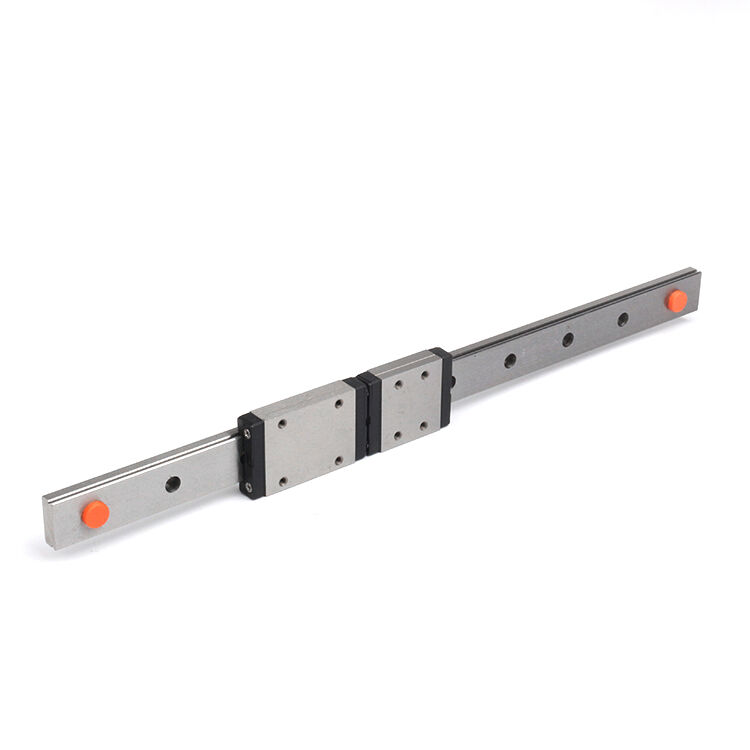
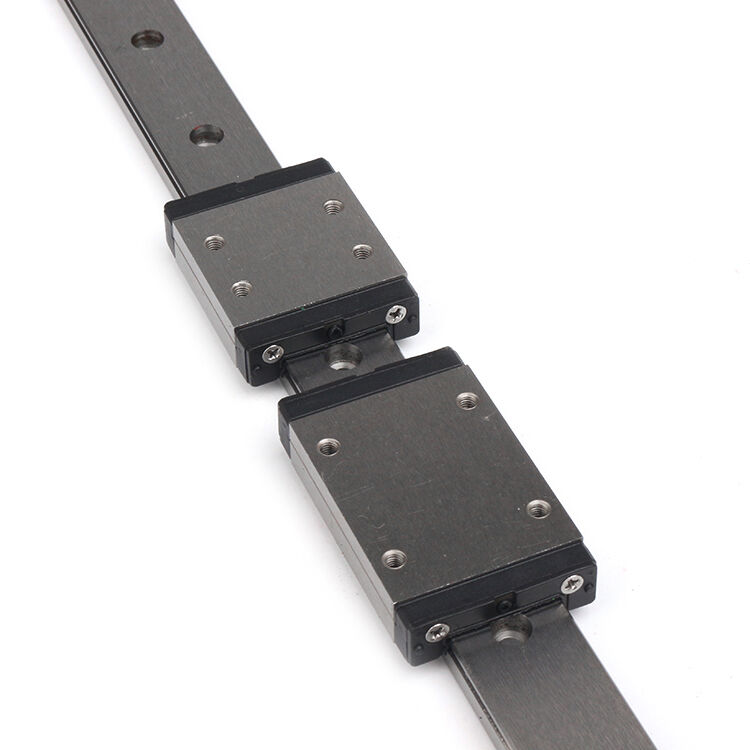
Premium Linear Roller Guides - High-Precision Motion Control Solutions for Industrial Applications

All Categories

Get a Free Quote

Our representative will contact you soon.
Email
Name
Company Name
Message
0/1000

linear roller guides

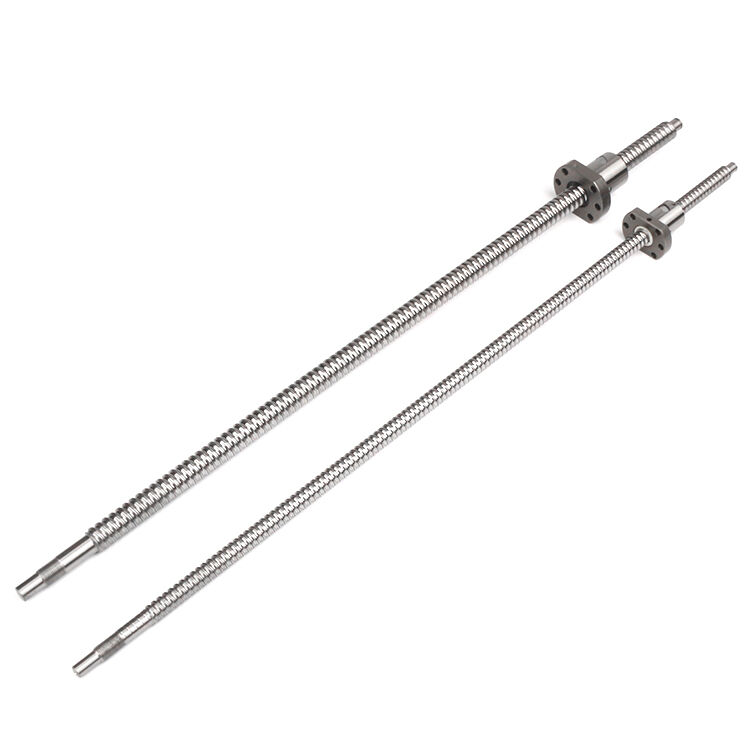
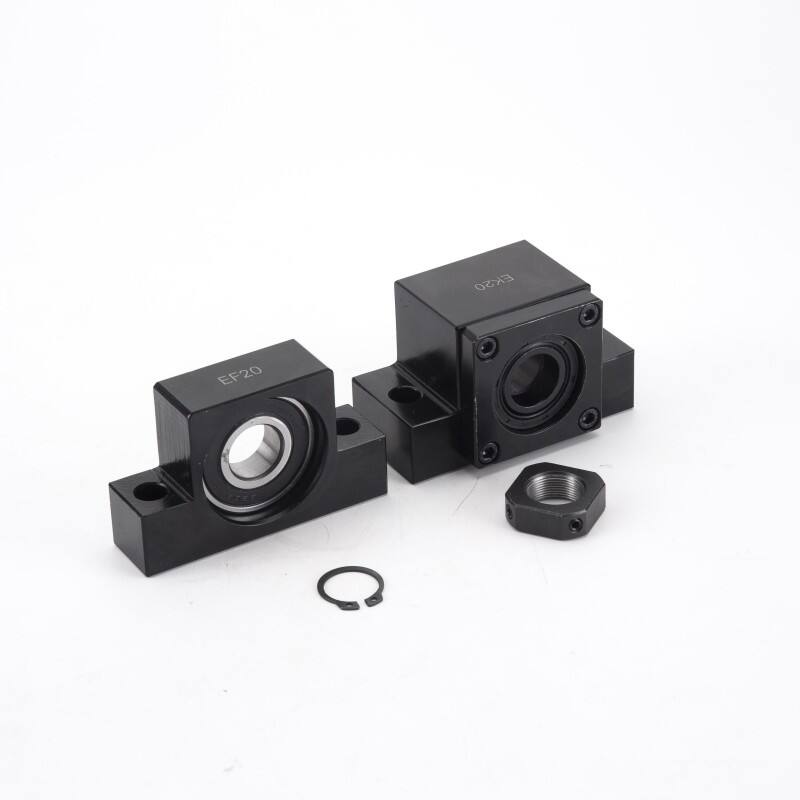
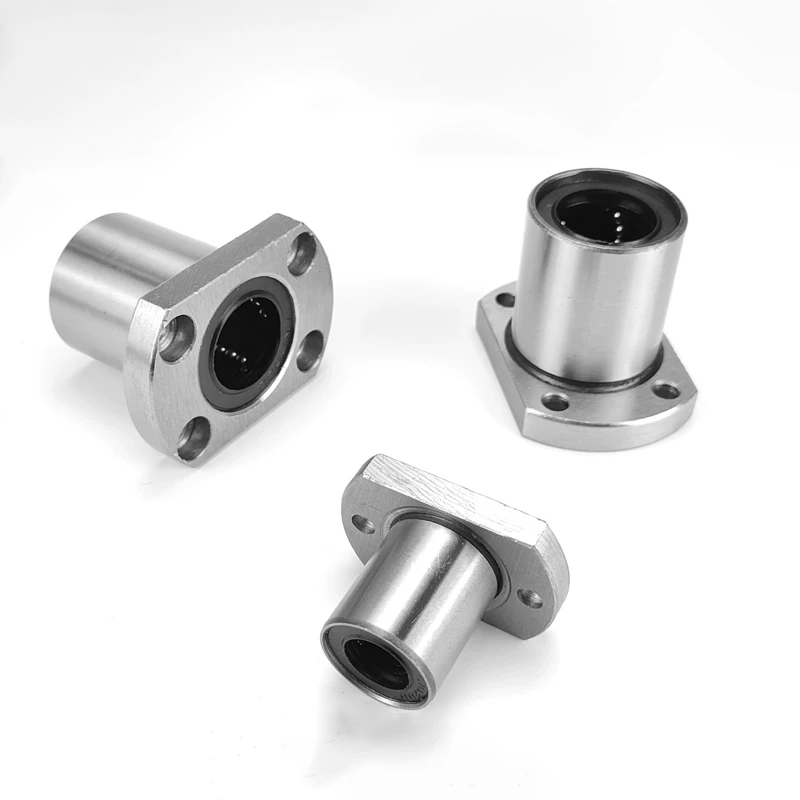
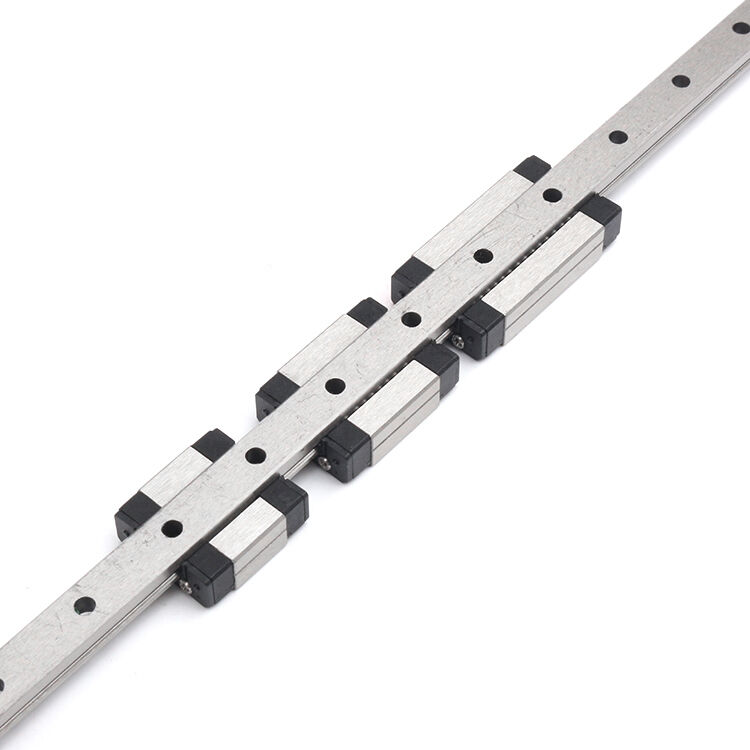
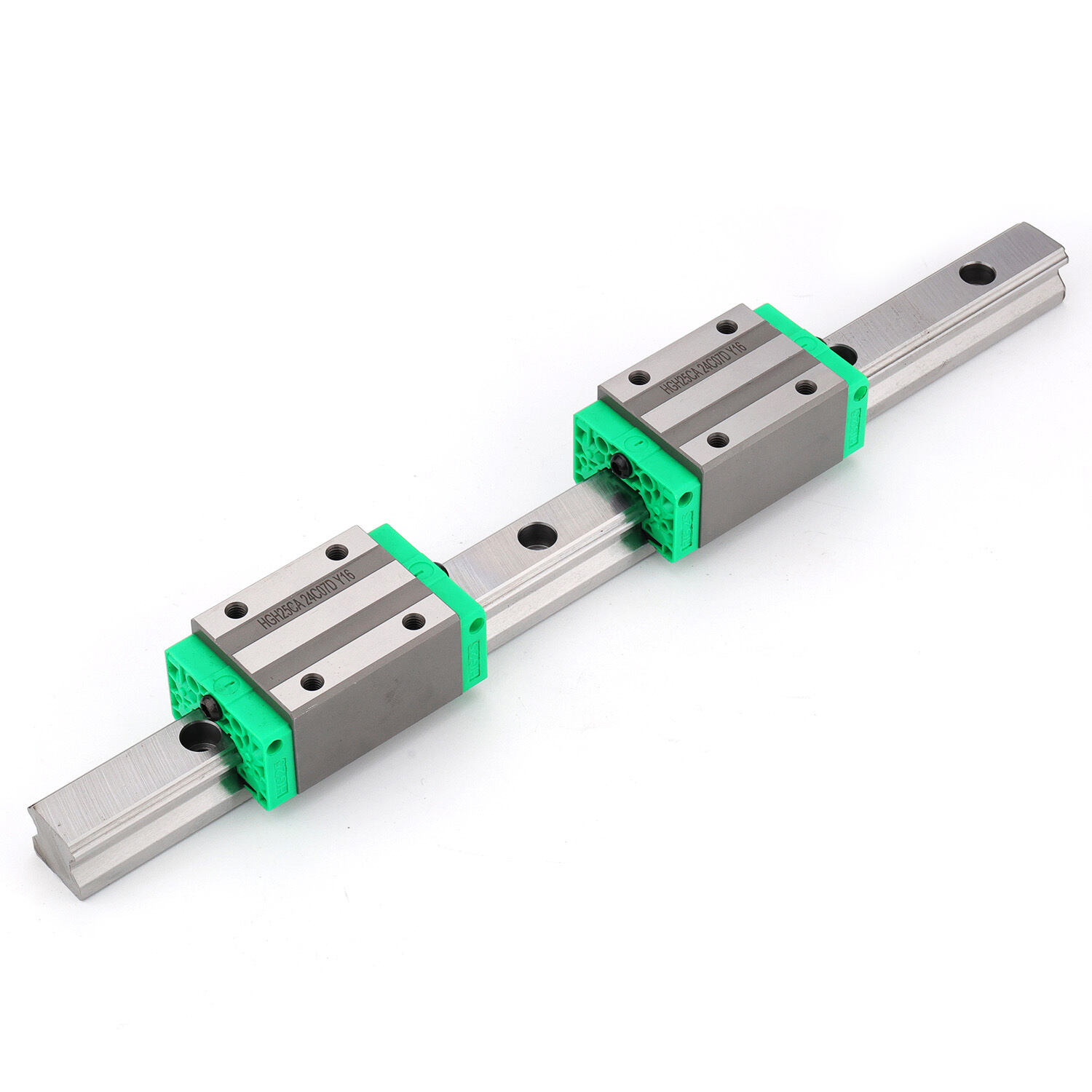
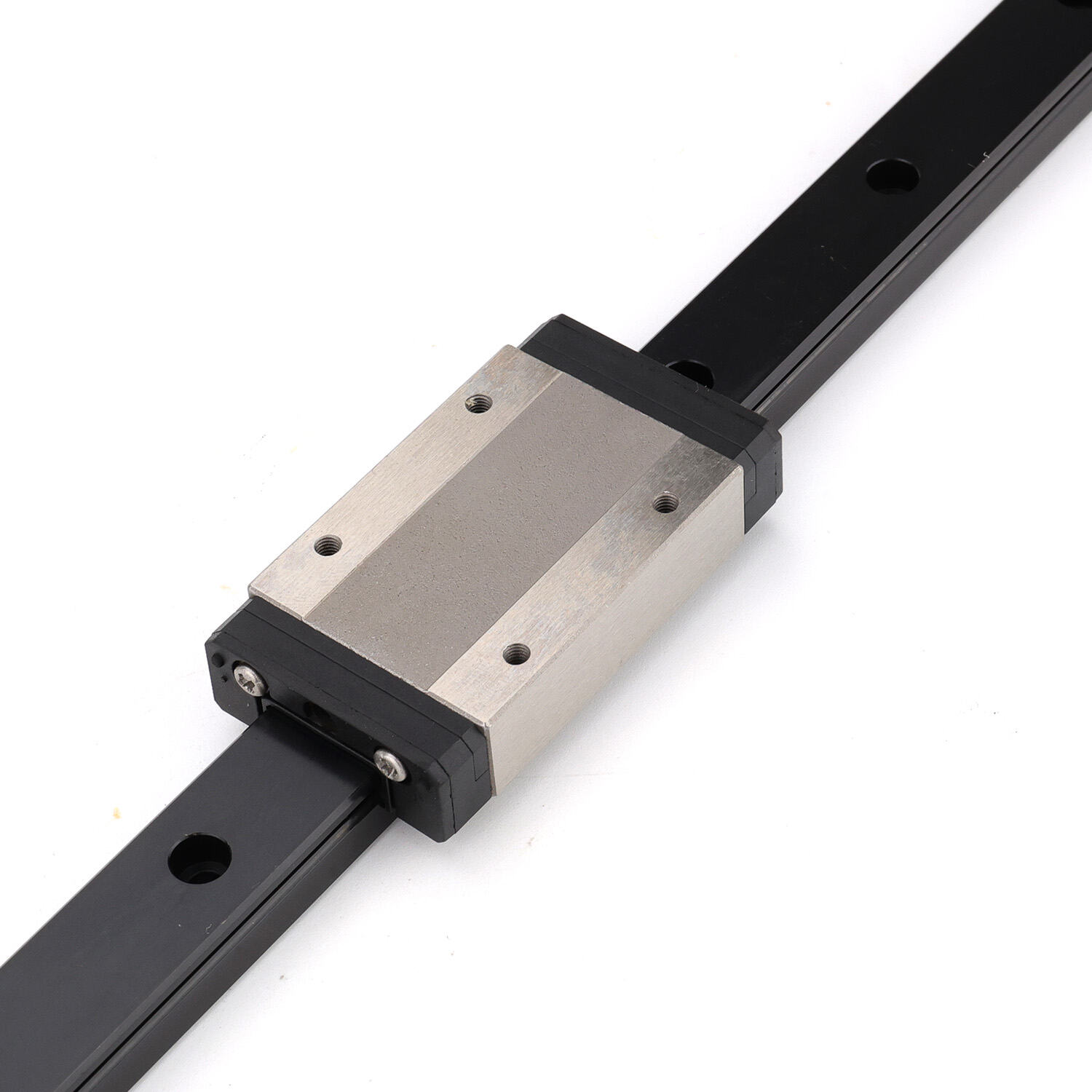
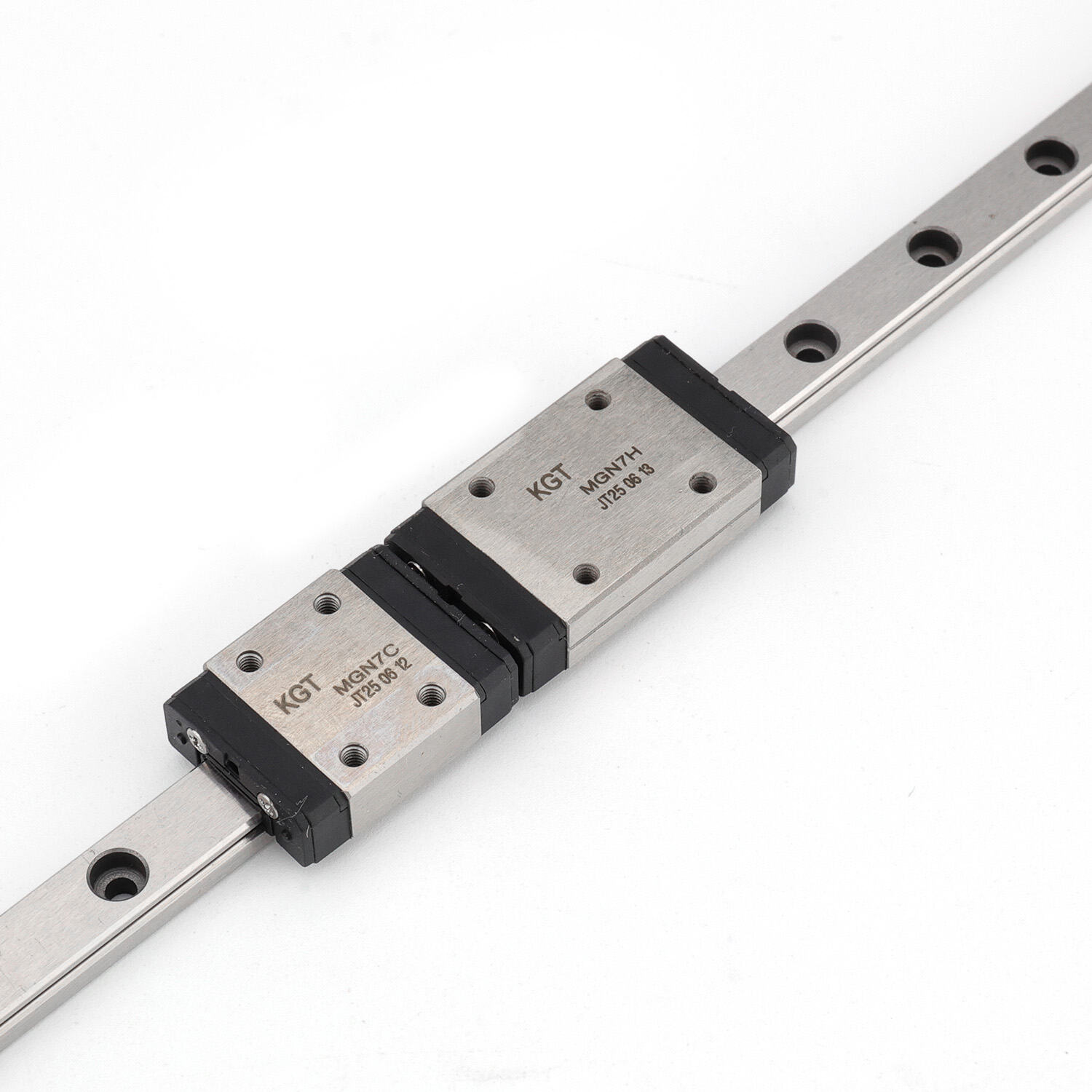
Linear roller guides represent a fundamental component in modern industrial automation and precision engineering systems. These sophisticated mechanical assemblies provide controlled linear motion by utilizing rolling elements that move along precisely machined raceways. The primary function of linear roller guides centers on facilitating smooth, accurate movement in a single direction while supporting substantial loads across multiple axes. Unlike traditional sliding bearings, these systems employ cylindrical or needle rollers that reduce friction dramatically, enabling superior performance in demanding applications. The technological foundation of linear roller guides rests on advanced metallurgy and precision manufacturing techniques. Each guide consists of a hardened steel rail paired with a carriage containing multiple roller assemblies. The rollers maintain contact with the rail through carefully engineered contact angles, distributing loads evenly across the entire system. This design methodology ensures exceptional rigidity and longevity under continuous operation. Manufacturing processes involve stringent quality control measures, including precision grinding of raceways to achieve surface finishes measured in micrometers. Heat treatment procedures enhance material properties, creating surfaces that resist wear and maintain dimensional stability across temperature variations. The applications for linear roller guides span numerous industries where precision motion control proves essential. Manufacturing equipment utilizes these systems in CNC machinery, where maintaining exact positioning determines product quality. Automated assembly lines depend on linear roller guides for conveyor systems and robotic positioning mechanisms. Medical device manufacturing employs these components in laboratory equipment and diagnostic machinery requiring exceptional accuracy. Aerospace applications leverage their reliability in testing equipment and manufacturing fixtures. Additionally, packaging machinery, printing equipment, and semiconductor manufacturing tools integrate linear roller guides to achieve the precise movements necessary for their specialized operations.

New Product Releases

Linear roller guides deliver exceptional performance benefits that significantly enhance operational efficiency across industrial applications. The most notable advantage stems from their superior load-carrying capacity, which surpasses traditional linear bearing systems by substantial margins. This enhanced load capability allows equipment designers to create more compact, efficient machinery while maintaining structural integrity under demanding conditions. The rolling contact mechanism inherently reduces friction coefficients compared to sliding alternatives, resulting in smoother operation and reduced energy consumption throughout the system lifecycle. Maintenance requirements for linear roller guides remain minimal due to their robust construction and self-contained lubrication systems. Many modern designs incorporate sealed housings that protect internal components from contamination while retaining lubricants for extended periods. This design philosophy translates into reduced downtime and lower operational costs for end users. The precision characteristics of linear roller guides enable positioning accuracies measured in micrometers, making them ideal for applications requiring exact repeatability. This precision remains consistent across millions of operational cycles, ensuring long-term reliability in critical manufacturing processes. Temperature stability represents another significant advantage, as these systems maintain their performance characteristics across wide temperature ranges. The thermal expansion coefficients of properly designed linear roller guides complement those of typical machine structures, preventing binding or excessive clearances during temperature fluctuations. Installation procedures for linear roller guides are straightforward, requiring standard mounting surfaces and basic alignment techniques. This simplicity reduces setup time and allows for easier retrofitting of existing equipment. The modular nature of many linear roller guide systems enables customization for specific applications without requiring completely new designs. Velocity capabilities often exceed those of alternative linear motion systems, enabling higher production rates in automated equipment. The combination of high speed and precision creates opportunities for improved productivity without sacrificing quality. Additionally, the consistent performance characteristics of linear roller guides provide predictable behavior that simplifies control system programming and optimization.

Latest News

What is a linear bearing and how does it work in 2026?

19

Jan

What is a linear bearing and how does it work in 2026?

A linear bearing represents one of the most fundamental mechanical components in modern industrial automation and precision machinery. These specialized devices enable smooth, controlled linear motion along a predetermined path, making them indispens...
View More
Solve Heavy-Duty Wear: Custom-Designed Linear Bearings with Chrome Plating and Precision Drilling.

23

Mar

Solve Heavy-Duty Wear: Custom-Designed Linear Bearings with Chrome Plating and Precision Drilling.

Industrial machinery relies heavily on precision components to maintain operational efficiency and minimize downtime. Among these critical components, the linear bearing stands as a fundamental element that enables smooth, controlled linear motion ac...
View More
How does linear bearing design affect machine performance?

25

Feb

How does linear bearing design affect machine performance?

The performance of industrial machinery depends heavily on the quality and design of its fundamental components, with linear bearing systems playing a crucial role in determining overall operational efficiency. Modern manufacturing environments deman...
View More
Elevate Product Design: Sleek and Functional Custom Sliding Rails with Black Oxide Finish.

11

Mar

Elevate Product Design: Sleek and Functional Custom Sliding Rails with Black Oxide Finish.

Product designers and engineers across multiple industries are increasingly recognizing the transformative impact of high-quality sliding rails on both functionality and aesthetic appeal. When product design demands precision movement while maintaini...
View More

Get a Free Quote

Our representative will contact you soon.
Email
Name
Company Name
Message
0/1000

linear roller guides

Exceptional Load Capacity and Durability

Exceptional Load Capacity and Durability

Linear roller guides excel in applications requiring substantial load-bearing capabilities while maintaining precise motion control. The fundamental design principle behind this exceptional load capacity lies in the distribution of forces across multiple rolling elements within each carriage assembly. Unlike ball bearing systems that create point contact with raceways, linear roller guides utilize line contact between cylindrical rollers and the guide rail. This contact methodology spreads applied loads over significantly larger surface areas, reducing stress concentrations and enabling higher load ratings. The engineering behind this superior load capacity involves careful consideration of roller geometry, material selection, and contact angle optimization. Manufacturers employ advanced finite element analysis to determine optimal roller profiles that maximize load distribution while minimizing stress concentrations. The resulting designs can support radial loads, thrust loads, and moment loads simultaneously, making them suitable for complex loading scenarios common in industrial machinery. Material science plays a crucial role in achieving these exceptional load capabilities. Linear roller guides typically utilize high-grade bearing steels that undergo specialized heat treatment processes. These treatments create surface hardnesses exceeding 60 HRC while maintaining tough core materials that resist fatigue failure. Advanced surface treatments, including nitride hardening and specialized coatings, further enhance wear resistance and extend operational life. The durability aspect of linear roller guides becomes particularly evident in high-cycle applications where millions of movements occur over the system lifetime. Laboratory testing demonstrates that properly maintained linear roller guides can achieve operational lives exceeding 100,000 kilometers of travel distance under rated loads. This exceptional durability translates directly into reduced replacement costs and improved equipment availability for manufacturers. Environmental resistance adds another dimension to the durability characteristics of modern linear roller guides. Sealed designs protect internal components from dust, moisture, and chemical exposure while maintaining consistent lubrication. Corrosion-resistant materials and coatings enable operation in challenging environments including food processing, pharmaceutical manufacturing, and outdoor applications.

Precision Motion Control and Repeatability

Precision Motion Control and Repeatability

The precision capabilities of linear roller guides set them apart as essential components in applications demanding exact positioning and repeatable motion characteristics. This precision stems from the inherent mechanical properties of rolling contact systems combined with advanced manufacturing techniques that achieve dimensional tolerances measured in micrometers. The foundation of precision motion control in linear roller guides begins with the manufacturing process of the guide rails and carriages. Ultra-precise grinding operations create raceway surfaces with straightness tolerances typically within 5 micrometers per meter of length. Surface finishes achieve Ra values below 0.2 micrometers, creating nearly mirror-like contact surfaces that minimize friction variations and ensure consistent motion characteristics. Quality control procedures during manufacturing include coordinate measuring machine verification of all critical dimensions, ensuring that each component meets stringent accuracy requirements. The rolling element geometry contributes significantly to the precision characteristics of linear roller guides. Cylindrical rollers manufactured to Grade 5 precision standards maintain diameter variations within 0.5 micrometers, ensuring uniform load distribution and consistent motion. The cage systems that maintain roller spacing utilize precision-molded materials or machined components that prevent roller skewing and maintain proper element positioning throughout the operational envelope. Preload adjustment mechanisms allow fine-tuning of internal clearances to eliminate backlash while maintaining smooth operation. This adjustability enables customization of stiffness characteristics to match specific application requirements. Temperature compensation features in advanced linear roller guide systems account for thermal expansion effects that could otherwise compromise positioning accuracy. These systems employ materials with matched thermal expansion coefficients or incorporate mechanical compensation mechanisms that maintain consistent performance across temperature ranges. Repeatability testing of linear roller guides typically demonstrates positioning accuracy within ±2 micrometers over millions of cycles, making them suitable for the most demanding precision applications. This level of repeatability enables manufacturers to achieve tight quality tolerances in their products while maintaining high production rates. The consistent motion characteristics also simplify control system tuning and reduce the complexity of feedback systems required for precise positioning.
Low Maintenance and Extended Service Life

Low Maintenance and Extended Service Life

Linear roller guides offer remarkable maintenance advantages that significantly reduce operational costs and improve equipment availability in industrial applications. The self-contained design philosophy employed in modern linear roller guide systems incorporates multiple features that minimize maintenance requirements while extending service life well beyond traditional linear motion alternatives. Sealed bearing designs represent the cornerstone of low-maintenance operation in linear roller guides. Advanced sealing systems utilize multiple barriers to prevent contamination while retaining lubrication within the carriage assembly. Primary seals employ specialized elastomer compounds that maintain flexibility across wide temperature ranges while providing effective protection against dust, moisture, and other environmental contaminants. Secondary labyrinth seals create additional protection layers that prevent fine particles from reaching critical bearing surfaces. These sealing systems eliminate the need for frequent relubrication while protecting internal components from wear-causing contamination. Lubrication systems in linear roller guides utilize high-performance synthetic greases formulated specifically for rolling element applications. These specialized lubricants maintain their properties across thousands of operational hours while providing consistent friction characteristics. Some advanced systems incorporate automatic lubrication mechanisms that deliver precise amounts of lubricant at predetermined intervals, further reducing maintenance requirements. The lubrication reservoirs built into carriage designs store sufficient lubricant for extended operation periods, often exceeding one year of continuous service before requiring attention. Material selection and surface treatments contribute substantially to the extended service life characteristics of linear roller guides. Through-hardened bearing steels provide exceptional wear resistance while maintaining dimensional stability under varying load conditions. Advanced surface treatments, including specialized nitride processes and ceramic coatings, create surface properties that resist wear, corrosion, and scoring damage. These treatments enable operation in challenging environments where traditional systems would require frequent replacement. Predictive maintenance capabilities integrated into modern linear roller guide systems provide early warning of potential issues before they affect production operations. Vibration monitoring, temperature sensing, and lubrication condition indicators allow maintenance teams to schedule service activities during planned downtime rather than responding to unexpected failures. This proactive maintenance approach maximizes equipment availability while minimizing maintenance costs over the system lifecycle.
Premium Linear Roller Guides - High-Precision Motion Control Solutions for Industrial Applications

Get a Free Quote

Our representative will contact you soon.
Email
Name
Company Name
Message
0/1000