Vertical Linear Guide Systems: Precision Motion Solutions for Industrial Applications

All Categories

Get a Free Quote

Our representative will contact you soon.
Email
Name
Company Name
Message
0/1000

vertical linear guide

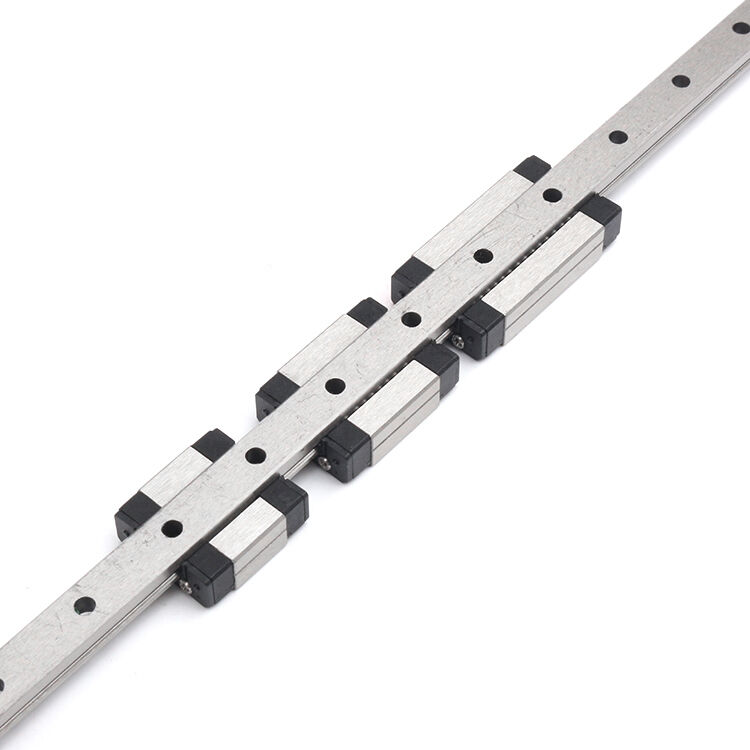
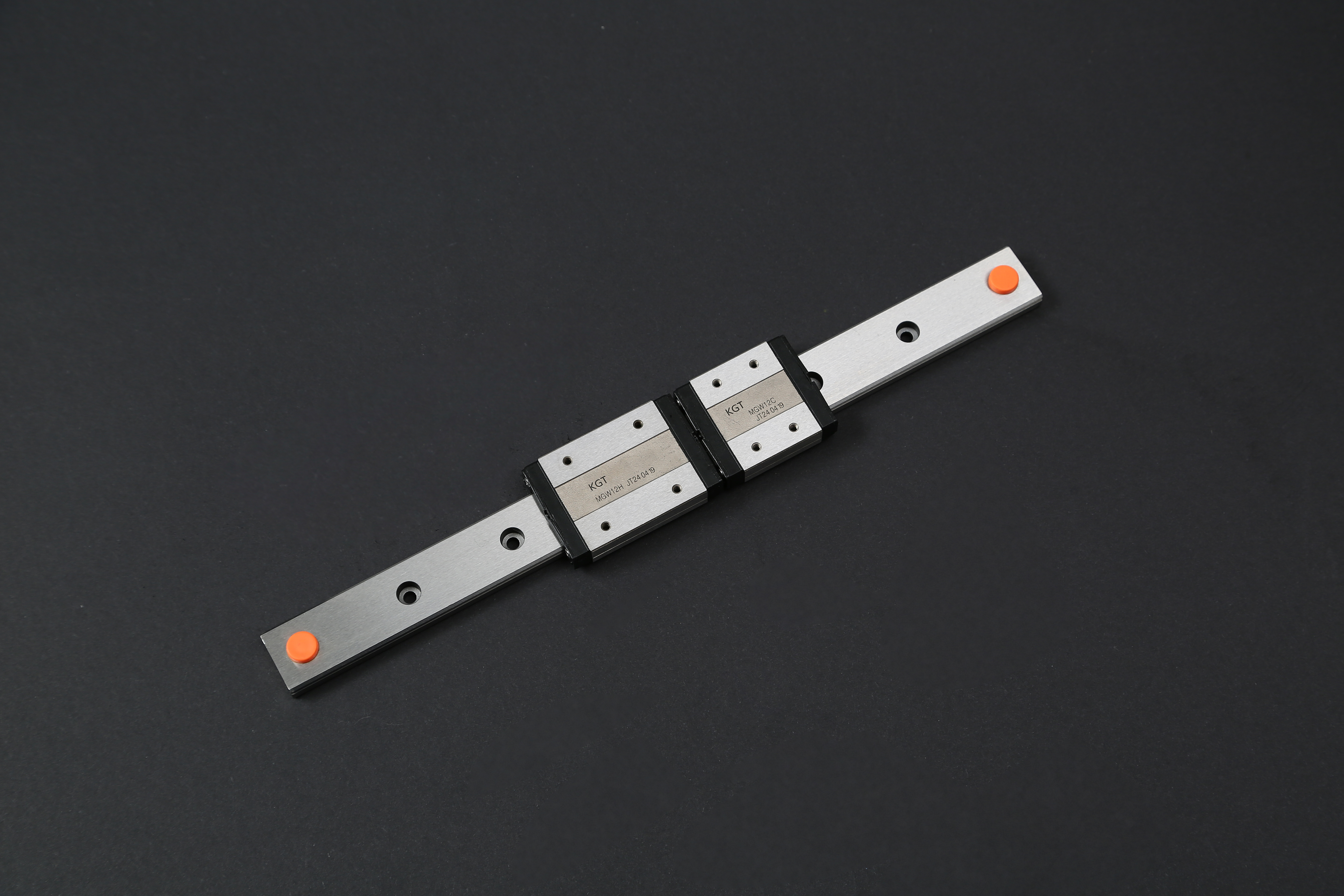
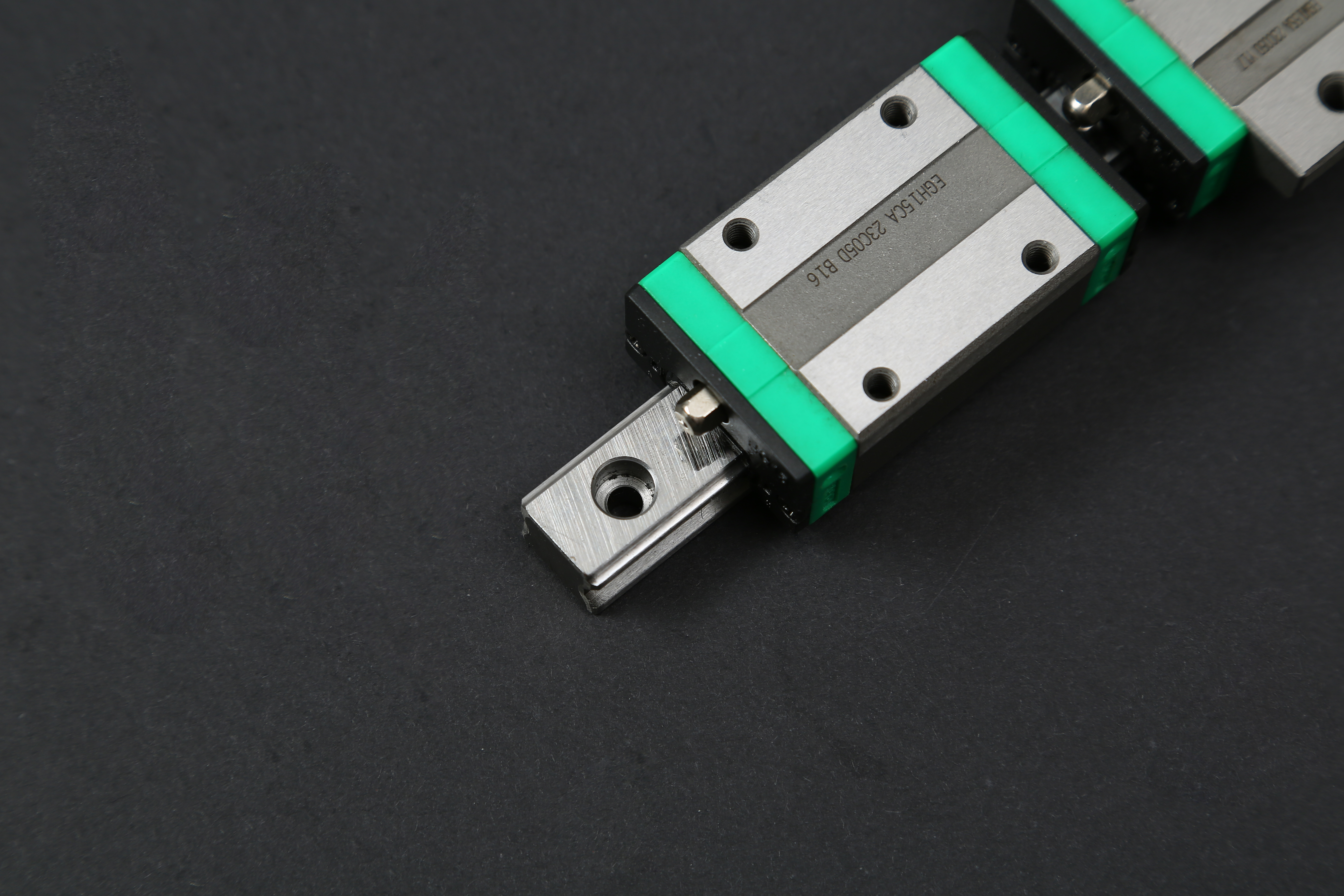
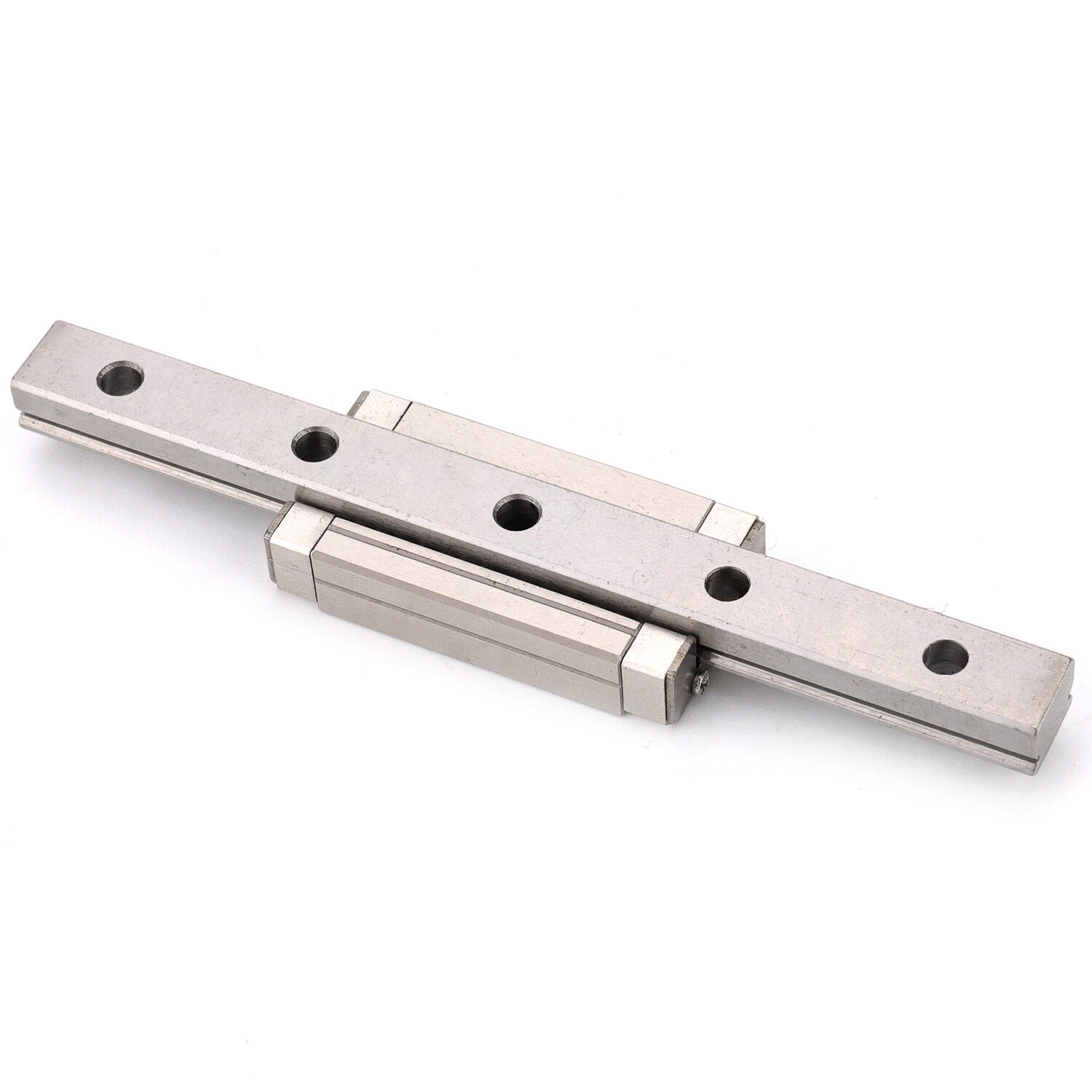
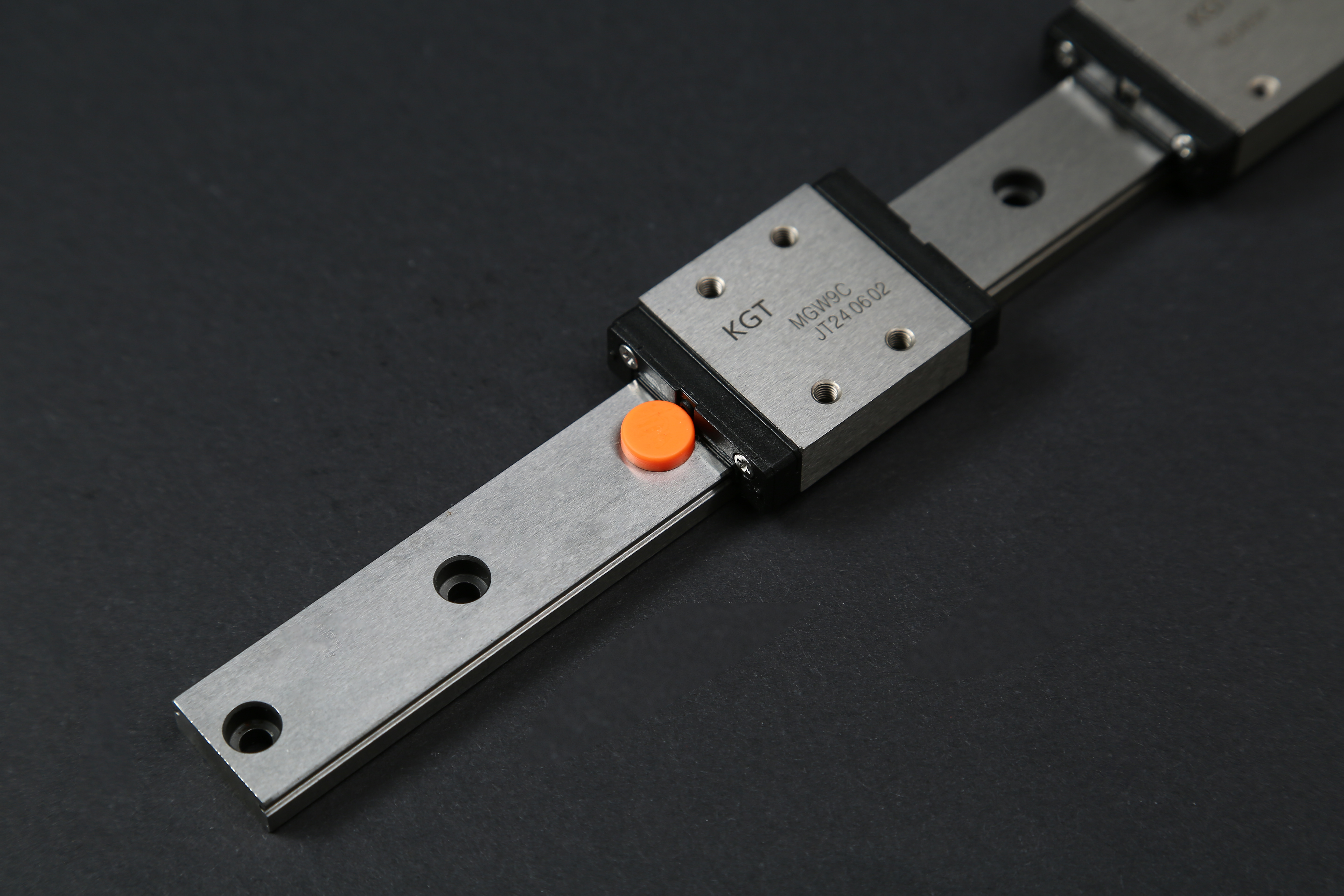
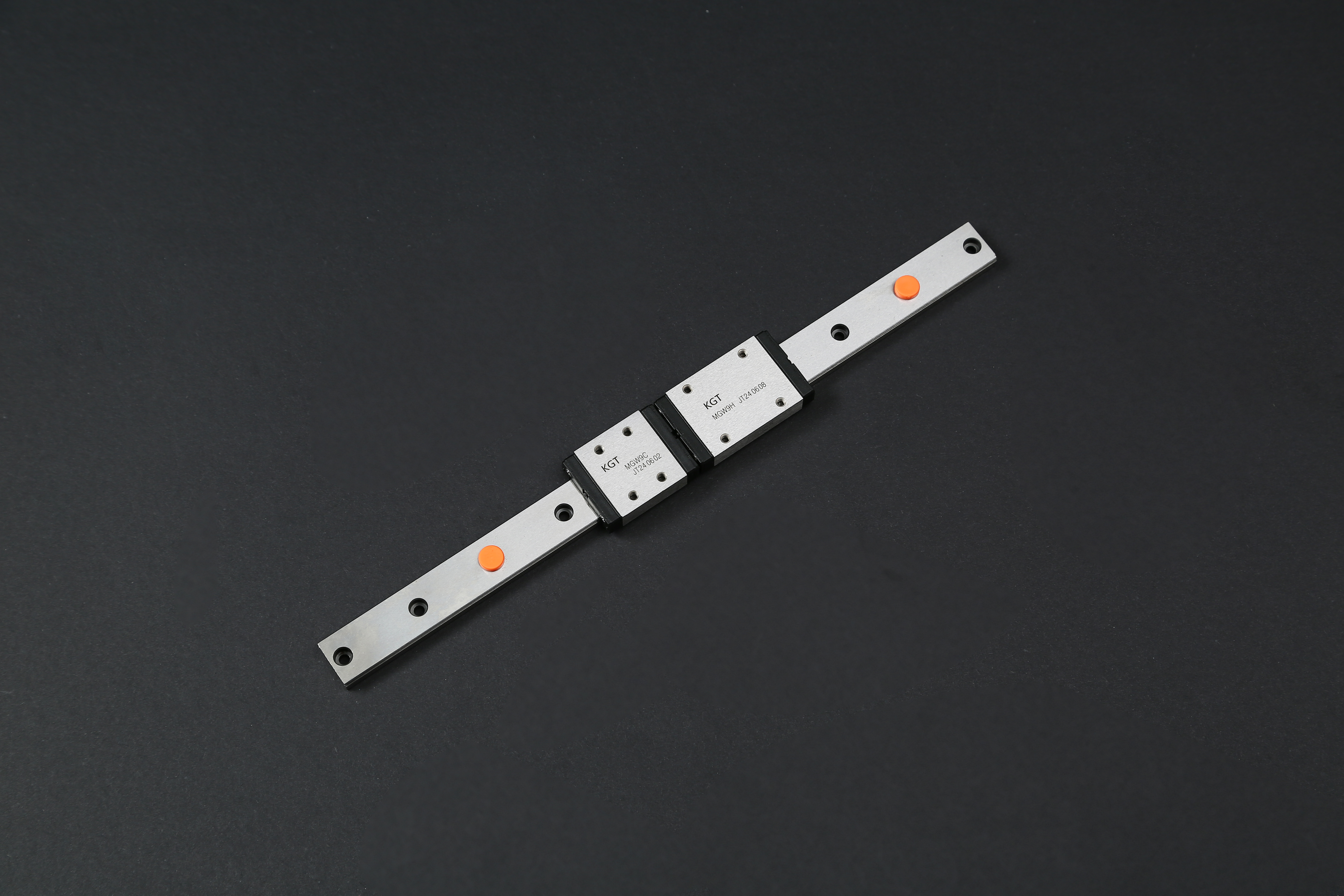
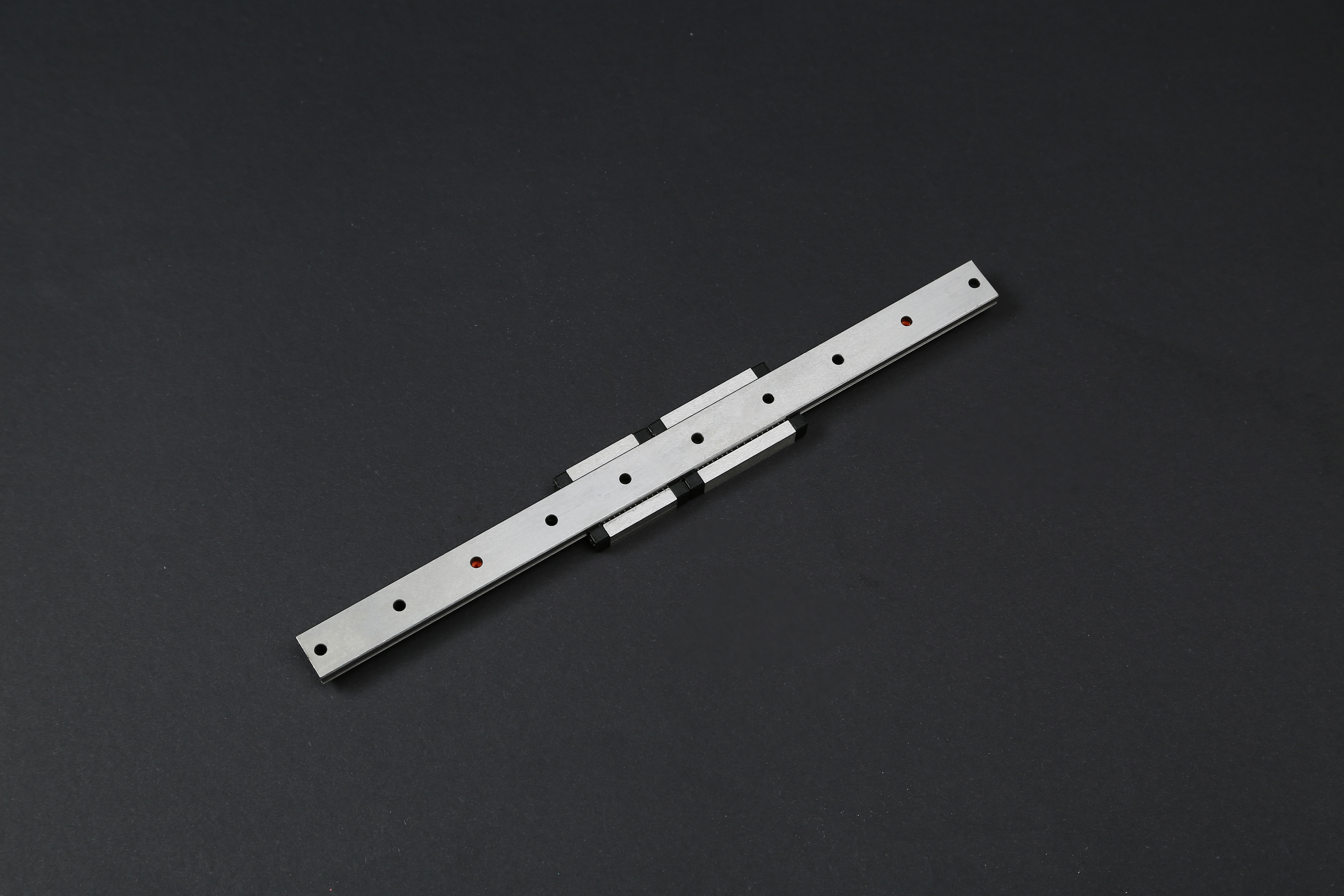
A vertical linear guide represents a sophisticated mechanical component designed to facilitate smooth, precise linear motion along a vertical axis. This engineering marvel serves as the backbone for countless industrial applications where accuracy and reliability are paramount. The vertical linear guide consists of a rail system paired with bearing blocks or carriages that move along predetermined paths with exceptional precision. The fundamental structure incorporates hardened steel rails with precisely machined surfaces that work in conjunction with ball bearings or roller elements housed within the carriage assembly. The primary function of a vertical linear guide centers on converting rotational motion into controlled linear displacement while maintaining consistent positioning accuracy. These systems excel at supporting varying load capacities while ensuring smooth operation across extended operational cycles. Modern vertical linear guide systems feature advanced sealing mechanisms that protect internal components from environmental contaminants such as dust, moisture, and debris. The technological sophistication extends to specialized lubrication systems that ensure long-term performance without frequent maintenance interventions. Manufacturing processes employ computer numerical control machining to achieve surface finishes measured in micrometers, resulting in exceptional straightness and parallelism tolerances. The guide rails undergo rigorous heat treatment processes to achieve optimal hardness characteristics while maintaining dimensional stability under varying temperature conditions. Ball bearing elements within the carriage assemblies are manufactured to exacting standards, ensuring consistent rolling resistance and minimal friction throughout the operational range. Advanced vertical linear guide systems incorporate precision-ground raceways that distribute loads evenly across multiple contact points, enhancing overall system durability. The integration of these components creates a mechanical system capable of achieving positioning accuracies measured in micrometers while supporting substantial loads. Applications span diverse industries including automation equipment, medical devices, semiconductor manufacturing, precision machining centers, and material handling systems where controlled vertical movement is essential for operational success.

New Product Releases

The vertical linear guide offers numerous compelling advantages that make it an indispensable component for modern industrial applications. Superior precision stands as the most significant benefit, enabling positioning accuracy that meets the demanding requirements of high-tech manufacturing processes. Unlike traditional sliding mechanisms, the vertical linear guide maintains consistent performance throughout its operational life, delivering repeatable positioning results that enhance product quality and reduce manufacturing defects. The low friction characteristics inherent in these systems translate directly into reduced energy consumption, making them an environmentally conscious choice for sustainability-focused organizations. Maintenance requirements remain minimal due to the enclosed bearing design that protects critical components from external contamination, resulting in lower operational costs and reduced downtime. The smooth operation provided by precision ball bearings eliminates stick-slip phenomena commonly associated with alternative linear motion solutions, ensuring seamless movement even at extremely low velocities. Load capacity advantages become apparent when comparing vertical linear guides to other motion systems, as the distributed load design allows for supporting heavier payloads without compromising accuracy or operational life. Installation simplicity represents another major advantage, as standardized mounting configurations reduce assembly time and minimize the potential for installation errors. The modular design approach enables easy customization to meet specific application requirements without necessitating complete system redesigns. Versatility in mounting orientations allows engineers to optimize space utilization in compact machinery designs while maintaining full functionality. Temperature stability ensures consistent performance across wide operating ranges, making these systems suitable for applications in varying environmental conditions. The absence of backlash in properly preloaded systems guarantees immediate response to directional changes, critical for applications requiring rapid position changes. Corrosion resistance through specialized coatings and materials selection extends operational life in challenging industrial environments. Quiet operation contributes to improved workplace conditions while reducing noise pollution in sensitive manufacturing environments. Speed capabilities accommodate both high-velocity applications and ultra-precise slow-speed movements, providing flexibility for diverse operational requirements. The standardized interface dimensions facilitate easy replacement and system upgrades, protecting long-term equipment investments and ensuring future compatibility with evolving technology standards.

Latest News

Design for OEMs: Optimize Linear Guide Rail Performance with Custom Black Oxide and Drilling.

27

Mar

Design for OEMs: Optimize Linear Guide Rail Performance with Custom Black Oxide and Drilling.

Original Equipment Manufacturers (OEMs) across industries rely on precision motion systems to deliver exceptional performance in their machinery and equipment. The selection of appropriate linear motion components directly impacts product reliability...
View More
Solve Heavy-Duty Wear: Custom-Designed Linear Bearings with Chrome Plating and Precision Drilling.

23

Mar

Solve Heavy-Duty Wear: Custom-Designed Linear Bearings with Chrome Plating and Precision Drilling.

Industrial machinery relies heavily on precision components to maintain operational efficiency and minimize downtime. Among these critical components, the linear bearing stands as a fundamental element that enables smooth, controlled linear motion ac...
View More
How does linear bearing design affect machine performance?

25

Feb

How does linear bearing design affect machine performance?

The performance of industrial machinery depends heavily on the quality and design of its fundamental components, with linear bearing systems playing a crucial role in determining overall operational efficiency. Modern manufacturing environments deman...
View More
Engineer for Reliability: Precision-Crafted Slide Linear Systems with Custom Drilling and Quality Plating.

10

Mar

Engineer for Reliability: Precision-Crafted Slide Linear Systems with Custom Drilling and Quality Plating.

Engineering reliable motion control systems requires precision-crafted slide linear components that meet exacting industrial standards. When manufacturing equipment demands consistent linear motion over millions of cycles, the quality of slide linear...
View More

Get a Free Quote

Our representative will contact you soon.
Email
Name
Company Name
Message
0/1000

vertical linear guide

Unmatched Precision Engineering for Critical Applications

Unmatched Precision Engineering for Critical Applications

The vertical linear guide achieves exceptional precision through advanced manufacturing techniques that set new industry standards for accuracy and repeatability. Precision grinding processes create rail surfaces with straightness tolerances measured in micrometers per meter, ensuring that guided motion follows an exact path without deviation. The implementation of precision ball bearings manufactured to ABEC-7 standards or higher guarantees consistent rolling characteristics that eliminate irregular motion patterns. Computer-controlled quality inspection systems verify dimensional accuracy at multiple points throughout the manufacturing process, ensuring each vertical linear guide meets stringent performance specifications. The four-row ball bearing configuration distributes loads across multiple contact points, maintaining consistent preload levels that prevent play or backlash during operation. Specialized heat treatment processes create optimal hardness characteristics in rail materials, providing wear resistance while maintaining dimensional stability under thermal cycling conditions. Advanced surface finishing techniques achieve roughness values below 0.2 micrometers, minimizing friction and ensuring smooth operation throughout extended service intervals. The precision assembly process employs torque-controlled fastening procedures that maintain proper bearing preload without over-stressing components. Quality control protocols include comprehensive testing under various load conditions to verify performance characteristics before shipment. This attention to precision engineering enables the vertical linear guide to achieve positioning accuracies of ±5 micrometers or better, making it suitable for applications in semiconductor manufacturing, precision optics, medical device assembly, and coordinate measuring machines. The consistent precision performance translates into improved product quality for end users, reduced scrap rates in manufacturing processes, and enhanced capability for meeting tight tolerance requirements. Investment in precision engineering pays dividends through extended equipment life, reduced maintenance requirements, and the ability to achieve manufacturing goals that would be impossible with less precise motion systems.
Superior Load Capacity with Exceptional Durability

Superior Load Capacity with Exceptional Durability

The vertical linear guide excels in supporting substantial loads while maintaining smooth operation through innovative design features that maximize load distribution and minimize stress concentrations. The multi-point contact design distributes applied loads across numerous ball bearings, preventing individual bearing elements from experiencing excessive stress that could lead to premature failure. Hardened steel construction materials provide exceptional strength characteristics that enable safe operation under heavy loading conditions without permanent deformation. The robust rail cross-sectional design incorporates optimized geometry that maximizes moment capacity while minimizing deflection under applied loads. Advanced bearing cage designs maintain proper ball spacing and prevent bearing skew that could compromise load-carrying capacity or operational smoothness. Load capacity specifications often exceed 50,000 Newtons in dynamic applications and can reach even higher values for static loading conditions, making these systems suitable for heavy-duty industrial applications. The fatigue life calculations based on L10 bearing life standards demonstrate operational lives exceeding millions of cycles under rated loads, providing excellent value for demanding applications. Corrosion-resistant treatments and specialized lubricants extend operational life in challenging environmental conditions where moisture, chemicals, or temperature extremes could compromise system performance. The sealed bearing design prevents contamination ingress that could accelerate wear and reduce load capacity over time. Quality materials selection ensures dimensional stability under varying temperature conditions, maintaining consistent load capacity throughout the operational temperature range. Installation flexibility allows for optimal load distribution in multi-guide configurations, enabling support of extremely heavy payloads when required. The ability to handle combined loading conditions including axial, radial, and moment loads makes the vertical linear guide suitable for complex loading scenarios common in industrial automation equipment. Predictable wear patterns enable scheduled maintenance planning that maximizes equipment availability while ensuring safe operation throughout the service life.
Versatile Integration Capabilities for Diverse Applications

Versatile Integration Capabilities for Diverse Applications

The vertical linear guide demonstrates remarkable versatility through standardized mounting interfaces and modular design features that simplify integration into diverse mechanical systems. Standard hole patterns and mounting dimensions conform to internationally recognized standards, enabling easy integration with existing equipment designs and facilitating replacement of legacy motion systems. The compact profile design maximizes machine utilization by minimizing space requirements while providing full motion capability, particularly valuable in applications where space constraints limit design options. Multiple size options ranging from miniature guides suitable for precision instruments to heavy-duty units capable of supporting multi-ton loads ensure availability of appropriate solutions for virtually any application requirement. Customization capabilities include specialized rail lengths, modified mounting configurations, and application-specific seal arrangements that address unique operational challenges. The modular approach enables combination of multiple guide assemblies to create complex motion systems with enhanced load capacity or extended travel ranges. Compatibility with standard automation components including servo motors, stepper motors, and pneumatic actuators simplifies system design and reduces component sourcing challenges. Environmental sealing options provide protection against dust, moisture, chemicals, and other contaminants common in industrial environments, extending the range of suitable applications. Temperature-resistant materials and lubricants enable operation in extreme temperature conditions from cryogenic applications to high-temperature industrial processes. The ability to operate in multiple orientations beyond vertical mounting expands application possibilities to include horizontal, angled, and inverted installations. Integration with feedback systems including linear encoders and position sensors enables closed-loop control for applications requiring precise position monitoring. Maintenance accessibility features facilitate routine service procedures without requiring complete system disassembly, reducing maintenance time and associated costs. The standardized interface approach ensures long-term availability of replacement components and enables future system upgrades without major modifications to existing installations, protecting equipment investments and ensuring continued operational capability as technology evolves.

Vertical Linear Guide Systems: Precision Motion Solutions for Industrial Applications

Get a Free Quote

Our representative will contact you soon.
Email
Name
Company Name
Message
0/1000