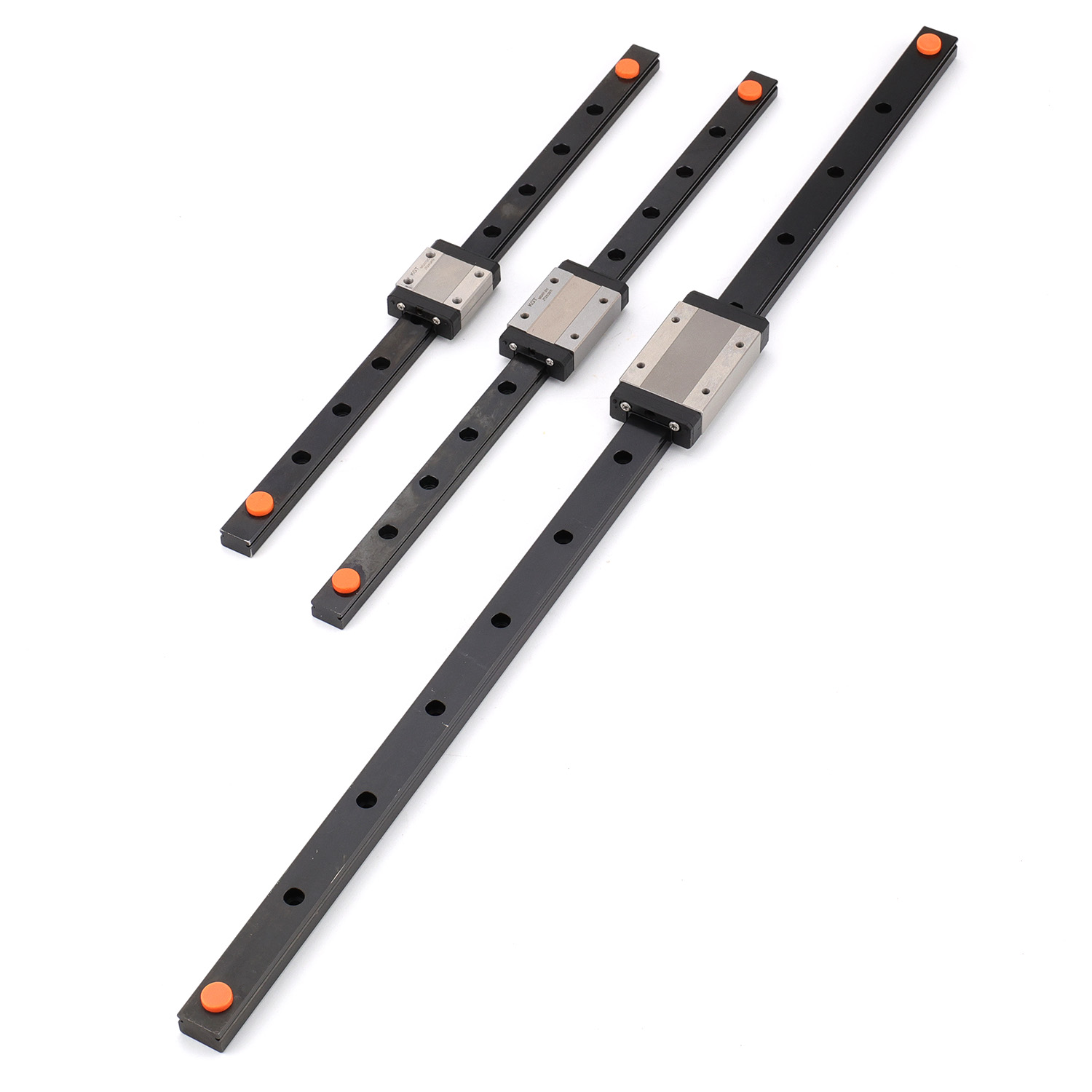
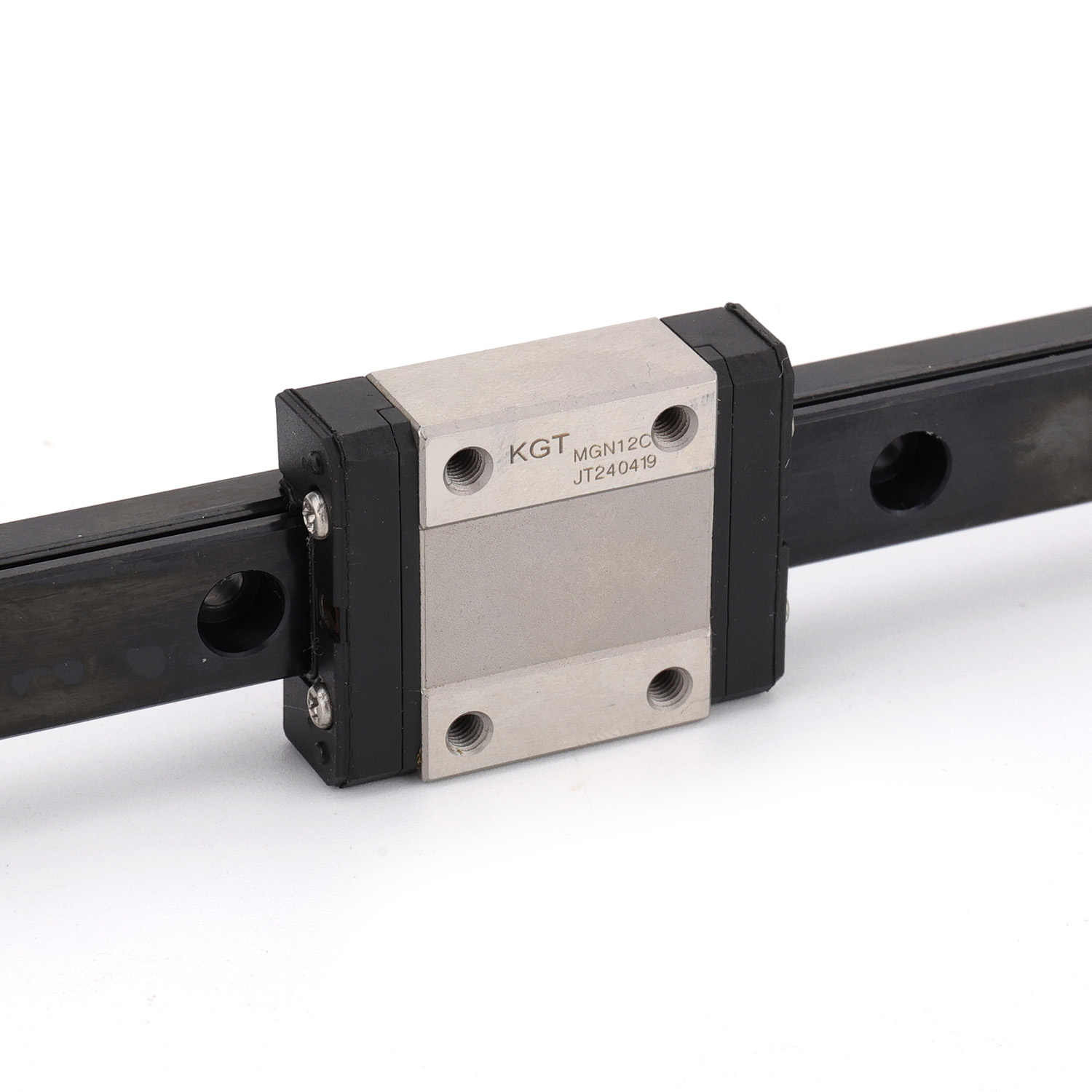
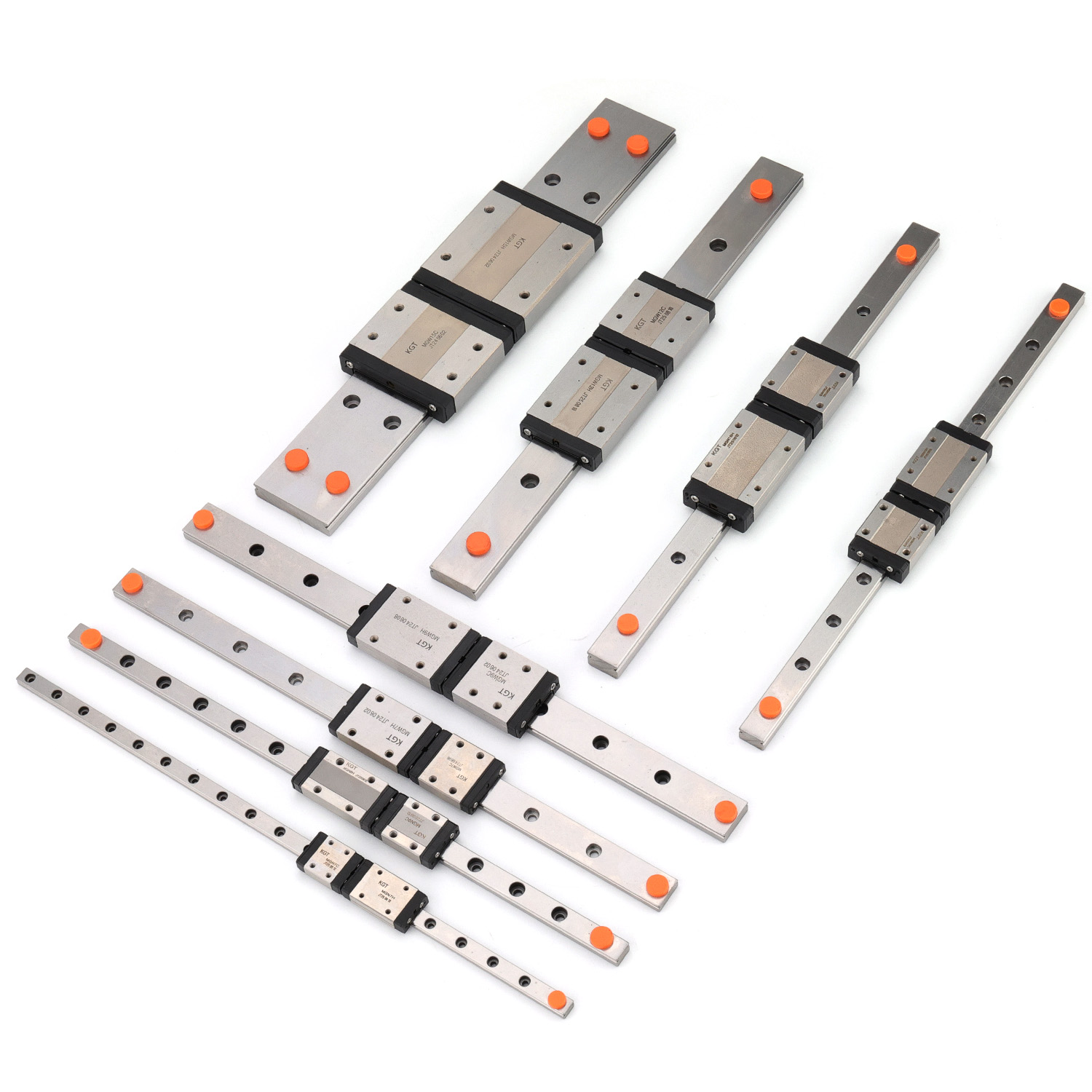
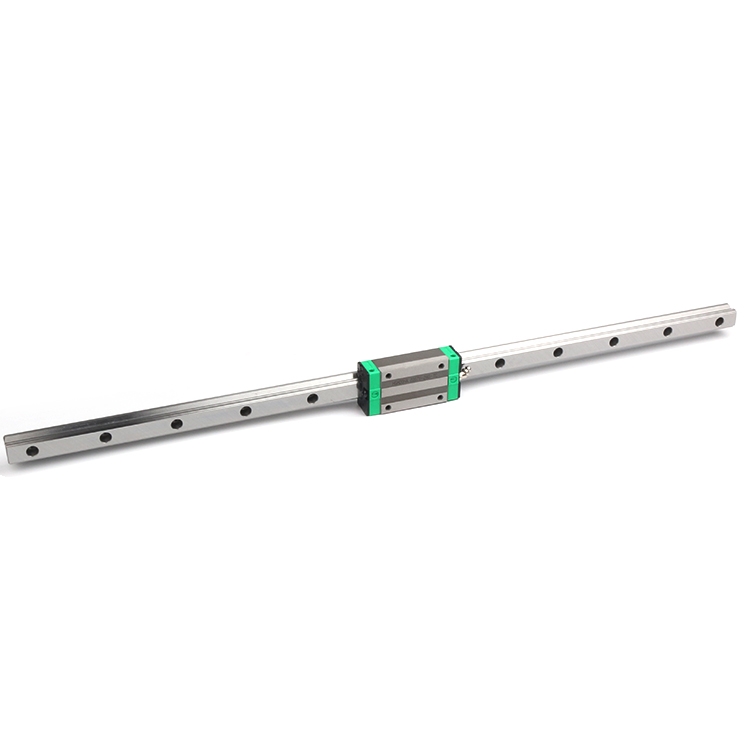
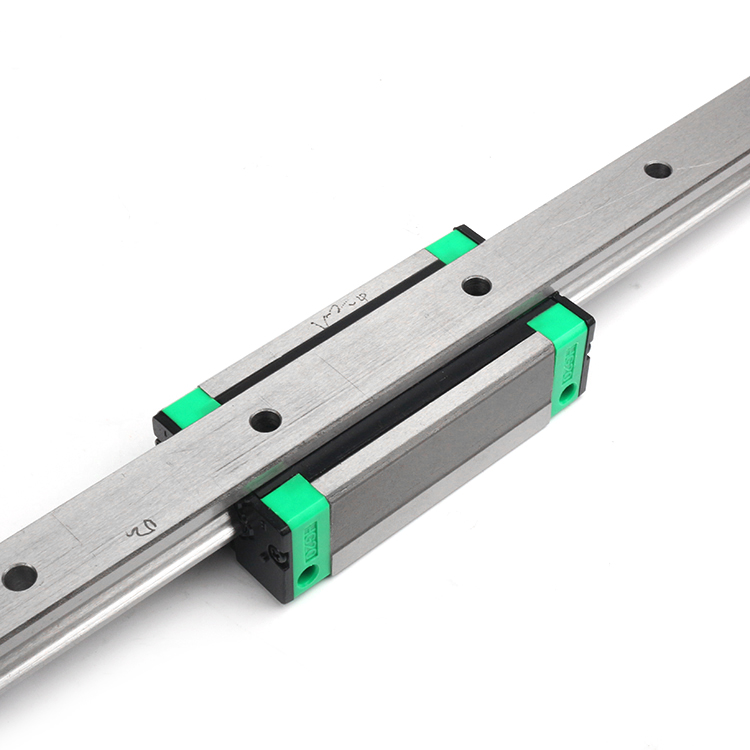
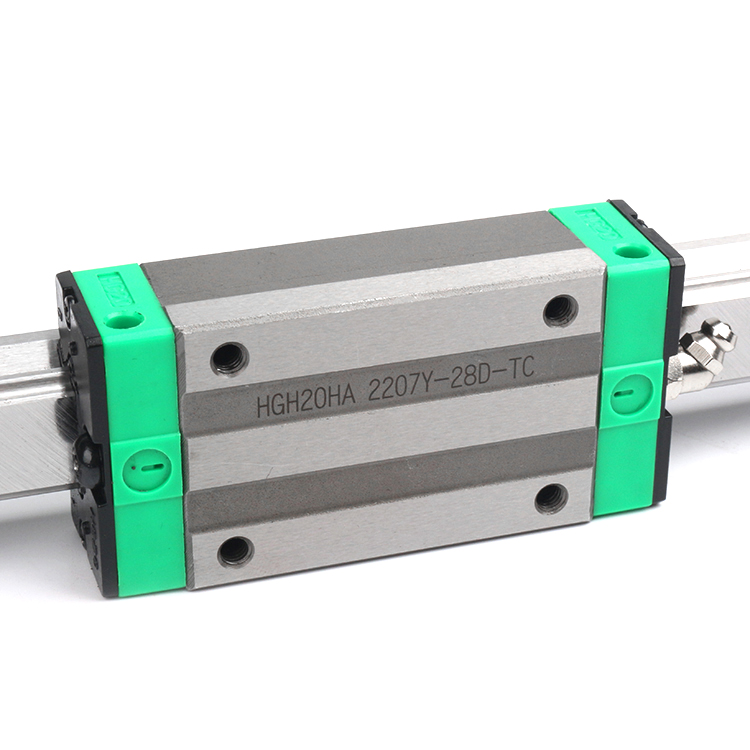
heavy duty linear rails
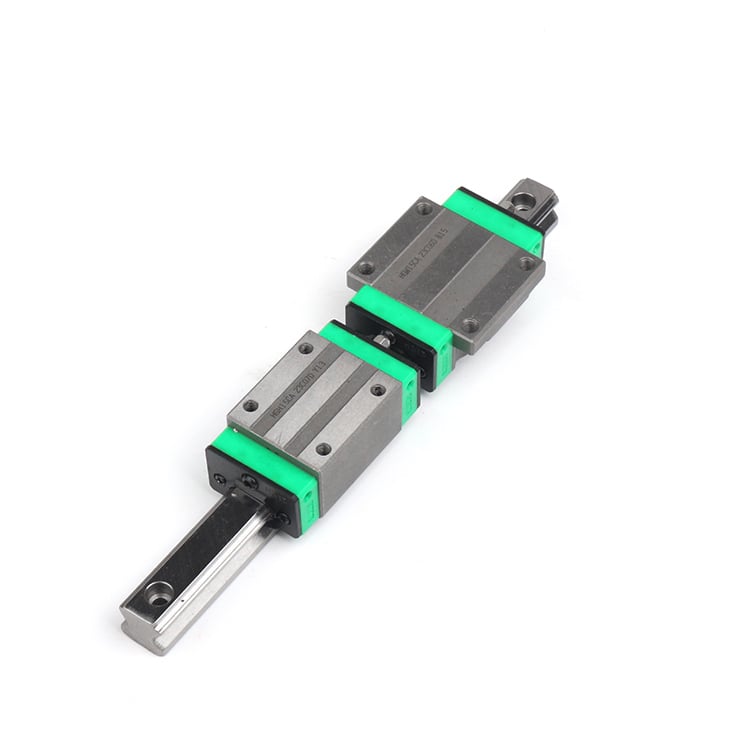
Heavy duty linear rails represent a critical component in industrial machinery and automation systems, providing precision motion control across diverse applications. These specialized rail systems function as guided pathways that enable smooth, accurate linear movement of components, making them essential for manufacturing equipment, automation systems, and mechanical assemblies. Heavy duty linear rails are engineered to support substantial loads while maintaining exceptional precision and repeatability, distinguishing them from standard rail alternatives.
The primary function of heavy duty linear rails involves facilitating controlled linear motion with minimal friction and maximum stability. These systems utilize ball bearings or roller elements that travel along hardened steel rails, enabling smooth translation of forces and movements. Heavy duty linear rails distribute weight evenly across their structure, preventing deflection and ensuring consistent performance under extreme stress conditions.
Technologically, heavy duty linear rails incorporate advanced engineering features including preloaded bearing blocks, precision-ground rail profiles, and sealed designs that protect against contaminants. The construction utilizes high-grade steel materials with specialized heat treatment processes, creating durability that withstands repetitive cycles and harsh industrial environments. Modern heavy duty linear rails integrate corrosion-resistant coatings and maintenance-free bearing systems that reduce operational downtime.
Applications for heavy duty linear rails span numerous industries including automotive manufacturing, aerospace production, food processing, medical device assembly, and semiconductor fabrication. These systems excel in CNC machining centers, industrial robots, material handling equipment, and precision positioning machinery. Heavy duty linear rails enable manufacturers to achieve tight tolerances, increase production speeds, and enhance equipment reliability across demanding operational scenarios.

 EN