EN
EN
Quick Links

I. Upgrade plan for 3D printer linear guides The original desktop 3D printers of the client enterprise have long faced two major pain points when printing components: • Insufficient printing accuracy: A layer texture deviation of ±0.15mm ...
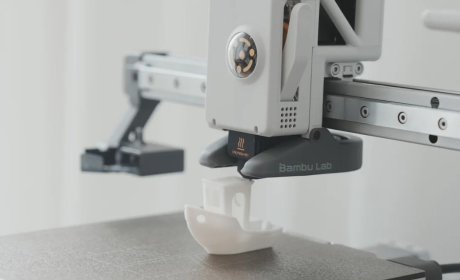
The original desktop 3D printers of the client enterprise have long faced two major pain points when printing components:
• Insufficient printing accuracy: A layer texture deviation of ±0.15mm occurs during the Z-axis movement, resulting in complex curved surface parts failing to meet the assembly requirements
• Poor long-term stability: After continuous operation for 200 hours, the wear of the guide rail intensifies, the vibration amplitude of the print head increases by 40%, and the scrap rate rises to 22%
• Guide rail system upgrade
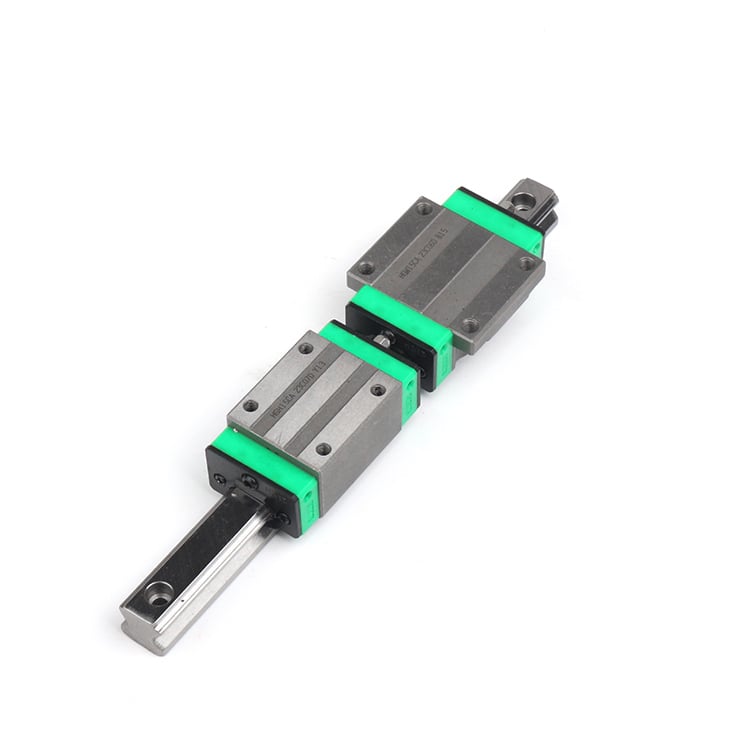
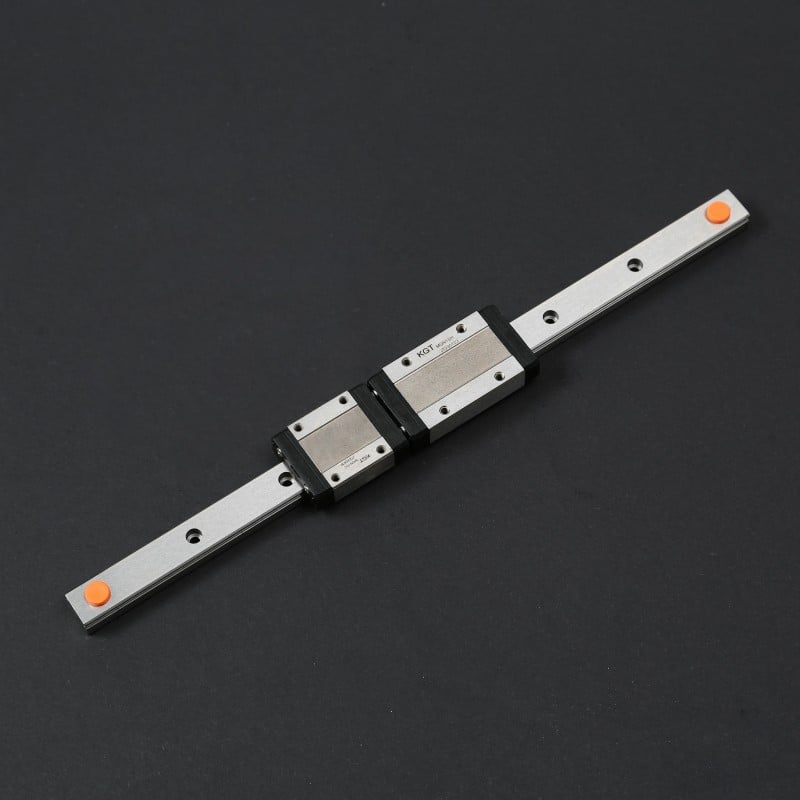
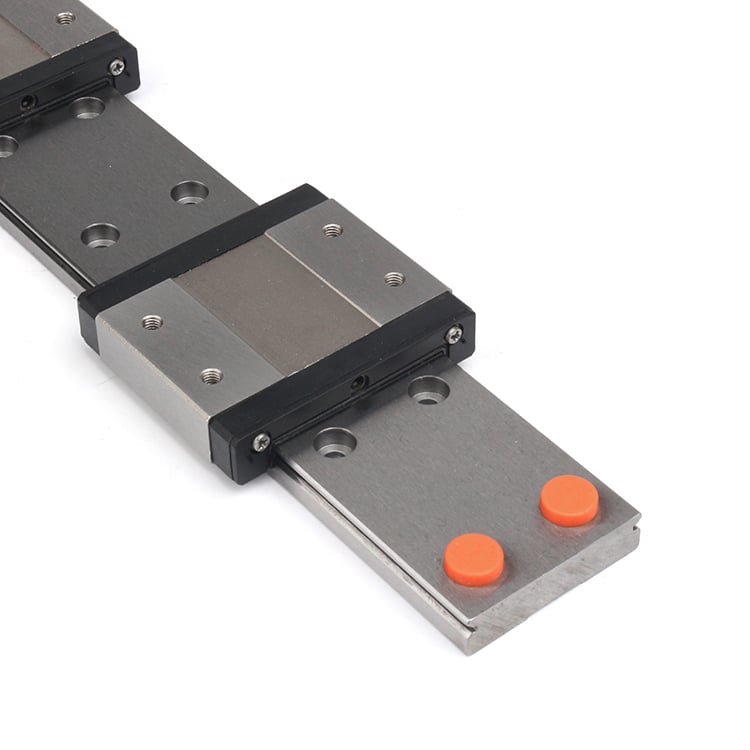
The X/Y axis is equipped with pre-tightening micro guide rails, and the repeat positioning accuracy is improved to ±0.005mm
The Z-axis adopts heavy-duty guide rails, increasing the load capacity to 200kg
• Innovative installation process
Design a three-point laser calibration fixture to eliminate the cumulative error of traditional installation
Develop a thermal expansion compensation algorithm to dynamically adjust the motion parameters through a temperature sensor
Metric |
Before Modification |
After Modification |
Improvement |
Print Dimension Error |
±0.12mm |
±0.03mm |
75% |
Maximum Print Speed |
80mm/s |
150mm/s |
87.5% |
Continuous Working Duration |
72 hours |
600+ hours |
733% |
Maintenance Cycle |
Monthly calibration |
Quarterly maintenance |
Extended by 300% |
• Direct economic benefits:
The printing qualification rate of high-value parts has increased from 68% to 96%
Each year, the capacity loss caused by equipment downtime is reduced by approximately 240 working hours
The maintenance cost was reduced by 65%, and the comprehensive return on investment over three years reached 280%
• Precise selection is superior to blind upgrading: Matching the type of guide rail according to the characteristics of different motion axes is the key
• The value of systematic thinking: Integrating thermal management, vibration analysis and intelligent compensation algorithms to form a complete solution
• Full life cycle cost awareness: 30% hardware investment in the early stage reduces 70% operation and maintenance costs in the later stage